-
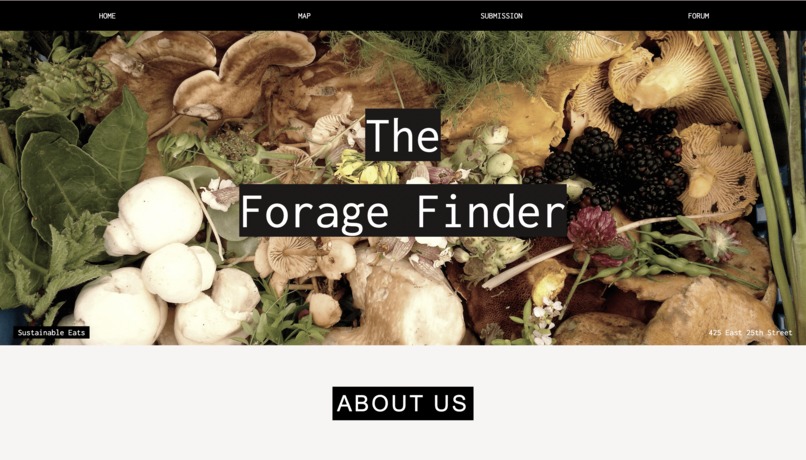
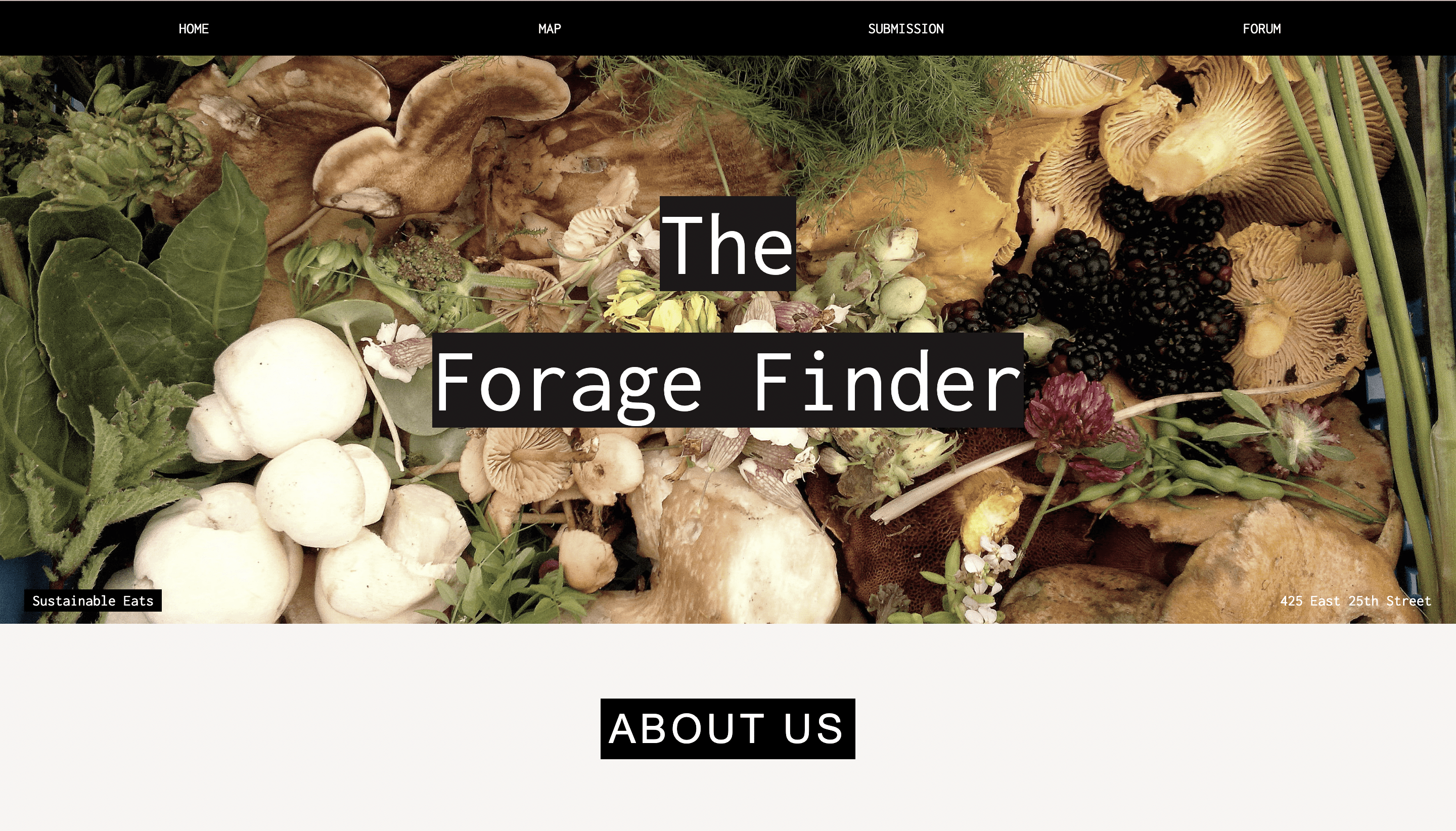
This is the home page.
-
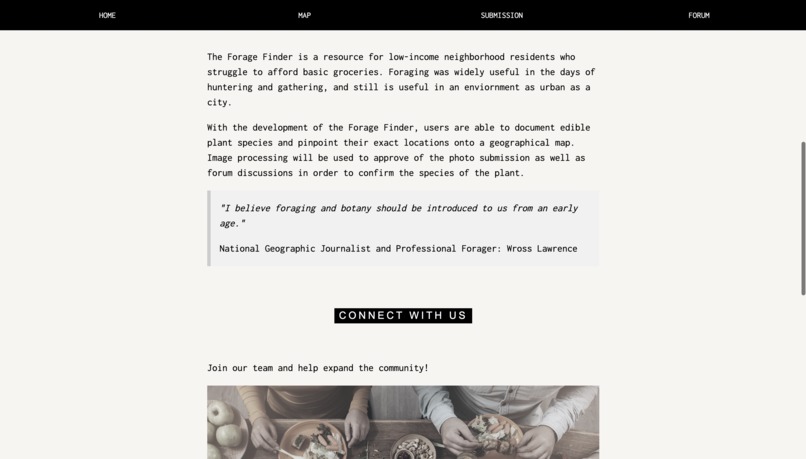
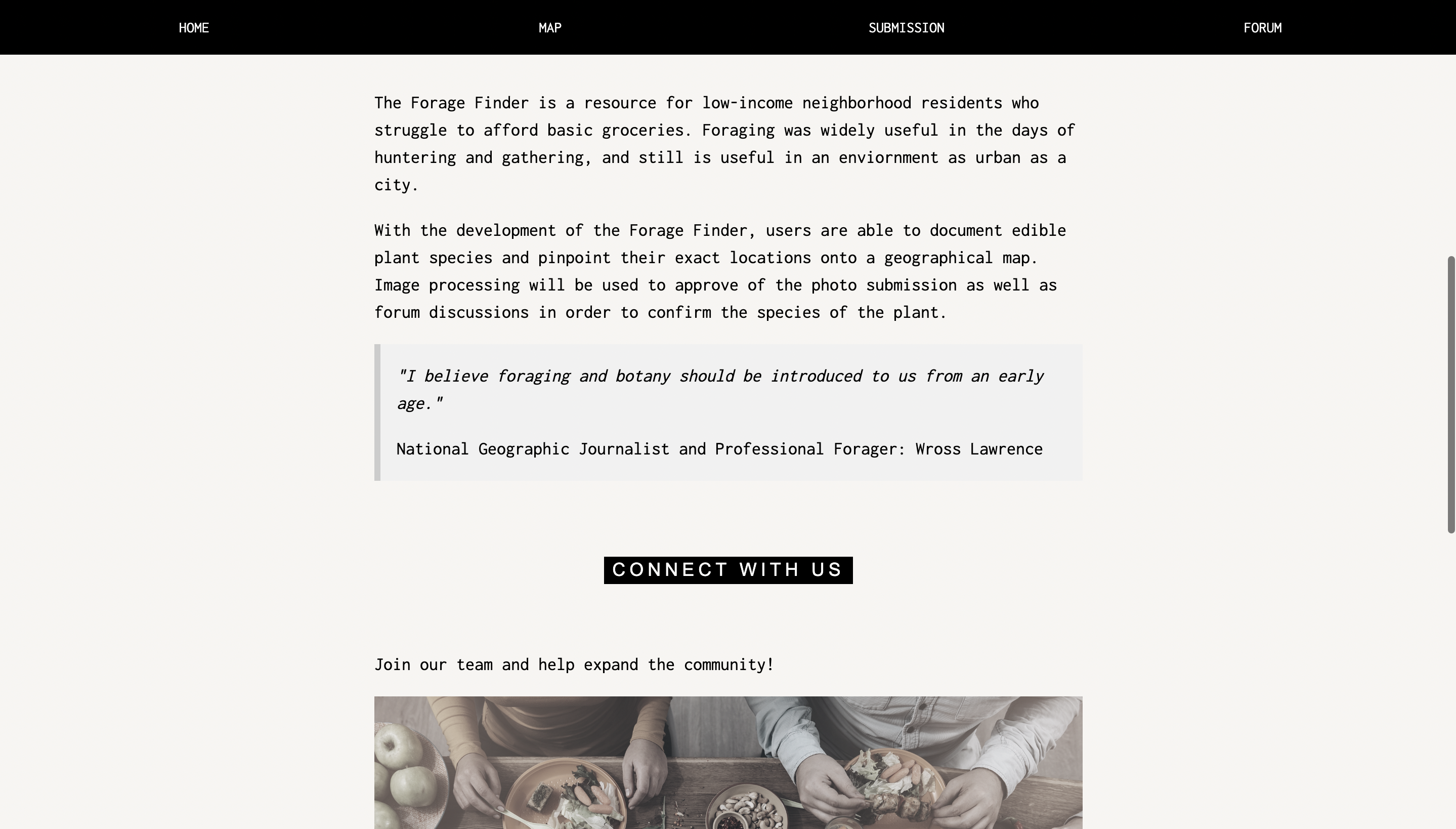
This is the second half of the home page, which includes the description of the website.
-
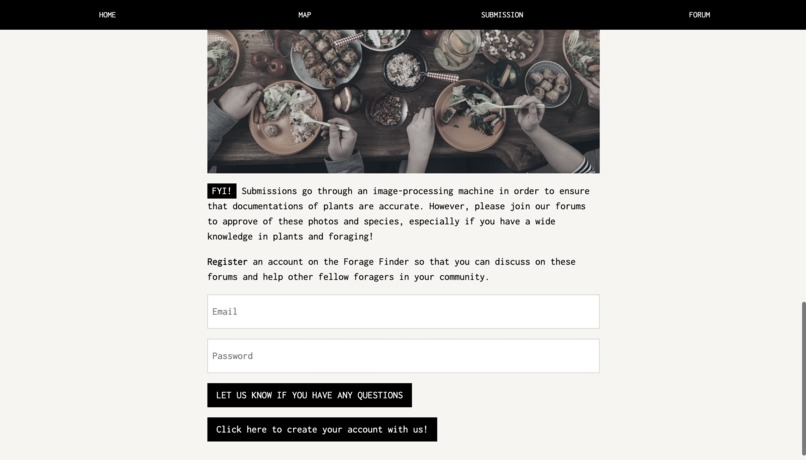
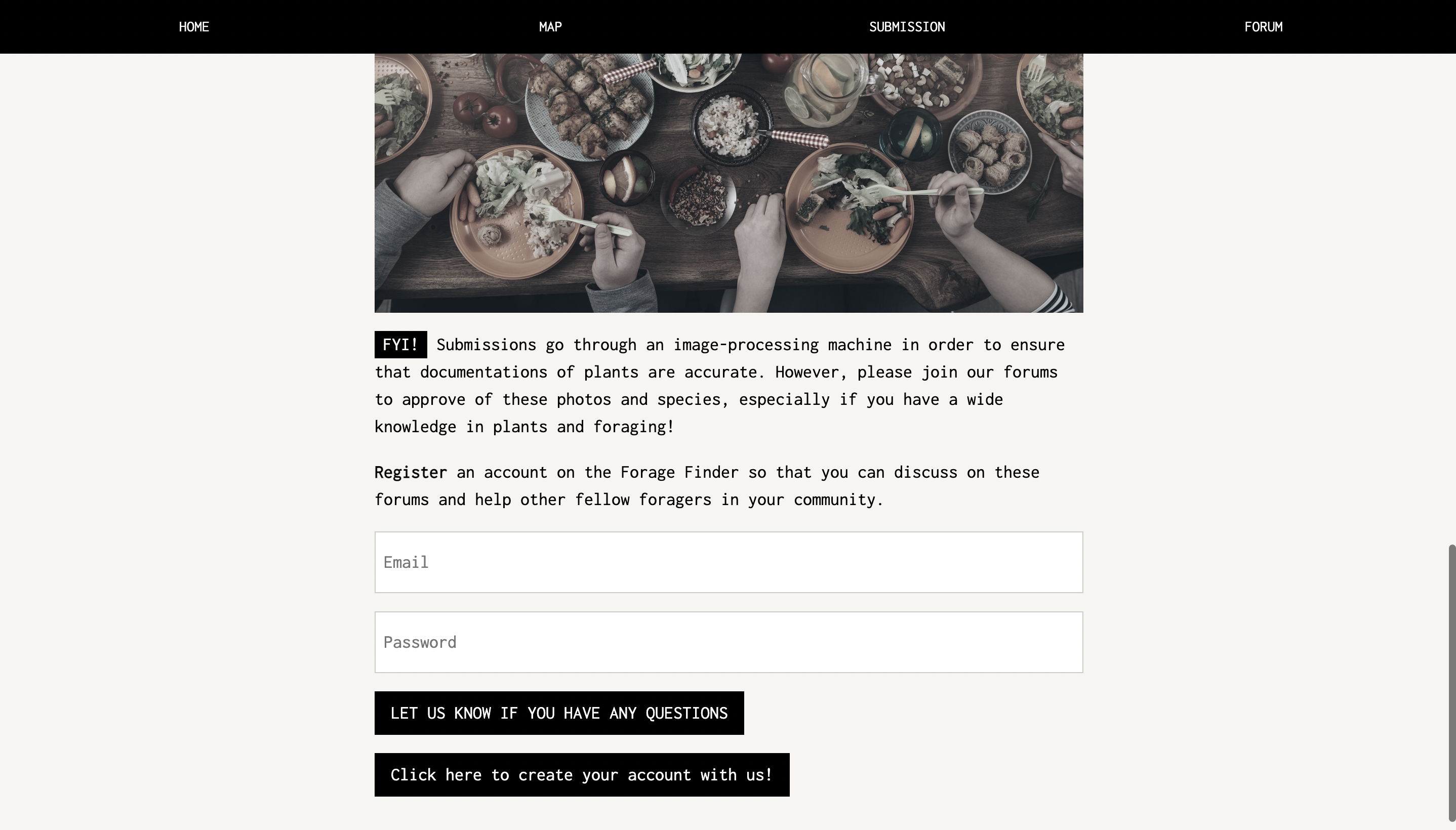
This is the last bit of the home page, which includes a login for users who want to be part of the community.
-
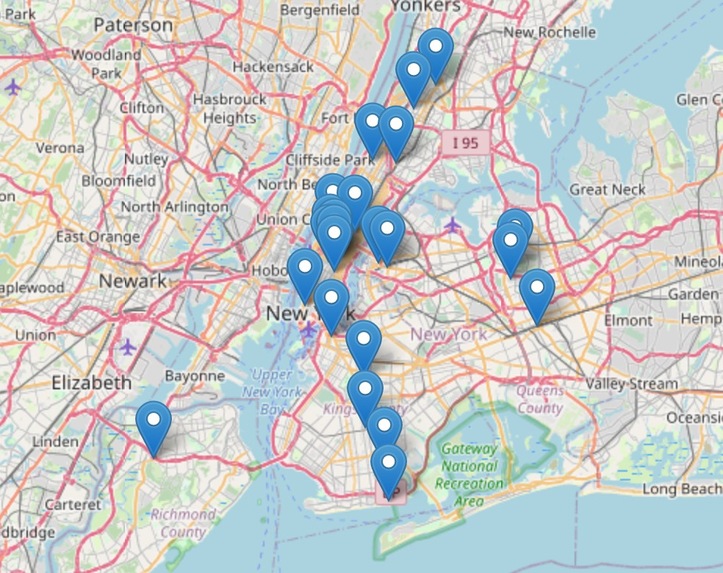
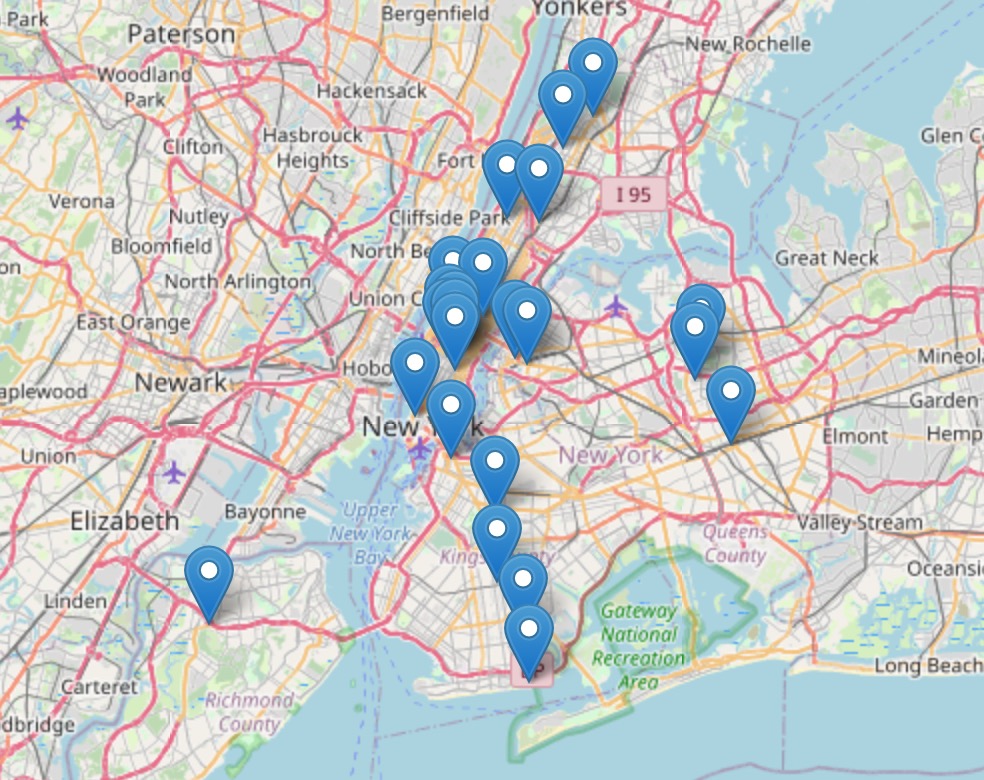
This is a map of where to find the forage food in NYC with example coordinates inputted by users.
-
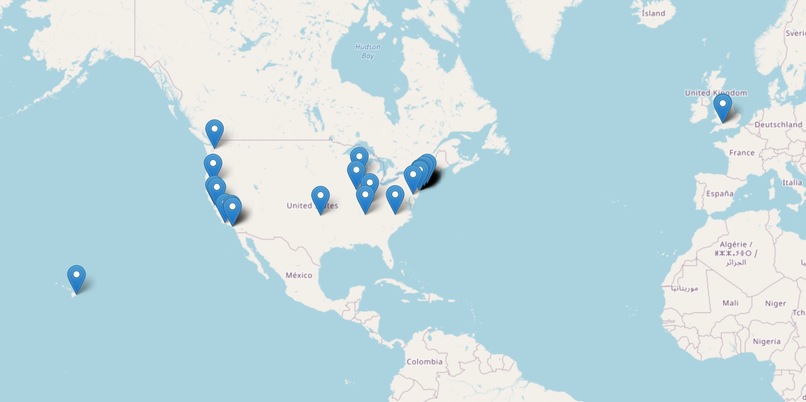
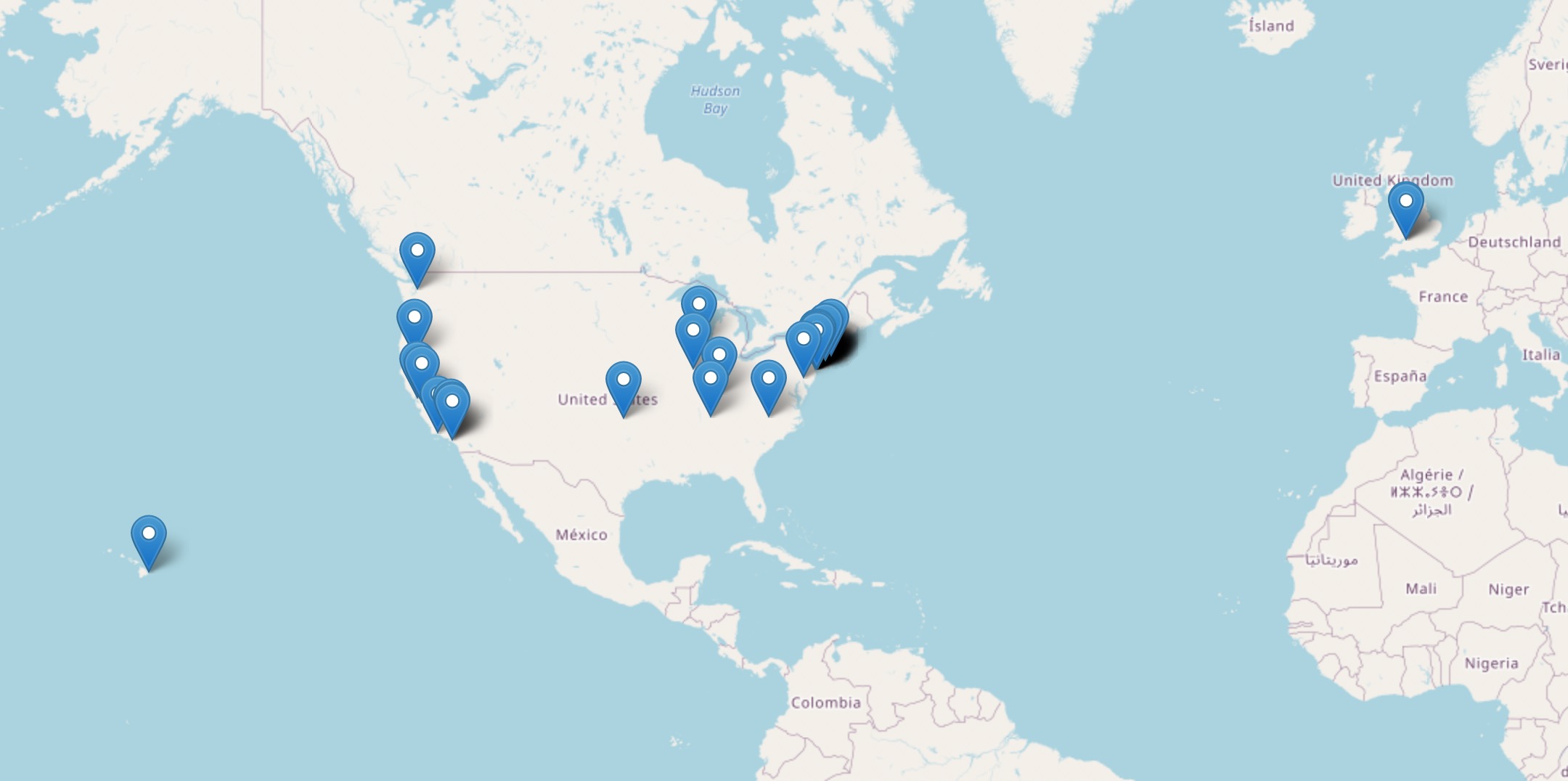
This is a map of where to find the forage food in the world inputted by users.
-
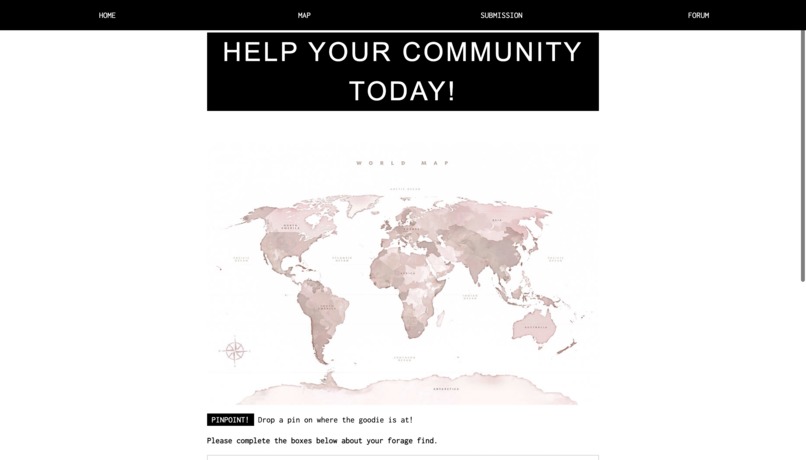
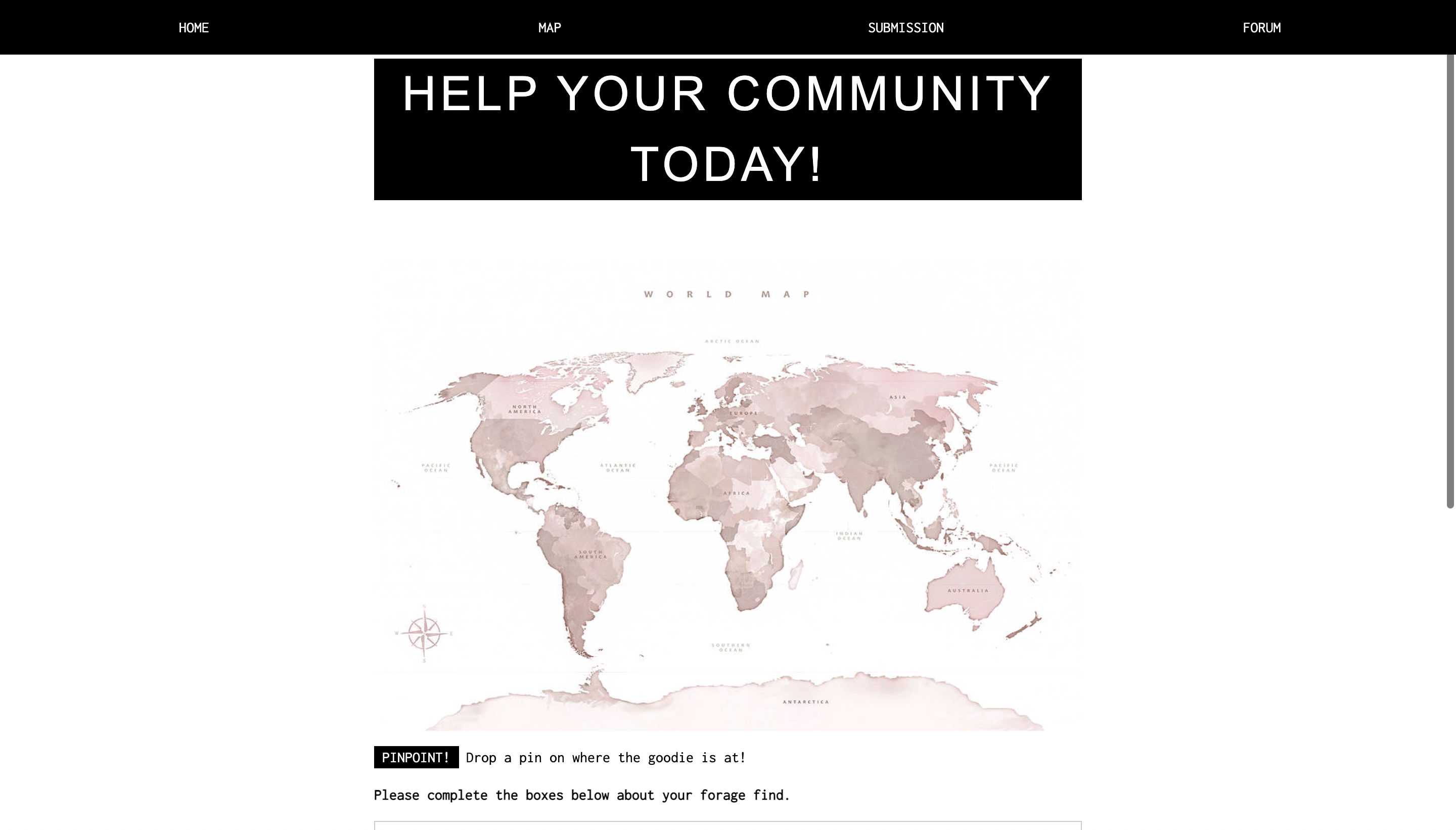
This is the submission page for people to submit their finds.
-
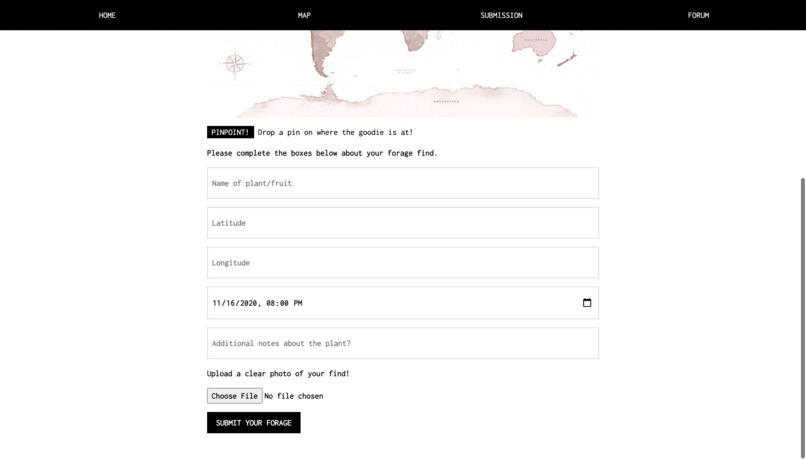
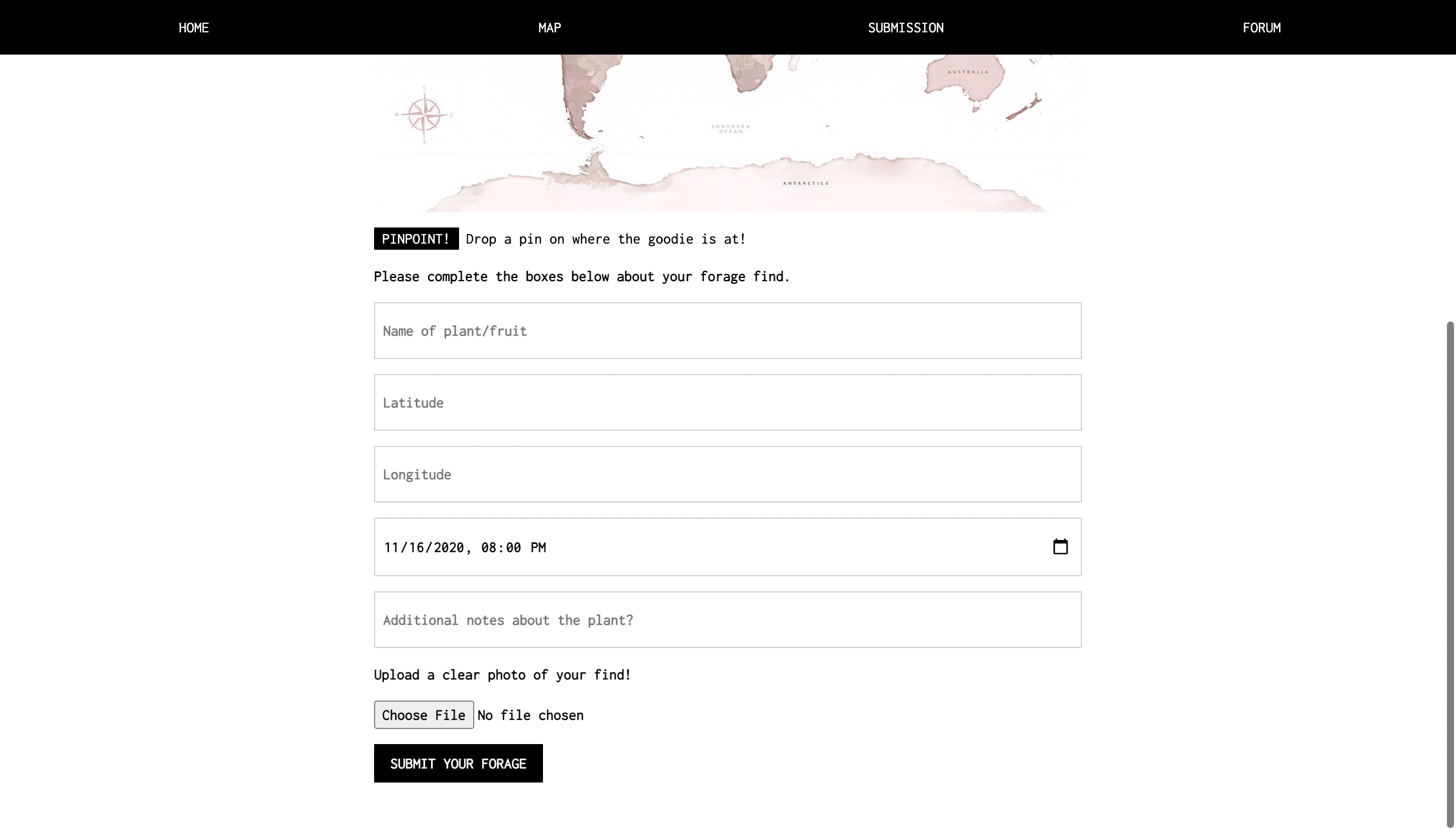
This is the second half of the submission page, components include text fields and a place to upload their photos.
-
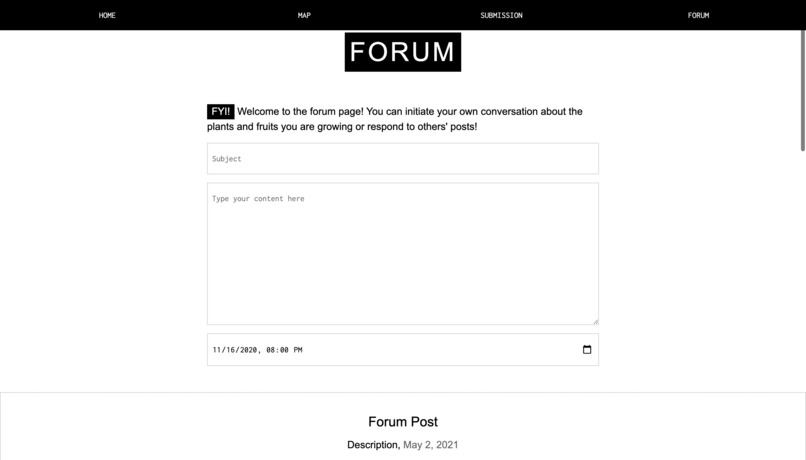
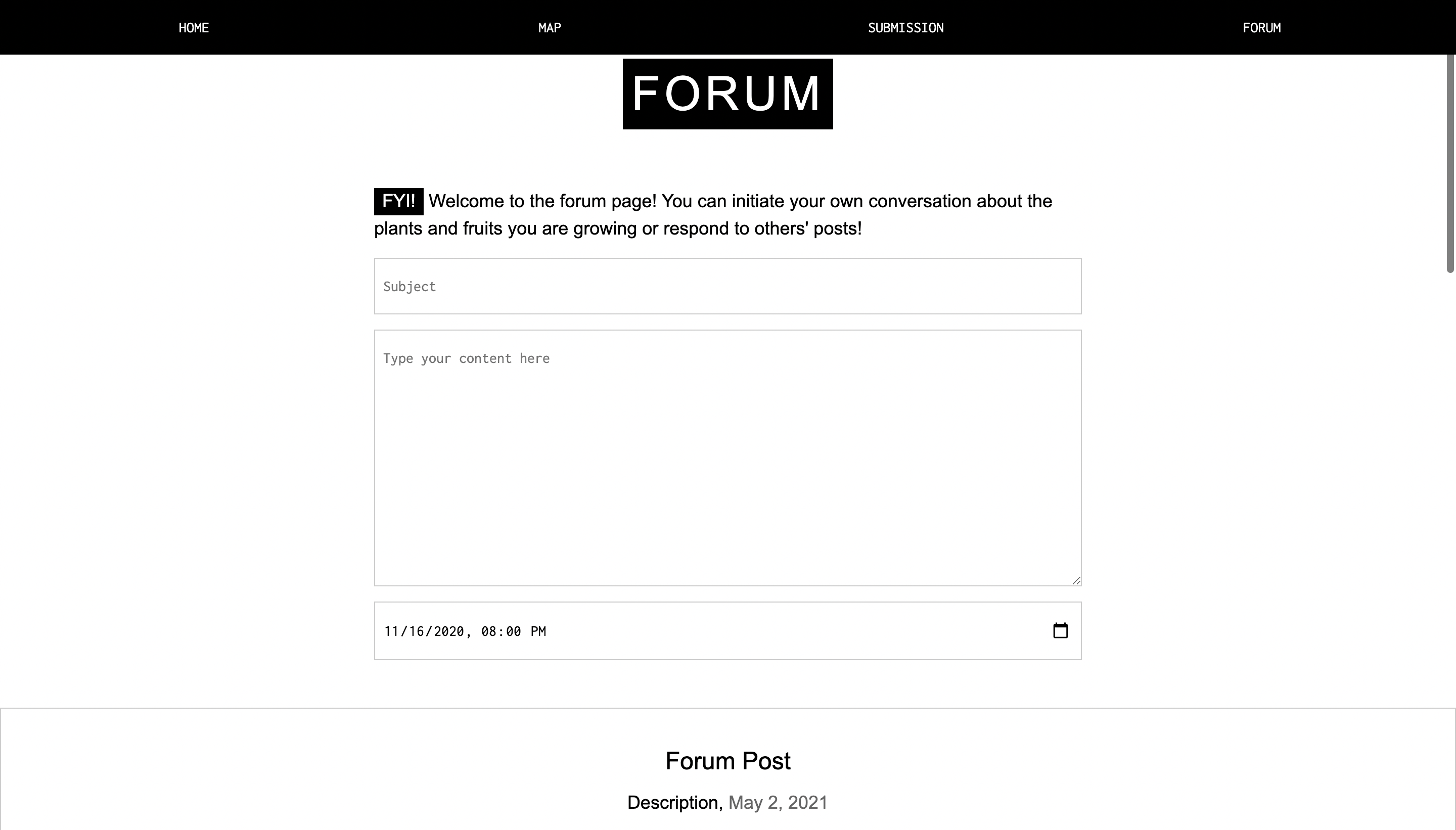
This is a community forum where all the registered users can discuss the identification of edible plant species.
-
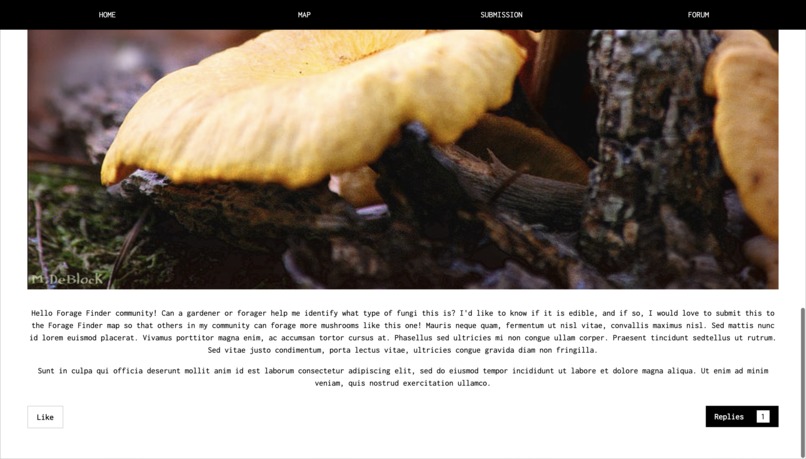
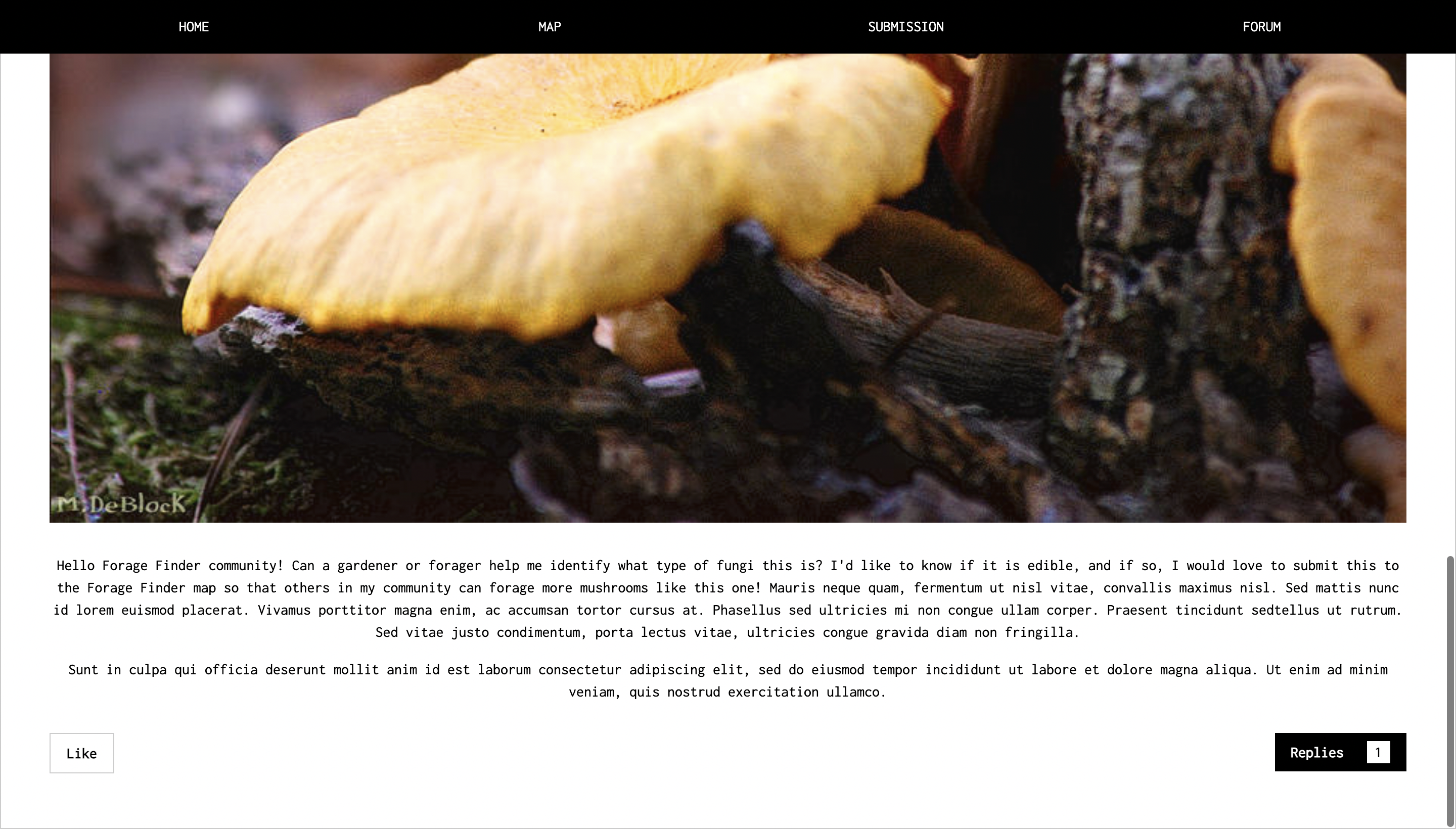
This is an example of a community forum.
Inspiration
Our team discussed the issues we see to be present in our own communities, and we agreed that it is a struggle for low income families to have access to the healthy foods, rather than unfulfilling and non-nutritional options. We then talked about how foraging was a tactic used to collect and gather natural, healthy foods for sustenance, but has fallen out of practice due to the information surrounding the practice being not wide spread. We wanted to use this as an opportunity to give back to our communities by providing information on local foraged items near one's vicinity so people of all socioeconomic backgrounds can have the resources they need for accessible, free, natural foods.
What it does
Our website, The Forage Finder, accepts submissions from users with a provided name for the foraged item, and the approximate latitude and longitude of the location the item was found. This is then plotted on a map (which can be viewed in world view or specific to New York City), along with dozens of markers of foraged items already marked in a widespread number of locations. When you click on each marker in different areas, the name of the foraged item found at that area pops up. If you would not like to submit, you can just look around the maps to find what foraged items you can find near your location by zooming into the maps near your borough or neighborhood. There is also a forum page on the site, where people can post pictures of their findings during foraging or chat, akin to social media sites, but for those foraging in different locations.
How we built it
We used HTML to build our website. To create our maps, we wrote out a CSV file with locations in New York City, the United States, and the world where specific foraged items can be found. Using this CSV file, we read it into a python file utilizing the pandas and folium libraries. The sites with these interactive maps (you can zoom in and out of different areas and click on the markers to view the name of the foraged item) were saved as HTML sites, as well.
Challenges we ran into
Challenges we ran into include how to code the format of the website that we were planning, as well as finding a domain to hold our website. We also took quite a while to gather the locations and names of the foraged items that can be found worldwide. In addition, we struggled with how to store the inputs of users in the back end to add onto our present data.
Accomplishments that we're proud of
We are proud of the interactive maps we created and how our website consists of multiple pages that serve different purposes, since most of our team has not had much experience with creating projects like this before. Despite of our hardships, we found solutions to our problems that worked for us and did not stop working until we produced a finished outcome. Furthermore, crafting the actual layout of our site took us a long while to figure out how to do, but we produced an outcome we are decently pleased with.
What we learned
We learned how to utilize our knowledge of coding in different languages, like HTML and python, to solve problems we had within the front end. We also learned how to efficiently format a website and how to create user-interactive pages. Very importantly, we learned to not become discouraged when running into technical hardships and to communicate and brainstorm solutions until we reach an agreement we are satisfied with, since the outcome will be worthwhile.
What's next for Forage Finder
We would like to create an image processor, so people can upload their photos and not have to input the coordinates or name of the item if they are unsure of this information. The computer will process the image and identify the name of the item by comparing it to other similar images, and it will also be able to pinpoint the longitude and latitude the image was taken at.

Log in or sign up for Devpost to join the conversation.