What is the problem your solution addresses?
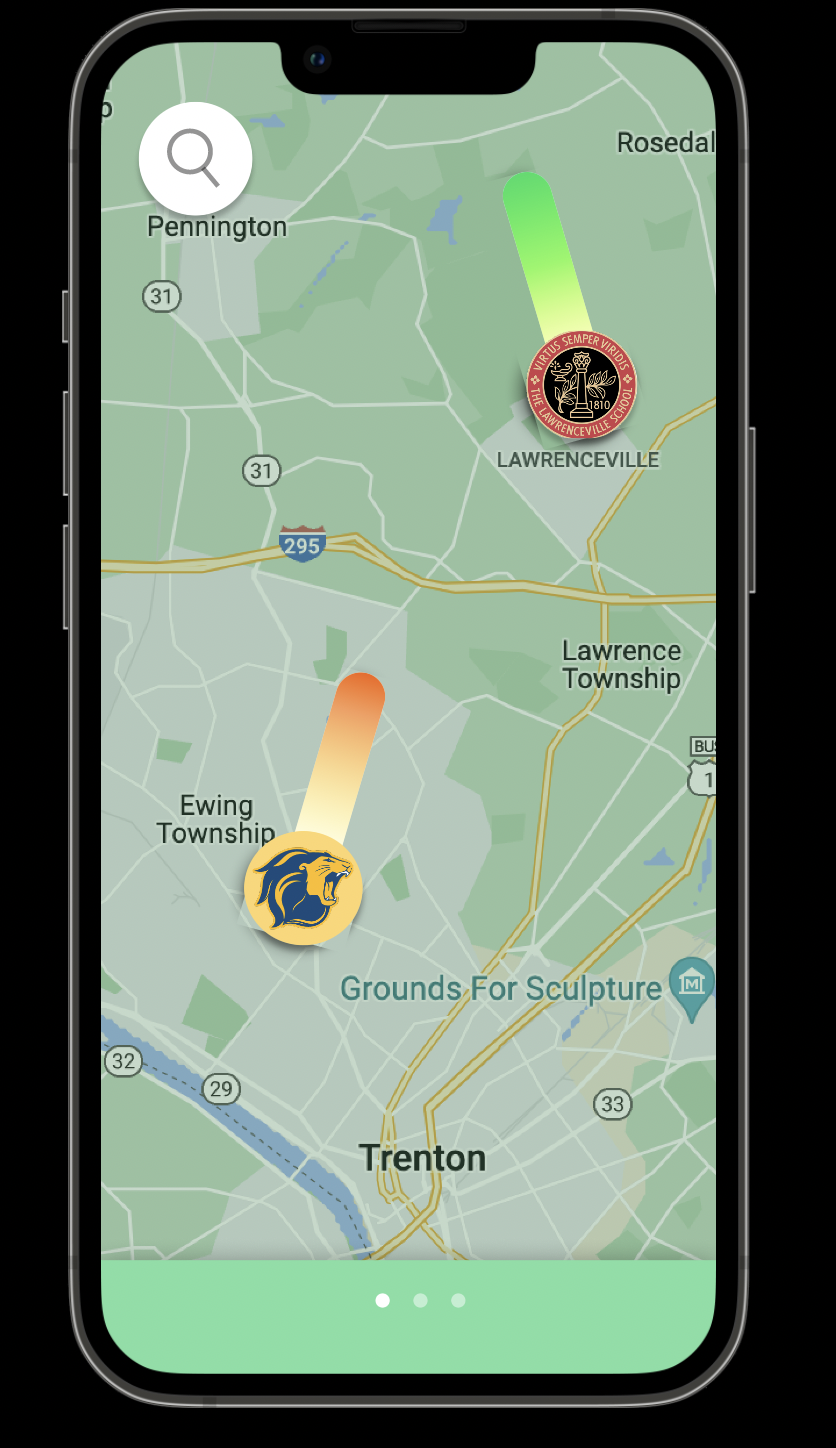
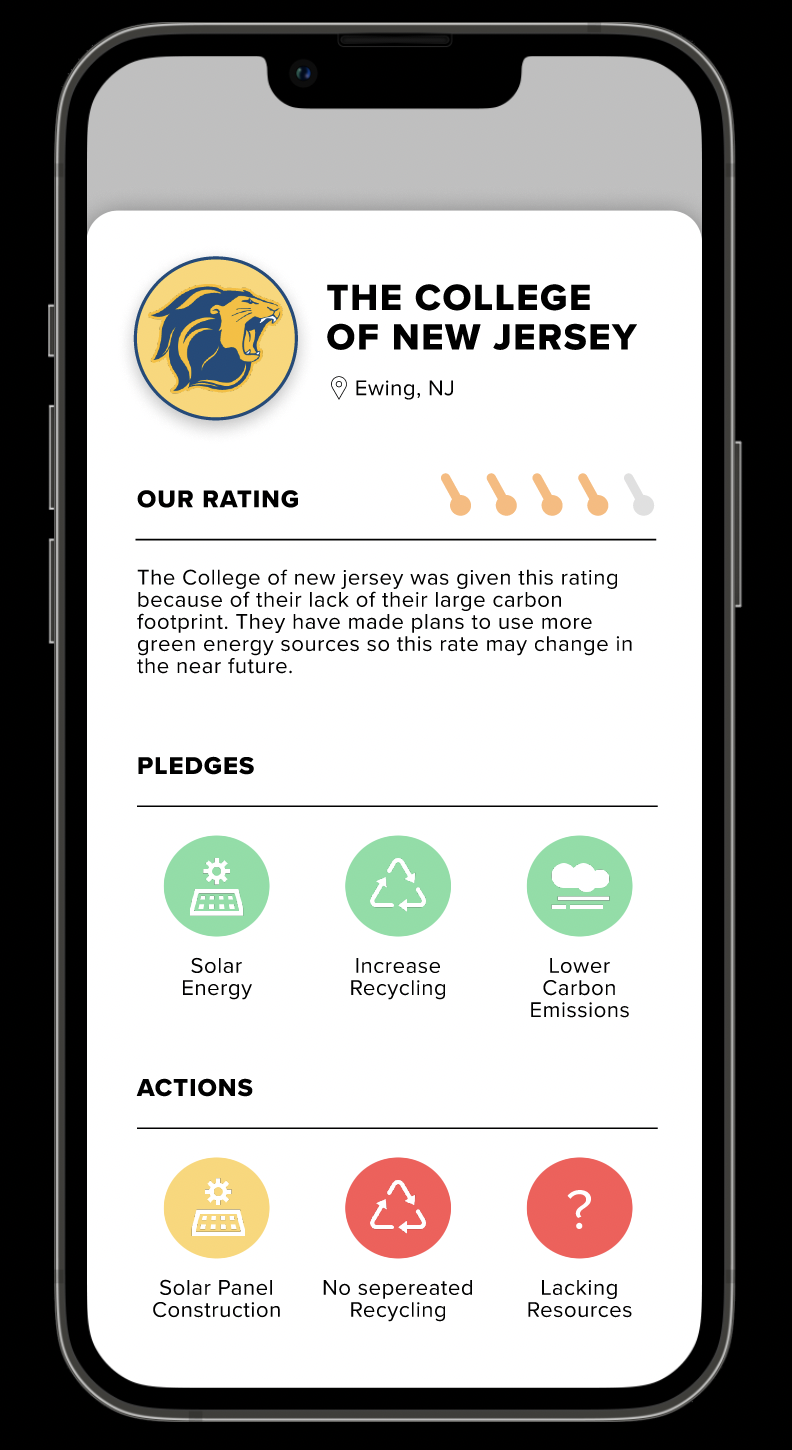
The problem our solution addresses is greenwashing in education. Greenwashing is defined as portraying a product, organization, or in this context, a school, as more environmentally conscious than it actually is. This affects current and prospective students who think they have a smaller carbon footprint. This also affects residents in surrounding areas who have to deal with the brunt of the school’s pollution. Our mobile application “Footprint” provides total transparency, ranking colleges sustainability initiatives while also providing information about current pledges and actions the school is taking to create a more sustainable future.
Why did you pick this solution, and how does it address the problem?
We picked this solution because it simplifies the research process and makes information about sustainability more accessible. Prior methods of finding this information include looking up a schools Sustainability Tracking, Assessment & Rating System (STARS) survey or researching a specific schools history. The STARS survey is self-reported and a school might not fill it out and schools may not announce all actions taken, especially when they are not environmentally friendly. By creating a mobile “Footprint” we allow users to browse within their area along with search and favorite other schools. This puts finding information about sustainability practices as easy as a click away.
Inspiration
The flames of discontent of the hypocrisy of our college fueled our drive to create this application. After collaborating with a researcher, Haley Mount, I illustrated poster about occupational air pollution. This shows the imminent hazardous events of global warming within 10 years max. Even though this pollution effects students in real time, our institution does the bare minimum.
What it does
Holds ourselves, our schools, and our education accountable.
How we built it
As Product Designers, Sabrina and Rachel used Figma to mock up Footprint.
Challenges we ran into
The team ran into time constraints and brushing up our design skills.
Accomplishments that we're proud of
The potential to call attention to this imperative movement to reverse damages caused by our carbon footprint.
What we learned
91 percent of people breathe air qualities that dissatisfy the World Health Organizations standards. We have less than a decade to reverse these permanent damages.
What's next for Footprint
We plan to collect information on institutions all around the world to educate others. Additionally, we plan to add featurisms that can further implement behavioral changes.
Built With
- figma

Log in or sign up for Devpost to join the conversation.