-
-
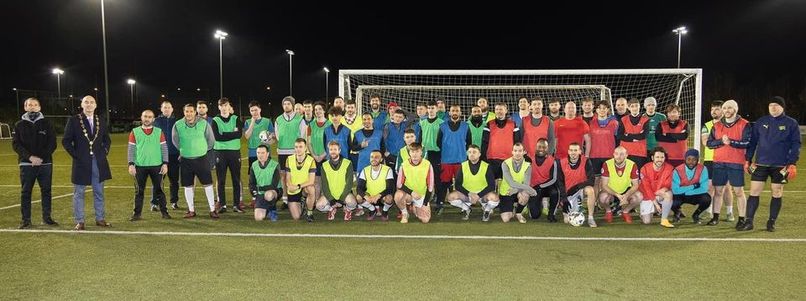
Particpants
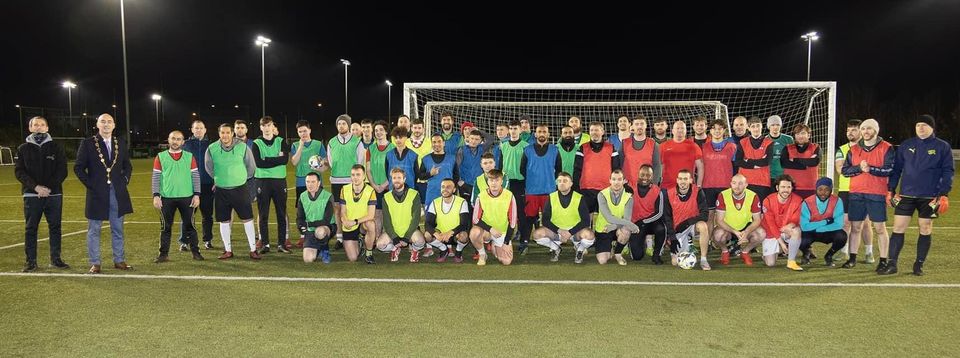
Introduction
The concept of pick-up-sport is evolving. Formerly accepted as disorganised and unreliable than regular games, they have progressed to activities that are sophisticated, structured with well thought out principles. Technology has also played its part by connecting people like never before. Innovation will be delivered through the determination of how best to organise pick-up-football games. The replication in different sites will help test, iterate and re-test concepts.
A core innovation behind this project is the formation of a social enterprise through which activities can be delivered. Recent years have seen a burgeoning interest in social enterprises, strongly driven by a growing recognition of the role they can play in tackling emerging challenges.
The consolidated approach to the management of finances across multiple sites also funnels the participants’ mind-set towards a movement for good. The success and growth of site activities will therefore enable the sustainability of games as well as the potential of strategic stakeholder engagement.
The principle of inclusivity will be a top priority throughout player recruitment campaigns and an induction processes for new participations can be deemed an innovative approach in this context.
The delivery of thought leadership to the participant pool can be seen as an innovative approach to bringing concepts such as physical literacy, global citizenship to recognised hard to reach cohorts of our communities.
The objective to thoroughly evaluate the health related outcomes and social return on investment should also provide the platform by which pick-up-sport can be considered more than just a game.
Backdrop
Sport delivers huge benefits that can accrue over a lifetime, from when we take our first steps through to older age. As people progress through adulthood, whether they participate in regular sporting activity is less related to attitudes about the benefits of sport than to other transitions that occur in their lives. The impact of not having access to regular exercise has been researched in-depth. The initial downward spiral in physical fitness can result in problems with obesity and inflammation of skeletal and muscular joints. The follow on affect from poor physical health can mean that mental health challenges can become more apparent and social activity can be impacted.
Inspiration
Our motivation for leading the change here has been ignited from our experience of founding the Football Cooperative pick-up-football movement. We have witnessed among the playing pool not only the need for people to have an outlet whereby they can get team based exercise and escape for a brief period of time the pressures and challenges that life can bring but also how football can bring people together to create a community of peers to support one another.
What it does
Through our site model we organise pick-up-football games that are inclusive to adults of all ages, fitness levels and abilities. Through this we open the door to people that would not usually have the network or time to access team sport. Pick-up sport is fast becoming the route people are using to get active. The principle of pick-up games is that there is no sense of obligation or commitment to play.
How we built it
Football Cooperative is formed as a social enterprise with the purpose to provide a governance structure that will facilitate member benefit, member participation and re-participation and enable stakeholder engagement.
Challenges we ran into
Growing evidence linking low levels of physical activity to poor health means that sports policy has become an important contributor to public health. There remains a need to reinforce among the participant population the need to achieve the WHO recommended physical activity of at least 75–150 minutes of vigorous-intensity aerobic physical activity throughout the week.
While awareness campaigns are critical to educating people on the importance of exercise there is an apparent need to follow this up with innovations that encourage and incentivise participants to get active.
What we learned
At the heart of the pick-up-football are site coordinators that will support the coordination of the games. To motivate and retain this voluntary effort recognition beyond the individual site is essential.
What's next for Football Cooperative Replication of our model is essential to demonstrate that the recreational football offering is palatable to men and can trigger a behavioural change with regard to their level of physical activity.
Built With
- api
- community
- database
- inclusion

Log in or sign up for Devpost to join the conversation.