-
-
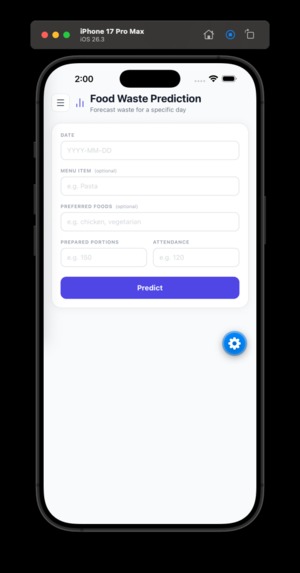
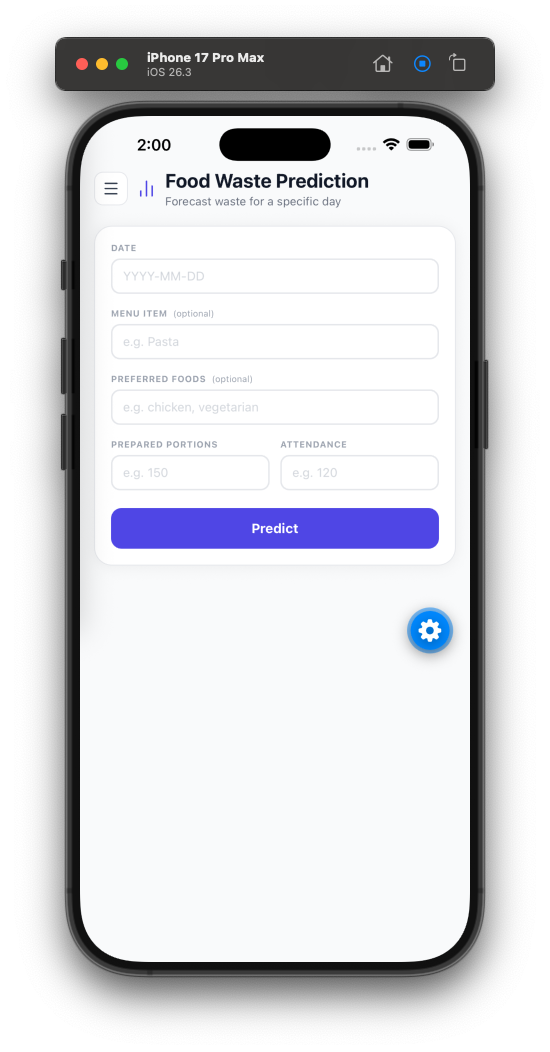
Mobile App Prediction Page
-
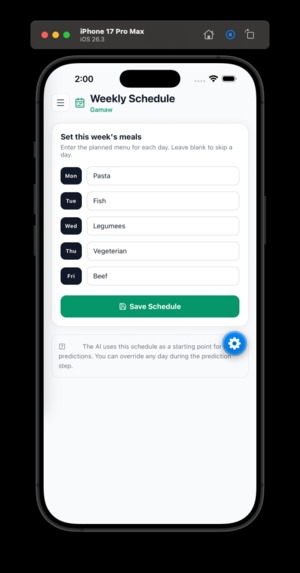
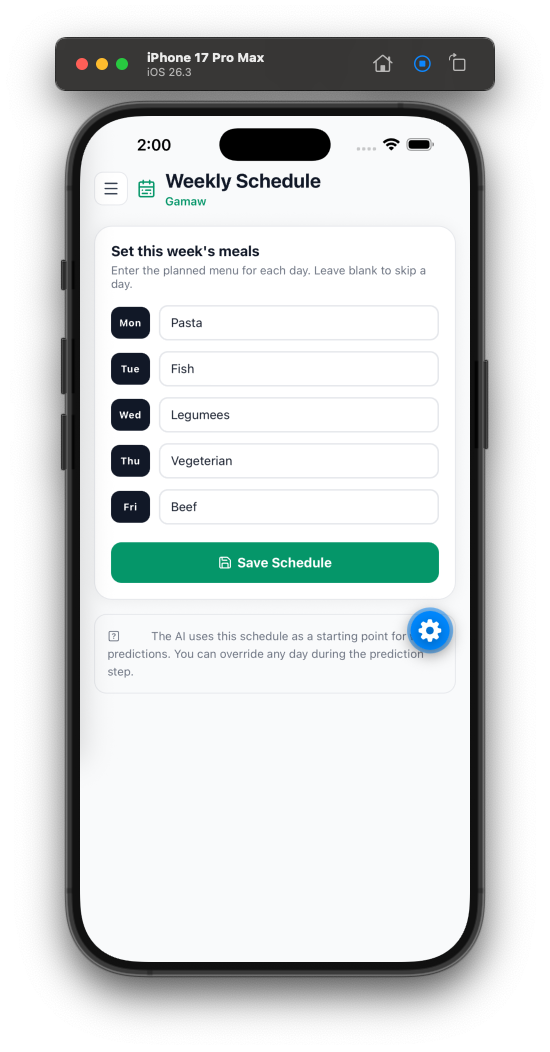
Mobile App Weekly Schedule Page
-
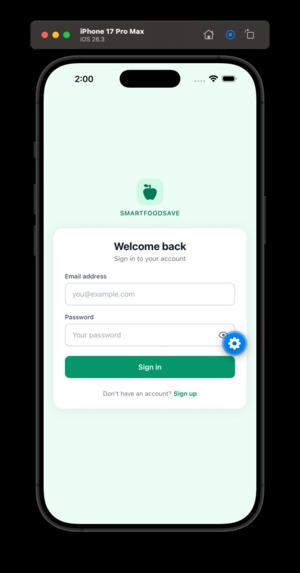
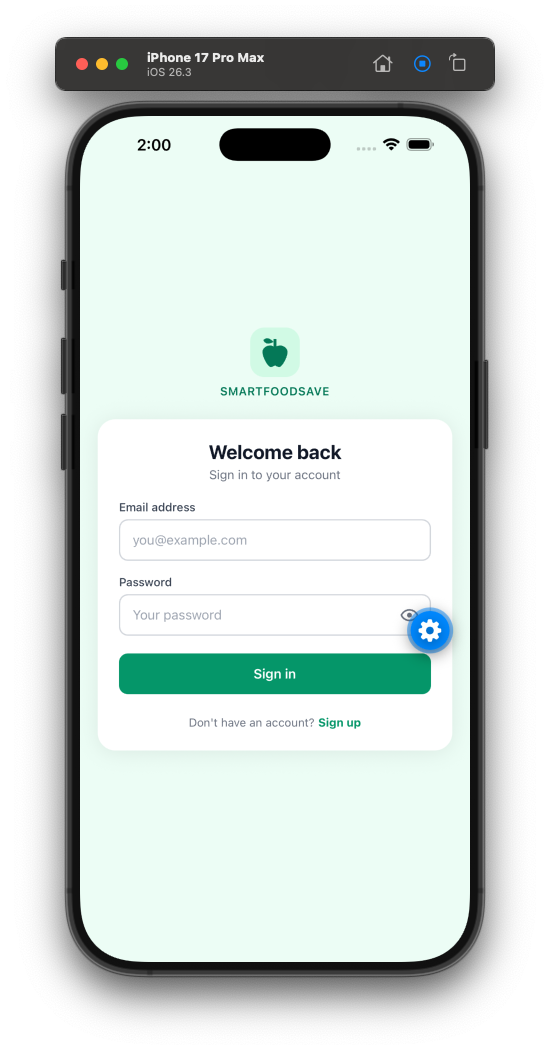
Mobile App Login Page
-
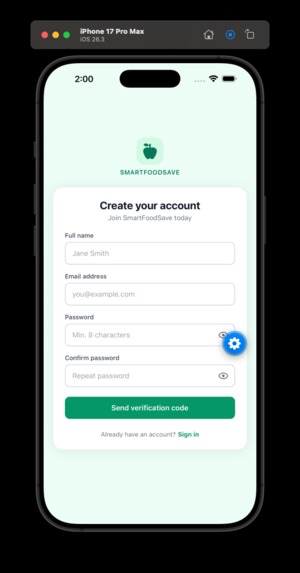
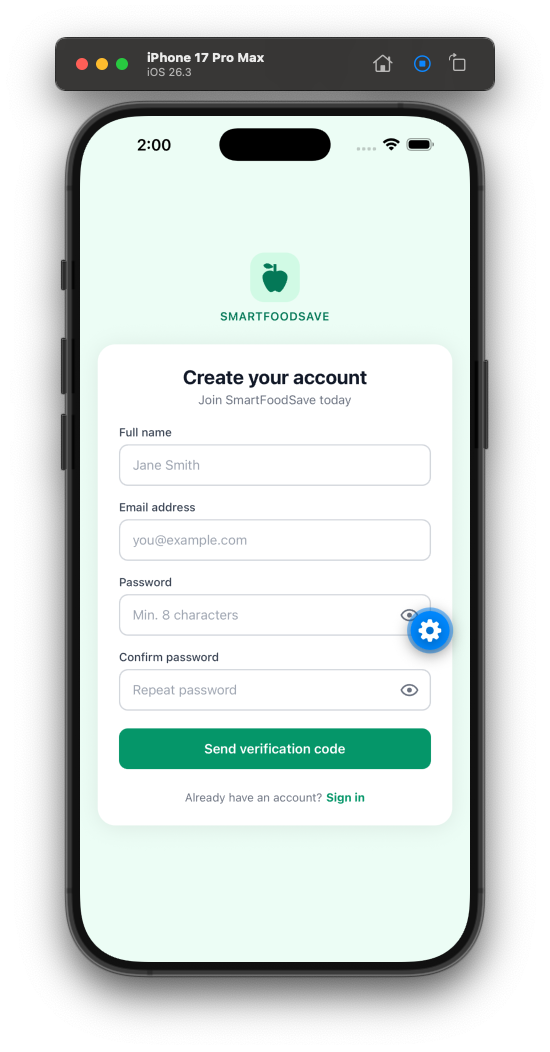
Mobile App Register Page
-
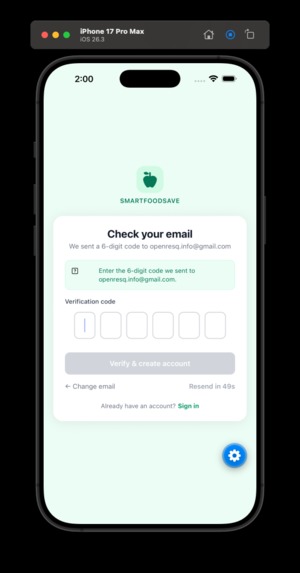
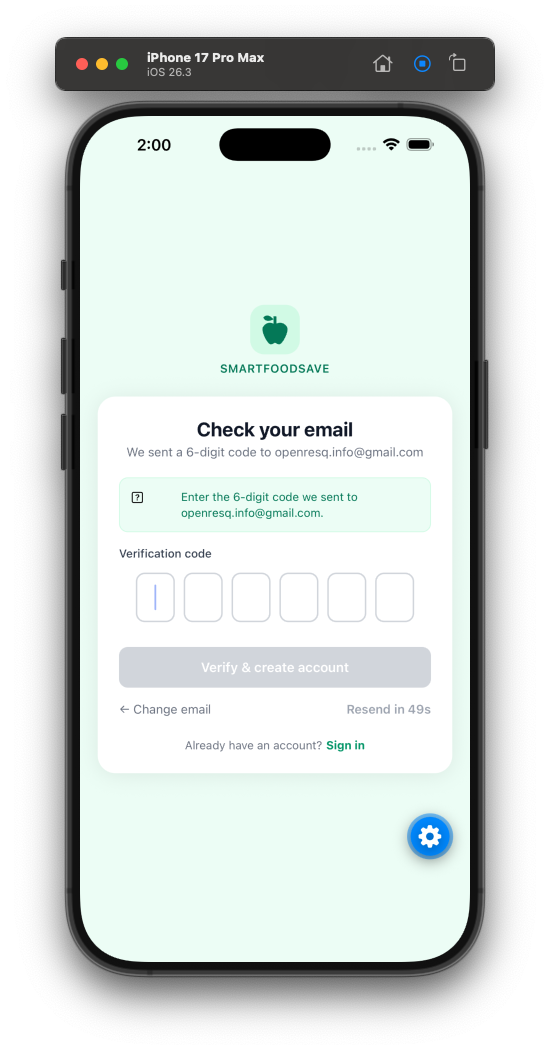
Mobile App OTP Verification Page
-
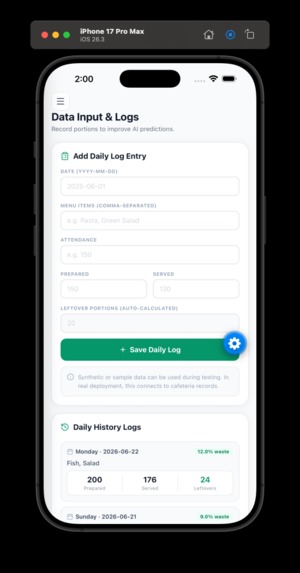
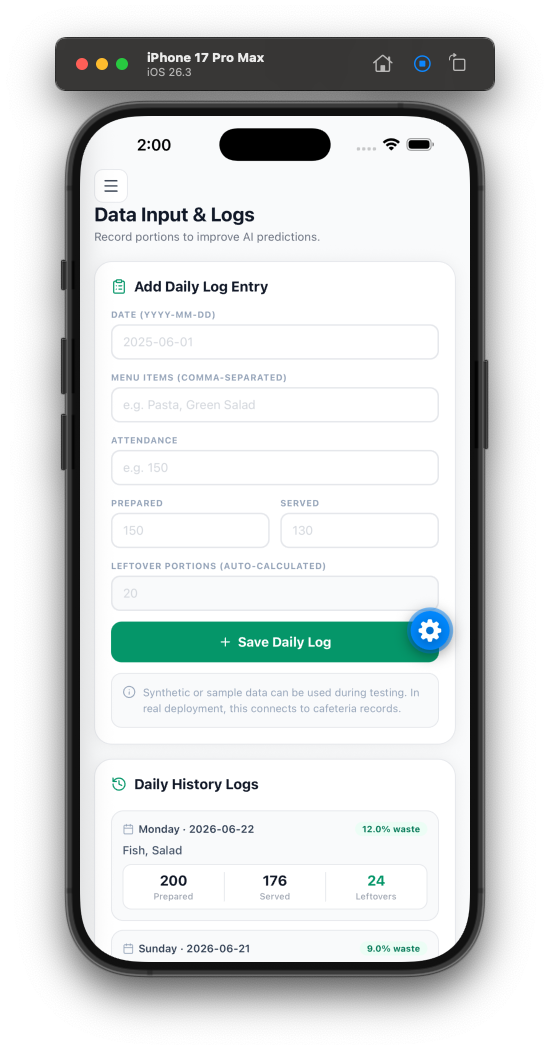
Mobile App Logs Page
-
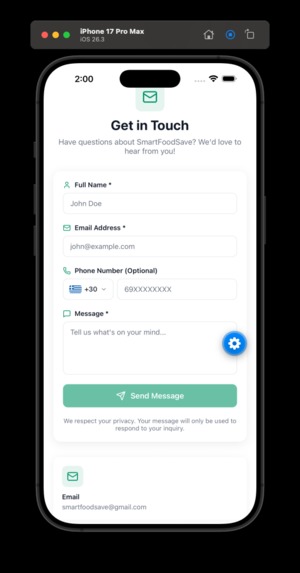
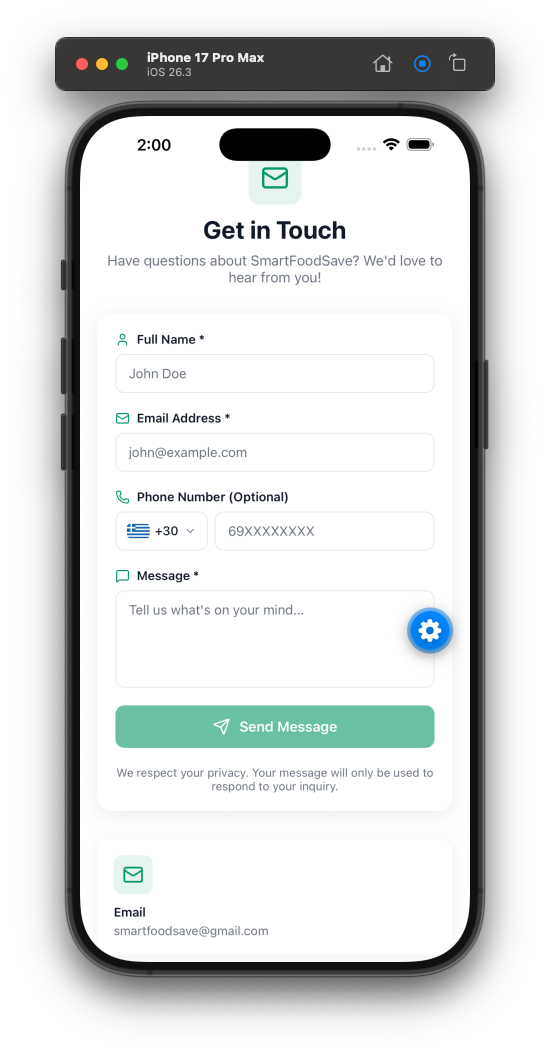
Mobile App Contact Page
-
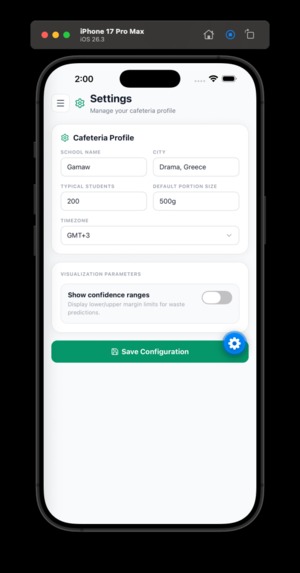
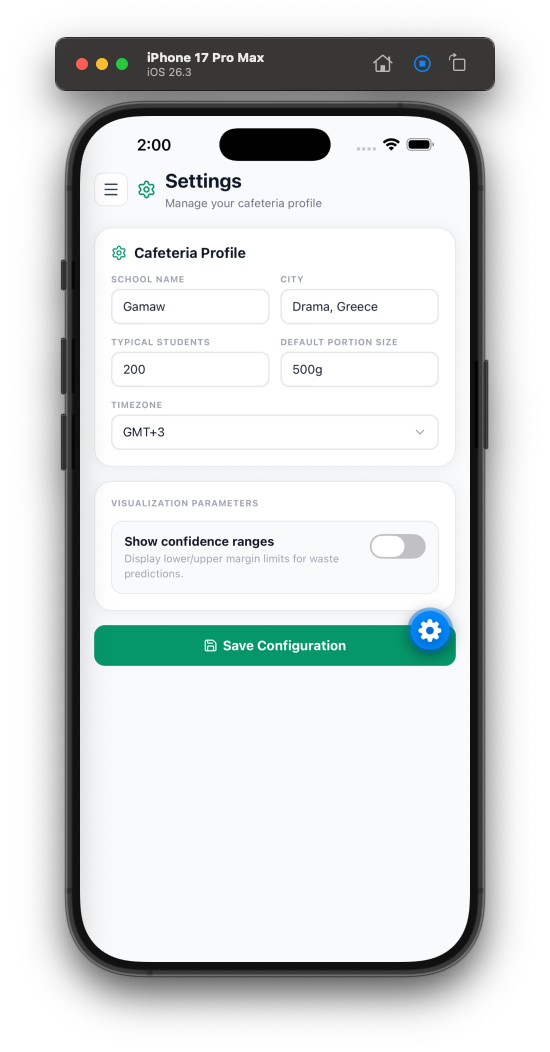
Mobile App Settings Page
-
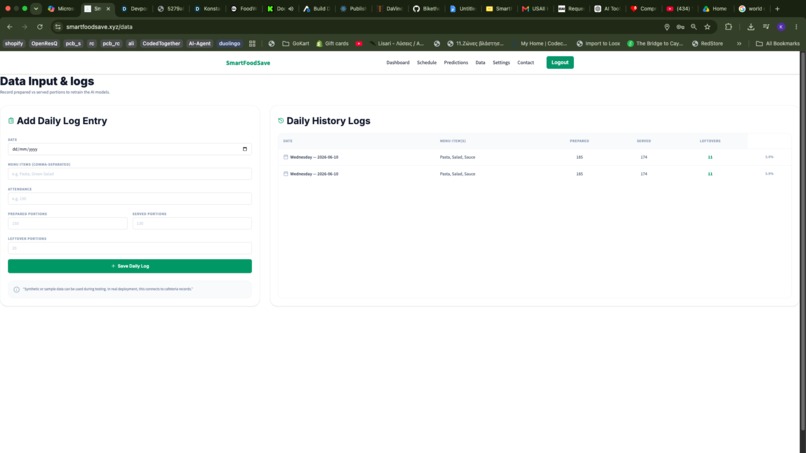
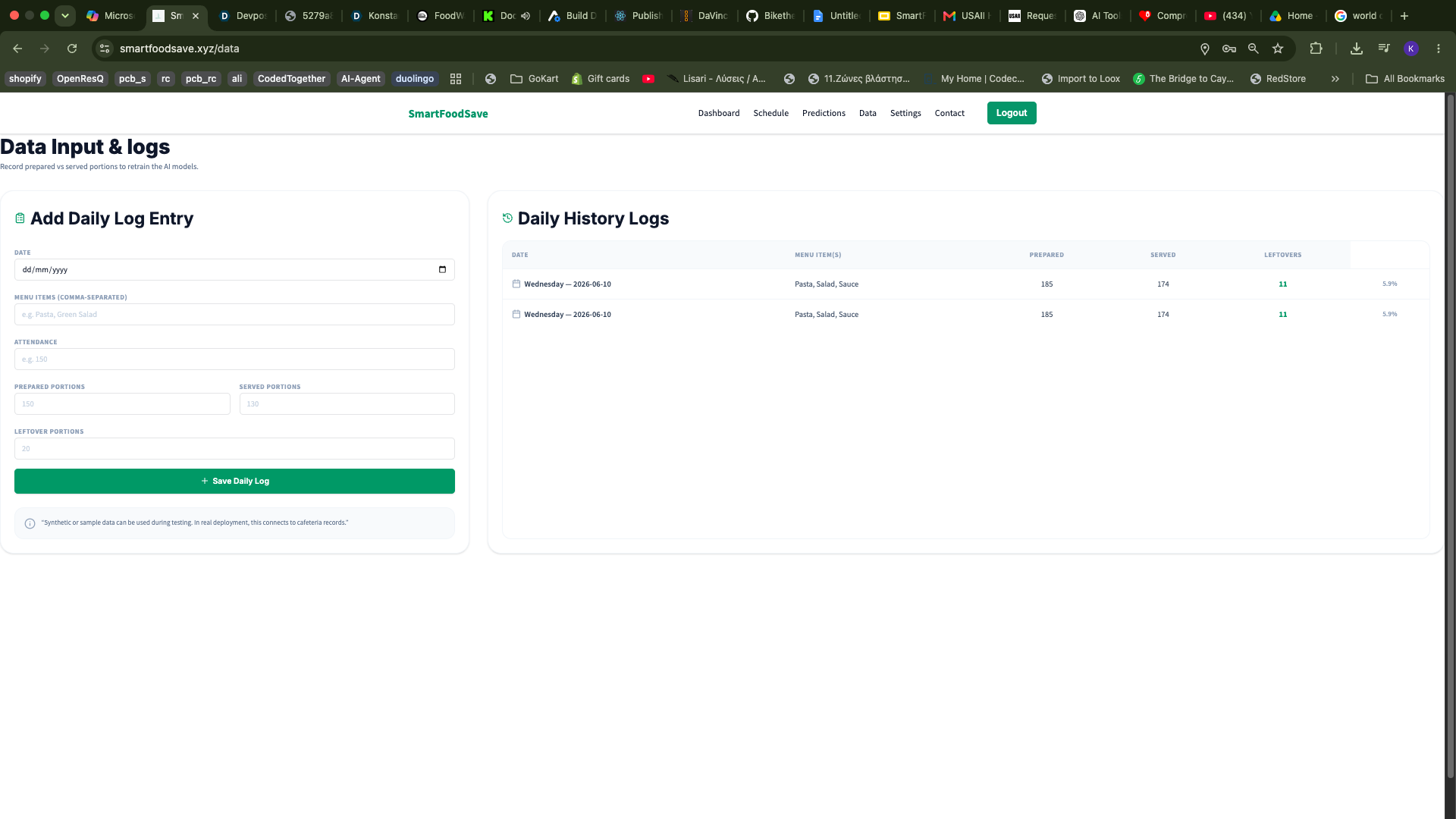
Logs Page Website
-
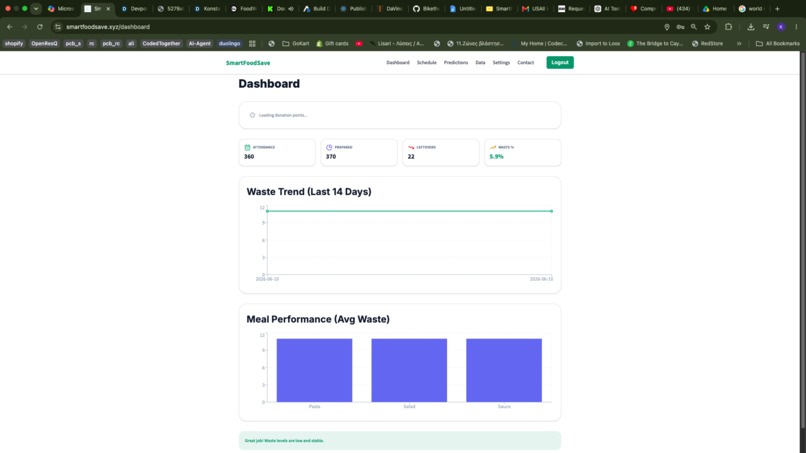
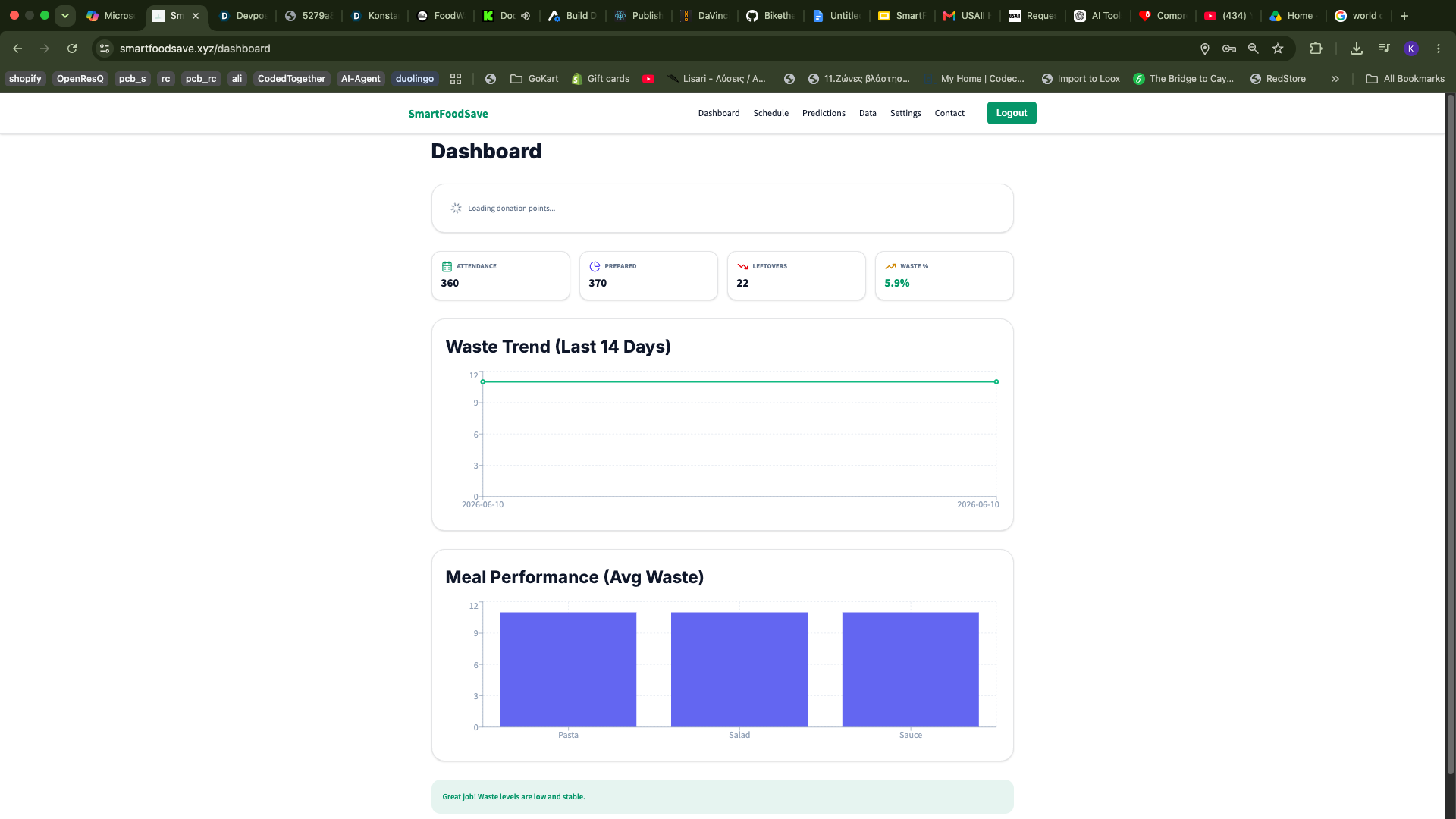
Dashboard Page Website
-
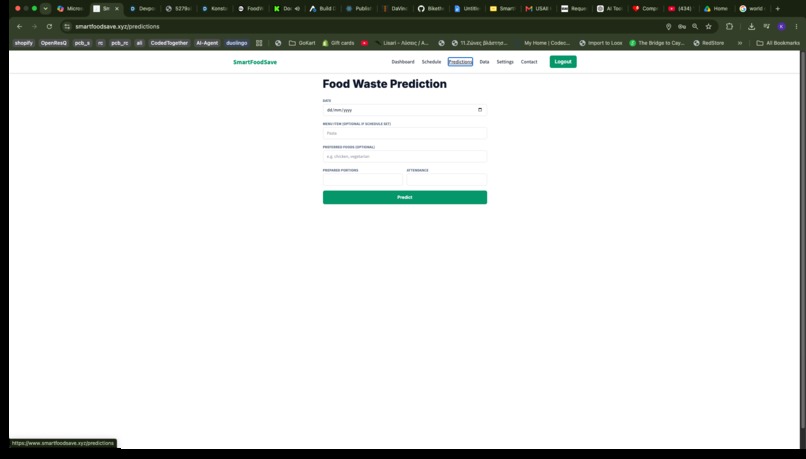
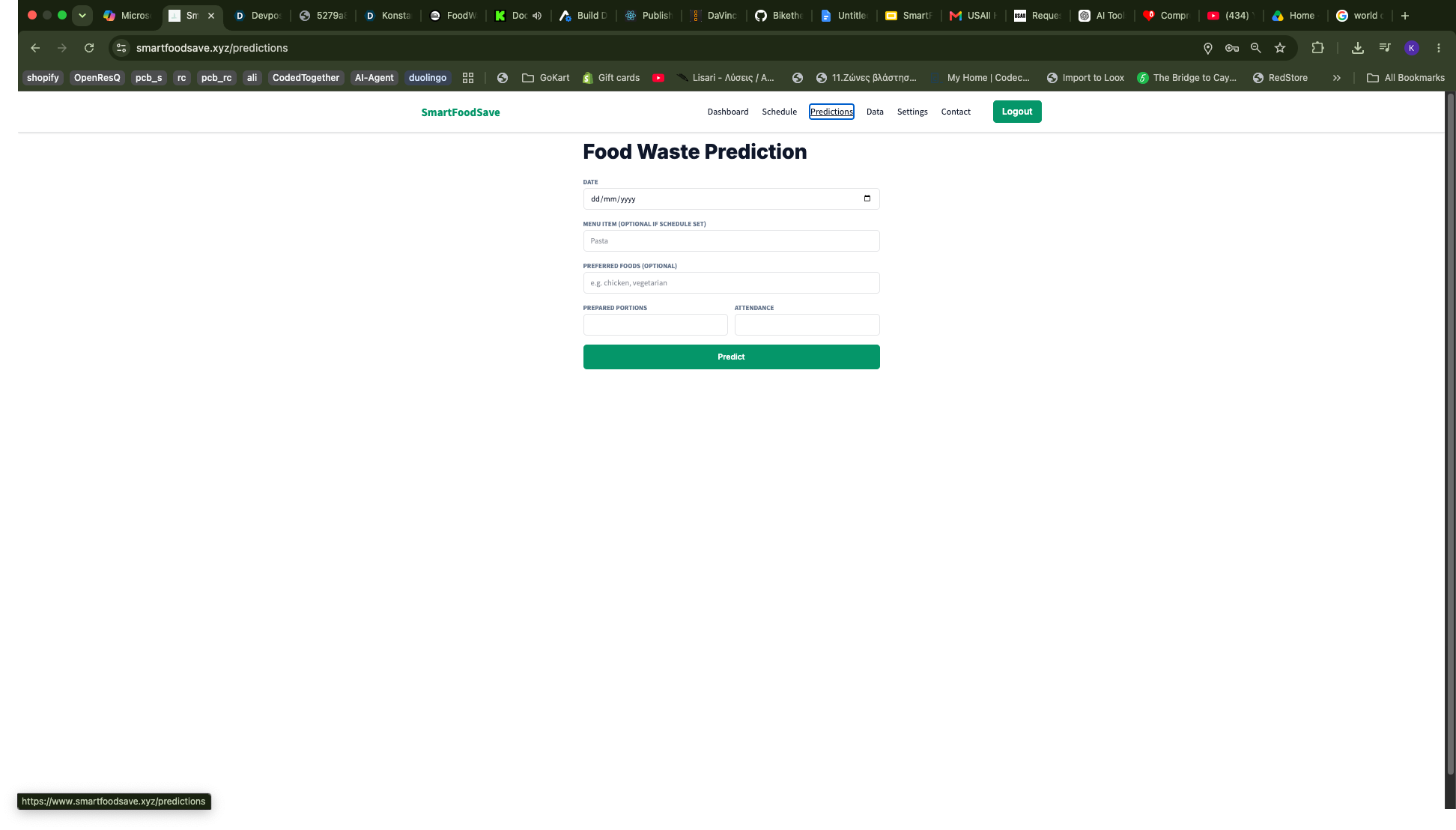
Predict Page Website
-
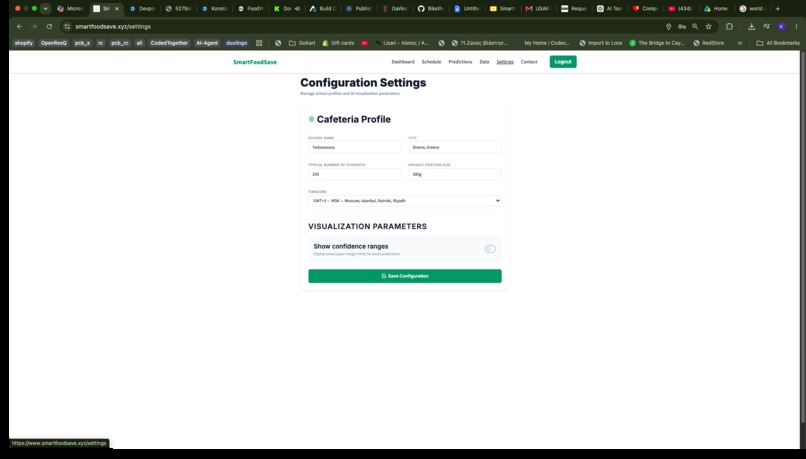
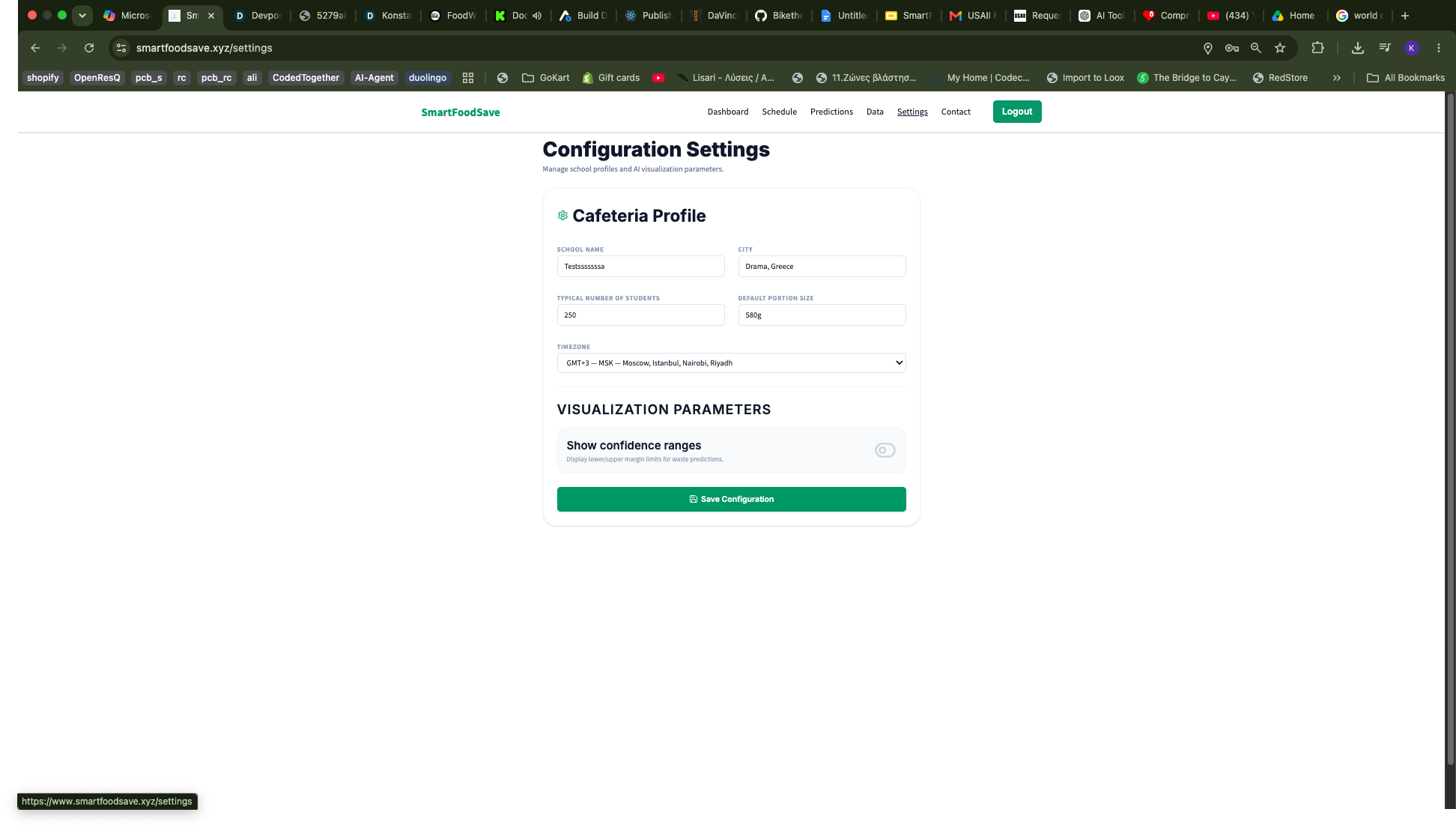
Settings Page Website
-
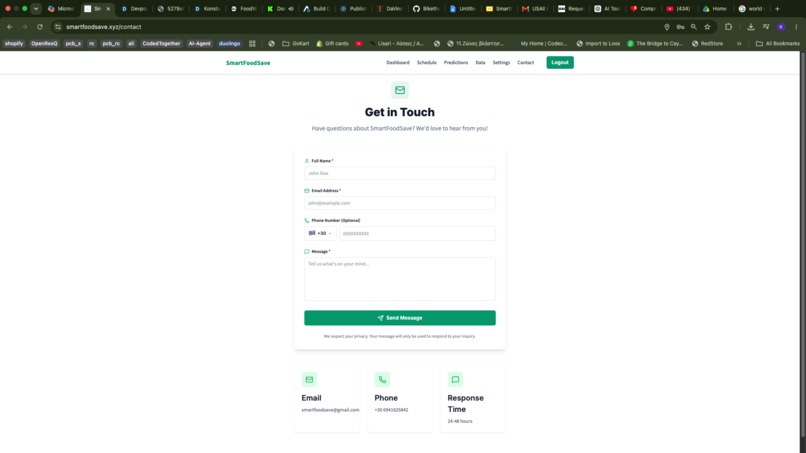
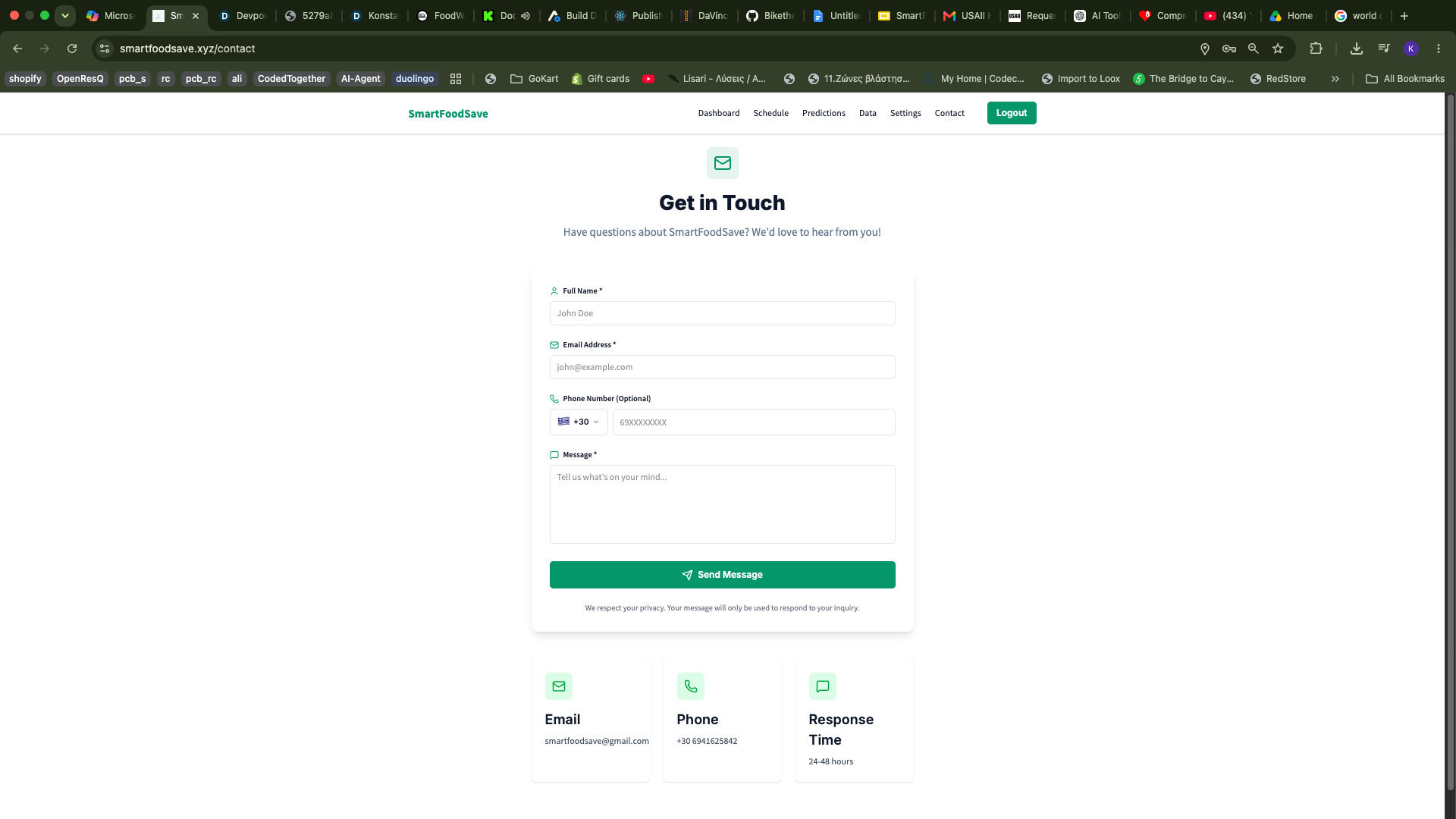
Contact Page Website
-
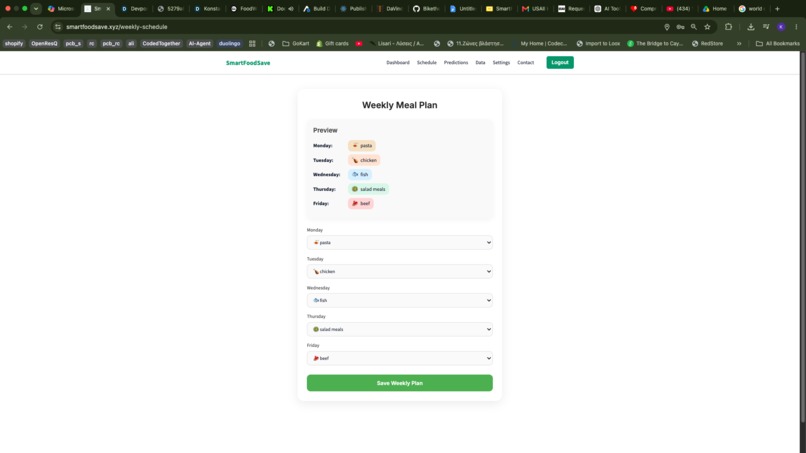
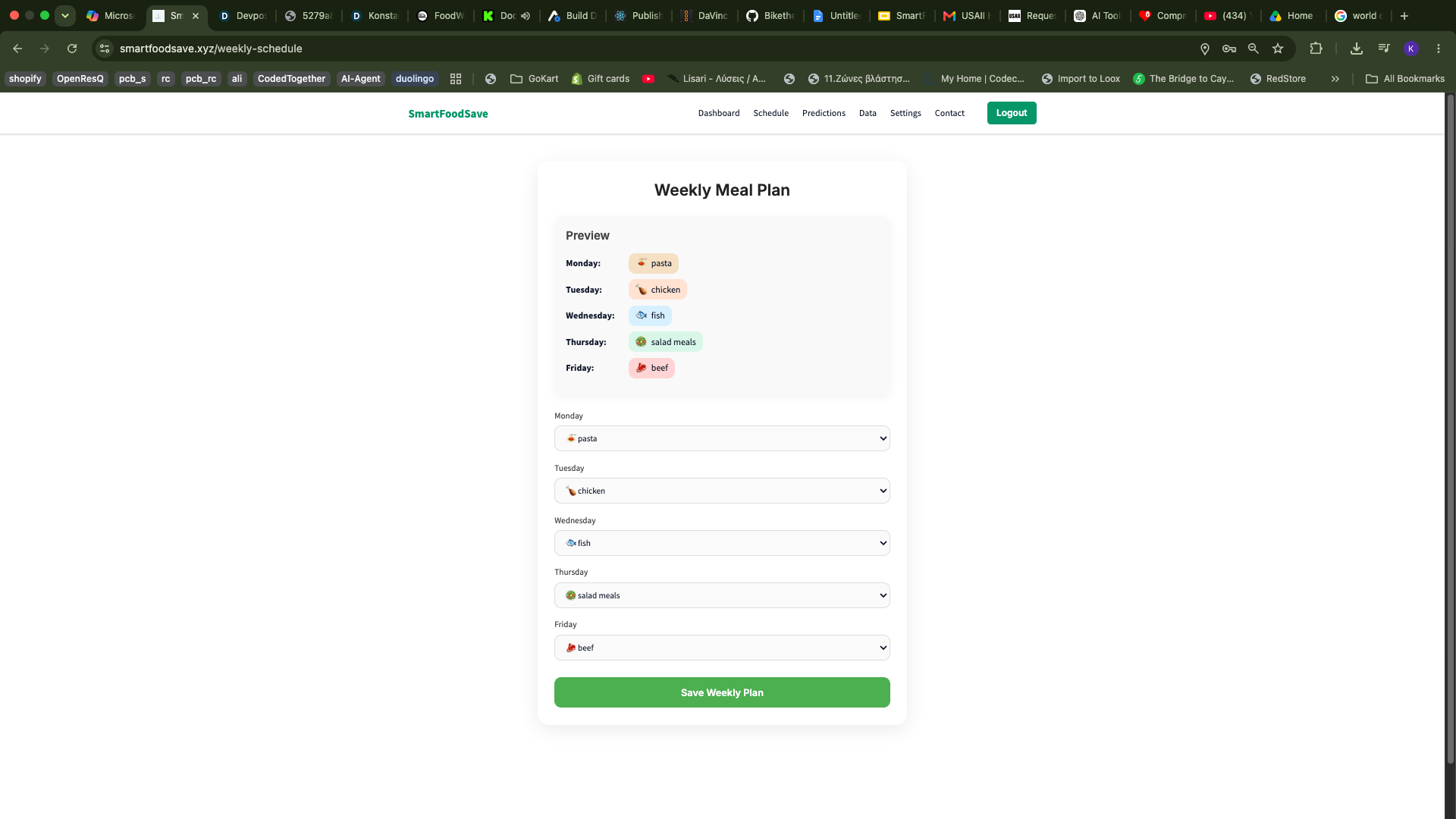
Schedule Page Website
-
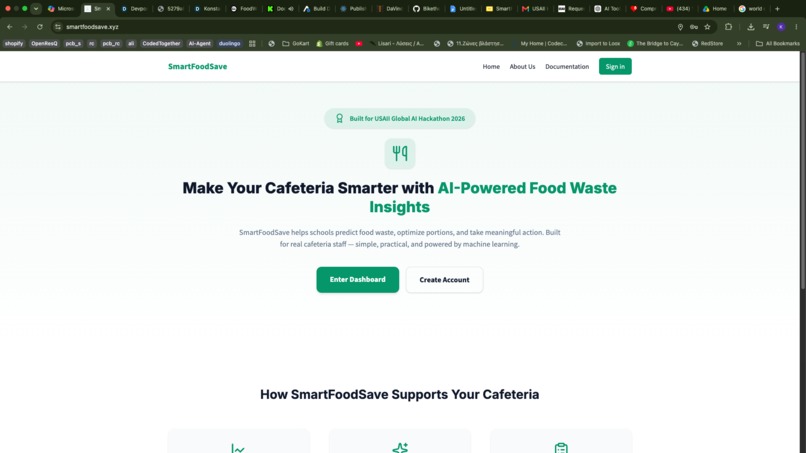
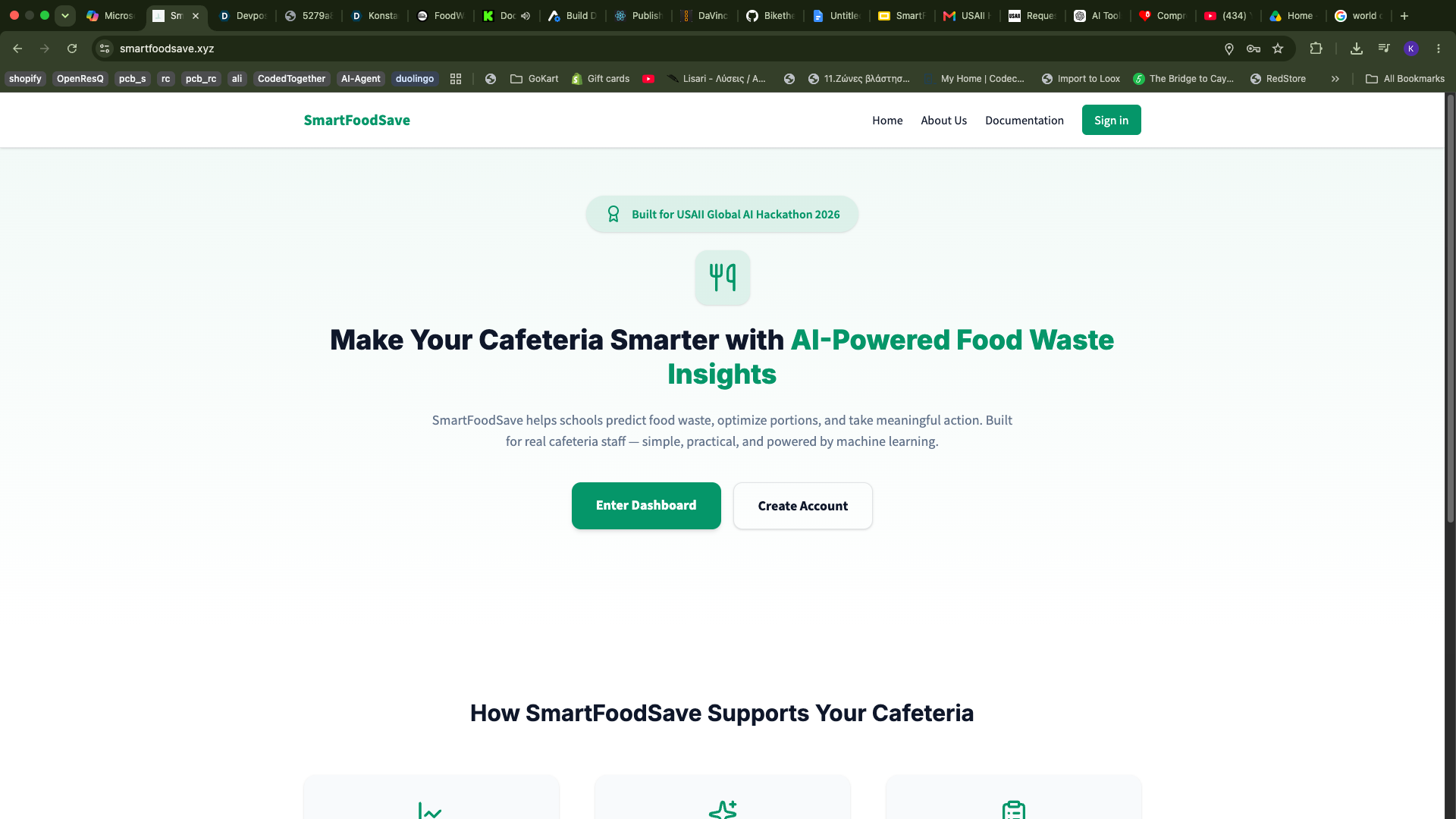
Landing Page Website
-
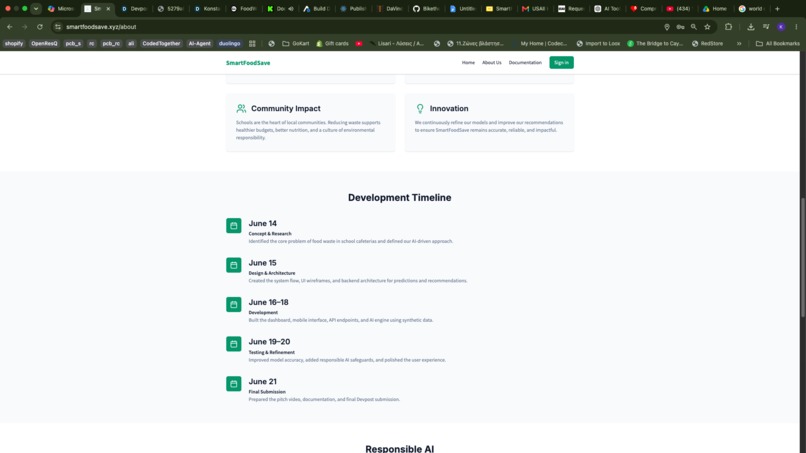
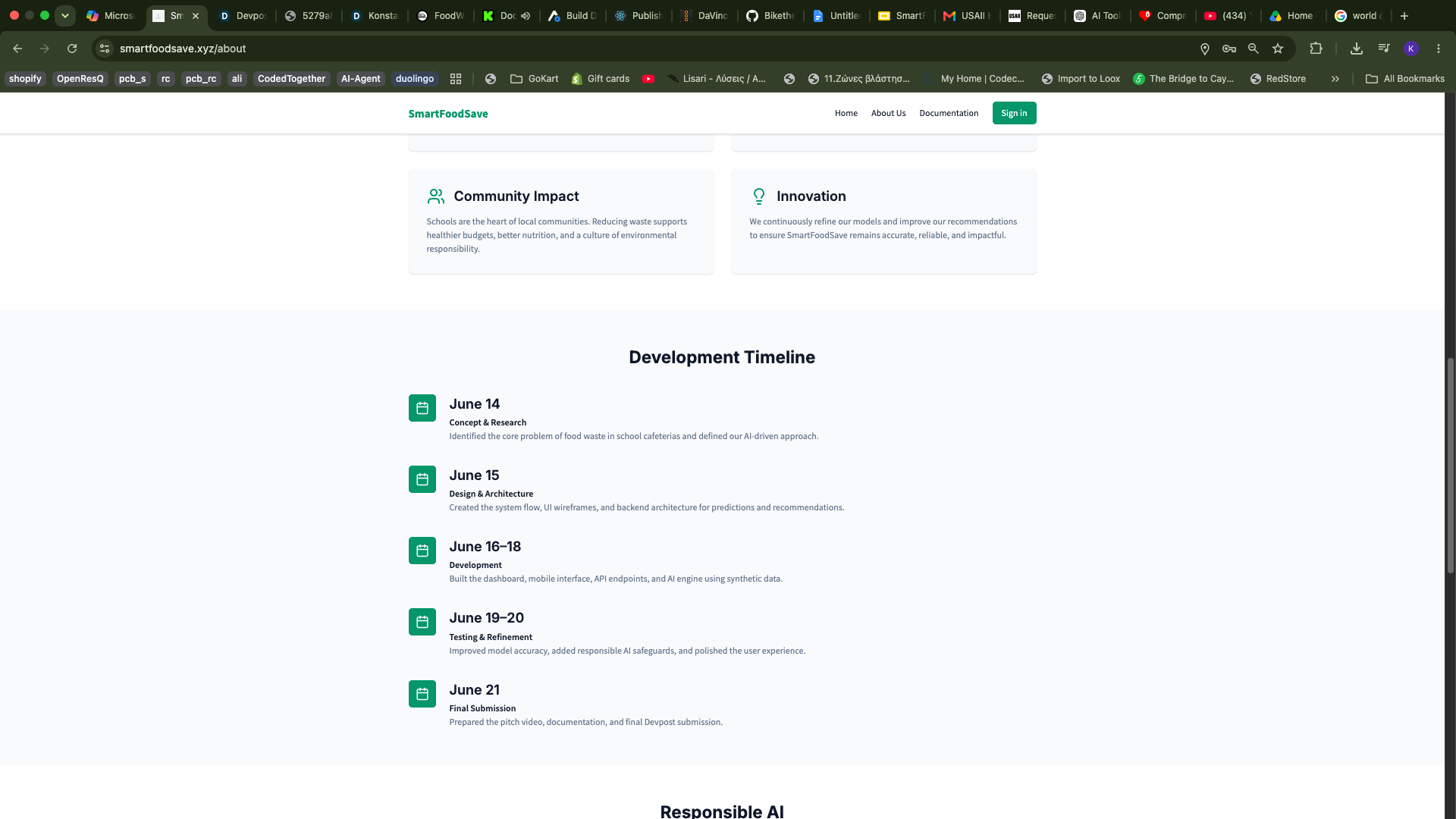
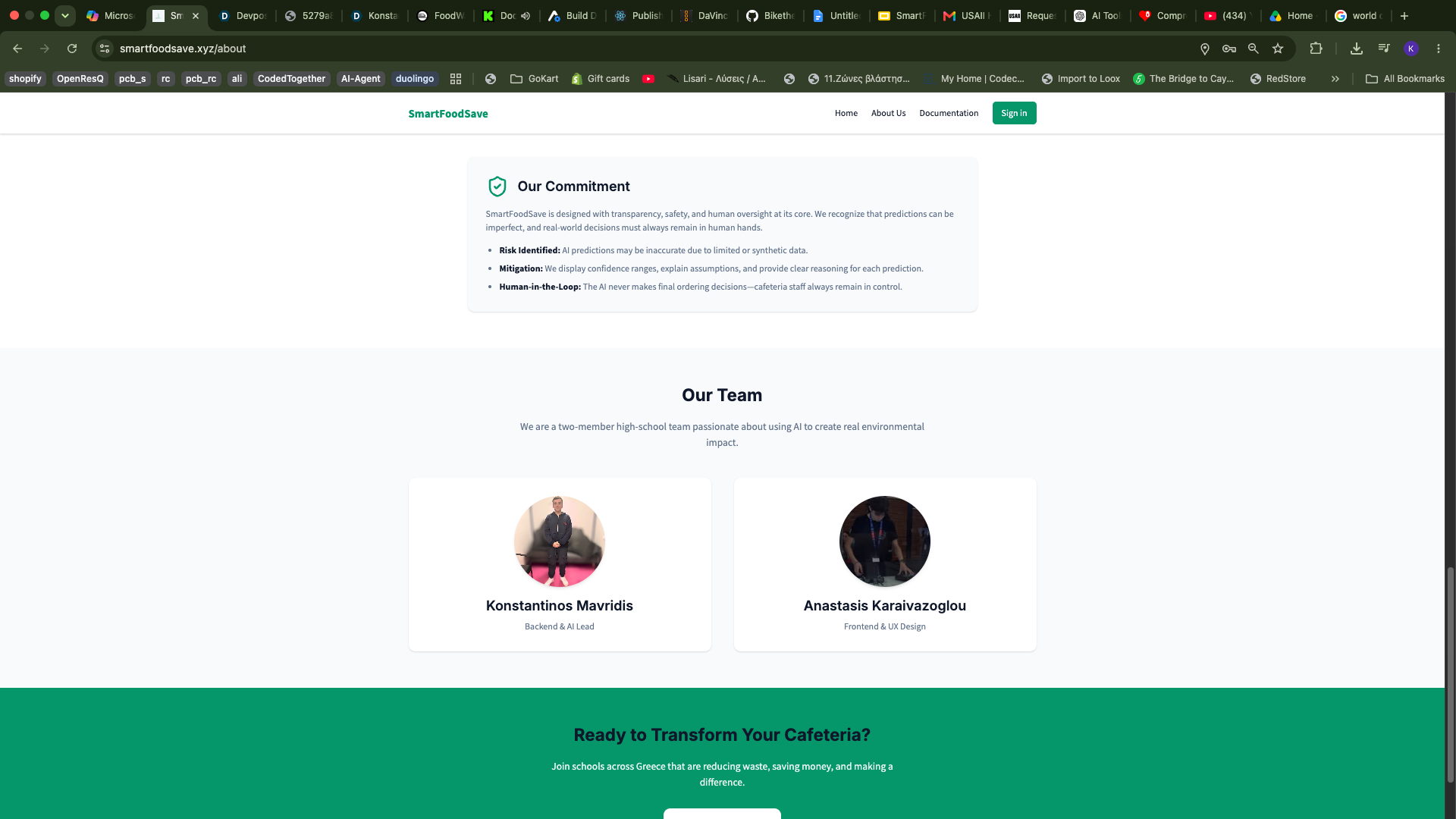
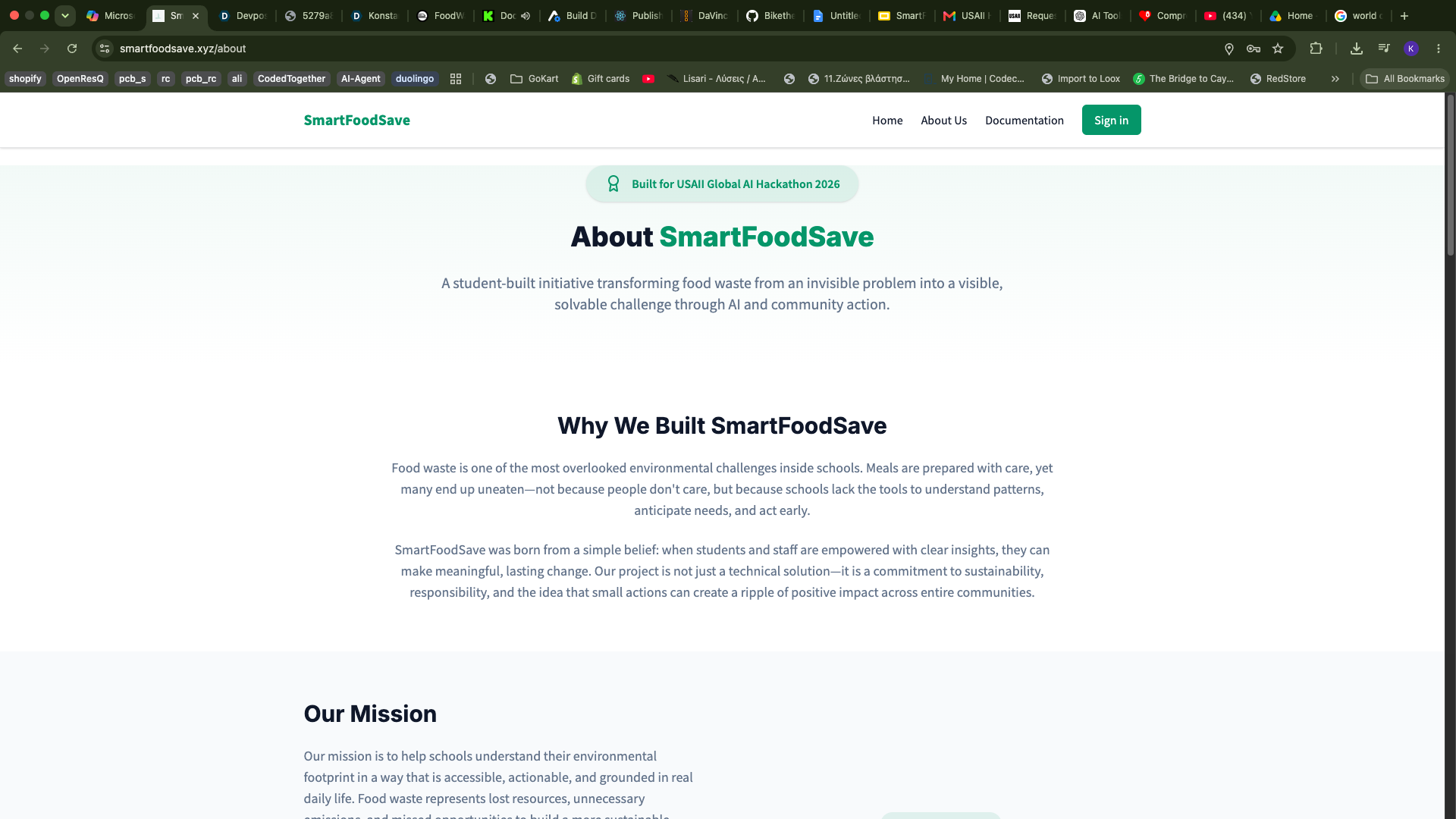
About Us (3) Website
-
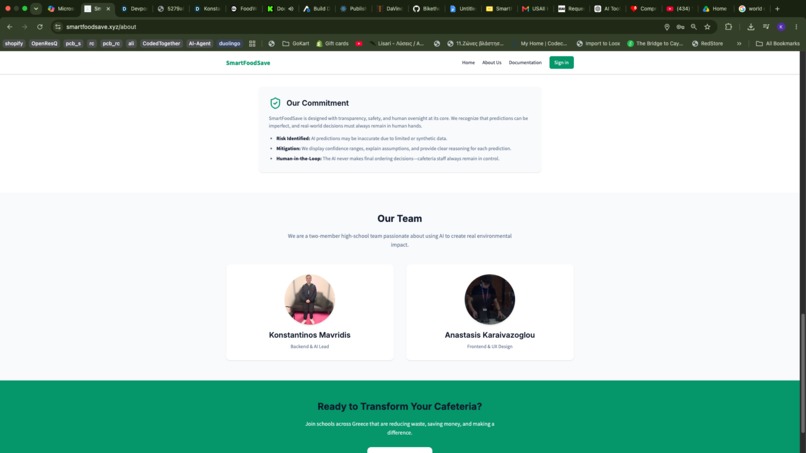
About Us (4) Website
-
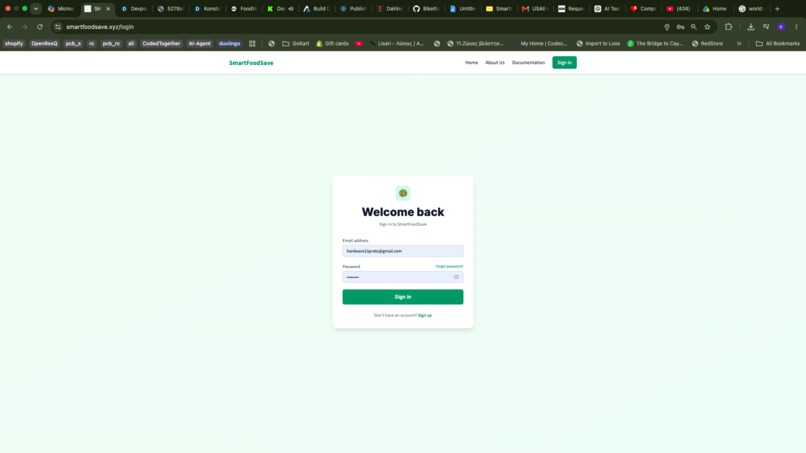
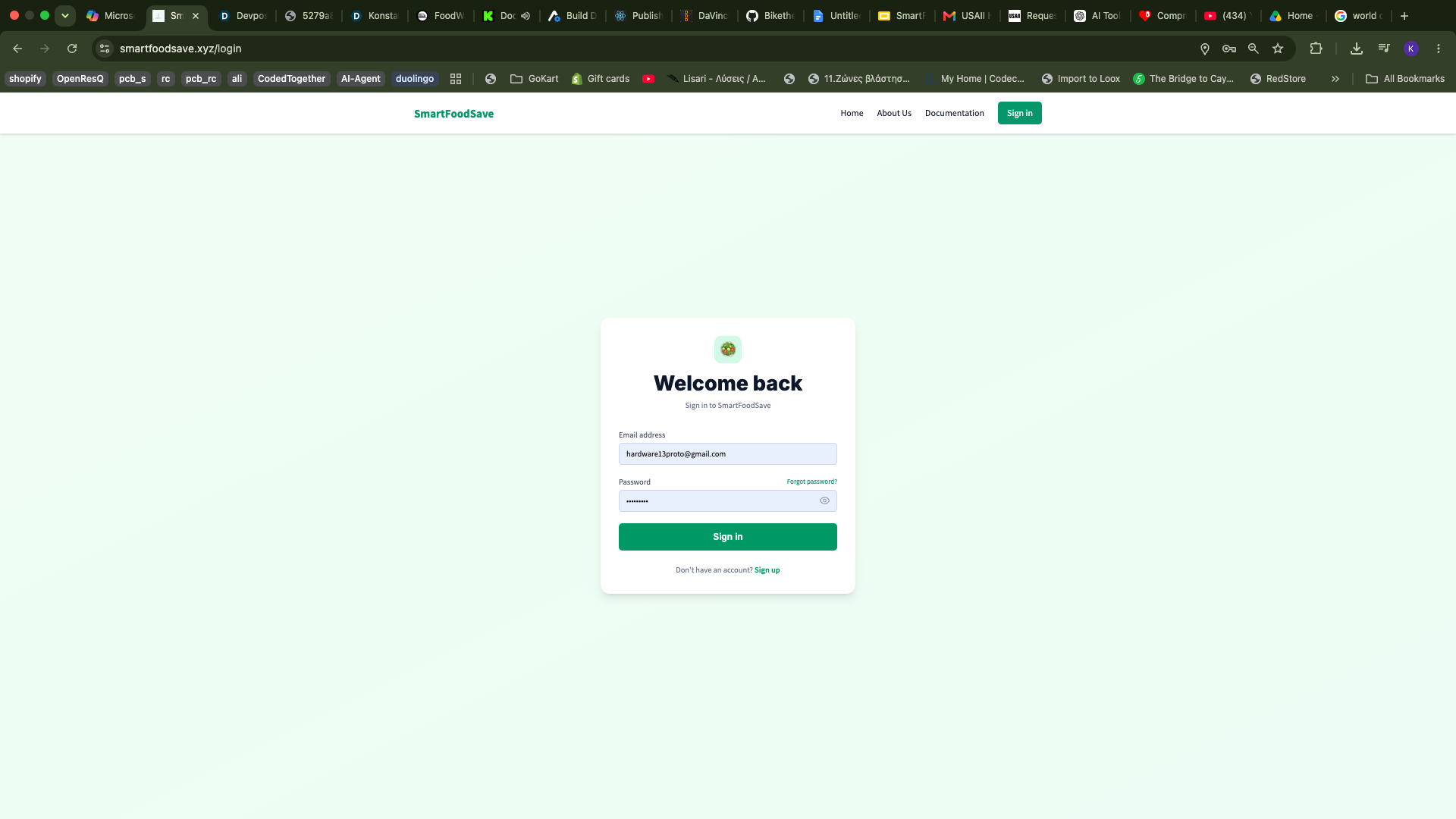
Login Page Website
-
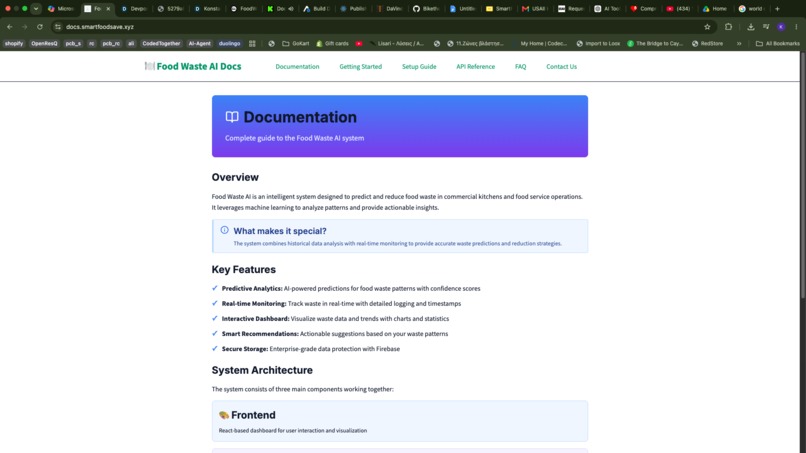
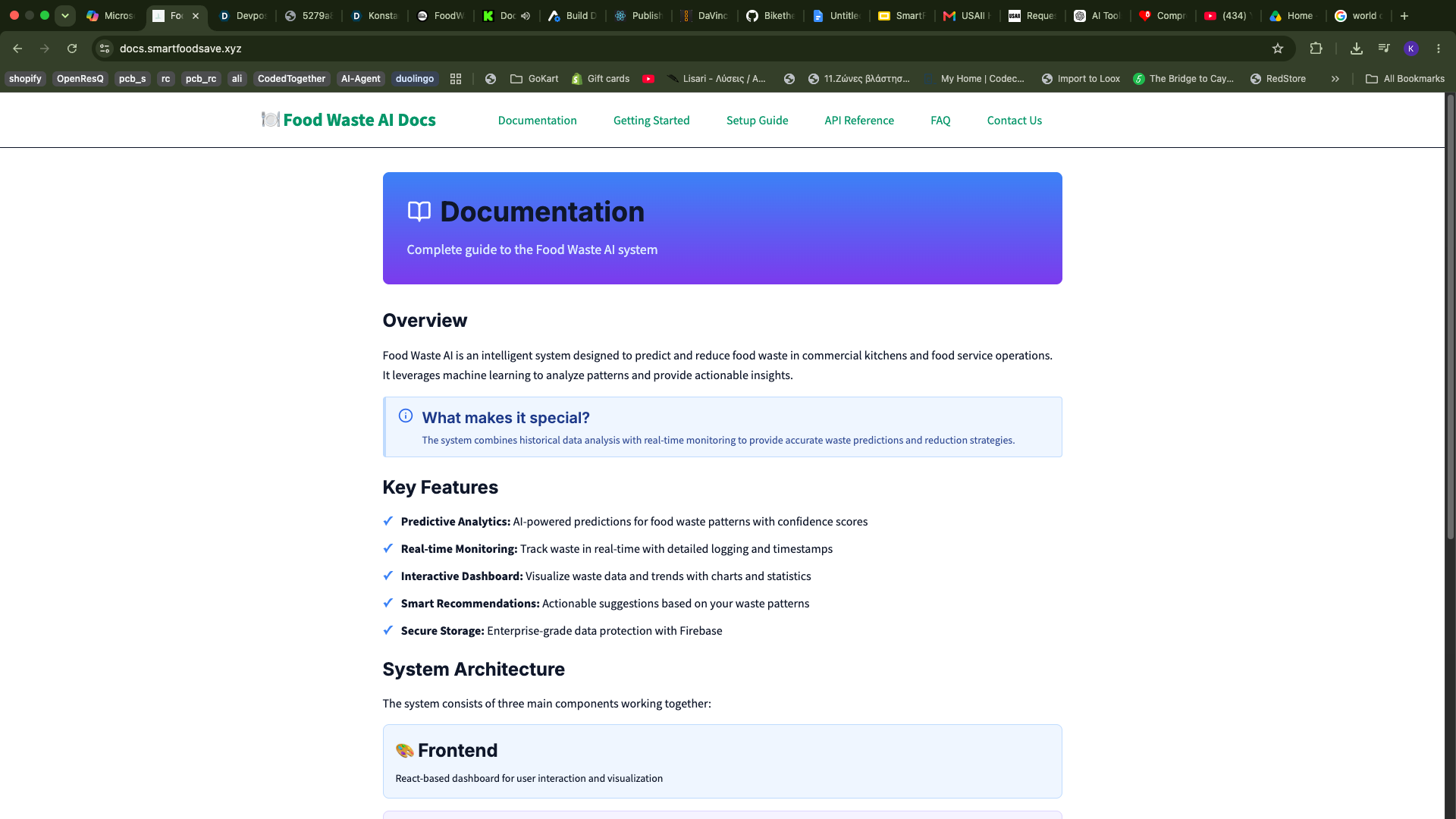
Documentation Website
-

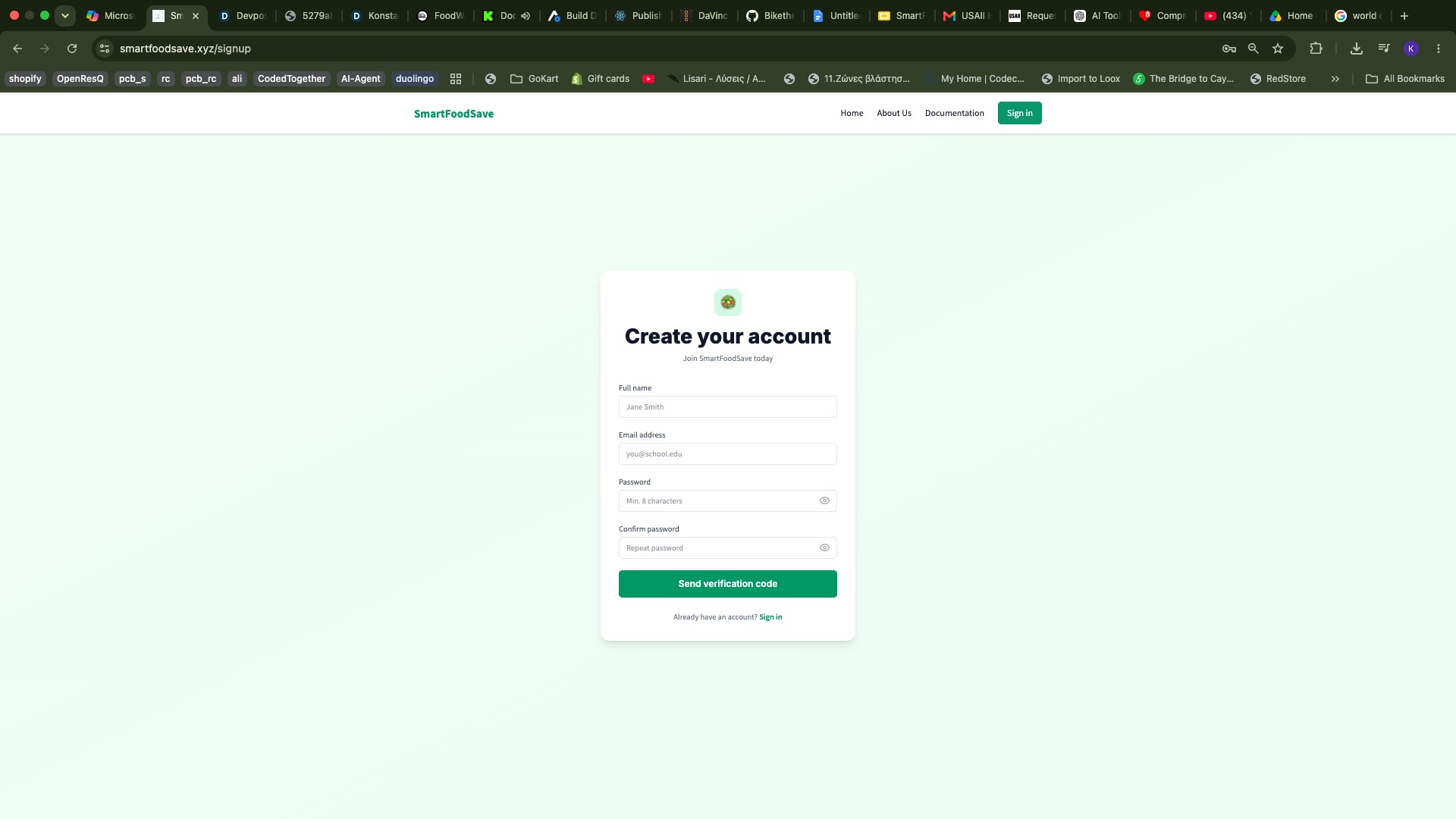
Register Page Website
-
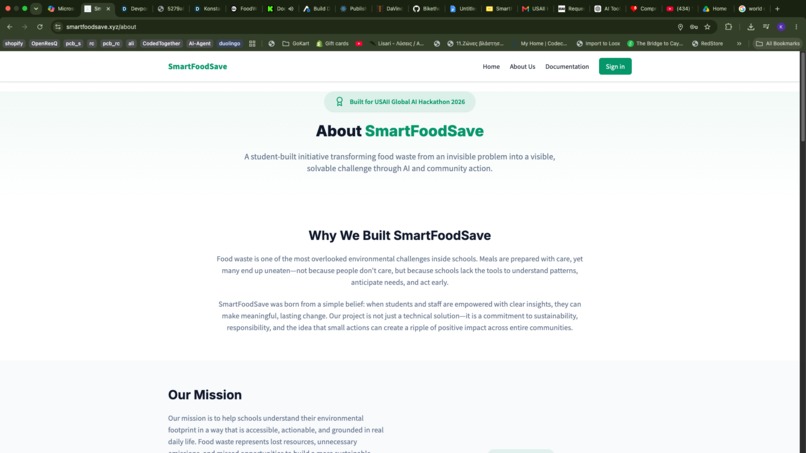
About Us (1) Website
-
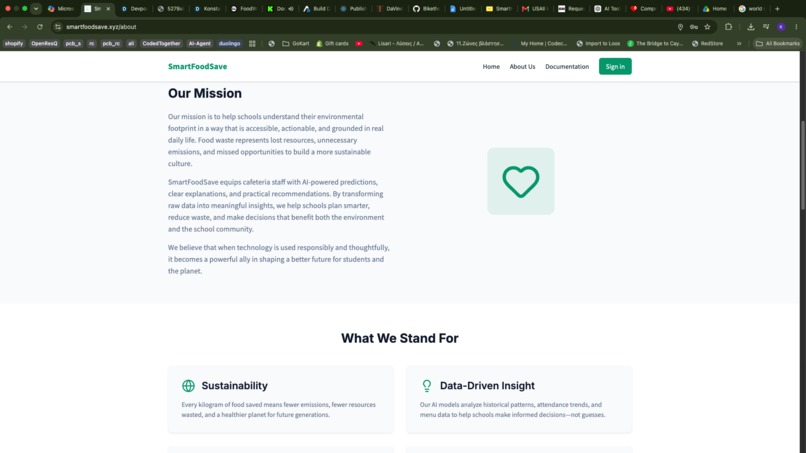
About Us (2) Website

SmartFoodSave
Inspiration
Food waste in school cafeterias is a daily but often invisible problem. Schools prepare meals based on rough estimates rather than real demand, which leads to unnecessary leftovers and wasted resources.
We were inspired by the idea that food waste should not just be tracked after it happens, but predicted and prevented before it occurs. We wanted to build a system that helps cafeteria staff make better decisions using data and AI, instead of guesswork.
What it does
SmartFoodSave is an AI-powered platform for school cafeterias that predicts food demand and helps reduce food waste.
It allows staff to:
- Log daily food preparation, servings, and leftovers
- View AI-powered predictions of future food demand
- Identify high-risk waste days
- Optimize weekly meal plans
- Receive actionable recommendations for portion and menu adjustments
- Find nearby donation options for surplus food
The system turns raw cafeteria data into clear, actionable decisions.
How we built it
We built SmartFoodSave as a web-based decision-support platform.
The system workflow is:
- Cafeteria staff input daily food data
- Data is stored and analyzed for historical patterns
- AI models forecast future demand based on trends and context
- A recommendation engine generates optimization suggestions
- Users review insights and decide what actions to take
The system combines:
- Data logging interface
- Demand forecasting model
- Recommendation engine
- Human-in-the-loop decision layer
- Donation matching logic
Challenges we ran into
One major challenge was dealing with uncertainty in food consumption data. Demand changes depending on factors like attendance, menu type, and school events, which makes prediction difficult.
Another challenge was designing the system so that it remains simple for cafeteria staff while still providing meaningful AI insights.
We also had to ensure that AI recommendations are useful but not overly prescriptive, so users stay in control of decisions.
Accomplishments that we're proud of
We are proud that we built a full end-to-end system that goes beyond prediction and actually supports decision-making.
Key achievements include:
- Designing an AI workflow that connects prediction → recommendation → human decision
- Creating a system focused on real-world usability, not just model accuracy
- Integrating responsible AI principles such as transparency and uncertainty display
- Building a solution tailored to a real-world institutional problem (school cafeterias)
What we learned
We learned that building effective AI systems is not only about making accurate predictions, but about making those predictions usable.
We also learned:
- How forecasting can be applied to real operational problems
- How recommendation systems can support decision-making
- The importance of human-in-the-loop design
- Why transparency and uncertainty communication are essential in AI systems
What's next for SmartFoodSave
Next, we plan to improve SmartFoodSave by:
- Improving prediction accuracy with more advanced time-series models
- Adding personalization for different schools and cafeterias
- Expanding the donation system with real-time partner integrations
- Building mobile-first tools for faster daily logging
- Adding analytics dashboards for long-term sustainability tracking
Our long-term vision is to scale SmartFoodSave into a system that helps schools globally reduce food waste using AI-driven decision support.
Built With
- fastapi
- firebase
- gmail
- google-maps
- hugging-face
- openai
- python
- react
- react-native
- resend
- vite

Log in or sign up for Devpost to join the conversation.