-
-
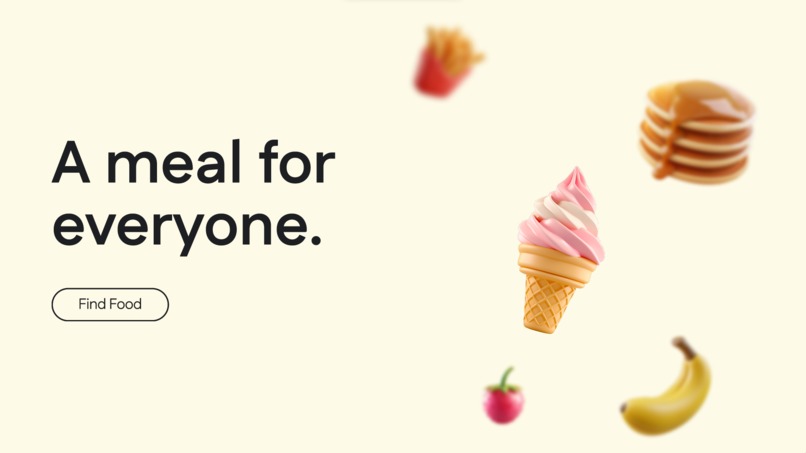
Our landing page design in our figma prototype
-
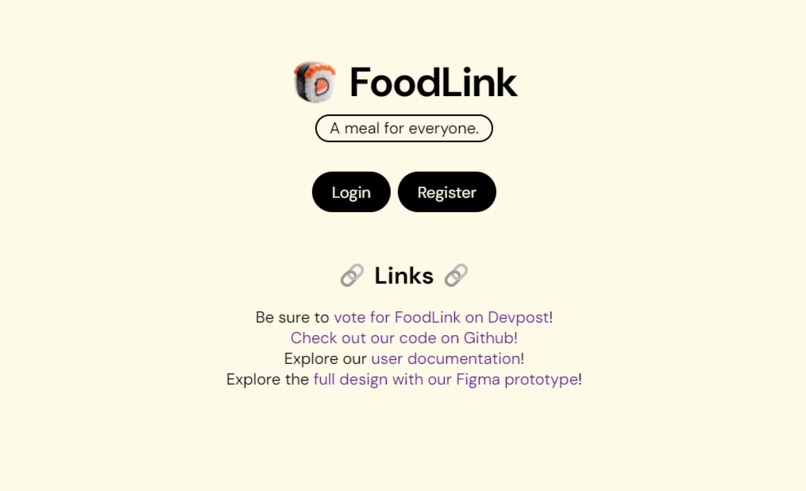
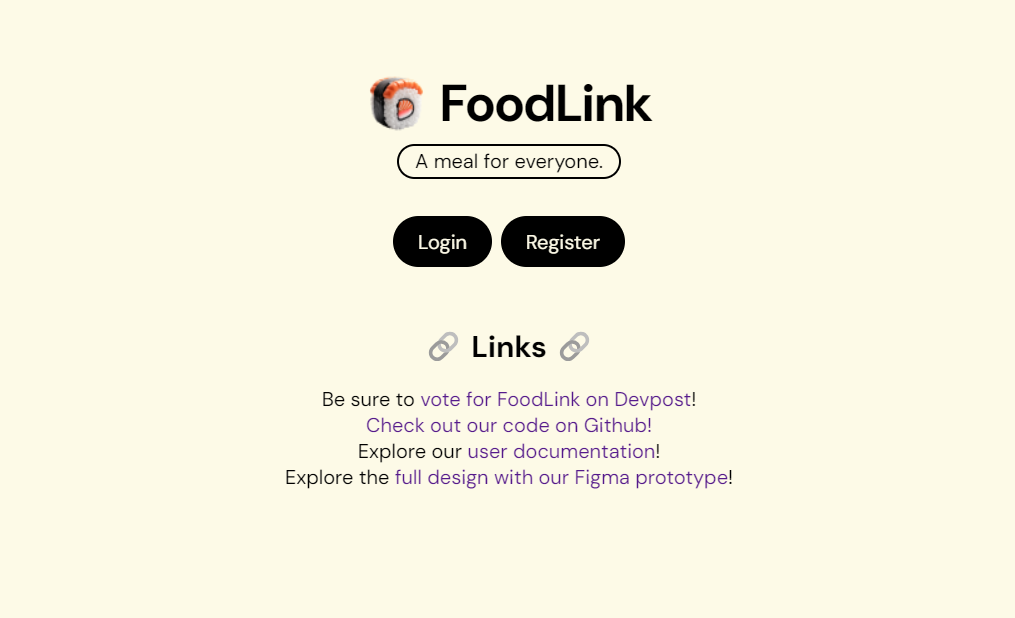
Our landing page from our live demo
🌱 FoodLink: Bridging the Gap Between Surplus and Need 🍲
📚 Table of Contents
- 🔗 Links
- 🌟 Inspiration
- 💡 What We Do
- 🔧 How We Built It
- 🚧 Challenges We Faced
- 🎉 Accomplishments We're Proud Of
- 📚 What We Learned
- 🚀 What's Next for FoodLink?
🔗 Links
🌟 Inspiration
In a world where millions of pounds of food go to waste daily, yet millions of people struggle with food insecurity, the urgency to bridge this gap was our driving force.
We were inspired by the heart-wrenching stories of individuals who regularly experience food insecurity and by the sheer potential of reducing waste by connecting those with surplus food to those who need it most. Our mission is simple: create a community of compassion where food is shared and everyone has access to a meal.
We envision a future where no one has to worry about where their next meal will come from and where surplus food is always redirected to those in need.
💡 What We Do
FoodLink connects food donors with individuals and families in need. It’s not just a platform; it’s a community-driven initiative that encourages sharing and support within neighbourhoods. Here's how:
🥪 Food Listings
Donors can easily list surplus food, providing information like the type of food, quantity, and special notes detailing allergen information, expiry dates, etc. Listings are shown with donor locations, helping recipients decide if the distance is convenient for them.
📩 Requests for Food
Those in need can browse listings and request food from donors based on their preferences and requirements. Recipients can also share important notes or points of contact for better communication. To ensure privacy, recipients' locations are only visible to the donor they requested from.
📚 Resources for Recipients
FoodLink also allows donors to provide more than just food. They can create helpful blog posts or resources offering tips on food preservation, meal prep, and even healthy, budget-friendly recipes. These resources empower recipients to make the most of what they have.
🗺️ Map Integration
Using Mapbox, users can select and view their location on a map to find food nearby. This location-based approach streamlines food distribution, making it easier for recipients to find donors close by.
🔧 How We Built It
FoodLink was developed with a range of technologies, each playing a crucial role in delivering an intuitive, efficient platform:
- Frontend: Built using React, our UI is responsive and dynamic, providing a smooth and intuitive experience for users.
- Backend: We used Django to create a robust backend that handles API requests and manages the platform's database.
- Database: SQLite was used to store user information, food listings, requests, and shared resources for local development. Postgresql was used for deployment.
- APIs: Axios facilitates seamless communication between the frontend and backend, ensuring quick and efficient data exchange.
- Prototyping with Figma: We designed and planned the user experience with Figma, allowing us to visualise and fine-tune the platform’s layout before coding, ensuring it’s user-friendly and efficient.
- Map Integration with Mapbox: Users can easily select locations on the map. Implementing Mapbox required meticulous fine-tuning to ensure it functions seamlessly with user inputs and displays listings accurately.
- Stylistic Features: Adding stylistic elements, like cover images for food listings, required extra attention to detail to ensure the design remained both appealing and functional.
- Deployment: The frontend was deployed via vercel and the backend was deployed via railway, using a postgresql remote database. Files such as profile pictures and listing covers were stored in and AWS s3 bucket for deployment.
🚧 Challenges We Faced
- API Integration: We faced initial difficulties in connecting the frontend and backend. Formatting data correctly and handling errors took some time to smooth out.
- User Authentication: Balancing security with a smooth user experience was a challenge. We had to ensure that user sessions were handled effectively.
- CORS Issues: We dealt with Cross-Origin Resource Sharing (CORS) issues when connecting the frontend and backend, which required adjustments in our Django settings.
- Mapbox Initialisation: Integrating Mapbox was a technical hurdle, especially in ensuring the map initialised with the correct data and worked seamlessly with user interactions.
- Stylistic Challenges: Designing an interface that looked good while serving the functional needs of the users took time, especially when incorporating features like cover images.
- Planning: It took some brainstorming to come up with the right project idea, and design choices like colour schemes and user flow were initially difficult.
- Deployment: This was an especially tricky step when it came to maintaining the ability of other users to run the system locally without having to change too many production variables. The deployment of the backend also encountered many issues and was a time consuming process.
🎉 Accomplishments We're Proud Of
- Successfully connecting food donors with recipients, resulting in smooth food transfers during testing.
- Integrating Mapbox to help users easily locate donors and recipients.
- Creating a user-friendly interface with responsive design that makes the platform intuitive and engaging.
- Building a solid backend that efficiently manages user data and interactions.
- The sleek yet simple design, created using Figma, that aligns with the platform’s mission and encourages interaction.
- Successful deployment of the project!
📚 What We Learned
- Effective Frontend-Backend Communication: We learned how to ensure seamless communication between React and Django components.
- Optimising User Experience: Focusing on both design and functionality was crucial to creating a platform that works well for our target audience.
- Team Collaboration and Goal Setting: We realised the importance of setting clear milestones and working closely as a team to achieve them.
- Prototyping for Success: Using Figma for early prototyping helped us avoid design pitfalls and iterate quickly based on feedback.
- How to deploy a project: this was a big step up in our knowledge of fullstacck web applications and was indeed accomplishing to figure out!
🚀 What's Next for FoodLink?
- Enhanced Features: We plan to add user ratings and reviews for donors, improve the search functionality, and include directions to donors for easy food collection.
- Request Tracking: We’re working on features that allow users to track the status of their food requests.
- Scaling Up: In the long term, we aim to scale FoodLink by forming partnerships with organisations and expanding its reach to more communities.
✨ FoodLink is more than just a platform—it’s a step towards building compassionate communities that take care of each other. Together, we can ensure that no one goes hungry while reducing food waste. 🌍🍽️
Built With
- amazon-web-services
- api
- axios
- django
- figma
- javascript
- mapbox
- node.js
- postgresql
- python
- railway
- react
- rest
- s3
- vercel


Log in or sign up for Devpost to join the conversation.