-
-
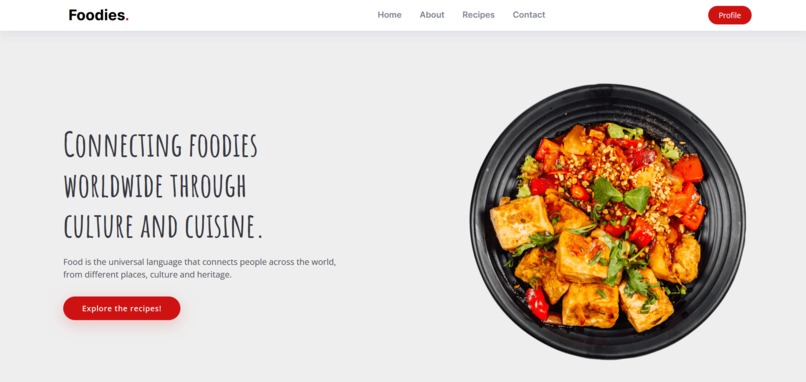
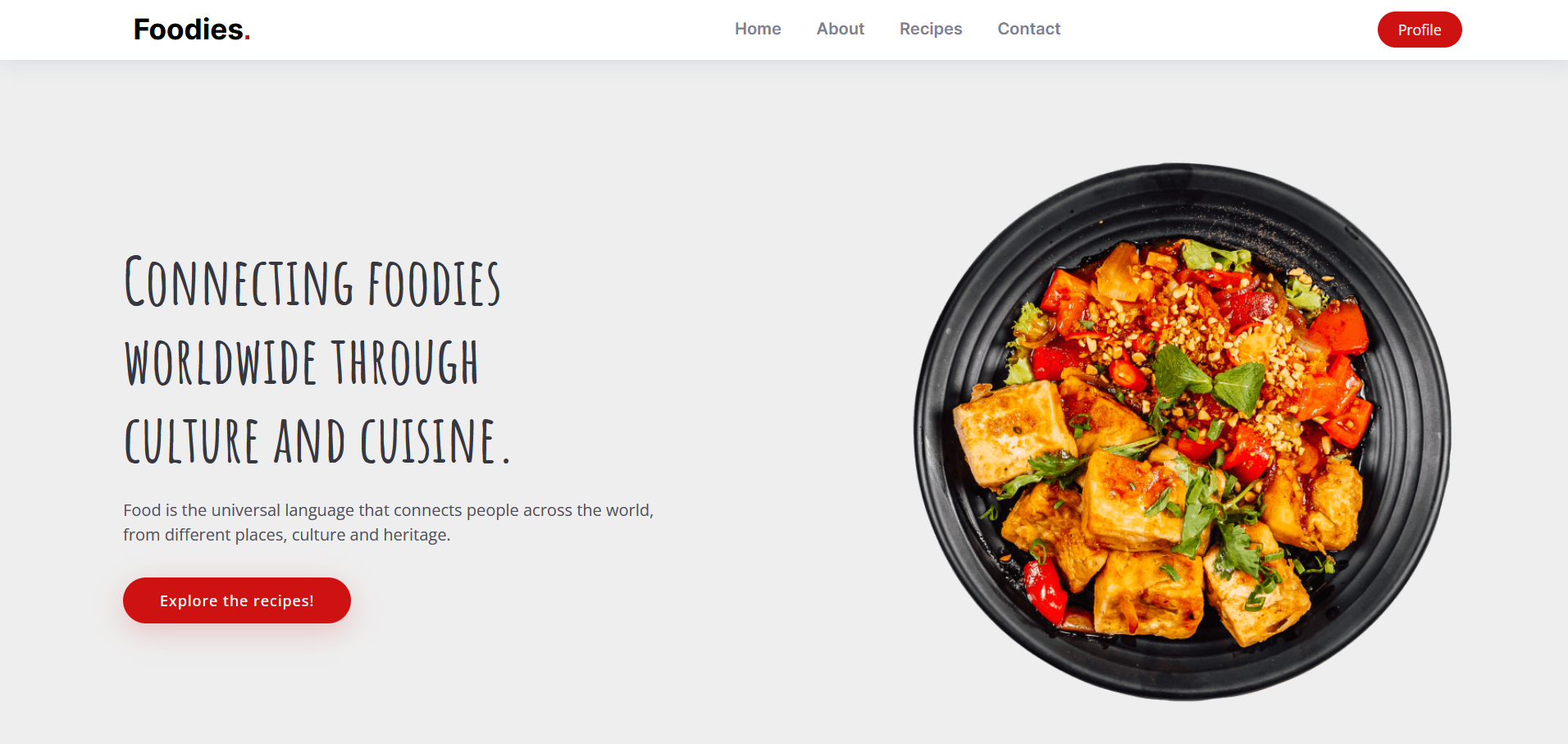
Landing Page
-
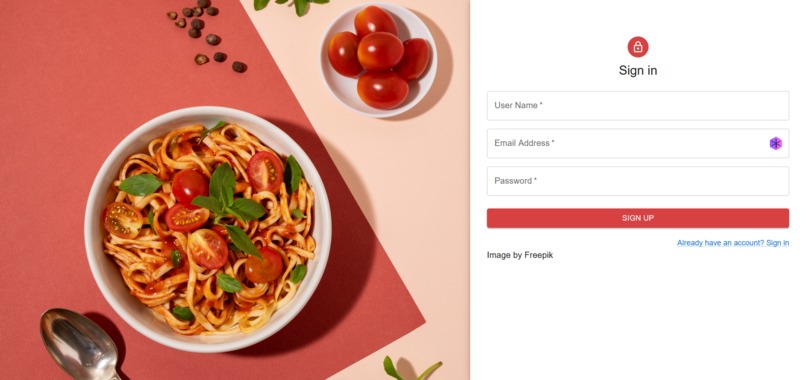
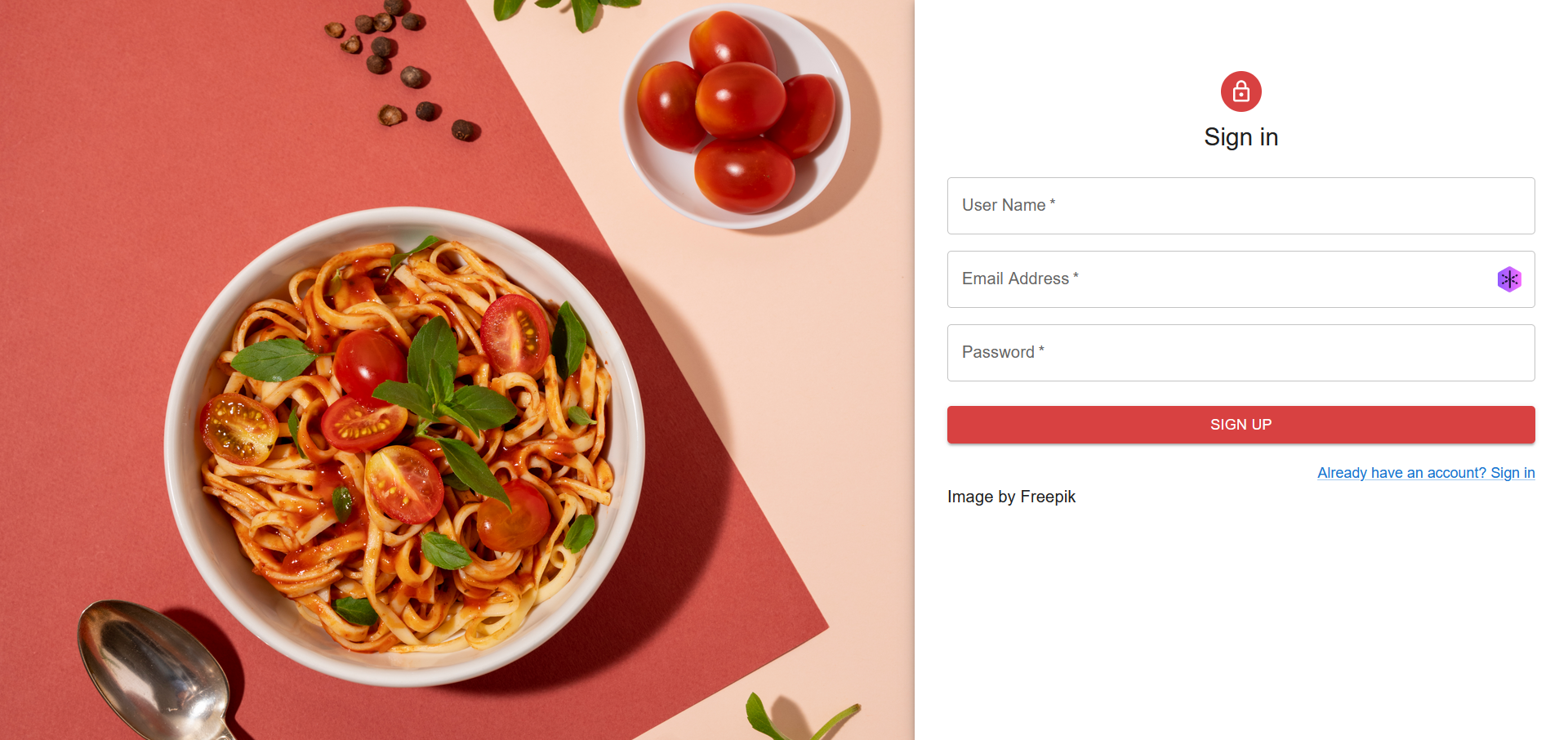
Sign Up Page
-
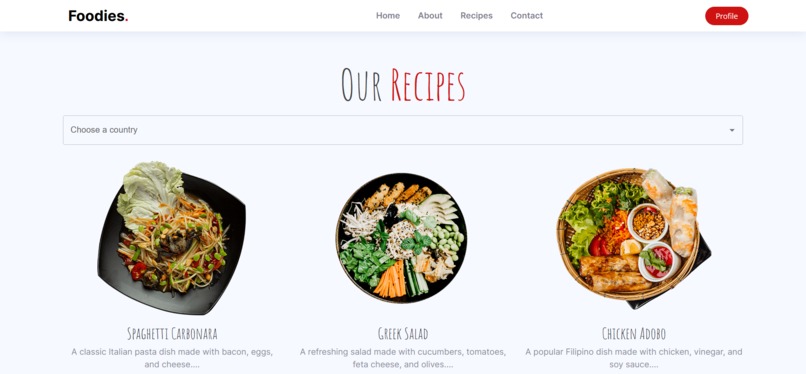
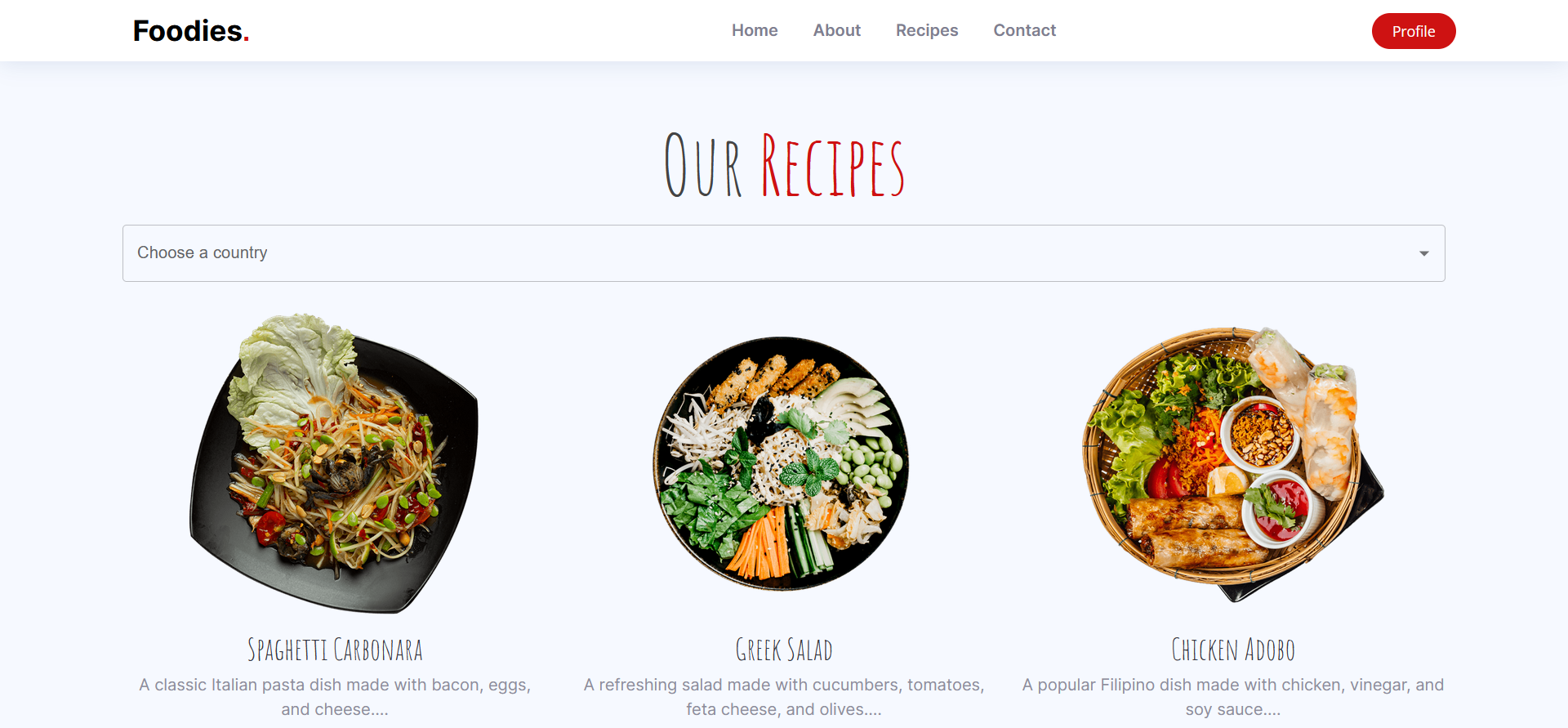
List of recipes
-
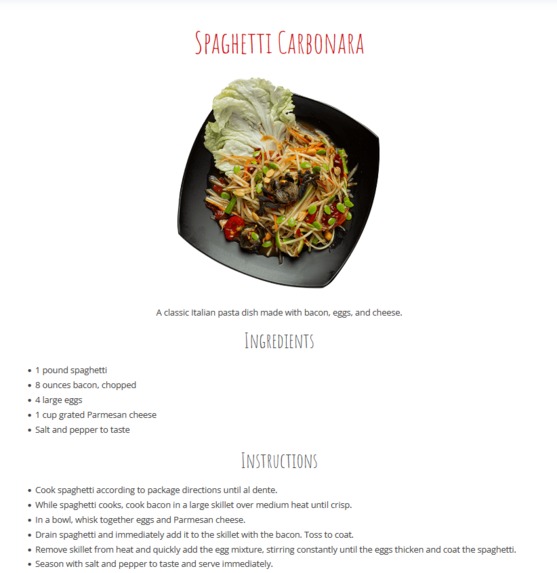
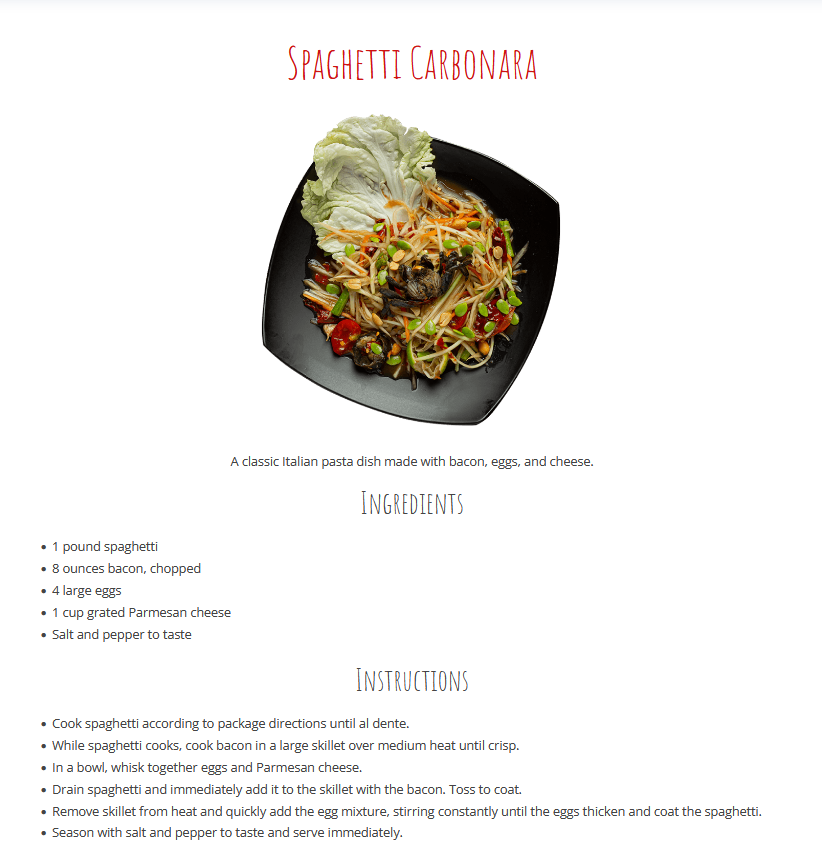
Individual Recipe Page
-

Save or send the recipe as a text message and comments
-
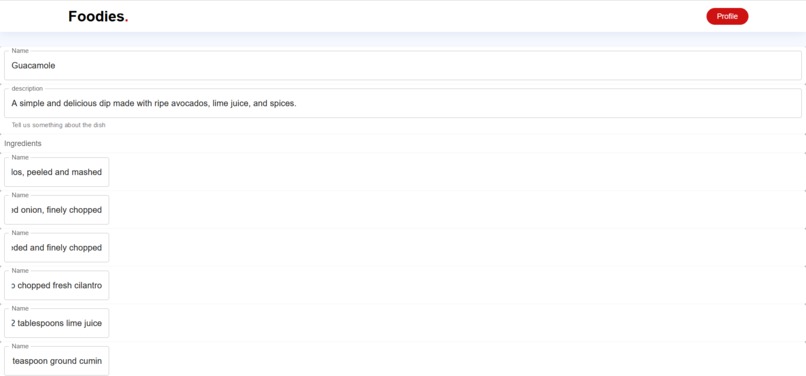
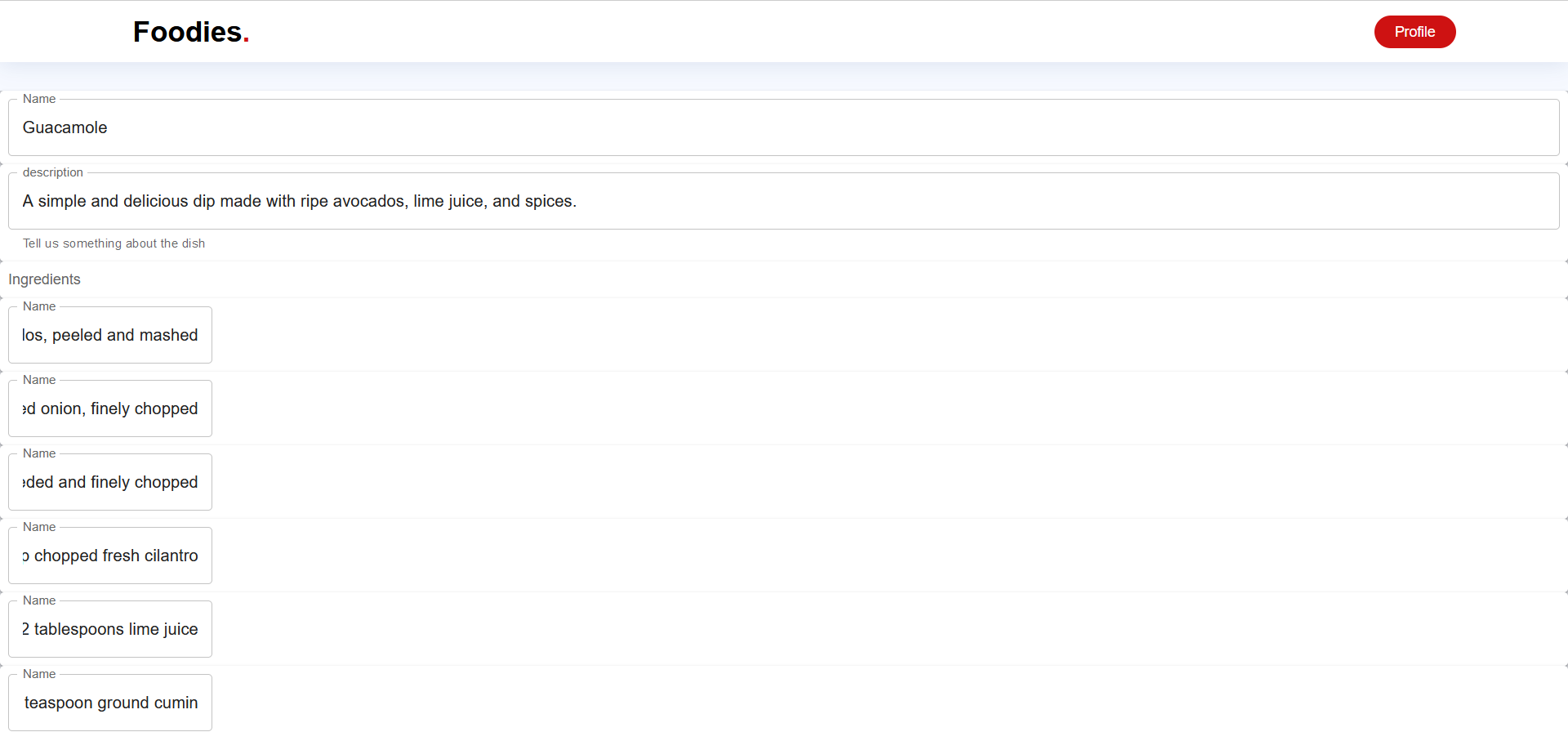
Form to submit your recipes
-
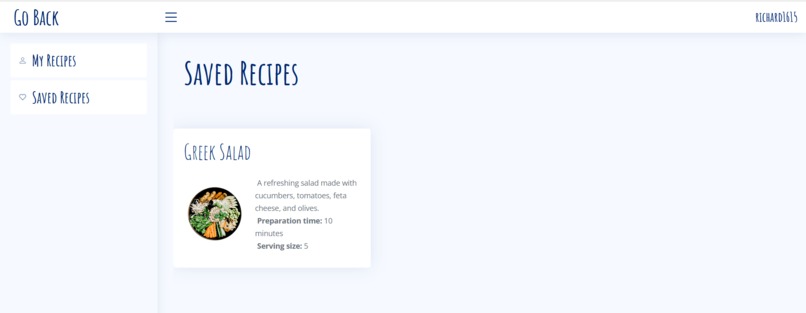
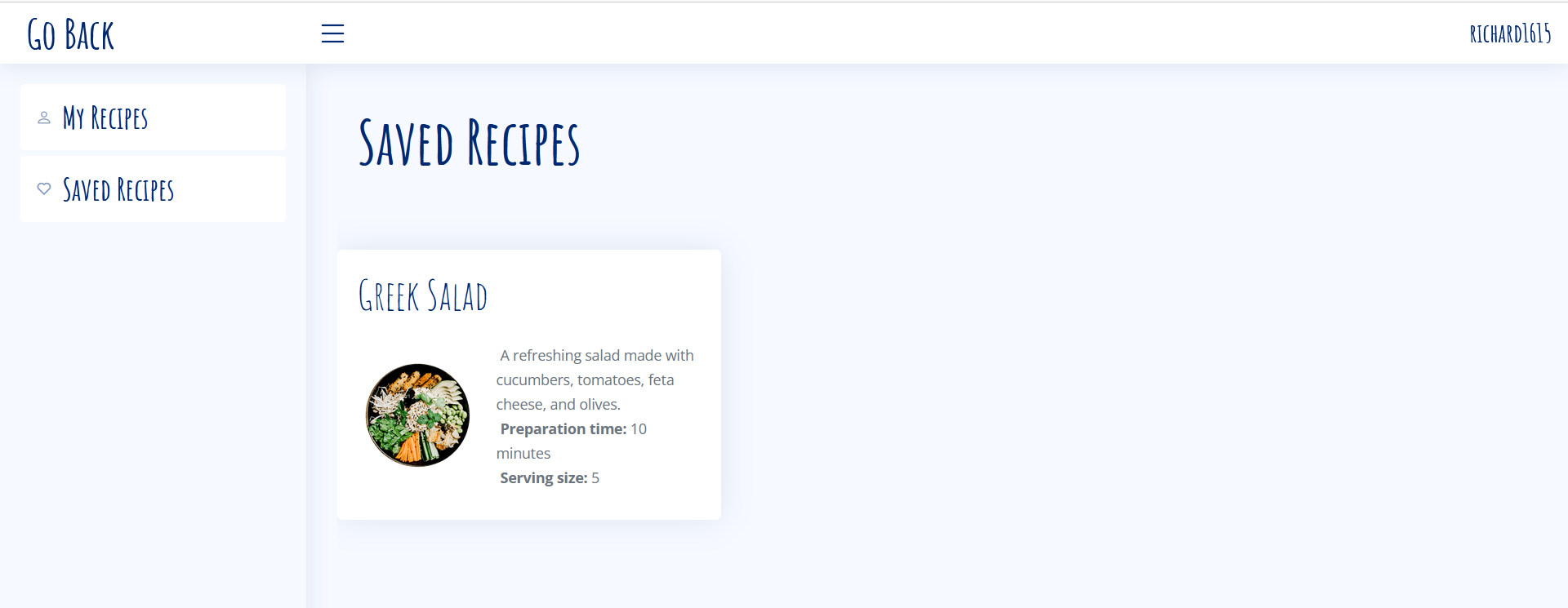
Recipes saved by the user
-
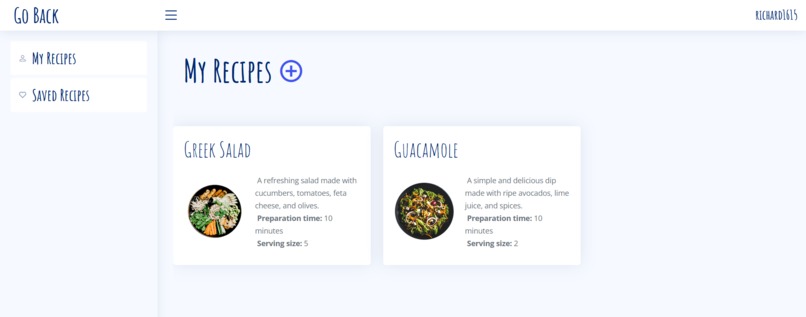
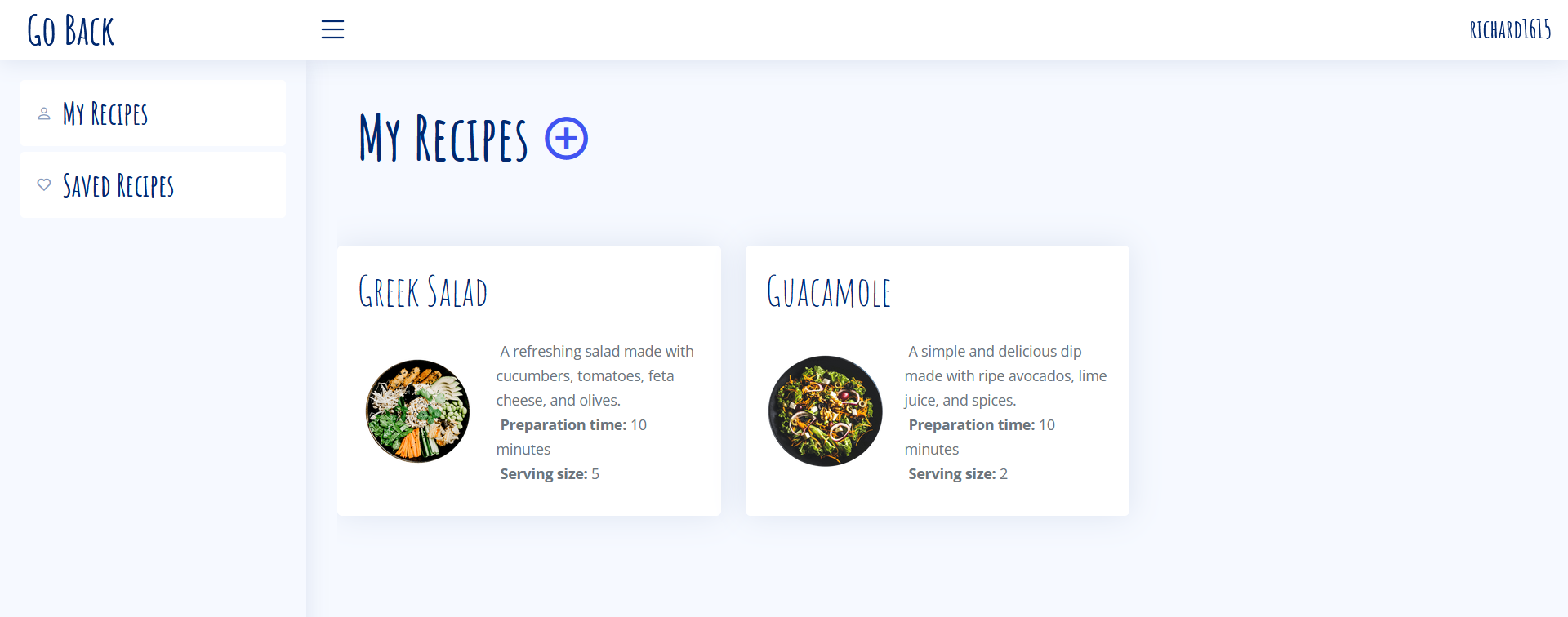
Recipes submitted by the user

Inspiration
The inspiration for our recipe app came from a deep love and appreciation for the diversity of global cuisine. As food lovers ourselves, we believe that food has the power to connect people, bridge cultures, and bring joy to our daily lives. We wanted to create a platform where people from all over the world could come together to share their cultural heritage through food. By providing a space for the exchange of recipes and culinary traditions, our app seeks to promote cultural understanding and appreciation, while also satisfying our users' appetites for new and exciting flavors. Ultimately, our goal is to create a community of foodies who are passionate about exploring the vibrant and delicious world of global cuisine.
What it does
Our application currently has the following features
- Our recipe app allows users to create an account and contribute their own recipes to the community.
- It offers a diverse range of recipes sourced from the community, which users can easily browse and filter by country name.
- The app also fosters a sense of community among its users by providing a platform for recipe comments and feedback. Users can express their appreciation for the recipes they love, ask questions, and share their own tips and variations.
- It also offers convenient features such as the ability to save recipes within the application and share them with yourself, friends and family via text message, ensuring offline access and easy reference in the kitchen
How we built it
To create our recipe app, we utilized React for the frontend development and Firebase for the database. In addition, we integrated Twilio for our SMS service, allowing users to easily share recipes with themselves, friends and family via text message. We also set up a server using Node and Express to ensure seamless messaging capabilities. We utilized Git and Github to manage our codebase and collaborate seamlessly.
Challenges we ran into
During the development of our recipe app, we faced some challenges. One major challenge was the lack of prior experience with NoSQL databases, which resulted in encountering many errors and difficulties during the implementation of Firebase. Additionally, we experienced issues with the styling of the frontend, which required a lot of trial and error to get right. Although we experienced some difficulty deploying our application on GitHub pages, we greatly appreciate the platform for providing developers with an easy and convenient way to host their projects online. In the end, we were able to successfully deploy our application on Netlify and continue to benefit from GitHub's many useful features for version control and collaboration.
Accomplishments that we're proud of
- Integrating react with firebase and working with a nosql database for the first time
- Setting up a separate server for twilio to send messages
- Hosting our application on Github and setting a custom domain name
- Implementing a responsive user interface in limited time
What we learned
Through the development of our recipe app, we learned the importance of backend infrastructure in utilizing certain services. One example of this was our experience with Twilio, where we discovered that direct access through frontend frameworks was not possible due to security issues. Instead, we had to set up a dedicated Node server to handle the integration with Twilio's SMS service. This experience taught us the importance of understanding the limitations of frontend frameworks and the need for appropriate backend infrastructure to support our app's functionality.
What's next for Foodies.
- Implement a robust tagging system which will allow users to find recipes other than by filtering through countries
- Allow users to post pictures of the dish made by following the recipe in the comments
- Video integration - Support recipe videos uploaded by users or integrated from platforms like YouTube or Vimeo.
- User profile customization - Allow users to personalize their profile pages with pictures, bios, and information.
- Translation support: Allow users to translate recipes into their preferred language
- We will integrate web scraping and nutrition APIs into our recipe app to provide users with valuable information about each dish. By utilizing web scraping, users will gain insights into the historical and cultural significance of each recipe. Additionally, we will leverage nutrition APIs to inform users of the nutritional content of each dish, helping them make informed dietary choices
- Additionally, we plan to deploy the application on GitHub Pages and establish a workflow to automate the process. This will ensure that the latest version of our application is always available to users and make it easier for our team to manage and maintain the project.


Log in or sign up for Devpost to join the conversation.