-
-
logo
-
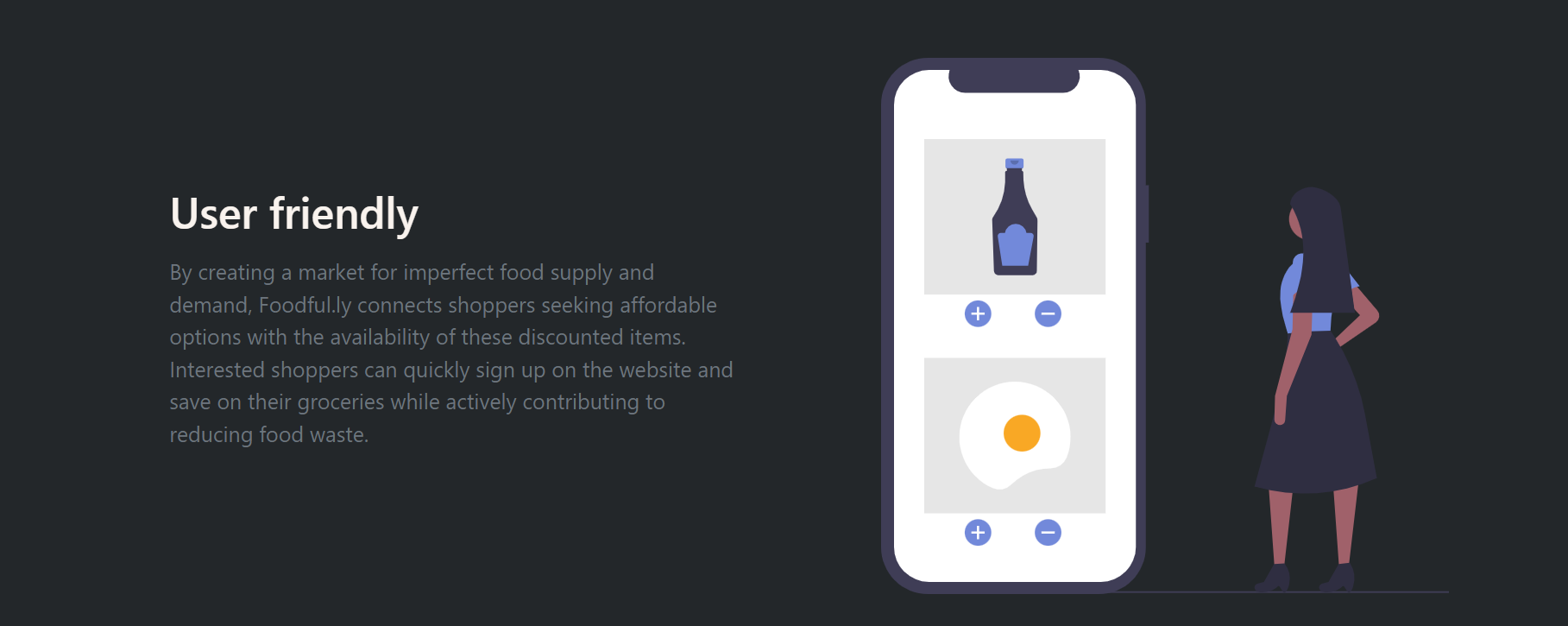
website 1
-
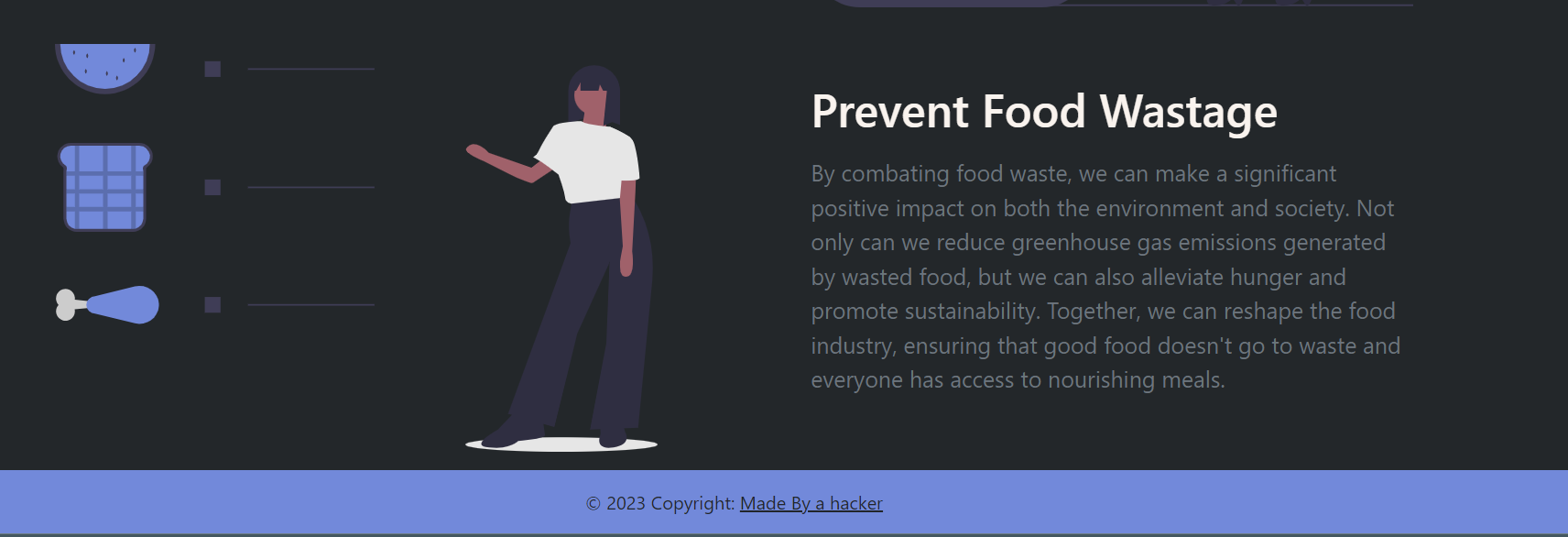
website 2
-
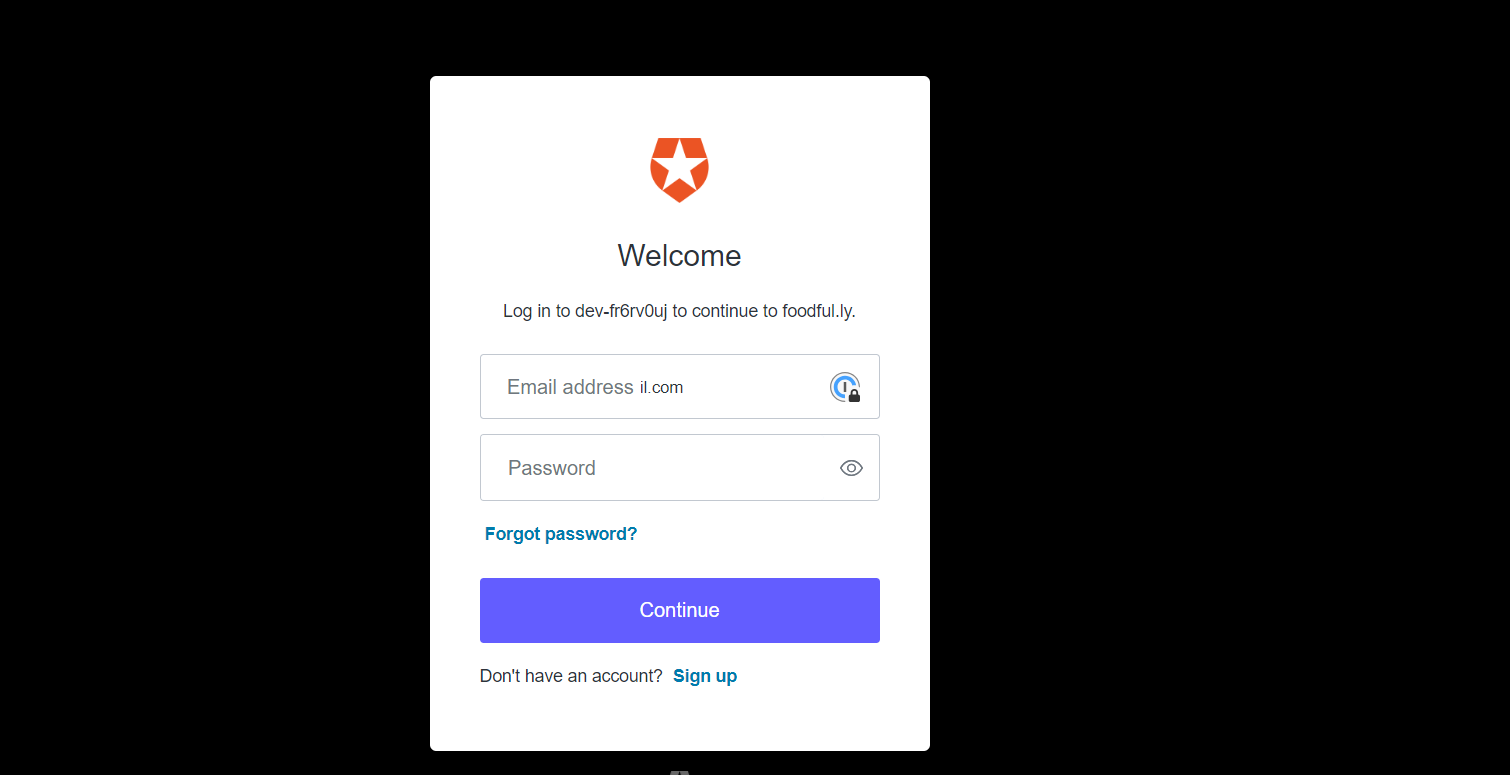
auth
Inspiration
In a world where we produce enough food to feed everyone, 821 million people – one in nine – still, go to bed on an empty stomach each night. In the United States, the agriculture industry wastes a staggering amount of food, with nearly 40% of all produced food going uneaten. This problem is exacerbated by grocery stores discarding a massive 43 billion pounds of food annually, even though much of it is perfectly edible. Sadly, cosmetic imperfections, arbitrary sell-by dates, or damaged packaging often lead to this waste ending in landfills.
The consequences of such food waste are stark, especially when nearly 10% of U.S. households struggle to afford meals. This disparity highlights a fundamental issue in the distribution and sale of food.
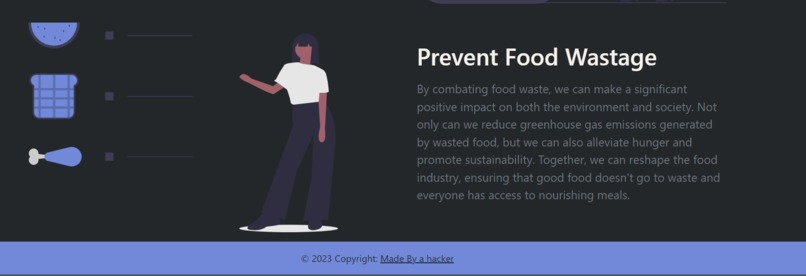
By combating food waste, we can make a significant positive impact on both the environment and society. Not only can we reduce greenhouse gas emissions generated by wasted food, but we can also alleviate hunger and promote sustainability. Together, we can reshape the food industry, ensuring that good food doesn't go to waste and everyone has access to nourishing meals.
What it does
Foodful.ly is a web app revolutionizing how grocery stores and supermarkets handle imperfect foods that would otherwise go to waste.
With Foodful.ly, stores can advertise and sell slightly imperfect but perfectly edible food items at a significant discount, such as creased cereal boxes or blemished tomatoes. Thus, Benefiting both the stores and lower-income households and combating greenhouse gas emissions generated by wasted food.
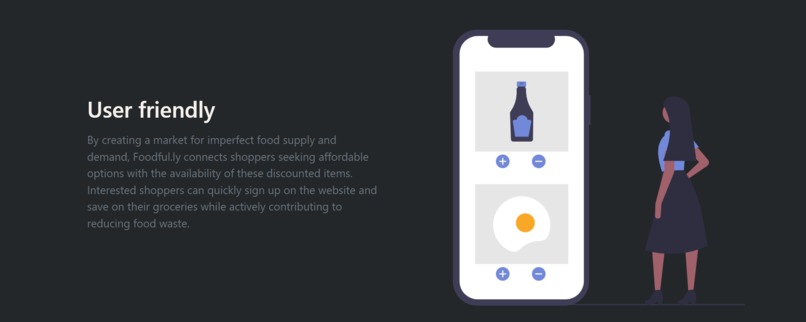
By creating a market for imperfect food supply and demand, Foodful.ly connects shoppers seeking affordable options with the availability of these discounted items. Interested shoppers can quickly sign up on the website and save on their groceries while actively contributing to reducing food waste.
Foodful.ly promotes a sustainable and efficient approach to handling food waste. It empowers stores to make a positive environmental impact while allowing consumers to save money and support the fight against food waste.
How we built it
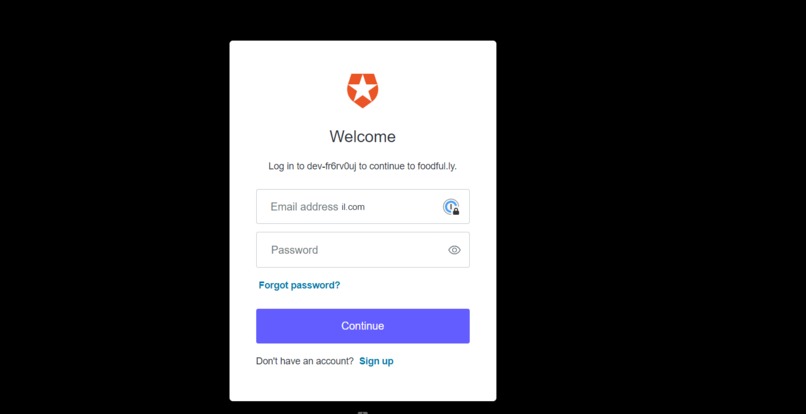
I used HTML, CSS, Javascript, and Bootstrap for the front end. We utilized Flask for the backend, SQLite for CRUD, Folium for the map, and Auth0 for registration.
Challenges we ran into
I wanted to create a project with real environmental influence and deliver a genuine product, even if it was a bit bare bones. CSS and website design To get a head start, I had to scour the internet for information, and things weren't easy because I couldn't add the Folium API and wasn't able to save information to the database.
Accomplishments that we're proud of
We plan to potentially polish and publish this app to the app store since this step will widen our reach and enhance our impact in reducing food waste globally. We are thrilled to have developed a solution that addresses food wastage, contributes to environmental conservation, and supports lower-income households worldwide.
What we learned
I learned a lot during the weekend. I found out —
- Flask can construct web apps that are quick, scalable, and easy to use.
How using Flask helps us to build backends faster.
Frontend development and design
Adding map functionality Finally, I learned a lot from HackBytes throughout the weekend.
What's next for Foodful.ly
Future ambitions for Foodful.ly include a more personalized approach to data and additional features such as a recommendation engine based on NLP and collecting training data for better personalization.
Built With
- auth0
- css3
- flask
- folium
- html5
- javascript

Log in or sign up for Devpost to join the conversation.