-
-
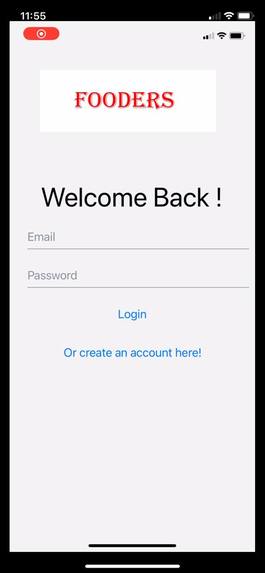
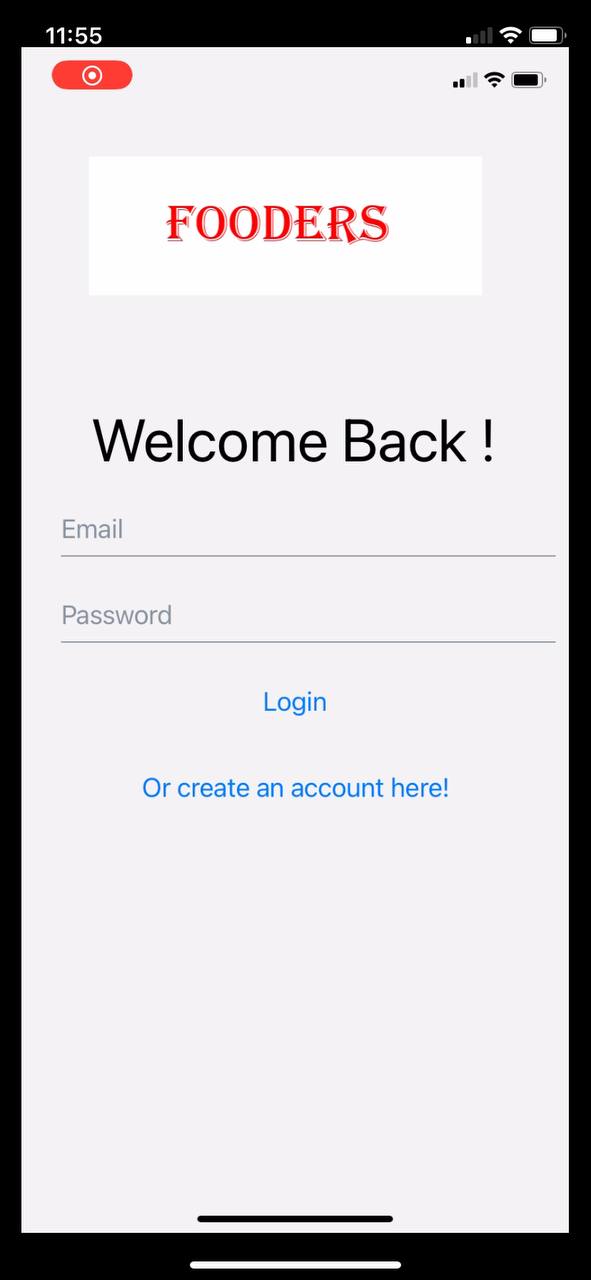
Login
-
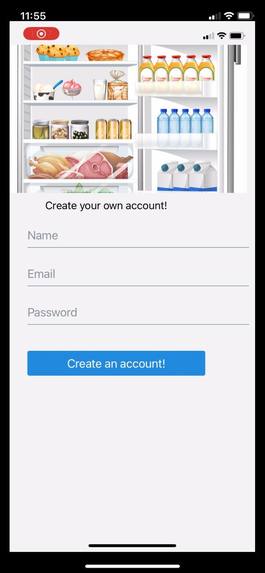
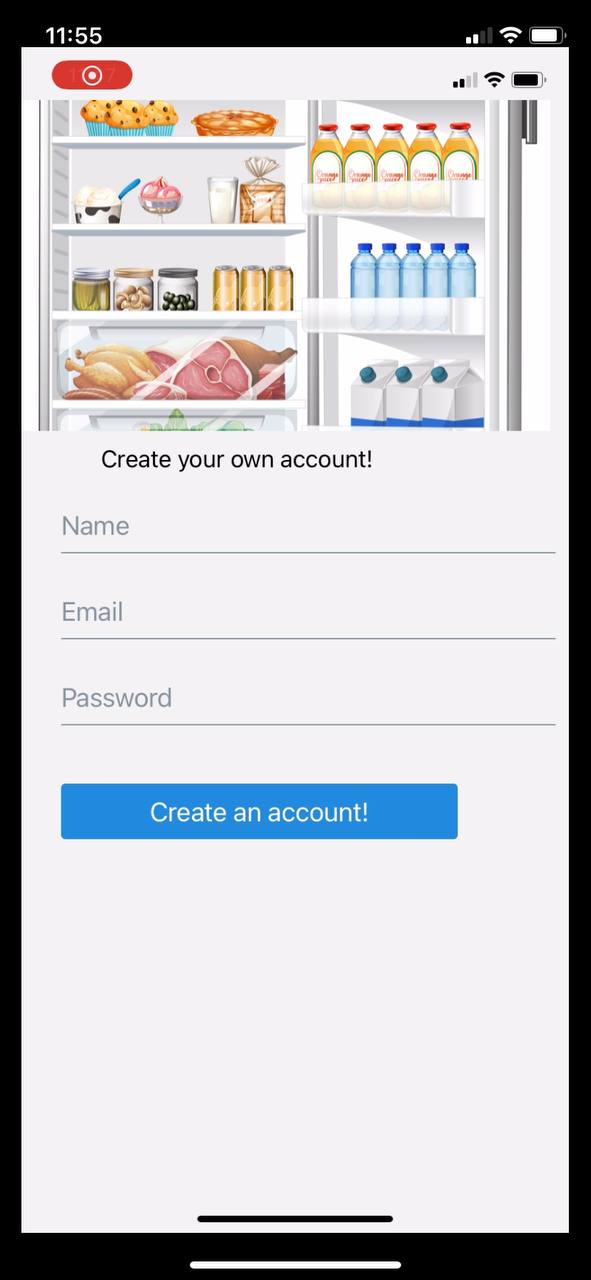
Signup
-
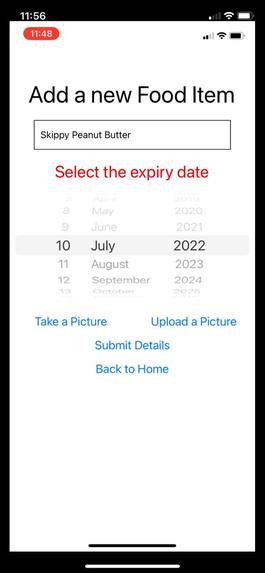
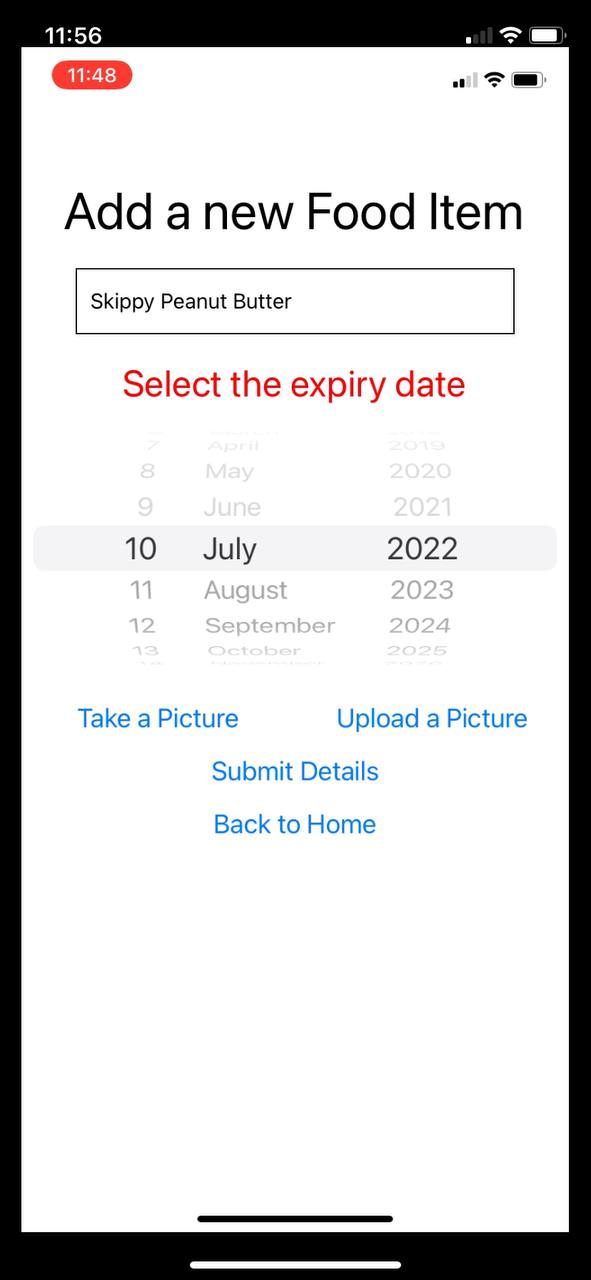
Food log
-
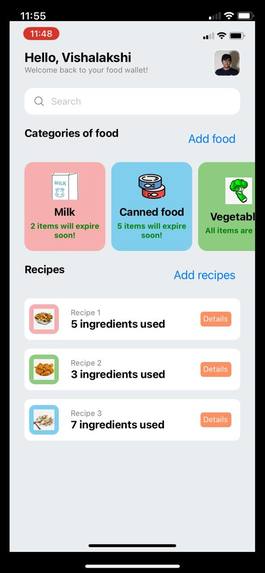
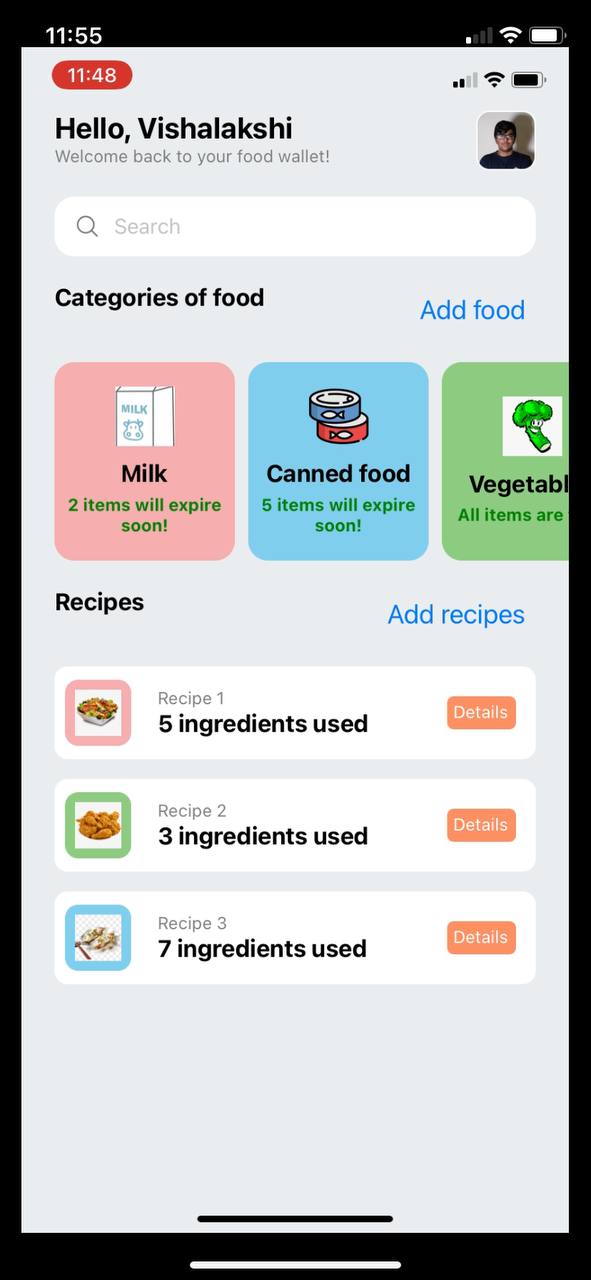
Homescreen
Inspiration
Food wastage is categorized into avoidable and unavoidable food wastage. Did you know that the second largest cause of food wastage is due to not tracking food expiry dates and eventually disposing of expired food that could have been consumed with proper tracking? This is an avoidable form of food wastage and can be solved through an efficient platform that enables users to track their food expiry dates efficiently.
What it does
Upon purchasing food items at the grocery store (Fairprice NTUC, Giant, etc.), their expiry dates will be automatically added to your Fooders account. Furthermore, you are at liberty to manually input these items into the app. This creates a log of all your food items and their respective expiry dates. Our app also prompts users when a particular item's expiry date is within 1 week. Lastly, when the food items are close to expiration, the app provides the user with a recommended recipe, allowing them to stop the food from going to waste, hence preventing food wastage.
How we built it
We incorporated React Native to develop the Frontend, TypeScript for our backend and Firebase as our Authentication and Storage.
Challenges we ran into
We faced many issues when trying to connect firebase with our frontend. Additionally, we challenged ourselves by using TypeScript over JavaScript where documentation was scarce for react-native. Through this, we gained a better understanding of how to structure our code better and adapt to new languages. Furthermore, a huge obstacle we faced was the structure planning for our database. We tackled this issue by planning a Schema diagram to understand the attributes required and where we should use them.
Accomplishments that we're proud of
We incorporated a camera scanning feature that lets the user take the picture of the item that they want to track to add it to the database. We also integrated multiple screens and added user authentication to store multiple users in the database. We also managed to learn TypeScript in a day: a language none of us were familiar with. Additionally, given the short amount of time and the rapid iterations we made, we effectively used version control to manage the changes and issues each of us was tackling.
What we learned
1) How to effectively delegate roles in a software engineering team 2) Developing a schema for appropriate storage and usage of data 3) Typescript - working with an unconventional language where the documentation was scare
What's next for Fooders
We would want to upgrade the camera function by implementing a bar code scanner that scans the item and automatically adds the item description into the database to improve the user experience. We would also like to add a marketplace feature that would allow users to donate or sell expiring food items to people nearby (possibly within a 3km radius) after considering all social and ethical implications (e.g.items must be sealed and hygienic, collection location must be centralised to protect the privacy of the seller/buyer, etc). This would allow for food to be consumed more efficiently, preventing food wastage.


Log in or sign up for Devpost to join the conversation.