-
-
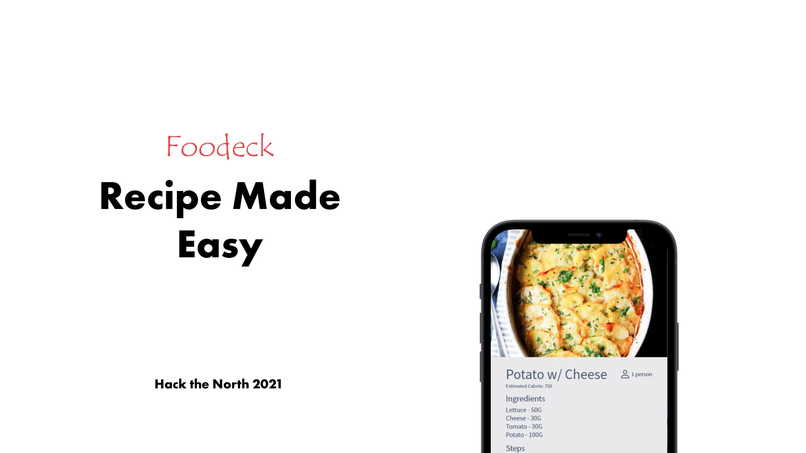
Thumbnail
-
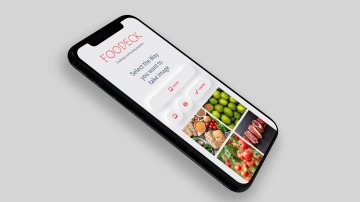
Application Prototype
Inspiration
The world today has changed significantly because of COVID 19, with the increased prominence of food delivery services. We decided to get people back into the kitchen to cook for themselves again. Additionally, everyone has a lot of groceries that they never get around to eating because they don't know what to make. We wanted to make a service that would make it easier than ever to cook based on what you already have.
What it does
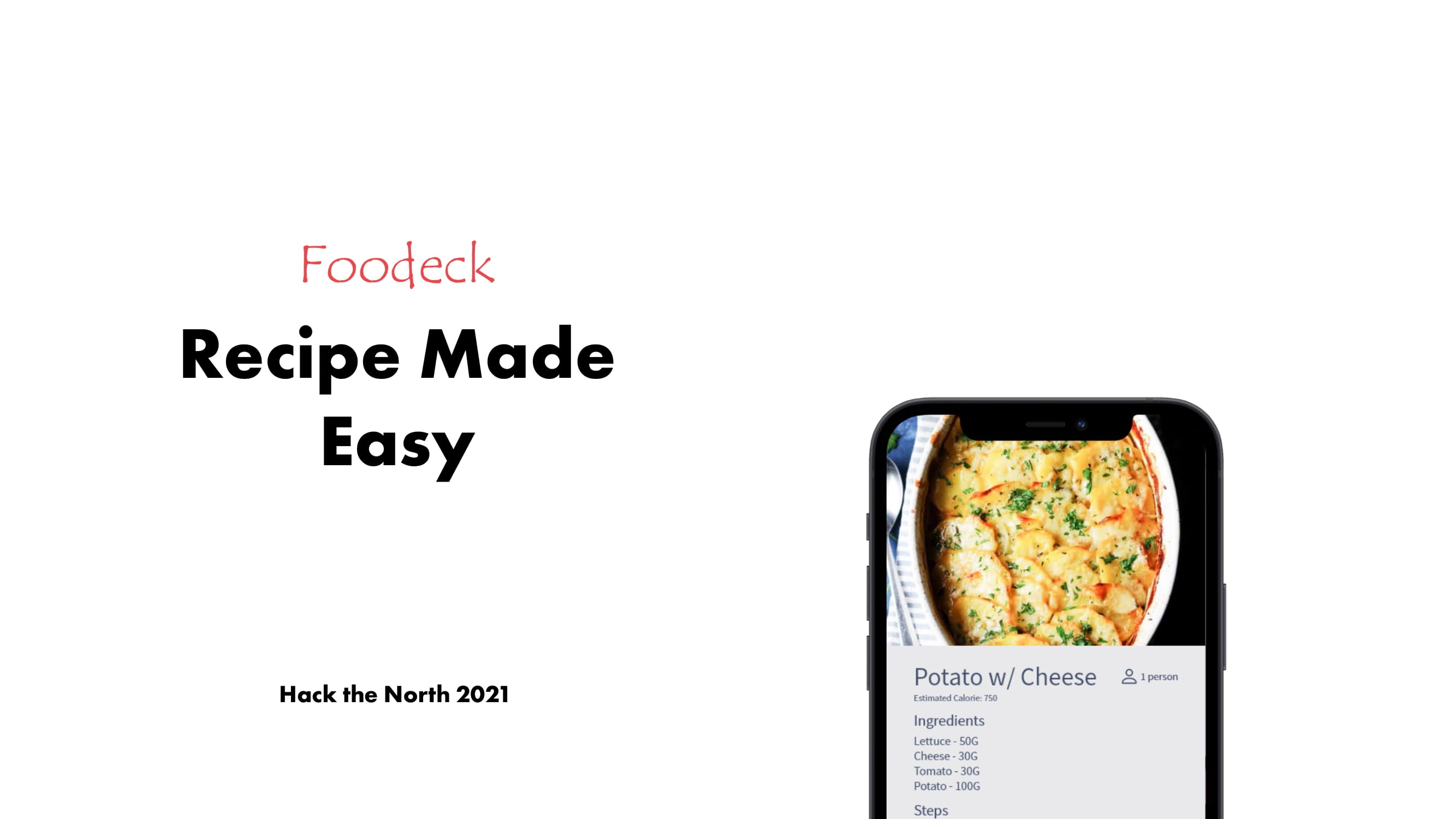
Recognizes food ingredients through pictures taken on a smartphone, to build a catalog of ingredients lying around the house. These ingredients are then processed into delicious recipes that you can make at home. Common ingredients and the location of users are also stored to help reduce waste from local grocery stores through better demographic data.
How we built it
We used to express and Node for the backend and react native for the front end. To process the images we used the Google Vision API to detect the ingredients. The final list of ingredients was then sent to the Spoonacular API to find recipes that best match the ingredients at hand. Finally, we used CockroachDB to store the locational and ingredient data of users, so they can be used for data analysis in the future.
Challenges we ran into
- Working with Android is much more challenging than expected.
- Filtering food words for the image recognition suggestion.
- Team members having multiple time zones.
- Understanding and formatting inputs and outputs of APIs used
Accomplishments that we're proud of
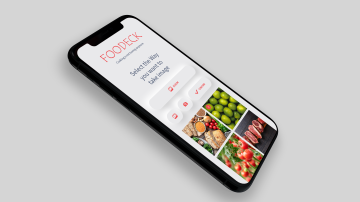
- We have an awesome-looking UI prototype to demonstrate our vision with our app.
- We were able to build our app with tools that we are unfamiliar with prior to the hackathon.
- We have a functional app apk that's ready to demonstrate to everyone at the hackathon.
- We were able to create something collaboratively in a team of people each with a drastically different skill set.
What we learned
- Spoonacular API
- React Native
- Google Vision API
- CockroachDB
What's next for Foodeck
- Implement personalized recipe suggestions using machine learning techniques. ( Including health and personal preferences )
- Learn user behavior of a certain region and make more localized recipe recommendations for each region.
- Implement an optional login system for increased personalization that can be transferred through d
- Extend to multi-platform, allowing users to sync the profile throughout different devices. Integrate with grocery delivery services such as instacart, uber eats.


Log in or sign up for Devpost to join the conversation.