-
-
logo
-
-
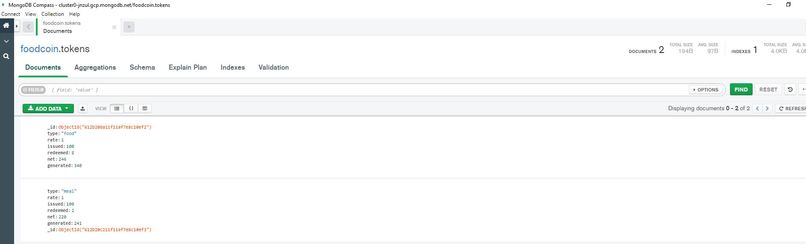
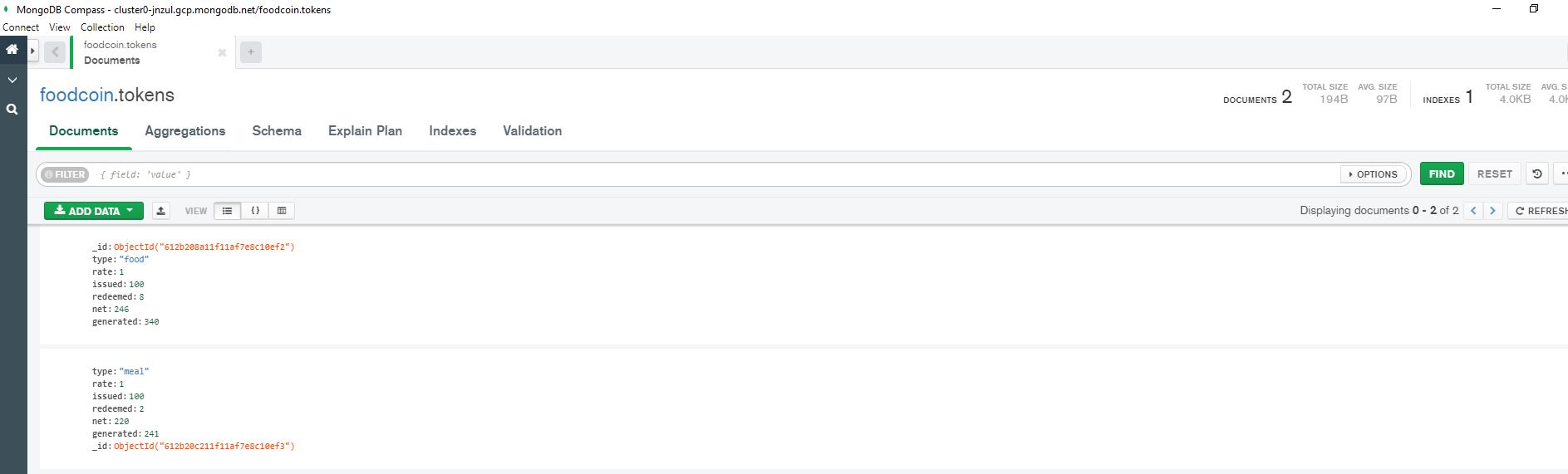
Foodcoin Token store in MongoDB
-
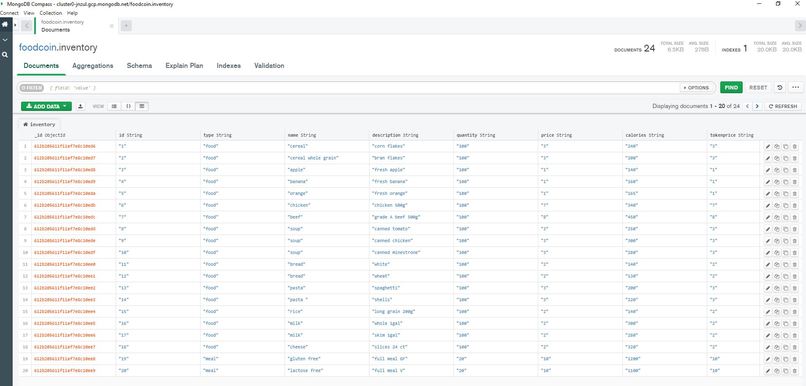
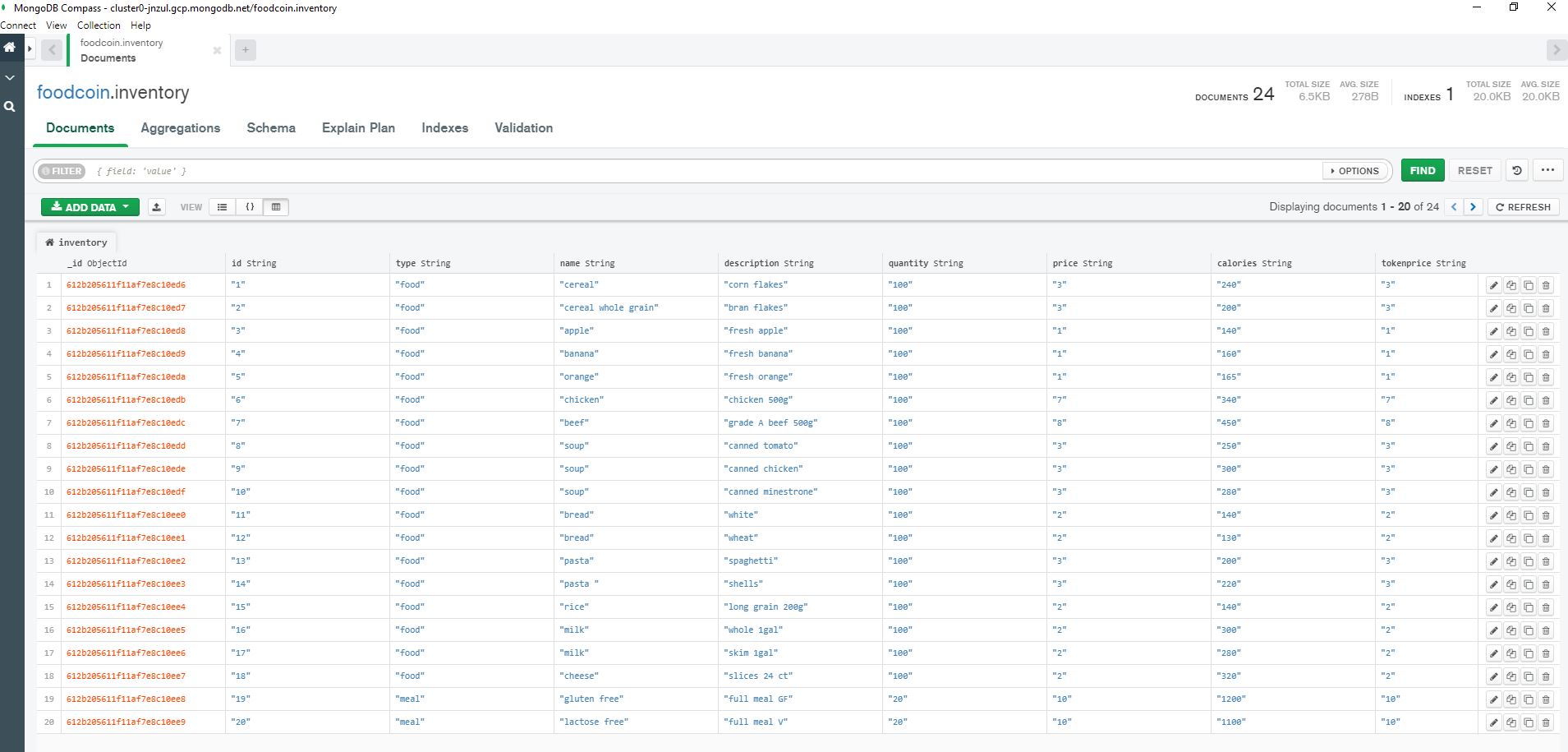
Foodcoin Inventory in MongoDB
-
-
-
-
-
-
-



Inspiration
Living off of ramen has long been considered part of the college experience, but food insecurity, like housing insecurity, is one of the biggest barriers to graduating. As university costs and national college debt reach record levels, the risk of food insecurity among college students continues to grow.
Problem definition
Many college students struggle to cover basic needs. Those who lack family support are especially likely to struggle to afford food, and report eating less, eating less healthy, and going hungry.
Food insecurity is a major problem that affects many young people and students worldwide. It often exists as a hidden problem due to various factors such as the social stigma of being needy among peers.
Even when support is available, there is a stigma around receiving benefits. There is a perception held by some that those who enroll in federally assisted programs are lazy.
Some of the college students surveyed in [reference below] conscious of the prejudices against people on federal assistance programs.
It has led to hesitancy among some to come forward for federal benefits. Many surveyed students expressed that they would rather use community-based resources [such as food pantries, soup kitchens] because there is a more positive connotation.
Food-insecure students also have poorer physical and mental health. Studies show that food insecurity is associated with behavioral and attention problems and depression among students of all ages. Data on food insecurity among college students is limited but suggests the issue is significantly more pervasive than the national average. While around 13% of U.S. households were food insecure pre-pandemic, campus studies suggest that as much as 59% of students experience food insecurity at some point in their college careers.
What it does
Our Solution: FoodCoin.
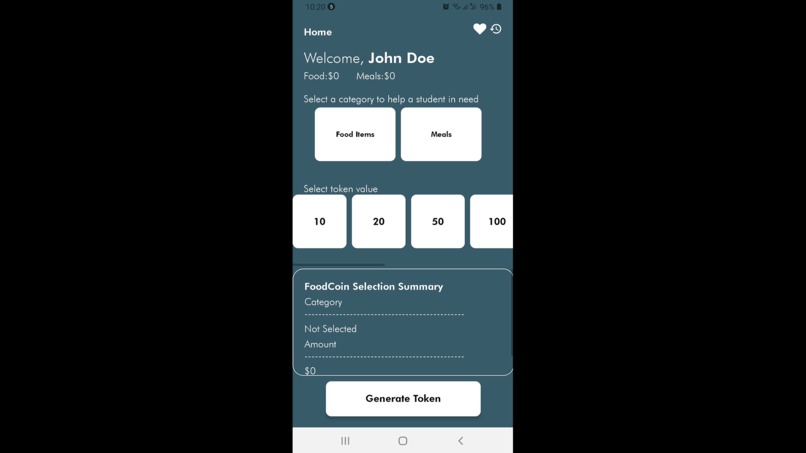
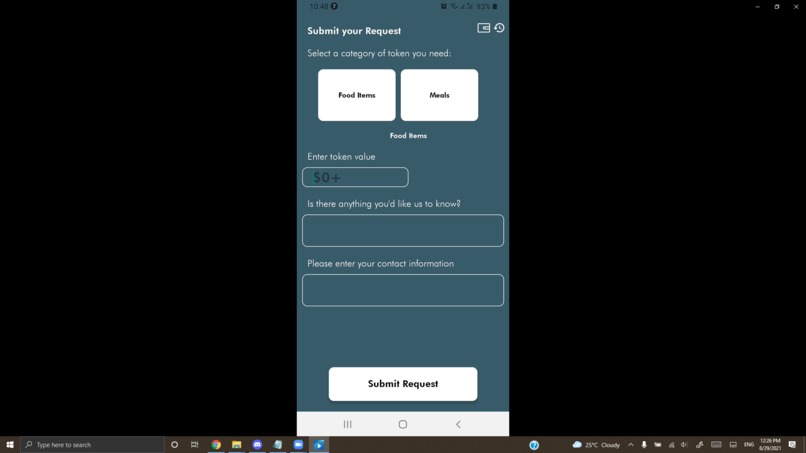
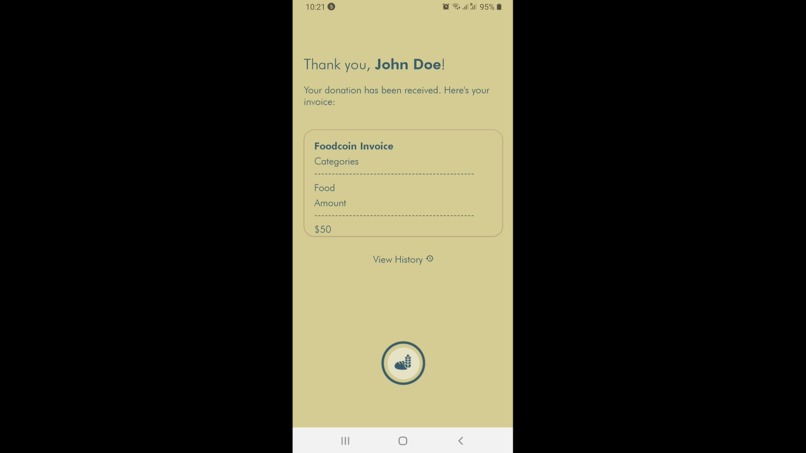
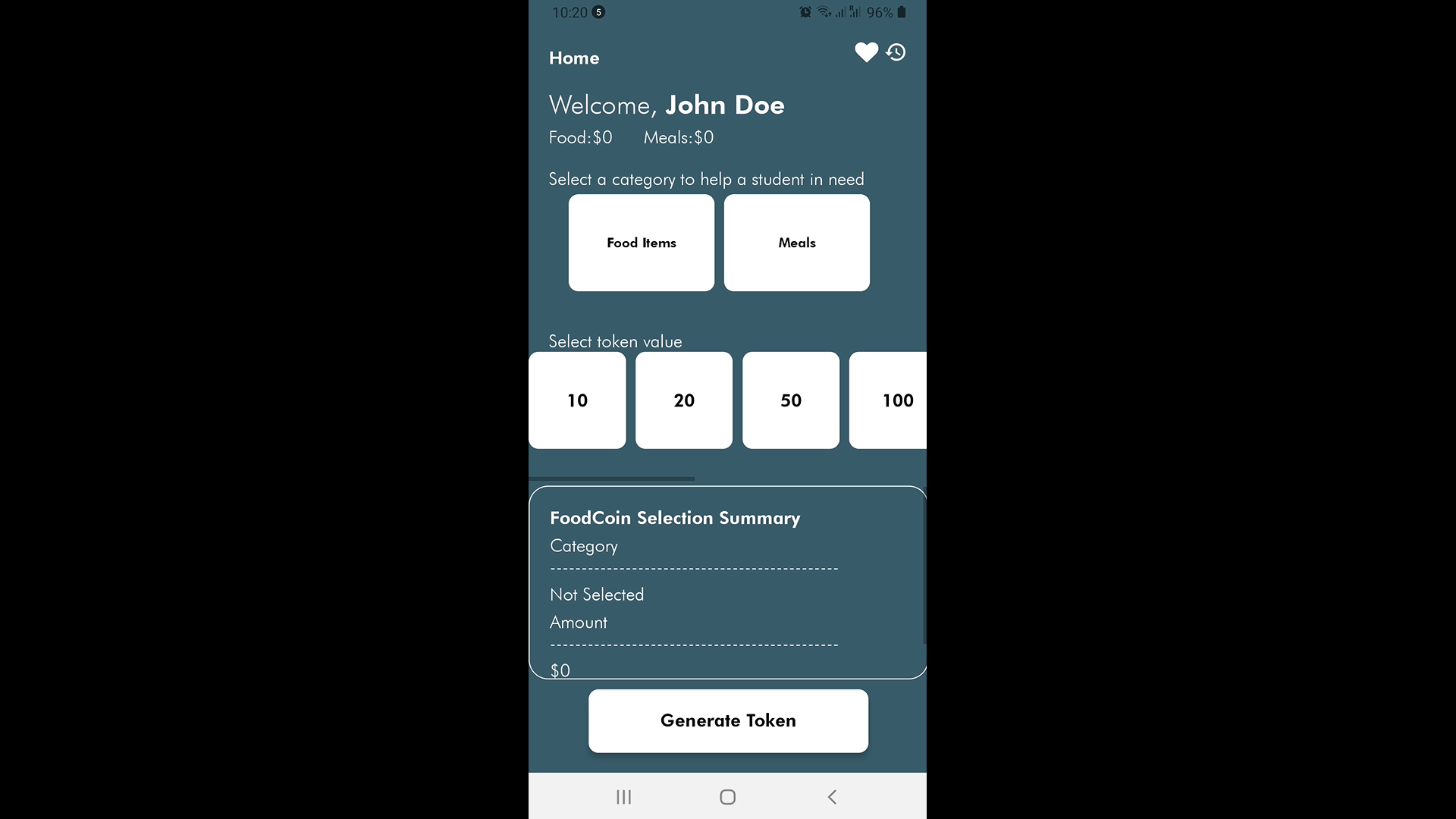
FoodCoin is a system that combines the facility of paying it forward type donations with anonymity provided by digital payments to provide a platform which allows food-insecure students to avail of the generosity of their peers and others anonymously and in a fair manner. FoodCoin uses a system of tokens in order to allow needy students to anonymously receive support in forms of individual food items or meals.
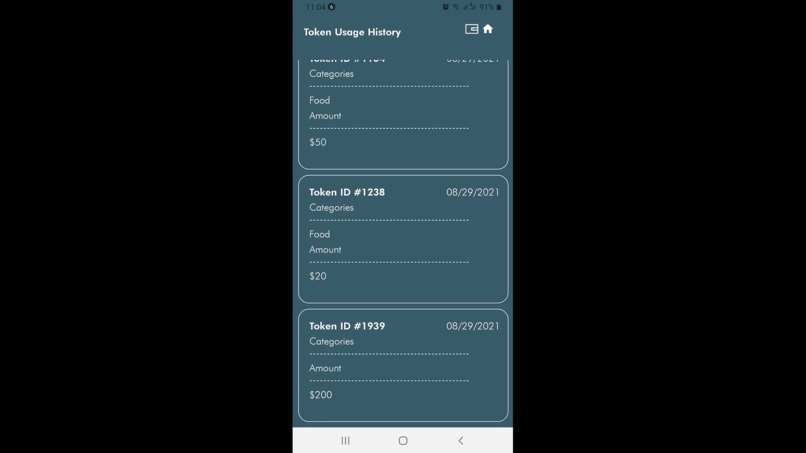
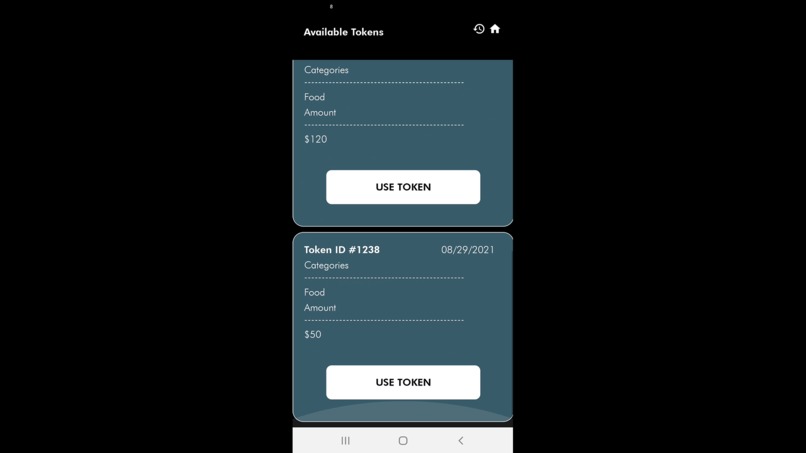
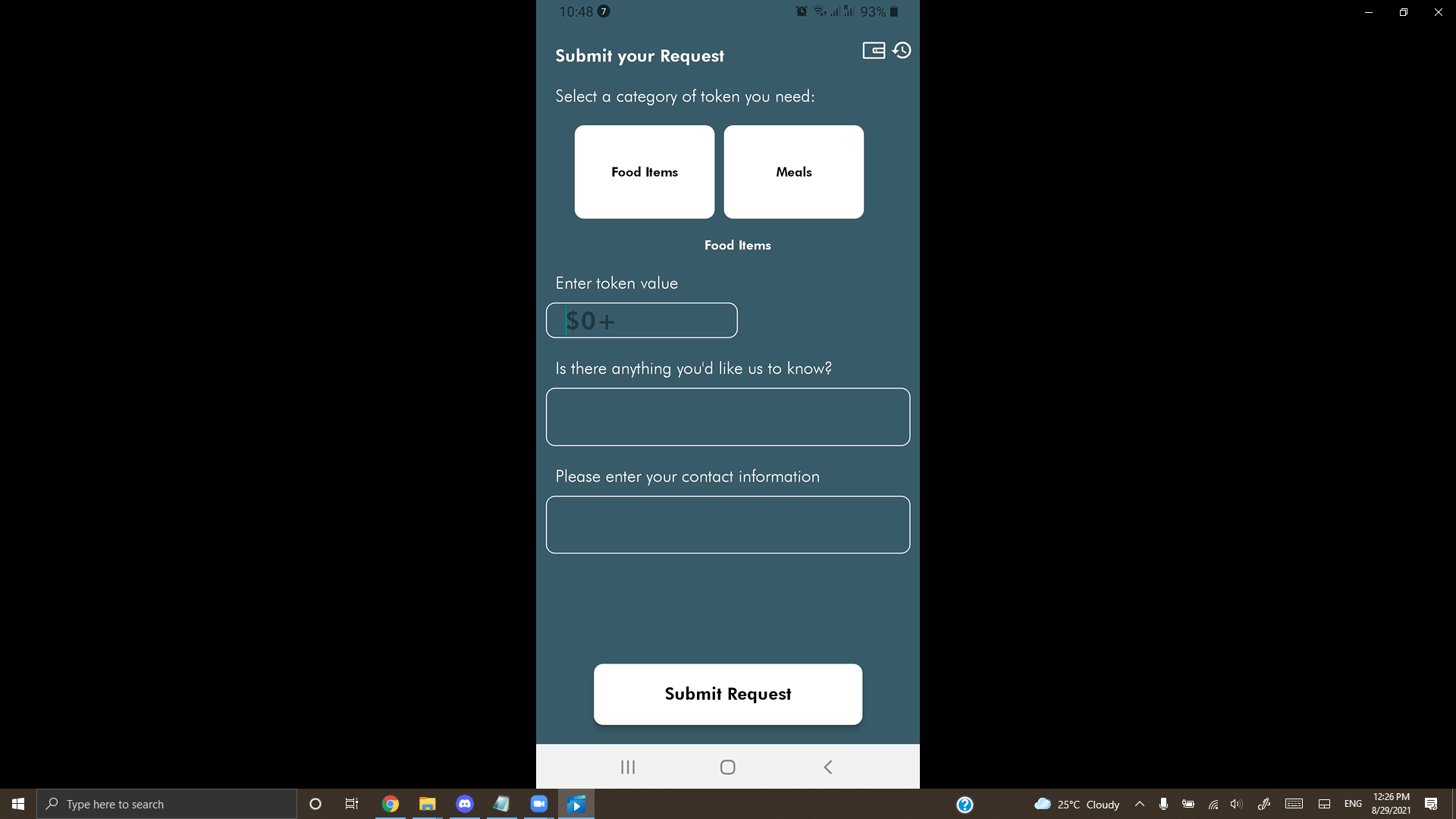
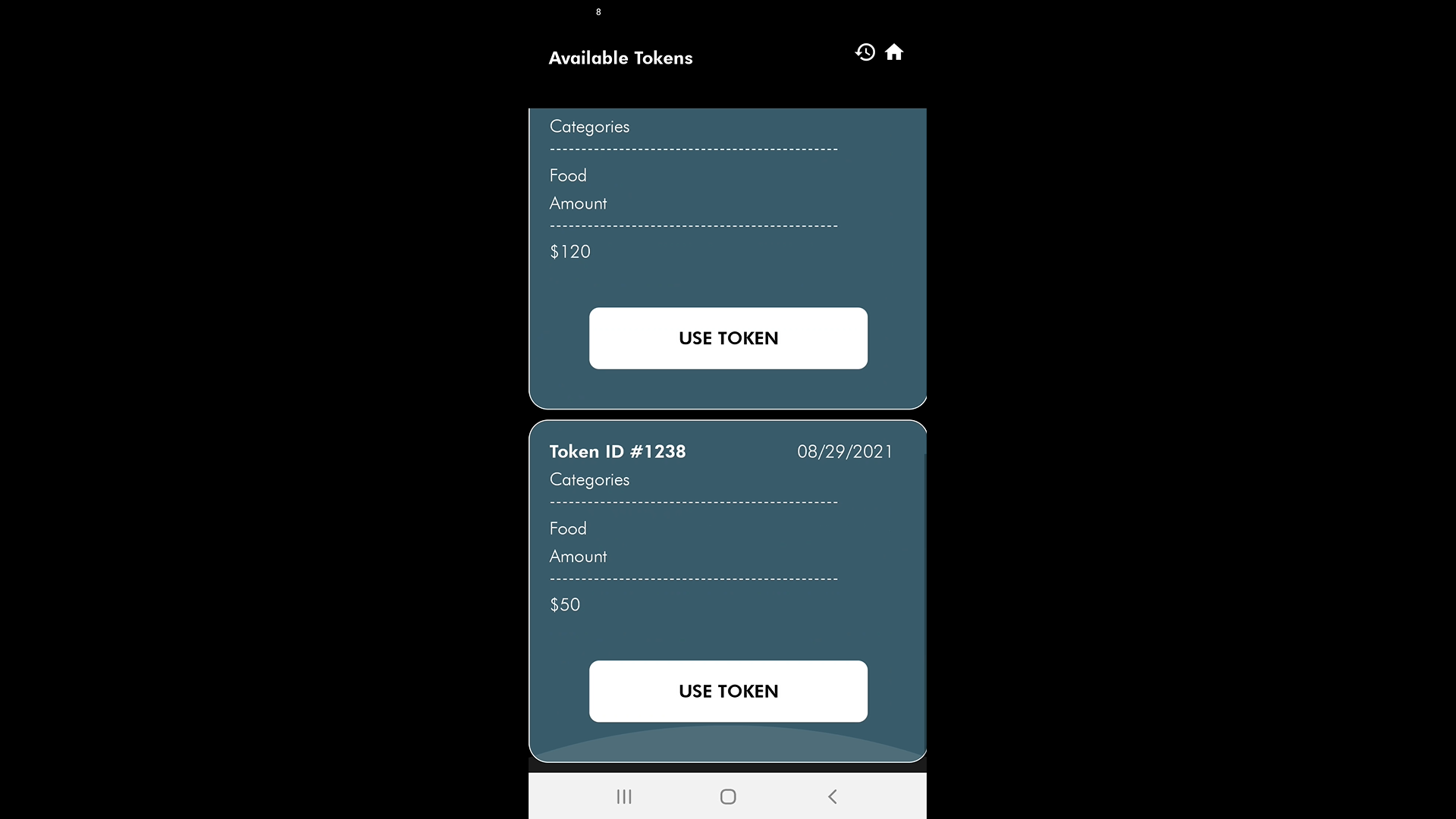
Tokens are generated by the system when a donor makes a cash donation. This donation can be for an individual food item or for a meal. Users can make requests for these tokens, and upon approval receive some tokens in their account. They can then spend these tokens to purchase food items or meals. Vendors who accept these tokens can then redeem them for the cash amounts initially donated.
Roles in the system
- Requester: Requests can be for meals or individual food items
Only the admin can view the requester identity
Requests, once verified, credit the requester account with tokens relevant to the specific request
- Donor: Donations can be made in normal currency.
Once a donation is made, the system generates a token specific to the type of donation (individual food item or meal)
The Donor can choose to stay anonymous
Donors can receive a tax receipt for each donation made
- Provider: These are providers of food and meals like groceries stores and campus dining halls
They can choose to make certain food items or meals available to purchase with FoodCoin tokens.
They can then redeem the tokens for either cash (which was donated by donors) or in kind in which case they get a tax receipt
If a redemption is made for cash, the redeemed token is destroyed;
If made in kind, the token is retained and made available for other requesters.
- Admin: The main task for admins is to manage users and requests in the system.
Admins are able to view any requests made, and approve or deny requests
The approval and amount of tokens given to requesters is upper bounded by the amount of donations made
How we built it
We used GCP for the backend, along with MongoDB and Python.
We used React native (JavaScript) for the frontend mobile app.
Challenges we ran into
Time. We would have implemented a DeFI type of exchange as well, had we more time and/or additional team members.
Accomplishments that we're proud of
A working prototype and a concept which we believe could help alleviate a lot of food insecurity problems for students
What we learned
A lot of the depth and background of the food insecurity issue. We had personal experiences with food issues in college, but had no idea how widespread this was and the far reaching implications of this hidden problem.
What's next for FoodCoin
DeFI exchange functionality. Testing with point of purchase systems. Pitching to interested investors..
References
- https://www.bestcolleges.com/blog/food-insecurity-college-students/
- https://theconversation.com/1-in-3-college-students-face-food-insecurity-expanding-snap-benefits-on-campus-will-help-stave-off-hunger-156360


Log in or sign up for Devpost to join the conversation.