-
FoodBridge
Inspiration
Food waste is one of the most urgent global issues of our time, with nearly one-third of all food produced worldwide being discarded, while millions of people continue to face hunger. This disconnect between abundance and need sparked the idea for FoodBridge. Our team was driven by the desire to make a tangible difference in both reducing food waste and addressing food insecurity. Through research, we discovered that many businesses and individuals are unaware of how to donate surplus food or face logistical barriers when attempting to do so. At the same time, food banks and shelters struggle to meet the growing demand for food donations. FoodBridge was created as a simple solution to bridge this gap by connecting surplus food with those who need it most.
What it Does
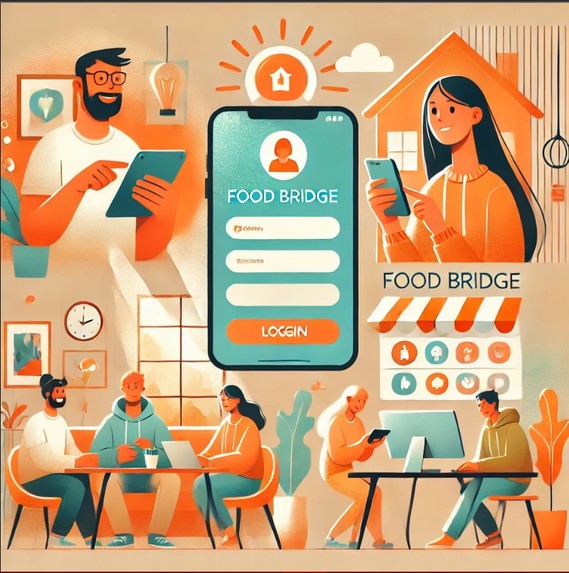
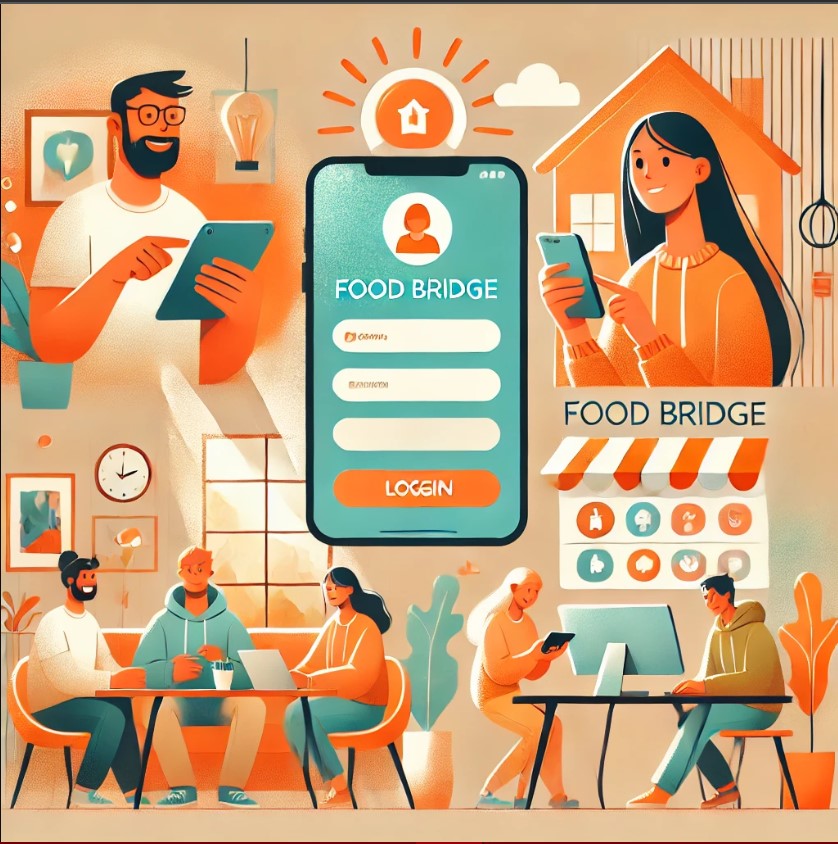
FoodBridge is an app that has systemically re-engineered the facilitation of the redistribution of surplus, non-perishable food and items that are approaching their expiration date from businesses, restaurants, grocery stores, and individuals to local food banks, charities, and families in need. Users can easily upload information about available food items—such as canned goods, packaged products, or unopened shelf-stable items—that are still safe to consume but no longer needed. Once an item is listed, recipients who are in need can browse and add the donation to their cart. The app uses real-time notifications and location-based mapping to connect donors and recipients, ensuring a seamless, efficient process. Food safety guidelines are also built into the platform to ensure that all donated items meet the required standards. The primary goal is to reduce food waste while helping to alleviate hunger and support communities in need.
How We Built It
Building FoodBridge was a collaborative effort that involved research, design, and development using HTML, CSS, JavaScript, and Firebase. Our team researched food donation challenges and the needs of both donors and recipients, which guided the creation of a simple, user-friendly interface. We used Firebase for real-time updates and data management to ensure smooth and efficient donations. The app also includes a feature that checks if recipients are eligible to receive donations based on low-income criteria. Throughout the development process, we worked closely with local food banks, businesses, and community organizations to ensure the platform addressed real-world needs and could scale effectively.
Challenges We Ran Into
Developing FoodBridge as a team presented a few challenges. One of the main hurdles was designing a system that could efficiently manage the complexities of food donations, such as varying schedules and perishable items. Additionally, getting businesses to feel confident in donating food required addressing concerns about food safety and liability. While we had originally planned to implement user authentication with Firebase and use React, we were unable to do so due to time and resource constraints. Despite these challenges, we focused on creating a streamlined process with clear communication about food safety and community impact, ensuring the app could meet its core objectives effectively.
Accomplishments That We’re Proud Of
Despite the challenges, we’re proud of how far FoodBridge has come in such a short time. We’ve successfully built a platform that is easy to use and effective in connecting surplus food with those in need. While we haven’t yet partnered with local businesses, restaurants, or food banks, we’ve developed a solid foundation that allows us to test and refine the system. We’re already seeing promising results in reducing food waste and fostering community engagement, with users actively participating in donating and receiving food. This shows the potential of collaboration in addressing food insecurity and reinforces our commitment to making a meaningful impact.
What We Learned
The journey of creating FoodBridge as a team taught us valuable lessons about technology, community-building, and sustainability. We learned that while technology can address many logistical challenges, the human element is just as crucial. Building trust among users—especially businesses and food recipients—requires transparency, clear communication, and a shared sense of purpose. We also realized that even small actions, like encouraging a local bakery to donate a few unsold loaves of bread, can have a significant impact when multiplied across many donors and recipients. This project reinforced the importance of adaptability, as new challenges often require quick thinking, flexibility, and collaboration to find the best solutions.
What’s Next for FoodBridge
Looking ahead, FoodBridge has immense potential to expand its impact. Our goal is to scale the app to more regions and partner with larger organizations to streamline food donations at a larger scale. We also plan to integrate more educational content within the app, including campaigns to raise awareness about food waste reduction and the benefits of sustainable eating. In the long term, we are exploring the integration of AI-driven features that could predict food surplus trends, optimize donation routes, and enhance the overall user experience. Ultimately, we hope to continue growing FoodBridge into a platform that not only addresses food waste but also fosters a culture of sustainability and social responsibility.
By helping reduce food waste and feed those in need, FoodBridge is proving that small actions can lead to big changes—one meal at a time.

Log in or sign up for Devpost to join the conversation.