-
-
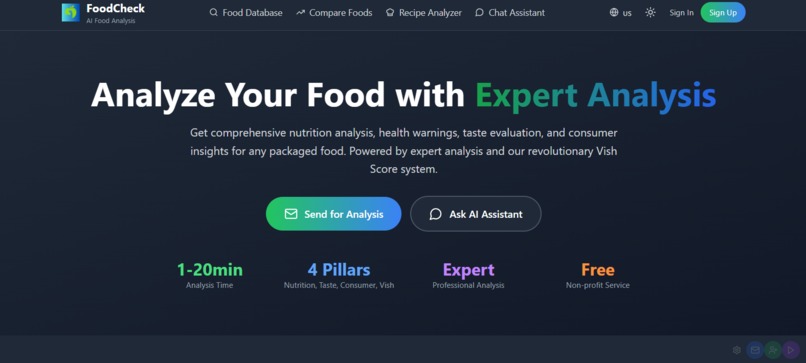
-
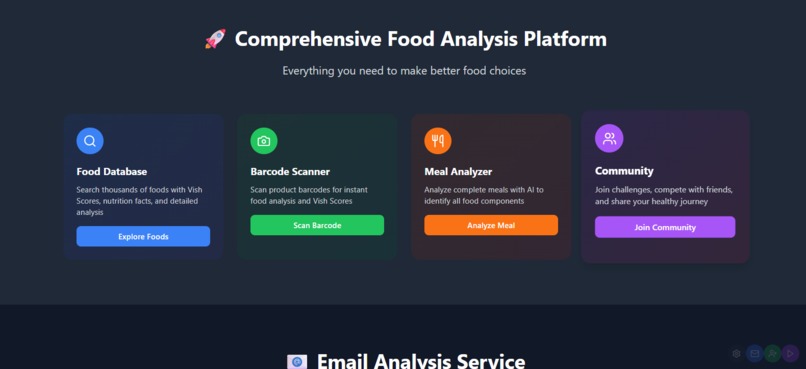
-
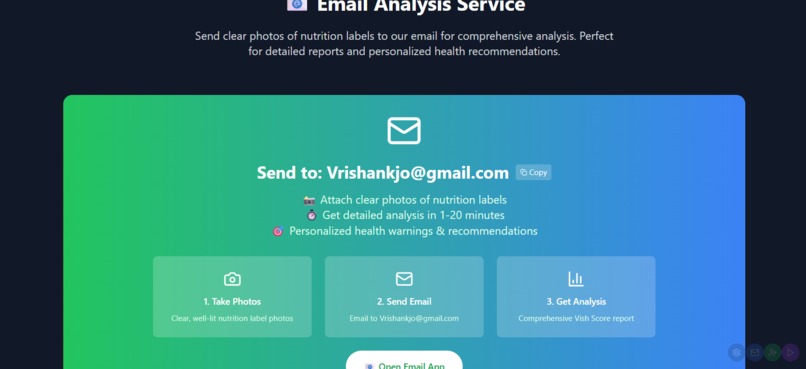
-
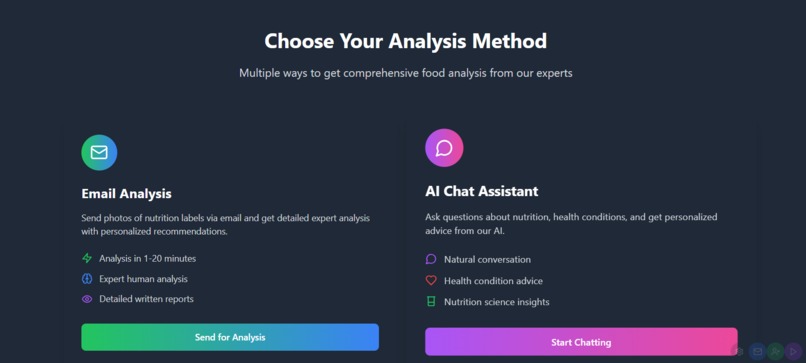
fooda website
-
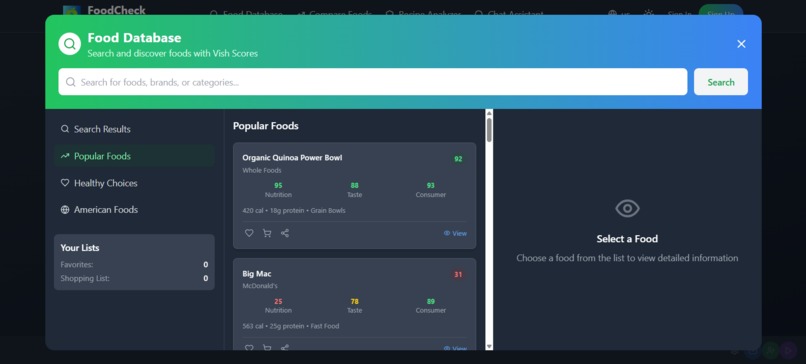
fooda website
-
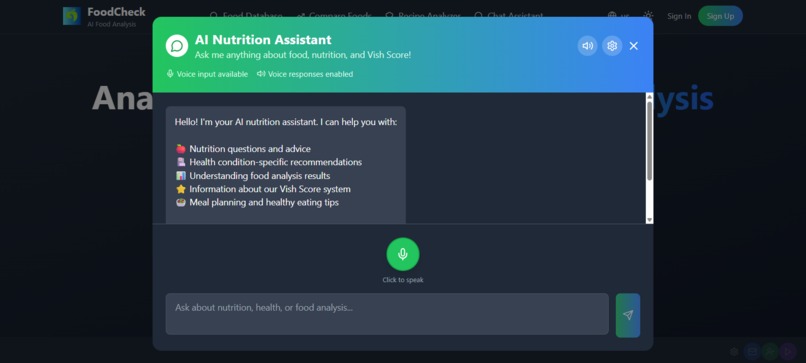
fooda website
-
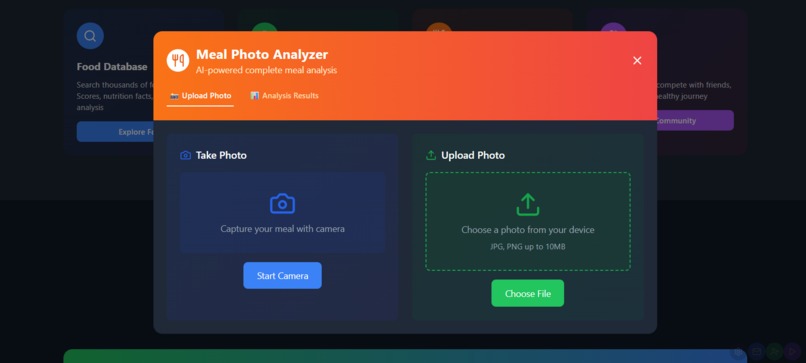
fooda website
-
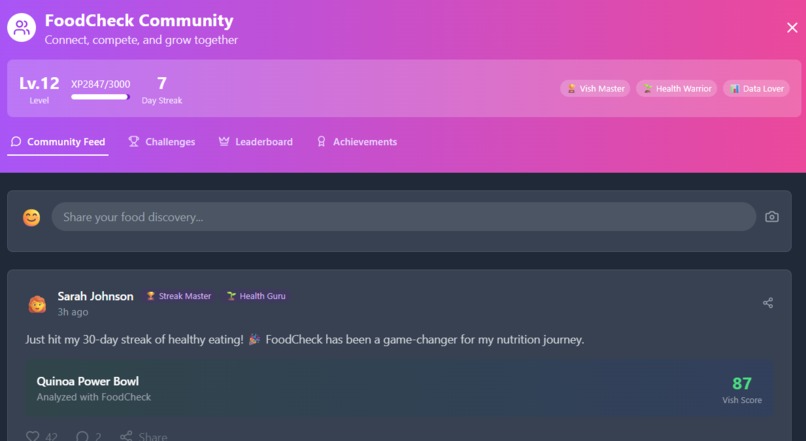
fooda website
-
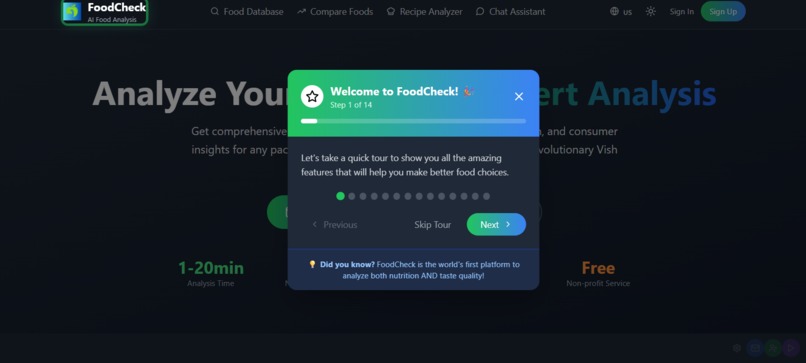
fooda website
-
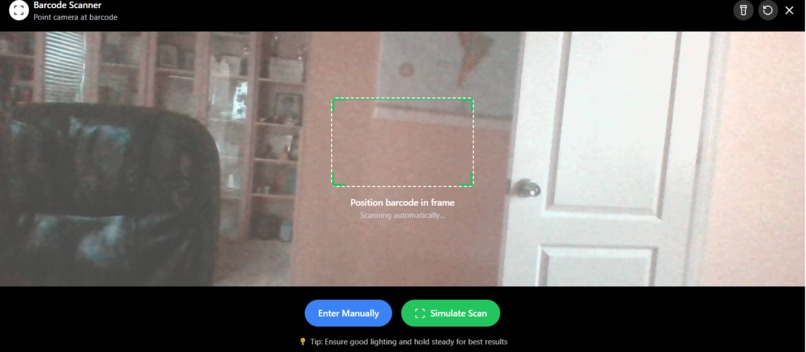
fooda website
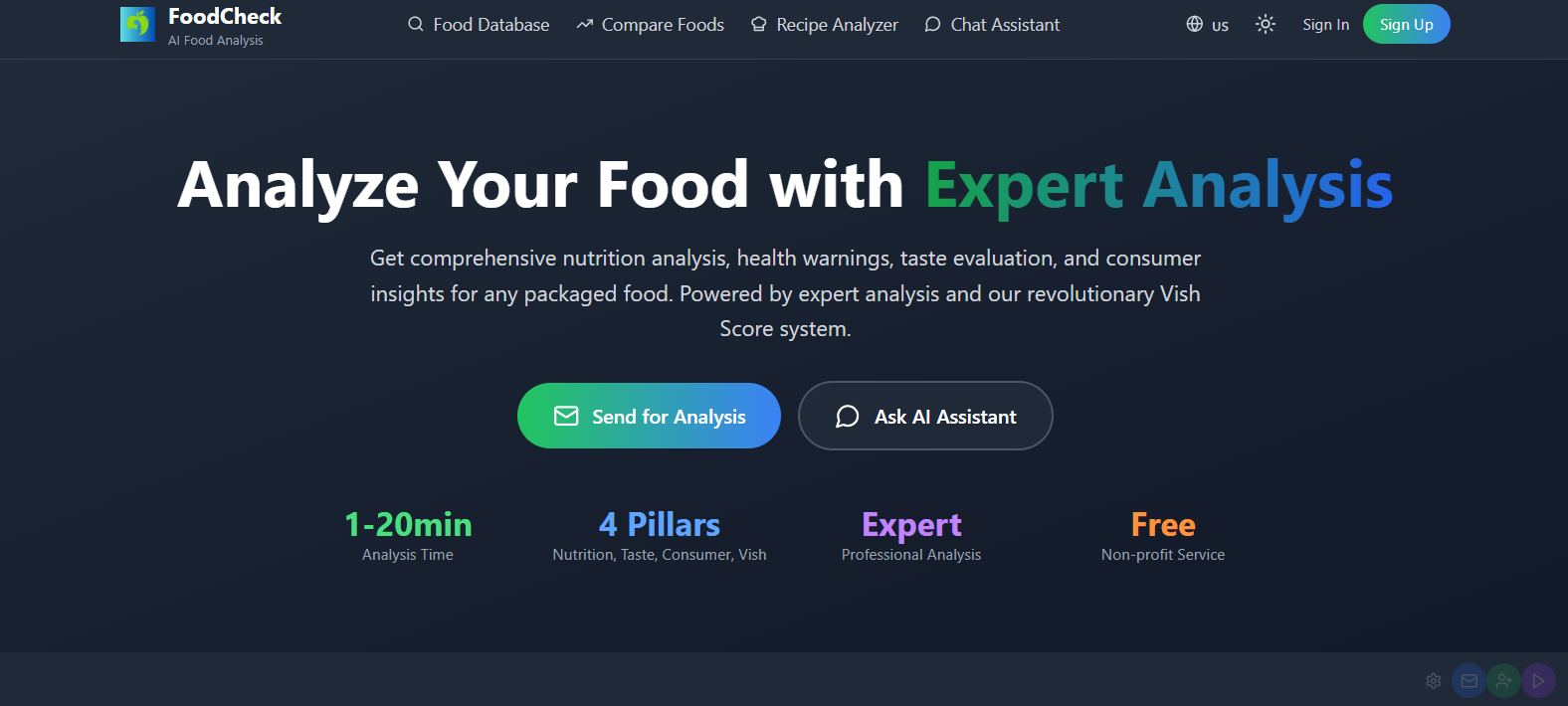
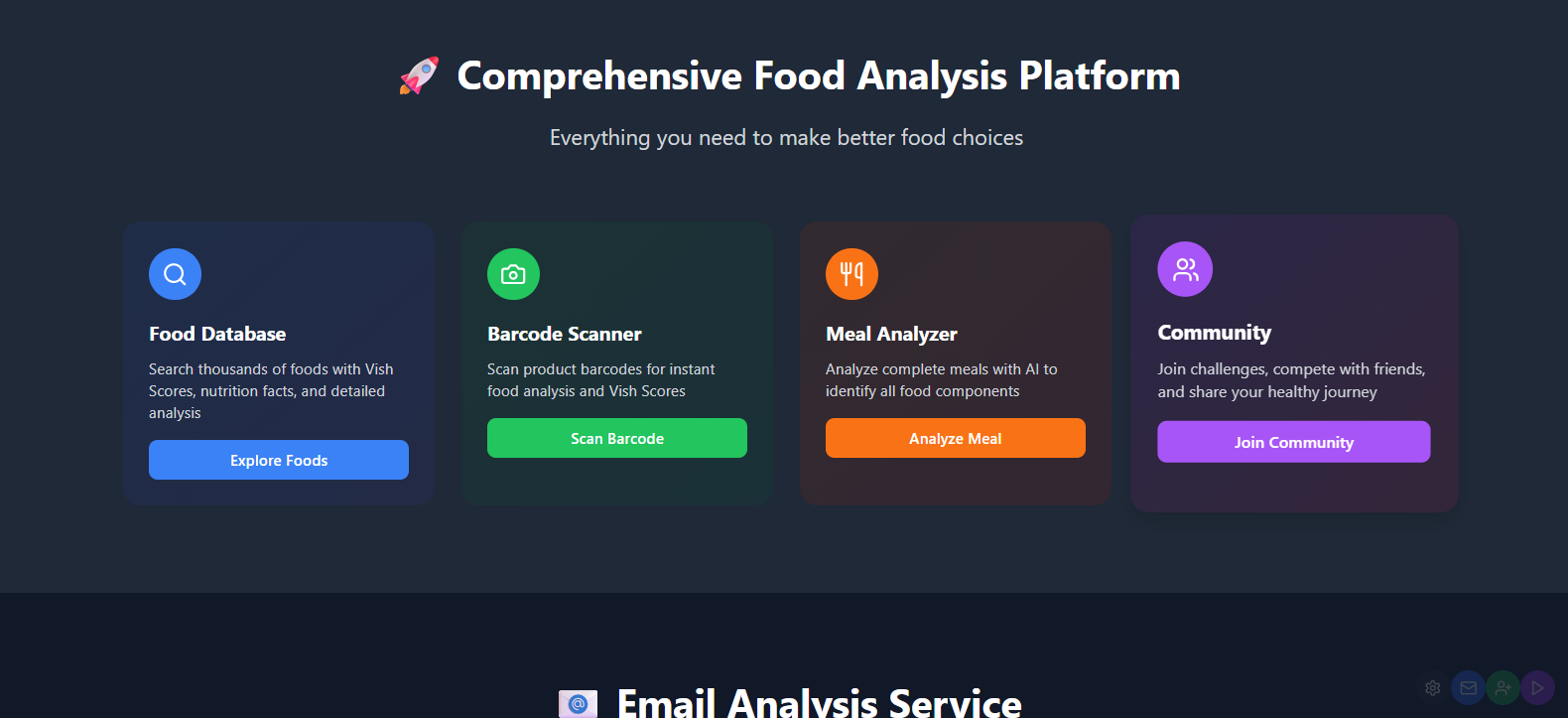
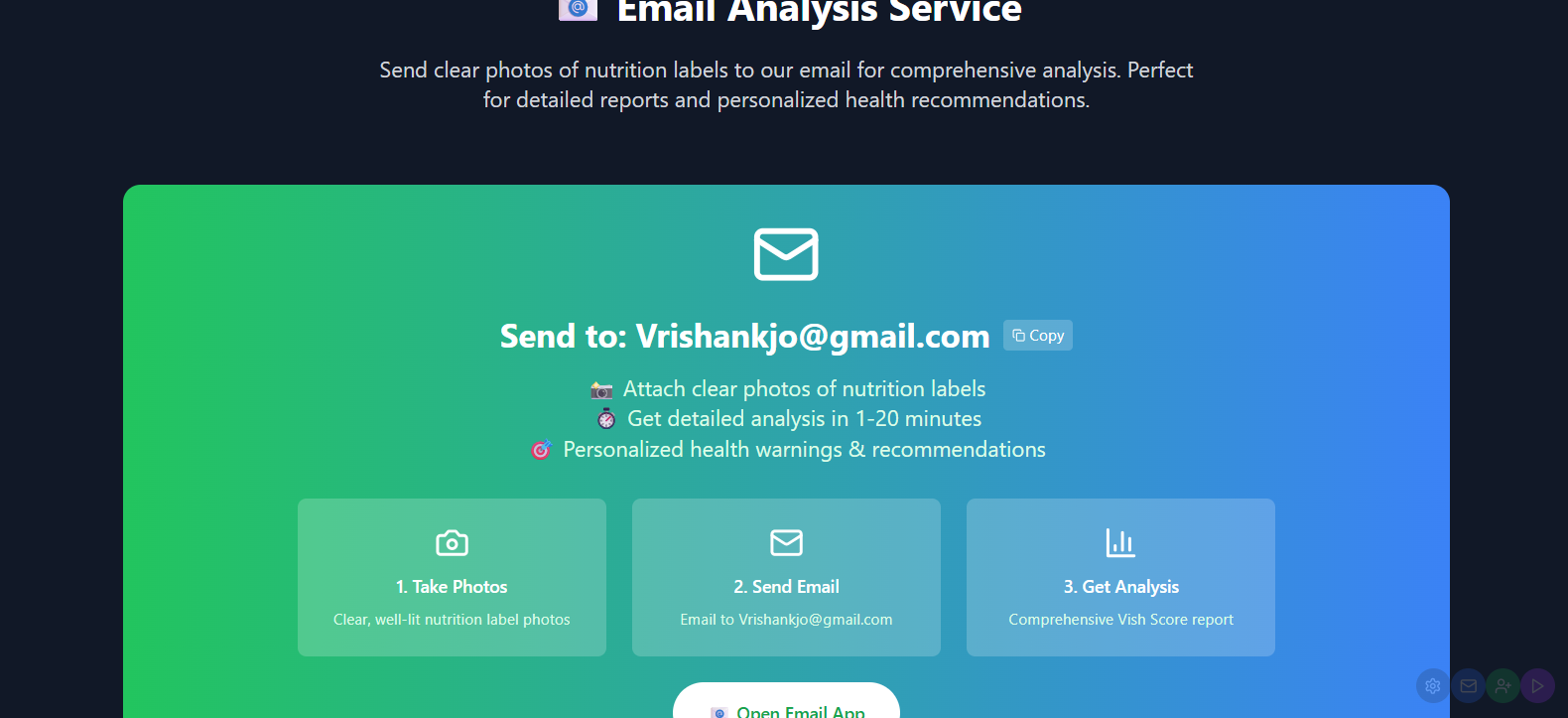
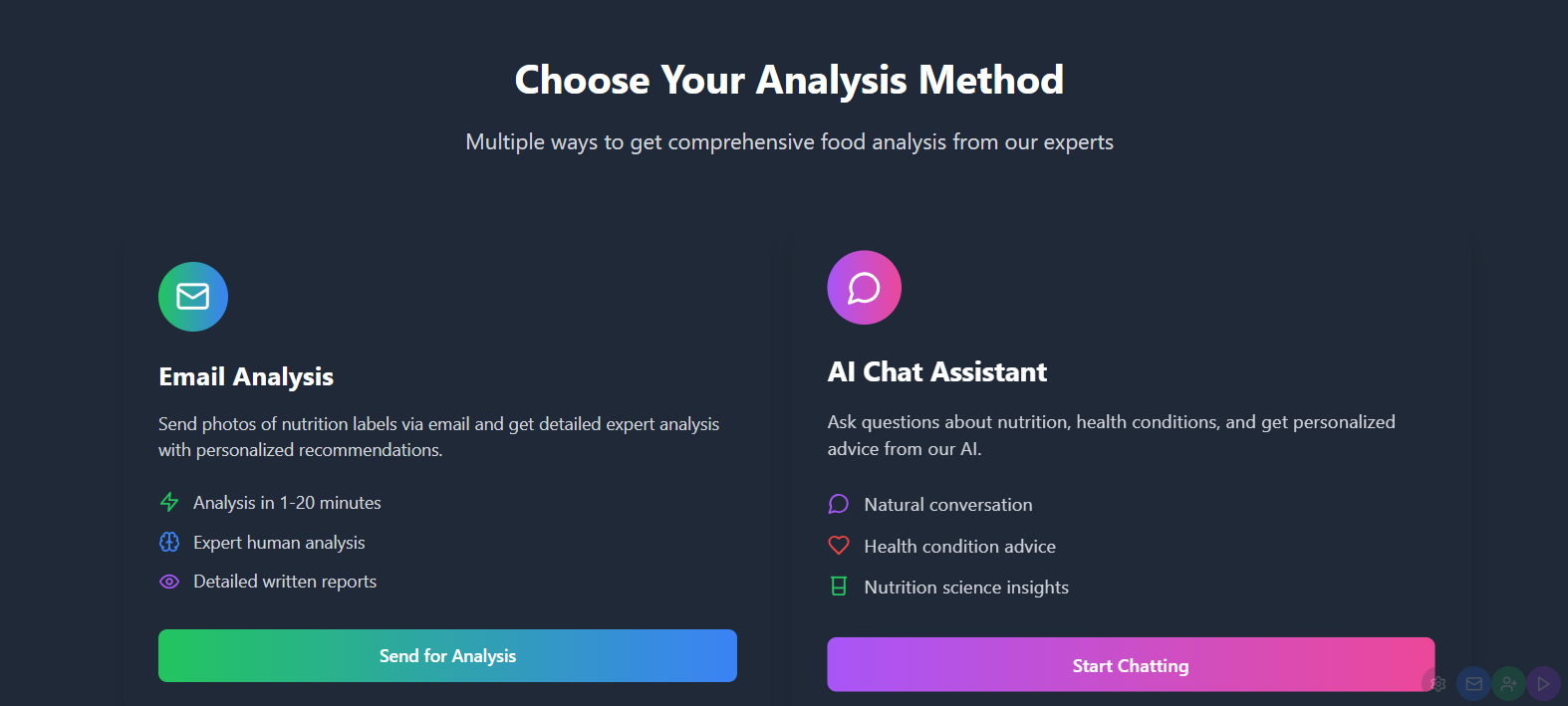
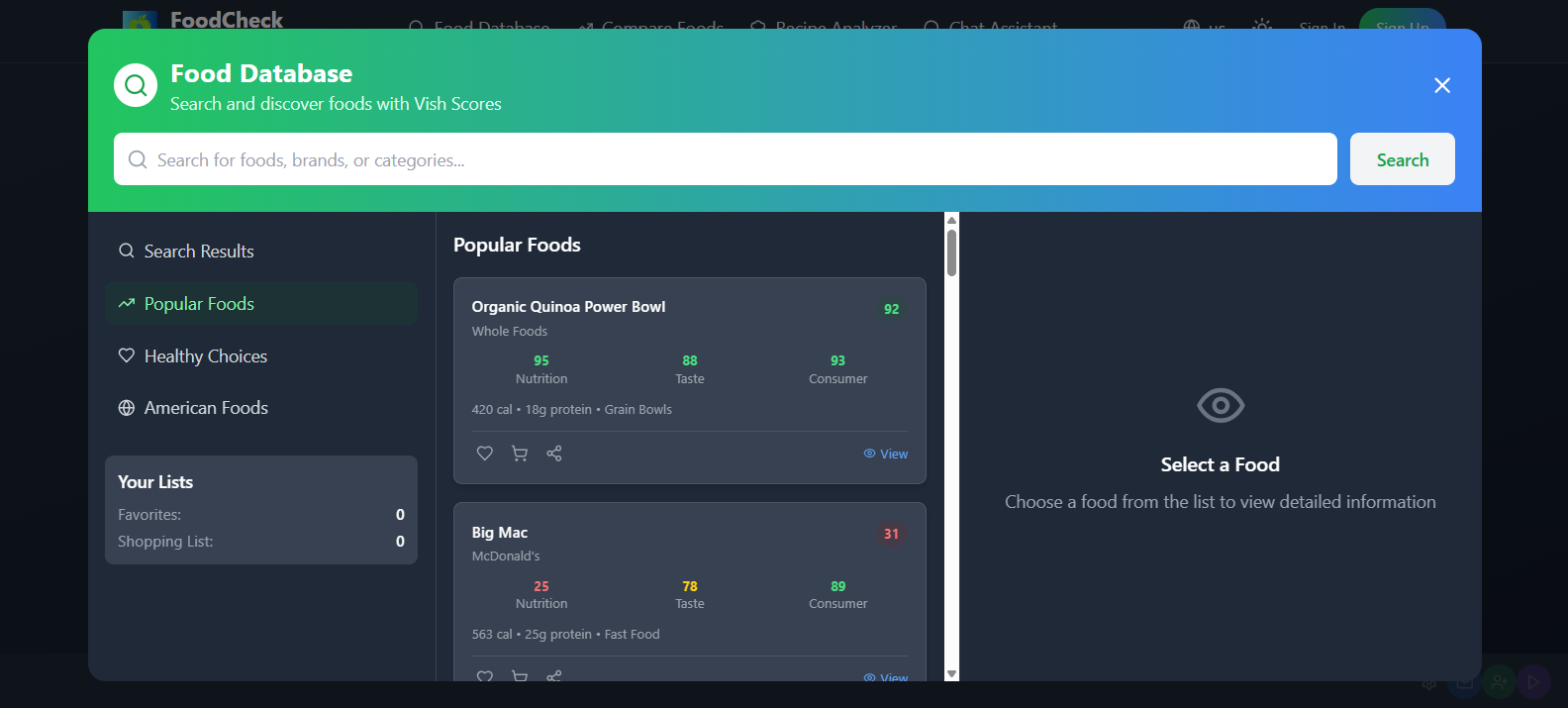
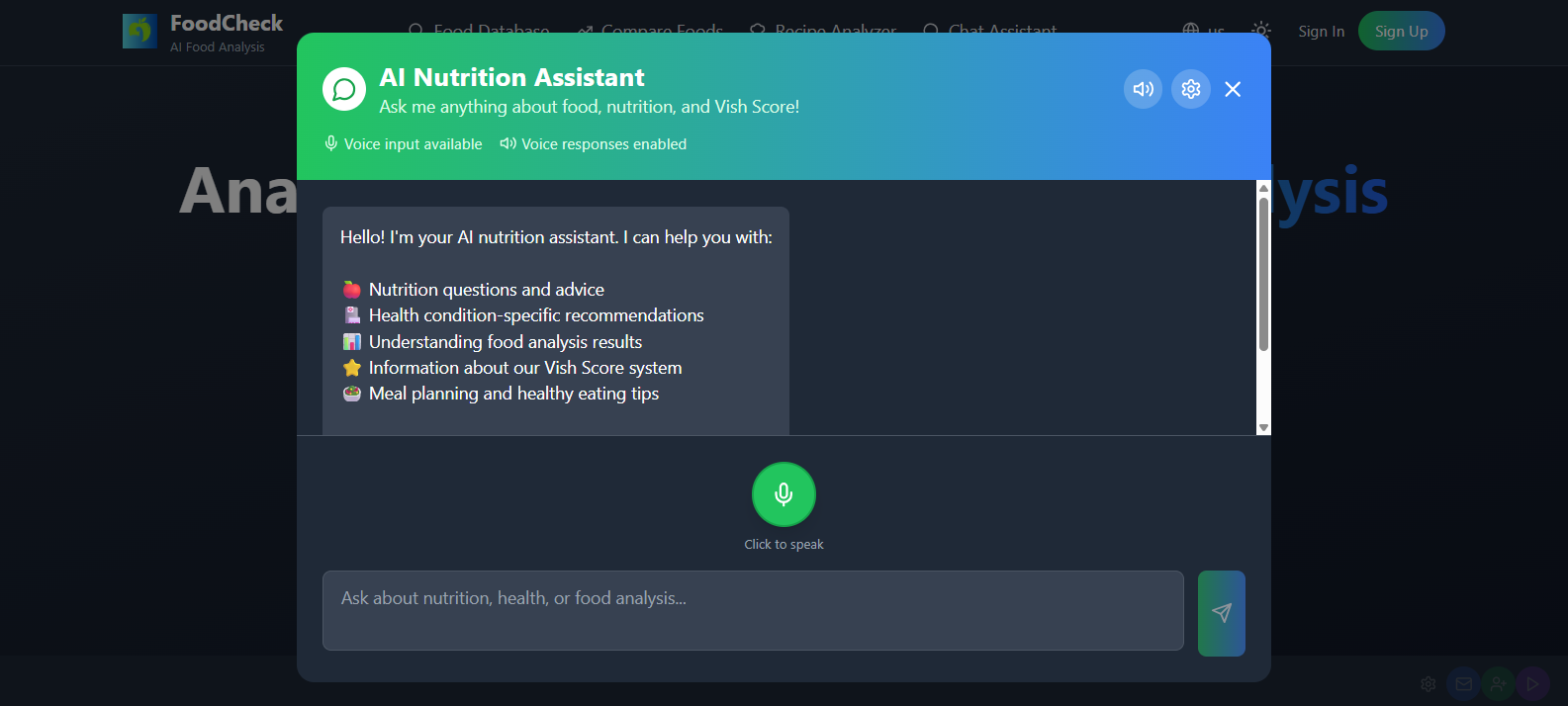
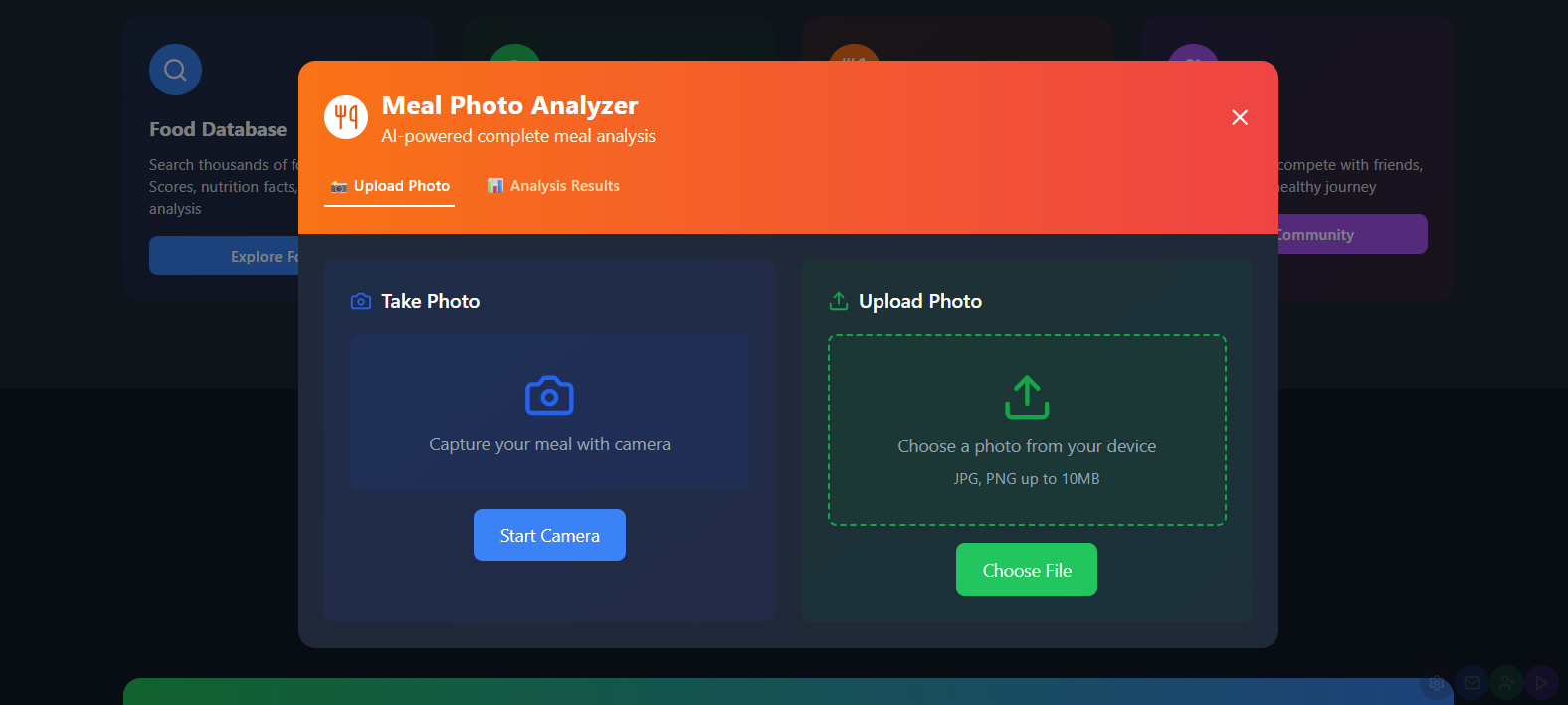
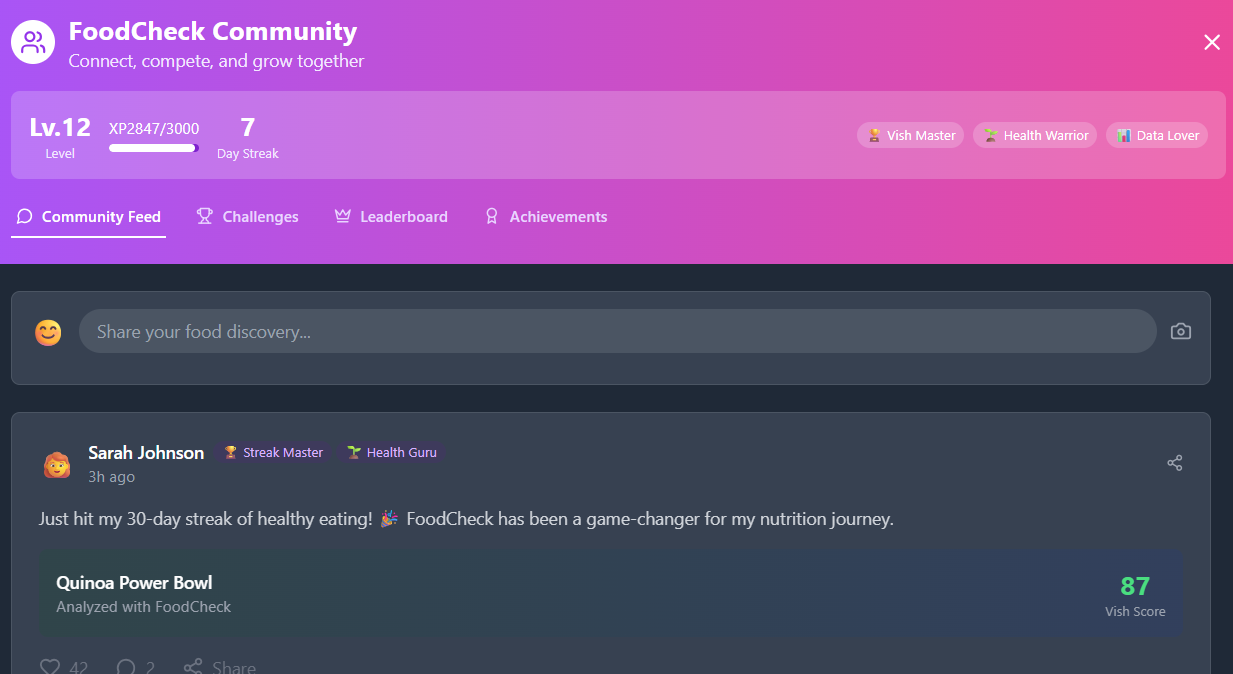
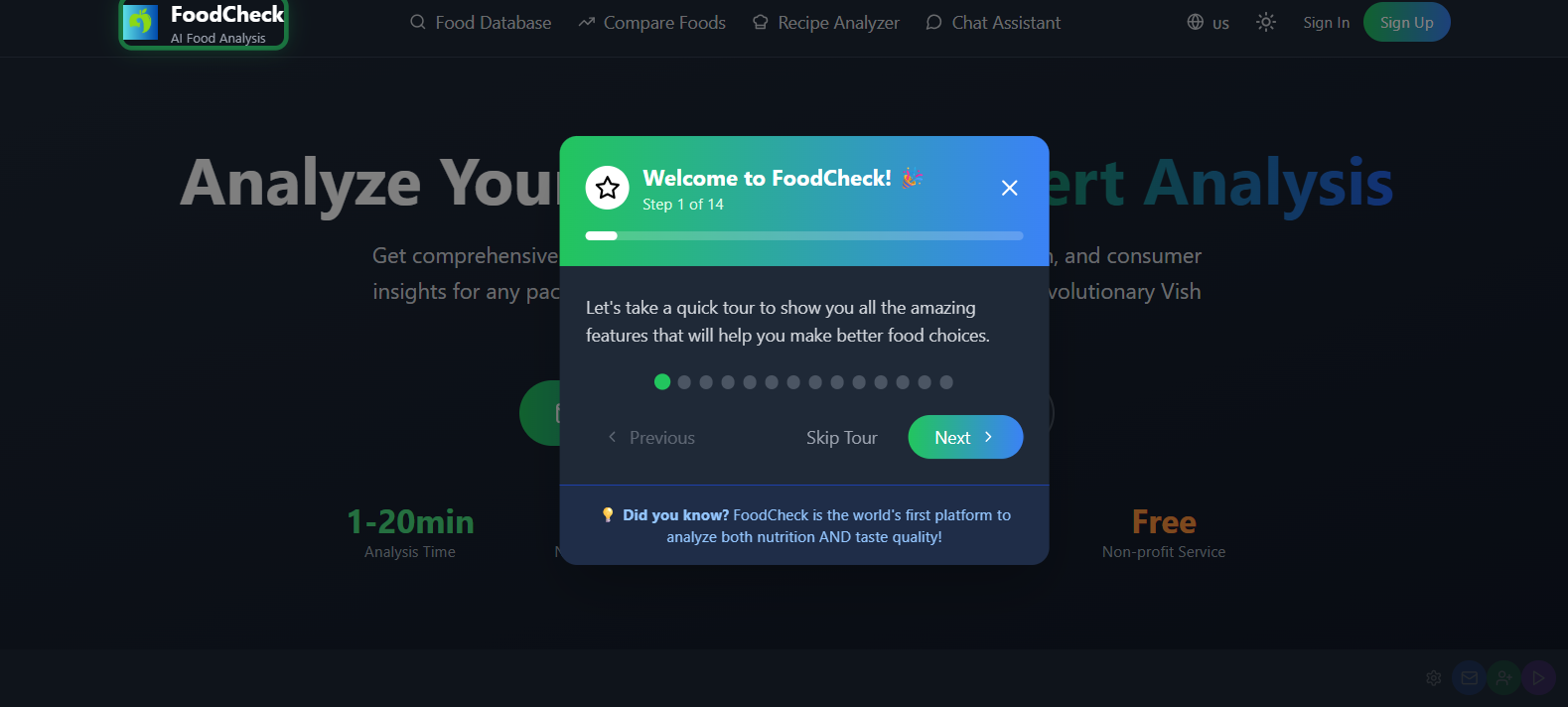
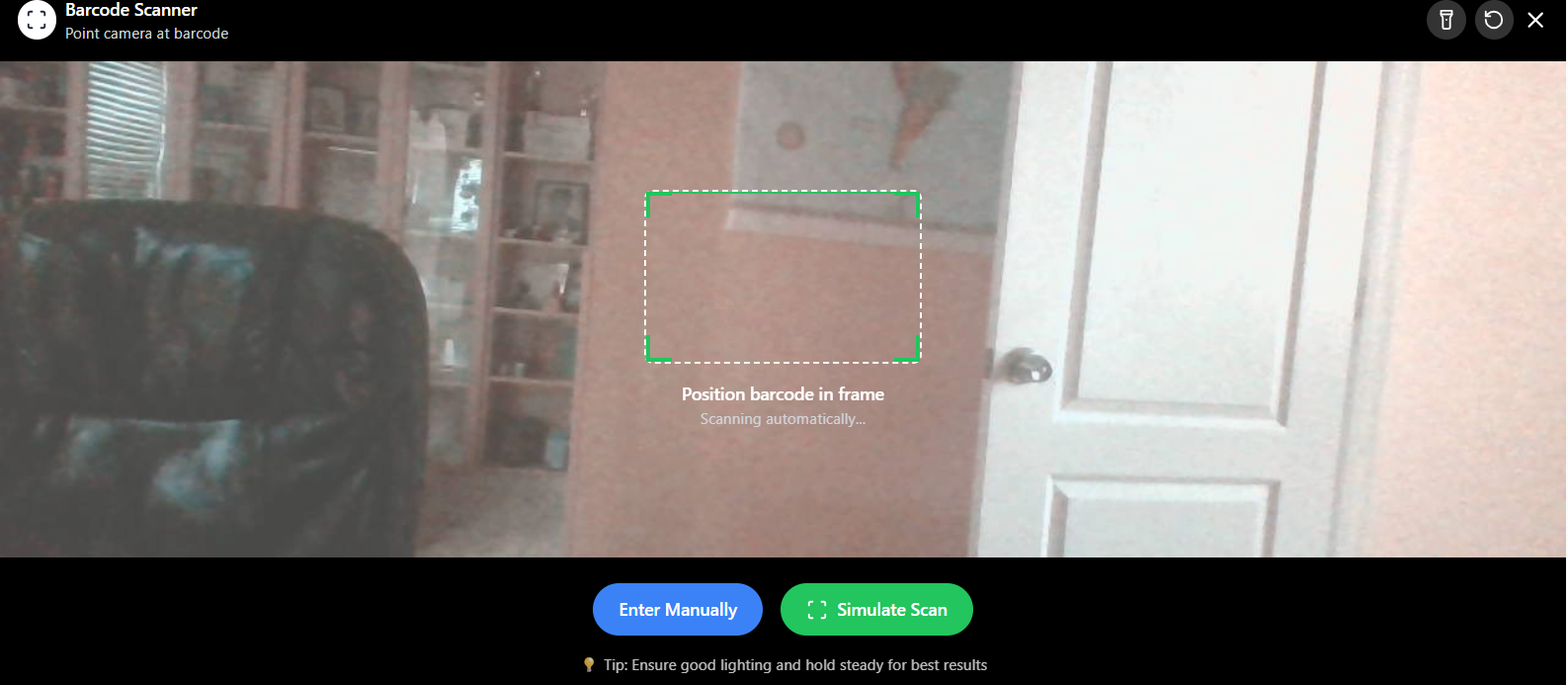
insperation
The story behind Fooda began with Vrishank Joshi, an incredibly bright and determined 8-year-old with a deep passion for both technology and food. From a young age, Vrishank noticed how confusing it can be for people to decide what foods are truly good for them. While there are plenty of apps out there, most focus on only one part of the problem—counting calories or listing nutrition facts, but they don’t really tell you if the food tastes good or what other people think about it.
This observation sparked a big idea: what if there was a way to combine all these important elements—taste, health, and community opinions—into one simple score that anyone could understand instantly? That idea became the foundation for Fooda.
Vrishank dedicated countless hours, day after day, for over a month, teaching himself how to build a website and use artificial intelligence to analyze food. Despite having no budget or financial support, he kept the project completely free, determined to make it accessible to everyone, regardless of their background or resources.
The heart of Fooda lies in the “Vish Score,” a unique rating system named after Vrishank himself to make it personal and memorable. This score considers how tasty the food is, how nutritious it is for your body, and what users say about it based on their experiences. By combining these three important factors, Fooda offers something no other food app currently does.
This project not only demonstrates Vrishank’s creativity and technical skills but also reflects a growing trend in the tech world: people want tools that truly help improve their lives instead of just making money for companies. Fooda’s mission aligns perfectly with this idea by offering a free, user-focused platform that encourages healthier and happier eating choices.
Looking ahead, Vrishank plans to keep improving the AI, making it smarter and more accurate, while growing the Fooda community—all without charging a single user. His vision is clear: to empower people everywhere to make better food choices with just one simple score.
How we built it Bolt AI
The technical backbone of Fooda is built on the Bolt AI platform, a powerful and flexible tool that enabled us to develop the complex machine learning systems needed for our unique food scanner. Bolt AI provided the ideal environment to merge multiple streams of data—flavor profiles, nutritional information, and user reviews—into a cohesive, intelligent system.
Our development journey began by gathering vast amounts of data on foods from around the world. We collected information about ingredients, nutritional values, taste descriptors, and user-generated reviews from various sources. This comprehensive dataset was critical because it allowed the AI to learn patterns and make connections that a single data source could never reveal on its own.
Using Bolt AI’s advanced machine learning algorithms, we trained our models to evaluate food based on these diverse factors. The AI doesn’t just look at one metric but analyzes how these elements interact to produce a final Vish Score. This required several rounds of training, testing, and fine-tuning to make sure the results were accurate, reliable, and meaningful to users.
One of the reasons we chose Bolt AI was its developer-friendly tools, which allowed us to iterate quickly, run experiments easily, and deploy updates without hassle. The platform’s scalability means that as Fooda grows and gathers more users and data, the AI can evolve to handle more complex tasks and deliver even better food insights.
Additionally, Bolt AI’s community and support network helped us troubleshoot challenges and share ideas, which was invaluable for a small, resource-limited team like ours.
The result is a cutting-edge AI-powered food scanner that stands apart from the crowd by combining taste, health, and social feedback in one simple, user-friendly score that anyone can understand.
Challenges we ran into
Building Fooda was an exciting but challenging adventure filled with technical hurdles and creative puzzles. One of the most significant obstacles was dealing with the vast variety of foods consumed worldwide. Each dish has unique ingredients, preparation methods, and taste profiles, which made it difficult to teach the AI how to recognize and evaluate them all accurately.
We had to carefully curate and manage huge amounts of data, from nutritional databases to taste test results and user reviews. This created a challenge related to storage space and computational power, especially since we had limited resources and no budget to rent expensive servers or databases. Finding efficient ways to store and process this data was a constant struggle.
On the conceptual side, we faced the tricky problem of how to combine very different types of information—objective nutrition facts, subjective taste ratings, and social opinions—into one clear, trustworthy score. Many attempts and iterations went into creating the Vish Score formula until we reached a balanced system that fairly represents all three aspects.
Designing a website that could present this complex AI work in a simple, intuitive way was another challenge. We wanted to create an interface that was friendly enough for kids and seniors, yet professional enough for food enthusiasts and health experts. This balancing act required a lot of testing, user feedback, and redesigns.
Despite these challenges, the team remained motivated and creative, constantly brainstorming new ideas and solutions to push Fooda forward. The experience taught us resilience and flexibility, proving that great ideas can flourish even with obstacles.
Accomplishments that we're proud of
Looking back, there are several key accomplishments that fill us with pride and excitement about what we have built so far. First and foremost is the creation of the Vish Score itself—a completely original concept that no other food app has offered before. By uniting taste, nutrition, and community feedback into a single, easy-to-understand number, we’ve created a new way for people to evaluate food at a glance.
We’re also proud that we managed to build a fully functional, AI-powered food scanner website from scratch in just over a month, working with no budget and minimal resources. This demonstrates what passion, creativity, and hard work can achieve even in challenging conditions.
Another accomplishment is the positive response we’ve already received from early users who love sharing Fooda with friends and family. Knowing that our app is making a real difference in people’s eating choices is incredibly rewarding.
The teamwork and learning we experienced along the way also stand out as a major achievement. Each challenge was met with new ideas and collaborative effort, strengthening our skills in programming, AI, web development, and user experience design.
These milestones motivate us to keep going and prove that innovation is accessible to anyone with a vision and dedication.
What we learned making website
Our journey building Fooda has been a powerful learning experience, teaching us many valuable lessons about technology, teamwork, and perseverance. We quickly realized that building a website—even a simple one—is often much harder than it looks. It took more than a month plus several weeks of ongoing work to get Fooda to where it is now, constantly fixing bugs, improving features, and polishing the user interface.
We learned the importance of detailed planning and time management, as well as the need to stay flexible and adapt when unexpected problems arose. Every technical challenge, from coding errors to data issues, was an opportunity to learn new skills and deepen our understanding of AI and web development.
Listening to users and collecting feedback was another crucial lesson. Their insights helped us identify what worked well and what needed improvement, ensuring Fooda remains useful and easy to use.
We also gained a greater appreciation for how much effort and collaboration it takes to bring an idea from concept to reality, especially when combining complex AI with user-friendly design.
Above all, we learned that persistence and passion are the most important ingredients for success—without giving up, even the toughest projects can succeed.
What's next for Fooda
Looking toward the future, we have big plans to expand Fooda beyond its current form and create a richer, more engaging experience for users. One of our main goals is to build an online store where Fooda fans can browse and purchase food-related products like cookbooks, kitchen tools, branded merchandise, and healthy snack boxes—all featuring the Fooda brand and philosophy. This store will help support the project while offering fun, useful items to our growing community.
We’re also focused on making the AI smarter by feeding it more diverse data, improving its ability to recognize new foods, regional specialties, and accommodate special diets such as vegan, gluten-free, or keto. This will make the Vish Score more accurate and personalized for every user.
Adding social features is another exciting goal, like personalized food recommendations based on user preferences and challenges or games that encourage healthy eating habits in a fun way.
Ultimately, our vision is to build a full food ecosystem—a place where people not only get valuable insights about what they eat but can also connect, learn, and celebrate food culture together. All of this will continue to be offered free, staying true to our mission of helping people eat smarter and live healthier without any cost barriers.
Built With
- apis
- autoprefixer
- barcode-scanning-(planned)
- browser-(spa)
- csv-export
- databases
- email-service
- environment-variables
- eslint
- groq-ai-platform
- groq-sdk
- javascript
- local-storage-(browser)
- lucide-react
- meal-planning-ai-(planned)
- microservices
- multilingual-support
- nutritionix-api
- openfoodfacts-api
- postcss
- qr-code-scanning
- qrcode
- react
- server-side
- social-features-(planned)
- static-hosting-(cdn-ready)
- tailwind-css
- typescript
- vite
- voice-integration

Log in or sign up for Devpost to join the conversation.