-
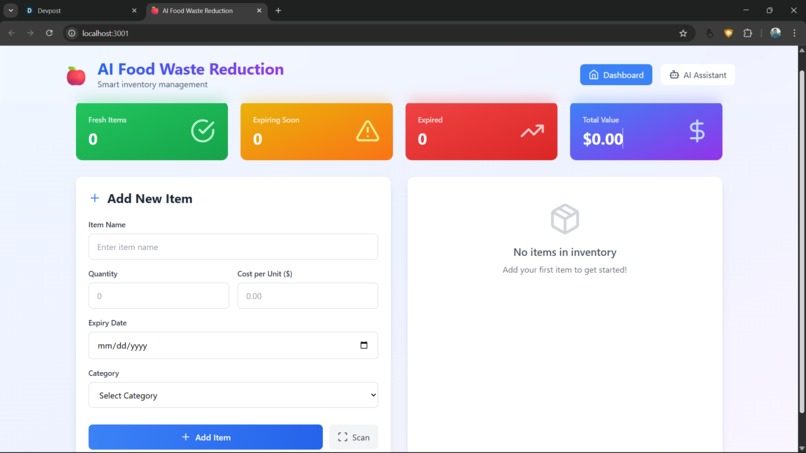
This website is not ready it is a demo version of our website.. We are working on it and have to modify the remaining parts as well
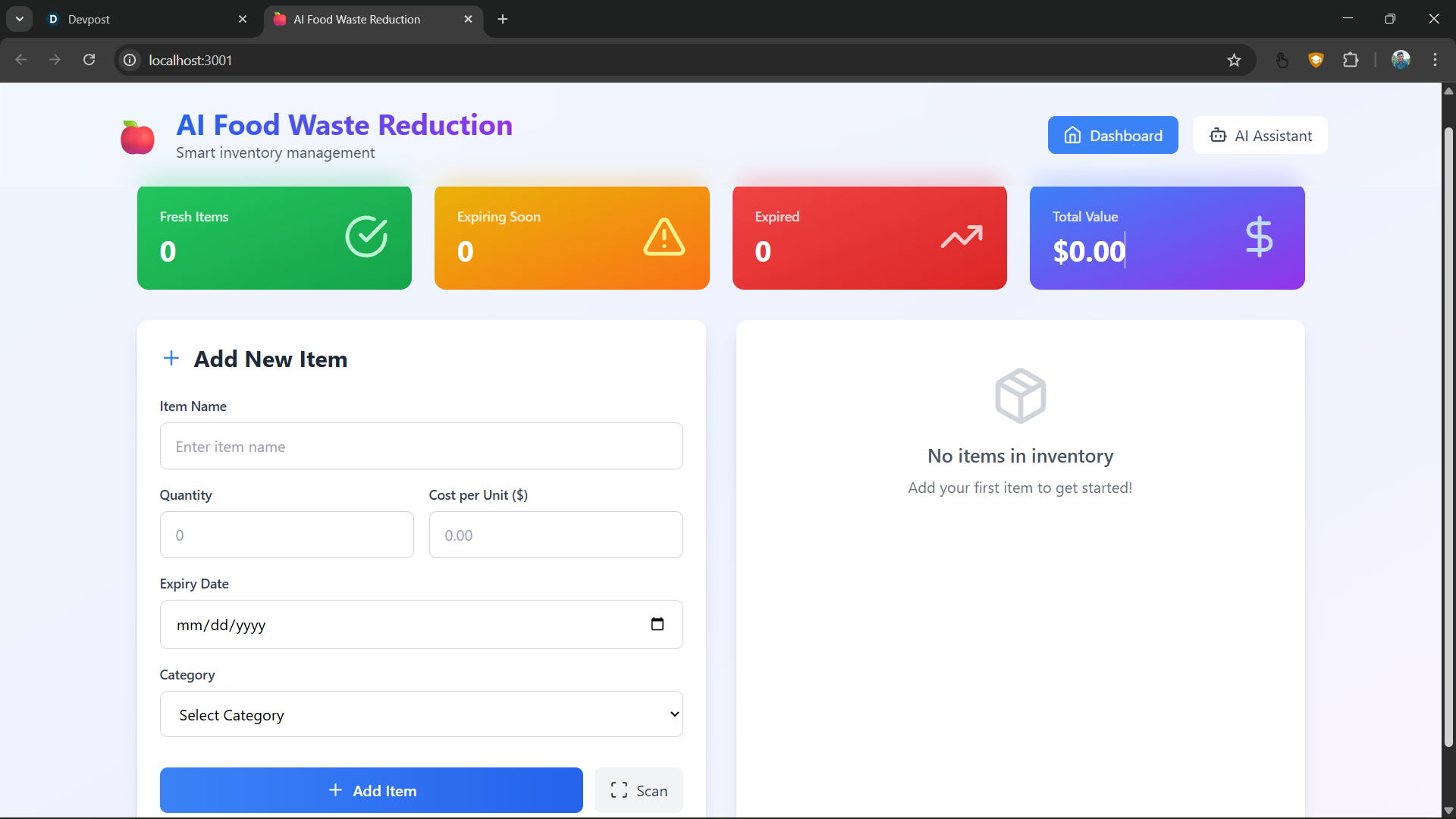
Inspiration
Every year, nearly one-third of all food produced is wasted, while millions of people still go hungry. Restaurants, grocery stores, and households often struggle with predicting demand, leading to over-ordering, spoilage, and excess waste. We were inspired to tackle this issue by creating an AI-driven system that not only reduces food waste but also contributes to sustainability and hunger reduction.
What it does
Our AI Agent helps organizations predict demand, optimize inventory, and reduce waste by: Forecasting food demand using weather, seasonal trends, and historical data. Suggesting smart inventory purchasing to avoid overstocking. Dynamically adjusting menu/stock recommendations based on ingredient availability. Connecting surplus food with local NGOs/food banks. Providing insights and dashboards to track waste reduction progress.
How we built it
Data collection: Gathered datasets on food sales, demand fluctuations, and external factors like weather/events. AI Model: Trained predictive models using regression + time series forecasting to estimate demand. Backend: Node.js + Express for API handling. Frontend: React-based dashboard for visualization and insights. Database: MongoDB for storing sales, inventory, and surplus records. Integration: AI Agent communicates between modules, automating alerts, recommendations, and food bank connections.
Challenges we ran into
Collecting clean, domain-specific datasets for food waste prediction. Balancing accuracy of predictions with real-world uncertainties like unexpected events. Integrating multiple systems (restaurant POS, weather APIs, food banks). Designing a solution that is both scalable and user-friendly. Accomplishments that we're proud of Built an end-to-end prototype that combines AI forecasting with actionable recommendations. Created a simple but effective dashboard that gives clear visibility into food waste reduction. Developed an agent workflow that not only reduces waste but also redirects surplus to those in need.
What we learned
The complexity of food supply chains and how small inefficiencies can lead to large-scale waste. Importance of clean data preprocessing before applying AI. How integrating AI with real-world workflows requires both technical and human-centered design. Collaboration and iteration are key when tackling sustainability challenges.
What's next for Food Waste Management Using AI Agent
Improve forecasting accuracy by incorporating more external data sources (festivals, local events, traffic patterns). Build a mobile app version for easier accessibility to restaurant managers and grocery owners. Scale partnerships with food banks and NGOs for seamless food redistribution. Integrate with IoT sensors for real-time food freshness monitoring. Explore gamification/rewards for businesses actively reducing waste.

Log in or sign up for Devpost to join the conversation.