-
-

website home page
-
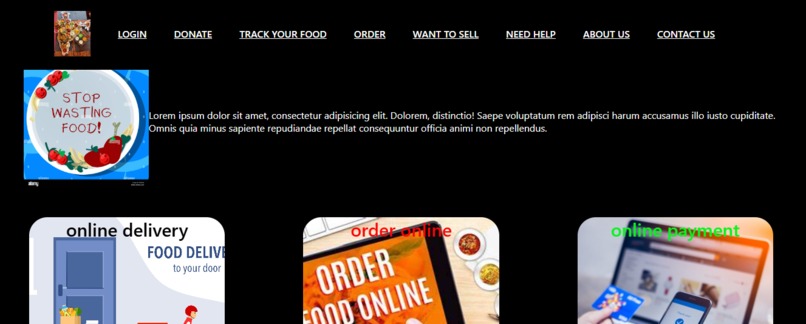
website


Inspiration
I was deeply moved by the alarming statistics of food waste, particularly in regions where millions go hungry. The thought of perfectly good food ending up in landfills while people starve was a powerful motivator. I envisioned a platform that could bridge this gap, connecting those with excess food to those in need.
What it does
Our website is a platform that connects people with surplus food to those in need. It helps reduce food waste by providing a convenient way to sell, buy, or donate food items that would otherwise go to waste. Whether you have extra food from a party, a surplus from your business, or simply want to help those in need, our website offers a solution.
How we built it
- Research: I extensively researched existing food donation platforms and identified their strengths and weaknesses. I also studied food safety regulations and best practices for food handling and storage.
- Technology Selection: I chose a robust technology stack, prioritizing scalability and security. I opted for a cloud-based solution to ensure accessibility and reliability.
- User Interface Design: I created a user-friendly interface that was easy to navigate for both donors and recipients. The platform featured clear categorization of food items, easy search functionality, and a secure payment system for purchases.
- Logistics Integration: I integrated a robust logistics system to facilitate efficient pickup and delivery of food items. This included real-time tracking and notifications for both parties.
- Community Building: I fostered a sense of community by incorporating features like reviews, ratings, and social sharing. This encouraged trust and transparency among users.
Challenges we ran into
- Food Safety Regulations: Ensuring compliance with food safety regulations was a major challenge. I had to carefully consider factors like storage temperatures, expiration dates, and proper handling procedures.
- Logistics Complexity: Coordinating pickups and deliveries across different locations and time zones was a logistical nightmare. I had to develop efficient algorithms to optimize routes and minimize delivery times.
- User Trust and Education: Building trust between donors and recipients was crucial. I implemented measures like verified profiles, secure payment systems, and educational content on food safety and donation best practices.
- Scalability: As the platform grew, I had to ensure it could handle increasing user numbers and transaction volumes. This required careful scaling of both the infrastructure and the team.
Accomplishments that we're proud of
Overall, building this project was a rewarding experience. I learned valuable lessons about technology, logistics, and social impact. I hope this platform can make a significant contribution to reducing food waste and feeding the hungry.
What we learned
Building this project taught me the importance of understanding the complexities of food supply chains and the challenges faced by both donors and recipients. I delved into food safety regulations, logistics, and the psychological barriers that often hinder food donation. I also learned the value of user-centered design, ensuring the platform was intuitive and accessible to a diverse range of users.
What's next for food waste management system
The future of food waste management systems is poised for significant advancements. AI and machine learning can optimize supply chains, predict demand, and reduce overproduction. IoT devices can monitor food inventory and conditions in real-time. Blockchain technology can enhance transparency and traceability, optimizing inventory and distribution. Innovative solutions like dynamic pricing, food upcycling, and community-based initiatives can further reduce waste and create value. Strong government support and industry partnerships are crucial to drive systemic change and foster a culture of food waste awareness. By embracing these trends, we can significantly reduce food waste, conserve resources, and contribute to a more sustainable future.
