-
-
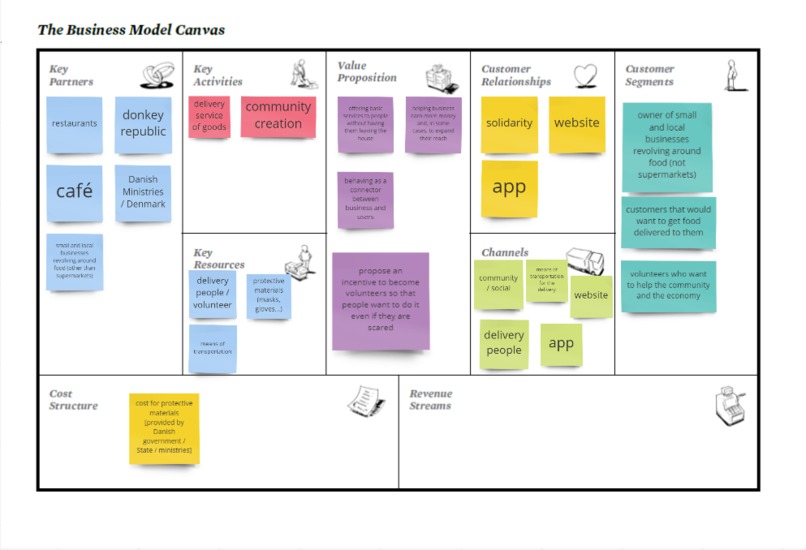
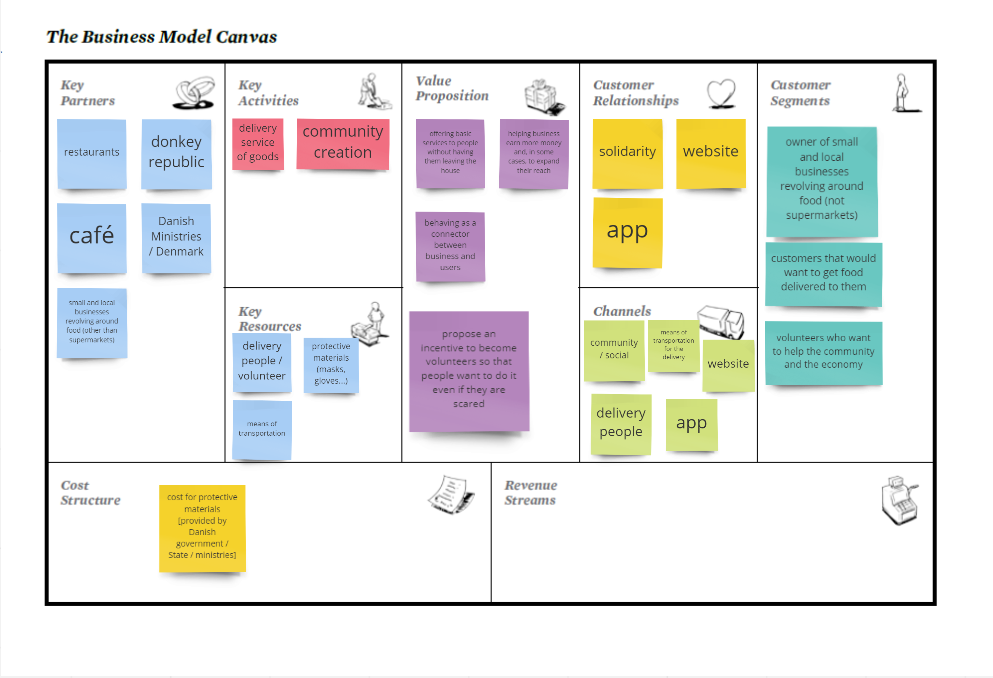
Business model canva of our idea
-
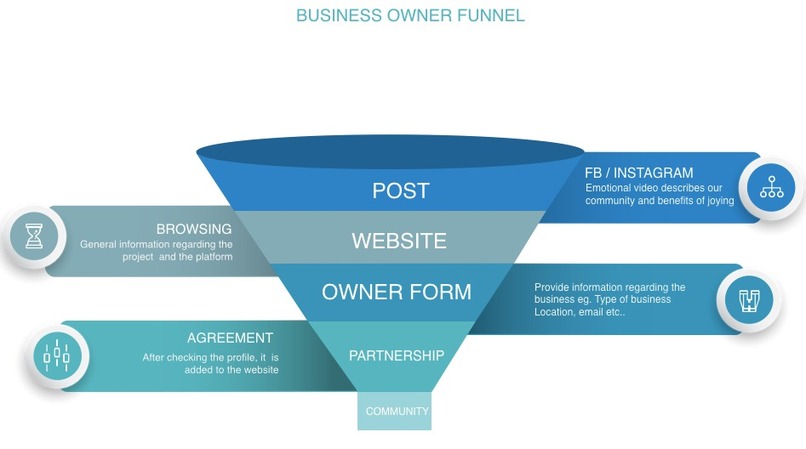
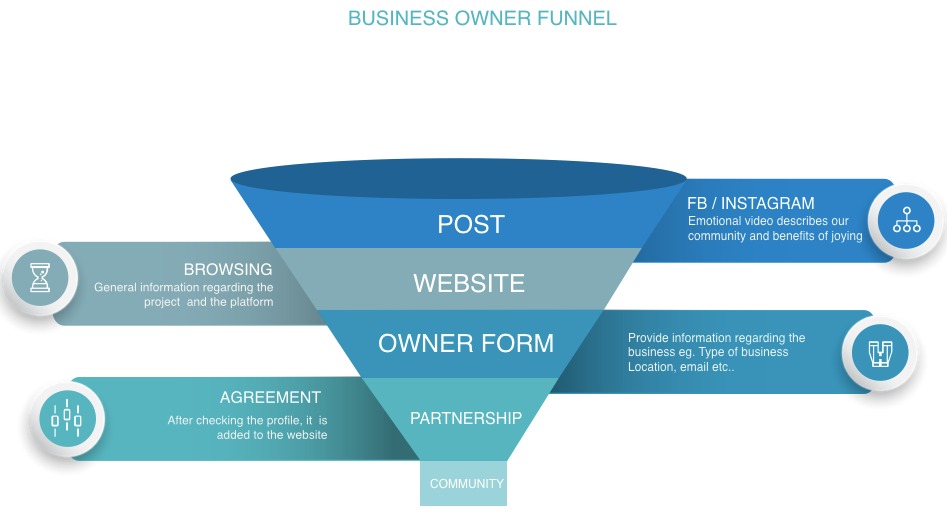
Steps taken by the business owners to work with us
-
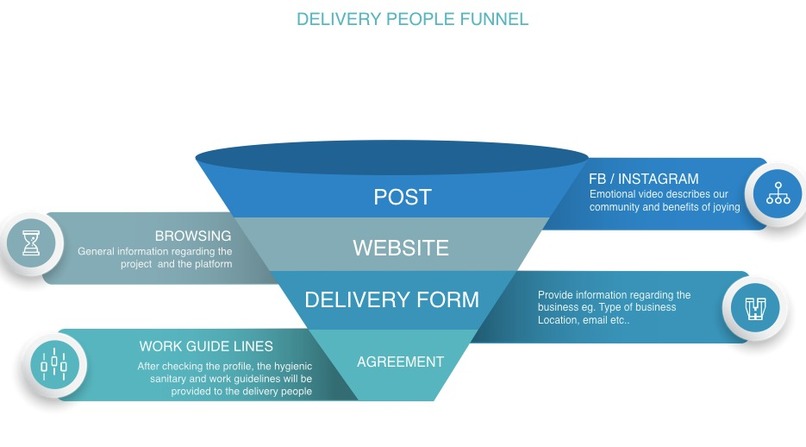
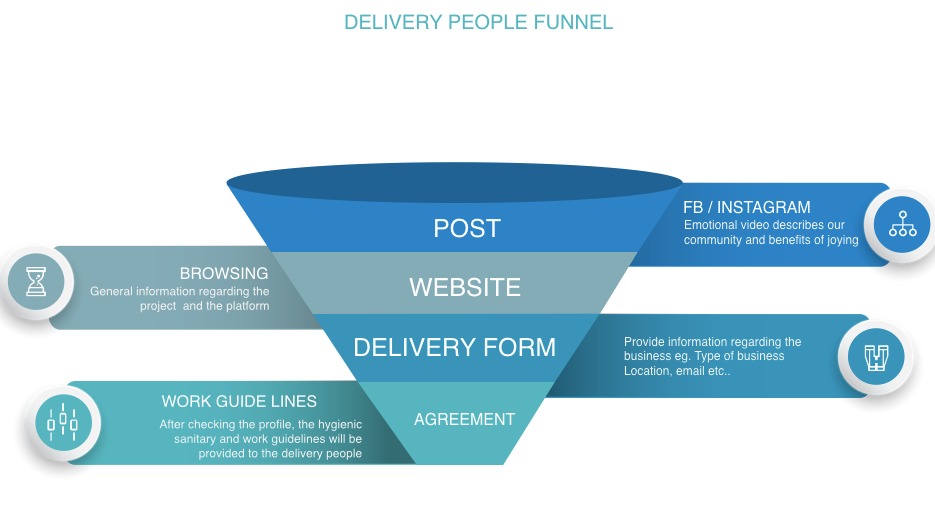
Steps taken by the delivery people to volunteer with us
-
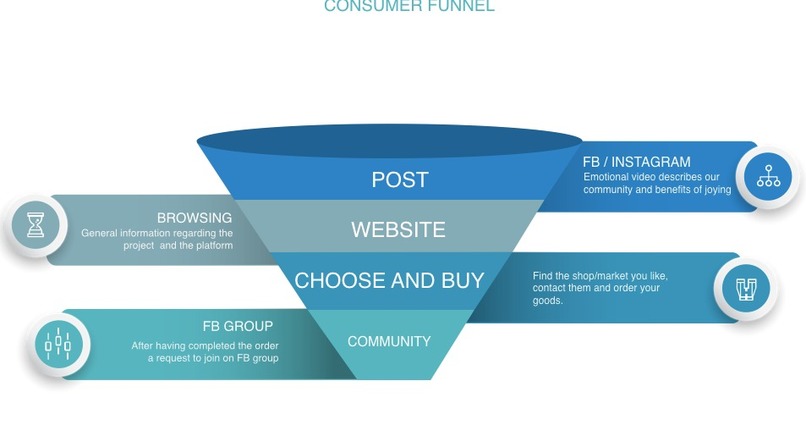
Steps taken by the customers by using our platform and joining the community
-
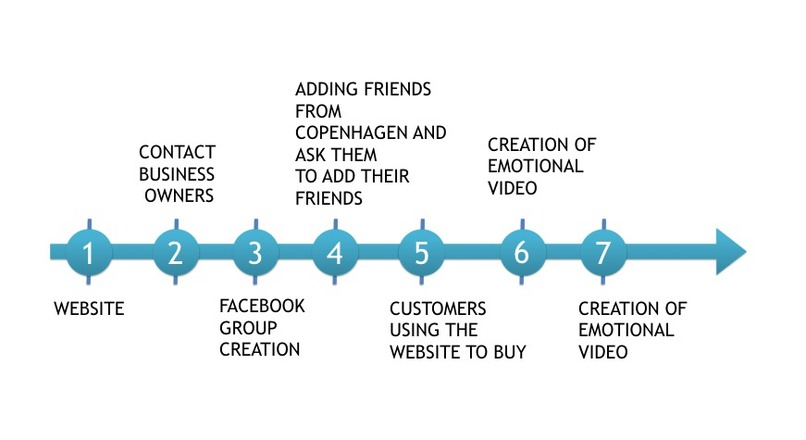
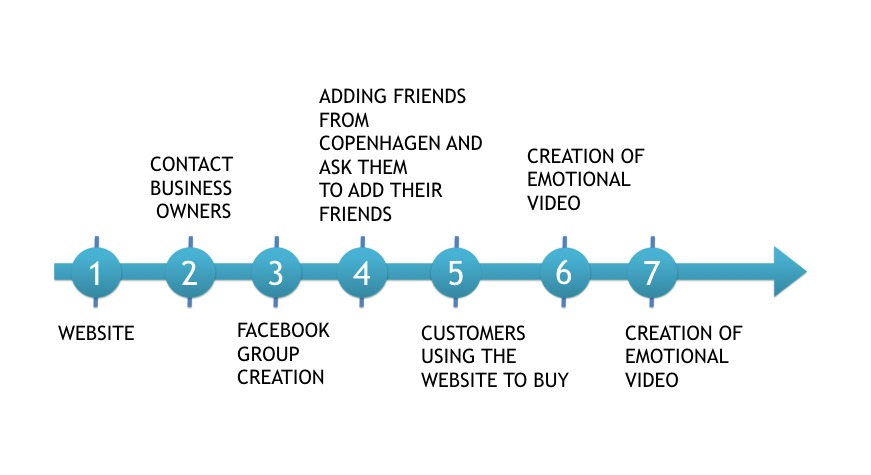
Timeline of launch of existing platforms
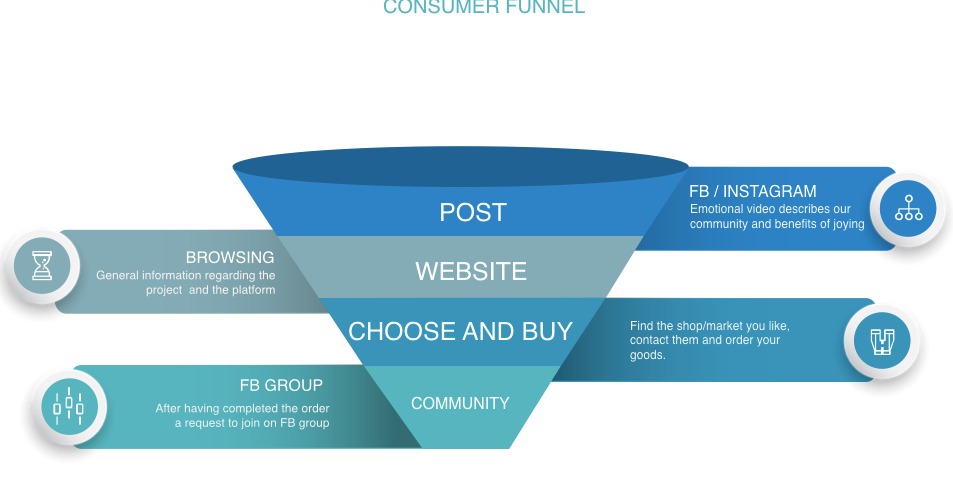
Trying to identify significant issues in Denmark caused by Covid-19, we haven’t heard mentioned any one particular other than unemployment. Starting from these, we have followed a business-center approach. Given the fact that Covid-19 is yet to be at its worst in many countries, we thought that we could use what we learned in Italy (being one of the first countries having the breakout) to develop a preventive plan ready to be implemented in case of need. Us being Italian, we wanted to provide some insights given what we have learned going through the situation.
PROBLEM: in case Denmark will find itself in a new wave of coronavirus and people won’t be allowed to leave their houses, small and local businesses won’t have feasible income and may be forced to close down. *We have brought as a case study a project that has been successfully implemented in Rome (https://www.deliveryroma.it/), but counting on having institutional support (as of the national funding), we have expanded it to be more impactful. The idea on which the Italian project was developed is to create a community that brings together small and local businesses with customers. It was based on the creation of a website on which all businesses are mentioned and described, resulting in people being aware of what activities are still open to deliver food and the demand is constant. This is then supported by a Facebook group and an Instagram page on which a community has been created and that is really active, given that both businesses and customers are seeing their needs being satisfied [the customers have a big choice among businesses to order from and businesses are still earning money]. The current issue with this project is that, without the possibility of implementing a delivery service to the businesses, they receive more requests than they can satisfy and are forced to refuse orders. The impossibility derives from the fact that the proposition of the project was done by a “common citizen” and does not have neither institutional support nor funding.
SOLUTION: Using a group of volunteers, we help small businesses to conduct delivery without having to pay a percentage of their revenue to a food delivery platform. Small and local businesses are unable to self-suffice for the implementation of a delivery service so, to do it, they would have to join a food delivery platform (like JustEat or UberEats). These platforms “tax” each order so they may be helpful but could be more convenient. In a situation in which businesses are earning much less than usual since people cannot visit their shops, they are struggling and they need to keep all of the money they can make. Their ability to carry out delivery depends on volunteers who, thanks to a point-system, can redeem discounts for goods sold in the business within the network. This is done to benefit both businesses (who have even more customers) and for the volunteers (who receive an incentive for their involvement in the project). One way in which we imagined this to pan out is that unemployed people could be volunteers for part of the day, while looking for jobs, so that they can also indirectly save on buying food and groceries. In order to keep everyone safe, we would have to join forces with either the State, the Danish government or some ministry to provide the safety equipment for the delivery people.
WHAT HAVE WE DONE DURING THE WEEKEND: We started trying to identify significant issues with no current viable solutions. Then, given we found none, we started to consider the proposition as aforementioned (*). In order to clear our ideas on what our project looked like, we compiled a Business model Canva. We have considered a partnership with Donkey Republic to provide the free use of the bikes (as it is already doing currently), using them as the mean of transportation to allow deliveries. Then we have identified each step in the user journey, distinguishing business owners, delivery people and customers.
After that, we have considered a timeline to define the moment in which each action will be completed.
Then we thought about the marketing aspect of the project. We do not have any budget to carry out the online advertisement, but we have thought to use two other available solutions: as we provide a service that helps the businesses and the community, we expect the support of the State to make this project known as well as through word of mouth by satisfied users of the platform (which will be heavily recommended on our platform). After that, we took the time to develop the site. In agreement to what we said earlier, we have included three sections: one for customers looking for shops from which to order, one for business owners that want to join the network and finally one for the registration of volunteers as delivery people. Within the page of each restaurants we have included a “message section” that would allow business owners to make any communications known, like if they are closed that day or they haven’t found one specific ingredient. We have thought this to be especially helpful so that, in case people order something that isn’t currently available, the shop doesn’t need to turn down the order and disappoint the customer, who would end up ordering elsewhere in this scenario. We also had in mind to develop an app to notify the delivery people of all the delivery opportunities, but we ended up not having a developer so we weren’t able to. THE SOLUTION’S IMPACT TO THE CRISIS: this project would allow to avoid the closure of many small and local businesses, avoid contribution to the already difficult unemployment situation. On the other hand, we would prevent people from going out and also provide service to those who wouldn’t be able to leave their house given the higher risk of contagion they face.
THE NECESSITIES IN ORDER TO CONTINUE THE PROJECT: The main thing needed for this project to work is the support from the Danish institution so that we can have a minimal budget to support some aspects of our activity. One other interesting thing that we would want to create is an application that would make the whole process of choosing and selecting the businesses.
THE VALUE OF THE SOLUTION AFTER THE CRISIS: • This model could be used even after Covid-19 in a perspective of gradual digitalization of small businesses on the web and on social media, digital transformation consulting could be provided to them or they could still keep our website active and still advertise themselves. • Given that an actual network will be created, some partnerships between current businesses could be created or even finding a partner to go into a new business together • If they wanted to and if the delivery people network will become structured and solid, the businesses could rely on the same delivery people creating a trusting relationship with both the business owner and the final client.

Log in or sign up for Devpost to join the conversation.