About Food Rescue
WHAT IS FOOD RESCUE?
Food rescue, also called food recovery, is the practice of collecting fresh, edible food that would have otherwise gone to waste from restaurants, grocers, and other food establishments and distributing it to local social service agencies.
Food rescue is extremely effective because it simultaneously gets food to those who need it most and reduces food waste, minimizing the amount of toxic emissions from food waste in landfills.
Our Aim
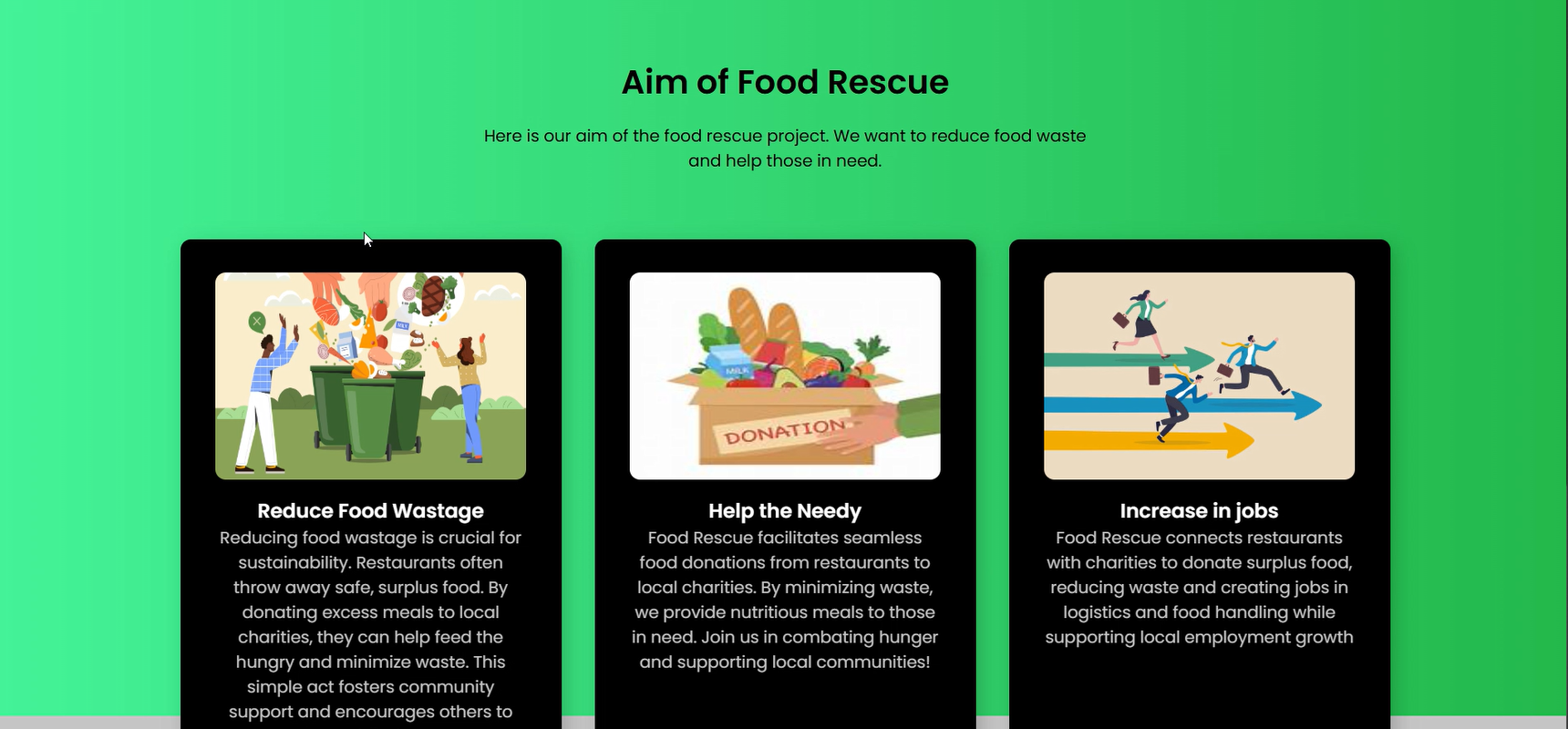
"At Food Rescue, our mission is to bridge the gap between surplus food and those in need. Every day, countless meals are wasted while millions go hungry. We aim to create a sustainable network that connects restaurants and food providers with charities and individuals in need, rescuing leftover food and reducing food waste. Our goal is to combat hunger, promote social responsibility, and inspire a community of care and generosity. Together, we’re working towards a future where no meal goes wasted, and everyone has access to nourishing food."
Our Food Rescue Project Journey
Inspiration The inspiration for this project came from witnessing the staggering amount of food waste in restaurants and the simultaneous struggle of many people to access basic meals. We realized that a solution was needed to bridge the gap between surplus food and those in need. This thought planted the seed for our food rescue app—a platform to connect restaurants with leftover food to the needy in a structured and efficient way. What We Learned Through this journey, we learned that technology can be a powerful tool for addressing social issues. We gained insights into: • The logistics of food donation and its challenges. • The importance of community collaboration to make a project impactful. • The technical aspects of app development, from designing user-friendly interfaces to creating a robust backend. • How critical it is to raise awareness about food waste and hunger. How We Built the Project
- Idea Development: We started by brainstorming features that could make the app user-friendly for both restaurants and the organizations receiving donations.
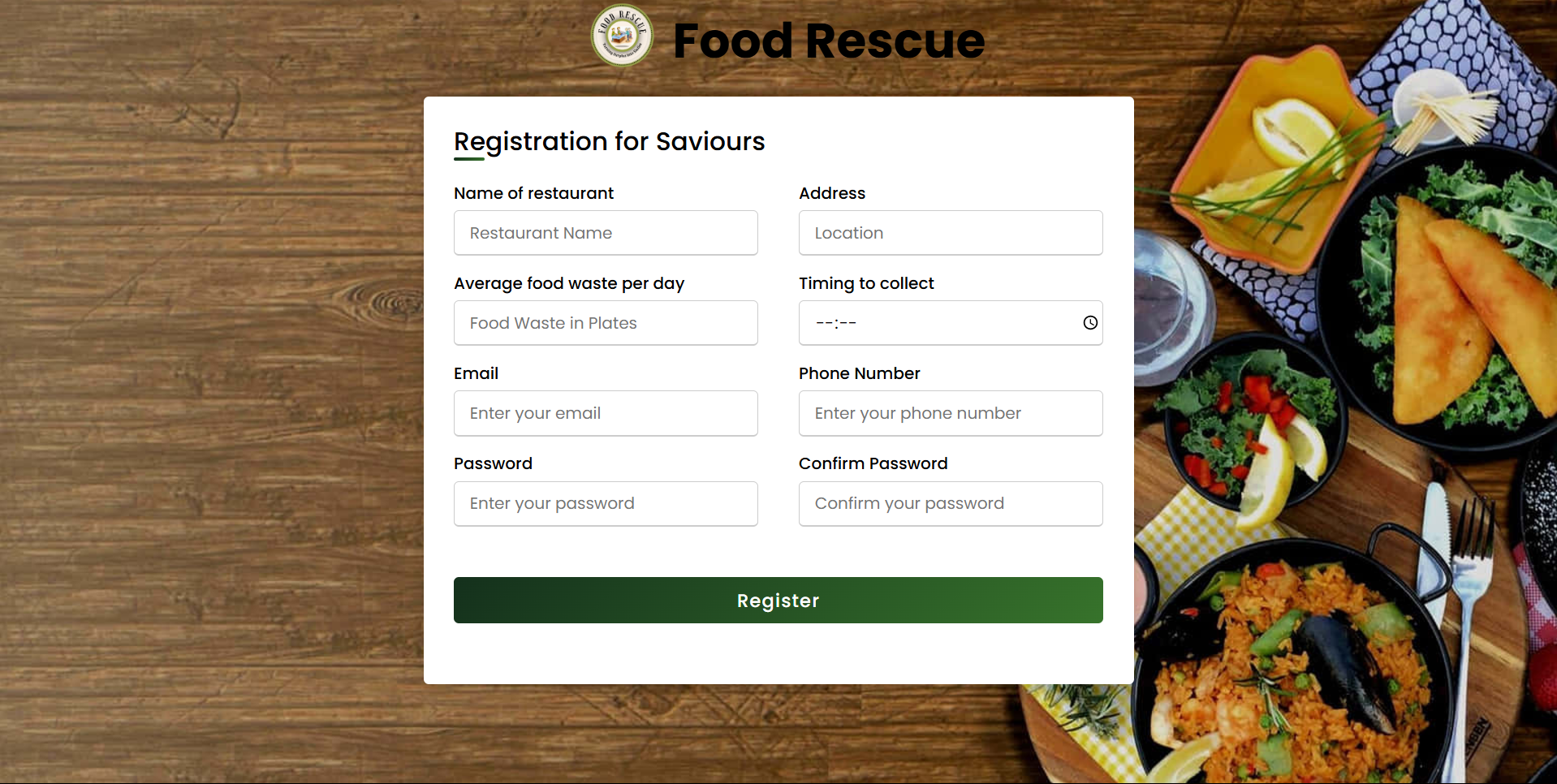
- Form Design: We created forms to capture essential information such as the type of food, quantity, freshness, pickup location, and preferred donation time.
- Technology Stack: We used HTML, CSS, JavaScript, Python, SQL etc. for developing the app.
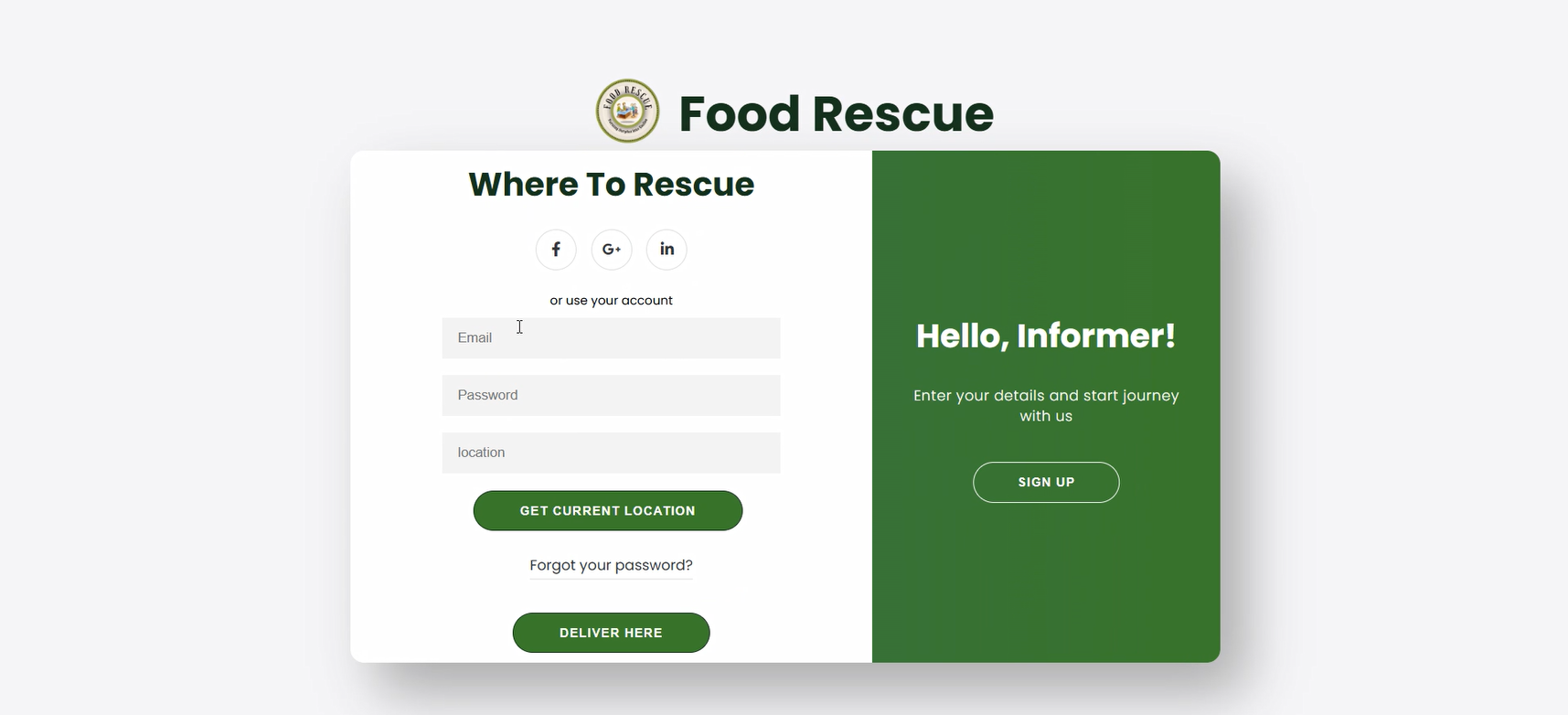
- Implementation: o Designed the user interface with simplicity in mind. o Developed a database for storing data and tracking food donations. o Created a notification system for matching food donations with nearby charities.
- Testing and Feedback: After building a prototype, we tested the app with a small group of users, including restaurants and local NGOs, to gather feedback and make improvements. Challenges We Faced The journey wasn’t without obstacles. Some of the challenges we encountered were: • Convincing restaurants to participate due to concerns about liability and logistics. • Ensuring the app was intuitive for users with varying levels of technical knowledge. • Managing our time efficiently while juggling studies and this project. • Addressing food safety standards and creating awareness about the legal aspects of food donations. Looking Ahead This project has been a fulfilling experience, and we plan to expand it by: • Partnering with more organizations to scale its impact. • Adding features like real-time tracking of food deliveries. • Educating communities about food waste and ways to minimize it.
Technologies Used
Languages: HTML & CSS: To design and style the user interface of the app, ensuring it is both functional and visually appealing. JavaScript: To add interactivity and handle dynamic elements in the app. Python: Used for backend logic, data processing, and integration with the database. Database: SQL: To store, manage, and retrieve data such as restaurant submissions, food donation details, and recipient information. Other Tools and Platforms: For now, the app primarily relies on local or hosted solutions, but future plans include integrating cloud services and APIs for scalability and advanced features.


Log in or sign up for Devpost to join the conversation.