
Inspiration
I am building the cooking game I have always wanted to play: a kitchen where you can pick up ingredients, experiment, and turn a crowded counter into a finished meal. Food plus Food brings that idea to a phone with tactile cooking puzzles and a warm, clay-style world.
I spent a lot of time iterating on concepts until I hit a few items that were particularly rewarding, like making sure elements have natural actions like chopping and grilling, and I removed typical frustrations like tutorials on rails.
What it does
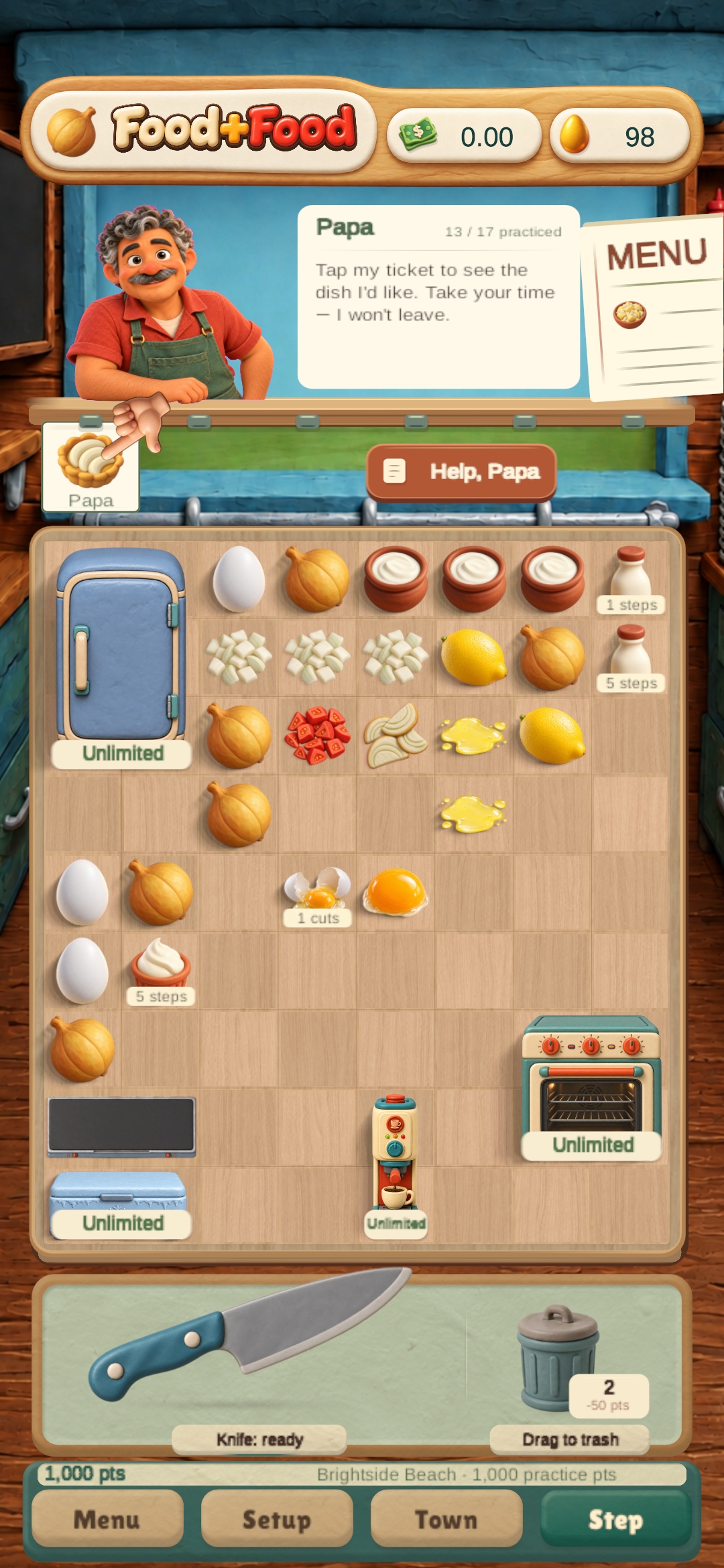
Food plus Food is a free Android cooking game. Learn recipes with Papa, prepare a food truck's menu, equipment and supplies, then merge, cut, combine and cook ingredients to serve customers. Each dish is a small planning puzzle: the order of your actions and the space on your board matter.
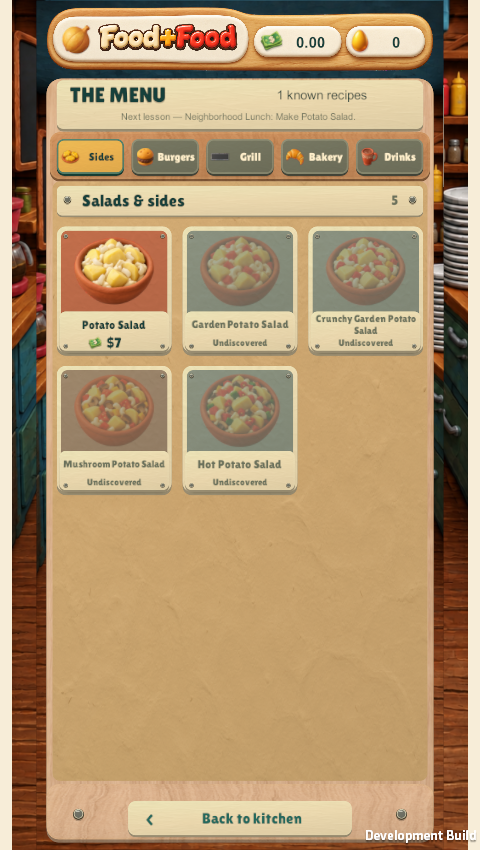
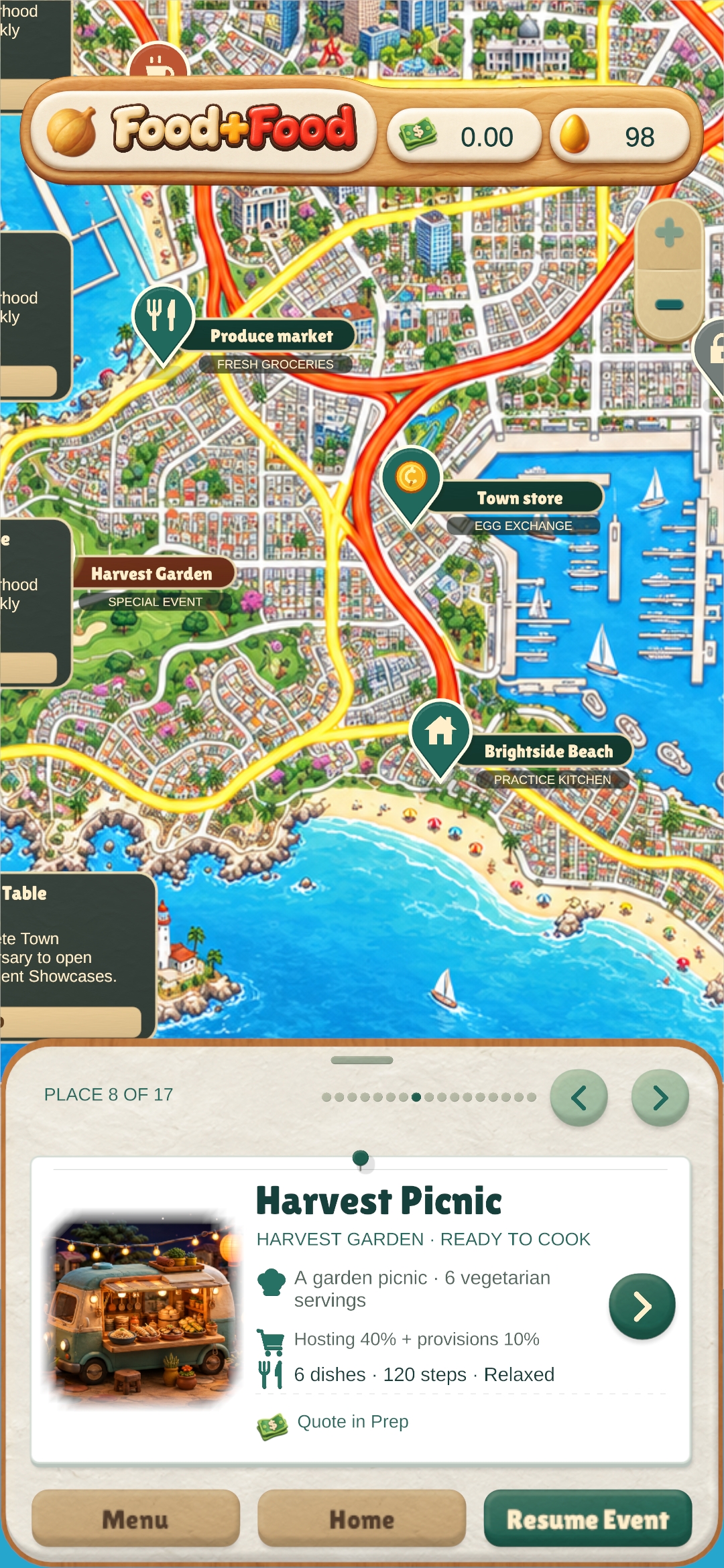
The game includes recipe discovery, kitchen and equipment progression, town events, repeatable cooking runs and guest play, with optional Google sign-in. The demo shows the real game preparing and assembling a burger.
How I built it
I built the game in Unity and C#, with Codex assisting development and AI-assisted artwork helping establish the visual style. A cloud backend supports player accounts, saved progress and currency, while remotely published content lets the game load its recipes and other data.
RevenueCat powers an optional consumable Golden Egg pack through Google Play. Purchases are verified by the backend before currency is granted, with transaction records preventing duplicate delivery. Golden Eggs can be used for cooking boosts and other in-game spending. There is no recurring subscription.
The game also integrates RevenueCat Ads with AdMob rewarded ads at event entry. Reward verification connects the ad to the run it unlocks, with recovery for interrupted or delayed responses. Ads sit at a transition into play so the cooking interaction can stay uninterrupted. Firebase supports launch measurement.
Challenges I ran into
Getting the cooking interactions onto a small screen took repeated revisions to touch targets, help panels, kitchen layouts and equipment indicators. Changes also had to preserve players' existing kitchen layouts and saved progress.
The release work extended well beyond the cooking board: connecting store purchases to the live wallet, recovering rewarded entries, configuring privacy messages, and publishing compatible game content and backend updates. Testing those boundaries became as important as testing an individual recipe.
Accomplishments I am proud of
This is the most functional and feature-rich game I have made so far, and it is now publicly available on Google Play. It combines hands-on cooking, a growing recipe collection, illustrated guidance, progression, accounts, optional purchases and rewarded ads in one playable game.
What I learned
A feature can work and still be unclear to a new player. Testing pushed me to keep improving what the next action looks like, especially in the first kitchen. Launching also taught me to distinguish public views, installs, sign-ins and actual play: guests can play without registering, and a published post still needs its public visibility checked.
What's next
There are several elements that require very nuanced analysis and tweaking to perfect the effect. One aspect of this is the Step counters in the games such us for cooking, defrosting, or order wait times. Another aspect is the monetary rewards and upgrade cost structure, which is required to pace game advancement.
Built With
- codex
- revenuecat
- unity


Log in or sign up for Devpost to join the conversation.