-
https://youtu.be/_52UnqQOHRE
Inspiration The idea for our food ordering system was born out of a shared frustration with inefficient restaurant ordering experiences—long wait times, order inaccuracies, and limited communication between customers and kitchen staff. We wanted to build a solution that streamlines the food ordering process, enhances user convenience, and provides restaurants with a smarter, more efficient order management system.
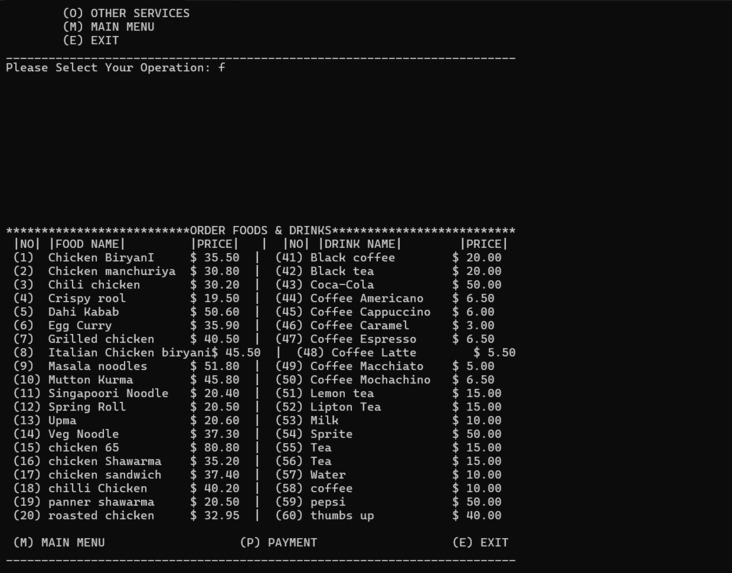
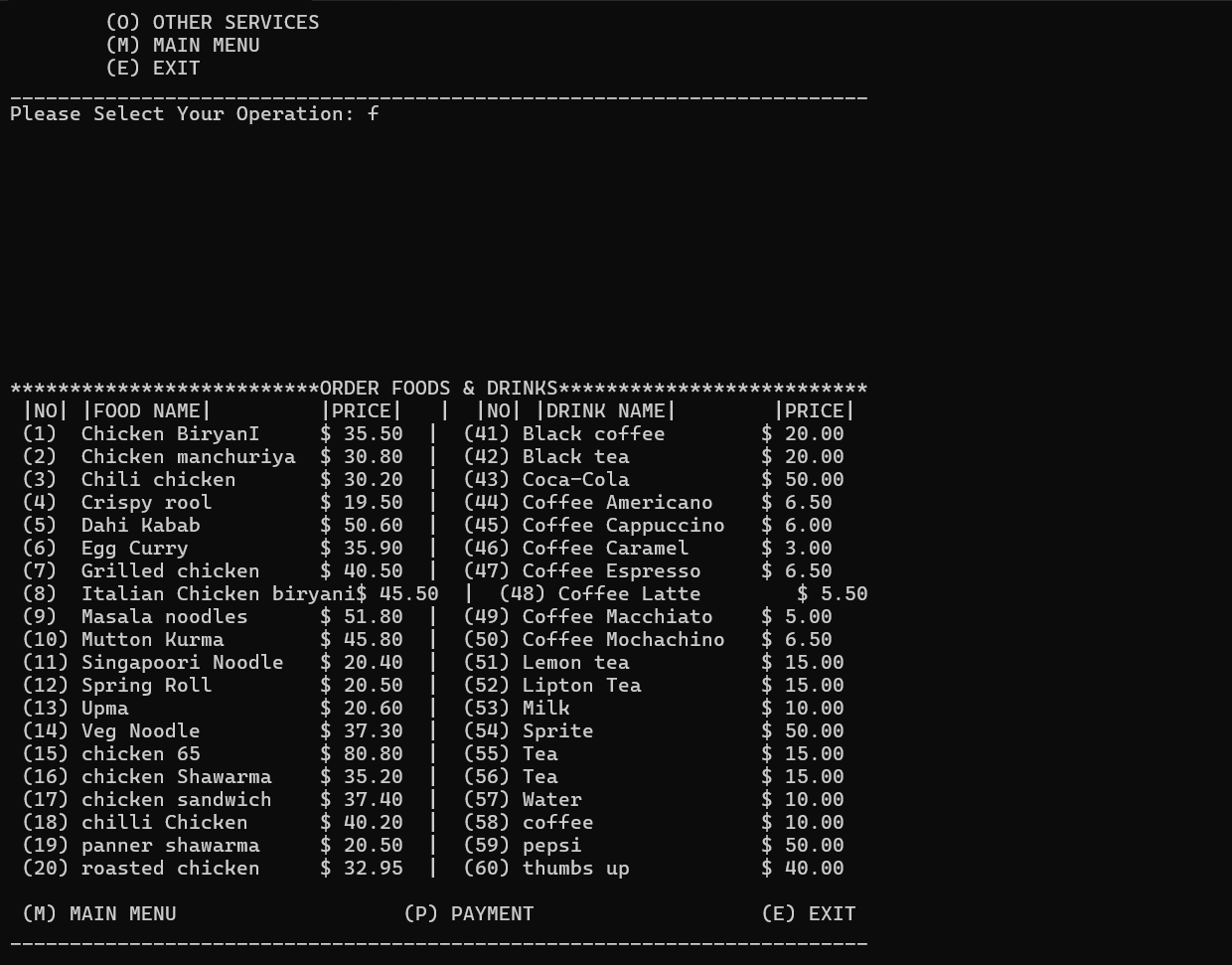
What it does Our food ordering system allows users to seamlessly browse menus, customize their orders, and make payments directly through a web or mobile interface. For restaurants, it provides an intuitive backend to manage orders in real time, update menu items, track delivery statuses, and analyze customer preferences. Key features include:
User registration and login
Menu browsing with categories and item details
Cart functionality and secure checkout
Real-time order status tracking
Admin dashboard for restaurant staff
Optional features: table reservations, delivery integration, loyalty points
How we built it We built the system using the following tech stack:
Frontend: React (web) / Flutter (mobile), with Tailwind CSS for styling
Backend: Node.js with Express.js
Database: MongoDB for flexible data management
Authentication: JWT-based secure login
Payment Integration: Stripe API for handling payments
Deployment: Hosted on Heroku and Vercel, with GitHub for version control
Challenges we ran into Real-time updates: Implementing real-time order status updates required careful use of WebSockets and state management.
Responsive UI: Designing an intuitive, mobile-friendly interface that works across devices took significant testing and refinement.
Payment integration: Ensuring secure and seamless payments with Stripe involved navigating some complex API documentation and sandbox testing.
Data consistency: Managing orders, users, and menu items across different user roles was initially tricky until we implemented proper schema validations and role-based access controls.
Accomplishments that we're proud of Successfully built a working end-to-end food ordering solution from scratch
Achieved a clean, user-friendly UI that provides a smooth customer experience
Integrated secure payment processing
Designed a scalable backend architecture that could support multiple restaurants
Enabled real-time updates for customers and staff using WebSockets
What we learned How to manage complex state and user flows in a full-stack application
Importance of user-centric design and testing for intuitive navigation
Best practices in handling secure user authentication and payments
Experience with RESTful APIs, WebSockets, and third-party integrations
The power of teamwork, collaboration, and agile problem-solving in development
What's next for the food ordering system Delivery integration with GPS tracking for couriers and customers
AI-powered recommendations based on order history and preferences
Multi-restaurant support in a single platform, like a food marketplace
Admin analytics dashboard with sales reports and customer insights
Mobile app release with push notifications for real-time order updates
Multi-language support for broader accessibility
Feedback and rating system for continuous improvement


Log in or sign up for Devpost to join the conversation.