-
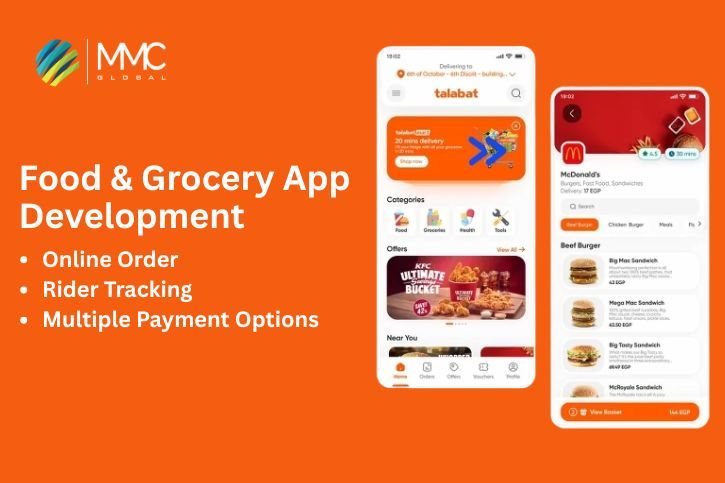
Dubai-Based Talabat Clone App Development Solutions
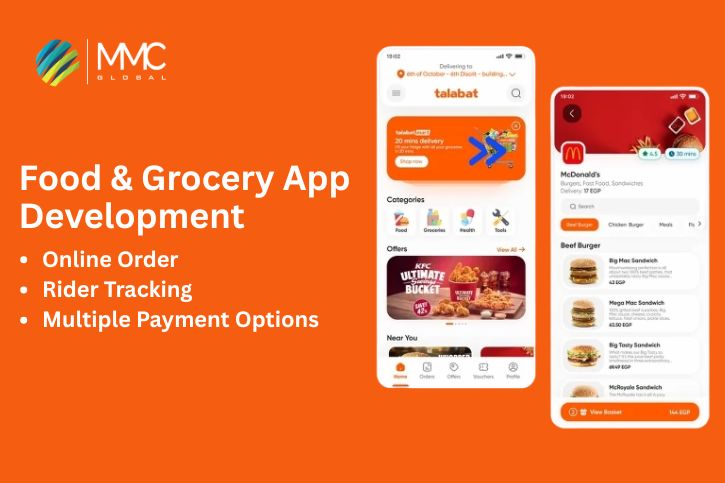
Inspiration
The inspiration for this food ordering app comes from the increasing demand for fast and convenient food delivery services. With busy modern lifestyles, people now prefer ordering food online instead of cooking or dining out. The success of platforms like UberEats, DoorDash, and Grubhub shows a strong need for simple and reliable food delivery solutions. The goal is to build an app that makes ordering easy, improves user experience, and helps local restaurants reach more customers.
What it does
The food ordering app allows users to browse restaurants, explore menus, place orders, and track deliveries in real time. Key features include user registration, restaurant search by category or location, detailed menus with images, customizable orders, secure payment options, live order tracking, ratings and reviews, and promotional offers.
How I built it
The app is built using modern technologies to ensure performance and scalability. The frontend uses React Native for cross-platform mobile development. The backend is powered by Node.js and Express.js, while MongoDB handles data storage. Payment integration is done using Stripe or PayPal APIs. Real-time tracking is enabled through Socket.IO, and the app is hosted on cloud platforms like AWS or Firebase.
Challenges I ran into
During development, several challenges were faced, including integrating multiple APIs like payments and live tracking, designing a simple yet feature-rich interface, ensuring strong data security, and handling high traffic during peak hours. Another challenge was maintaining real-time menu and availability updates across multiple restaurants.
Accomplishments that I'm proud of
The project successfully delivered a fully functional and user-friendly food ordering platform. Real-time tracking and secure payments were implemented smoothly, improving user trust and experience. The app received positive feedback from early users and demonstrated strong scalability for future growth.
What I learned
This project highlighted the importance of proper planning, clear communication with stakeholders, and user-centered design. It also improved understanding of mobile development best practices, API integration, data security, and real-time system handling. User feedback played a major role in refining features and improving performance.
What's next for Food Ordering App Development
Future updates will focus on expanding restaurant partnerships and increasing service coverage. New features such as loyalty programs, AI-based recommendations, and in-app chat support will be added. The app will also be enhanced with better analytics tools and potential integration with grocery and meal planning services.
Built With
- android
- ios
- payment
- react-native
- webapp
