-
Talabat Clone App Development Dubai

Inspiration
The inspiration for this food ordering app comes from the growing demand for convenient and efficient food delivery services. With busy lifestyles, many people prefer ordering food online rather than cooking or dining out. The success of popular apps like UberEats, DoorDash, and Grubhub demonstrates a clear market need for user-friendly, reliable food delivery solutions. The goal is to create an app that simplifies the ordering process, enhances the user experience, and supports local restaurants by providing them with a platform to reach more customers.
What it does
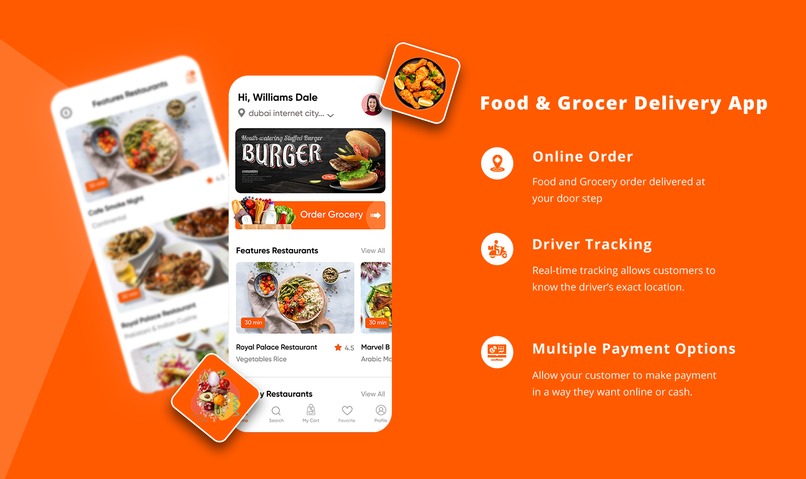
The food ordering app allows users to browse menus, place orders, and track delivery in real-time. Key features include: User registration and login Restaurant browsing by category, cuisine, or location Menu browsing with detailed descriptions and images Customizable orders (e.g., add-ons, special instructions) Secure payment options (credit/debit cards, digital wallets) Order tracking with real-time updates Ratings and reviews for restaurants and dishes Promotional offers and discounts
How I built it
The app was built using a combination of modern web and mobile technologies:
Frontend: React Native for cross-platform mobile app development, ensuring a consistent user experience on both iOS and Android devices. Backend: Node.js with Express.js for the server-side, handling API requests, authentication, and data processing. Database: MongoDB for storing user data, restaurant menus, orders, and reviews. Payment Integration: Stripe or PayPal API for secure and seamless payment processing. Real-time Updates: Socket.IO for real-time order tracking and notifications. Deployment: AWS or Firebase for cloud hosting, providing scalability and reliability.
Challenges I ran into
Some of the challenges encountered during development included:
Ensuring seamless integration of various APIs (e.g., payment gateways, real-time tracking). Designing a user-friendly interface that accommodates all necessary features without overwhelming users. Implementing robust security measures to protect user data and payment information. Managing scalability to handle high traffic and multiple concurrent users, especially during peak hours. Coordinating with restaurants to keep menus and availability updated in real-time.
Accomplishments that I'm proud of
Key accomplishments include:
Developing a fully functional, user-friendly app that meets the needs of both customers and restaurants. Successfully integrating real-time order tracking, enhancing the user experience. Implementing a secure payment system, ensuring user trust and safety. Receiving positive feedback from beta testers and early users, validating the app's concept and execution. Building a scalable infrastructure that can handle growing user demand.
What I learned
Key learnings from this project include:
The importance of thorough planning and clear communication with stakeholders (e.g., restaurant partners, payment providers). Best practices for mobile app development, including user interface design and cross-platform compatibility. Techniques for ensuring data security and protecting user privacy. Strategies for handling real-time data updates and maintaining app performance under high load. The value of user feedback in iterating and improving the app's features and functionality.
What's next for Food Ordering App Development
Future plans for the app include:
Expanding the app's reach by partnering with more restaurants and covering additional locations. Introducing new features such as loyalty programs, in-app chat support, and AI-based recommendations. Enhancing the app's analytics capabilities to provide restaurants with valuable insights into customer preferences and sales trends. Continuing to gather user feedback and iterate on the app to ensure it meets evolving needs and expectations. Exploring opportunities for integration with other services, such as grocery delivery or meal planning. This structured overview should guide you in developing a comprehensive and successful food ordering app.
Built With
- android
- ios
- payment
- react-native
- web

