-
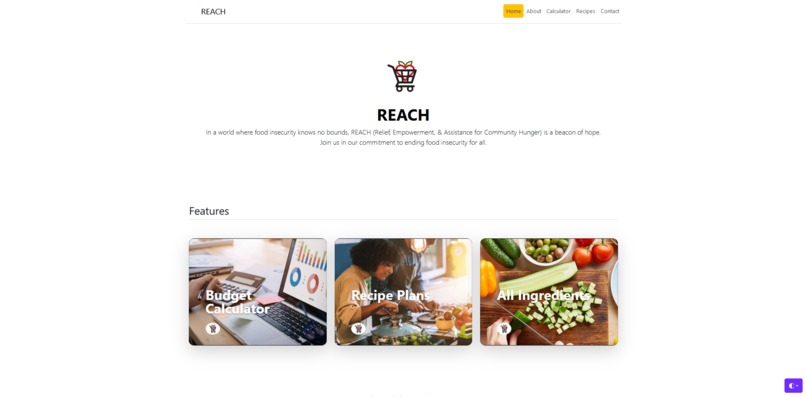
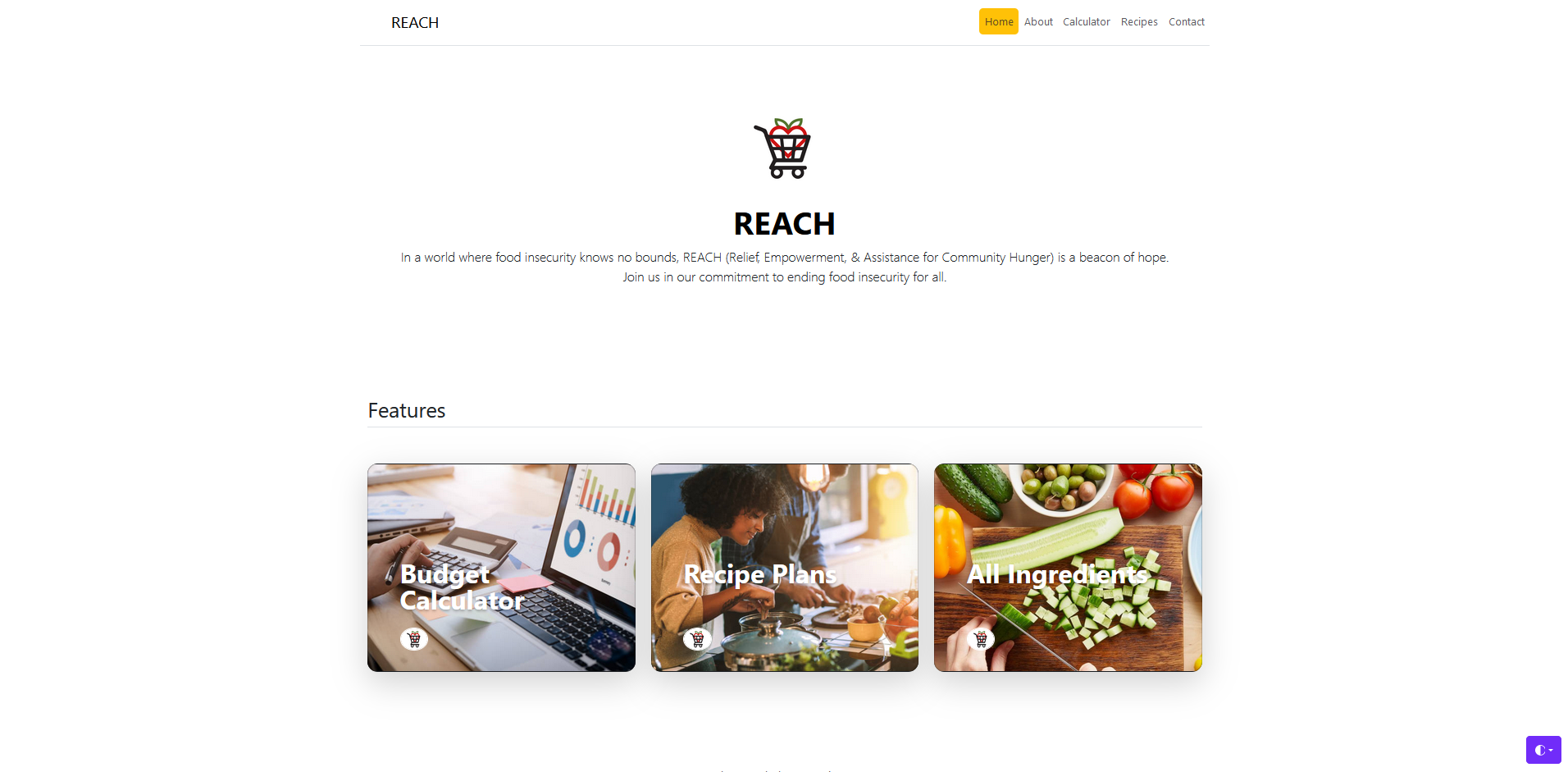
REACH Homepage
-
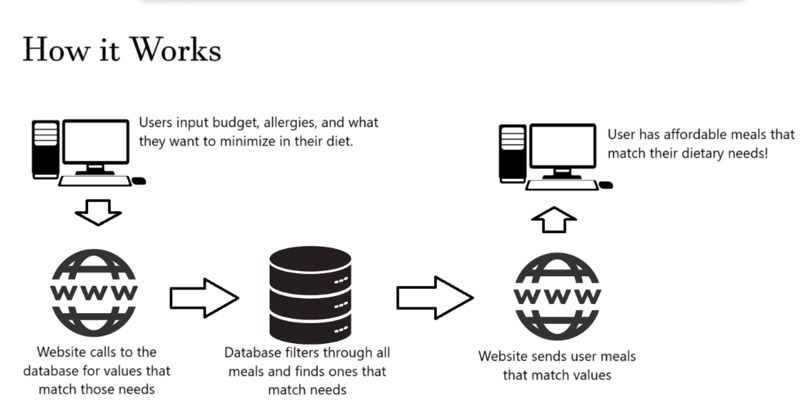
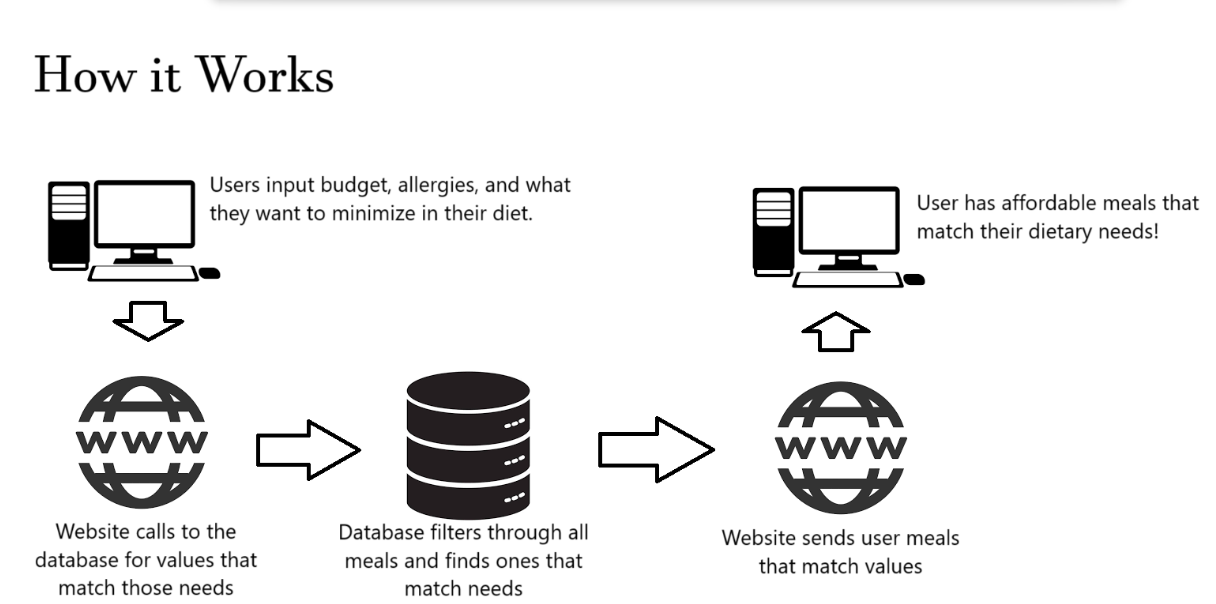
The Reach Process
-
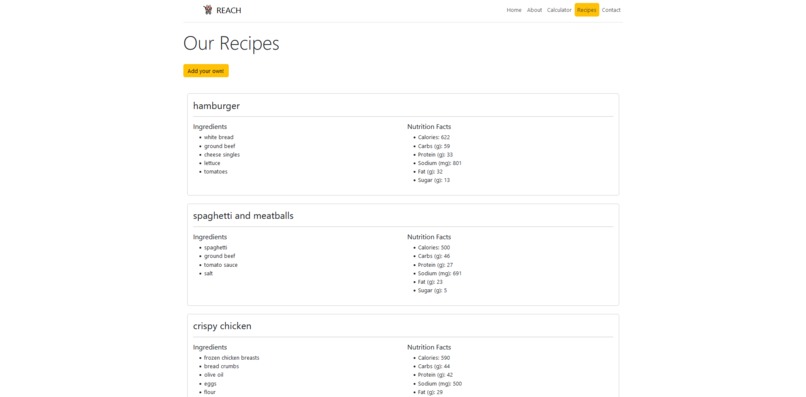
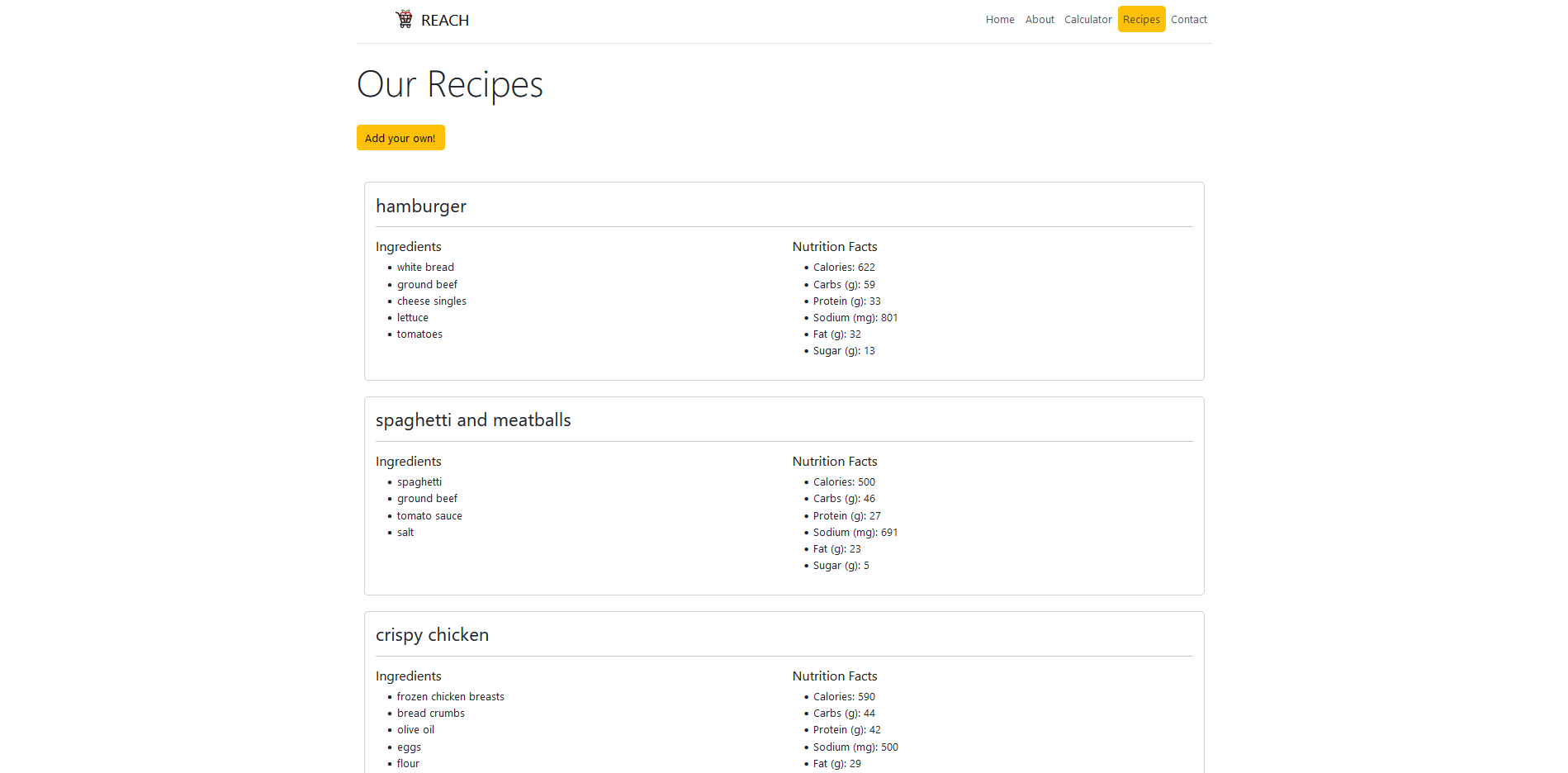
Reach Recipes List
-
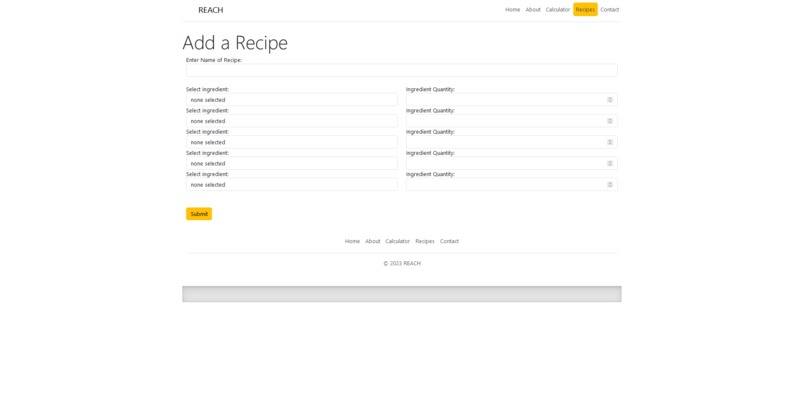
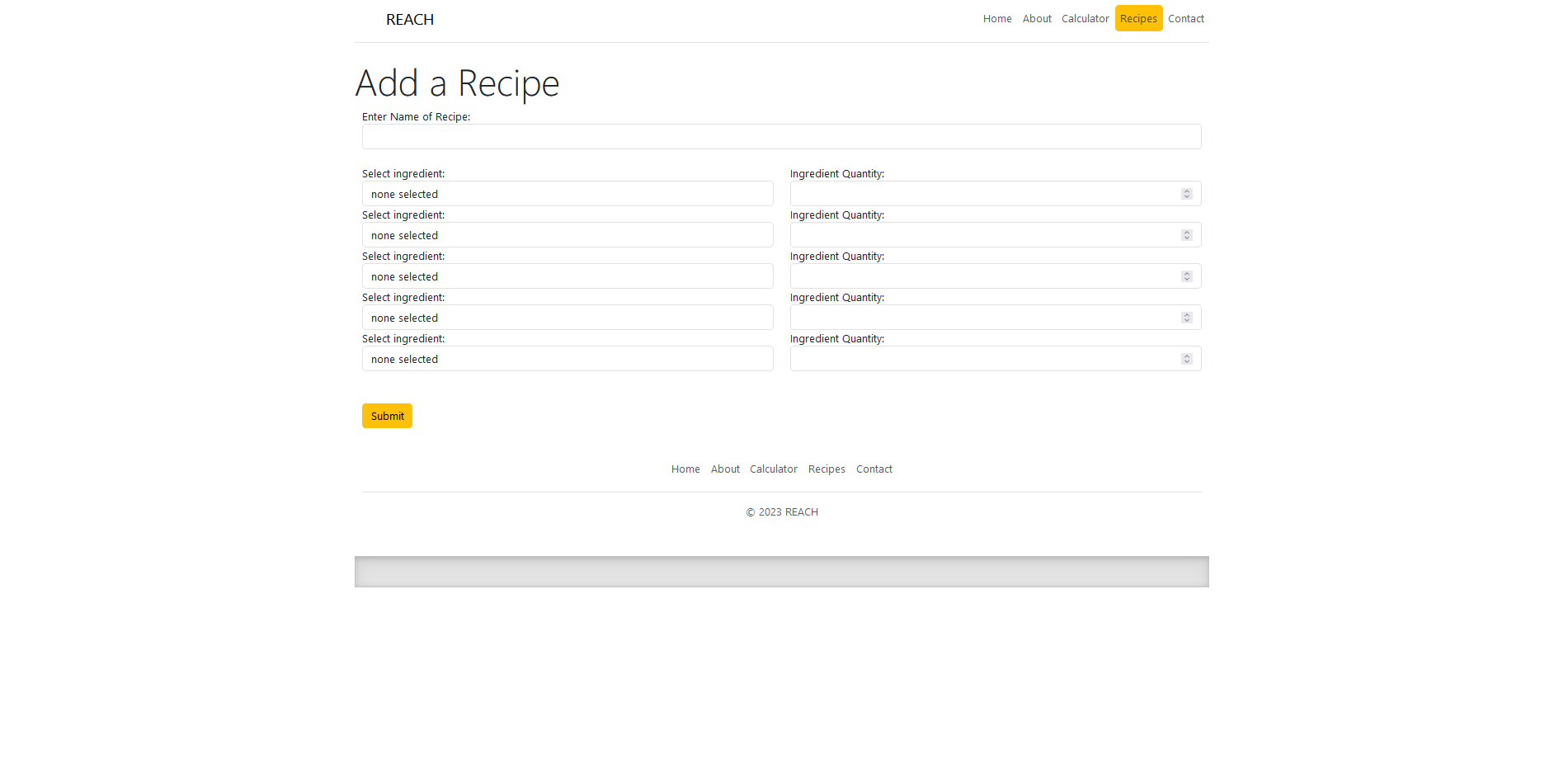
Users can add their own recipes
-
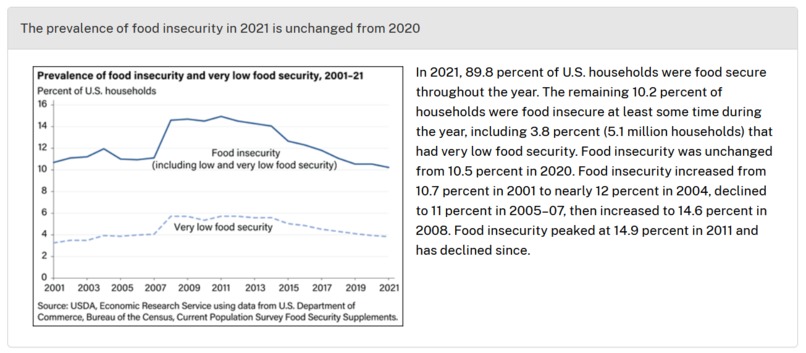
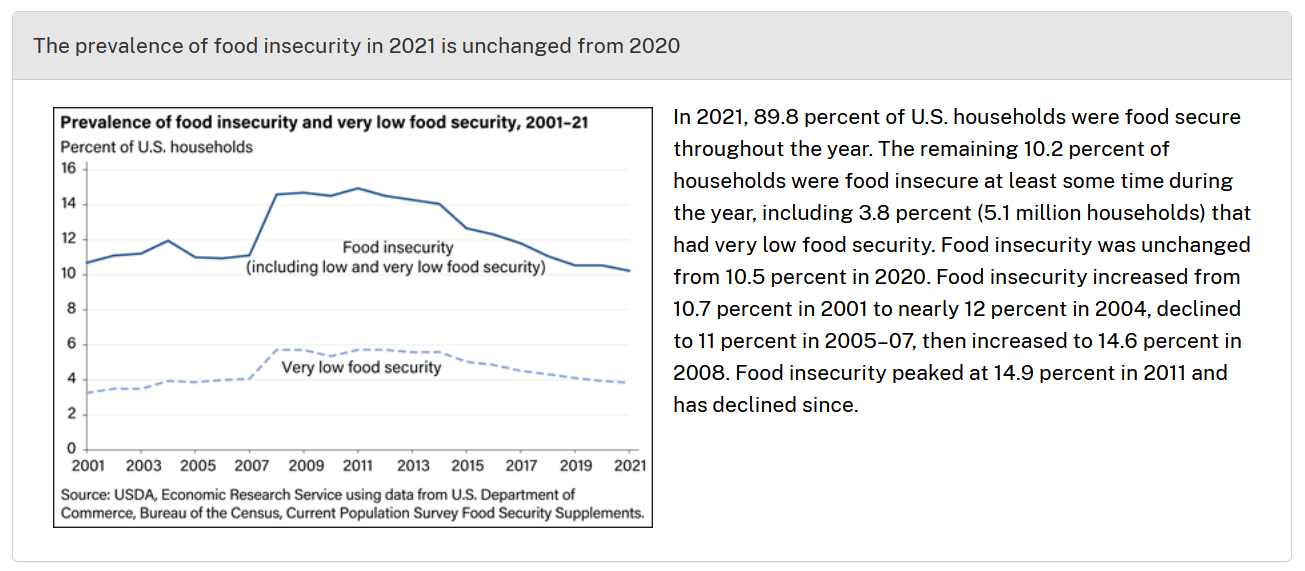
USDA statistics on food insecurity
Inspiration
What inspired us to create our website, REACH, is the rapid increase in food insecurity within the U.S., especially in this post-COVID pandemic era. From college students to retirees, many individuals all across the U.S. experience some form of food insecurity once in their lives. Food insecurity is a significant issue that impacts many individuals' daily lives, and in this day and age, with prices increasing since the COVID-19 pandemic, with no sign of going back to pre-pandemic prices, the increase in food insecurity has become very prevalent. With a 4.3% increase in food prices since August 2022 (USDA), it has become extremely difficult for those who face food insecurity to feel comfortable with the amount of money they make or feel certain that they will have a meal every night.
"Studies show 1 in 4 college students struggle to afford their next meal, and that students experiencing food insecurity are 43% less likely to graduate." As college students ourselves, we have also experienced some form of food insecurity since entering college. We know the feeling of trying to balance work, school, and our health all at once, and in all honesty, we are not always perfect. There have been days when we've neglected our health in order to save a little more cash for a textbook or an Adobe membership.
With REACH, we hope to help those who experience food insecurity overcome it and build a strong community with others who have also experienced it. We want our users to feel a sense of community when they go to our website, and that is why we have given our users the option to upload their recipes to share with the REACH community or select from our signature REACH options.
What it does
- REACH is a website in which individuals can either create their own meals and recipes with our list of affordable ingredients or browse through our signature REACH meal options and recipes when they feel hungry.
With REACH, users are also able to input and select personal preferences such as 1) their personal budgets 2) what they would like to minimize in their diet (ex: sodium, sugar, protein, etc.) 3) any allergies
- Once a user hits the submit button, with the data collected from their personal preferences, REACH will list out tasty meal options that work within the users guidelines and budget.
How we built it
We built REACH as an online web application hosted on Amazon AWS. Our website runs on Apache, PHP, and MongoDB. MongoDB stores our list of ingredients and recipes and PHP handles data processing between user inputs and our database.
Challenges we ran into
Our project relied heavily on compiling data and data analysis, and it wasn't easy to parse through the very few datasets that include a list of prices and nutrition facts for commonly used ingredients and foods. The majority of our data collection was manual, though through PHP we made a convenient way to input our ingredient information. This allowed us to streamline the process, so we wouldn't have to put every single ingredient directly into our database. We also used this for our recipes, and we are using this to allow users to input their own meals for others to access. This measure allows us to increase our list of foods and the usability of our app despite the lack of data.
Accomplishments that we're proud of
We are most proud of our site's calculator, which combined all of our data into a single output for users. The calculator was a lengthy process as we struggled to figure out how to optimize for healthy meals while staying within the given budget range then configure the idea into PHP and use MongoDB to aggregate the data. Furthermore, the calculator stands as the culmination for all of our work as it relies on our data for each ingredient, recipe, and meal that we generate for our users. This was our first time using all of these technologies, so we were very happy with the outcome.
What we learned
The majority of our group are beginners who've had little to no work with the programs we used in our project. We had to troubleshoot often, and through that, learned a lot about the coding languages we were implementing. For example, the site used HTML, and though we utilized bootstrap for layout purposes, even this required significant time to learn all of the different classes. To connect the calculator and the data to the website, we used PHP to send information between our users, the HTML page, and the MongoDB database. MongoDB was another technology we had learned during this project. One of our members had some experience with MySQL, but we determined that a structured database may be difficult to implement considering the flexibility and variations that exist within foods and meals. This allowed us to learn the basics of NoSQL databases and utilize them in a way that allows for easy data storage and processing.
What's next for REACH
In the future, we aim to integrate more community-driven features into our website, with a particular focus on establishing a forum. This forum will empower users to share information about nearby food drives, engage in meaningful discussions with peers facing similar experiences, and motivate others to initiate their own food drives. With the assistance of appropriate sponsorships, we intend to leverage REACH to develop an AI-powered algorithm. This algorithm will aggregate data from a variety of stores to identify the most affordable and healthiest food options, enabling us to curate nutritious meals for our users .


Log in or sign up for Devpost to join the conversation.