-
-
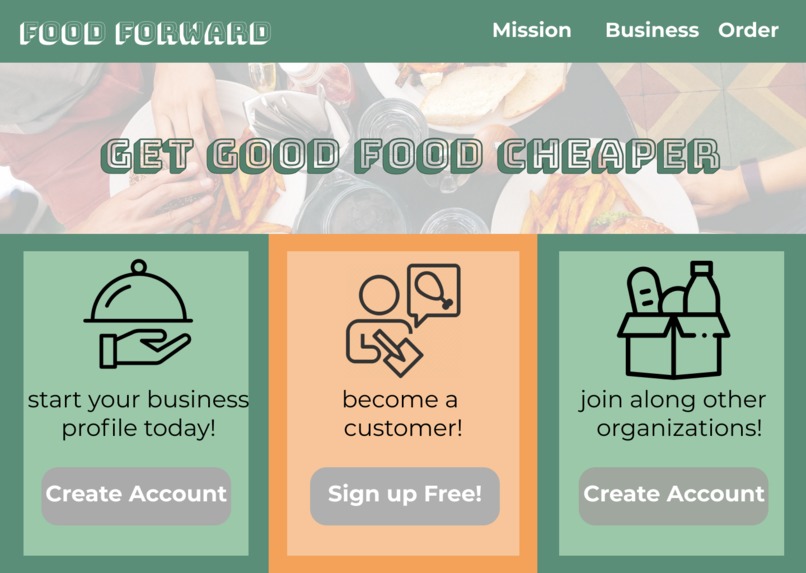
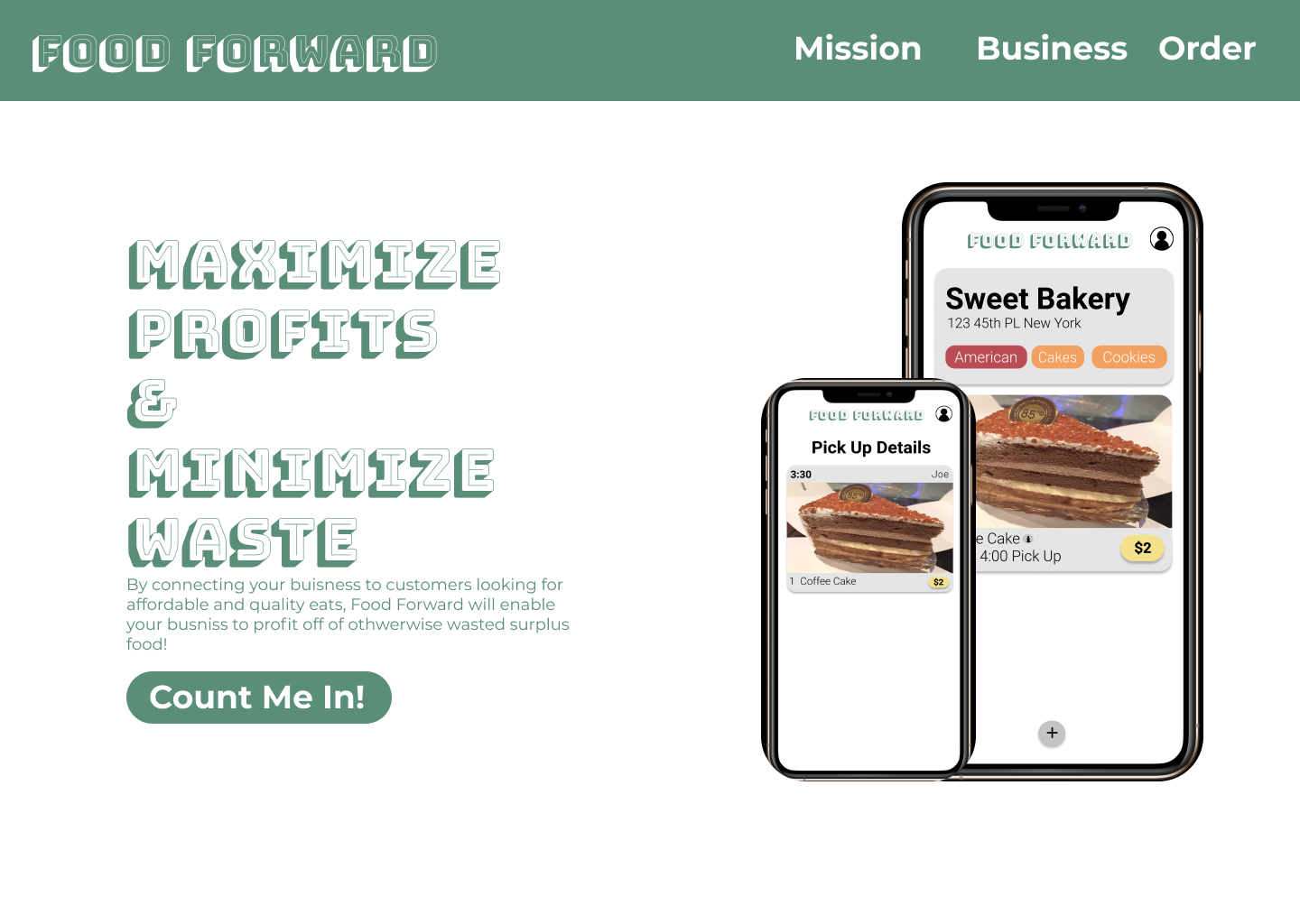
Home Page
-
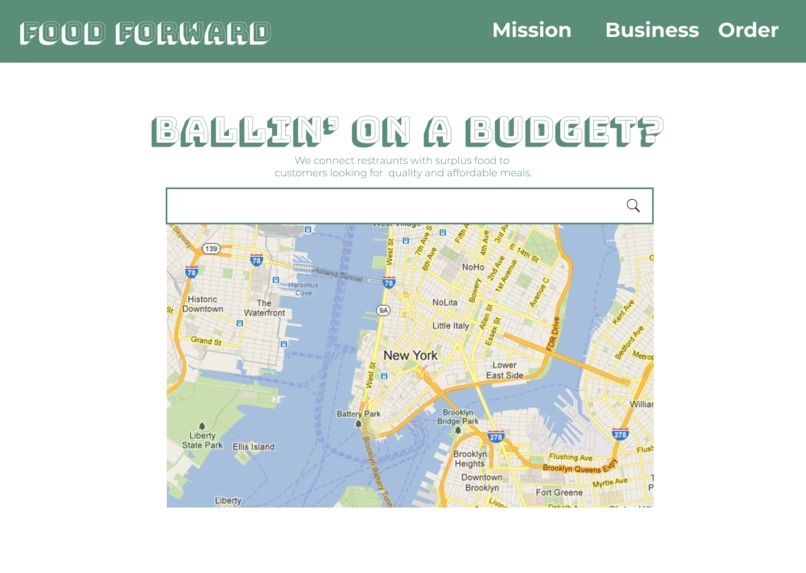
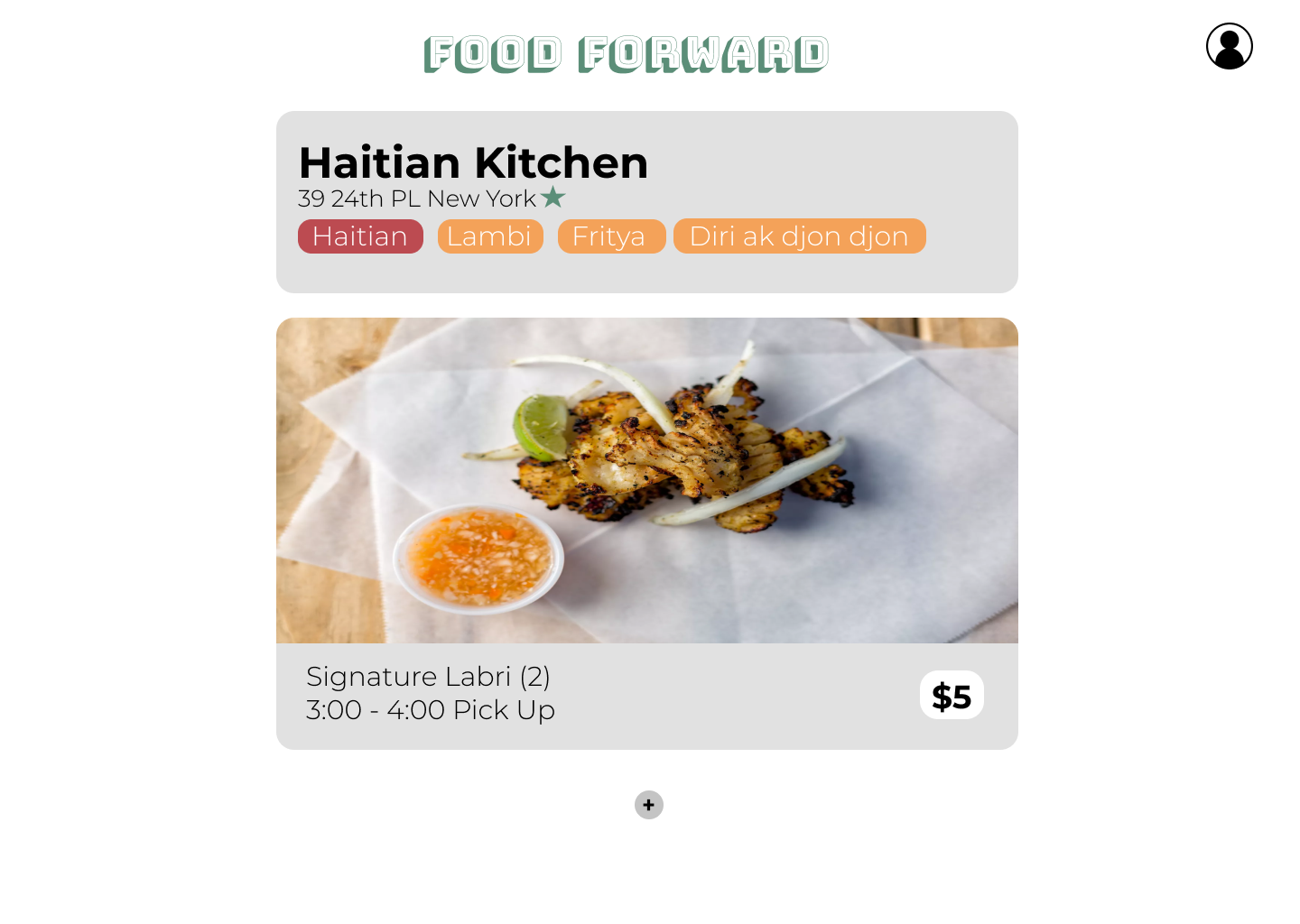
Customer Page
-
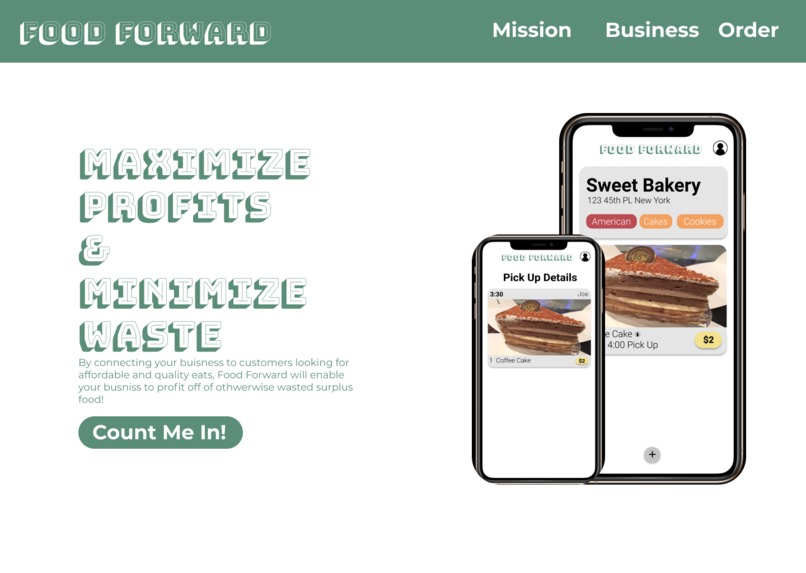
Small Business Page
-
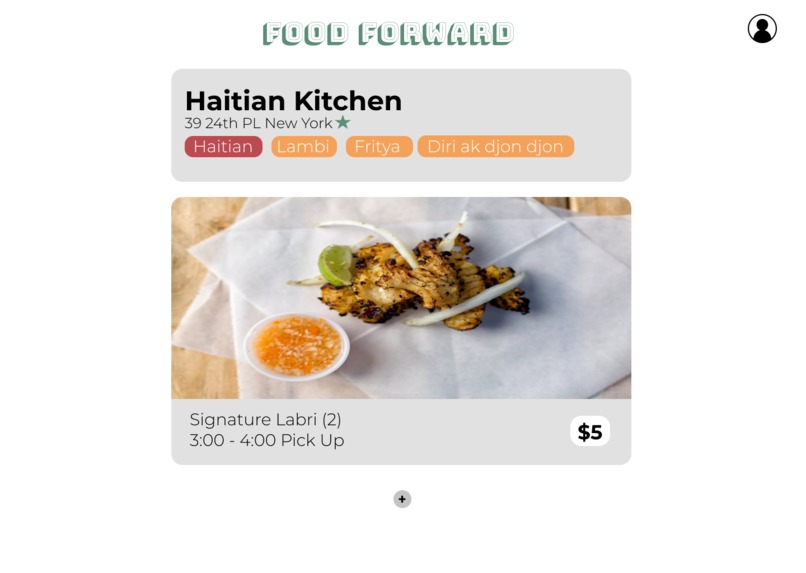
Small Business Profile Page
-
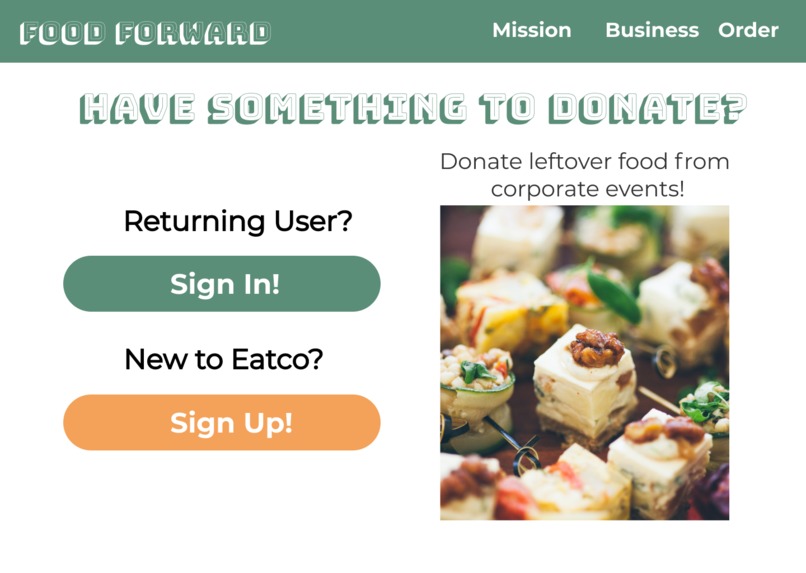
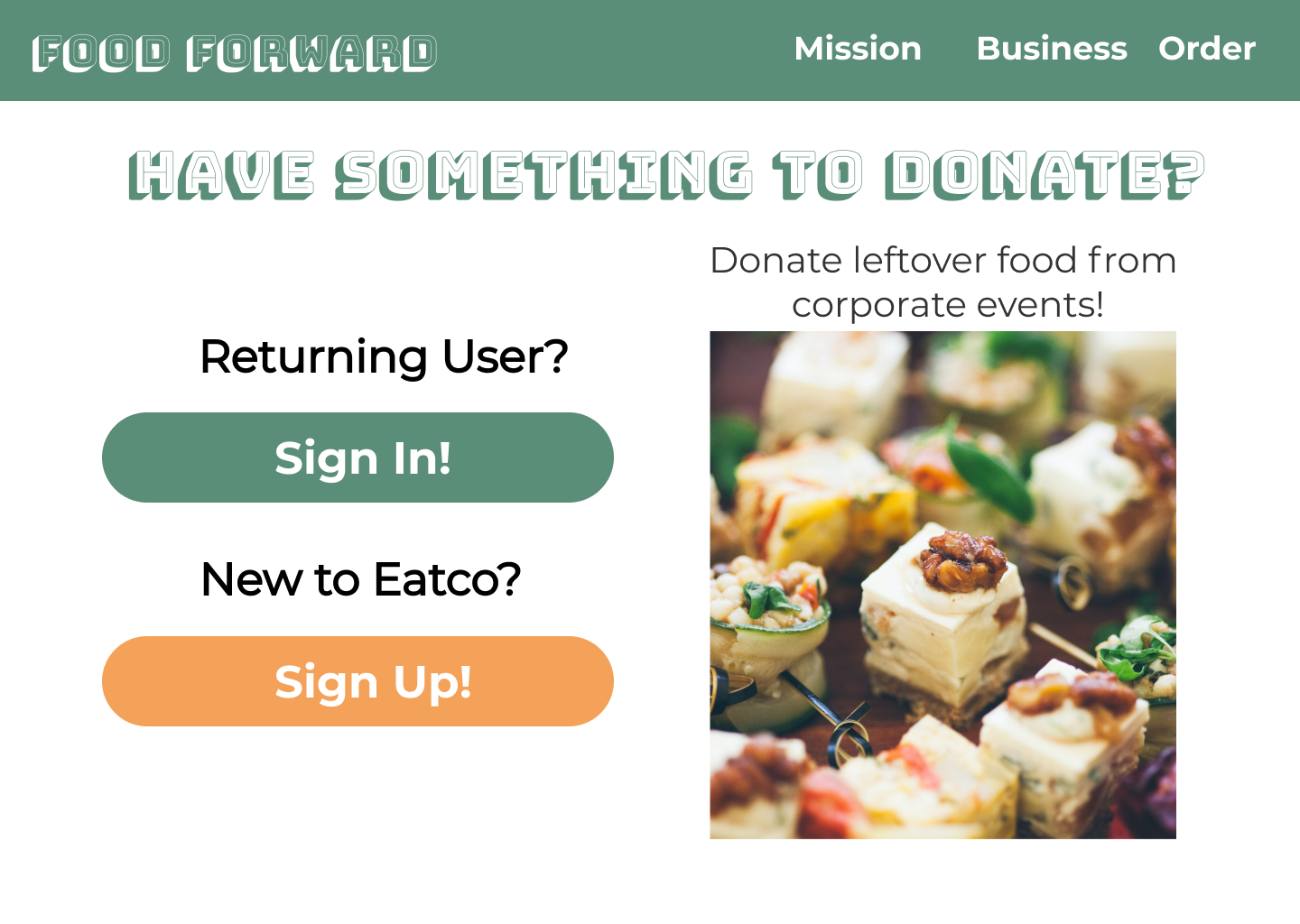
Large Business Page
-
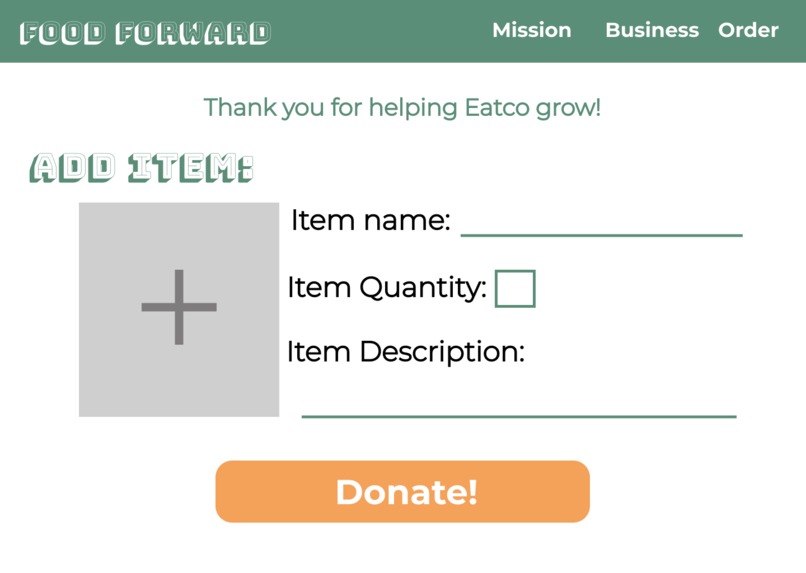
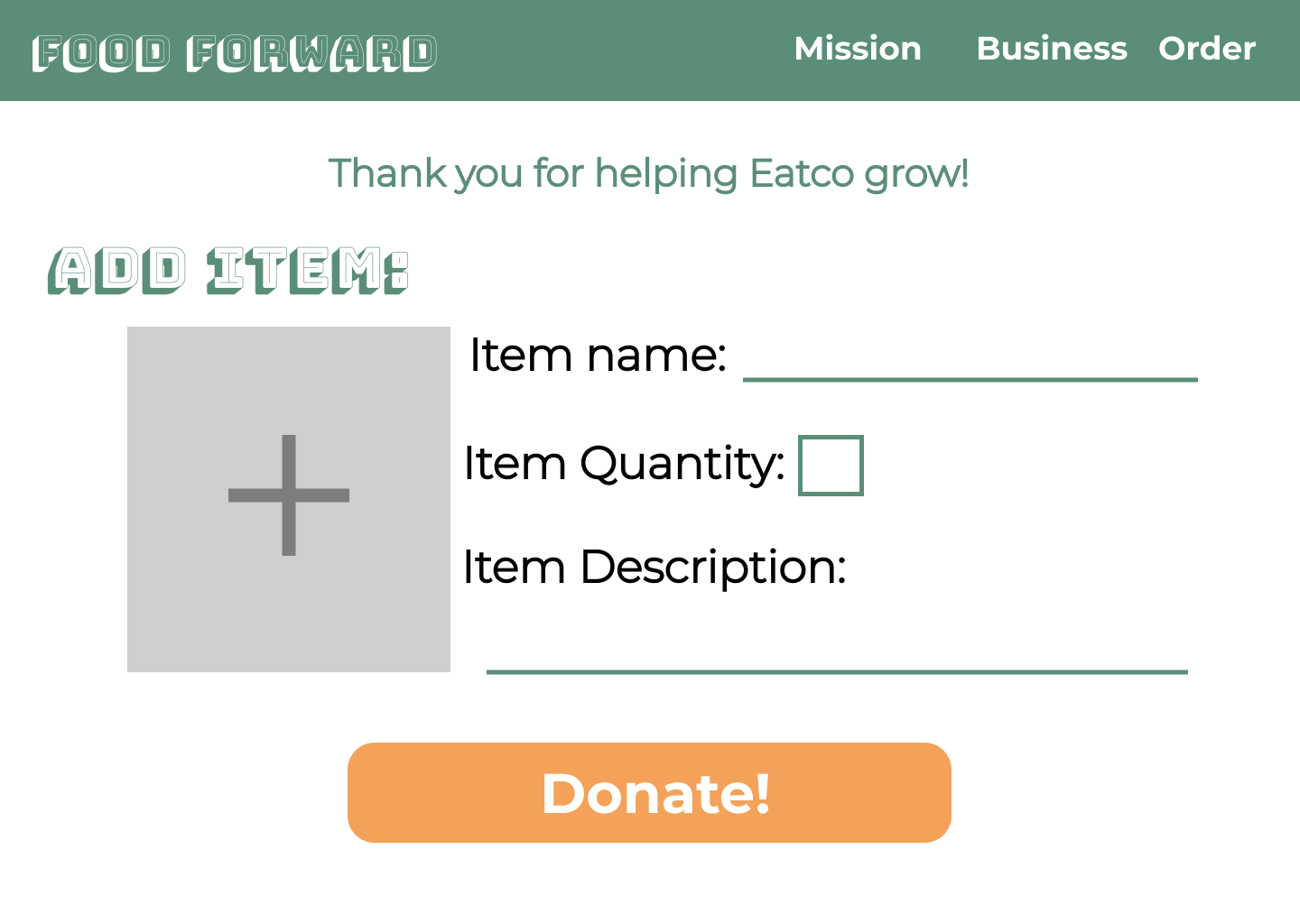
Large Business Add Item Page
Inspiration
Once I was the last customer at a local Starbucks. As I was waiting in line, an employee came out of the storage room carrying a big trash bag. In one swift motion, she swept all of the packaged food from the shelf into the bag. I was extremely shocked by the wastefulness as the items looked perfectly fine. Additionally, after researching our project, we learned of COVID-19s disproportionate effect on small businesses and working-class families. Hence, we came up with a solution to combat this situation to help the community in this trying time. We noticed that similar platforms (Karma, OLIO, Too Good To Go) exist in Europe's villages. Still, they fail to reach a broader audience. Food Forward is a scaleable idea that seeks to help the environment and those in need.
What it does
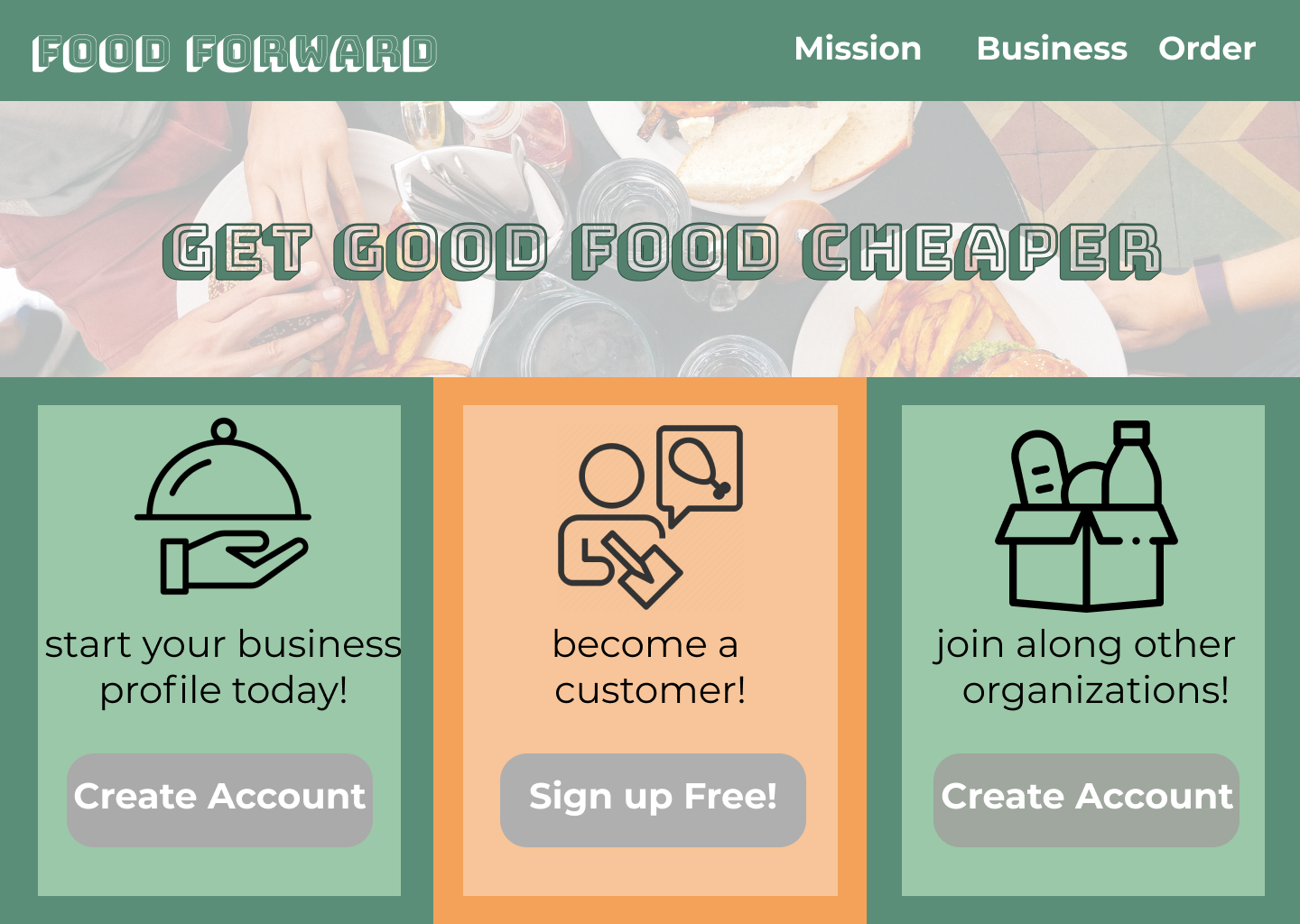
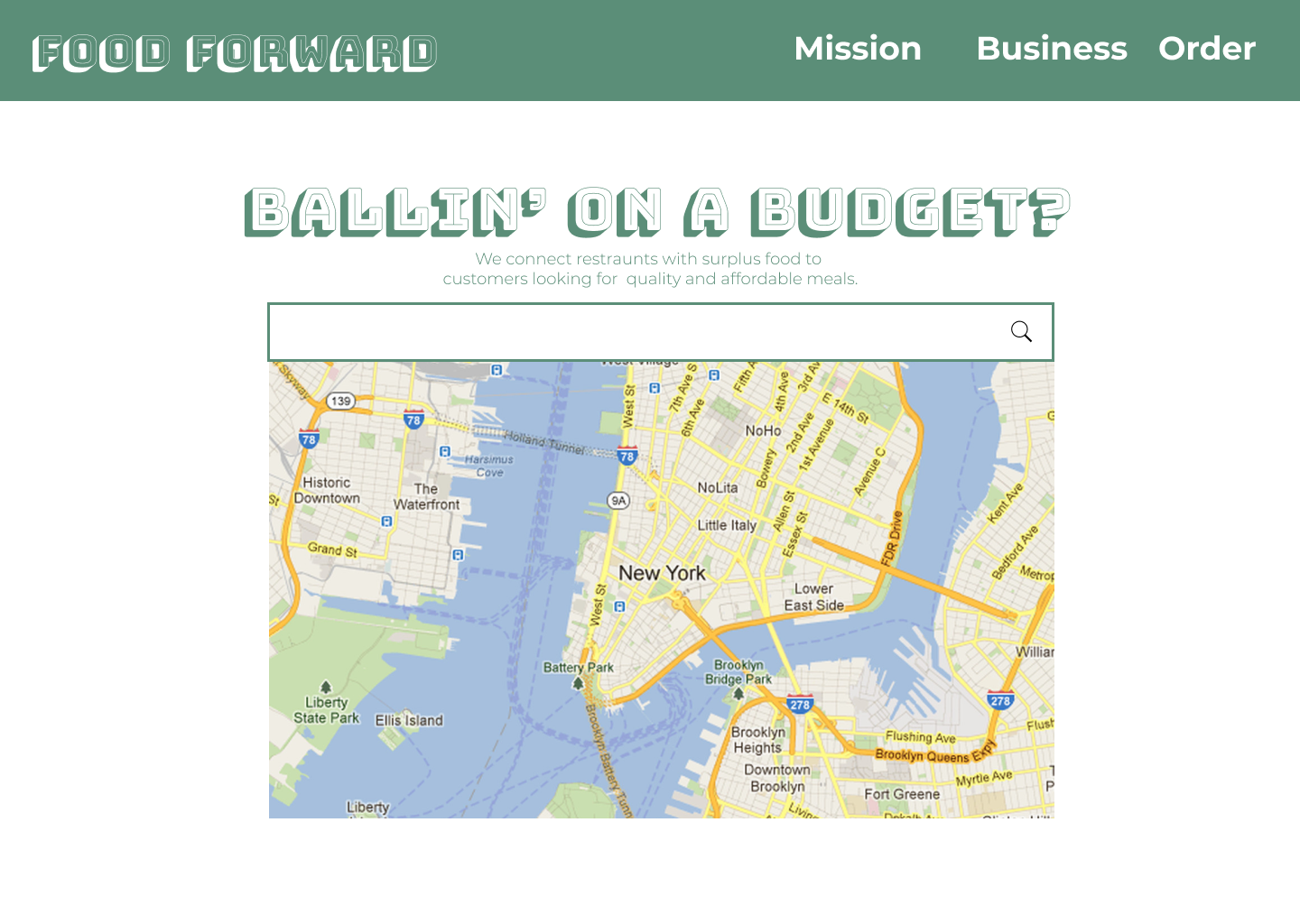
Food Forward connects stores with surplus food to customers looking for quality and affordable eats at a high level. Additionally, business with left over food from corporate events can donate through Food Forward. Restaurants with surplus food create an account where they post items for sale. They indicate the desired time range for the item to be picked up. Customers can search for restaurants near them. Searches can be filtered by cuisine, price, and item. We intend for all payments to occur on the site.
How we built it
We developed a prototype in Figma. Using HTML, CSS, JavaScript, and OpenLayers, we began implementing our idea.
Challenges we ran into
As beginner programmers, developing Food Forward was both a challenging and exciting process. Figma enabled us to turn our ideas into reality; however, we soon learned that implementing our concept was not easy. We struggled to import a map API into our site and create animations. As we mainly learned coding through Java, the coding process included plenty of looking at tutorials and testing unfamiliar functions.
Accomplishments that we're proud of
We are most proud of our idea. Food Forward positively impacts small businesses, people dealing with food insecurity, and the environment. In a time where COVID-19 has exacerbated the struggles of marginalized communities, Food Forward has the potential to impact the lives of many. Our website has much room to grow, and the challenge of building it excites us.
What we learned
We learned that converting an idea to code is very difficult, and collaborating virtually, especially when coding, is quite challenging.
What's next for Food Forward
As our coding abilities grow, we hope to develop our site to have more functions. Eventually, we would like to create a mobile application serving the United States.


Log in or sign up for Devpost to join the conversation.