-
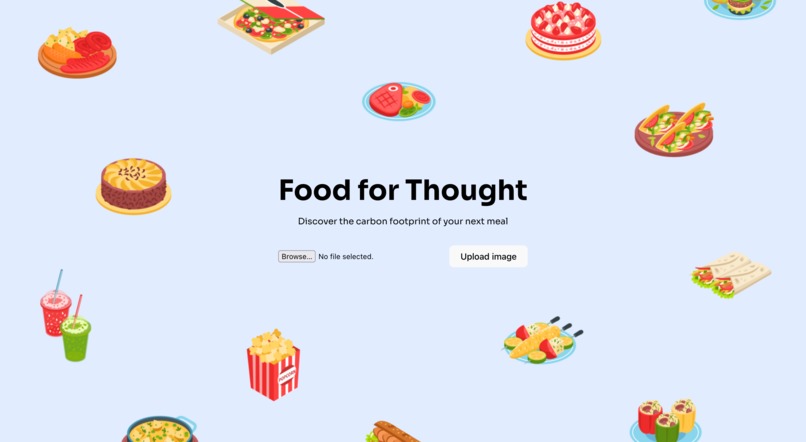
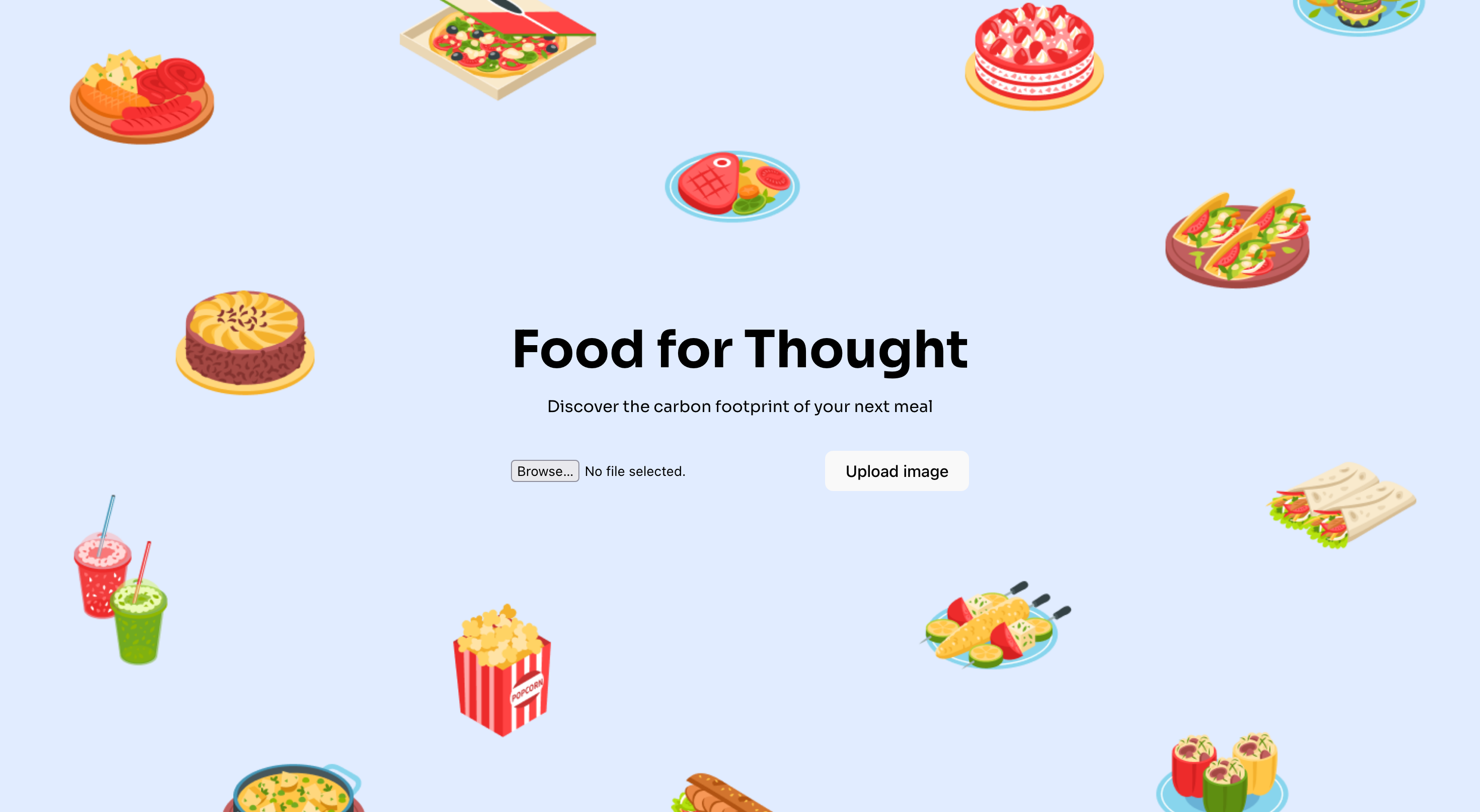
main page
-
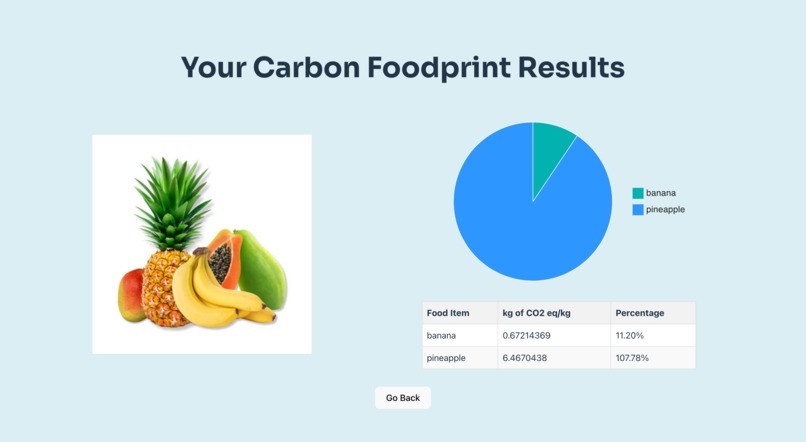
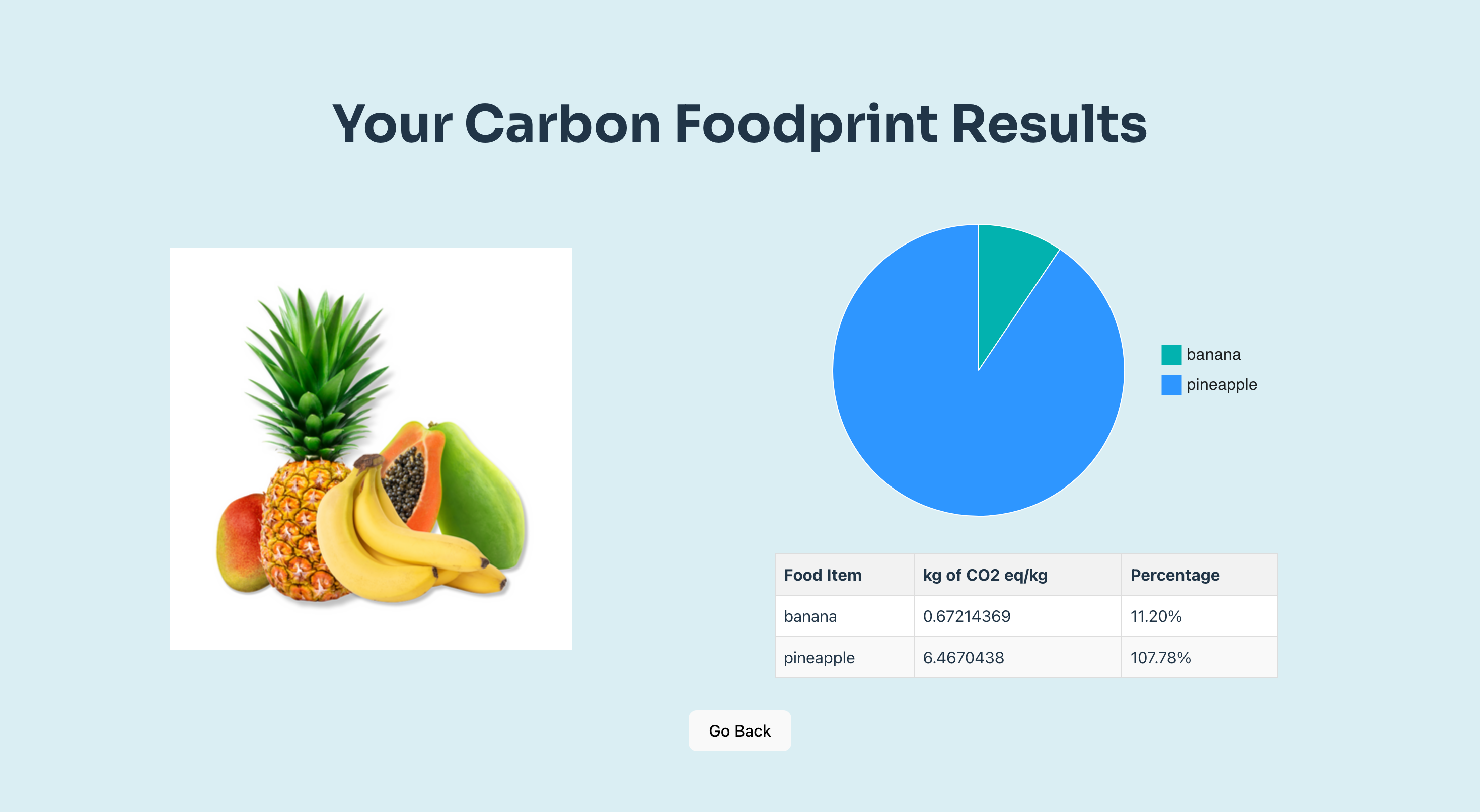
carbon footprint of fruit
-
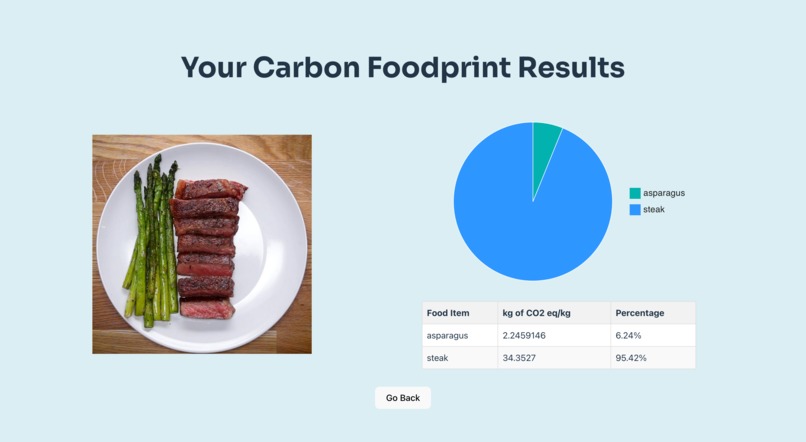
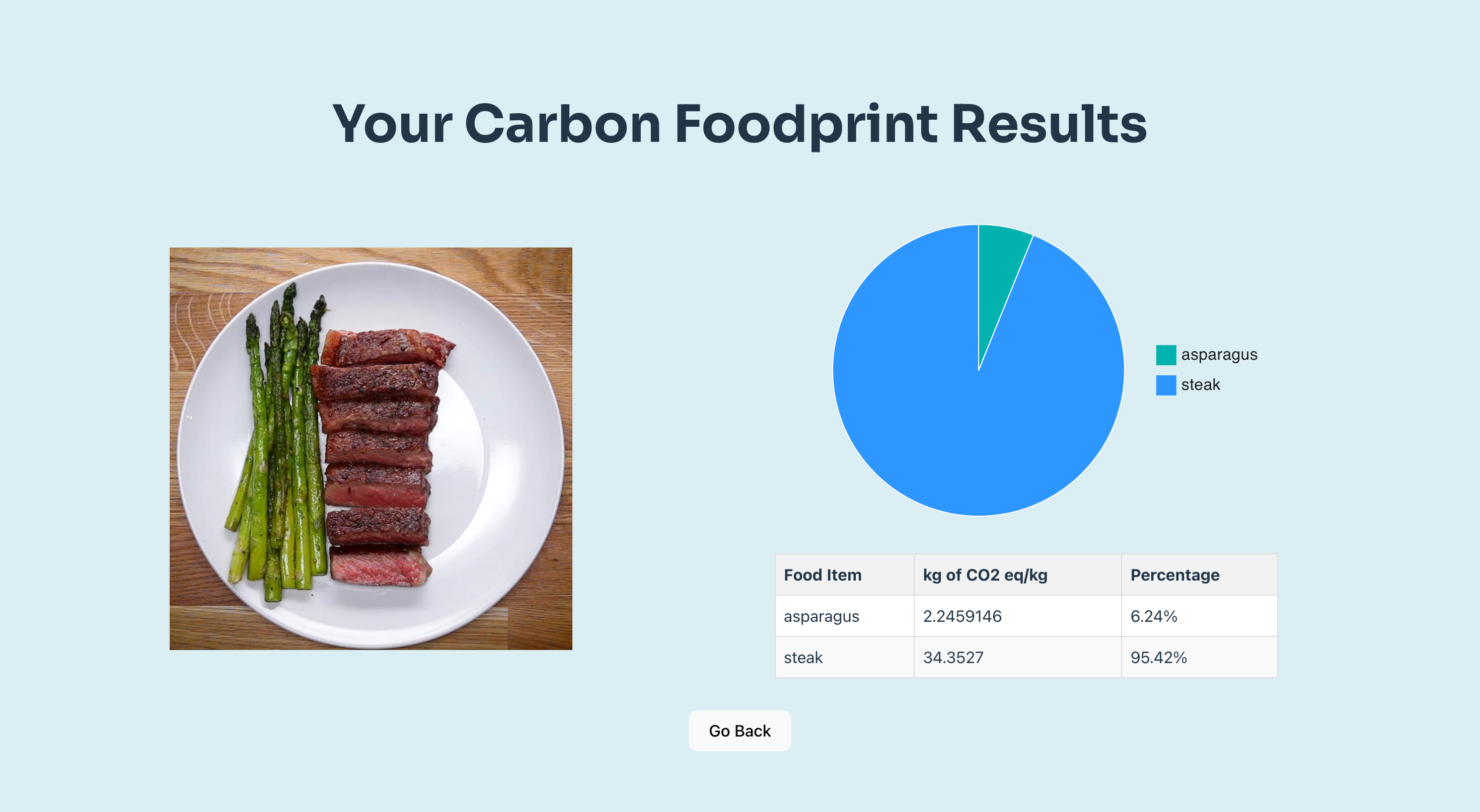
carbon footprint of steak meal
-
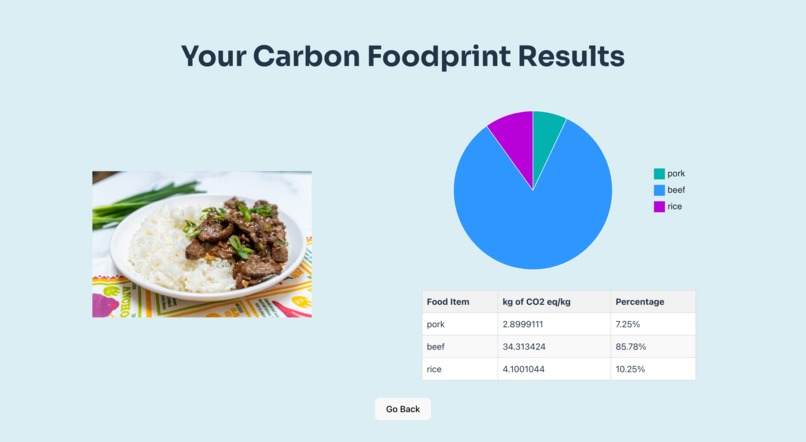
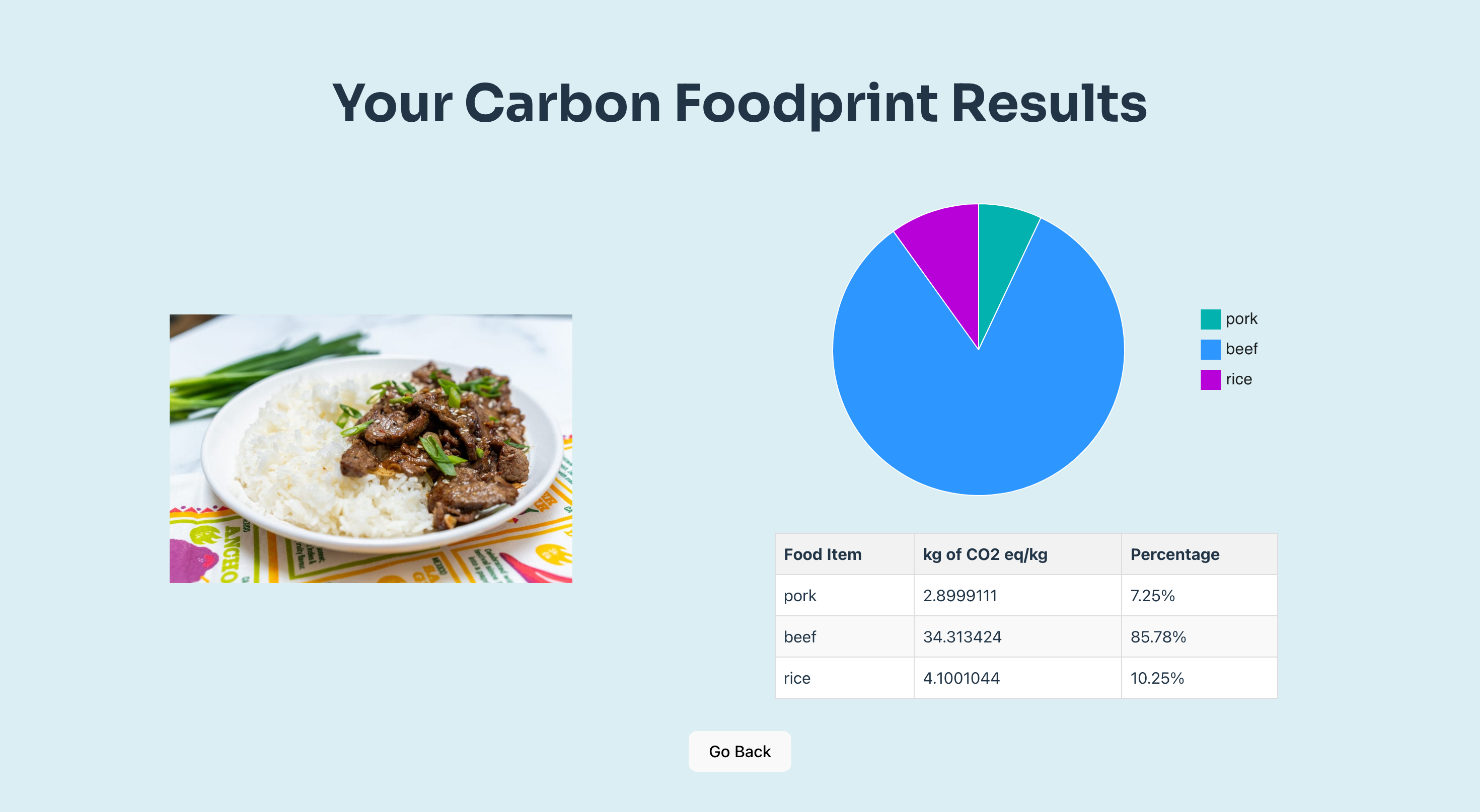
carbon footprint of meat stirfry
🍳 What it does
Users can upload images of their food to our web app. The backend model detects the food in the picture and displays the item's carbon footprint data.
🍈 How we built it
The web app is built with React + Flask. The backend is a combination of two CV models. The first model is Ultralytics' YOLOv8 detection model that was trained on ~90 different foods. If our first model is not able to classify the food (e.g, the food is not one of the 90 labels it was trained on), we then query another off the shelf pretrained model that can detect 500+ classes of food. Using the output classes of the model, we then used an api to get the food carbon footprint data and display it to the user.
🥩 Inspiration
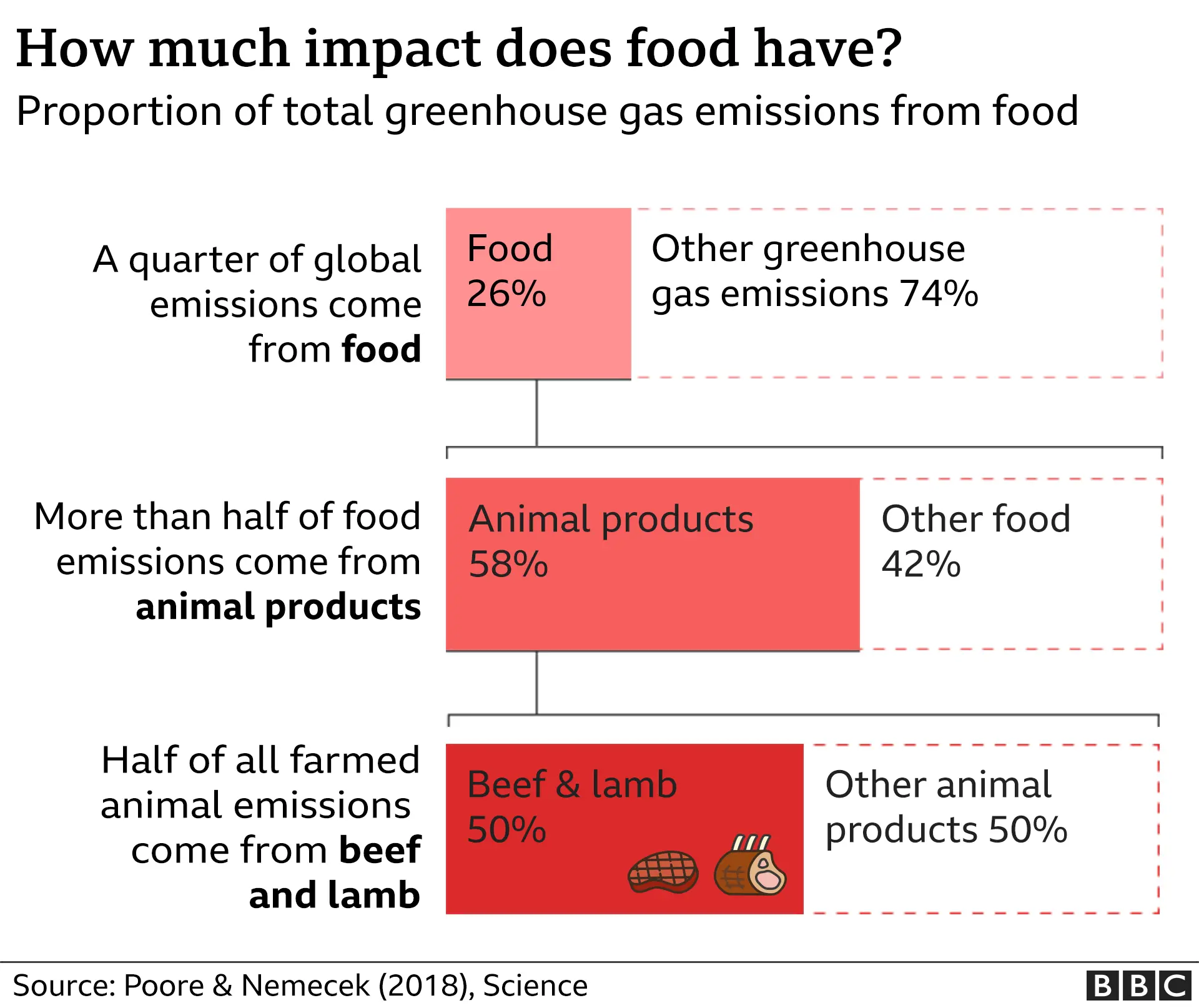
When we think of reducing our carbon footprint, we often consider actions like driving less or using less electricity. However, people rarely think about the carbon footprint of the food they consume. Food’s carbon footprint, or "foodprint," refers to the greenhouse gas emissions produced throughout the entire lifecycle of food. Recent reports show that livestock agriculture alone contributes to nearly half of all man-made emissions. Many people don’t realize that simply changing the types of food they eat can have a significant impact on their overall carbon footprint.
🍋 Challenges we ran into
- A lack of food training data with a diverse and good range of classes
- Dependency hell with pre-trained model libraries
🥘 What's next for Food for Thought
We believe that Food for Thought would be a great integration into a fitness meal tracking app such as MyFitnessPal.
- Better breakdowns and more information on food carbon footprint
- Training the model on more classes
- Training an image segmentation model to estimate the area of the food, so that we can make better calculations on the density of the food

Log in or sign up for Devpost to join the conversation.