-
-
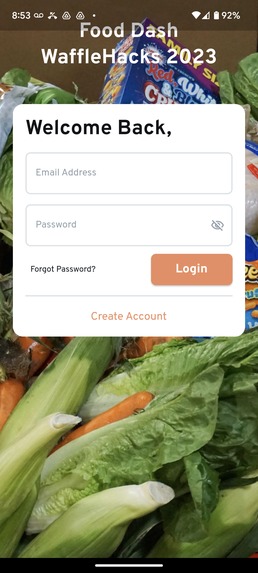
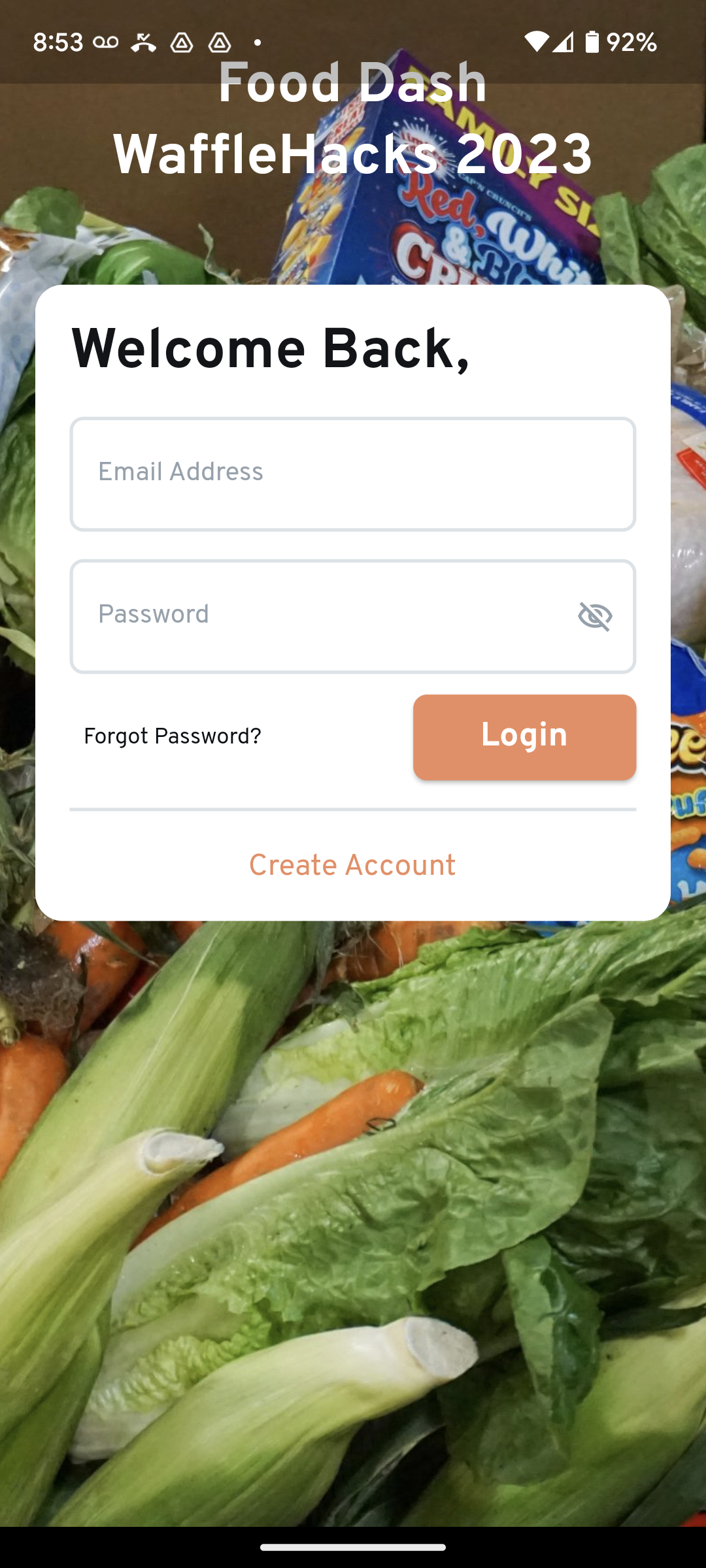
Login Page
-
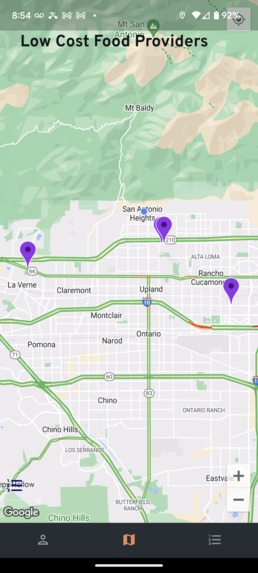
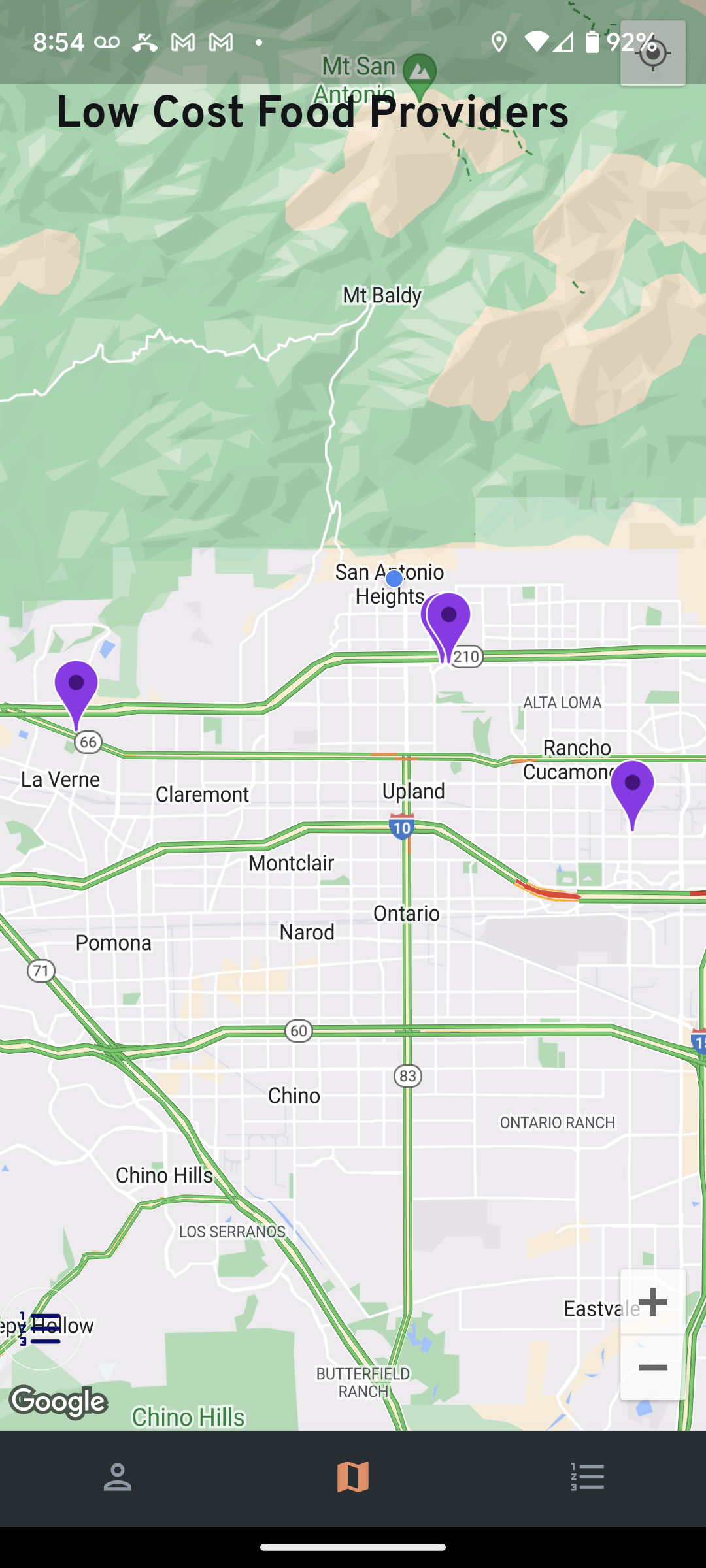
Map View
-
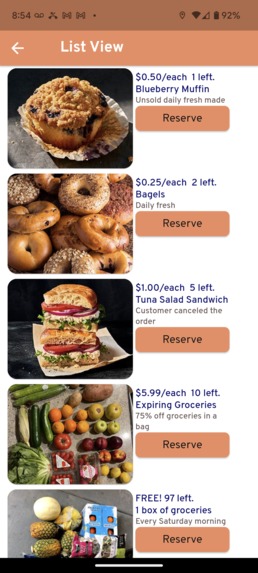
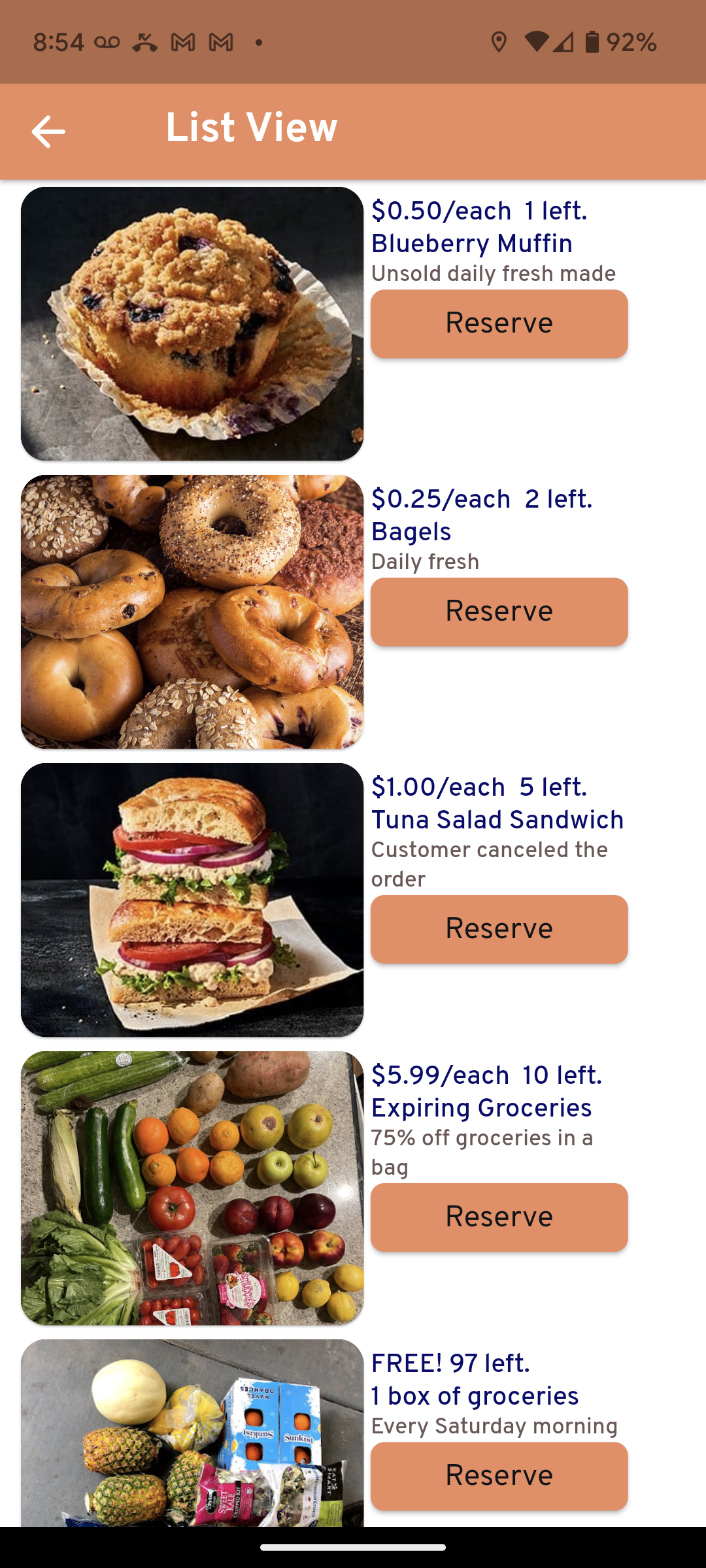
List View
-
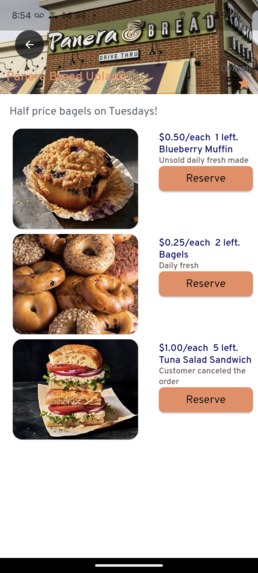
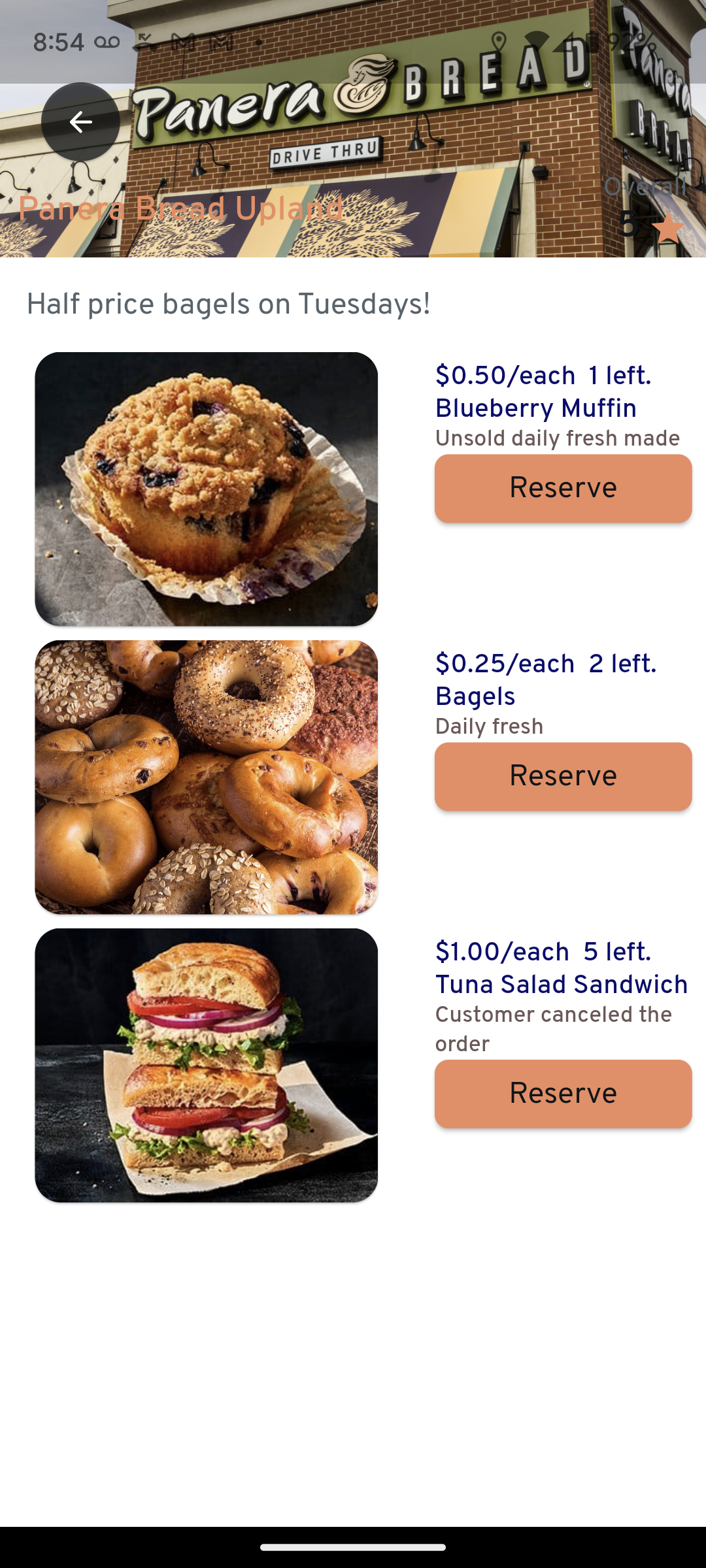
Store View
Inspiration
Our inspiration behind Food Dash was the alarming reality of food waste that occurs throughout the globe. In the United States alone, an astounding 119 billion pounds of food is discarded annually, translating into a loss of $408 billion. In addition, 84.3% of perfectly fresh food that isn't used in American restaurants is thrown out. However, our team saw an opportunity to connect restaurants/food markets left with surplus food and individuals on the lookout for budget-friendly meals, all while reducing food waste.
What it does
Food Dash is a powerful app to combat food waste and encourage responsible food consumption. It offers an easy-to-use platform for establishments to sell and distribute surplus food items at reduced prices or even free to interested users. This excess food, which would otherwise add to landfills, would find its way to the hands of those seeking affordable meals. Through Food Dash, restaurants can list their excess food and essential details like quantity, price, and the designated pickup time. On the other end, users search these postings based on their location, select what they want, and reserve the items. Upon confirmation, a unique QR code is generated for pickup verification at the restaurant, ensuring a quick and easy process.
How we built it
We built Food Dash with Google Cloud's Firebase and FlutterFlow. To enhance the user experience, we incorporated an API that generates unique QR codes for each user. When a user is registered, the app sends a request to another QR-code-generating server with a new QR code containing a unique user ID. Additionally, we integrated a Google Map widget into the app, utilizing the built-in features of FlutterFlow.
Challenges we ran into
Due to time constraints, we could not test the app on an iOS version, focusing mainly on the Android platform. However, because of FlutterFlow's all-in-one platform, cross-platform compatibility is relatively simple to integrate. Another challenge we faced was brainstorming and implementing the QR code functionality into the app. After some thought, we devised a solution by utilizing another server to generate unique and randomized QR codes for each user. When a restaurant manager scans the QR code, the app identifies the unique ID embedded within it. This ID is then searched for in the Firebase database, allowing us to retrieve and effectively confirm the user's reserved items.
Accomplishments that we're proud of
One of the achievements we're proud of is the fast response time of our app, thanks to the use of Firebase. By leveraging Firebase's real-time database capabilities, we ensured that the app delivers smooth and rapid interactions between users and restaurants. Another major accomplishment is successfully integrating the QR code API within the app. Users are provided with a unique QR code that serves as their identification when interacting with restaurants. When a user visits a restaurant to collect their reserved items, the restaurant manager scans the QR code using the app. This process retrieves the user's unique ID, enabling the app to recognize and match it with their reservation details instantly.
What we learned
We furthered our learning with the latest features offered by Google Cloud's Firebase and FlutterFlow. By utilizing Firebase as our backend database, we seamlessly integrated it into FlutterFlow's front-end development. This integration enabled us to achieve real-time updates, providing users an interactive and convenient experience. Through building this app, we gained practical knowledge of Firebase's capabilities to store, retrieve, and update data securely and efficiently, contributing to Food Dash's overall functionality and performance.
What's next for Food Dash
We plan to potentially polish and publish this app to the app store since this step will widen our reach and enhance our impact in reducing food waste globally. Furthermore, we are dedicated to improving the Food Dash experience by implementing new features. One such addition would be a rating and review system for restaurants, which will help users make informed choices while creating a sense of user feedback. Another potential feature is an advanced listview, complete with search and filter functionalities, further simplifying the process of finding and reserving surplus food while providing a more convenient experience for our users.

Log in or sign up for Devpost to join the conversation.