-
-
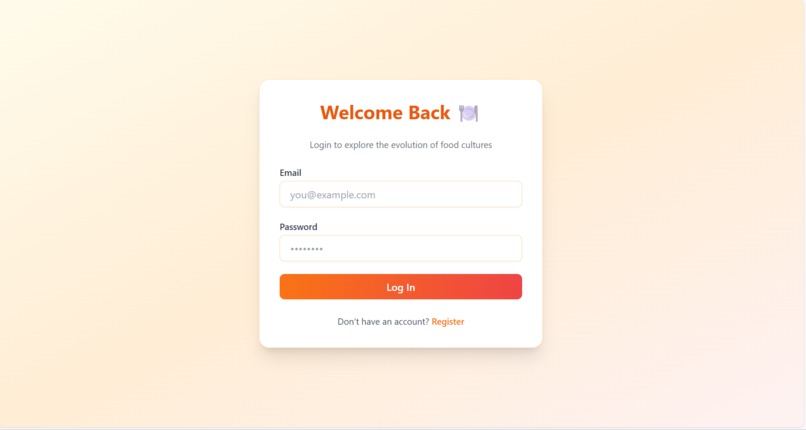
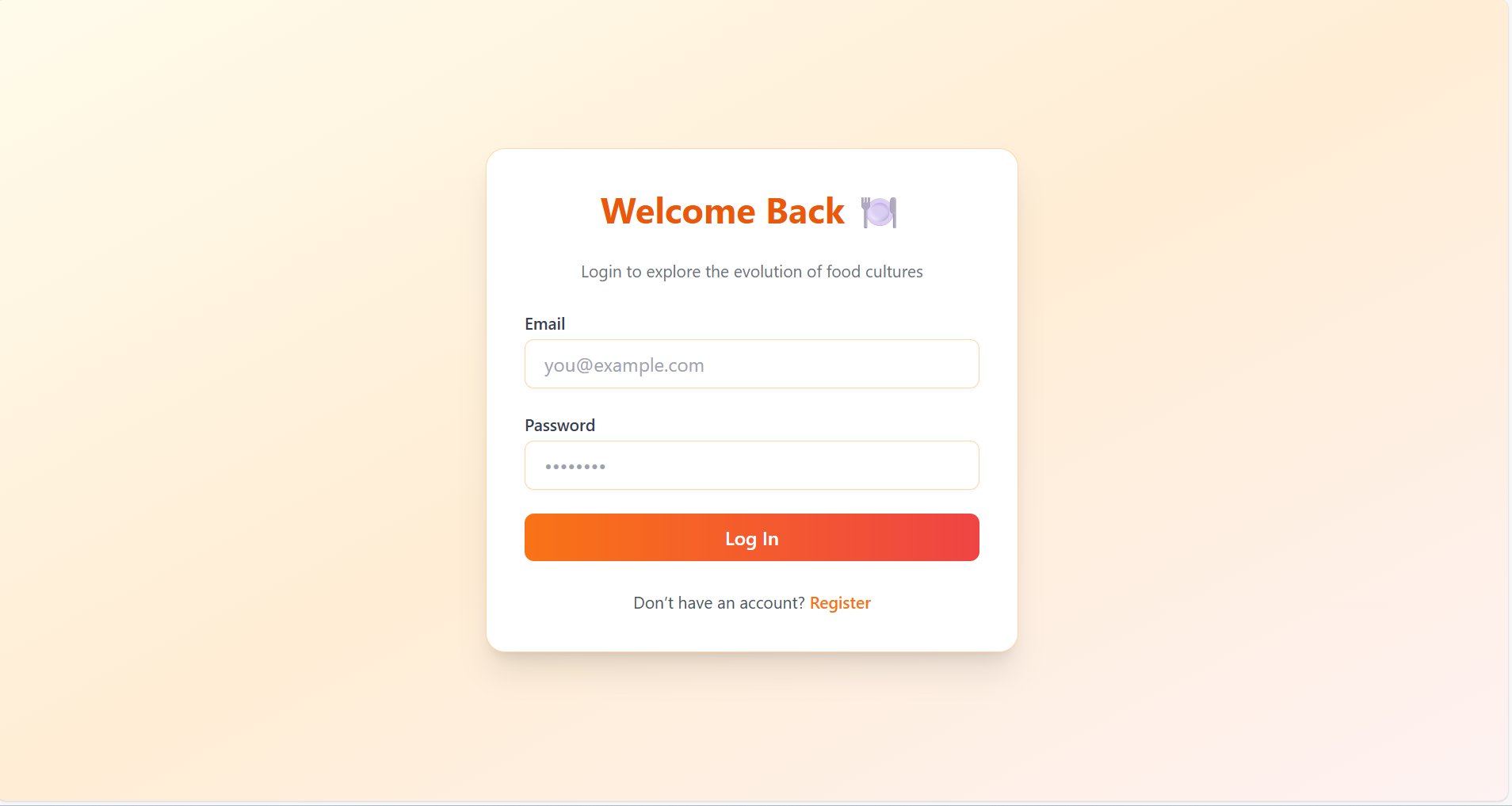
Authentication
-
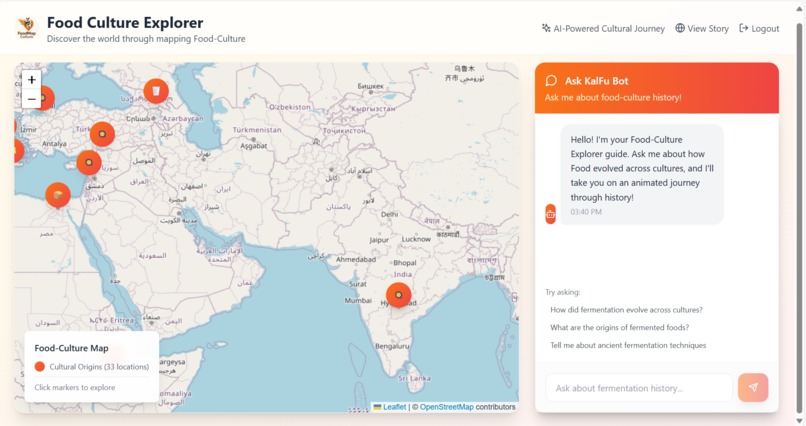
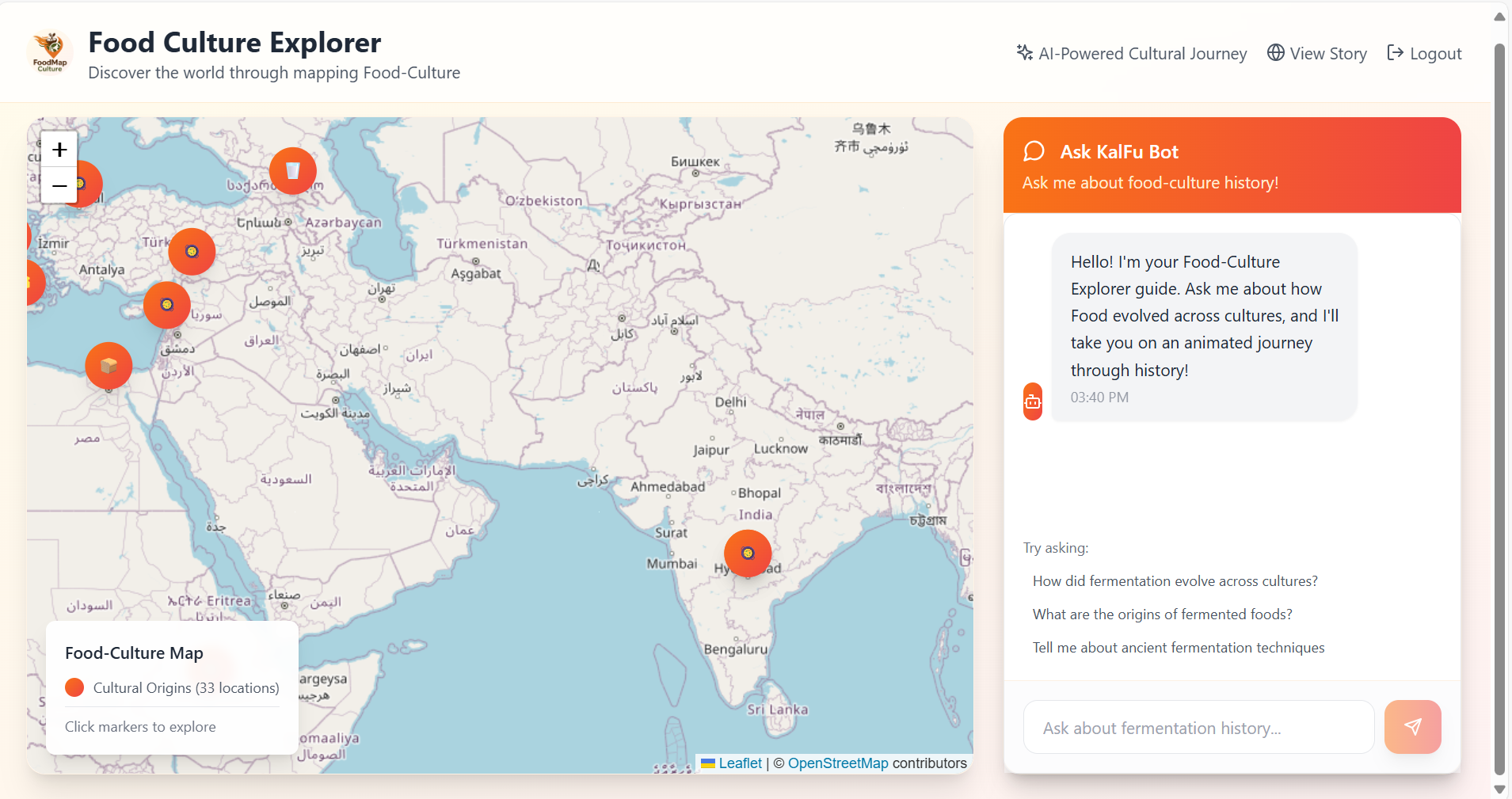
Homepage UI
-
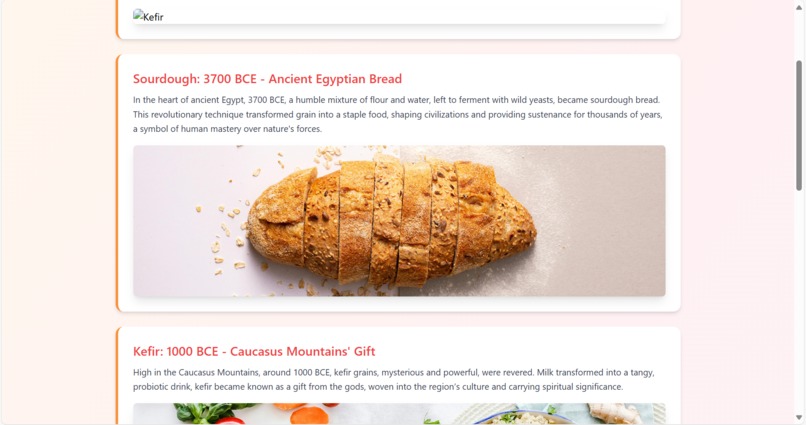
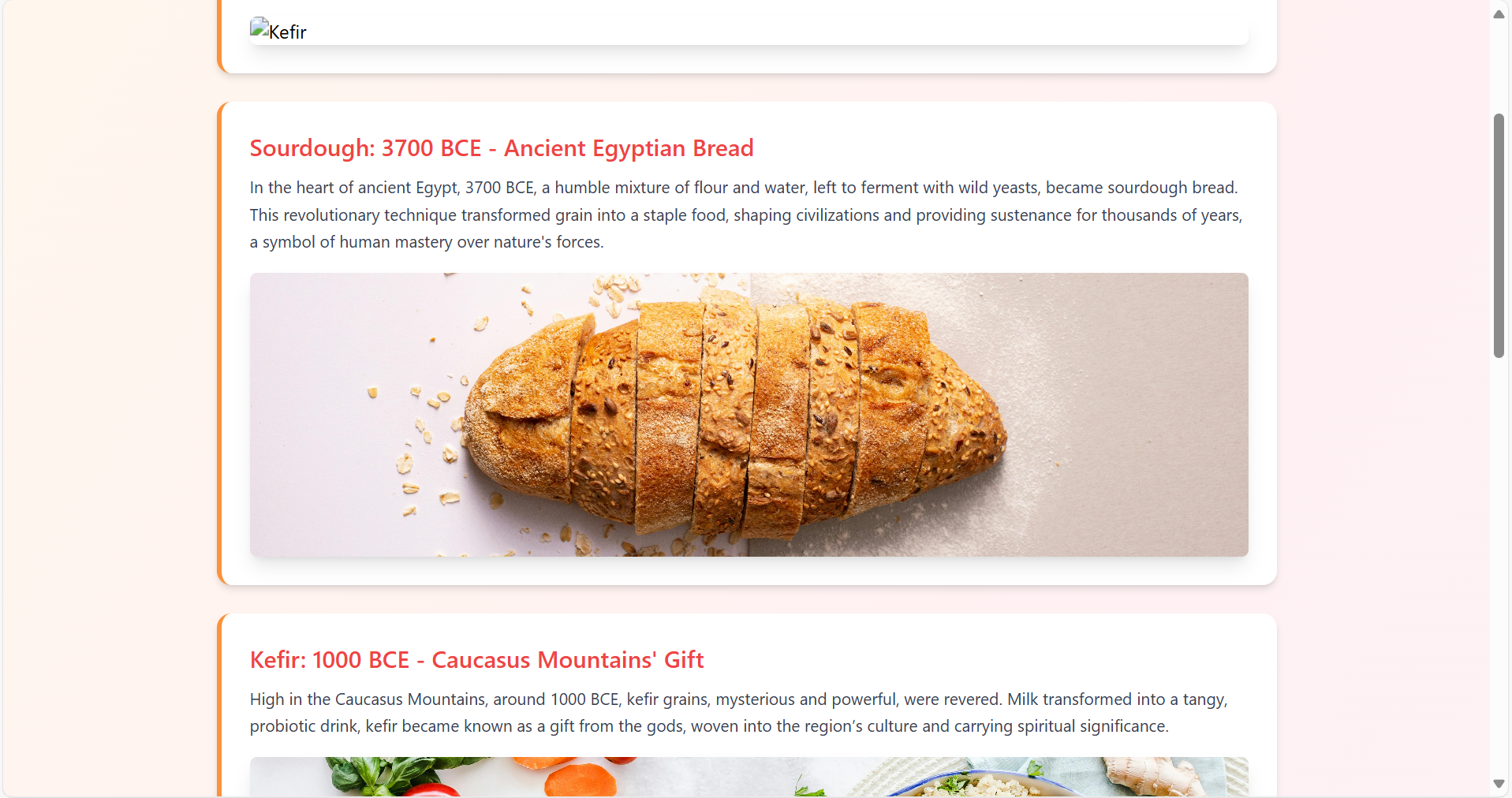
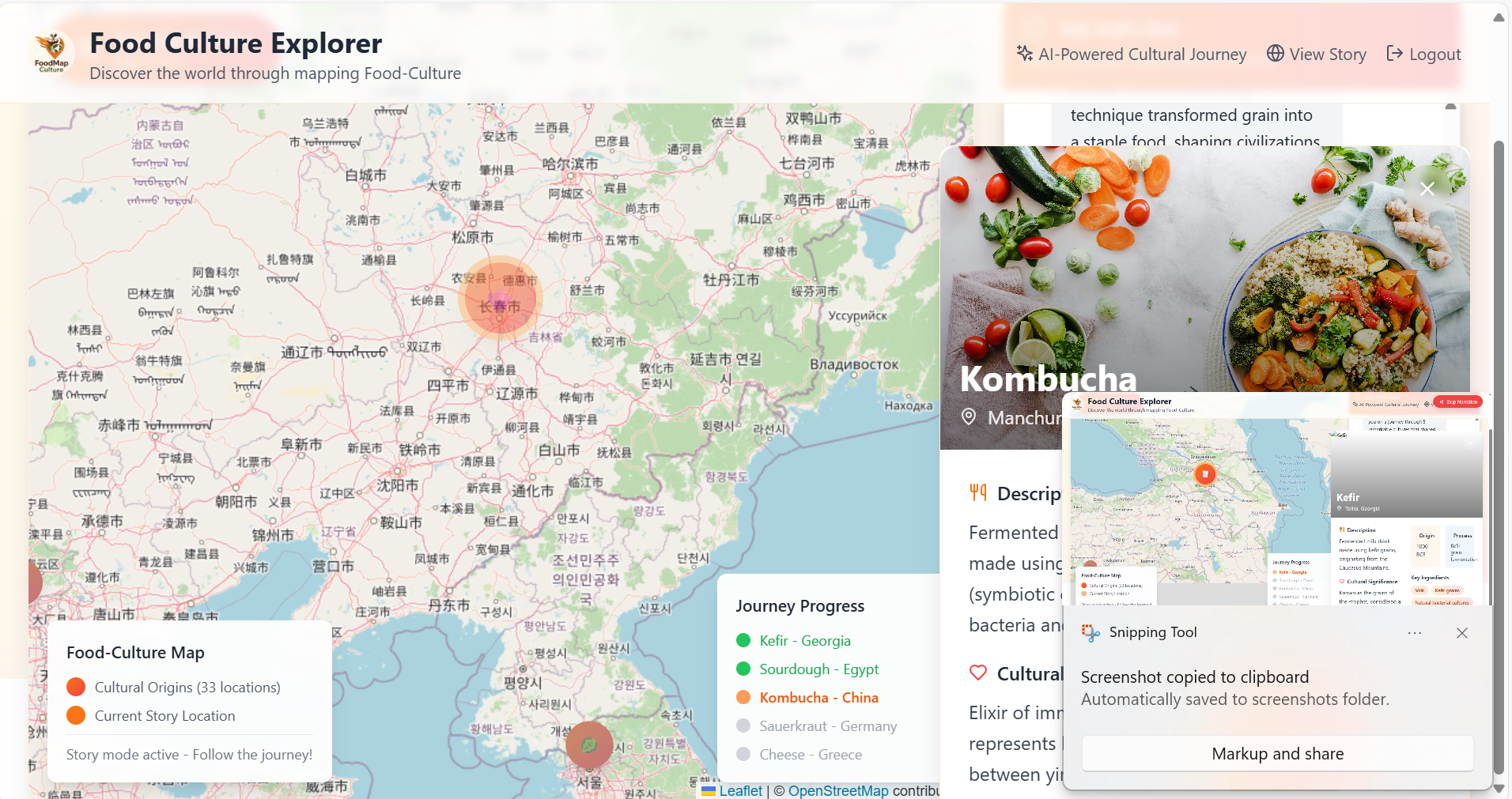
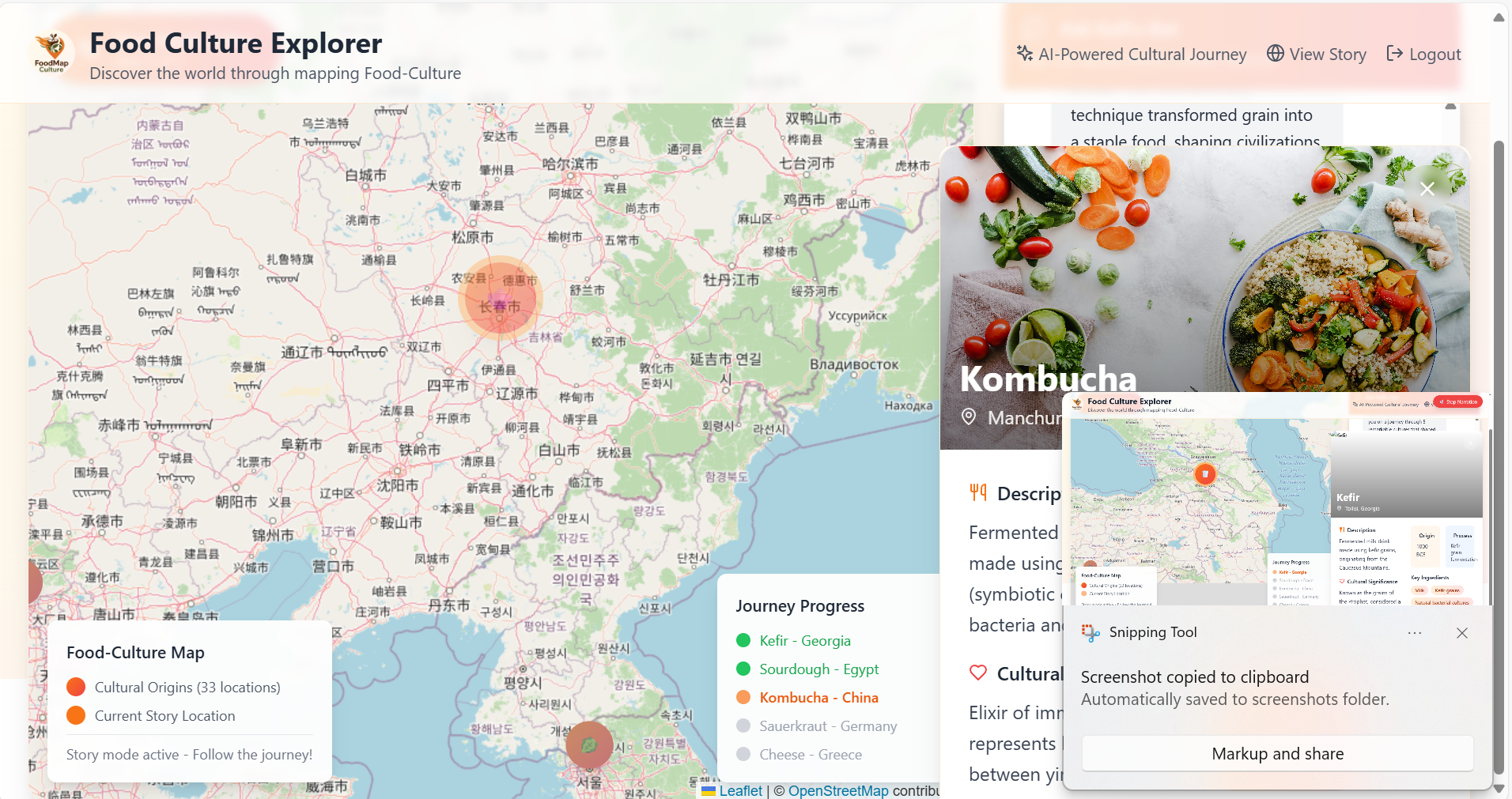
Final RAG Generated Historic Story
-
-
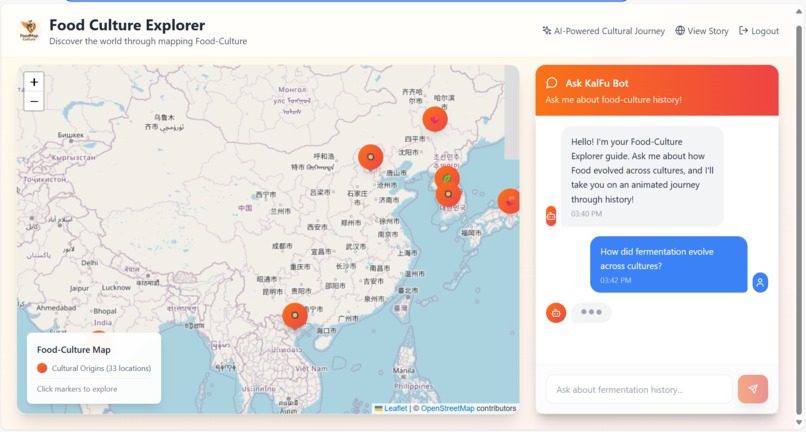
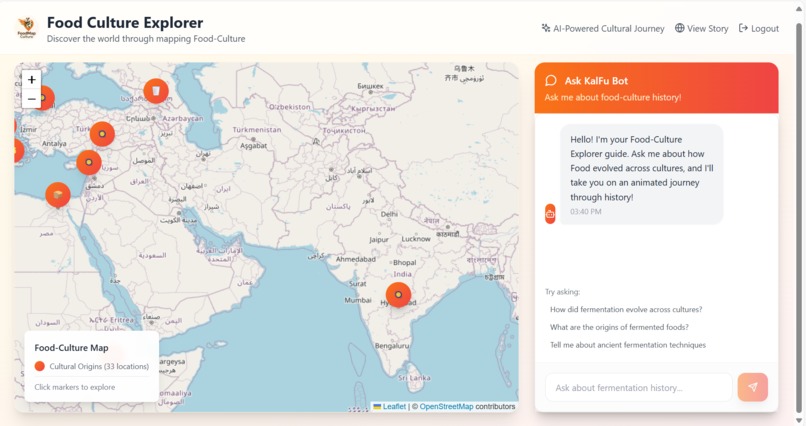
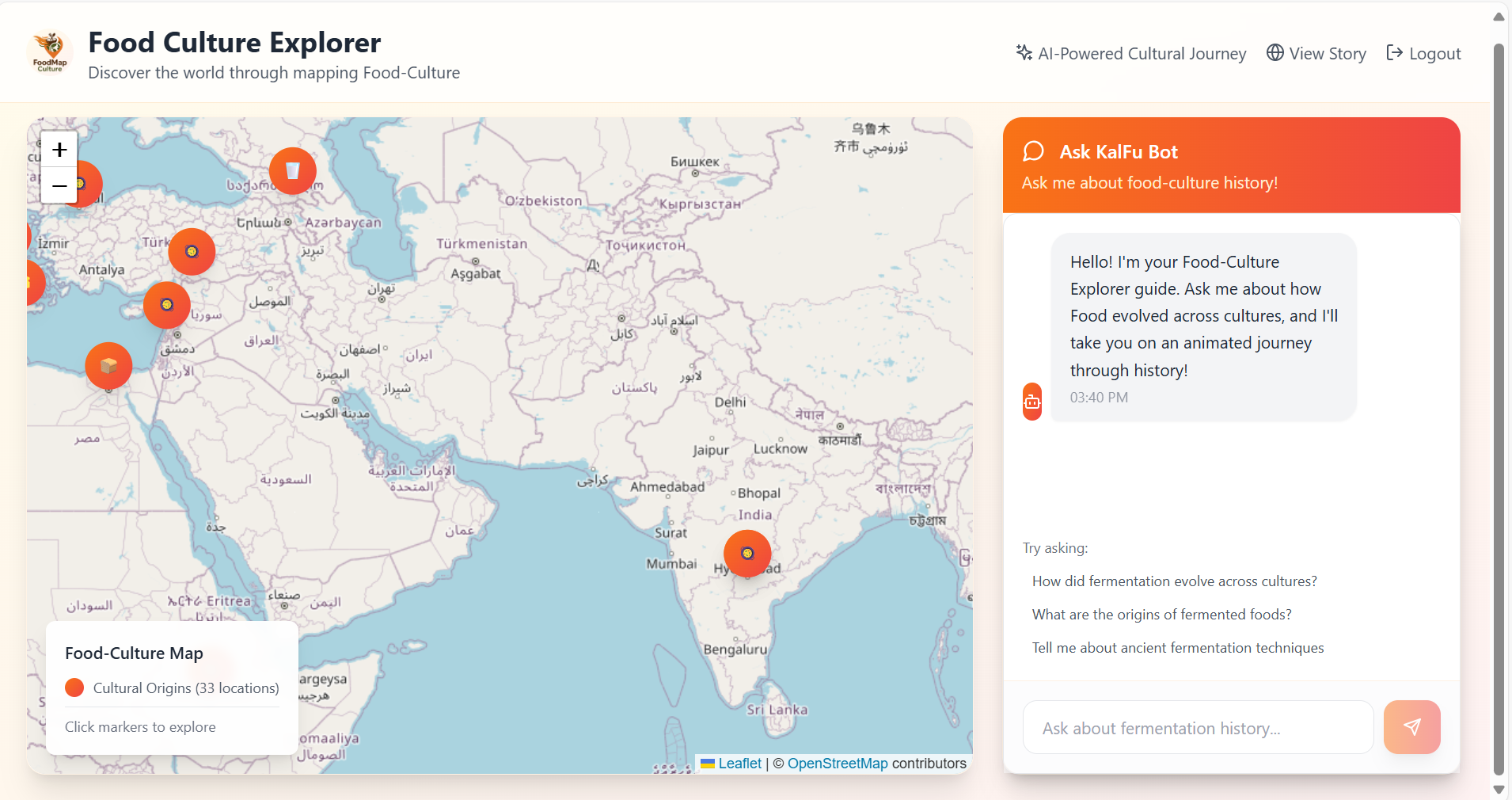
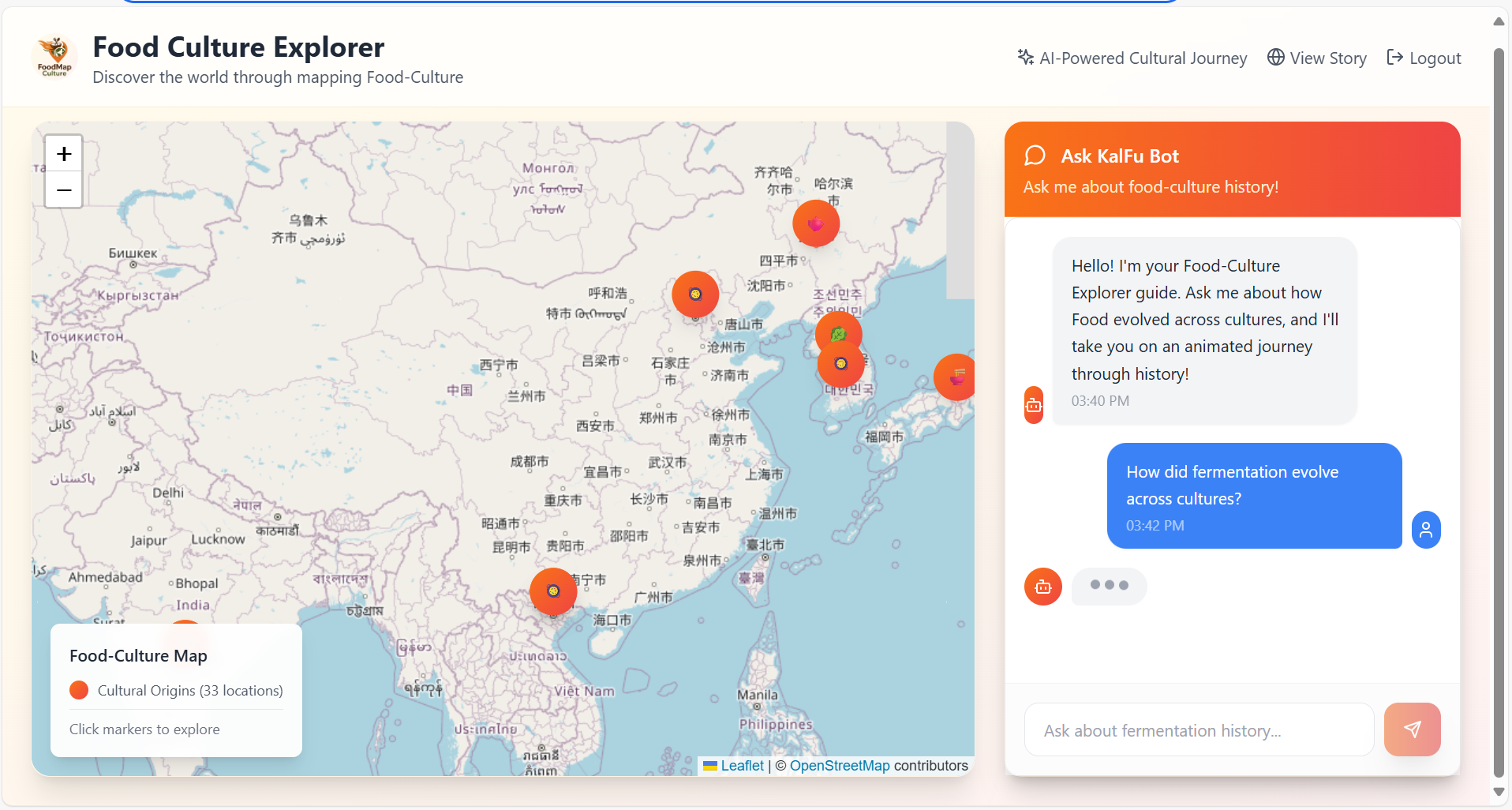
Ask KulFu Bot any question
-
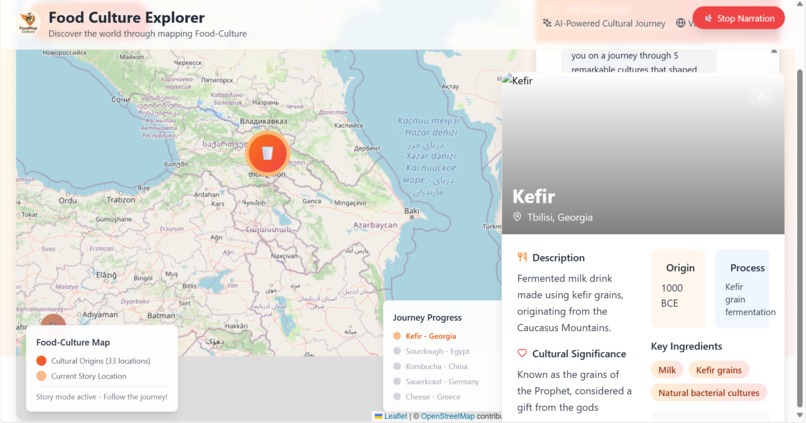
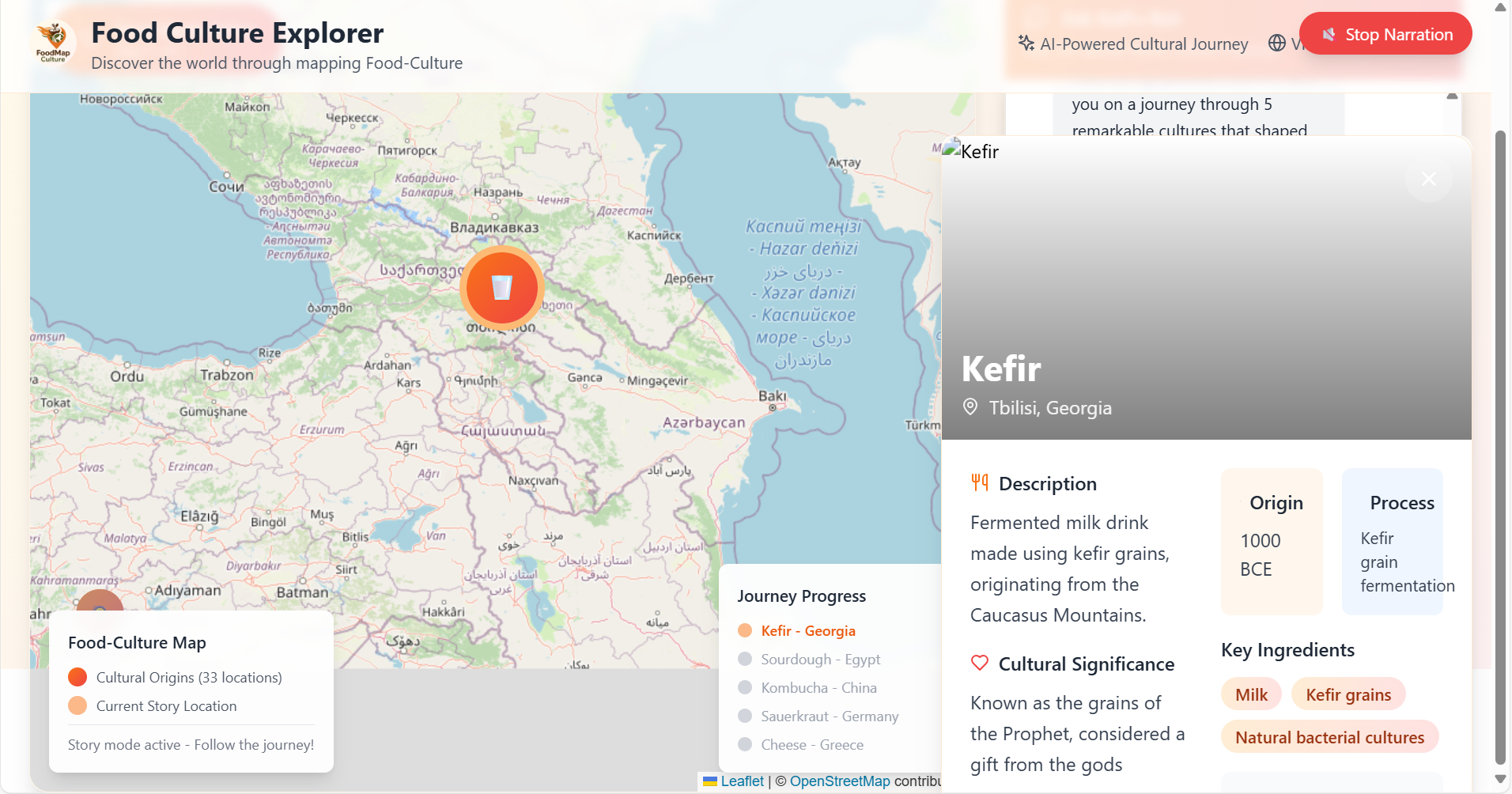
Story Generation in Frontend -2
-
-
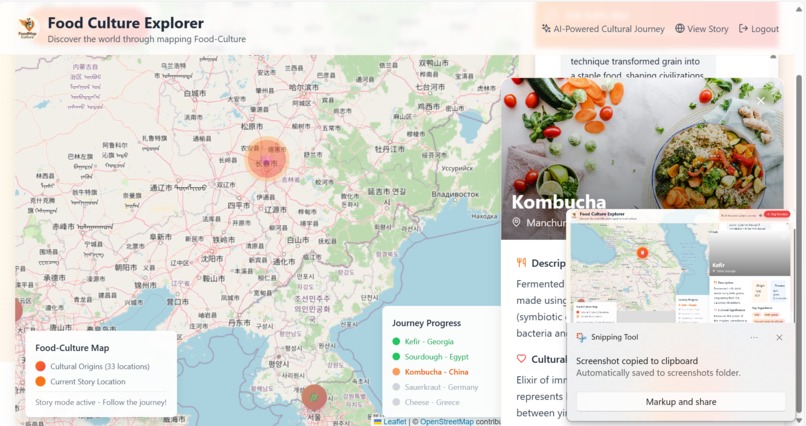
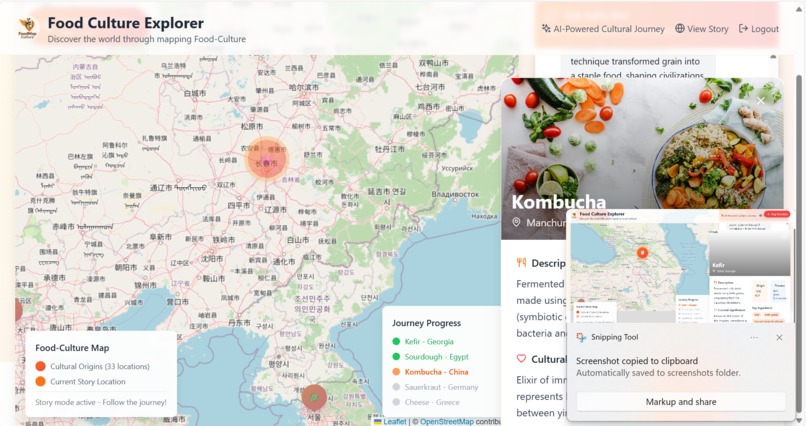
Story Generation in Frontend -1
🌍 Inspiration
We aimed to combine semantic AI with vector search in MongoDB to unearth food stories that are not just historically accurate but contextually relevant to the user’s query.
🤖 What it Does
Using MongoDB’s cutting-edge vector search, it retrieves the most semantically similar food narratives based on the user’s question, ensuring highly relevant and culturally rich results.
🛠️ How We Built It

Frontend:
- React.js + TypeScript for a dynamic UI.
- Integrated Mapbox for animated navigation and smooth map interactions.
Backend:
- Express.js (Node.js) handles API routing, user queries, and MongoDB interactions.
- FastAPI (Python) manages embedding generation using TensorFlow’s Universal Sentence Encoder.
Database:
🔥 MongoDB with Vector Search – the core engine behind our semantic search.
- We stored high-dimensional embeddings (from TensorFlow USE) alongside food documents.
- These embeddings enable semantic retrieval — not just keyword matching, but true contextual similarity.
This formed the backbone of our Retrieval-Augmented Generation (RAG) pipeline, seamlessly connecting raw data to cultural storytelling.
AI Integration:
- Used Google's Gemini API to generate rich, human-like narratives from semantically retrieved data.
Deployment:
- Fully containerized using Docker.
- Hosted on Google Cloud Platform.
⚔️ Challenges We Ran Into
- Ensuring accuracy of vector search and relevance of results using embeddings.
- Designing an intuitive yet informative UI that combines storytelling and interactive maps.
🏆 Accomplishments That We're Proud Of
- Successfully implemented an end-to-end RAG pipeline with MongoDB, TensorFlow, and Gemini.
- Delivered a visually rich and user-friendly experience.
- Enabled semantic query understanding using real-time embeddings and vector search.
📚 What We Learned
- How to leverage semantic embeddings and vector similarity search in MongoDB.
- Real-time LLM integration with production-ready pipelines.
- The power of combining maps, AI, and visual storytelling to preserve and present cultural heritage.
🚀 What’s Next for Food-Culture Map
- Order Food Using Swiggy API: Allow users to ORDER the food shown in the story, from swiggy/zomato.
- Multilingual Support: Generate narratives in native languages for better global reach.
- Gamification: Add quizzes and interactive timelines to boost user engagement.
- Mobile App: Launch a mobile-friendly version with offline story viewing.
- AR Integration: Explore augmented reality food journeys for use in education and tourism.
Built With
- express.js
- gemini
- mongodb
- react
- tailwind
- typescript
- universal-sentence-encoder
- vector-search

Log in or sign up for Devpost to join the conversation.