-
-
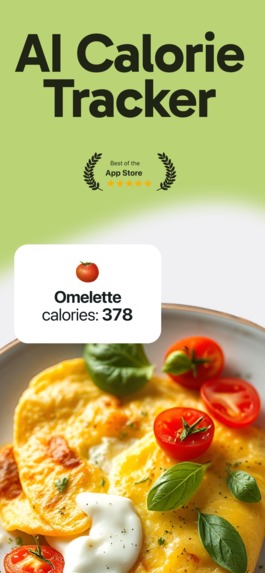
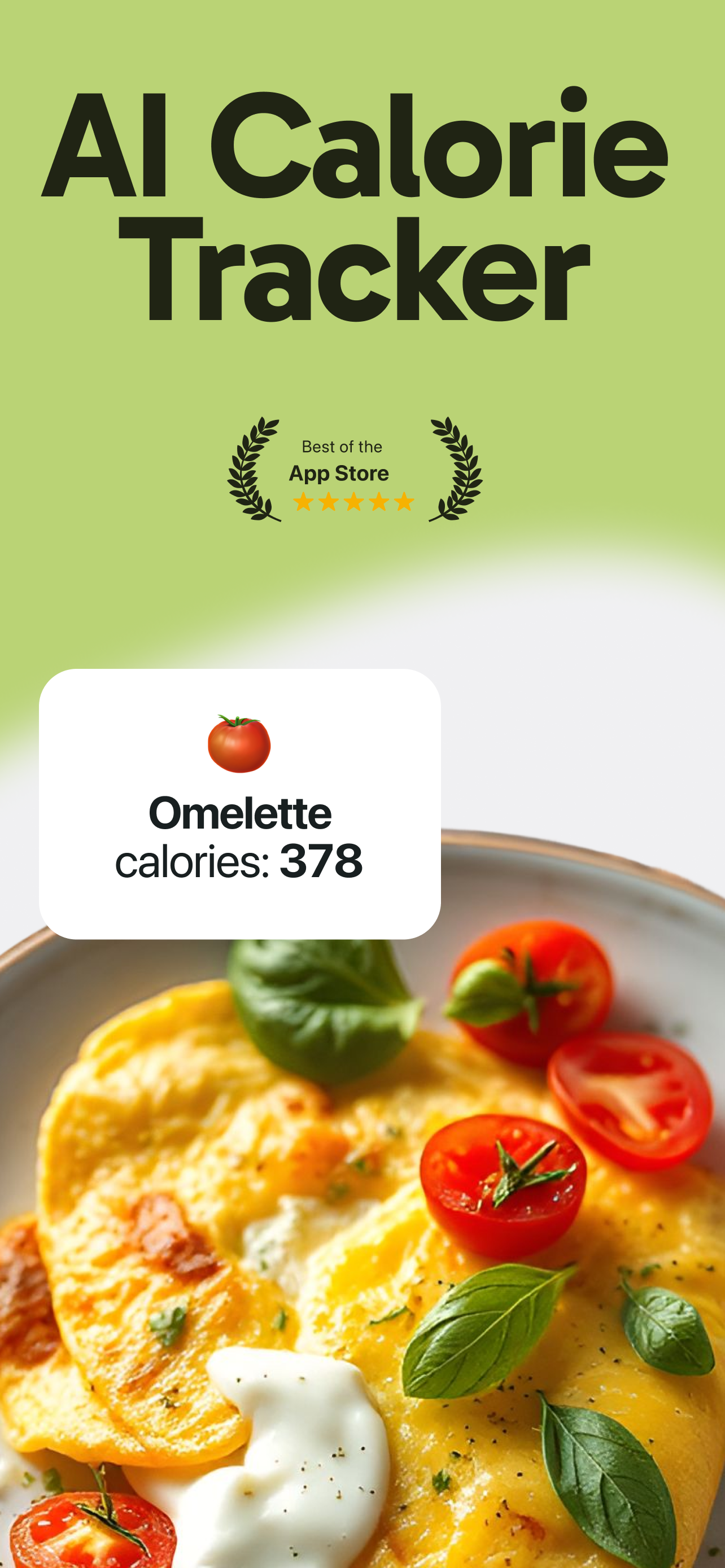
App Store Screenshot
-
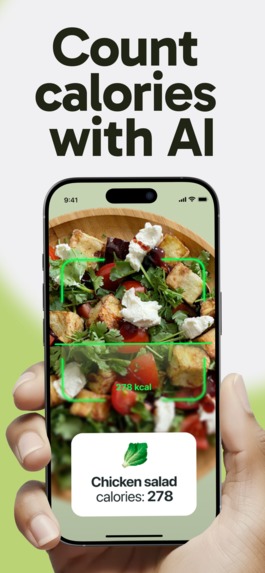
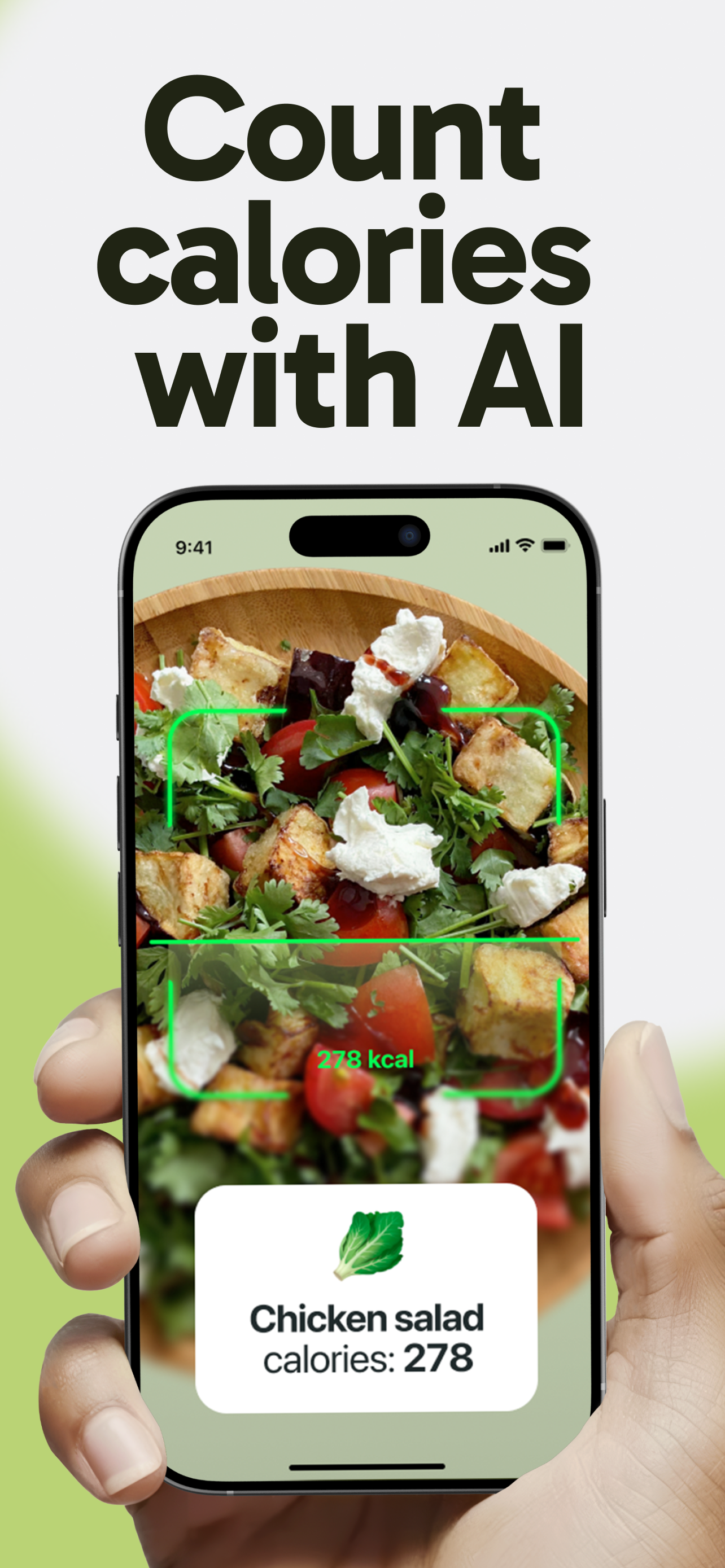
App Store screenshot
-
App icon
-
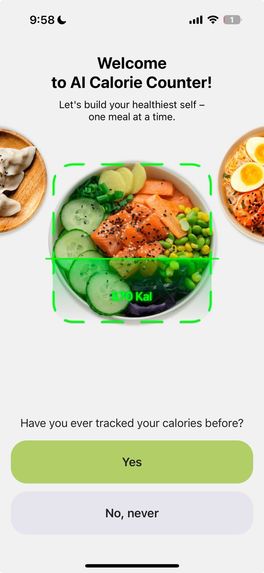
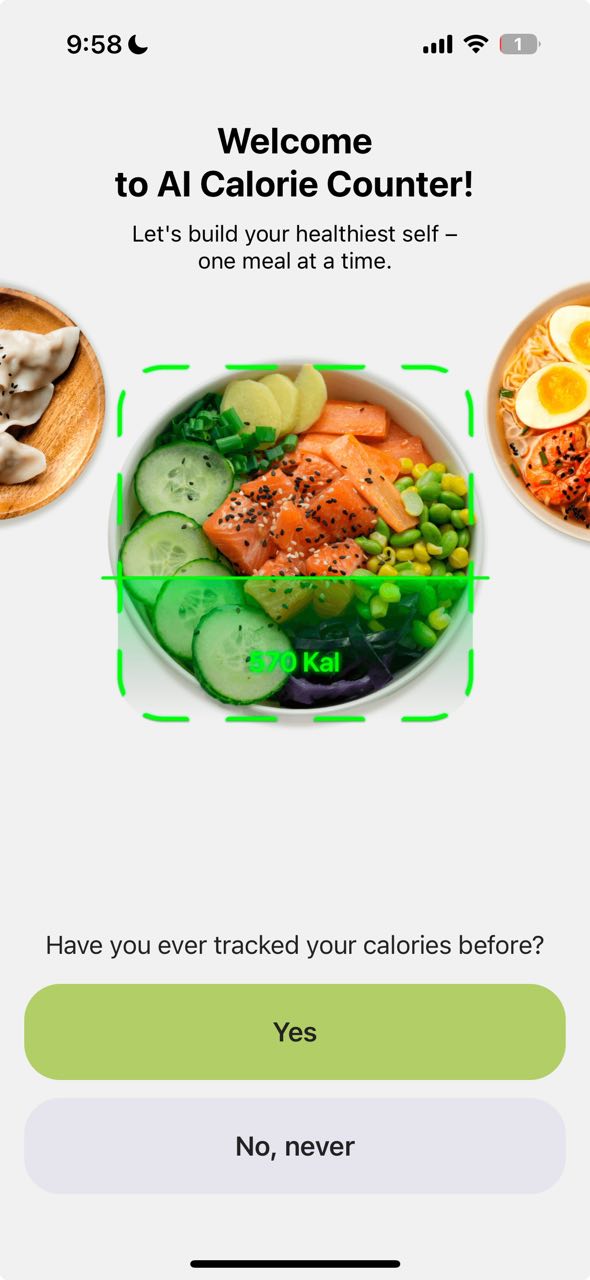
App onboarding screenshot
Inspiration
After going through a tough period in my life, I gained weight and wanted to make a positive change. This summer, I started counting calories using Telegram’s Saved Messages—sending voice notes to myself and then analyzing them with ChatGPT. Within days, I realized this could be more than a personal hack—it could be a powerful app. By analyzing my tracked meals, I found the journey easier, more motivating, and I even lost weight. That spark became the foundation for Food AI.
What it does
Food AI is a simple yet powerful food tracker. You can log meals via text, photos, or your camera. It analyzes your nutrition and delivers insights: meal counts, streaks, weekly favorites, and tailored recommendations to help you improve your eating habits.
How we built it
The process was a true vibe-coding journey. I experimented with Rork and Lovable first—crafting a detailed prompt that captured the vision, then turning that into initial screens with Lovable. One of the things I loved about Rork was how quickly I could show the app to beta testers: it was amazing that they could test the app on their own devices right away. I even gathered friends in my living room, we tested together, they gave feedback, and we tweaked the prompt on the spot. It felt collaborative and personal—everyone felt like a co-creator.
Finally we switched to Cursor, which helped us convert designs into working code. Working with a friend, and using tools like Lovable and Mobbin, we moved from idea to prototype and shipped fast. I’d never coded before, so seeing the app come to life in days instead of months was incredibly inspiring: it proved you can prototype, ship, and iterate far quicker than expected.
Research & Promotion
To understand user behavior and improve marketing, I used Perplexity extensively to search for relevant Reddit threads. This helped me:
- Gain insights into how people use similar apps.
- Identify common difficulties and pain points.
- Discover communities and channels to promote Food AI effectively.
Challenges with AI coding
We tried using AI to write code, but ran into several issues:
- AI cannot “digest” the entire codebase and doesn’t understand the architecture of our backend service or our plans for its development, so the generated code often required manual refinement.
- AI could not implement subscription receipt verification, which we had to code manually.
- AI had access to outdated Firebase SDK documentation, which required us to study the current documentation and adjust.
Other challenges included:
- AI handles frontend tasks well, but backend work still requires coding skills.
- Designing a good UX still requires human input; AI does not automatically know what is intuitive for users.
- AI may install outdated libraries, misuse documentation, or generate extra code that isn’t needed.
Accomplishments that we're proud of
We are proud of the traction and feedback from early users. Since launch, more than 300 people have downloaded the app, many leaving 5-star reviews, and we already have paying subscribers. It feels great to help people in different countries solve similar nutrition challenges and improve their habits.
Plus we've continuous interatitions, we could achieve 90% accuracy with calorie tracking. Another great achievement we are proud of is that we built and configured an AI assistant capable of analyzing nutrition and giving helpful recommendations aligned with users’ goals.
What we learned
What I’ve learned is that building a great product takes more than just an idea—it takes strong intuition and lots of hands-on testing. By using our half-baked prototypes myself every day, I found hidden bugs, spotted UX issues, and noticed inefficiencies that I wouldn’t have caught otherwise. I also realized that AI alone isn’t ready to build a full app from scratch, but it can make the whole process much faster by handling certain tasks, which really helped me get to a working prototype and launch more efficiently. Looking back, I wish we had launched in multiple languages from the start—it would have let us reach even more people around the world.
What's next for Food AI
We’ll continue fine-tuning AI results so insights and address the issues our users would spot. We'll work on UX improvements and onboarding so that it brings value from the first seconds of the interaction. We will also focus on making meal tracking easier by adding new voice features.
In terms of marketing, we also plan to experiment with social media to grow our user base and share inspiring stories of people improving their nutrition with Food AI.
Built With
- amplitude
- cursor
- figma
- firebase
- firebase-sdk-(firestore
- functions)
- ios
- mobbin
- mobx
- openai
- perplexity
- react-native
- rork
- typescript


Log in or sign up for Devpost to join the conversation.