Inspiration
Land ownership is one of the leading sources of social conflict in Africa. According to the World Bank, more than 70% of land in Sub-Saharan Africa is not formally registered, creating a fertile ground for fraud, double sales, forged documents, and endless legal disputes. In Senegal and many African countries, it is common for someone to buy a plot of land, start building, and later discover that another person holds a different “legal” document for the same parcel. Thousands of families lose their savings every year to land scams, while court cases can last for years. Most land records are still paper-based, fragmented across local offices, and impossible to verify in real time. There is no reliable history of who owned what, when, or how transfers happened. Foncier360 was born from this reality: how can we use Digital ID and technology to bring traceability, transparency, and trust into land ownership?
What it does
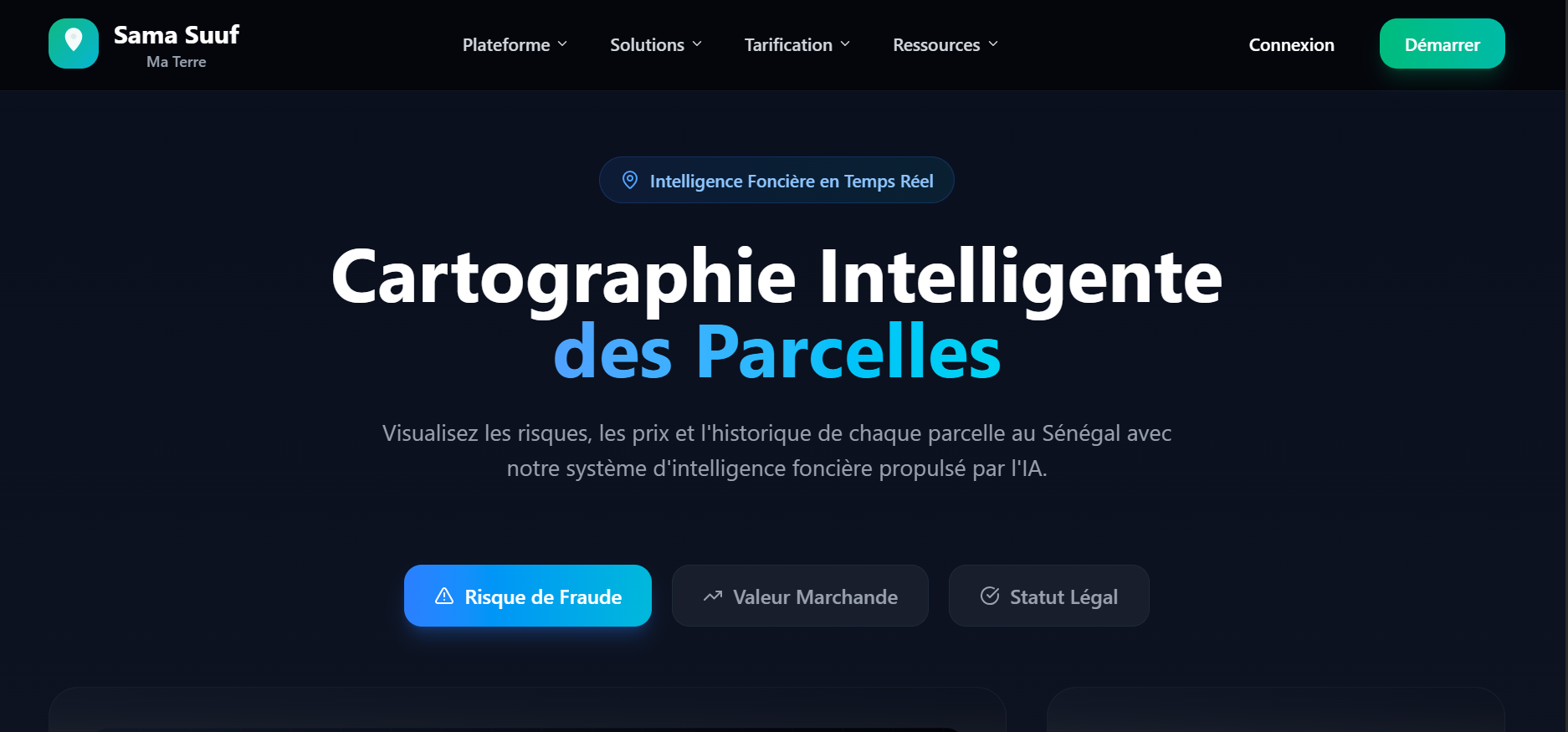
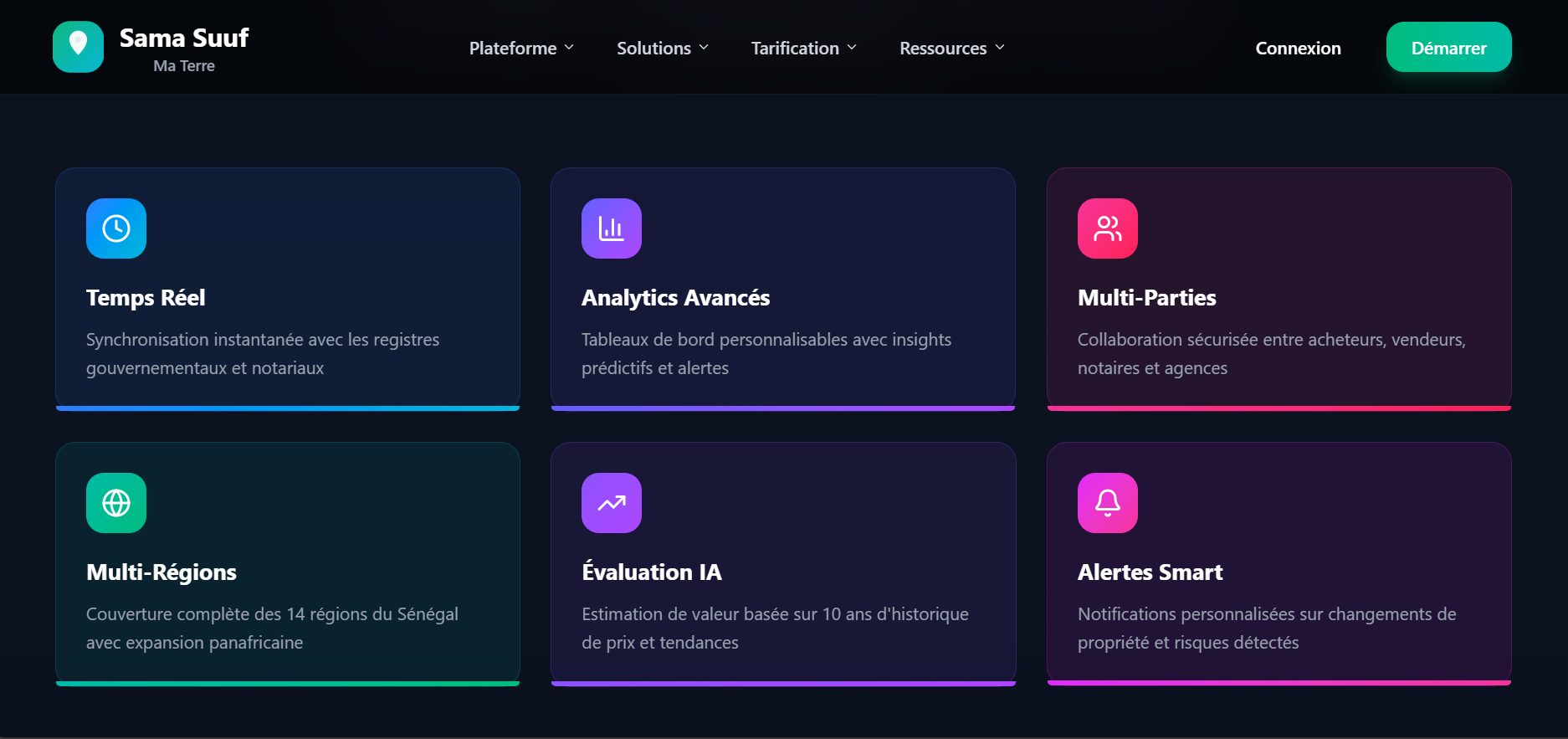
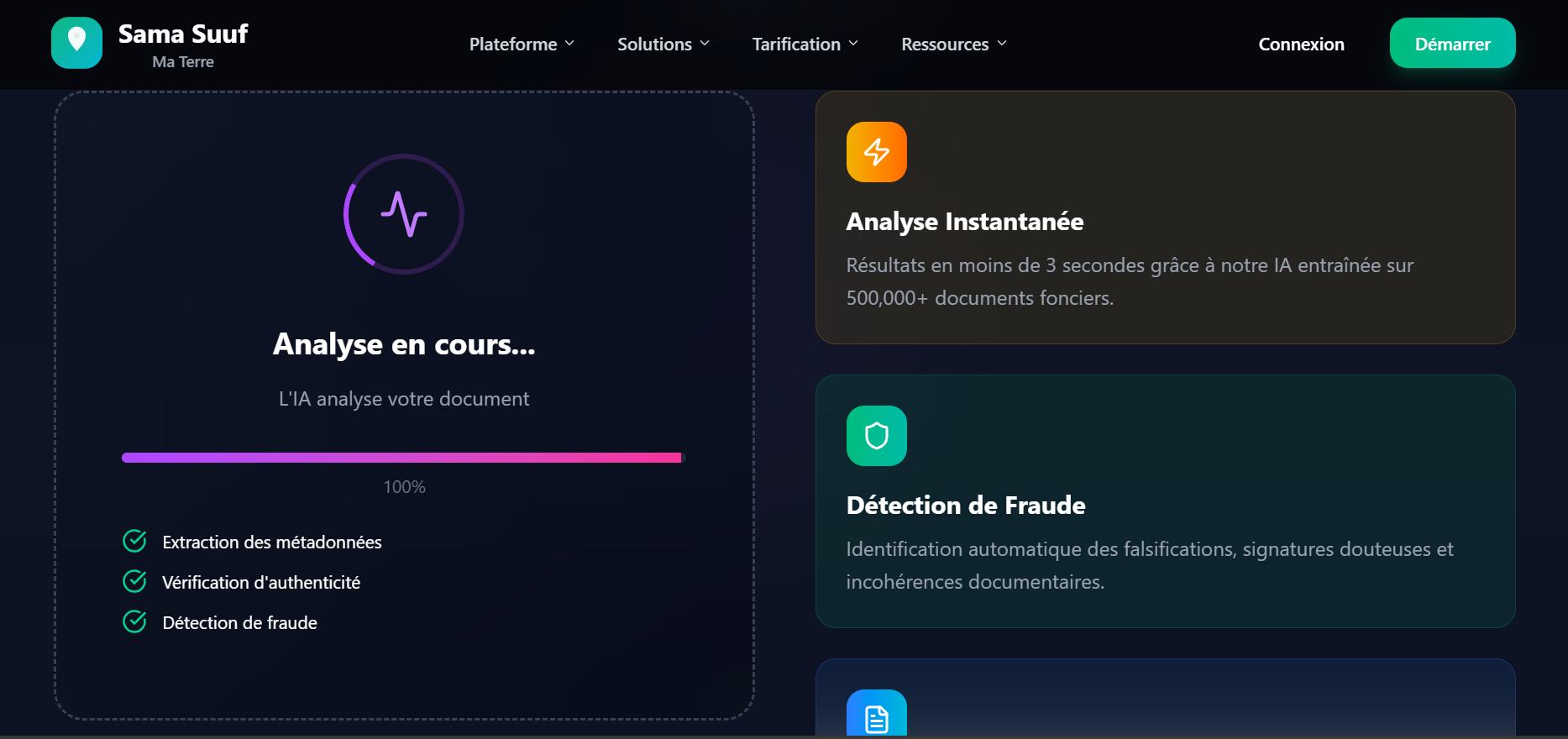
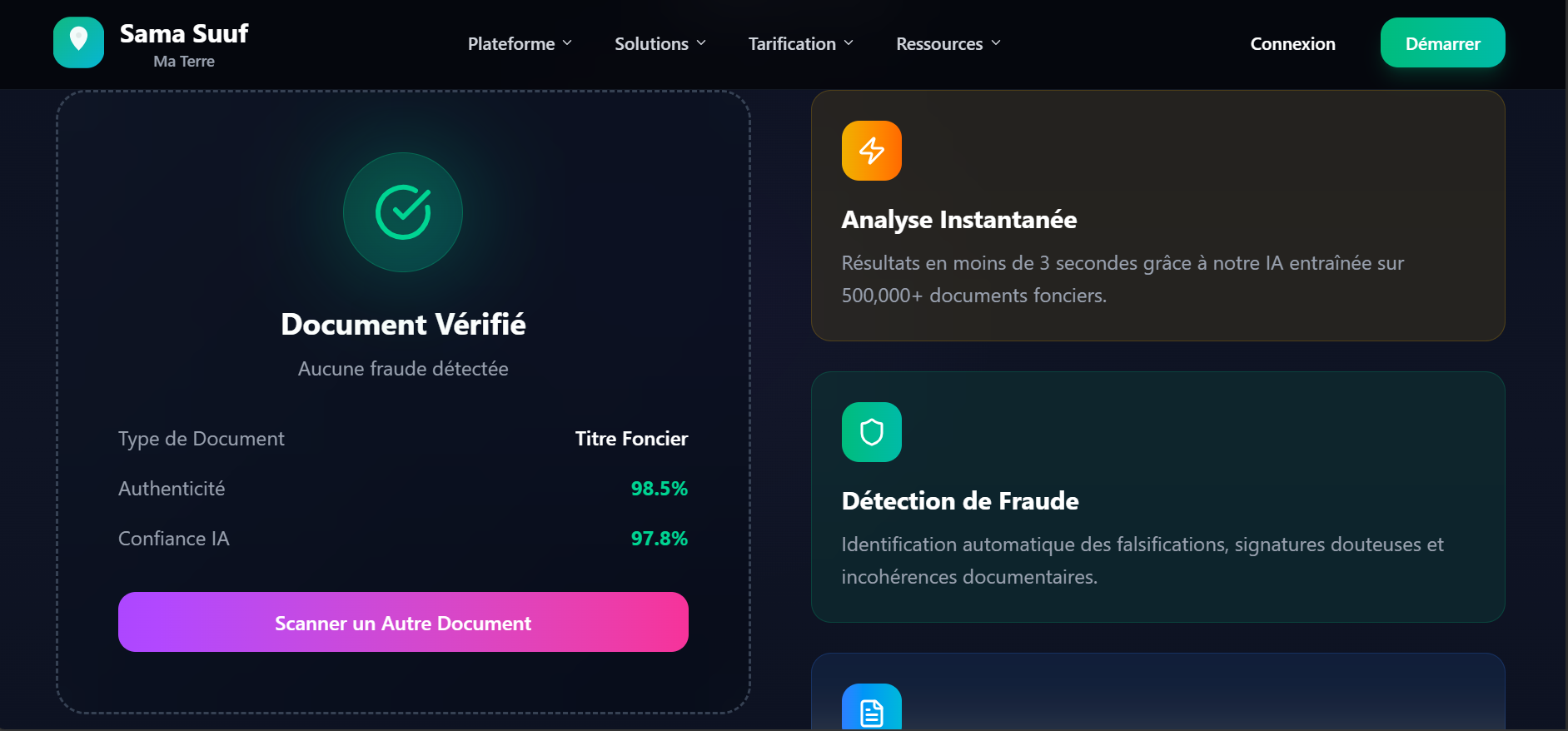
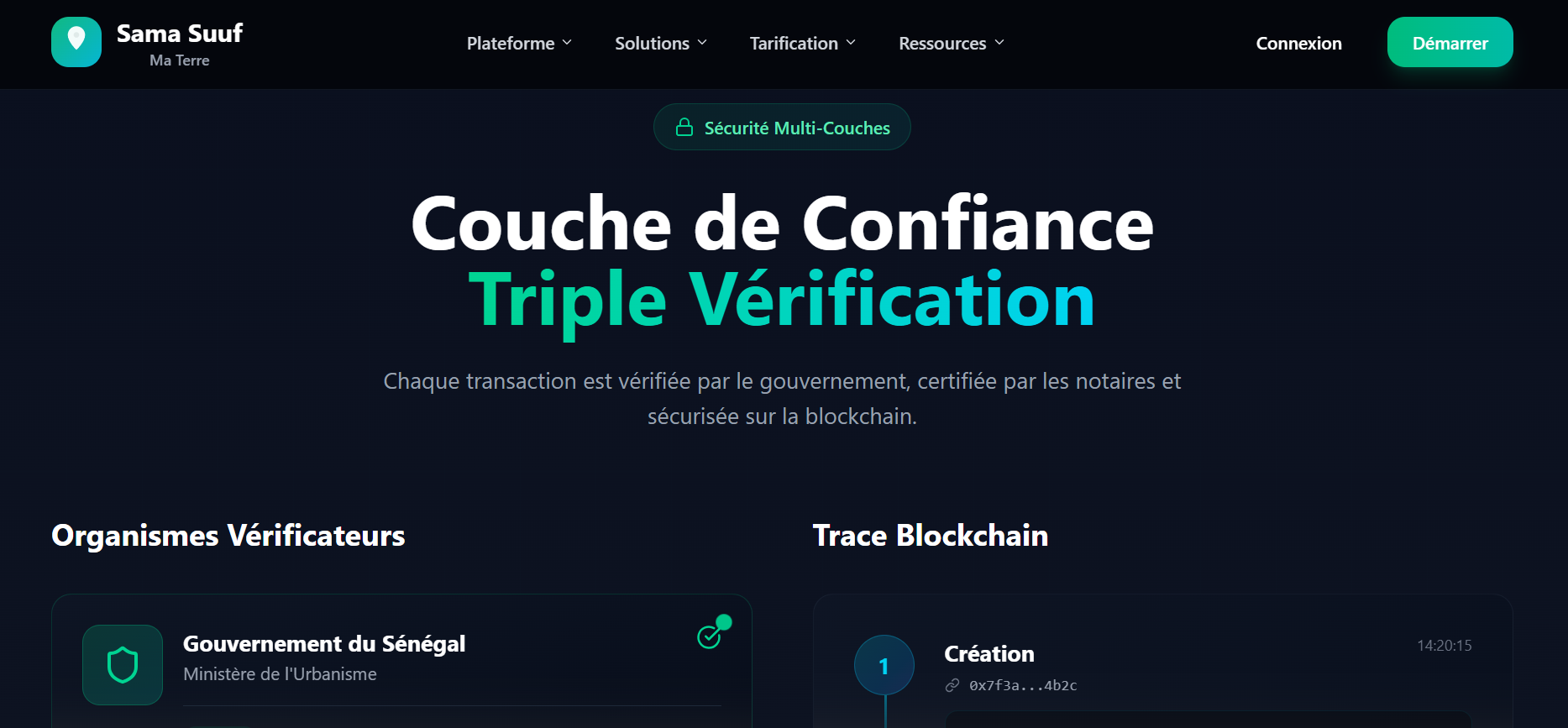
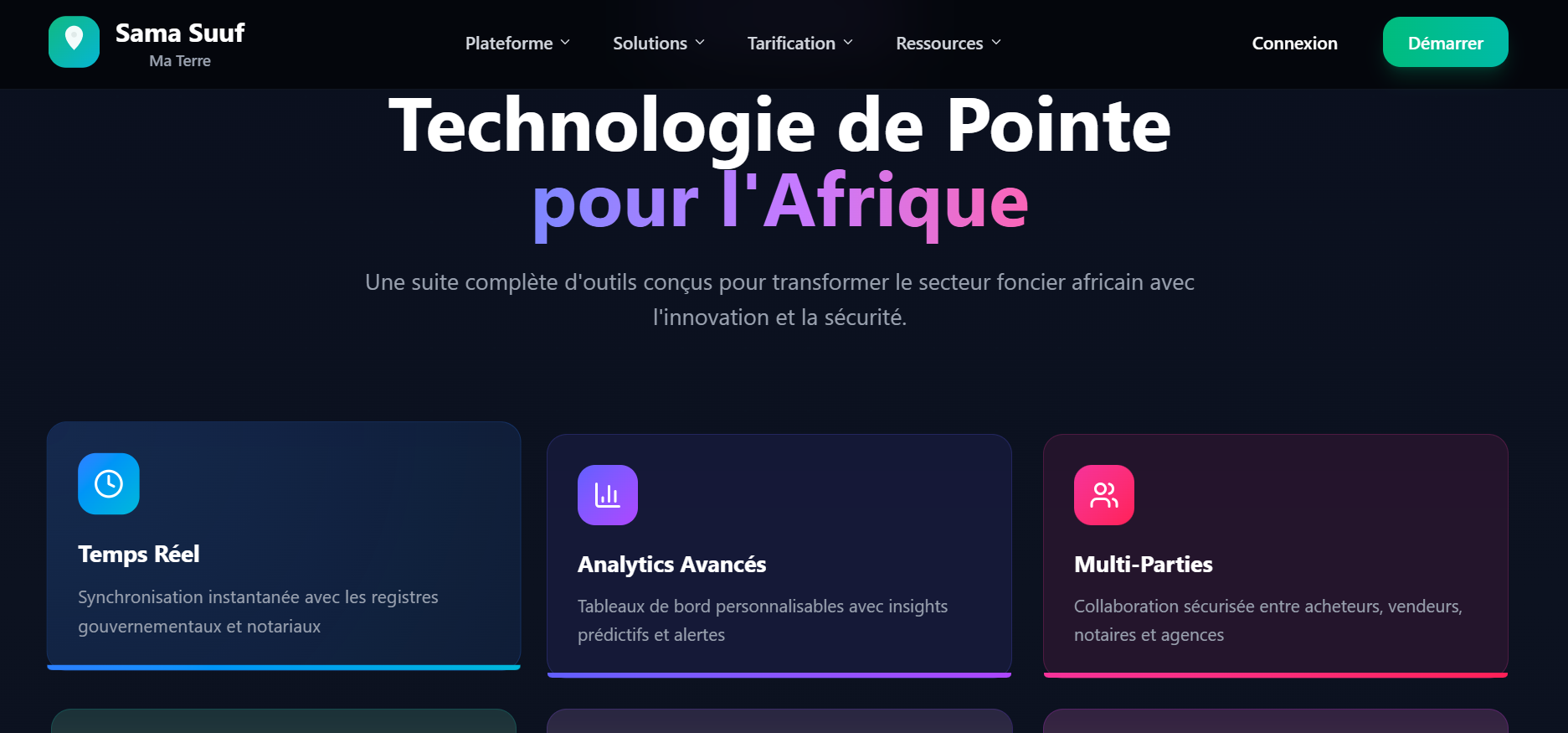
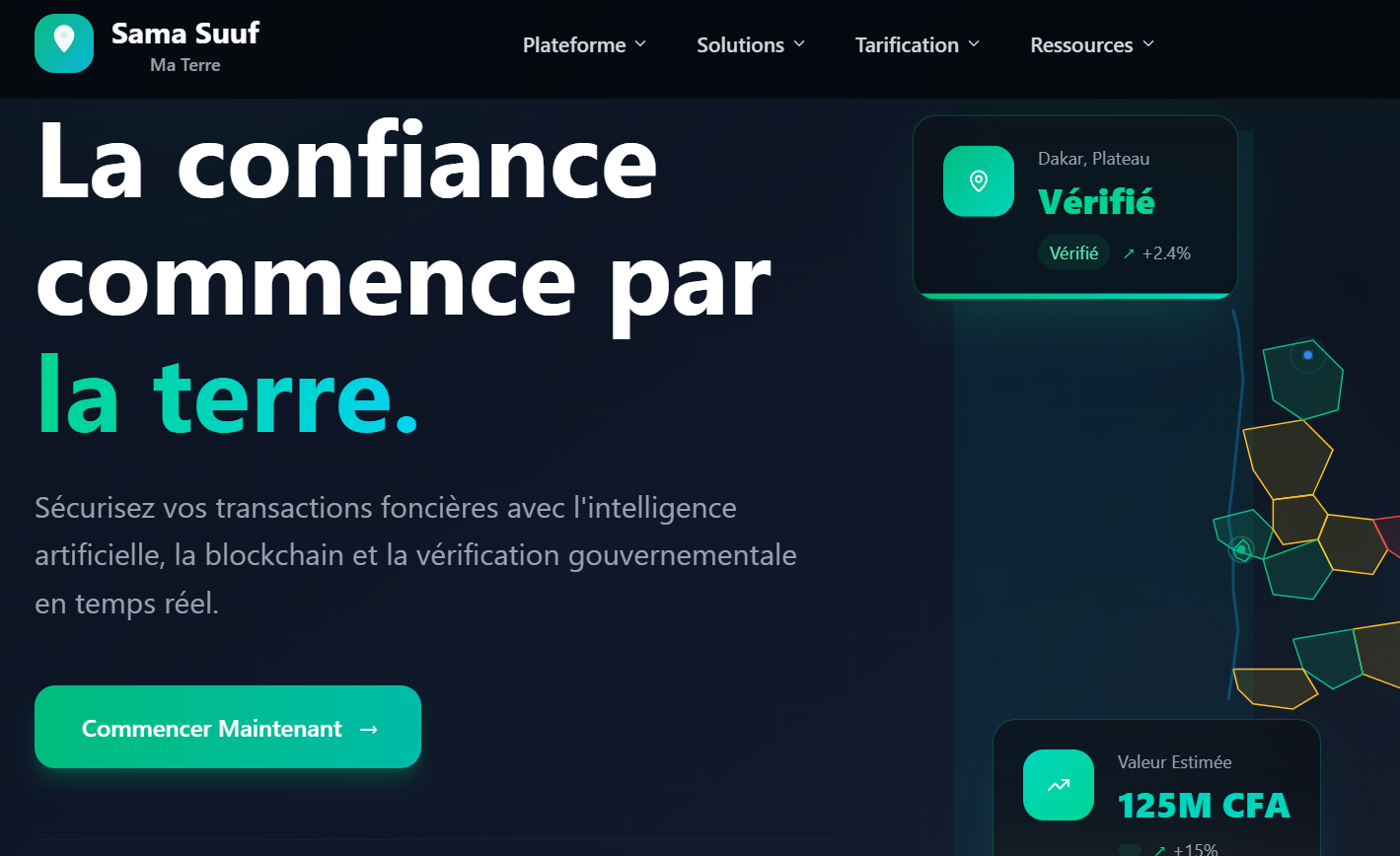
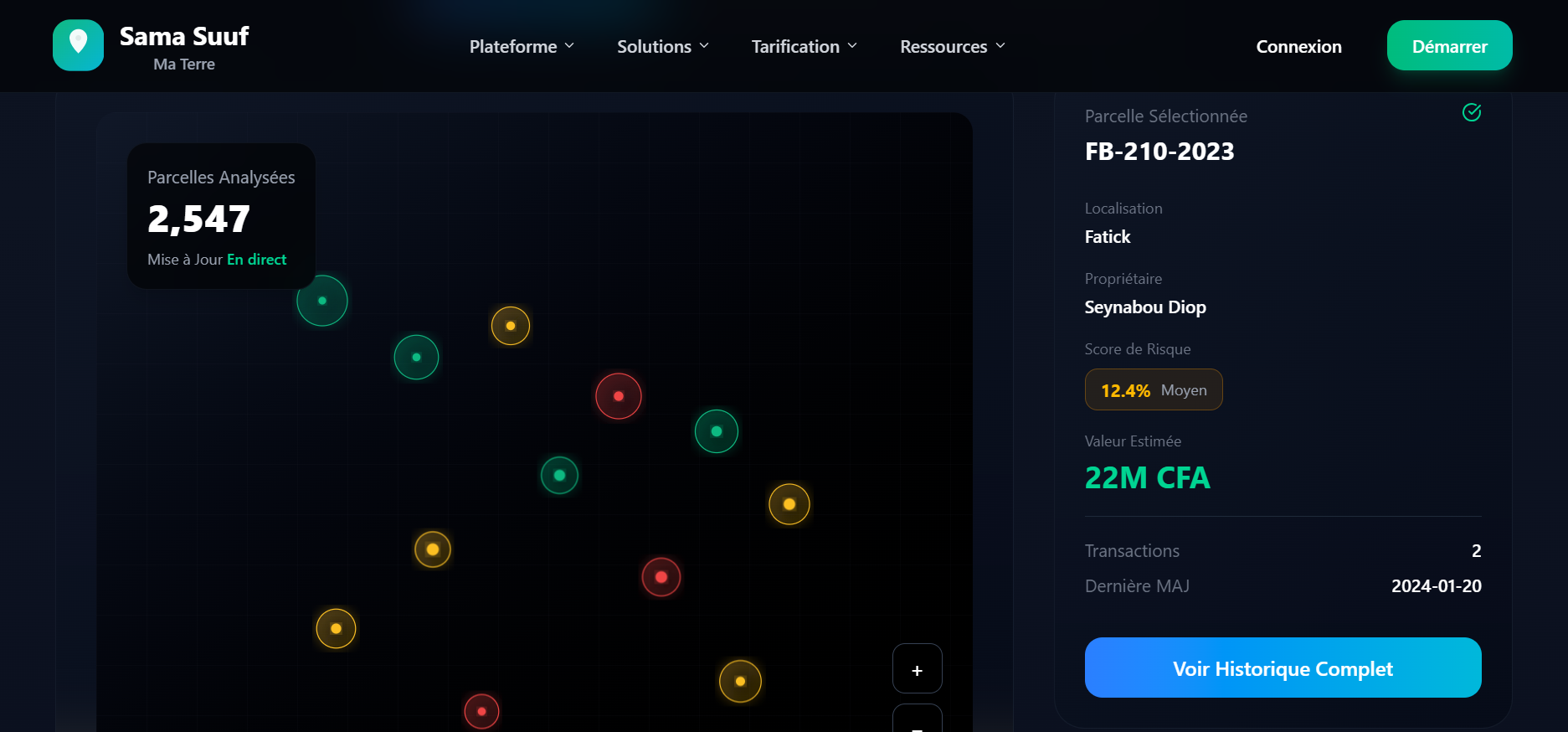
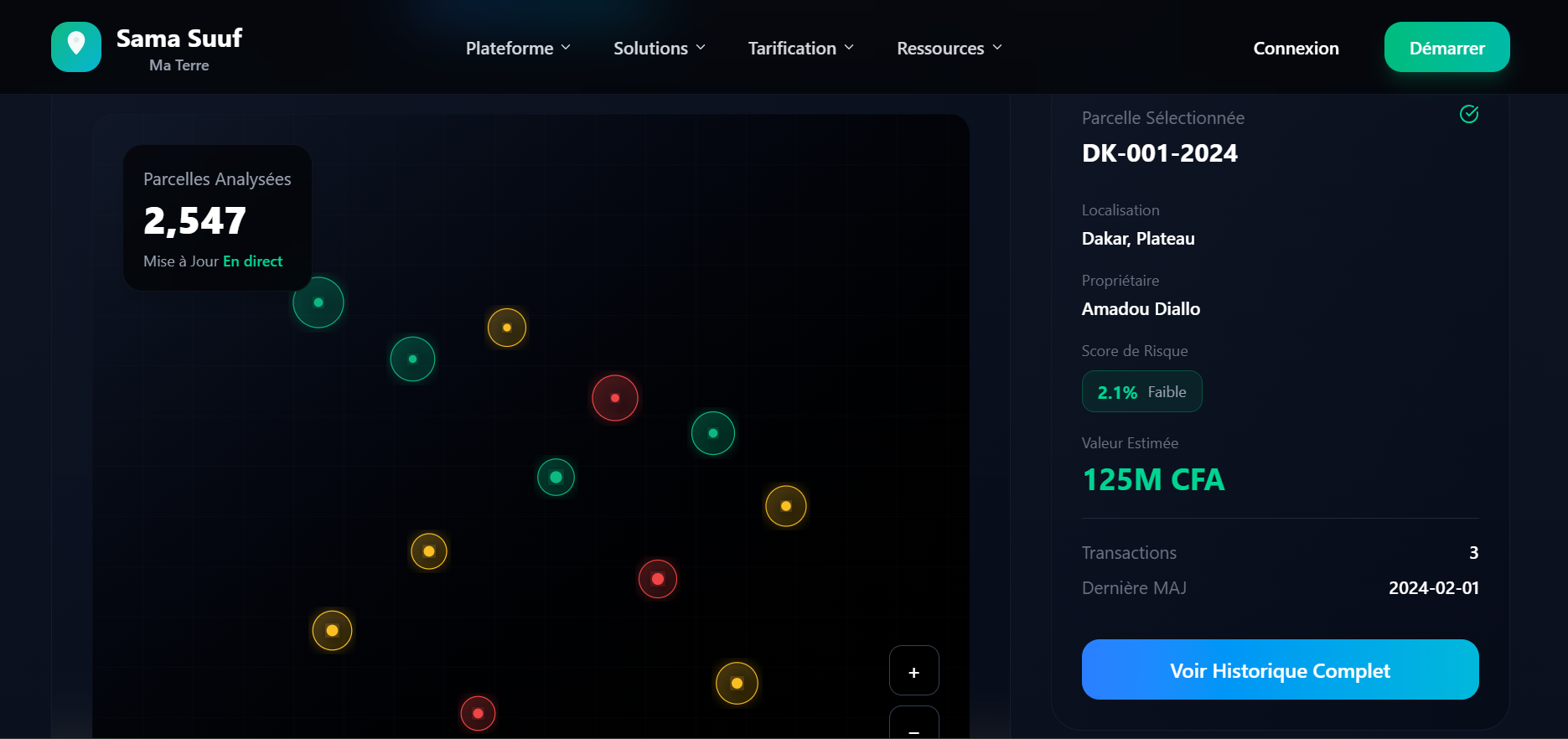
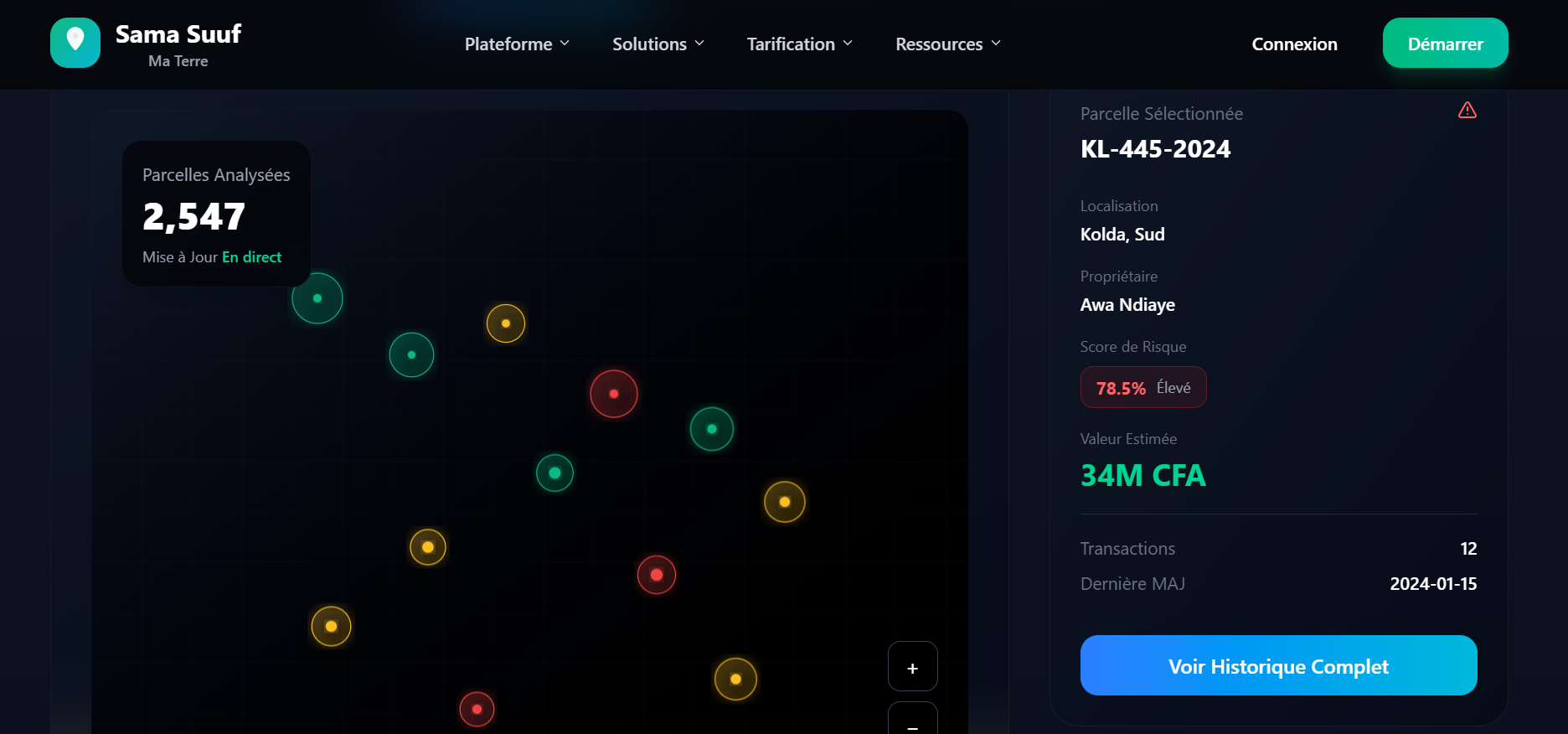
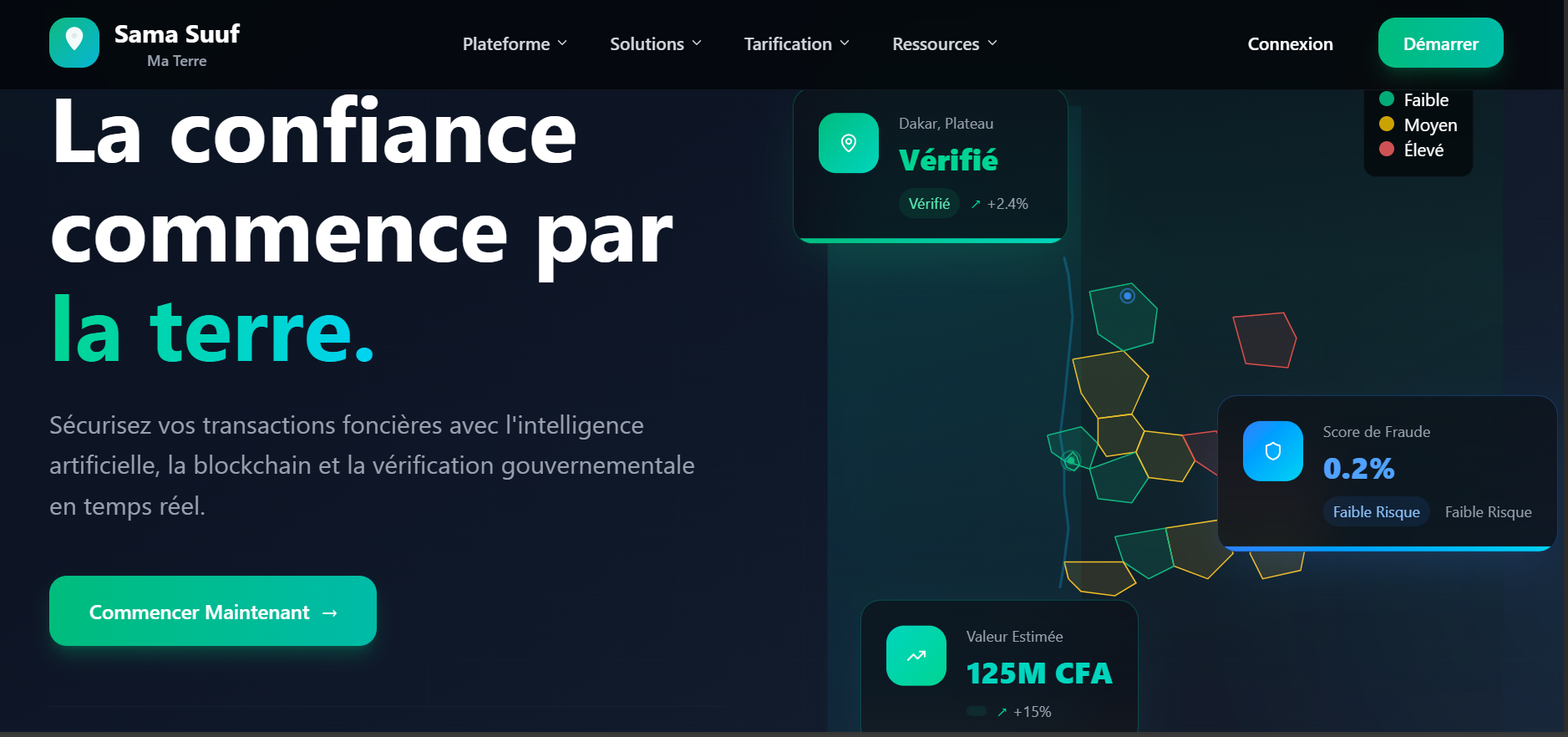
Foncier360 is a Digital ID–powered land management platform designed to directly fight: land conflicts fraudulent land sales document falsification lack of ownership traceability Sama Suuf enables: unique digital identification of landowners secure digital registration of land parcels precise geolocation of plots full transaction history (who owned what, when, and how it changed) instant verification of land status Each parcel has its own digital identity linked to its owner’s Digital ID. This prevents multiple sales of the same land and makes every modification traceable. The result: fewer scams, fewer disputes, and transparent land records for citizens and local authorities.
How we built it
Foncier360 was designed as a modular platform: Digital ID authentication layer secure database for owners and parcels mapping system for geolocation web interface for citizens and local governments API-based architecture for future public-service integration The system is built with local realities in mind, including limited connectivity and gradual digitization from paper records.
Challenges we ran into
Lack of existing digital land data Complexity of local land tenure systems Designing strong security without harming usability Bridging paper-based processes with digital systems Addressing the social sensitivity of land ownership and building trust These challenges pushed us toward a flexible and progressive architecture.
Accomplishments that we're proud of
Designed a land registry model centered on Digital ID Built a functional prototype Integrated identity + parcel + geolocation Created a clear anti-fraud land management vision adapted to African contexts
What we learned
We learned that: most land conflicts come from missing traceability technology alone is not enough — trust matters Digital ID can become the backbone of modern land systems simplicity is key for large-scale adoption
What's next for Foncier360
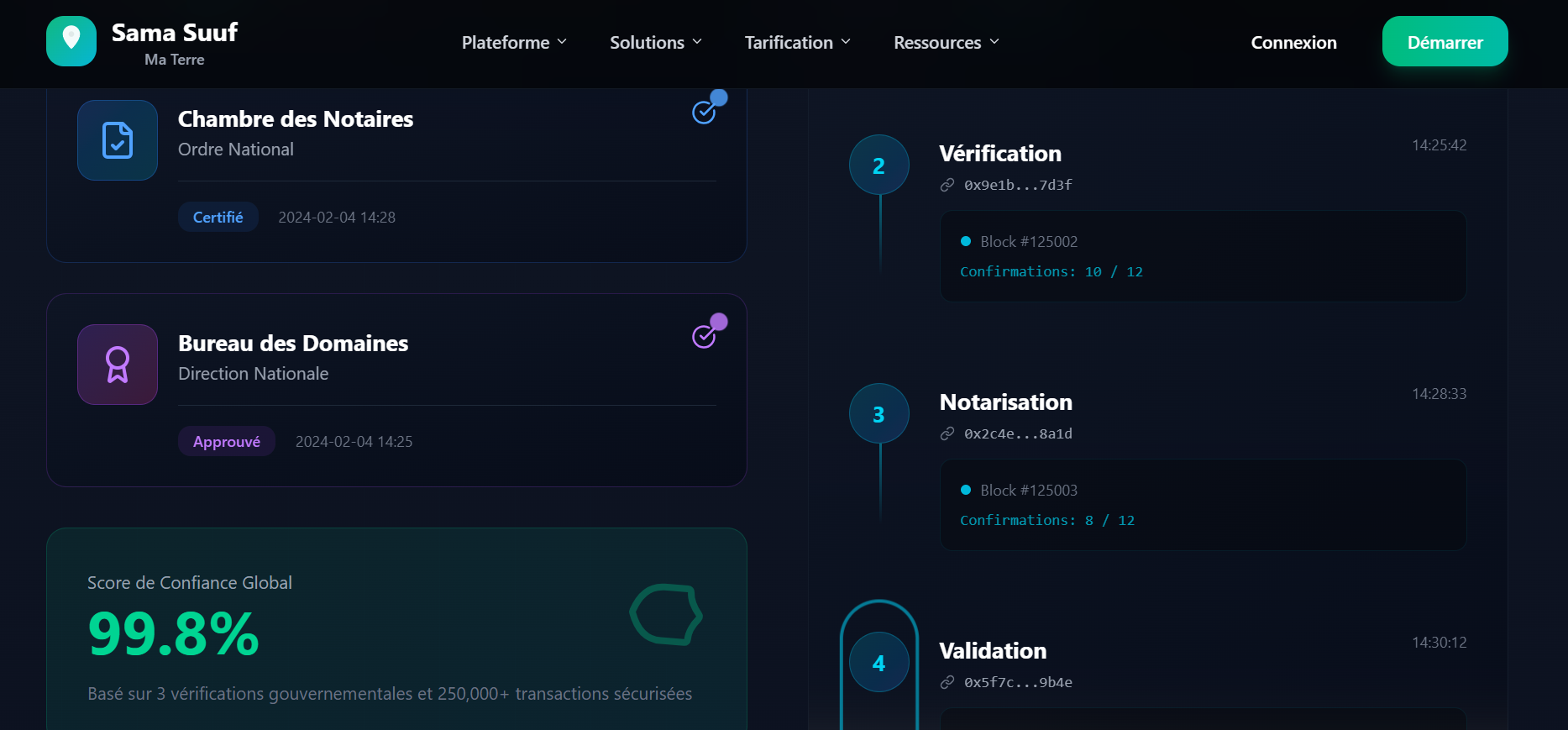
Next steps: complete MVP development pilot deployments with local municipalities add distributed ledger for immutable land history institutional partnerships gradual rollout in rural and urban areas Our goal is to make Foncier360 a reference tool to sustainably reduce land conflicts across Africa.


Log in or sign up for Devpost to join the conversation.