Inspiration
Overcrowding at events has led to tragic disasters, like the Travis Scott concert stampede, and the Itaewon Halloween stampede where poor crowd management turned deadly. While venues have capacity limits, there’s no real-time way to track crowd density and prevent unsafe congestion before it happens. We wanted to create a solution that empowers event organizers and attendees by providing live crowd tracking using AI-powered detection. Our platform displays a real-time heatmap of foot traffic, helping attendees make informed decisions about where to go and allowing organizers to set capacity limits and manage flow proactively. From music festivals to sports arenas to nightclubs, event safety is often reactive rather than proactive. Our solution changes that by providing real-time visibility, reducing the risk of stampedes, overcrowding, and logistical chaos. With our platform, we aim to make events safer and more enjoyable—because no one should fear for their safety at a concert, a stadium, or any crowded space.
What it does
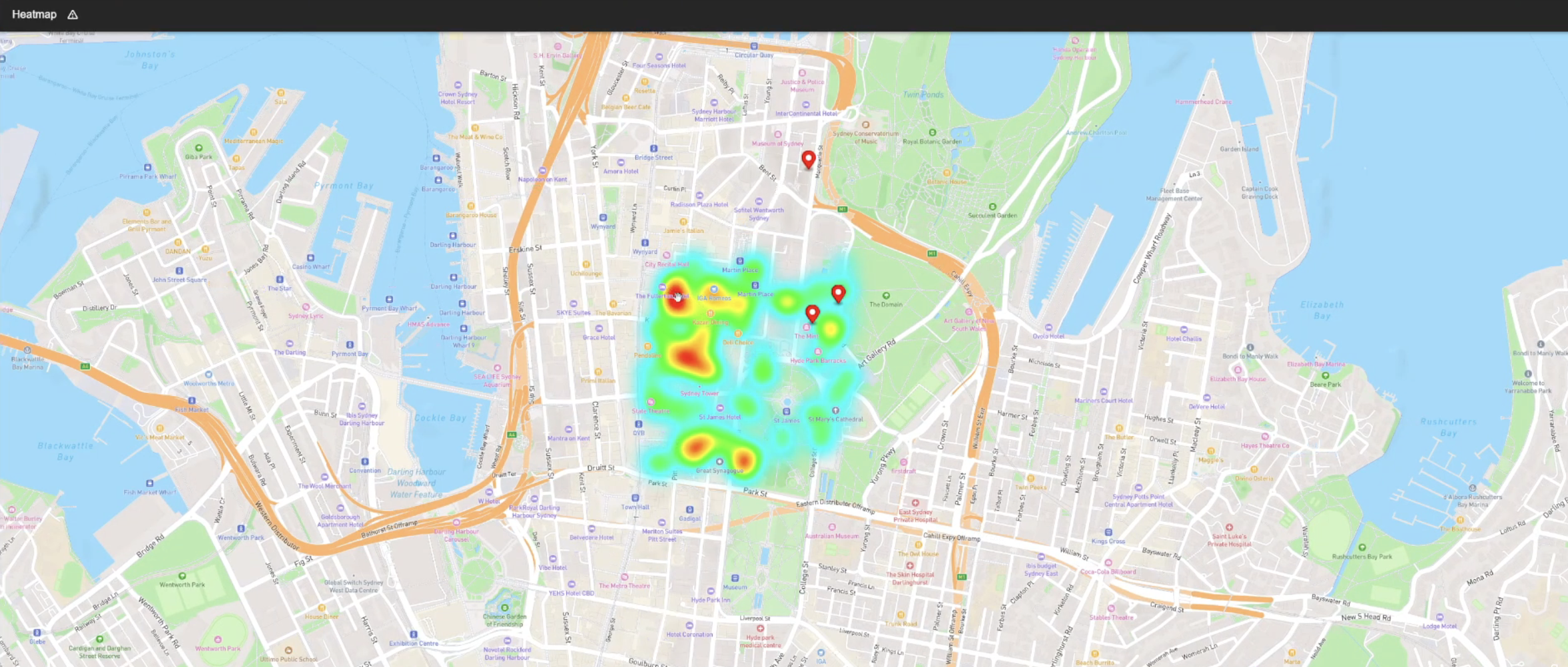
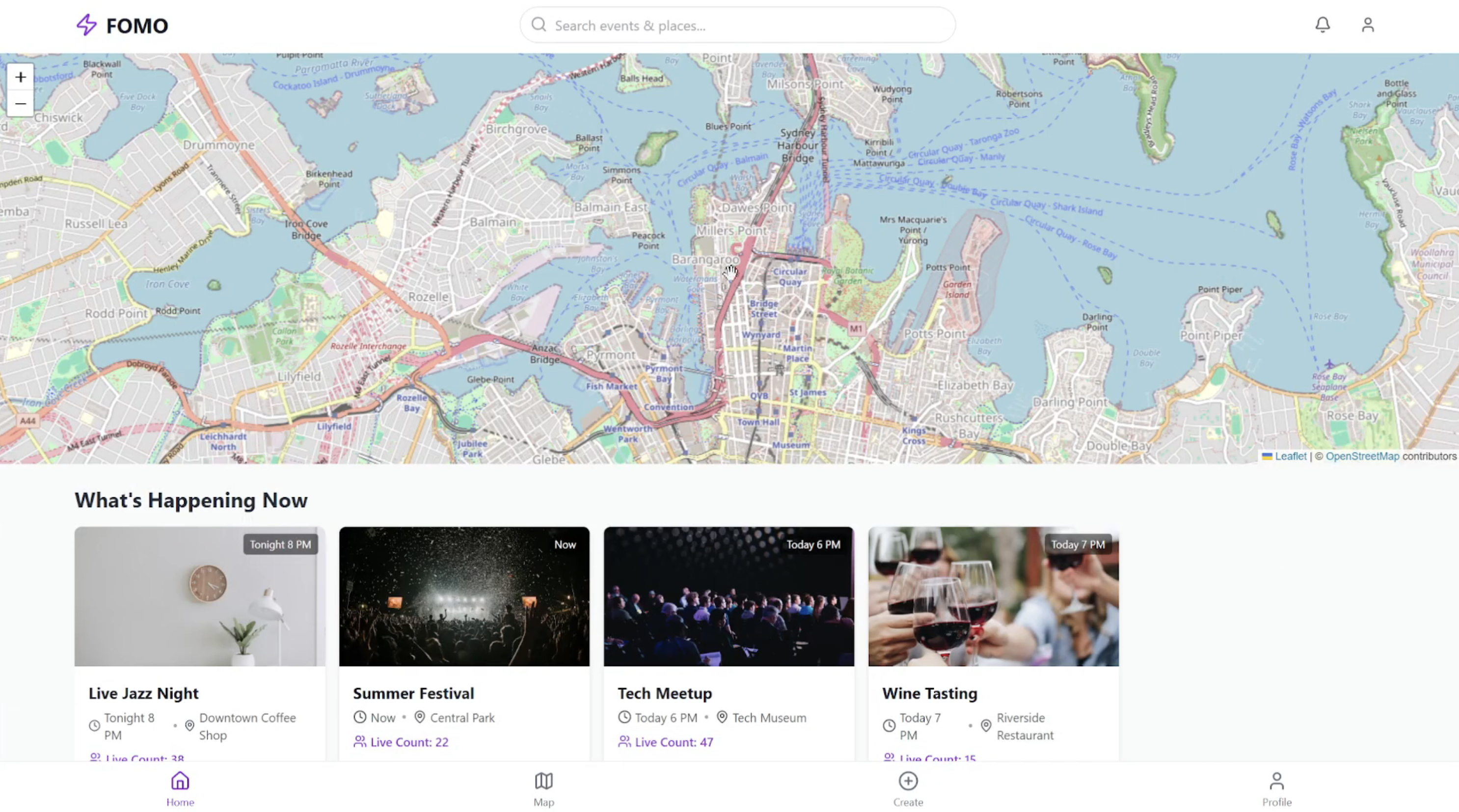
Our platform provides real-time crowd density tracking to prevent overcrowding at events, using AI-powered detection and a web-based heatmap interface. AI-Powered Crowd Detection Cameras at event venues use AI vision models to estimate the number of people in different areas. Data is processed in real-time to provide an accurate density estimate. Live Heatmap Display The data is visualized on an interactive crowd density heatmap, allowing users to see which areas are getting too crowded. Attendees can access the web app to check which areas of the city are overly congested Event Organizer Controls Organizers can set capacity limits for different areas and receive alerts when limits are approached. They can also display notifications or reroute foot traffic to less crowded areas. Event Listings & Safety Alerts Upcoming events are listed in the app, with real-time attendance updates. If an area becomes dangerously overcrowded, alerts can be sent to event staff and attendees. By providing live crowd insights, our platform helps organizers prevent stampedes, manage crowd flow, and ensure that attendees have a safer experience at concerts, festivals, and sports events.
How we built it
Our goal was to create a real-time crowd density tracking system that empowers event organizers and attendees with live AI-powered crowd insights. To achieve this, we combined computer vision, real-time data processing, and an interactive web interface, ensuring a seamless and scalable solution for event safety. AI-Powered Crowd Detection We initially considered IR sensors but pivoted to using AI-driven camera detection for better scalability and accuracy. OpenCV processes live video feeds, detecting and counting people dynamically. This allows for real-time crowd density estimation without needing additional physical sensor installations. Backend & Data Processing Our backend is built using Flask and SQLAlchemy, handling API requests and event management. Pandas and NumPy process and store crowd density data efficiently. The system updates heatmap visualizations dynamically, ensuring accurate live tracking. Web App & UI/UX Frontend: Built using Vite for fast performance and development. Map Integration: MapBox powers our heatmap, allowing users to see live crowd density in event spaces. Form Handling: Formik simplifies data collection and event input forms for organizers. Design & UI Components: MUI (Material-UI) ensures a clean, intuitive user interface. AI Assistance for Research & Ideation ChatGPT was used throughout the process to aid in idea generation, problem research, and refining our approach to crowd detection. It helped us evaluate different technologies, structure our workflow, and ensure we were tackling a high-impact problem effectively. Bringing It All Together Our platform provides a real-time, event-focused crowd management solution—giving organizers the tools to set capacity limits, receive overcrowding alerts, and help attendees navigate safely through event spaces. With computer vision, real-time data processing, and an intuitive interface, we built a scalable and practical tool for event safety—all within a tight hackathon timeline.
Challenges we ran into
Our original vision for this project was broad—we aimed to create a crowd density tracking tool that could be used for event safety, city planning, and disaster relief management. However, as we developed our idea, we realized that such a wide scope made it difficult to create a truly impactful product within the hackathon timeframe. We needed to focus on a specific, high-impact use case, which led us to pivot towards event safety, where overcrowding poses an immediate and critical risk. Another major shift came in how we detected crowds. Initially, we planned to use IR sensors at entrances and exits to track the number of people in a given space. However, as we explored implementation, we found significant limitations: Large events have multiple entry points, requiring a complex sensor setup to track movement accurately. High crowd density reduces IR sensor accuracy, as people moving in groups may not be individually detected. Real-world deployment challenges, such as setting up physical sensors in every venue, made scalability an issue. To address these concerns, we pivoted to using AI-powered computer vision with cameras. This method eliminates the need for physical sensor installations and allows us to track real-time crowd density dynamically, even in large, open spaces. This shift in approach came with its own challenges—optimizing AI detection to work in different lighting conditions, angles, and varying crowd sizes was a significant hurdle. Additionally, ensuring low-latency updates on our heatmap while processing live video streams was another technical challenge we had to overcome. Ultimately, our pivots helped us refine our solution into a focused, scalable, and practical event safety tool—one that can be easily adopted without the need for extensive hardware setup.
Accomplishments that we're proud of
Above all, we’re proud that our project works. Going from an initial idea to a functional prototype in such a short timeframe was a huge achievement for us. This was the first hackathon for all of us, and for some, the first time collaborating on a project of this scale. Despite the challenges of refining our idea, pivoting our approach, and tackling new technologies, we managed to come together, divide tasks efficiently, and build something tangible. The experience of working as a team under time constraints pushed us outside our comfort zones, but we adapted, problem-solved, and kept moving forward. Whether it was debugging AI detection issues, fine-tuning our heatmap visualization, or optimizing real-time data updates, we faced each challenge head-on. At the end of the day, we’re just proud that we pulled this off—a functional, impactful solution built in such a short timespan.
What we learned
The Importance of Focus Hackathons present endless possibilities, and at the start, our scope was too broad—trying to tackle everything from event safety to city planning to disaster relief. We quickly realized that without a clear focus, we risked spreading ourselves too thin. Once we refined our problem statement to focus on preventing overcrowding at events, everything started to fall into place. This focus became our north star, guiding our decisions and ensuring we built something impactful and achievable within the hackathon timeframe. Collaboration & Adapting to New Skills For some of us, this was our first time working on a project of this scale, and for all of us, it was our first hackathon. We each came in with different technical strengths, but rather than staying in our comfort zones, we embraced learning on the fly. Some of us picked up new AI detection techniques, while others dove into frontend frameworks and data visualization—sometimes learning from YouTube tutorials at 2x speed in between coding sessions. Working together effectively meant trusting each other’s skills, being open to new challenges, and stepping up where needed. Execution Over Perfection With limited time, we had to prioritize progress over perfection. Not everything worked the way we wanted on the first try, and some features had to be simplified or scrapped. But we learned that done is better than perfect—debugging AI models, refining our heatmap visualization, and ensuring real-time updates all required quick decision-making. Our ability to adapt, iterate, and problem-solve under pressure was just as important as our technical skills. Belief in Our Idea We wouldn’t have powered through late nights, debugging headaches, and last-minute pivots if we didn’t truly believe in what we were building. Our discussions on event safety and real-world applications kept us motivated, knowing that this wasn’t just another project—it was something that could genuinely improve safety at large-scale events. Looking back, we leave this hackathon having learned the value of focus, teamwork, adaptability, and passion. We built something we’re proud of, and more importantly, we’ve gained experience and confidence to take on future projects—whether in hackathons, industry, or beyond.
What's next for FOMO
While our initial focus was on preventing overcrowding at events, we see immense potential to expand our solution to larger-scale venues and critical safety applications. Moving forward, we aim to refine and scale our AI-powered crowd detection system to support complex environments, multi-level venues, and outdoor spaces. This will be key to making our system more adaptable.
Beyond event safety, we believe our technology can have broader real-world applications, particularly in disaster relief management and public transport optimization. By using AI-powered detection to track evacuation center capacity and congestion levels, we could help emergency responders distribute resources more effectively during crises. Additionally, integrating our system with public transport networks could provide real-time congestion data to optimize train schedules, bus routes, and pedestrian flow in high-traffic areas.
We also want to enhance the accessibility and usability of our platform. Developing a mobile-friendly version will allow event attendees to check live crowd density more easily, while integrating with event ticketing and security systems could help organizers make real-time operational decisions to prevent bottlenecks before they occur. We also see potential in leveraging predictive analytics to forecast peak congestion times, enabling proactive event planning and smarter crowd control strategies.
Ultimately, we believe our project has the potential to save lives, improve safety, and optimize crowd management on a larger scale. Moving forward, we aim to test, refine, and expand our system to bring real-time crowd intelligence to high-impact use cases worldwide.


Log in or sign up for Devpost to join the conversation.