-
-
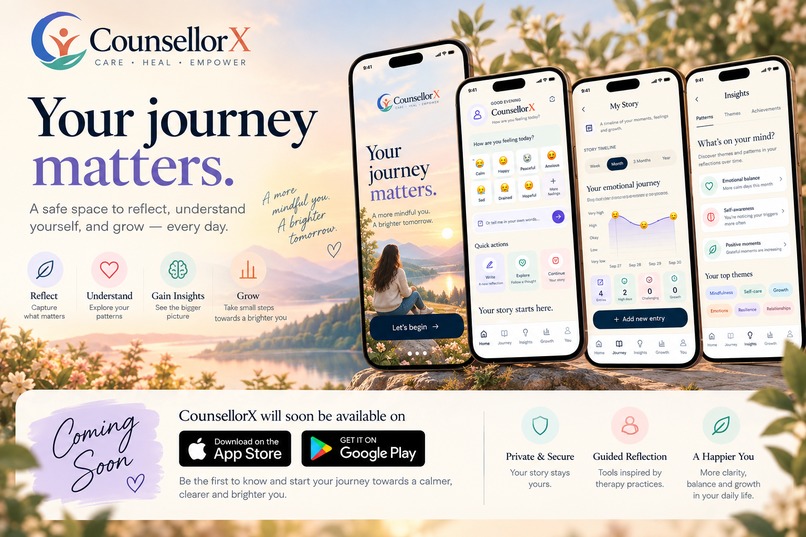
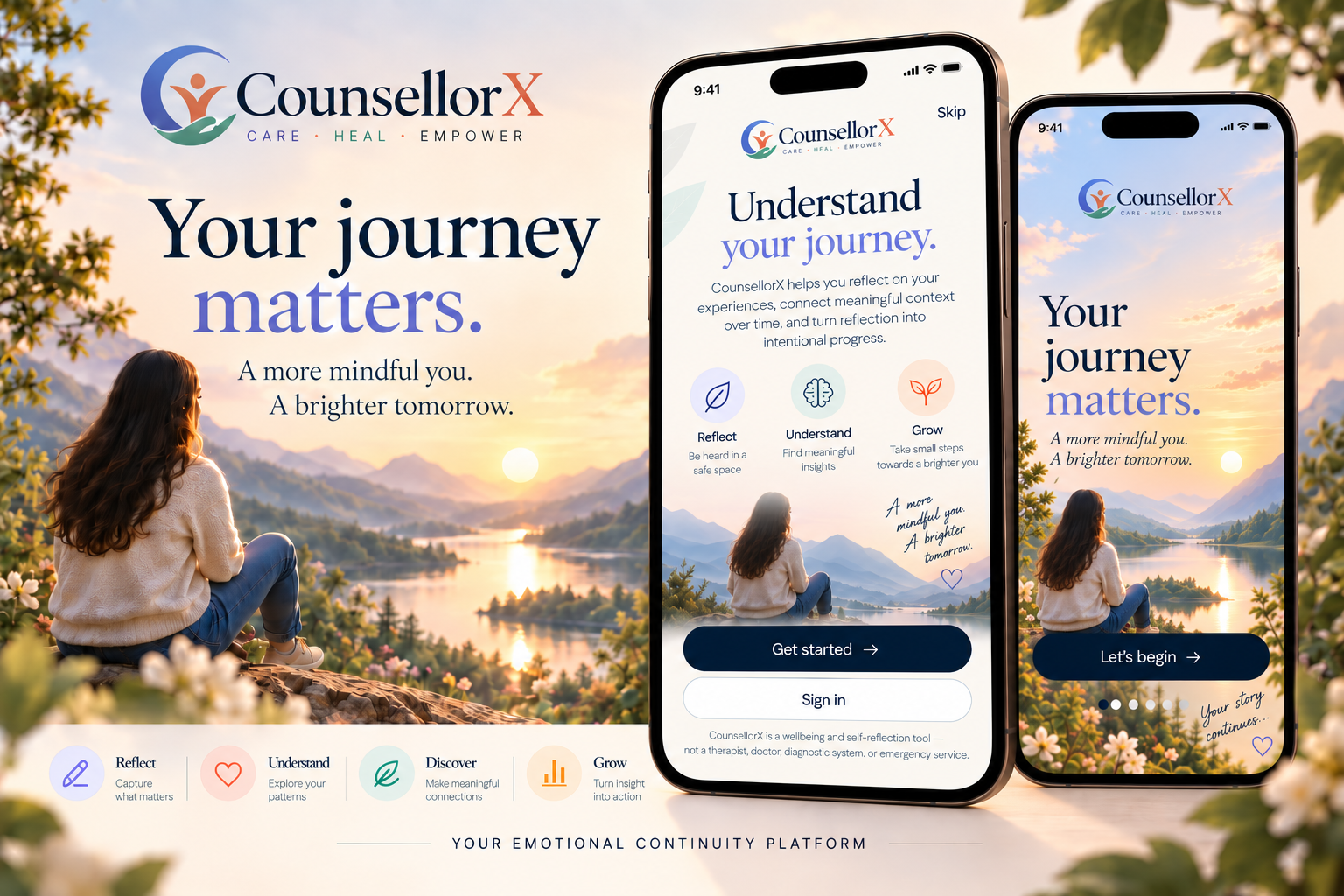
The vision — Emotional continuity for a more human future.
-
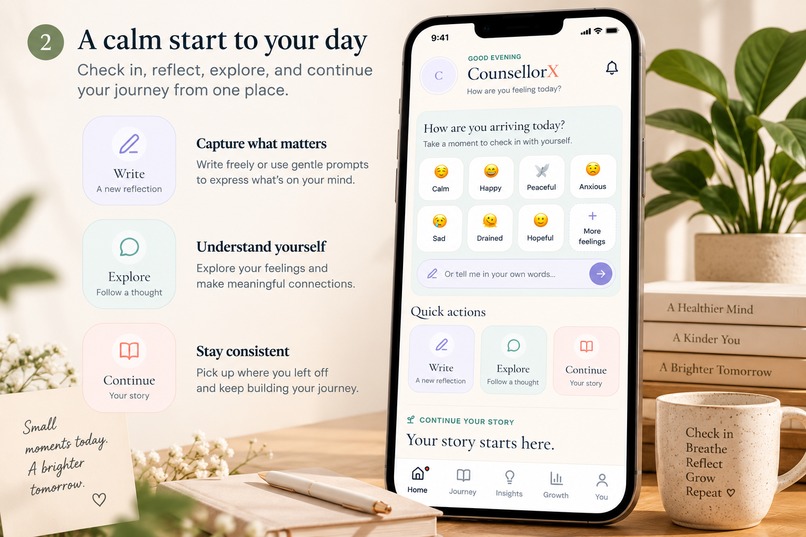
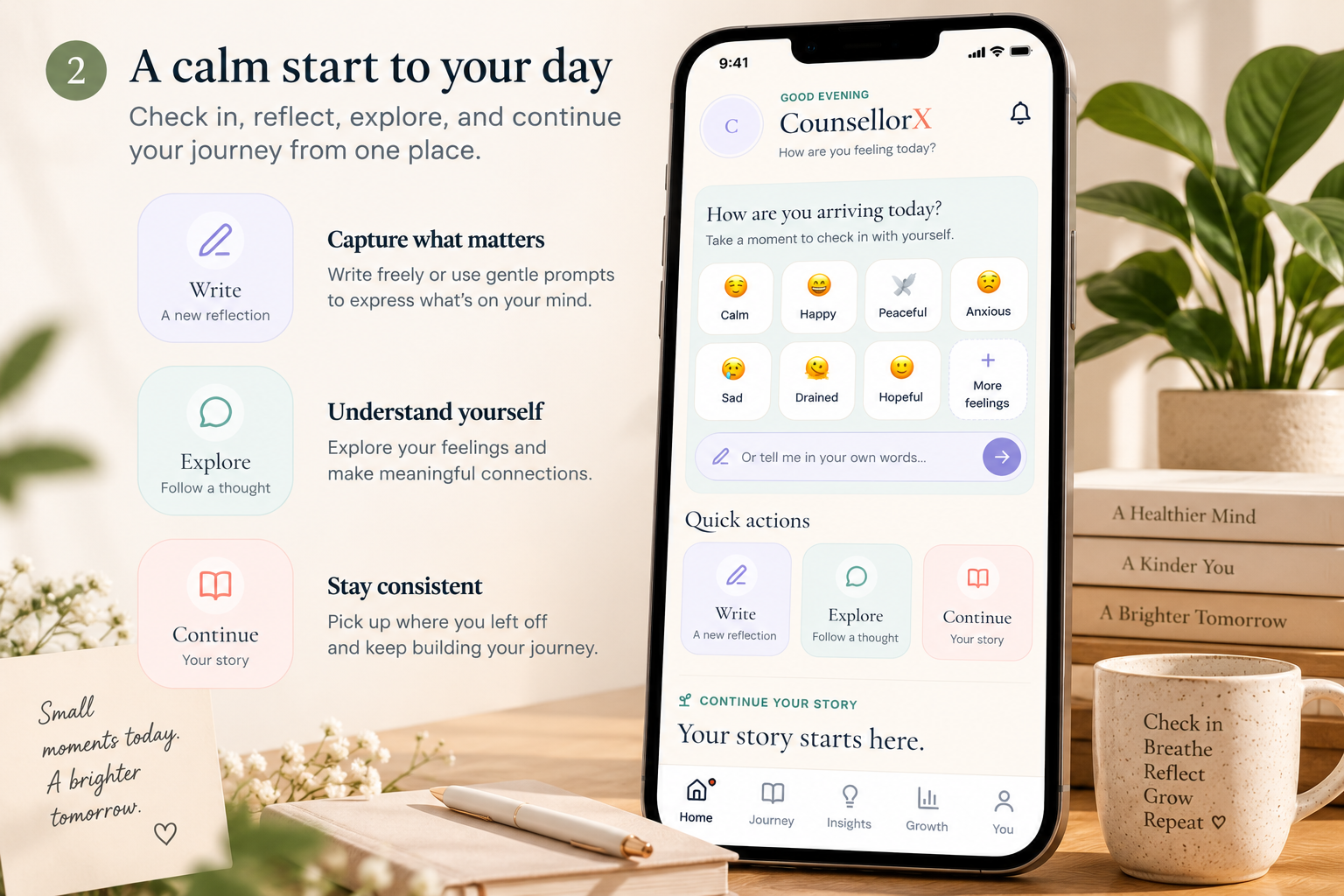
The everyday experience — Check in, express how you feel, and start wherever you are.
-

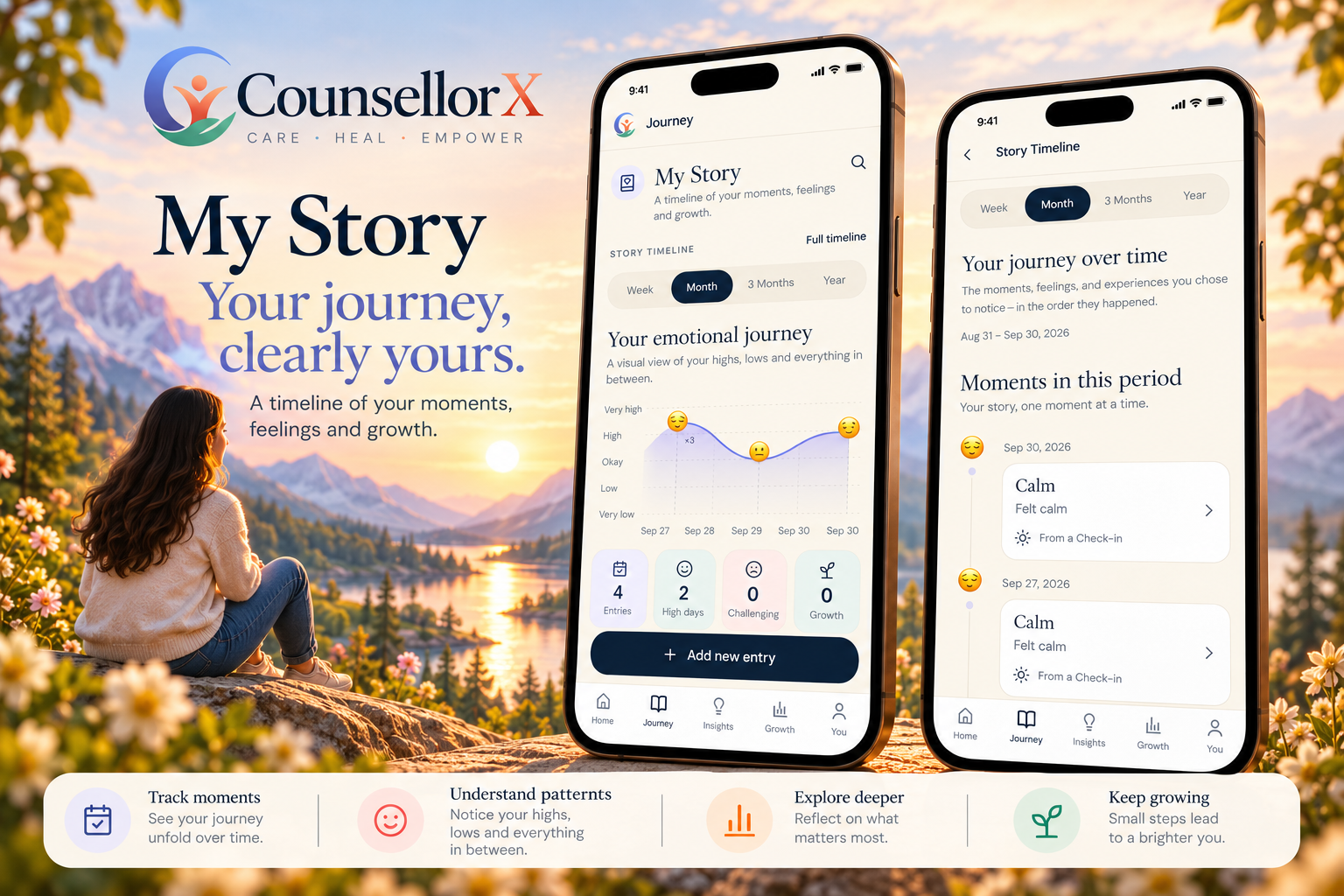
The journey — Connecting moments, reflection, insight, and growth over time.
-
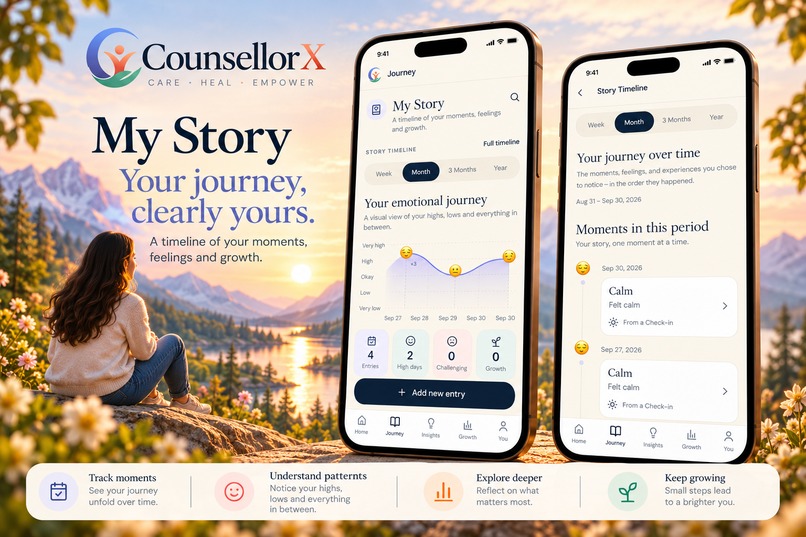
Your story, connected — See your experiences, emotions, and moments unfold over time.
-
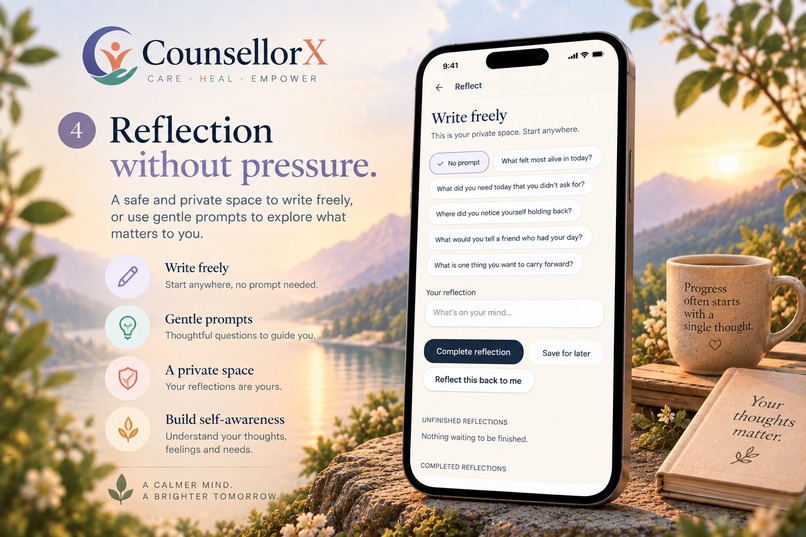
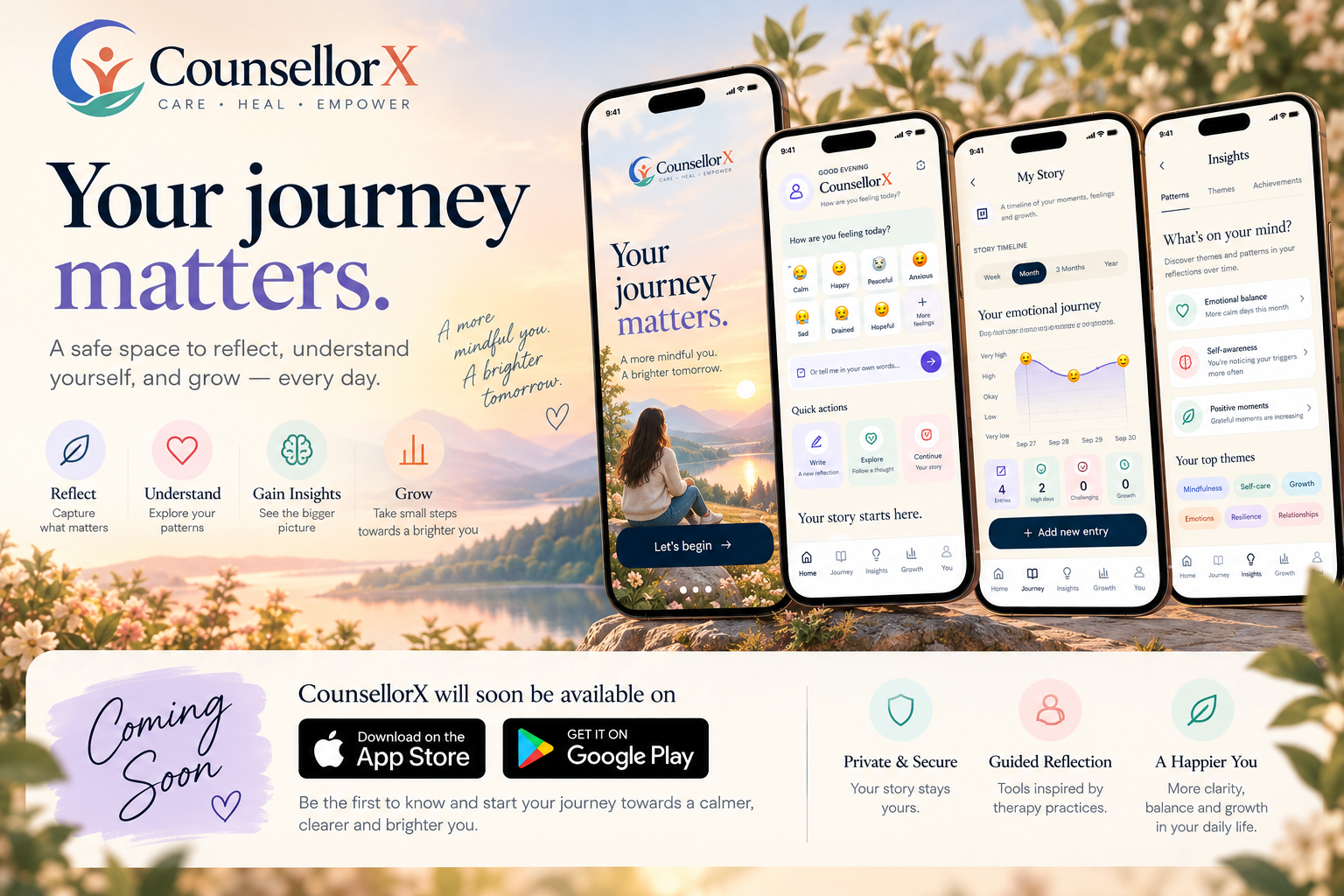
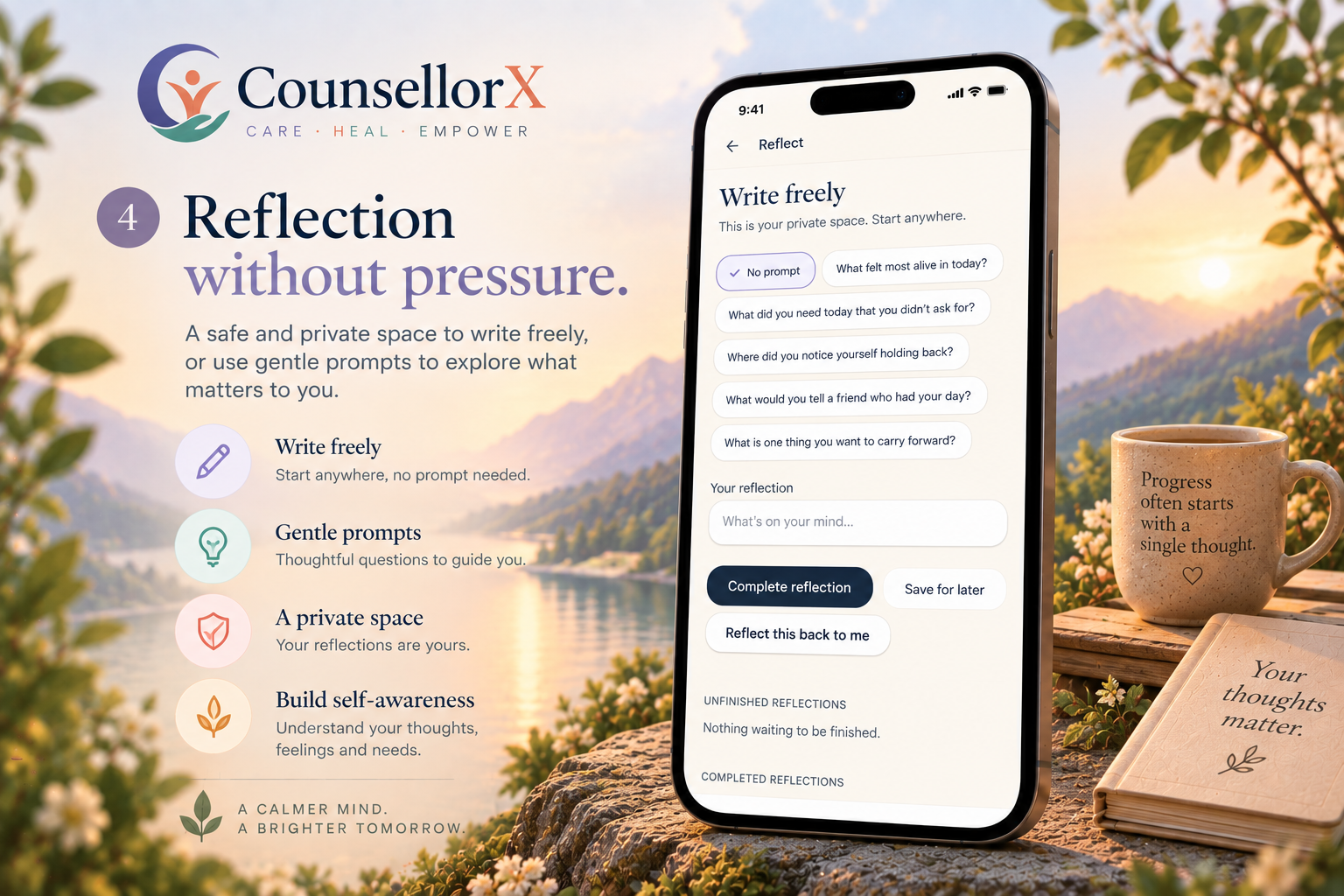
A private space to pause, write, reflect, and understand what you’re experiencing.
-
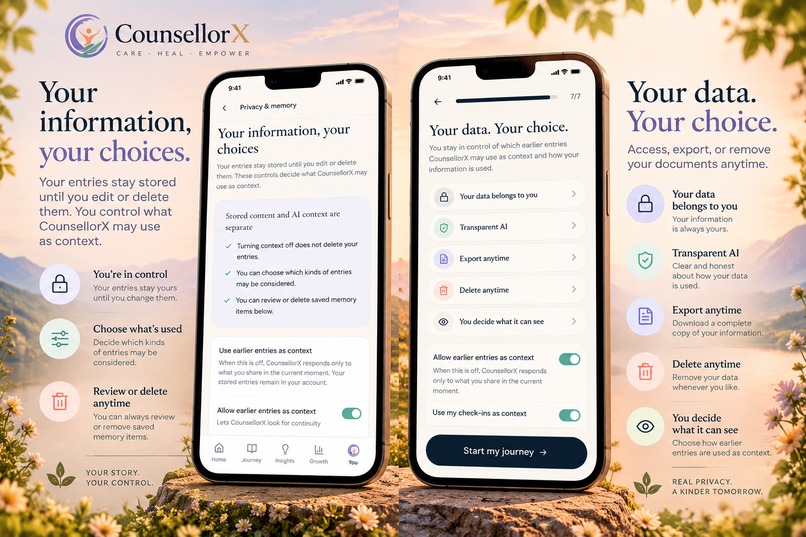
The intelligence layer — Discover possibilities across your journey.
-
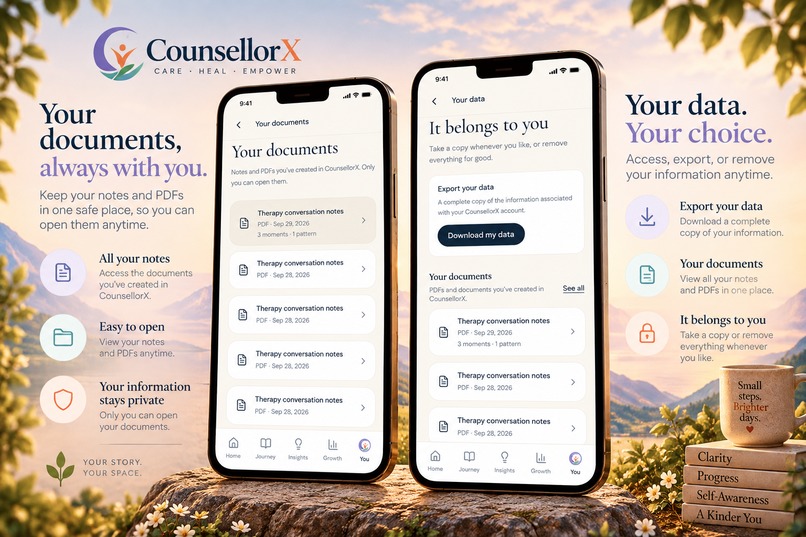
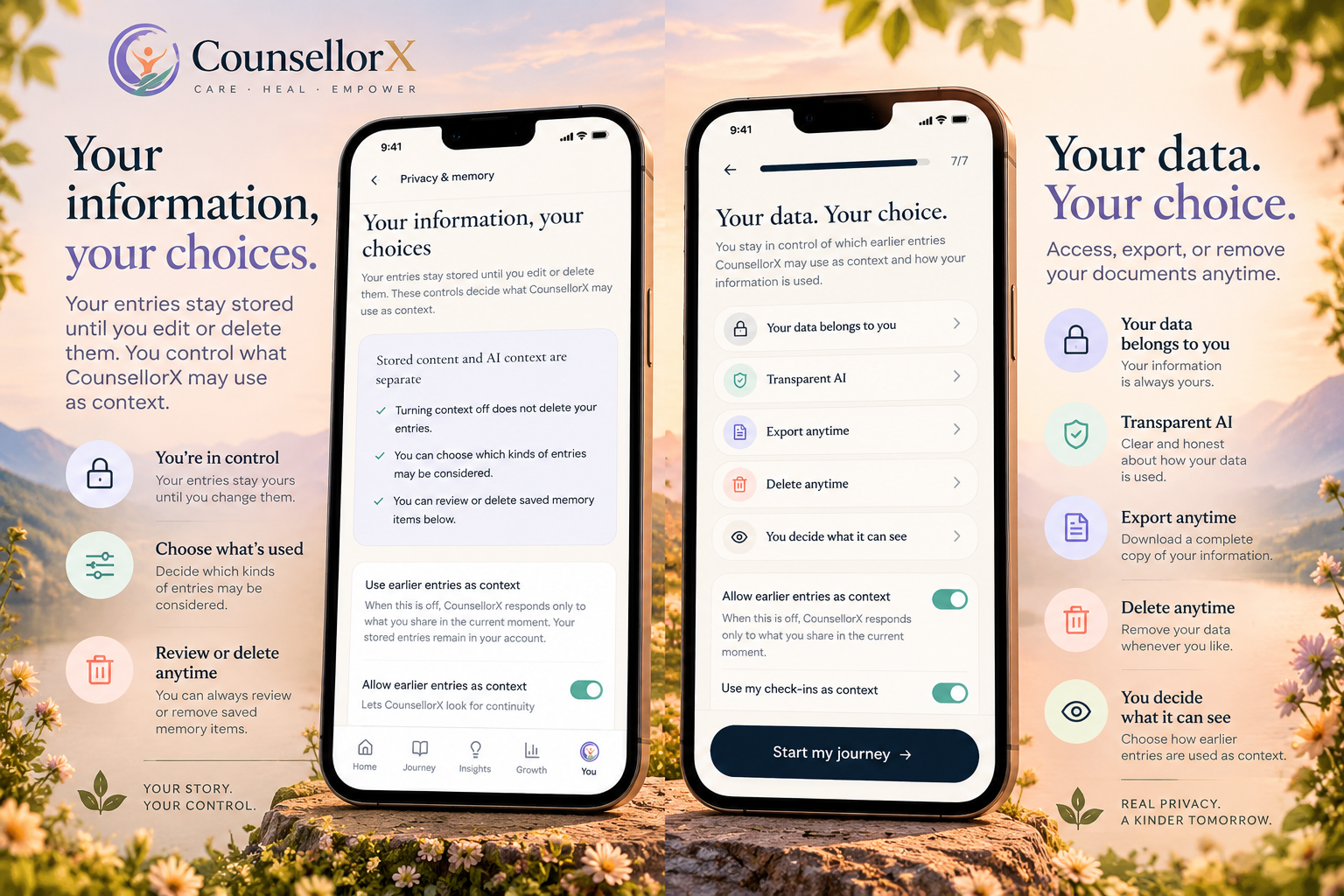
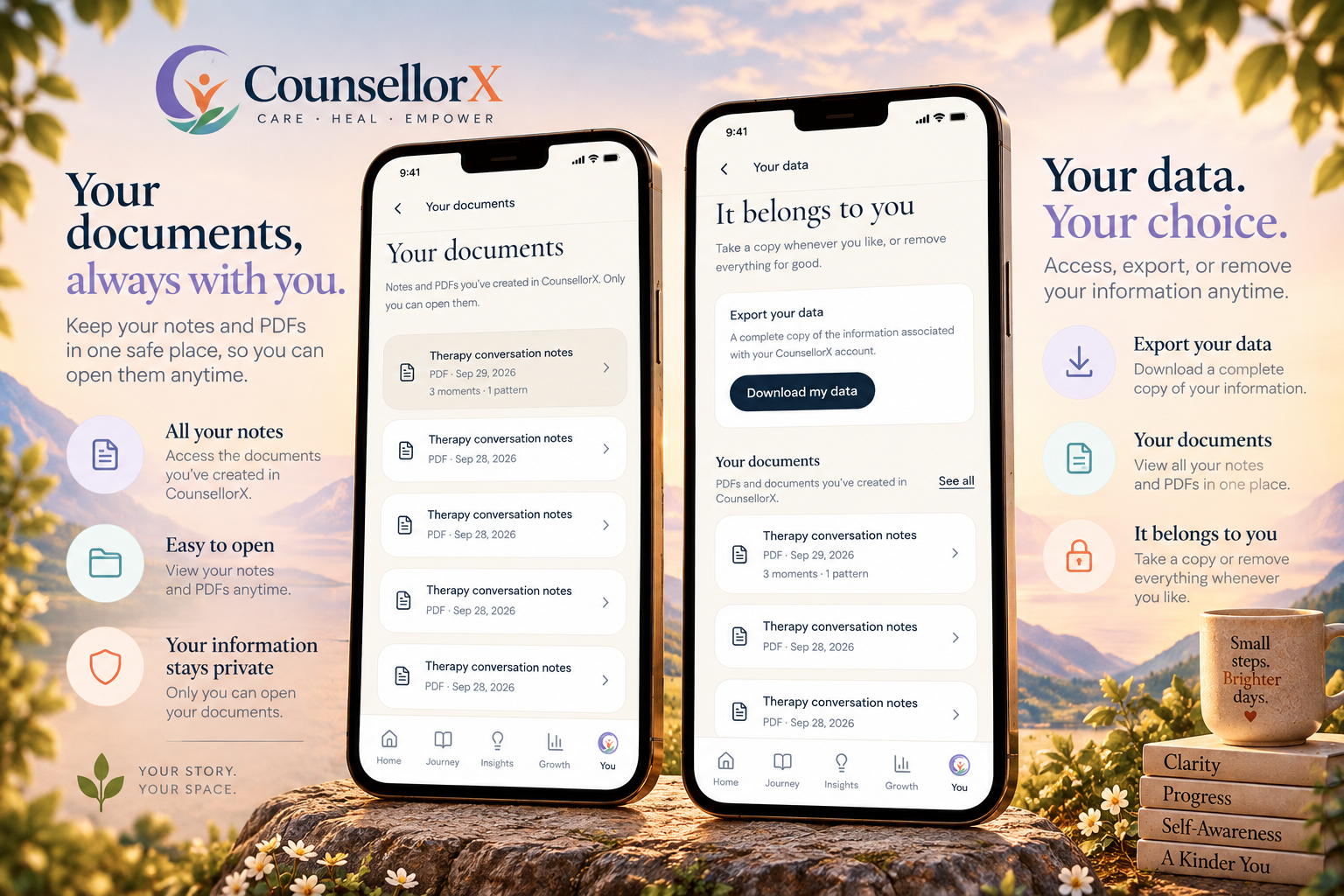
Bring the context you choose into professional conversations, with consent and control.
-
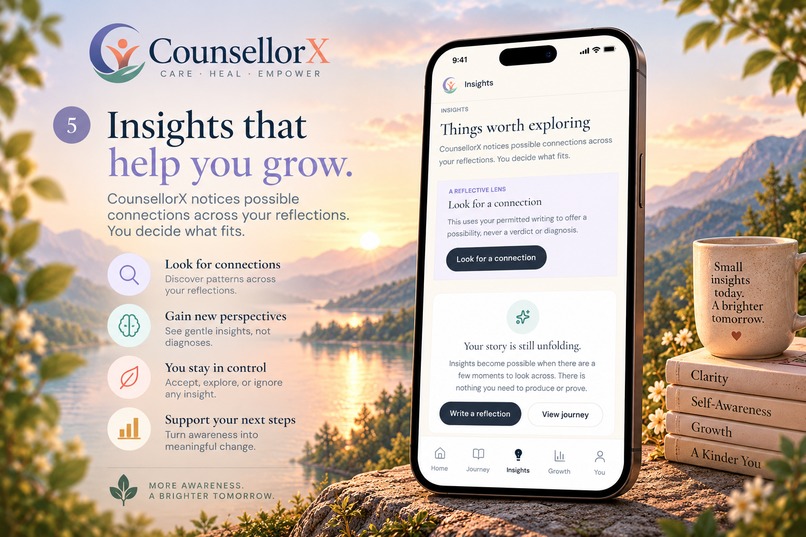
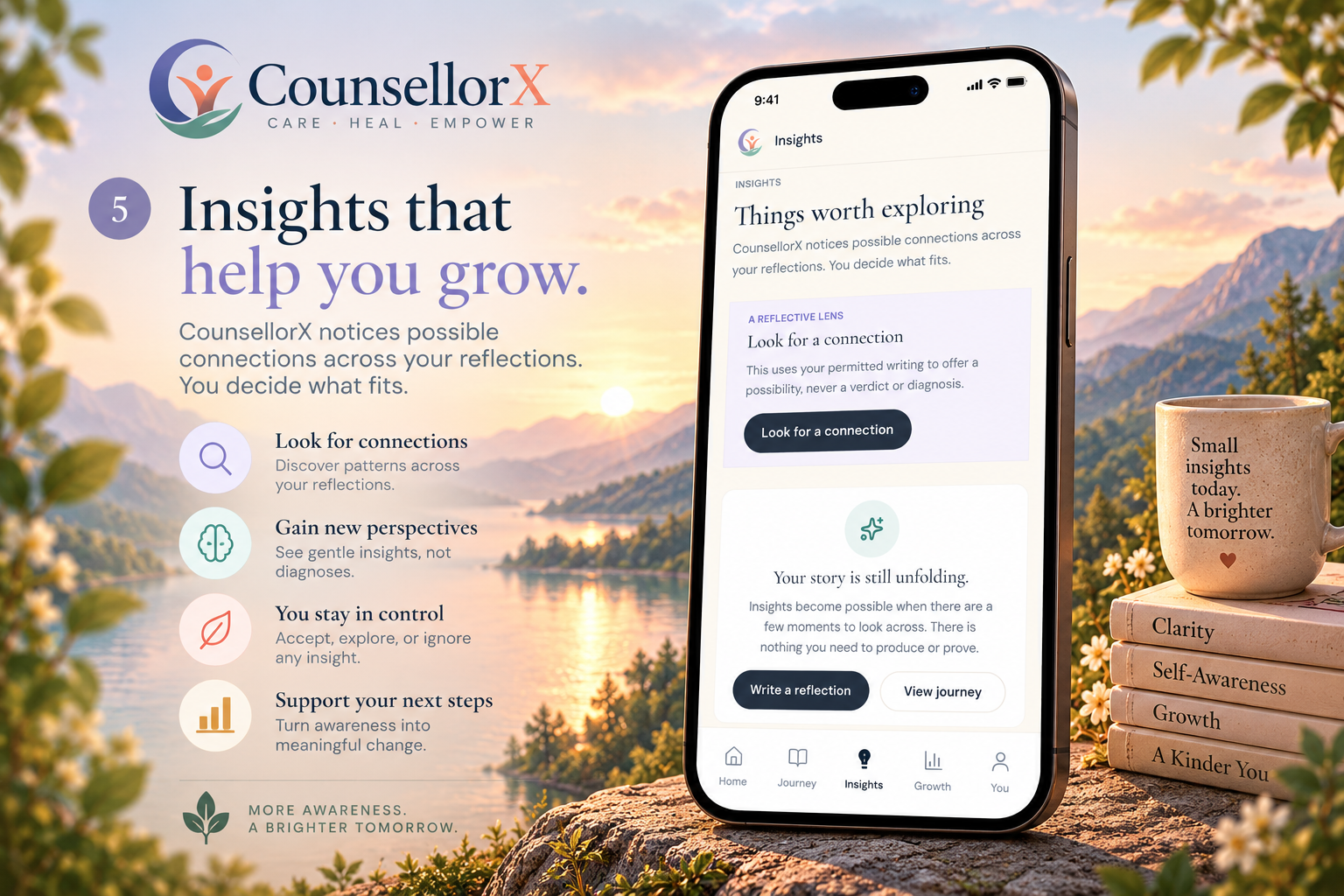
A reflective lens — Explore possible connections and patterns across your journey.
-

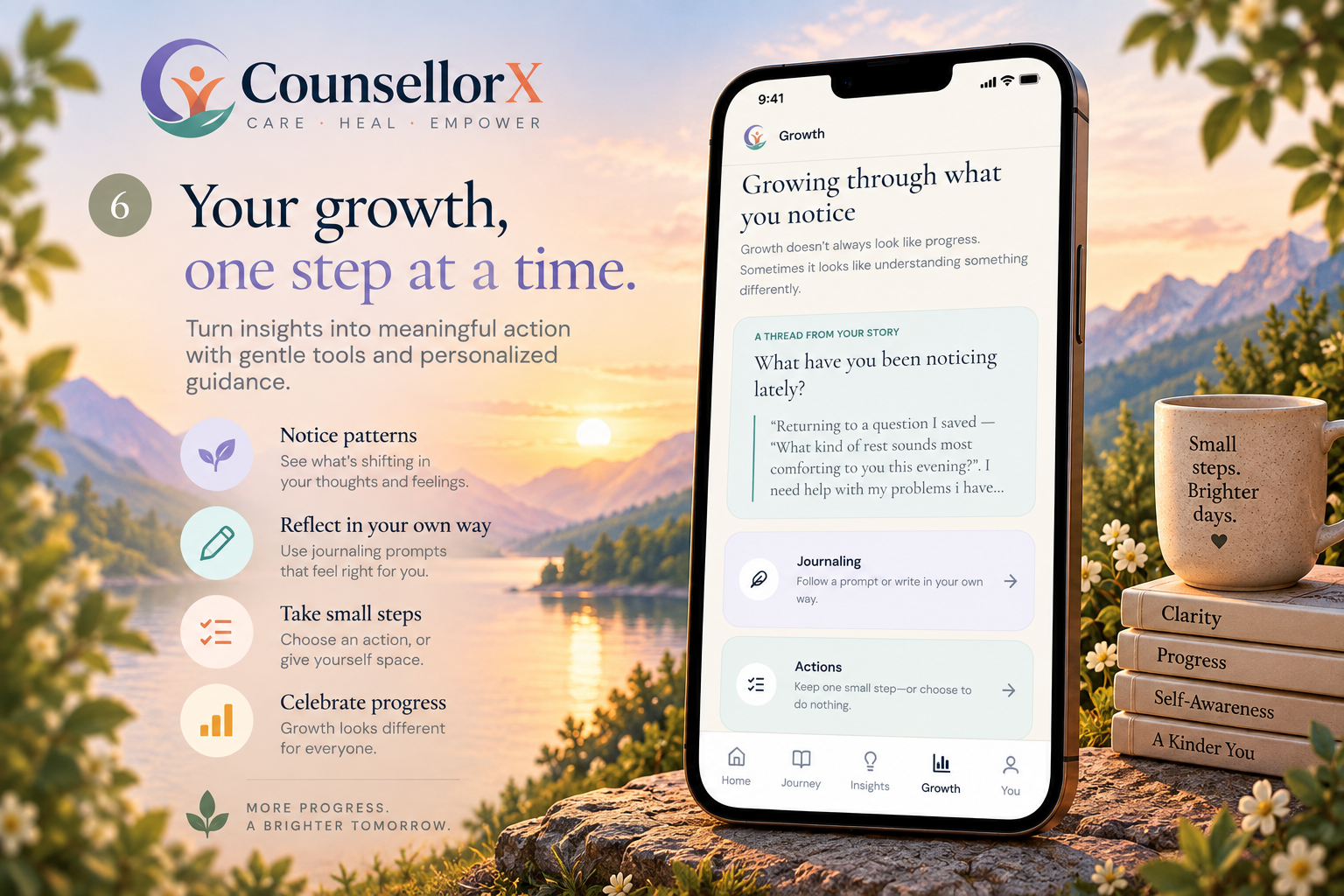
Turn awareness into action with small, meaningful steps that fit your journey.
-
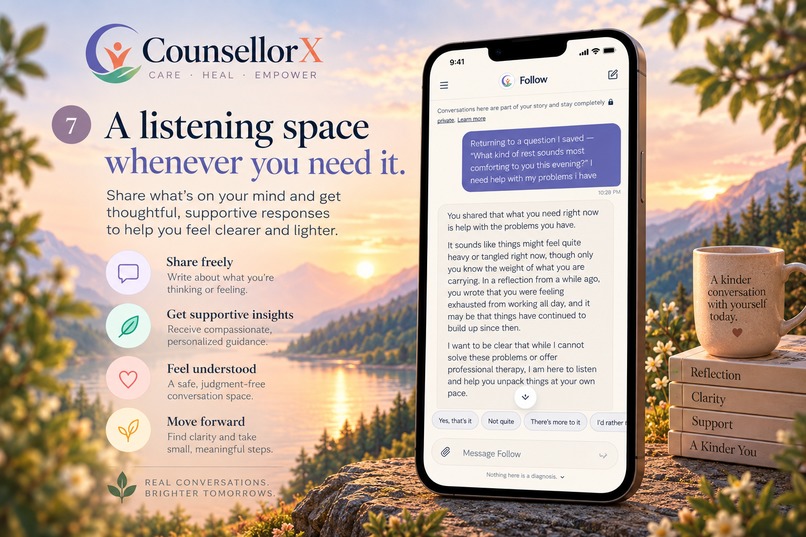
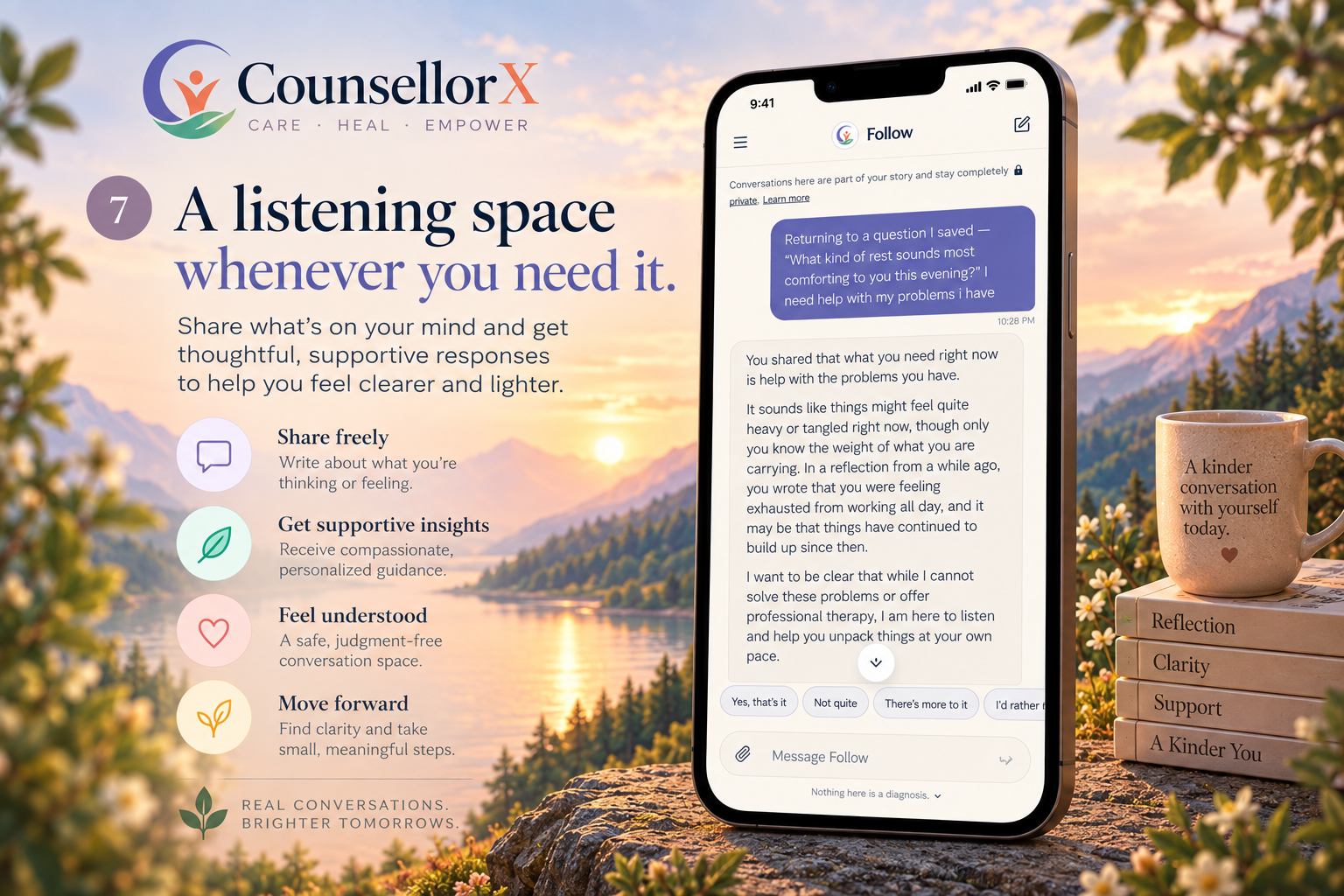
A thoughtful AI companion that helps you reflect without replacing human care.
-
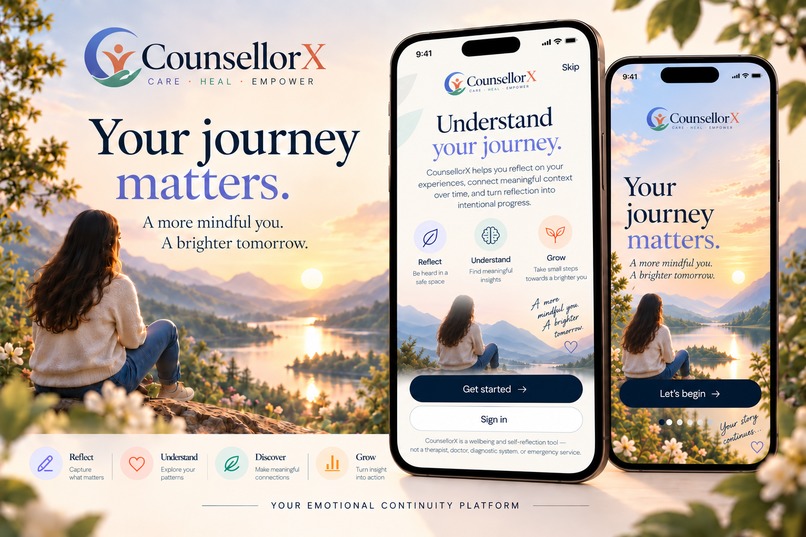
The journey — Connecting moments, reflection, insight, and growth over time.

Inspiration
Follow Therapy was inspired by a simple question: What happens between therapy sessions? Therapy can provide valuable guidance, but the journey of understanding yourself continues every day. I wanted to create a space where people could pause, reflect, track their experiences, and stay connected to the work they are doing on themselves between sessions.
Instead of creating another generic mood tracker or diary, I wanted Follow Therapy to feel like a personal companion for the journey—gentle, private, and encouraging without making users feel like they have another task to complete.
What it does
Follow Therapy is built around a different idea from typical mental-health apps: it doesn't just ask users to track how they feel—it helps them understand why they feel that way and how their experiences connect over time.
The app acts as a personal bridge between therapy sessions and everyday life, giving users one place to capture thoughts, emotions, experiences, habits, and reflections before they disappear.
What makes Follow Therapy different is its focus on context and continuity. Instead of isolated mood scores or generic journal entries, the experience is designed to help users build a personal timeline of their emotional journey and gradually discover patterns in themselves.
Users can reflect on a difficult day, connect it with what happened, record what helped, revisit similar moments later, and bring meaningful observations into their next therapy session.
The Core Difference?
Most apps track your mental health. Follow Therapy helps you understand your mental-health journey.
It combines the intimacy of a personal journal with the structure of a guided wellness tool—without turning self-care into another productivity task.
The experience is intentionally gentle, personalized, and non-judgmental. There are no pressure-driven streaks or expectations to “fix” yourself every day. Follow Therapy is designed to meet users where they are and help them move forward at their own pace.
Track less. Understand more. Follow your journey.
More specific, Most wellness apps focus on tracking a moment: your mood, your habit, your sleep, or your journal entry.
Follow Therapy focuses on understanding the journey.
It connects reflection, emotions, habits, goals, and personal experiences over time to help users see patterns that can otherwise be difficult to notice.
Follow Therapy is not about becoming a different person overnight. It's about understanding yourself a little better, one day at a time.
How we built it
I designed Follow Therapy around the idea of connecting therapy, journaling, self-reflection, and everyday wellness in one continuous experience.
The concept combines guided journaling and reflection with tools that can help users understand their emotions, identify patterns, set intentions, and build healthier routines over time.
I focused heavily on the UX and visual experience, using a warm and calming design language rather than the clinical aesthetic often associated with mental-health products. The interface was designed to feel approachable and human, while keeping interactions simple and accessible.
The core idea is:
Don't just track how you feel today. Understand your journey over time.
Follow Therapy is designed as a supportive companion to professional care, not a replacement for therapy or medical treatment.
Challenges we ran into
One of the biggest challenges was finding the right balance between structure and freedom.
Too much structure can make a wellness app feel like a productivity tool. Too little structure can make it difficult for users to know where to start. I wanted Follow Therapy to provide meaningful guidance while allowing users to use it in their own way.
Another challenge was designing for different emotional states. A person may have the energy to journal deeply one day and barely have the energy to open an app the next. The experience therefore needed to remain useful without creating guilt or pressure.
I also had to think carefully about responsible mental-health design—especially around language, expectations, accessibility, and the boundary between digital wellness support and professional mental-health care.
Accomplishments that we're proud of
One of our biggest accomplishments was turning an idea into a clear, differentiated product concept rather than another generic mental-health app.
We are proud of creating an experience centered around the idea of following the journey, not just tracking the moment. Follow Therapy brings together journaling, emotional reflection, personal patterns, wellness, and therapy preparation in one connected experience.
We are also proud of the design direction. We intentionally moved away from the typical clinical look of mental-health products and created something that feels warm, personal, calm, and human.
Most importantly, we built the foundation for a product that can grow with its users instead of simply giving them another daily tracker.
What we learned
We learned that a mental-health product cannot be designed around features alone. The emotional experience is part of the product. We learned how important it is to avoid creating pressure through streaks, scores, or constant reminders. Someone struggling emotionally should not feel like they are failing at using a wellness app.
We also learned that the real opportunity is not simply collecting more mental-health data. It is helping users make sense of their own story—connecting what happened, how they felt, what they did, what helped, and what changed.
Most importantly, we learned to design with empathy first and technology second.
What's next for Follow Therapy
The next step is to turn the concept into a fully functional product and validate it with real users.
We want to develop Follow Therapy into a more personalized experience where the app can recognize meaningful patterns across a user's reflections and help them turn those observations into useful insights.
Future development will focus on:
Personalized reflection journeys based on the user's needs and experiences.
Smarter pattern discovery across emotions, habits, triggers, and life events.
Therapy preparation tools that help users organize what they want to discuss with their therapist.
Long-term progress views that show meaningful changes without reducing mental health to a score.
More accessible and inclusive experiences for different needs and emotional states.
Privacy-first design so users remain in control of their most personal information.
The long-term vision is for Follow Therapy to become more than a journaling app—a personal companion that helps people understand their own journey and stay connected to their growth between therapy sessions.
The next chapter isn't about tracking more. It's about understanding better.

Log in or sign up for Devpost to join the conversation.