-
-
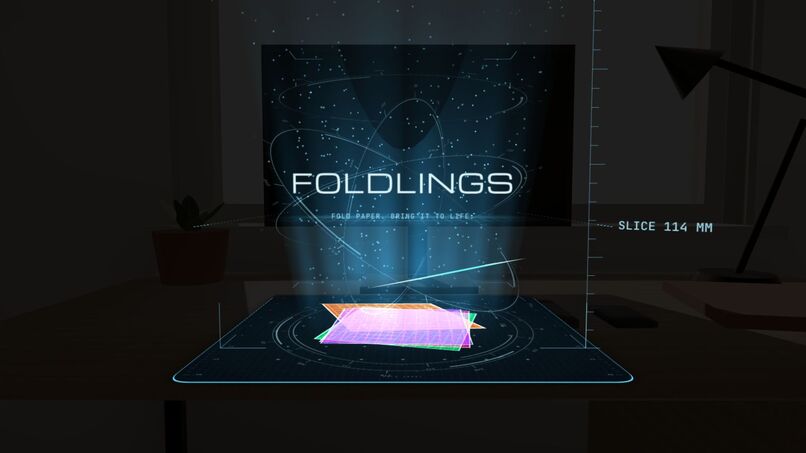
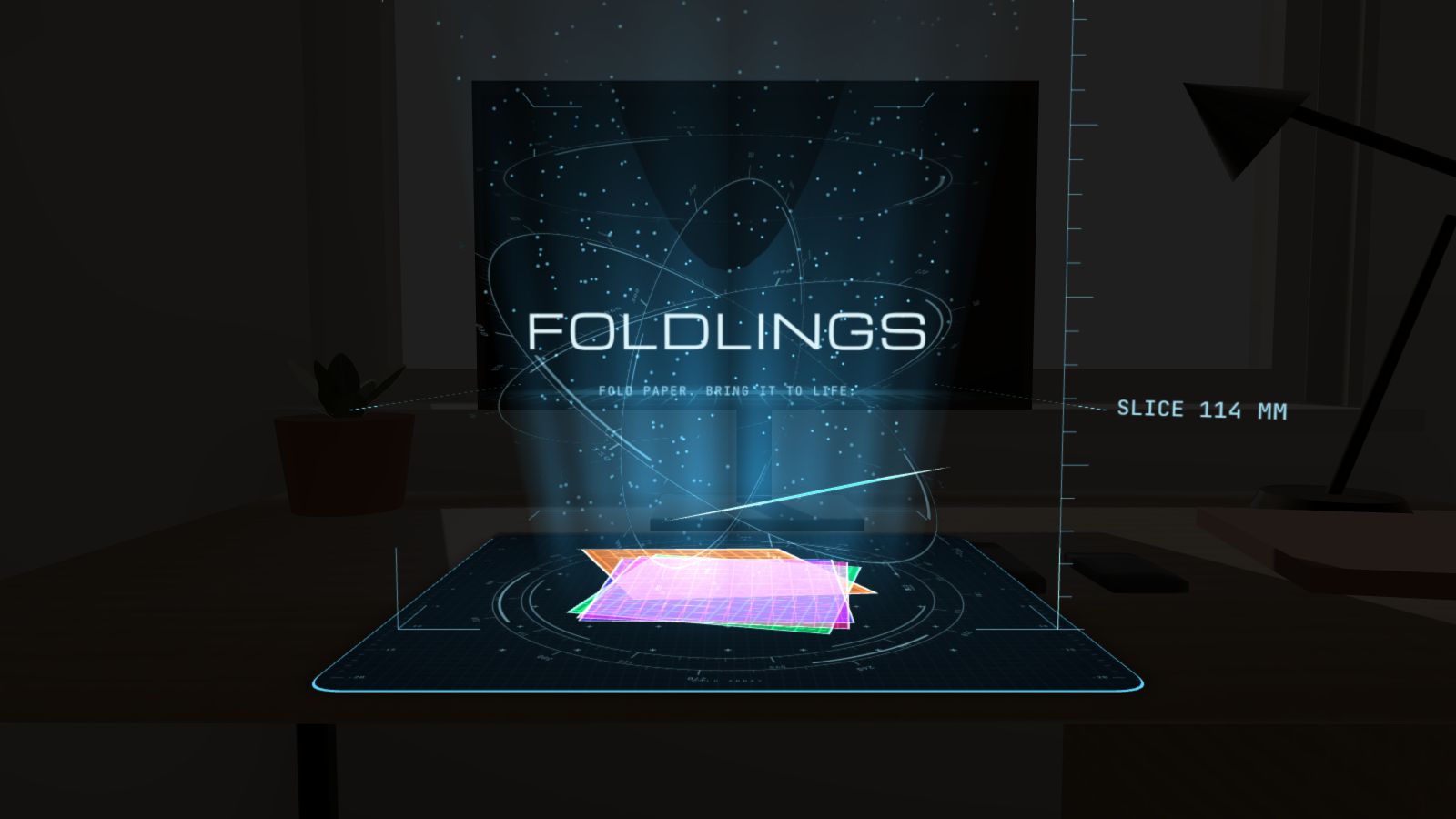
Foldlings: origami you fold with your bare hands, in your own room
-
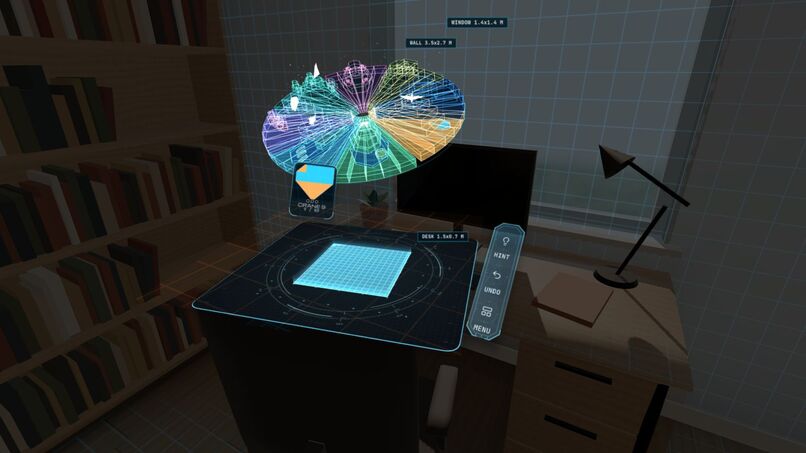
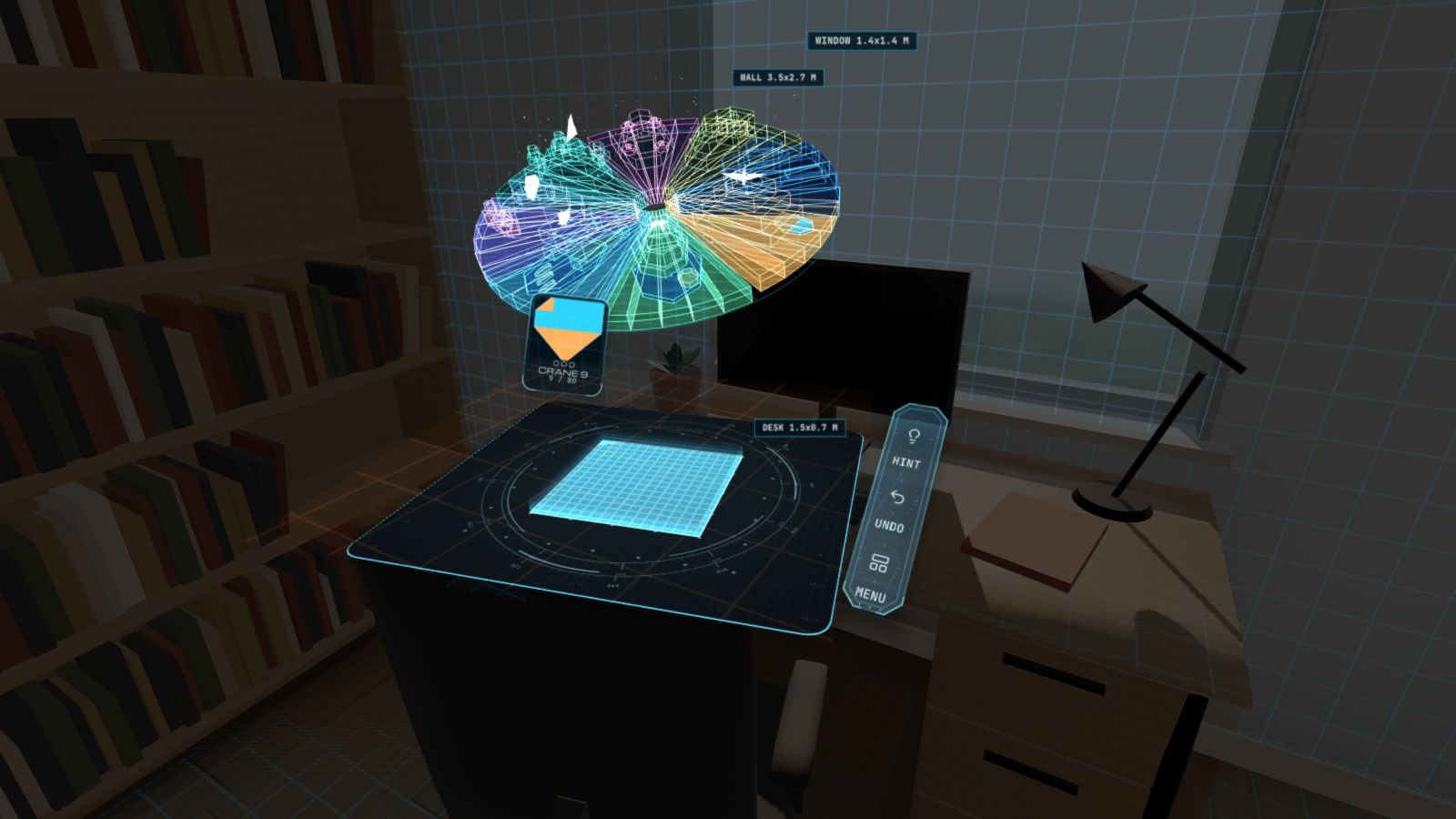
Room scan: the surfaces the headset found light up, labelled with their size, and the mat lands on the desk
-
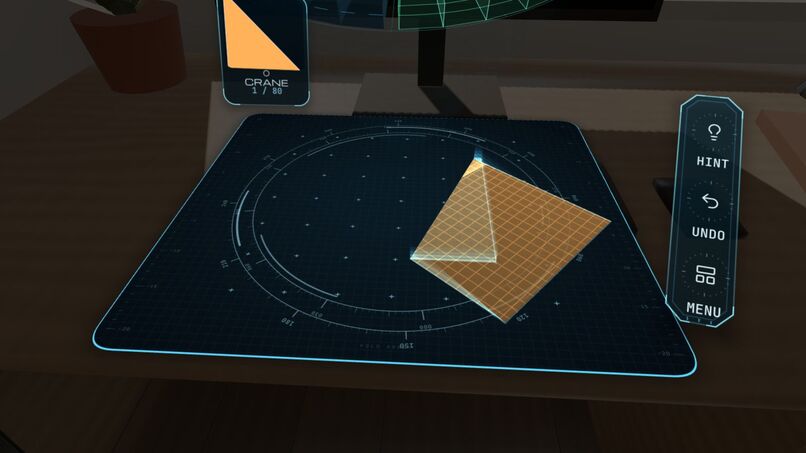
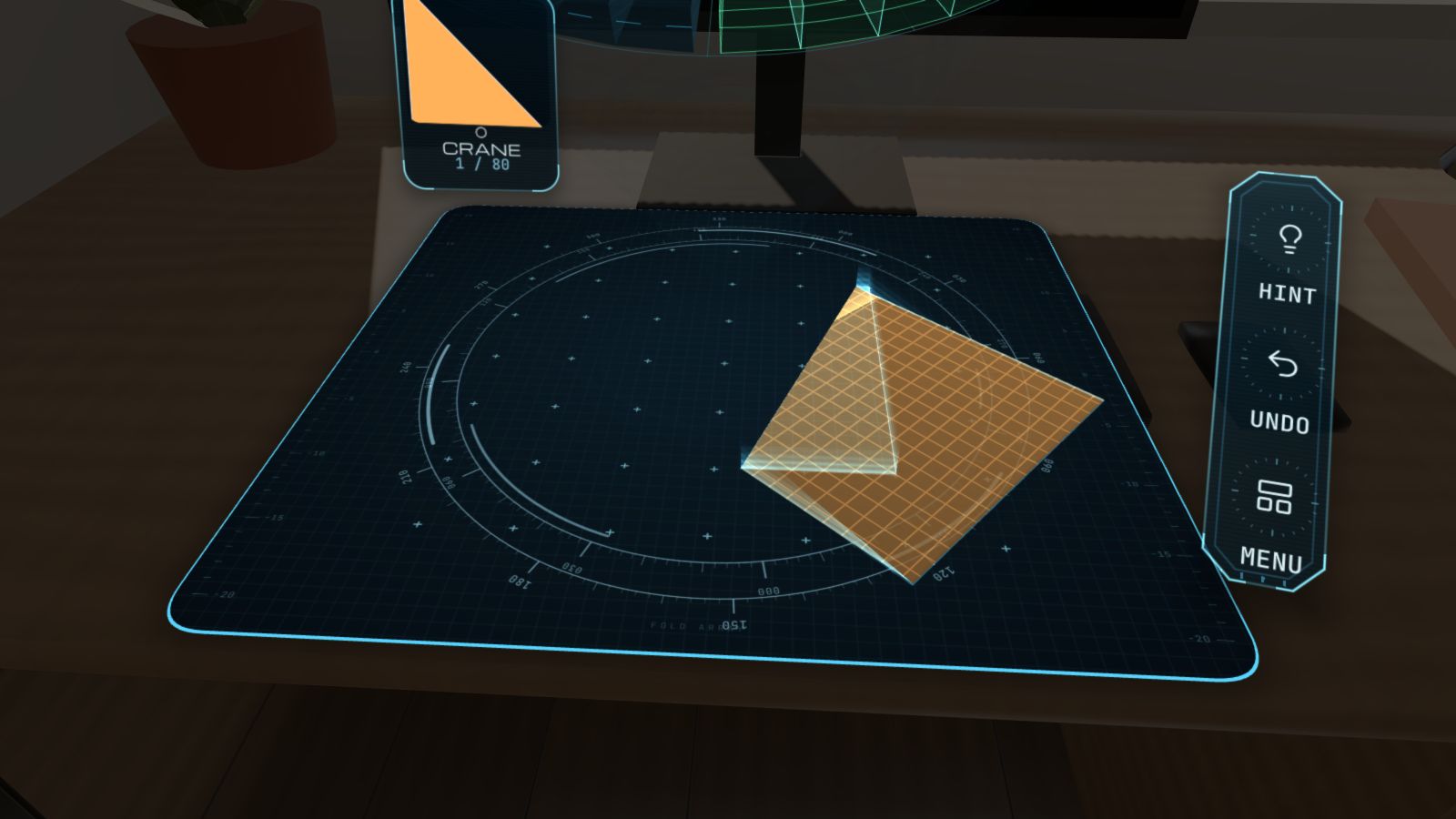
Pinch any part of the paper and lay it over; the crease follows your fingers and snaps into place
-
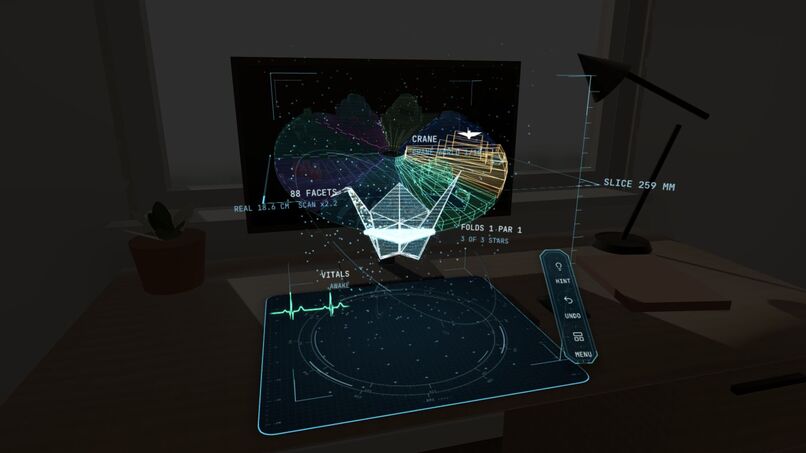
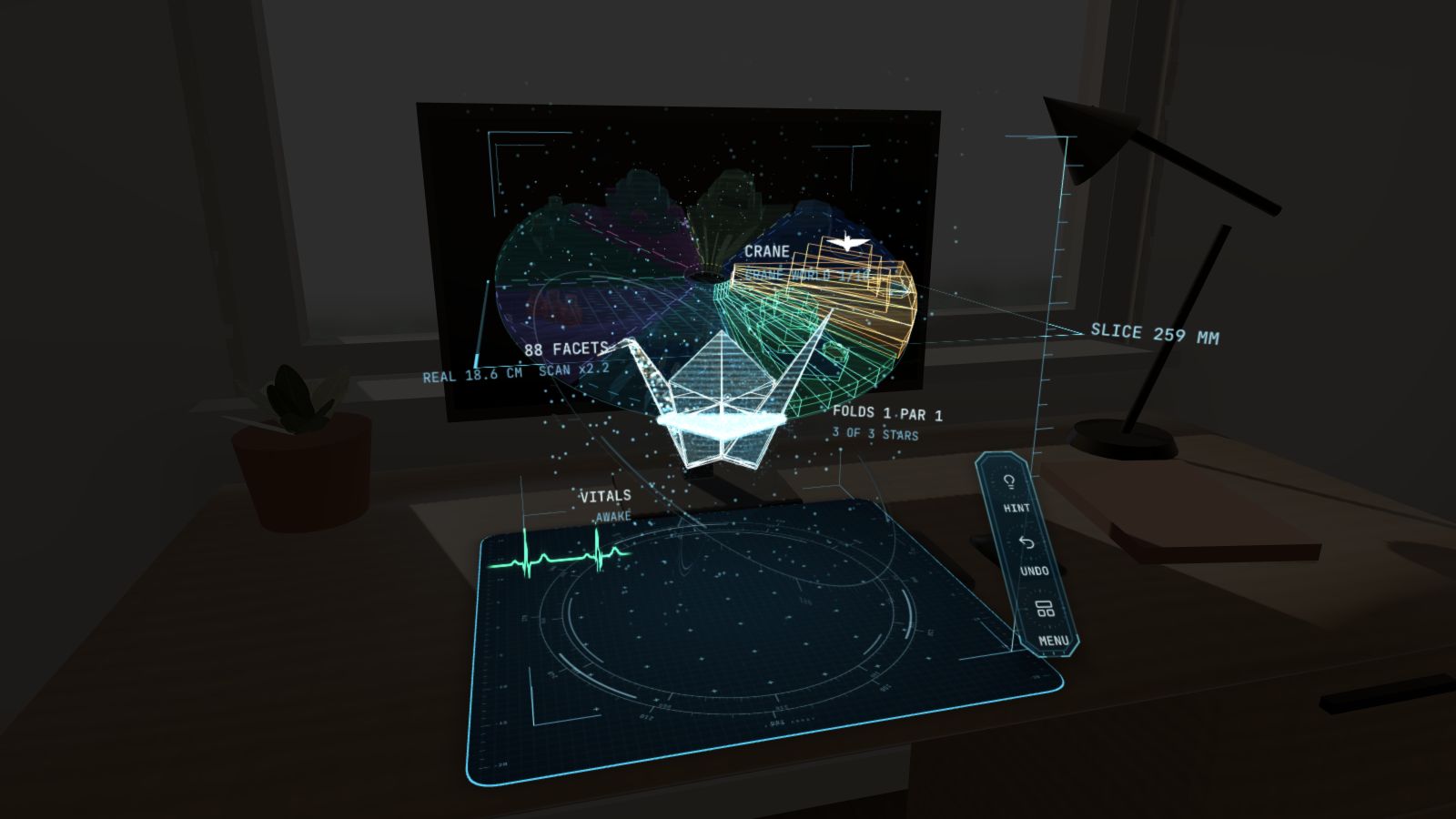
Solved: the sheet folds itself into a crane, crease by crease, and wakes up
-
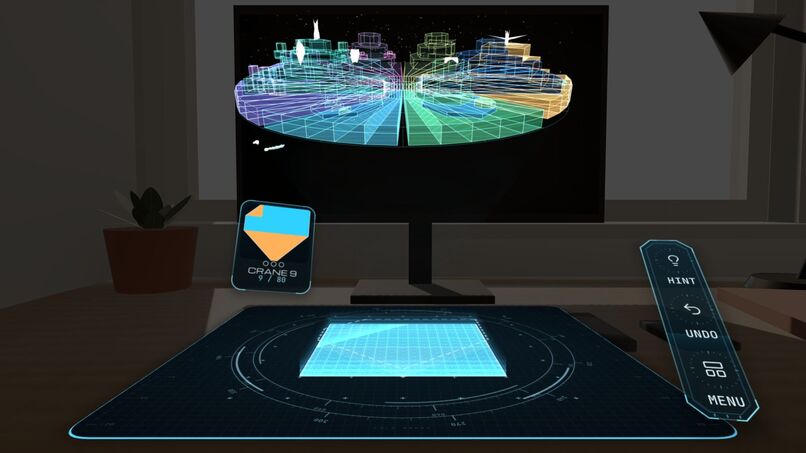
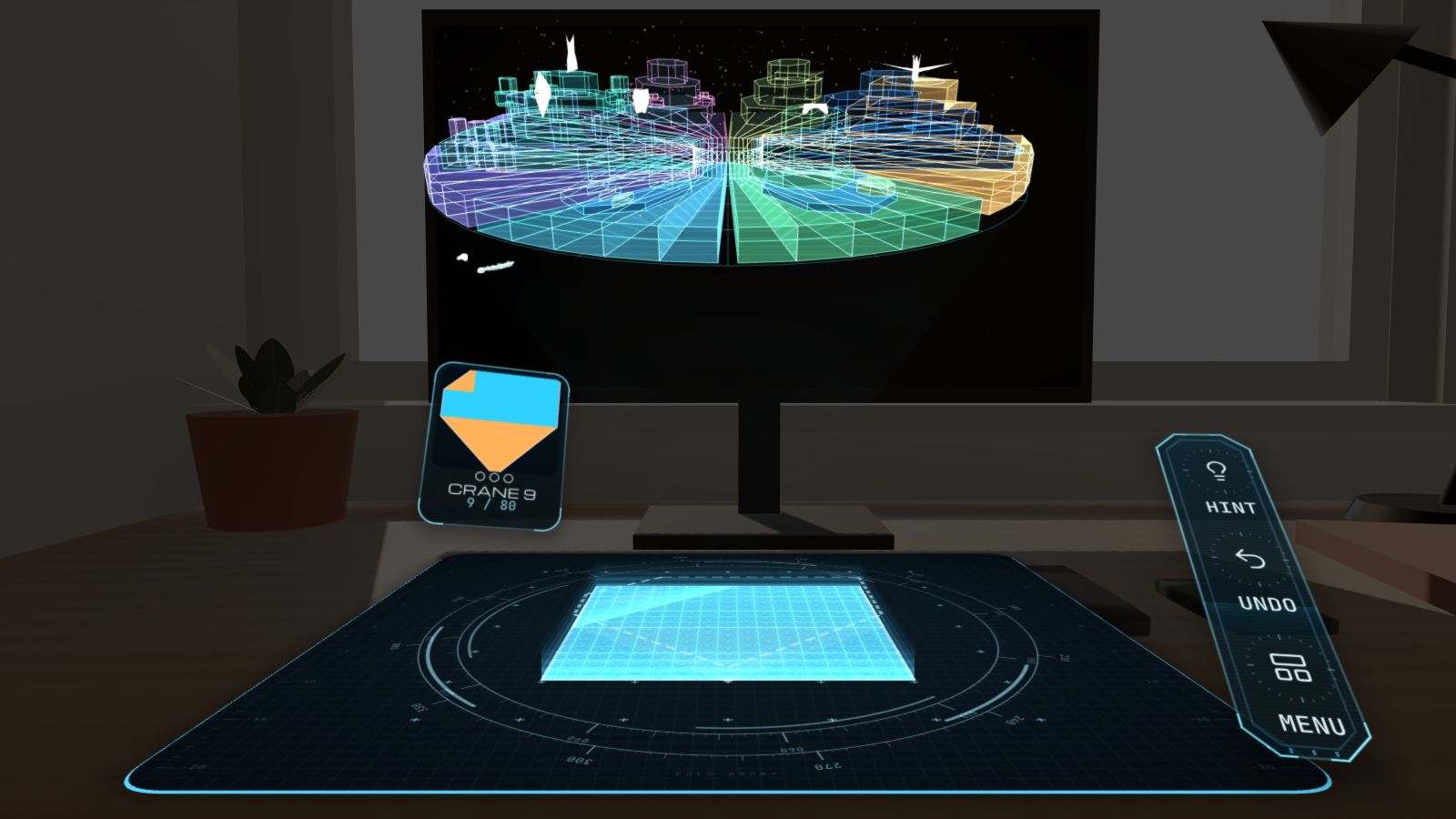
The world island above the mat shows your progress through eight creature worlds
-
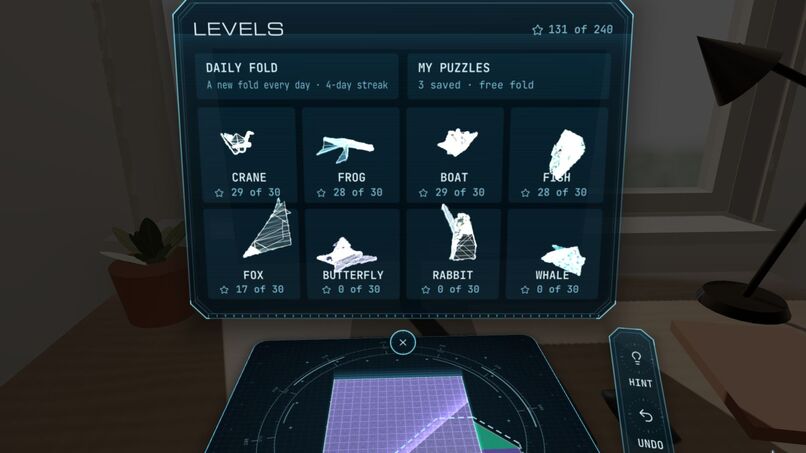
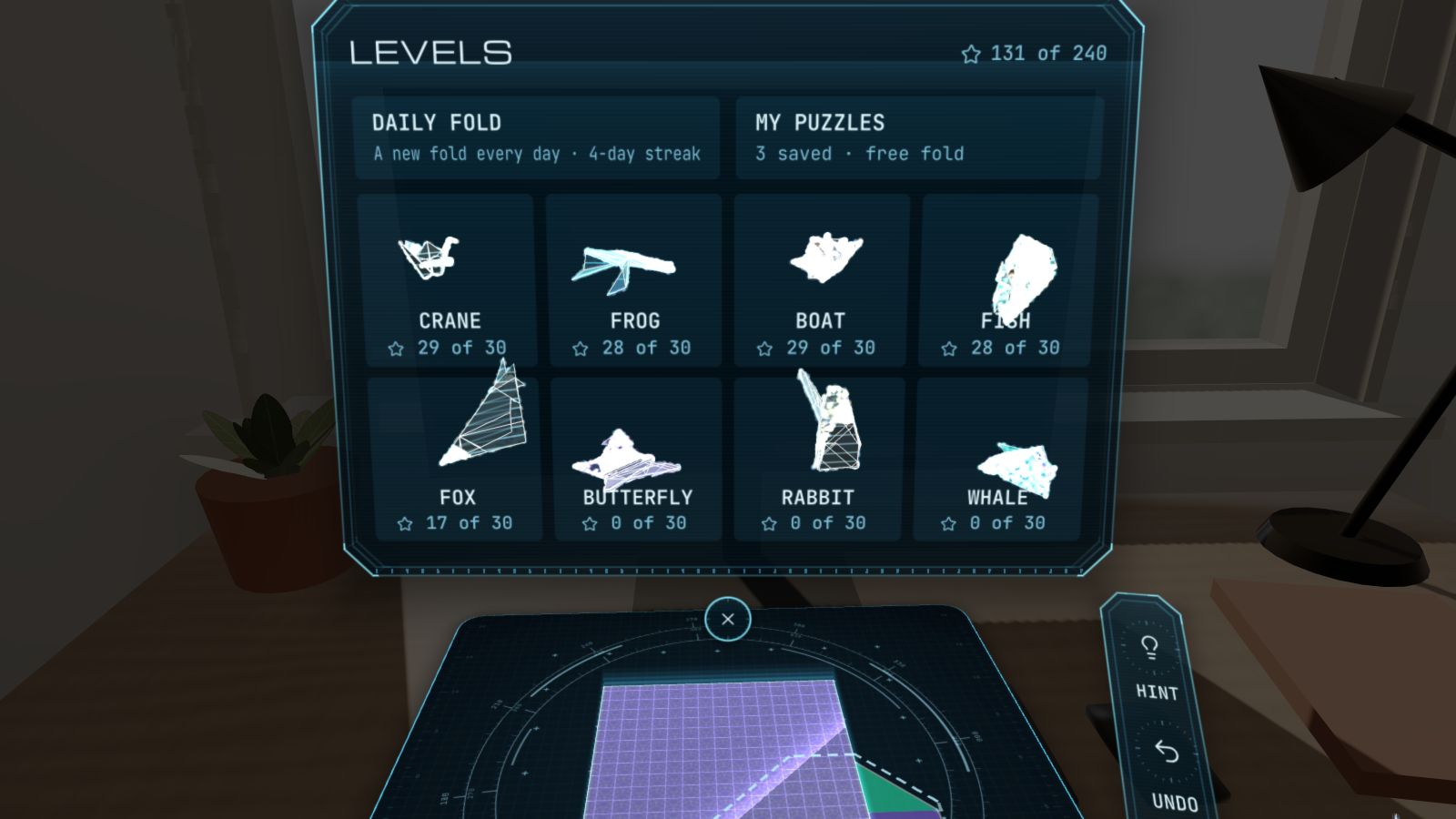
80 puzzles in 8 worlds, plus a Daily Fold and the puzzles you fold yourself
-
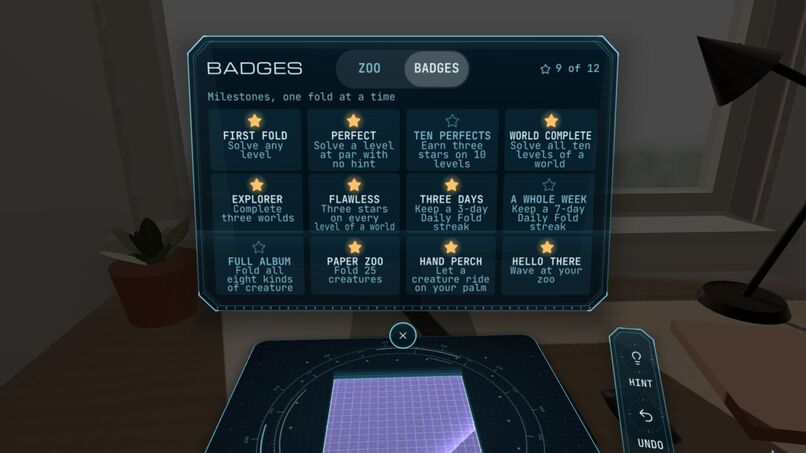
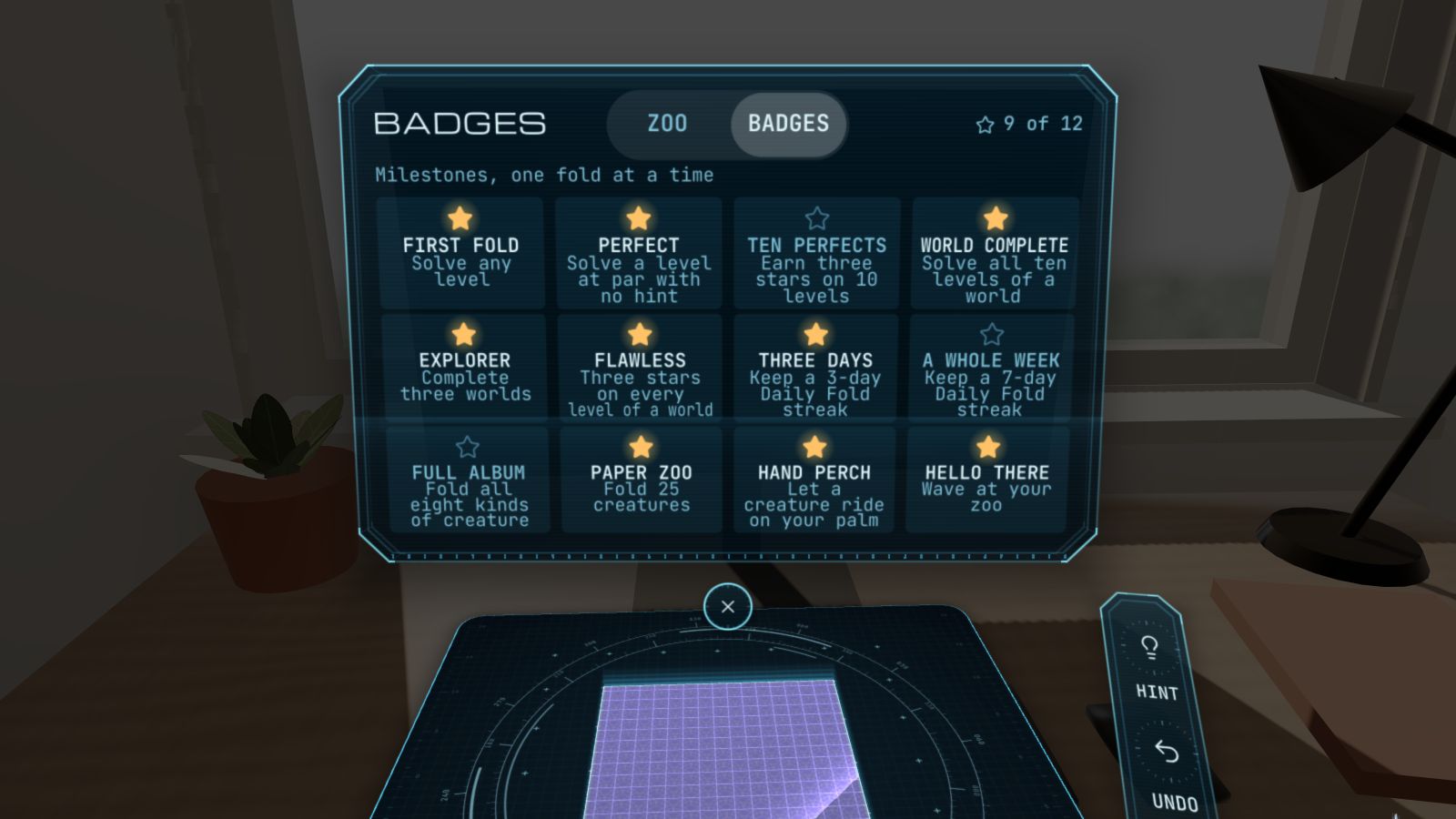
12 badges, from your first fold to a creature riding on your palm
-
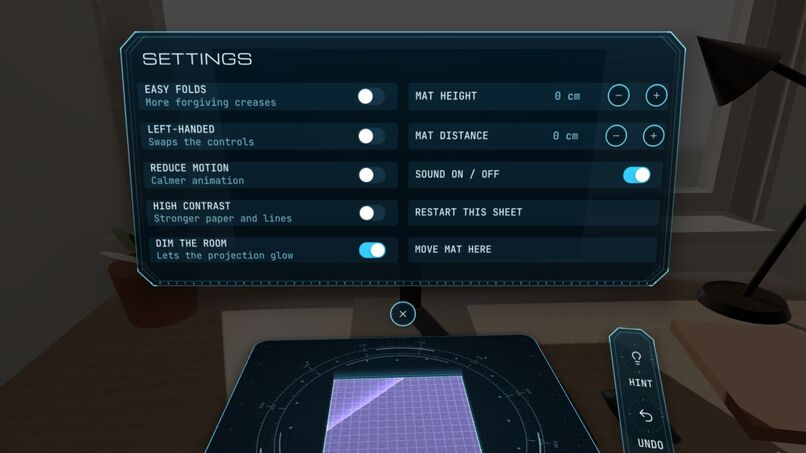
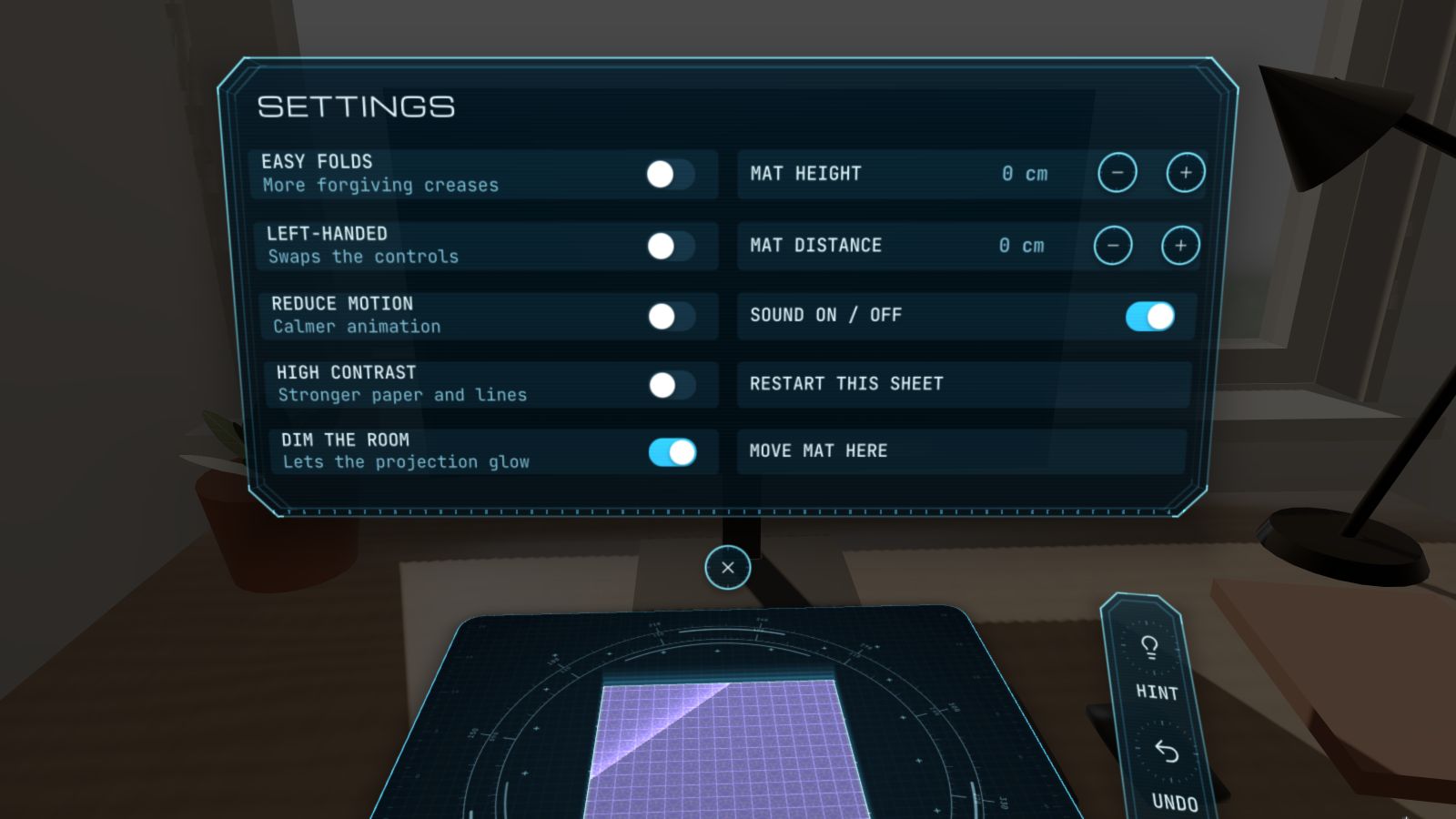
Built for every hand: easy folds, left-handed mode, reduce motion, high contrast, dim the room
How to try it (2 minutes)
- On a Meta Quest, open https://yy5652-hash.github.io/foldlings/ in the Quest Browser. No install, no controllers.
- Tap "Play in your room" (passthrough) or "Play in VR".
- Sit down, pinch a corner of the paper and lay it over to match the card. A desk helps but is not needed.
No headset? The same link plays in a desktop browser with a mouse.
Inspiration
Origami is the most natural thing to do with your hands: pick up a corner, lay it over, press the crease. Hand tracking finally lets us do that in a headset with nothing in our hands. We wanted a puzzle you can play seated at a desk, that gives you something delightful in the first thirty seconds, and that leaves a small trace in your room every time you play.
What it does
- It learns your room first. A holographic scan lights up every surface the headset detected (desk, walls, window, couch), labelled with its size, and the folding mat lands on your real table. If the room has not been scanned, it floats at desk height.
- Fold with your hands. Pinch any part of the paper and lay it over. The crease is computed from your hand in 3D and snaps to the nearest crease on the mat, so even shaky tracking folds cleanly. The paper has a coloured front and a white back, so each fold changes the picture. Match the shape on the card and the paper turns green: solved.
- The puzzle becomes a creature. The same sheet folds itself into one of eight origami creatures (crane, frog, boat, fish, fox, butterfly, rabbit, whale), crease by crease, and wakes up. It flies to a real surface in your room (desk, couch, shelf, floor, wall or window) and stays there between sessions. Hold out an open palm and one hops on; wave and the zoo answers.
- 80 puzzles in 8 worlds, ten per creature, from one fold up to four, with par moves and three stars. They were hand-picked from 35,351 distinct candidate pictures found by our puzzle generator.
- Daily Fold with a streak, Flash Fold (a 60-second challenge), and a combo for solving at par without hints.
- Free fold: fold your own puzzle and share it as a short code; the link with that code opens the puzzle straight away for a friend.
- 12 badges and an album of your paper zoo.
- A world island: a small holographic island on the mat shows your progress through the eight worlds.
- Built for every hand: left-handed mode, easy folds, reduce motion, high contrast, dim-the-room, and adjustable mat height and distance.
- No passthrough? The same game runs in its own virtual theatre in VR, and in a desktop browser with a 3D orbit view and mouse folding.
- X-ray view (open the link with
?xray=1): the tracked joints of each hand and the live crease solver (grab point, pinch point, the bisector plane between them and the raw crease before it snaps).
How we built it
- Meta Immersive Web SDK (WebXR, Three.js, ECS), deployed as a static site on GitHub Pages: no install, cold start in the Quest Browser.
- A folding engine written from scratch in TypeScript: paper is a stack of convex facets; a fold clips each facet by the crease, reflects the moving part, flips its side and restacks it on top.
- Crease from motion: folding paper point P to your pinch point H means the crease is where the table meets the perpendicular bisector plane of PH. We snap that line to the nearest lattice crease with a little hysteresis, and swing the flap towards your fingers, so lifting a corner up and over feels like real paper. Hand positions are smoothed with a One Euro filter.
- Puzzle generation (
scripts/gen-levels.ts): a breadth-first search over fold sequences (exhaustive up to three folds, sampled at four) found 35,351 distinct pictures; we scored them for symmetry and two-tone contrast and hand-picked the campaign. - Creatures are folded from real crease patterns on a 20 cm square and only move along their folds. Models, paper textures, holograms and all sound effects are generated in code; the game ships no external art or audio files.
- Scene understanding reads both the room's planes and its furniture volumes, picks homes by habitat (perchers go high, swimmers circle in the air, butterflies rest on walls), keeps everything inside the scanned walls and avoids crowding. The mat only lands on a surface it fits on, and its spot is saved against the room so it comes back in the same place.
- Designed to hold Quest's frame rate: foveated rendering from the start of the session, and a quality guard that watches the frame rate. If a session cannot hold its target for a few seconds, it gives up the costliest extras one step at a time (full foveation, then fewer hologram samples and a low-power stage) and never steps back up, so the picture does not keep changing. Opening the system menu pauses the game and its audio; it resumes exactly where you left off, with a short reminder after a longer break.
- 319 unit tests (Vitest) cover the folding engine, puzzles, share codes, placement and game feel. We tested in emulated rooms (home office, kitchen, bedroom) with the IWSDK headset emulator.
Hand interactions
Hands first, end to end: pinch-and-drag folding on the paper; a hover ring under each hand that tightens as your fingers close and turns gold when a pinch will take hold; fingertip pokes for the round tokens (undo, hint, restart, daily, sound, recenter) and for creatures; an open palm for a creature to ride on; a wave to greet the zoo. The same actions work by pointing and pinching from a distance, with controllers, or with a mouse in a desktop browser. Every interaction is designed to sit within arm's reach of a seated player.
First five minutes
The first puzzle needs a single diagonal fold. A ghost hand demonstrates it on the paper itself (no text walls), and the first creature is born in about thirty seconds. Hints use the same ghost hand.
Awards we are aiming for
- First Five Minutes: a ghost hand shows the first fold on the paper itself, and the first creature is born in about thirty seconds.
- Reason to Come Back: a Daily Fold with a streak, 80 puzzles with stars, and a paper zoo that stays in your room between sessions.
- Accessibility Forward: left-handed mode, easy folds, reduce motion, high contrast, dim-the-room, and adjustable mat height and distance.
Challenges we ran into
Turning noisy hand tracking into clean, satisfying folds: the crease is solved continuously from the hand, then snapped with hysteresis so it does not flicker between creases. Placing creatures believably in any room, with or without a scan. Keeping one codebase working in passthrough, VR and a flat browser.
What's next
More creature families and seasonal paper, a "fold a gift" mode to send a creature to a friend, and a hand-crafted chapter that teaches real origami bases. Target launch: Meta Horizon Store as a web app (PWA) in Q1 2027.
Credits
Video narration is a synthetic voice (Kokoro-82M). Video music: "Reign" by Kevin MacLeod (incompetech.com), licensed under CC BY 4.0. Sound effects in the game and the video are synthesized in code.
Built With
- github
- meta-iwsdk
- three.js
- typescript
- vite
- vitest
- webaudio
- webxr
