-
-
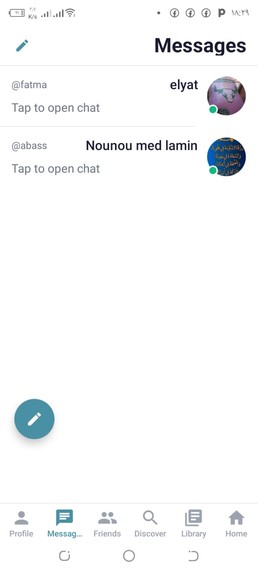
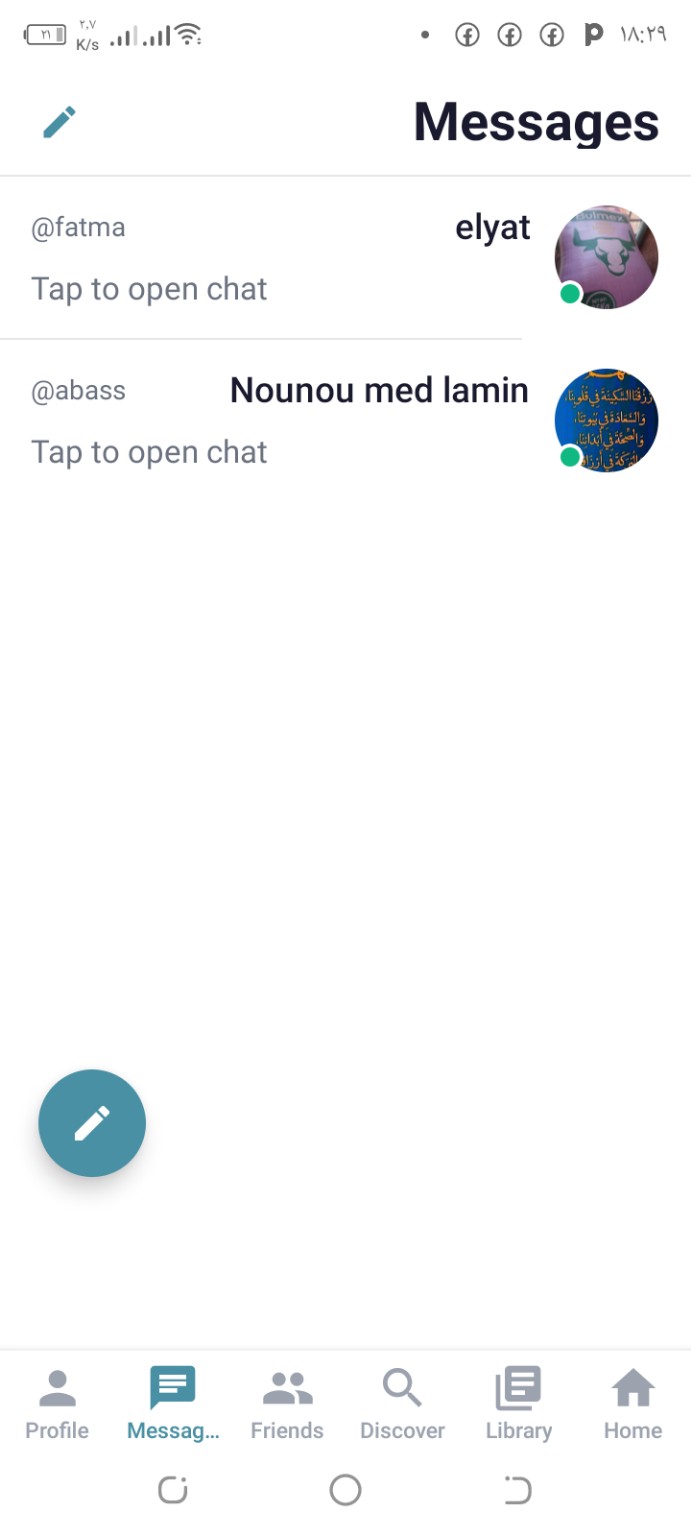
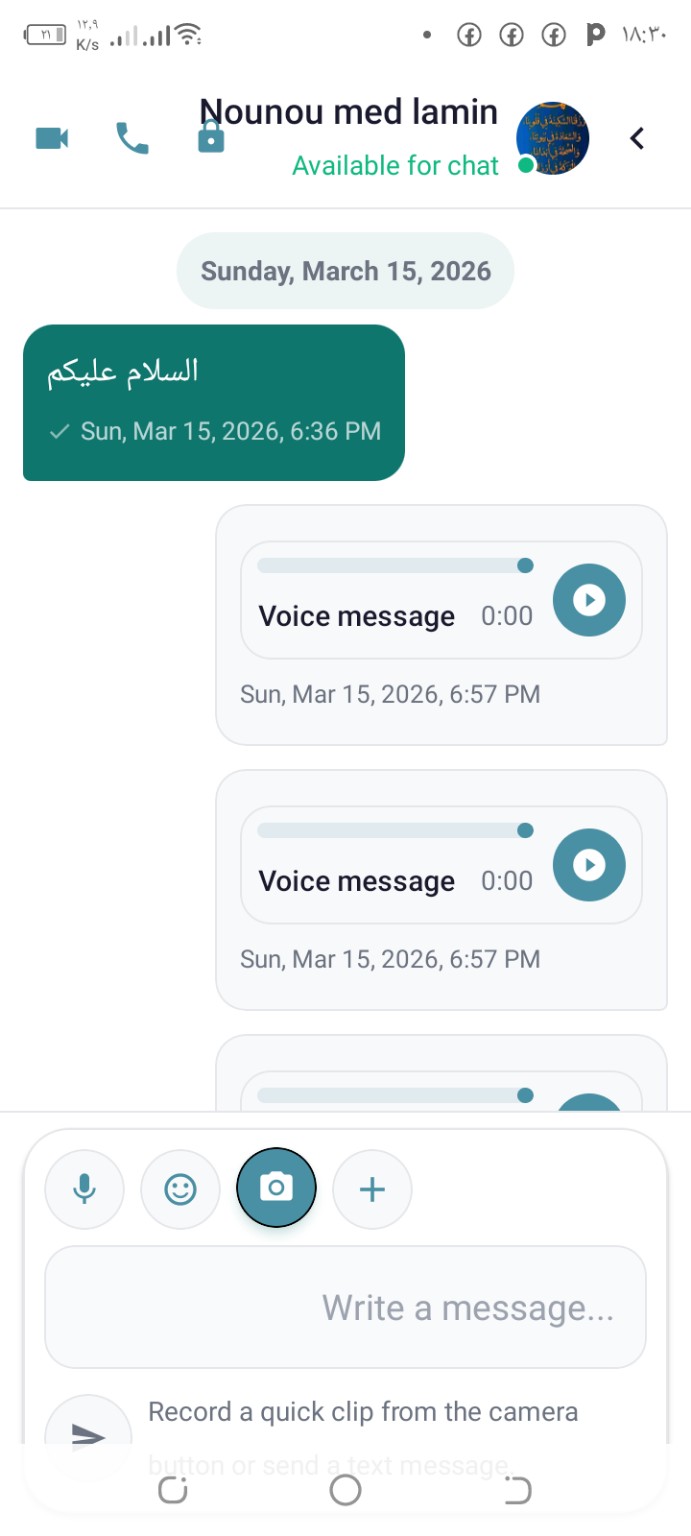
Real-time messaging with online presence and direct conversations.
-
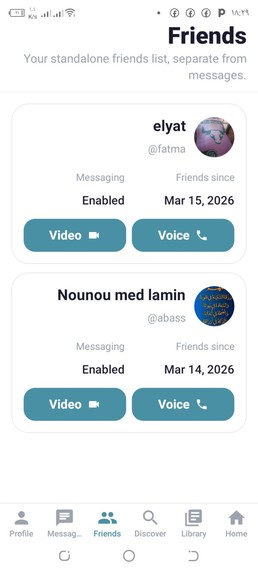
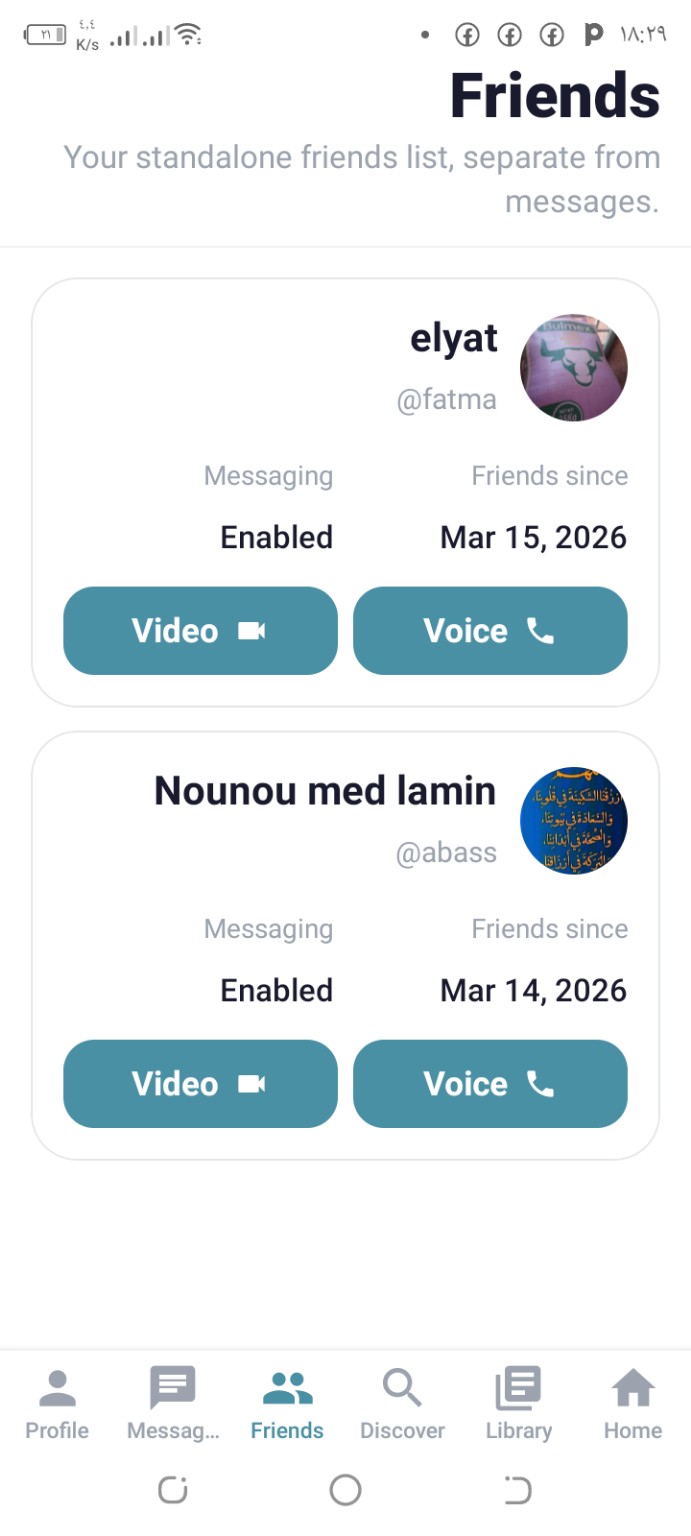
Friends workspace with direct voice and video communication.
-
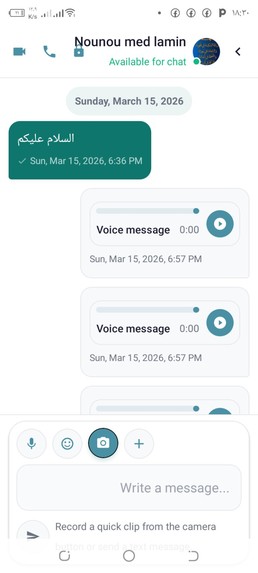
Multimedia chat supporting text, voice messages, images, and video calls.
-
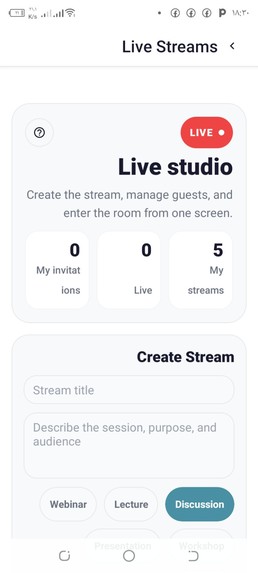
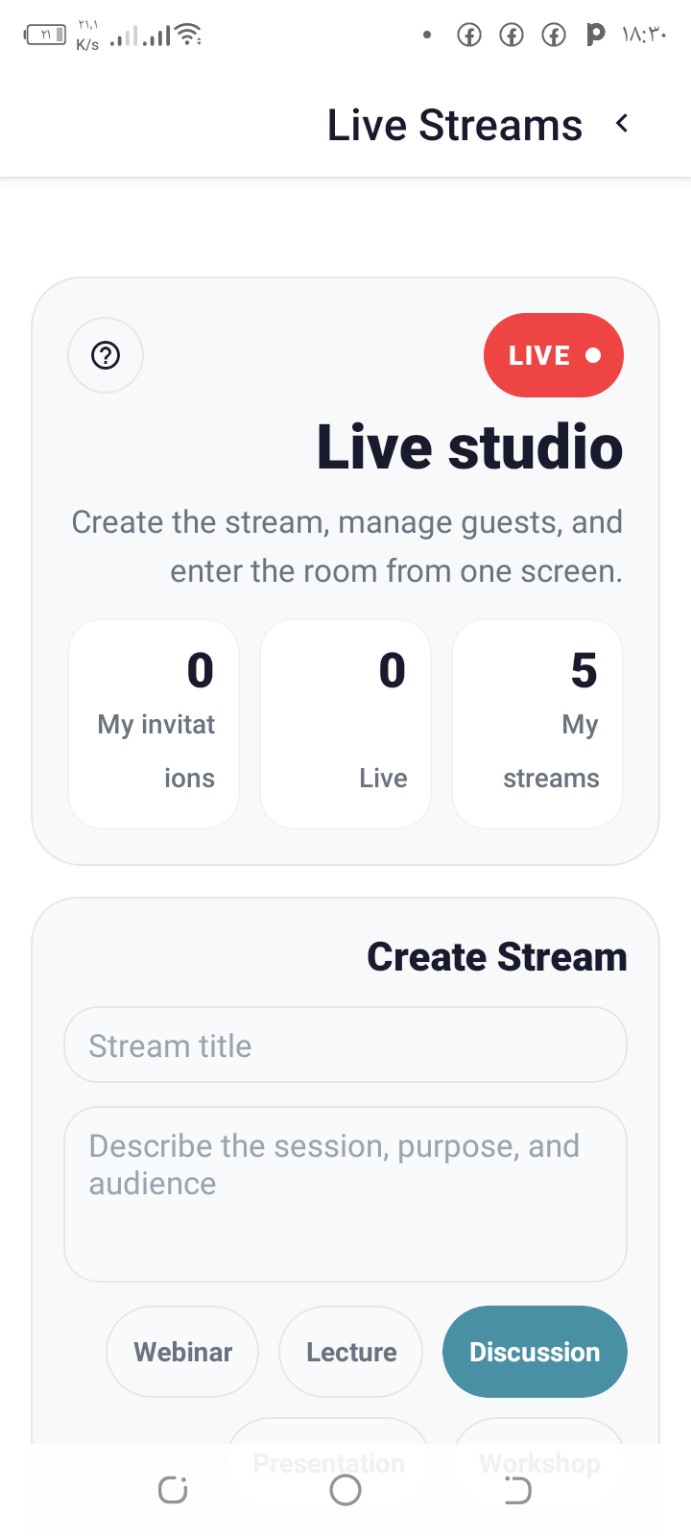
Live studio for lectures, webinars, discussions, workshops, and presentations.
-
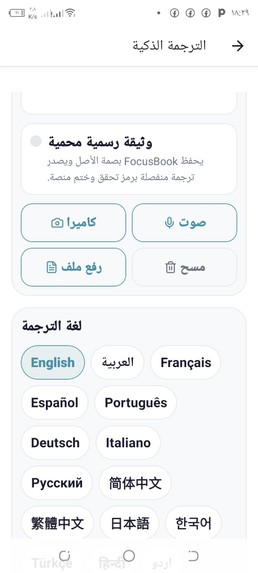
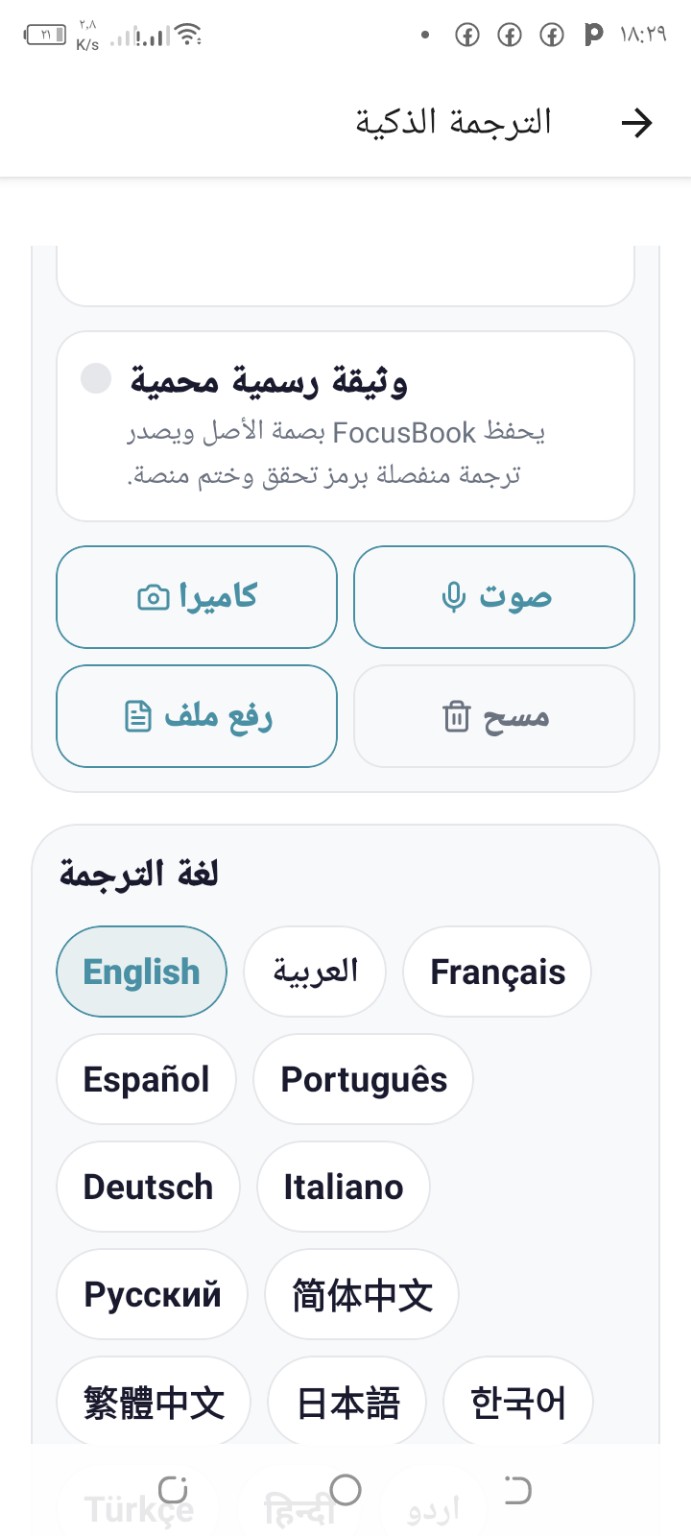
AI-powered document, voice, image, and file translation across multiple languages.
-

FocusBook multilingual home feed for sharing educational content and books.
-
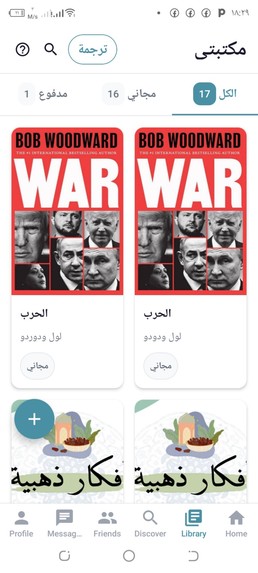
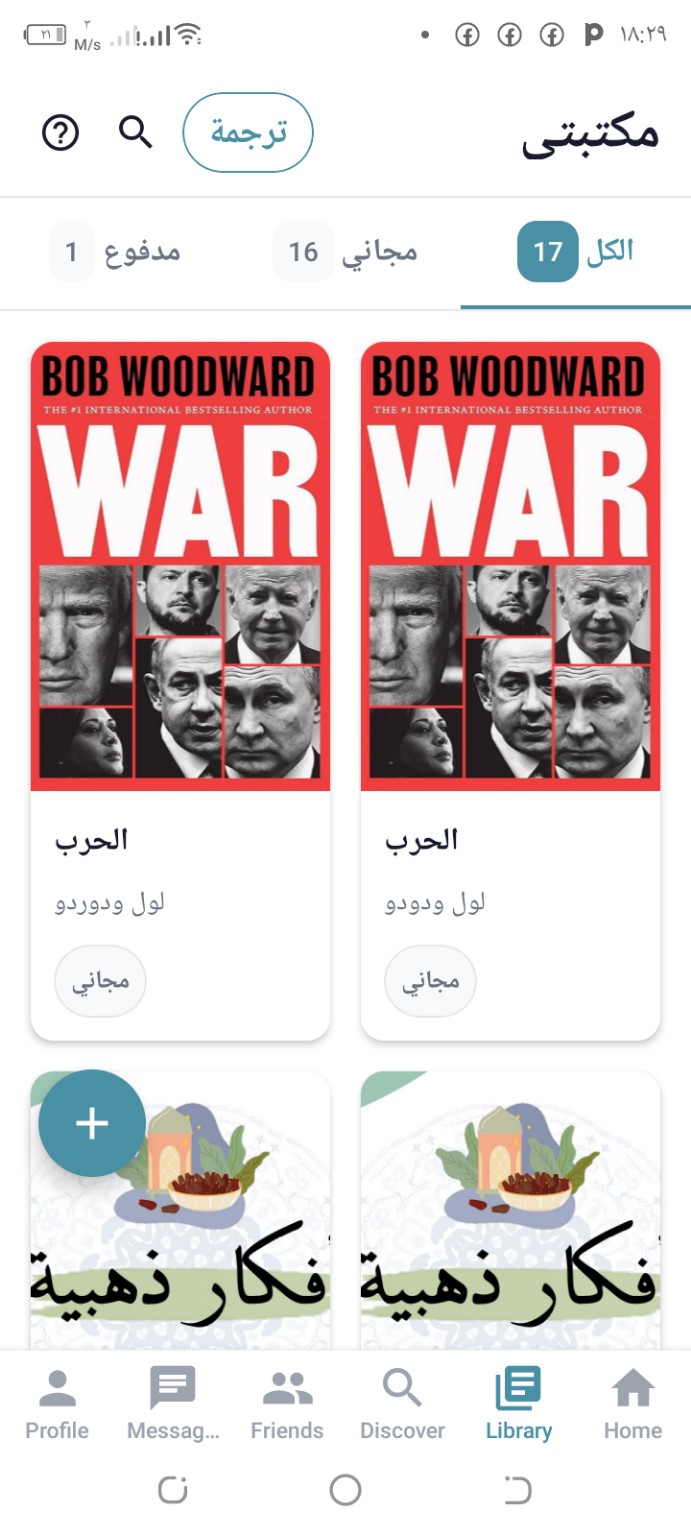
Digital library with free and paid books, categories, and multilingual discovery.

## Inspiration
Knowledge is scattered across social networks, learning platforms, messaging apps, digital libraries, and institutional websites. Students, teachers, researchers, universities, authors, and publishers often need several disconnected tools to communicate, discover books, translate content, and collaborate.
FocusBook AI was inspired by the idea of creating one multilingual platform where education, research, publishing, communication, and artificial intelligence work together.
What it does
FocusBook AI is a multilingual social learning and knowledge-sharing platform connecting students, teachers, researchers, universities, authors, and publishers.
The platform combines:
- Social and educational profiles
- Digital books and knowledge discovery
- AI-assisted translation
- Real-time messaging
- Voice and video communication
- Live streaming
- Web and mobile experiences
- Multilingual collaboration tools
Its goal is to make knowledge easier to discover, understand, discuss, and share across languages and geographic boundaries.
How we built it
FocusBook AI was built as a full-stack platform with a Django backend, React web interface, and React Native mobile application developed with Expo.
The backend provides authentication, APIs, content management, books, notifications, user relationships, and real-time communication. PostgreSQL is used for production data, while WebSockets support messaging and communication features.
The production architecture also includes Docker, Nginx, HTTPS configuration, environment validation, monitoring, and deployment preparation.
How we used Codex
Codex was used as an engineering partner throughout the project.
It helped with:
- Inspecting and understanding a large codebase
- Debugging Django, React Native, Expo, Gradle, and WebSocket issues
- Reviewing API and authentication flows
- Improving multilingual workflows
- Validating production configuration
- Refactoring code
- Reviewing mobile build settings
- Identifying deployment requirements
- Supporting end-to-end engineering decisions
Codex was used not only for isolated code generation, but also for complete workflow analysis, debugging, validation, and implementation support.
Challenges we ran into
The main challenge was coordinating several technologies across backend, web, mobile, real-time communication, authentication, translation, and deployment.
Other challenges included:
- Managing local and production API endpoints
- Configuring secure WebSocket communication
- Supporting multiple languages
- Preparing Android and iOS builds
- Handling voice and video communication
- Designing workflows for several types of users
- Maintaining scalability while the platform continues to evolve
Accomplishments that we're proud of
We created a working foundation for a multilingual global knowledge platform that combines education, publishing, social communication, and AI.
We are proud of:
- A connected Django, web, and mobile architecture
- Multilingual support
- Digital library features
- Real-time messaging and communication
- AI-assisted translation
- Production-oriented validation and deployment work
- Extensive use of Codex across the development lifecycle
What we learned
We learned that building a global AI platform requires more than connecting an AI model to an application.
It also requires secure infrastructure, clear user roles, multilingual design, real-time communication, testing, privacy controls, and reliable integration between many systems.
We also learned that Codex is most valuable when used as a persistent engineering collaborator that can inspect context, reason across multiple files, validate implementation choices, and help resolve complete development tasks.
What's next for FocusBook AI
The next stages include:
- Completing production deployment
- Improving AI-powered search and recommendations
- Expanding university and institutional tools
- Strengthening moderation and trust systems
- Expanding multilingual coverage
- Improving accessibility and offline workflows
- Completing mobile publishing
- Adding more tools for researchers, teachers, authors, and publishers
FocusBook AI is under active development, with the long-term goal of becoming a global infrastructure for knowledge, education, research, and meaningful communication.
Built With
- android
- api
- codex
- css
- django
- docker
- expo.io
- framework
- git
- github
- html
- ios
- javascript
- native
- nginx
- oauth
- openai
- postgresql
- python
- react
- rest
- sentry
- sqlite
- typescript
- websockets

Log in or sign up for Devpost to join the conversation.