-
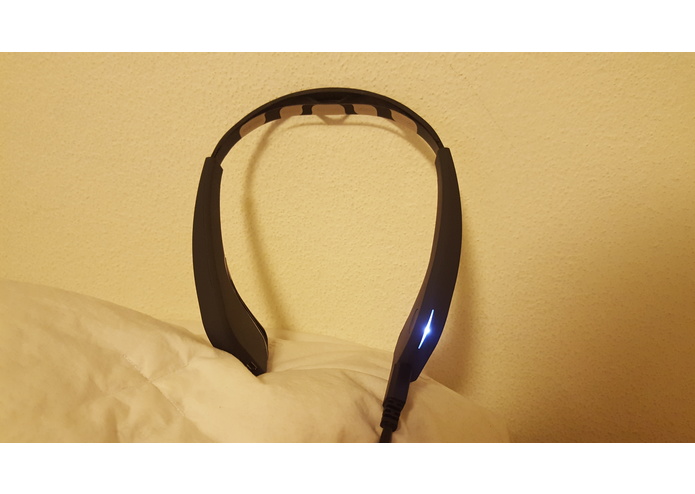
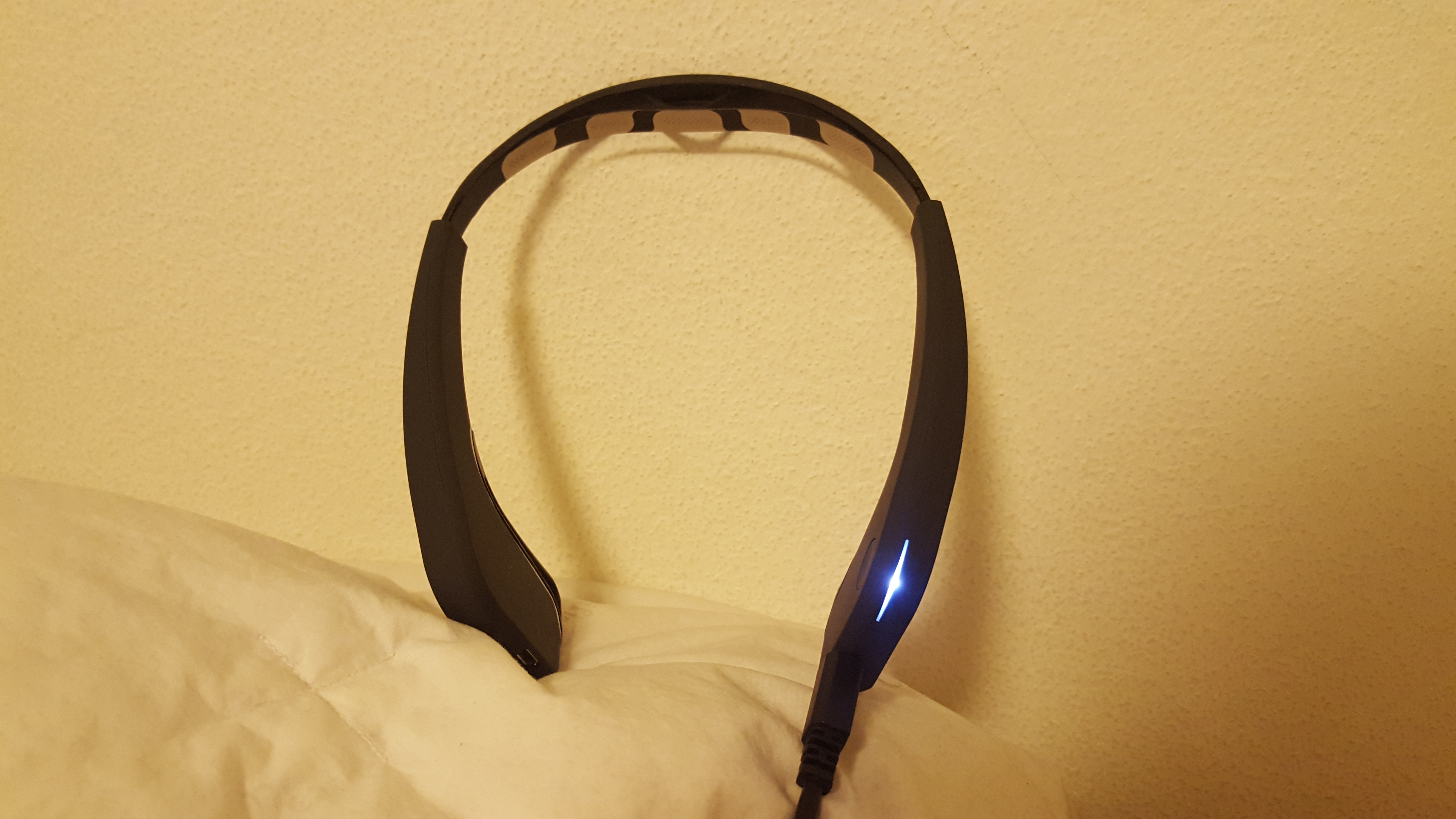
Muse Headset
Inspiration
I took a flipped lecture course last semester, where all the lectures were on youtube, and would frequently watch the videos at 3 times speed. After a few minutes, I would find my concentration wavering and then I would have to go back and find the last part I understood. I wanted a way that I could have the video speed set proportionally to how hard I was concentrating.
What it does
My project using a Muse Headband to speed up a video when concentrating and slow it down otherwise.
How I built it
I use an EEG to measure low frequencies, Alpha, Beta, Delta, Gamma, and Theta brainwaves at 4 different locations on the user's forehead. Then I trained a support vector machine (SVM) with concentration and idle data with 24 features. I can then determine if the user is concentrating or not. If they are, the video will go up to 2x speed. Otherwise, it will slowly drift down to normal playing speed.
Challenges I ran into
The hardest part was trying to determine if the user is concentrating. I am still working on making an accurate metric for that.
Accomplishments that I'm proud of
I'm proud of finishing an entire project by myself in a weekend. I'm glad to have been able to apply what I've learned in class to an entire project.
What I learned
I learned a lot about python and machine learning. I was able to interface with many different API's and a Muse headset.
What's next for Focus Film
Optimize the machine learning algorithm to make it more reliable. Use blink detection to determine how tired the user is to pause the video.

Log in or sign up for Devpost to join the conversation.