-

Welcome to FlyerFinder!
-

Home Page
-
Descriptions
-
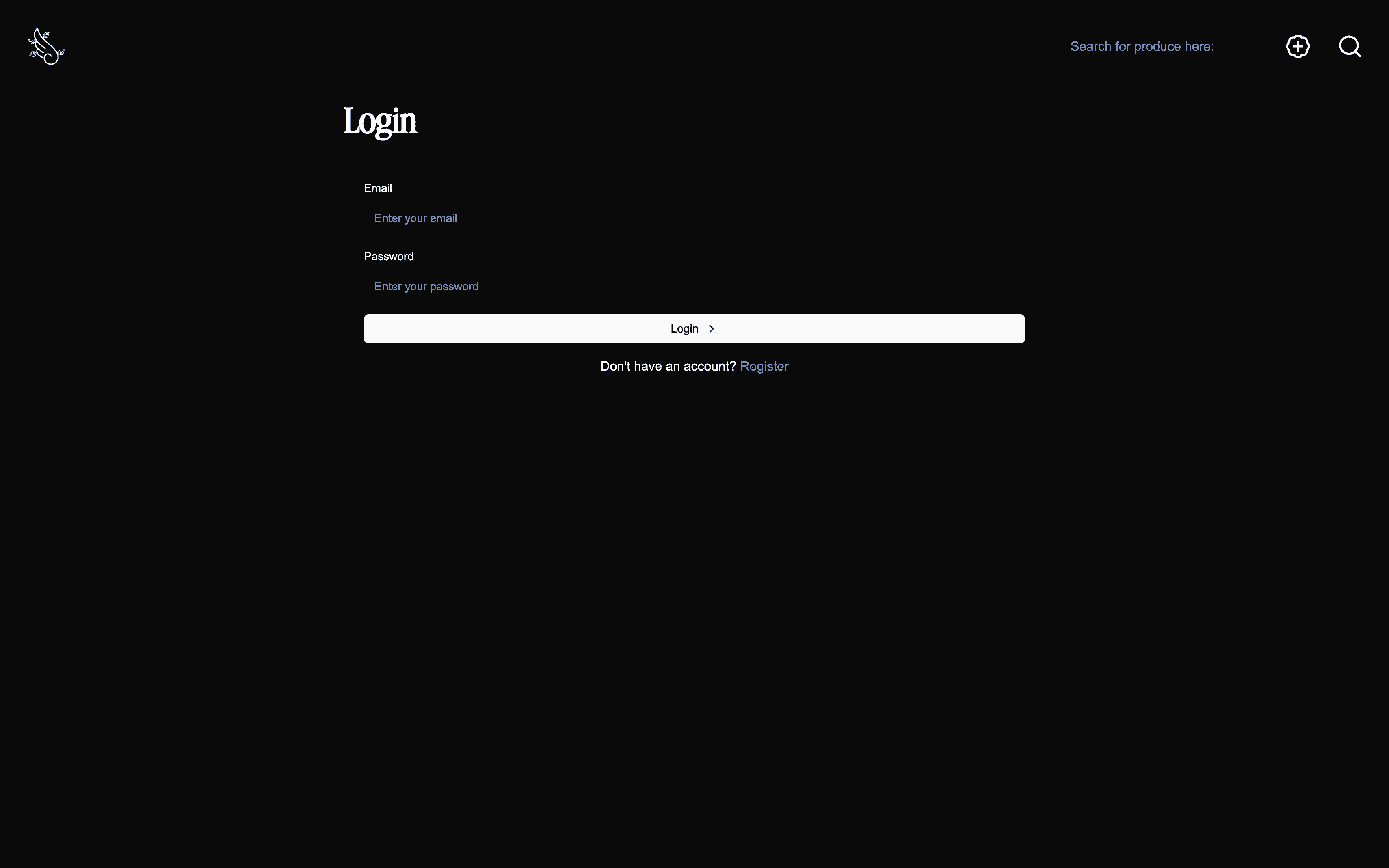
Login Page
-
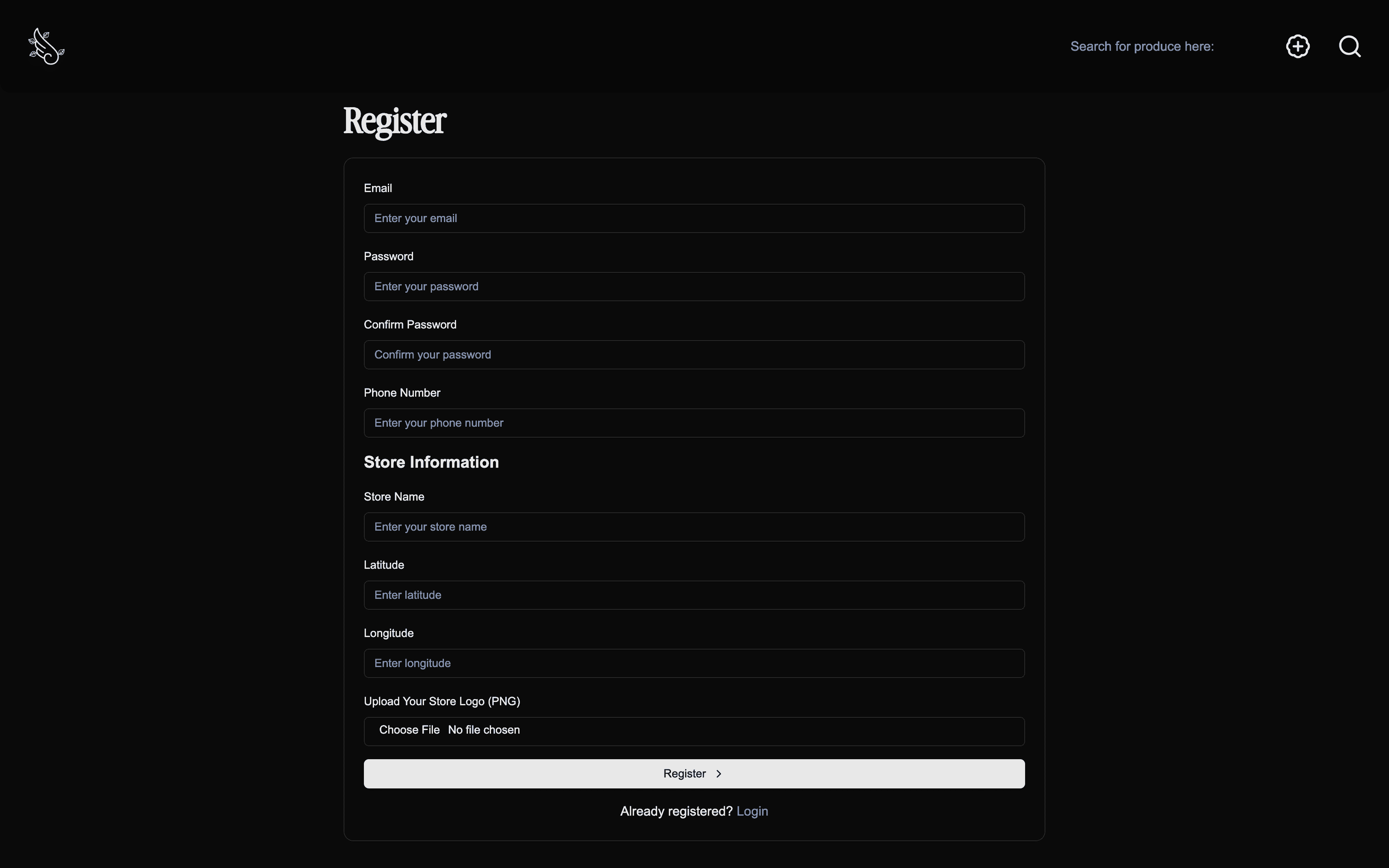
Register Page
-
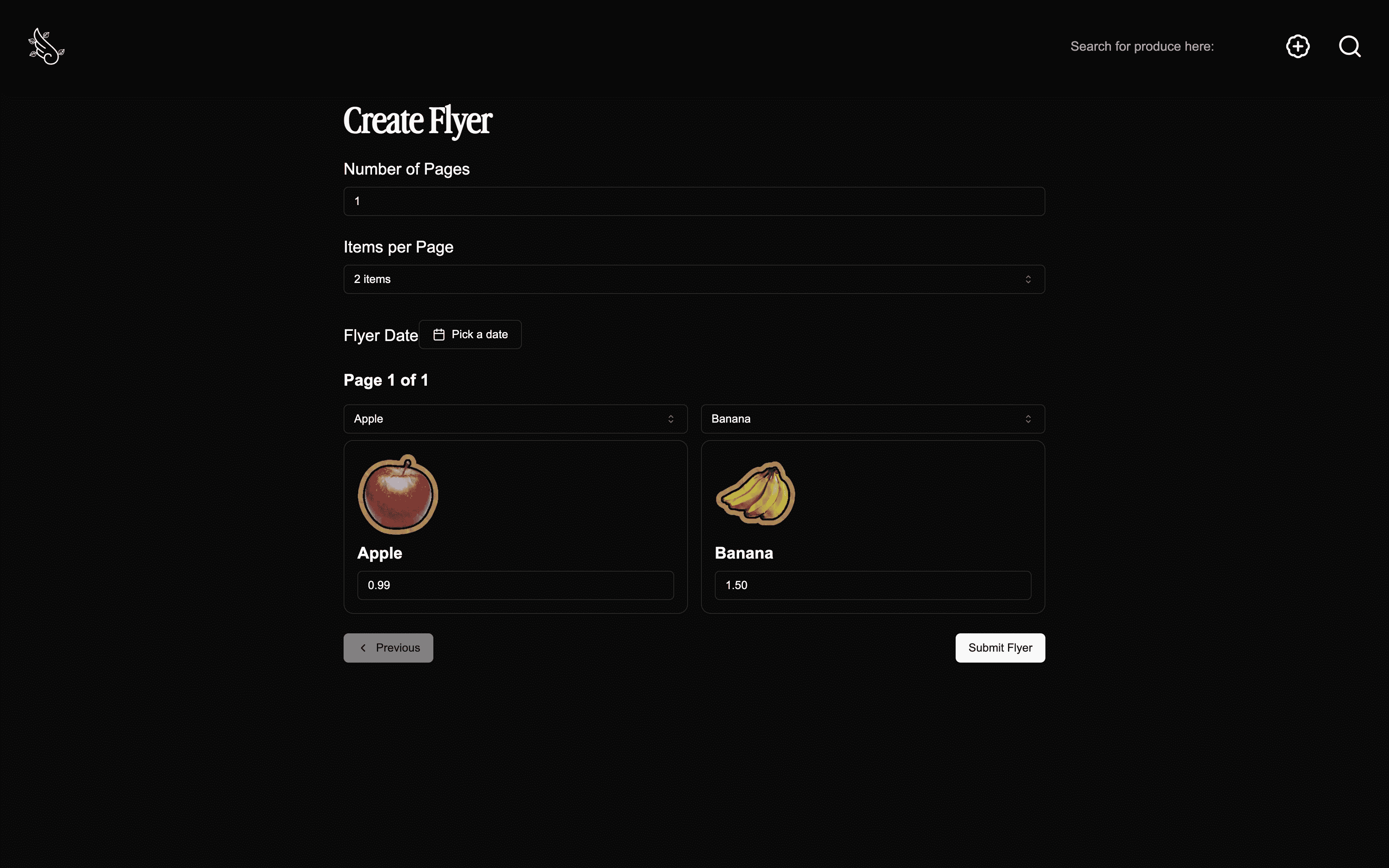
Flyer Creation
-
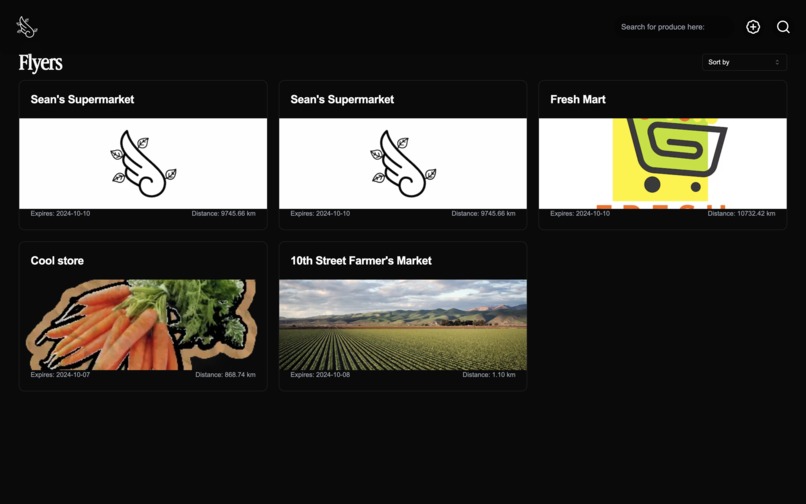
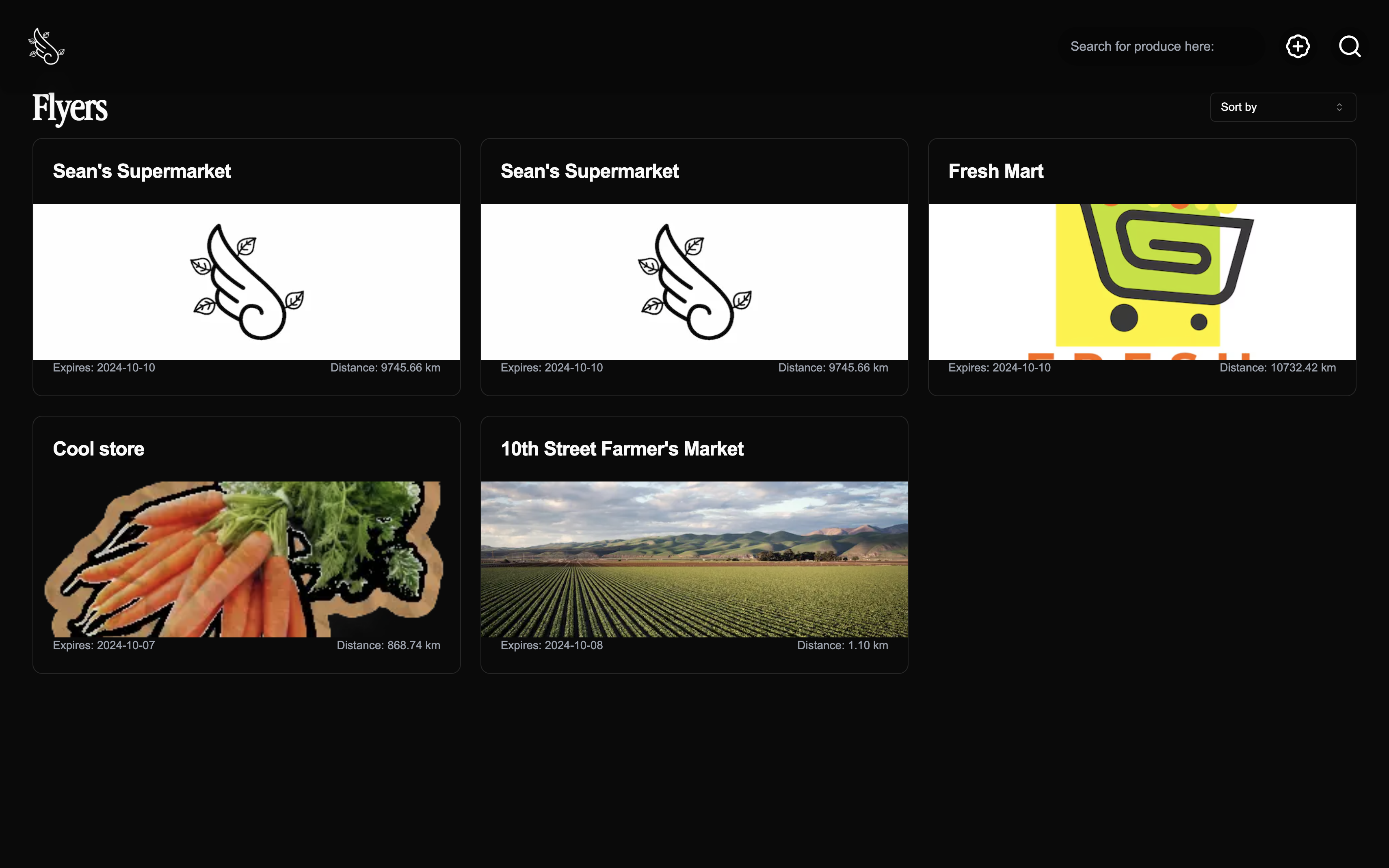
Flyer Browsing Page
-
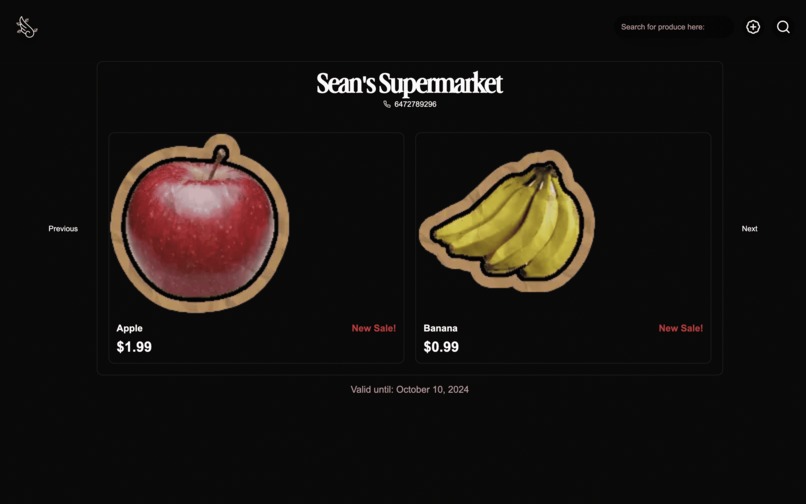
Flyer
-
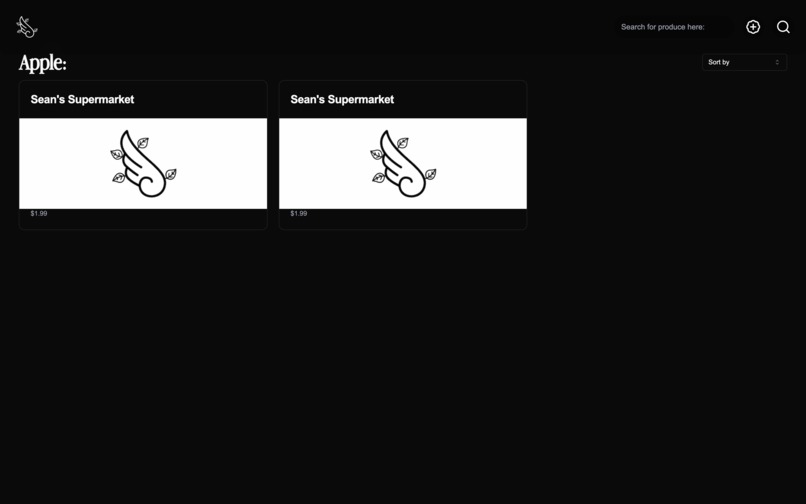
Search feature


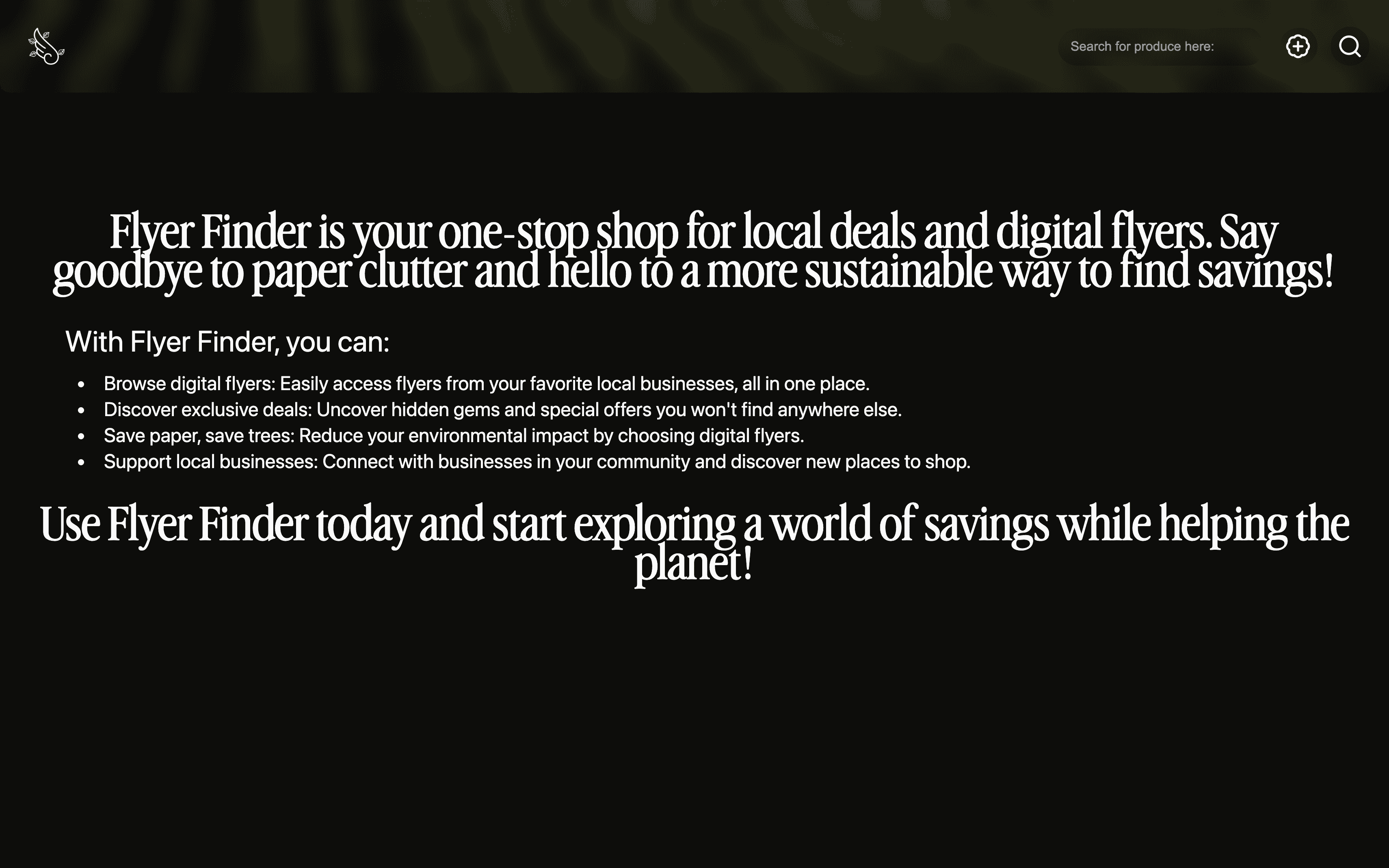
Inspiration
In 2022, 18% of families in Canada, representing 6.9 million people, reported that they experienced some level of food insecurity over the past 12 months. For these families, flyers are often a lifesaving tool, allowing them to find the best deals no produce and essentials. However, without the flyers of every grocery store, it is hard to know what the best deal actually is. With FlyerFinder, we also aim to reduce the the use of actual paper flyers, which are way less sustainable. The centralized platform with every flyer makes it easier to discover local businesses.
What it does
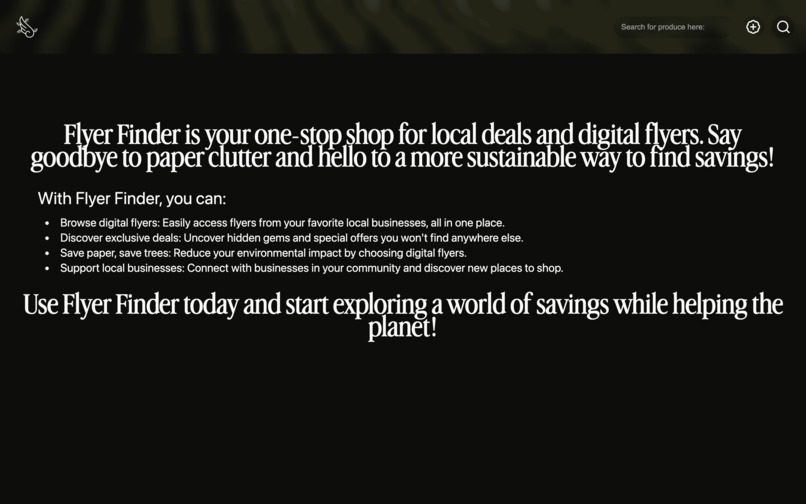
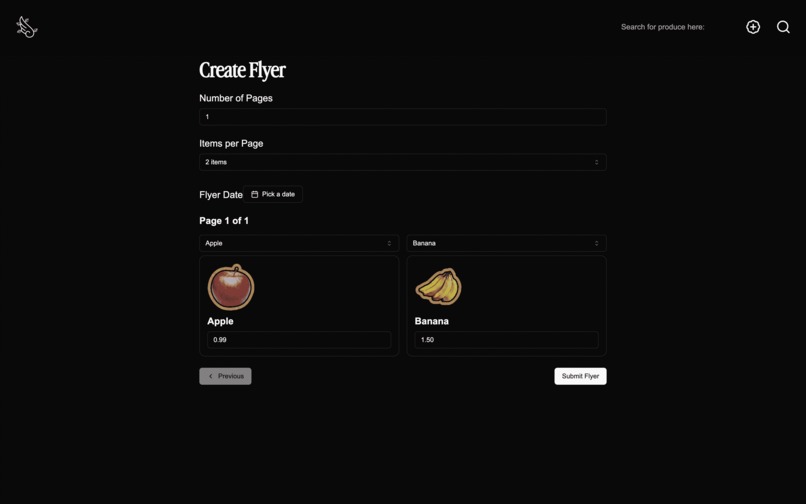
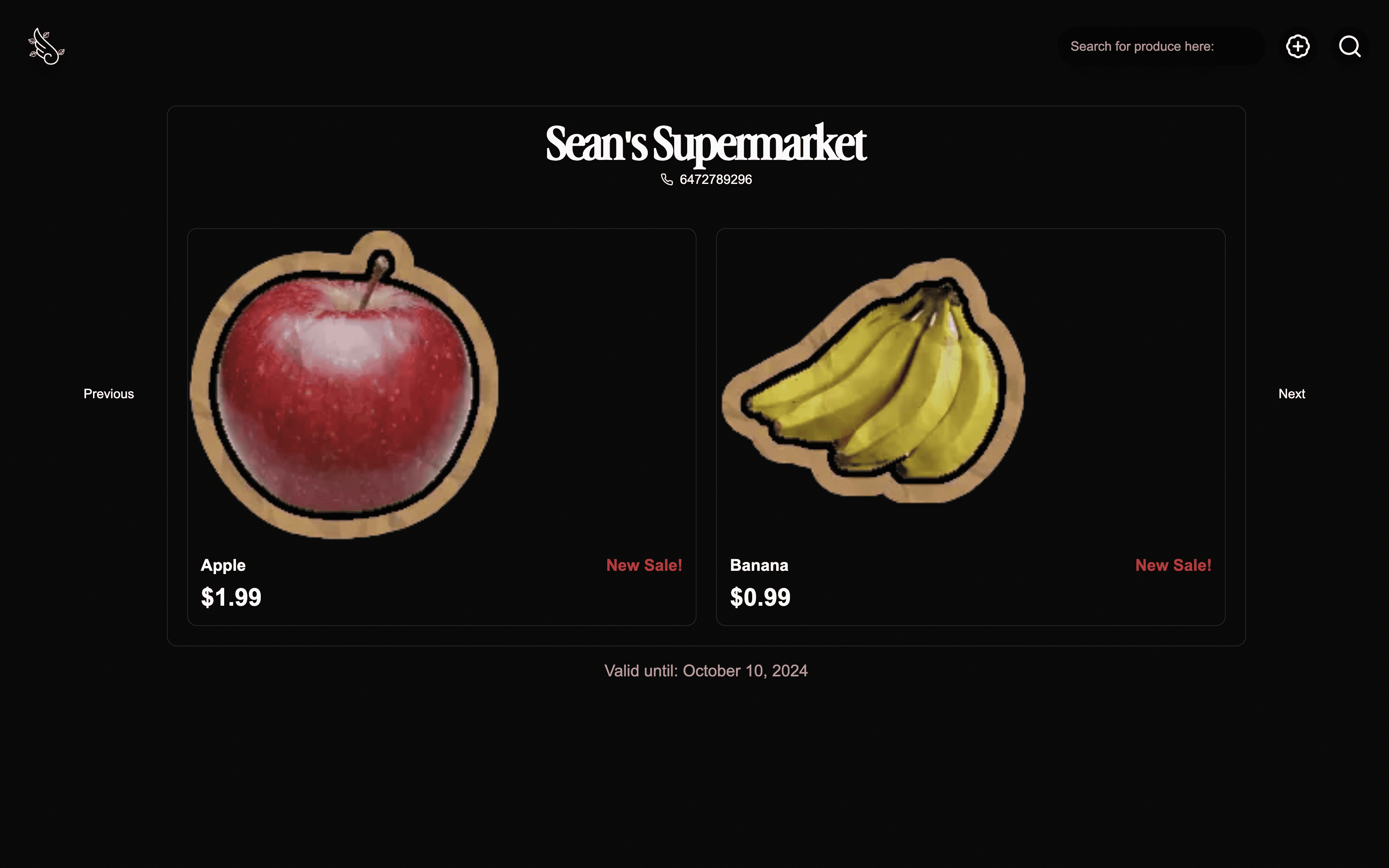
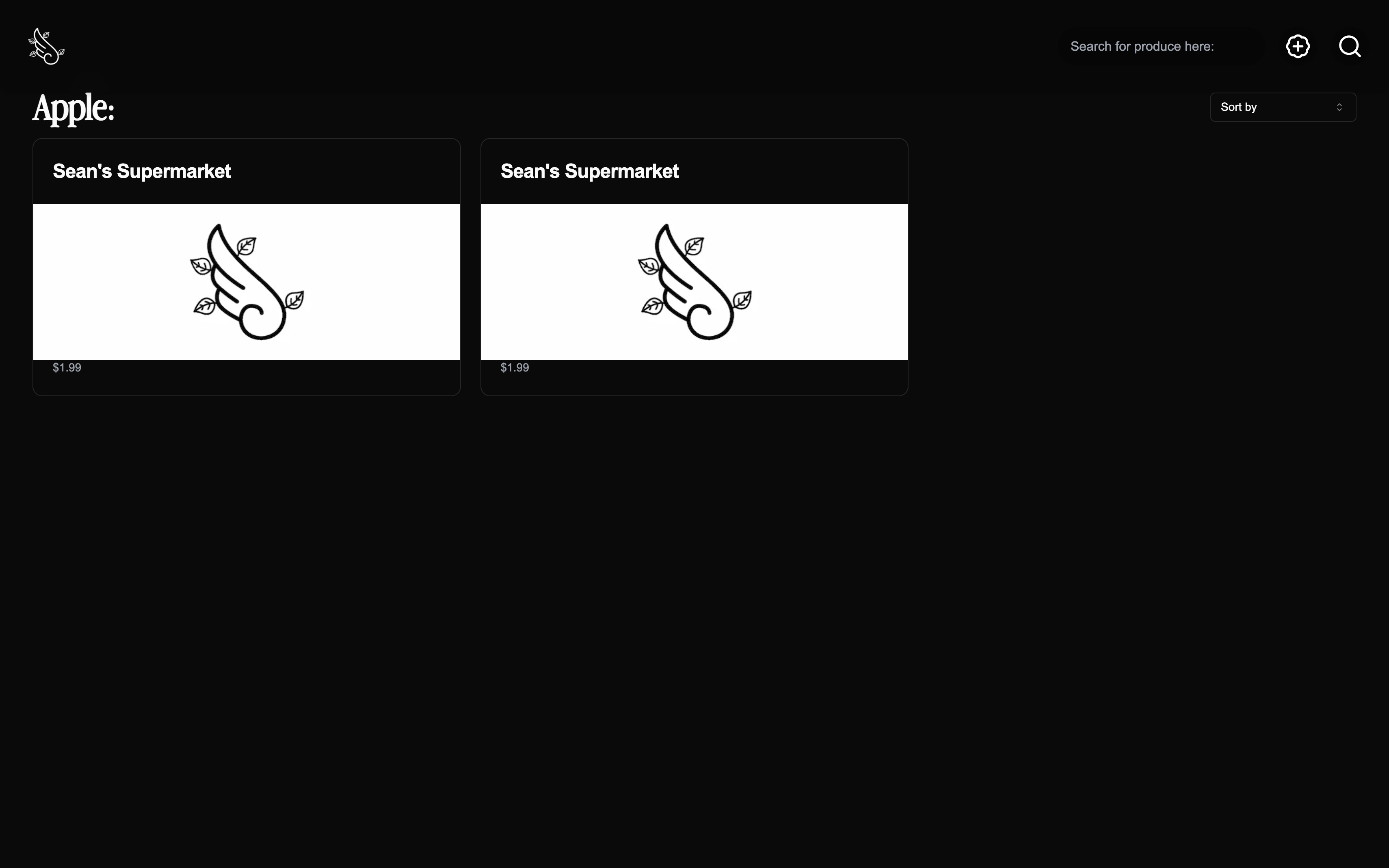
FlyerFinder acts as a central hub for all flyers, users can browse all flyers from local businesses and even sort them by expiry date of the flyer and distance away from their current location. Furthermore, a search option allows users to see which stores have a specific item they want, and in the search section the results can also be sorted by price and distance. For business owners, a flyer creation tool helps business owners generate a quick and easy flyer without the trouble of design or printing. By acting as a hub for all flyers, finding the lowest price is all but guaranteed!
How we built it
We split up the workload for this project mostly with frontend and backend parts. Frontend was in charge of the design of the website, including the layout of all of the pages and even the logo. Backend was in charge of making a robust API to handle user data, flyer creation, search queries, and every other interaction on the website, as well as hosting the website.
Challenges we ran into
The most challenging part of the project was definitely combining the frontend and backend portions of the project. It was a challenging process, it took some time to figure out how we wanted the endpoints in the frontend to work. After figuring that out, we had to parse the JSON data and actually display the data on the website.
Accomplishments that we're proud of
The main thing that we are proud of is overcoming all of the challenges we ran into. Even though it was tough, especially with a small team, overcoming all of the challenges and making the website work is always something we are proud of. We are also proud of actually hosting the website, which seemed very daunting in the beginning. It took some time to figure out, but we were eventually able to build and host our website on our very own domain.
What we learned
The main lesson we learned while working on this project is the importance of proper communication. One of the main reasons why combining the back end and the front end was so difficult was because the format of the data that was used to implement the browsing page was actually different from the JSON data from the API. This practically meant that the browsing page had to be completely rewritten. We also learned that a plan should be made on the division of work before starting and getting into the swing of things, an uneven division of work made the whole working process inefficient.
What's next for FlyerFinder
There are 2 main things we plan on adding to FlyerFinder:
- Implement a blockchain technology, basically making every flyer an NFT. This would make each and every flyer unique, and to be able to be traced back to the creator of the flyer. This could be used to help hold business owners more accountable, making sure they don't change their flyers and lie to customers.
- Improve upon the flyer generation process. This could be done by allowing more dynamic flyer layouts, or even the implementation of AI to generate a flyer for the business based on a prompt. Finally, a tagging system based on the flyer's content could be used to further organize the program, increasing the usability of the website.
Built With
- caddy
- express.js
- google-cloud
- javascript
- mongodb
- nextjs
- pm2
- react
- tailwindcss
- tanstack-query

Log in or sign up for Devpost to join the conversation.