


Inspiration
Fluxen was born from the need to replace traditional, rigid spreadsheet systems that are commonly used for managing business processes. The idea stemmed from the challenge of creating a flexible, adaptive platform that can scale with any business without the hassle of clunky spreadsheet systems. Fluxen aims to enable businesses to seamlessly manage data, workflows, and processes while offering the flexibility to create custom solutions as their needs evolve.
What it does
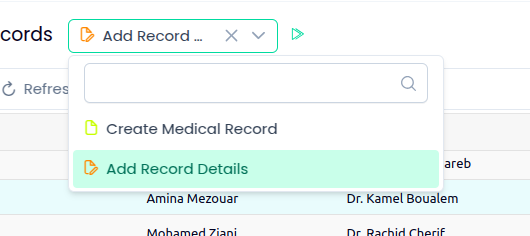
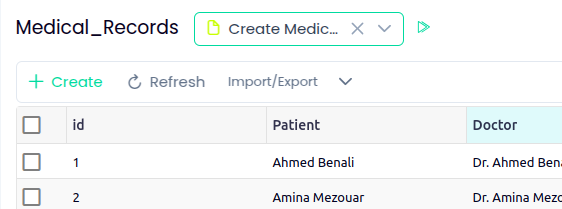
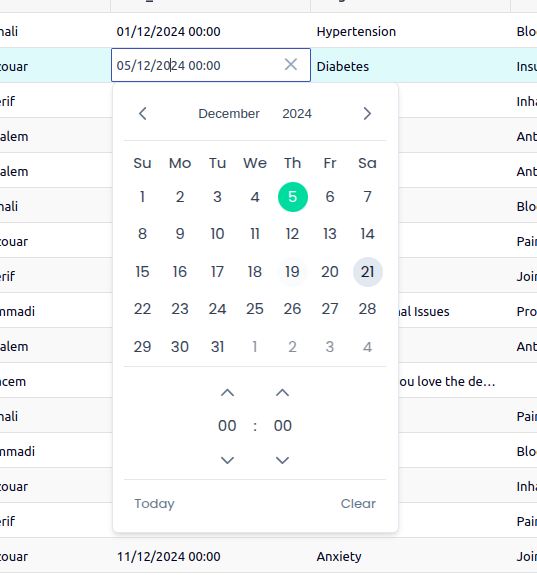
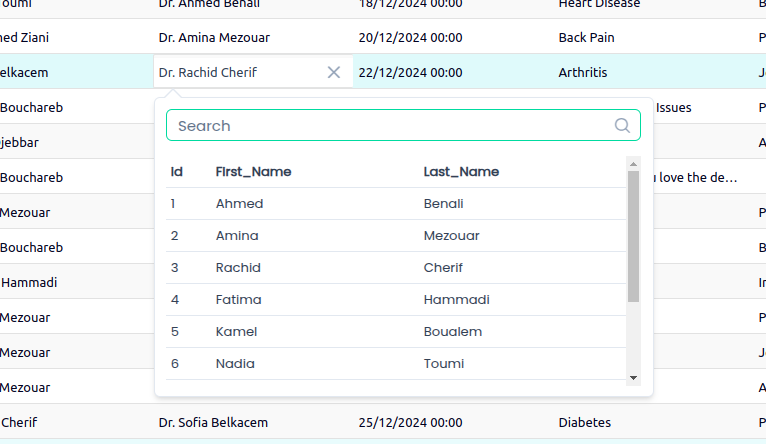
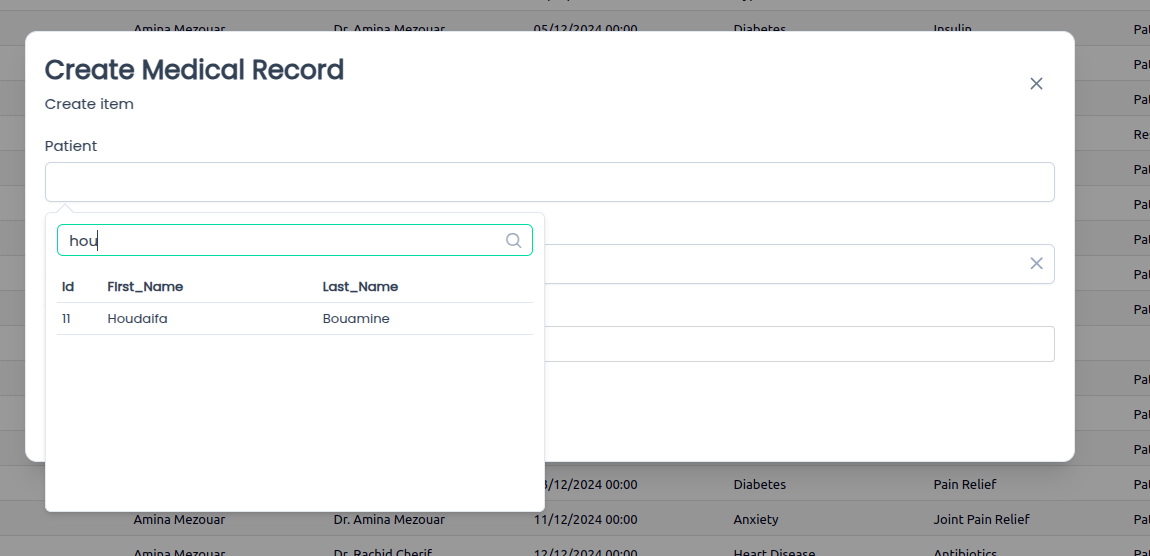
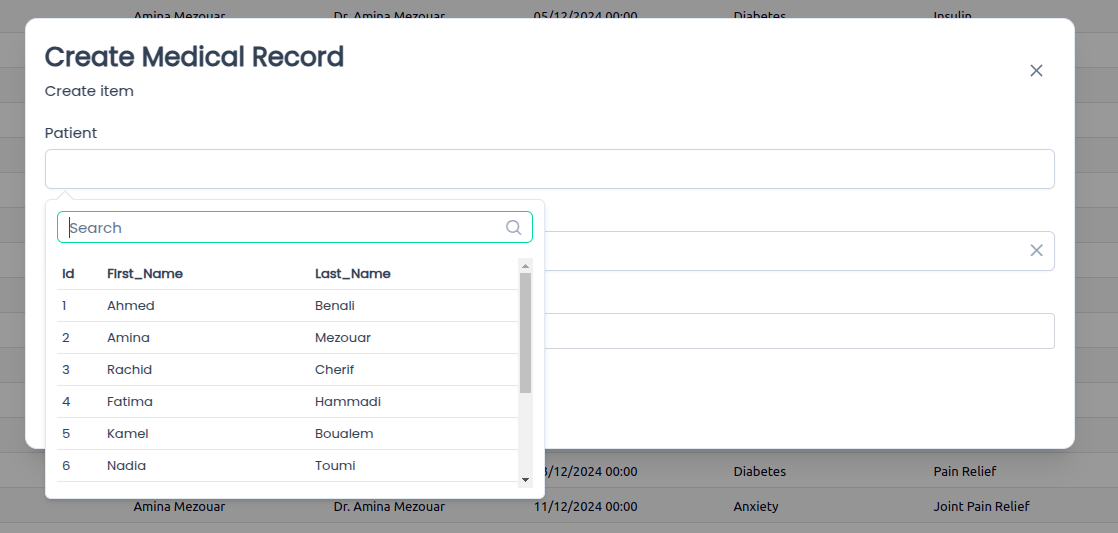
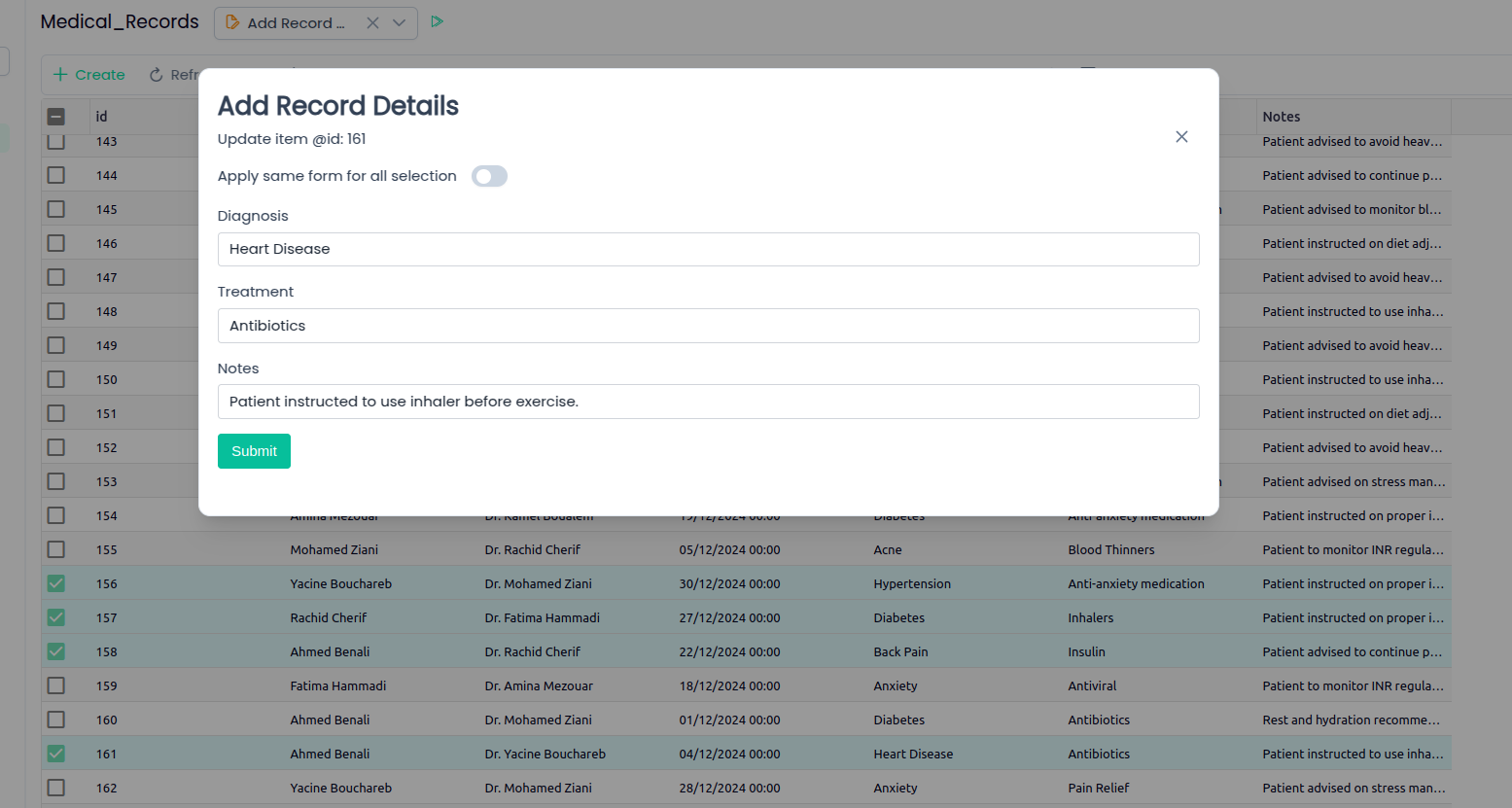
Fluxen.pro is a dynamic data management platform designed to empower businesses with the ability to track and manage data while integrating customizable business processes. It goes beyond simple data storage by allowing businesses to design workflows that fit their unique needs, automate repetitive tasks, and streamline internal operations. Whether for project management, inventory control, or client handling, Fluxen offers the adaptability required for a range of industries and use cases.
How we built it
Fluxen was built using a combination of modern technologies, including:
- Frontend: Vue.js for a reactive user interface and seamless user experience.
- Backend: ASP.NET to handle the data logic, user authentication, and business process management.
- Data Storage: PostgreSQL as a reliable and scalable relational database.
The platform was developed with scalability in mind, making it easy for businesses of all sizes to adopt it and integrate it into their operations.
Challenges we ran into
- Custom Workflow Design: Building a truly flexible system that allows businesses to design their own processes without limiting them was a challenge. Balancing customizability with simplicity was key.
- Data Integrity: Ensuring that data remained consistent across various workflows and processes posed a challenge, particularly when handling large datasets.
- User Experience: Achieving a user-friendly interface while maintaining the depth of customization required by businesses demanded continuous iterations to meet both novice and advanced users' needs.
- Scalability: As Fluxen began to gain users, scaling the application efficiently and managing performance became increasingly difficult.
Accomplishments that we're proud of
- Flexibility of the Platform: Fluxen can adapt to a wide range of business needs, offering extensive customization options while remaining easy to use.
- Successful Integration: It seamlessly integrates with existing business data and processes, eliminating the need for businesses to abandon their current systems.
- Positive User Feedback: Businesses have successfully shifted from using cumbersome spreadsheets to a more efficient, tailored platform, saving time and reducing errors.
- Recognition: The presentation of Fluxen to the Startup Minister and its visibility at events like Web Summit Qatar has validated its potential.
What we learned
- The Importance of Flexibility: Being too rigid in design can alienate users who have unique requirements. Flexibility is essential for longevity in any product.
- Iterative Development: Continuous testing, feedback, and iteration have been crucial in shaping the platform to meet the real-world needs of businesses.
- User-Centric Design: Prioritizing simplicity without sacrificing functionality for a wide range of users (from non-technical to technical) is a constant balancing act.
- Data Management Complexity: As the amount of data increases, ensuring its integrity and optimizing system performance becomes even more critical.
What's next for Fluxen
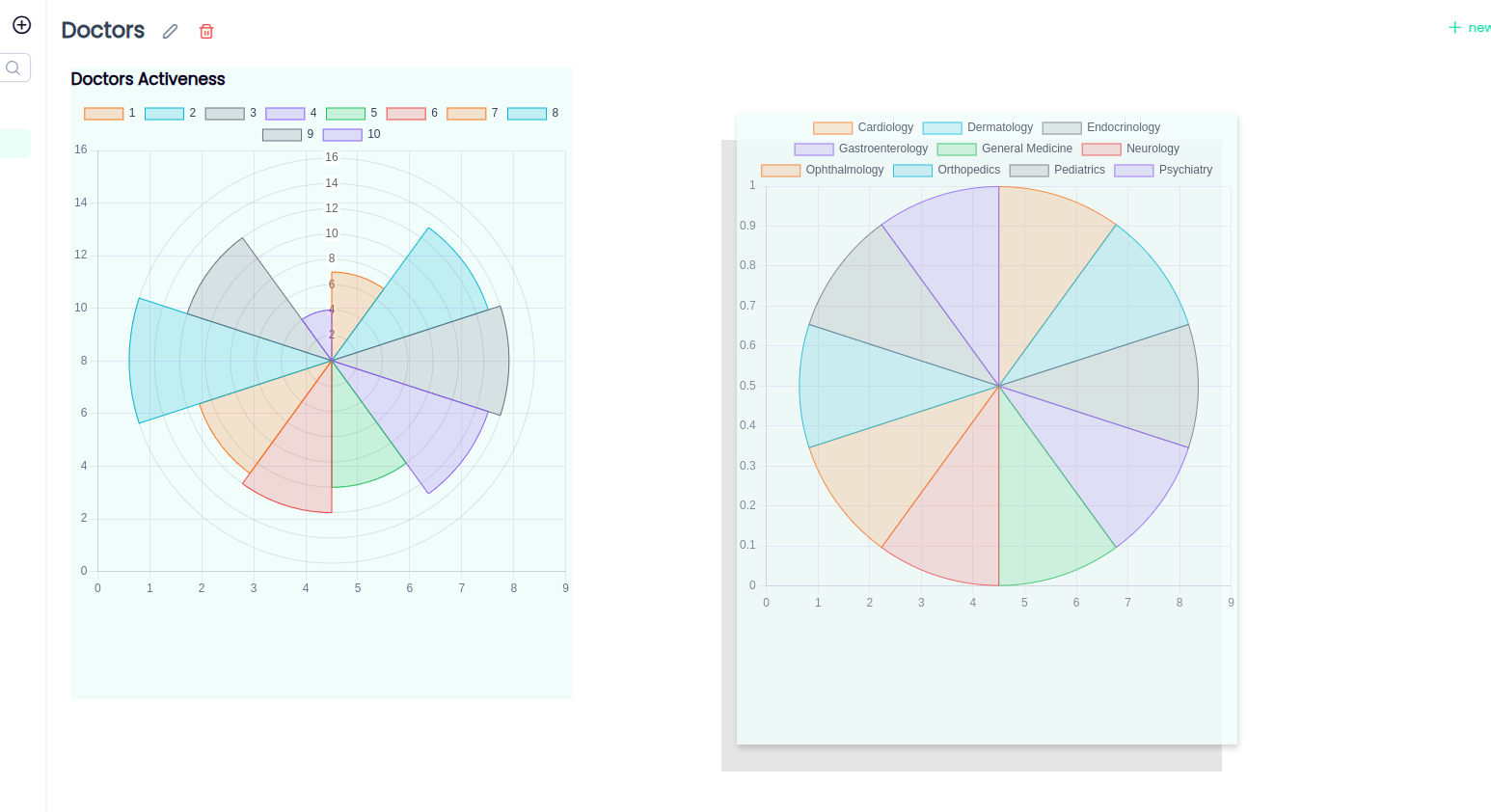
- Advanced Analytics: Adding more robust analytics and reporting features to help businesses gain deeper insights into their operations.
- More Integrations: Expanding the number of external tool integrations to increase Fluxen’s ability to plug into existing business ecosystems.
- Machine Learning: Exploring the integration of machine learning models for smarter decision-making and predictive analytics.
- Global Expansion: Scaling the platform for global use with multiple language options, allowing businesses worldwide to benefit from its flexibility.

Log in or sign up for Devpost to join the conversation.