-
-

Landing (Hero Section)
-

Flux Studio
-
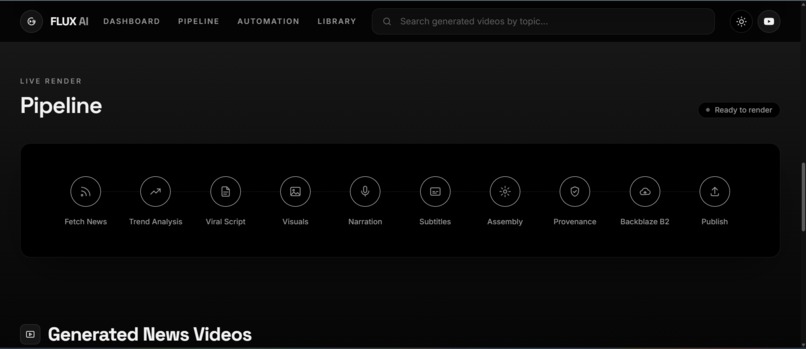
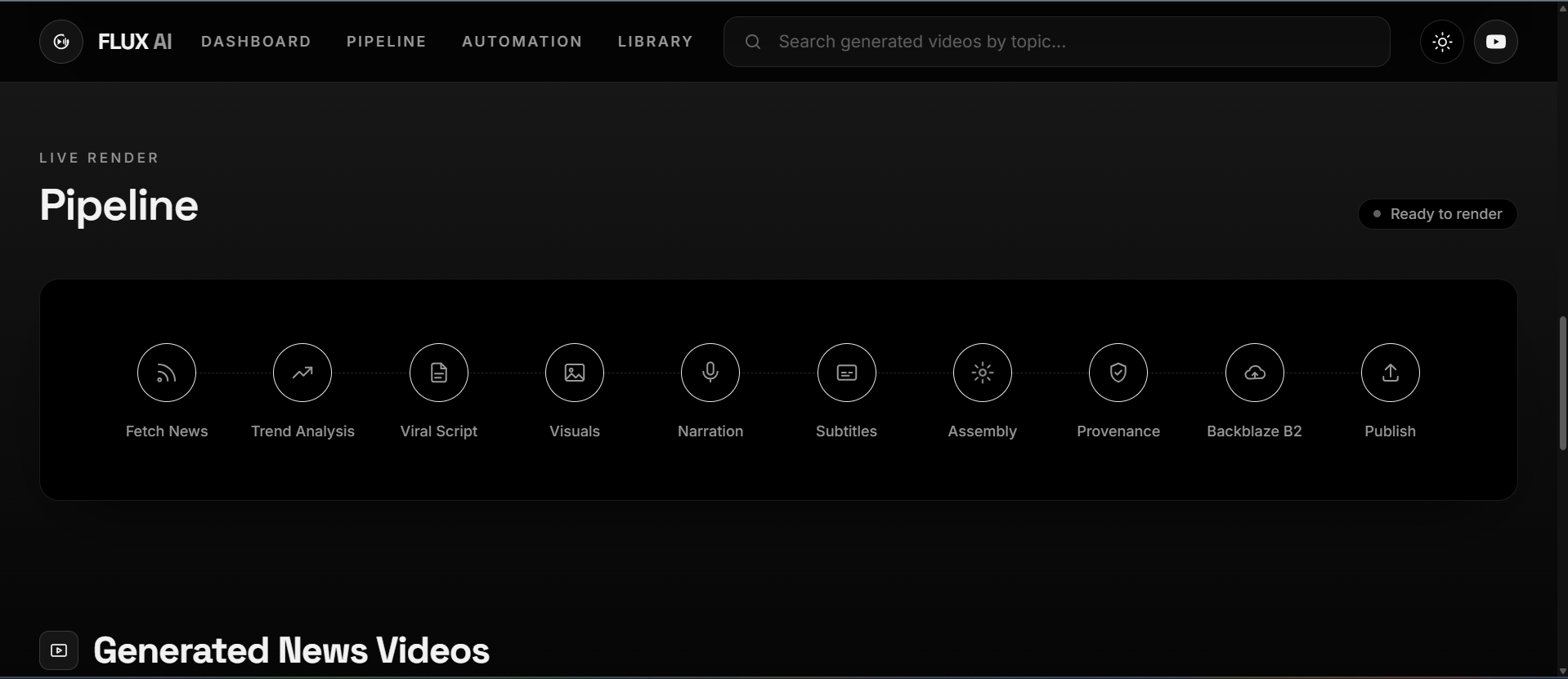
Automation Pipeline
-

Library (Videos fetched from BackBlaze B2)
-
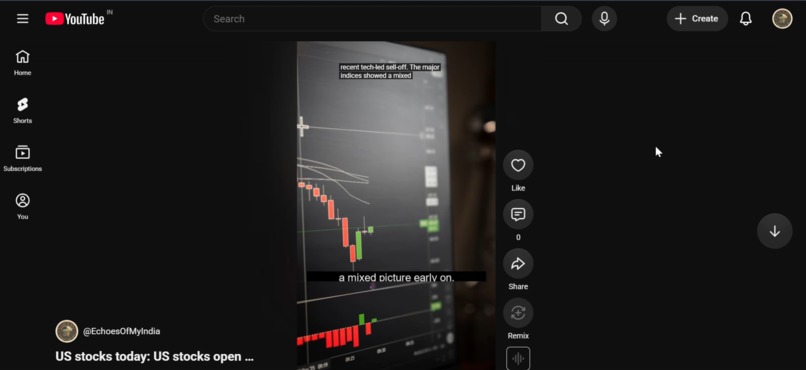
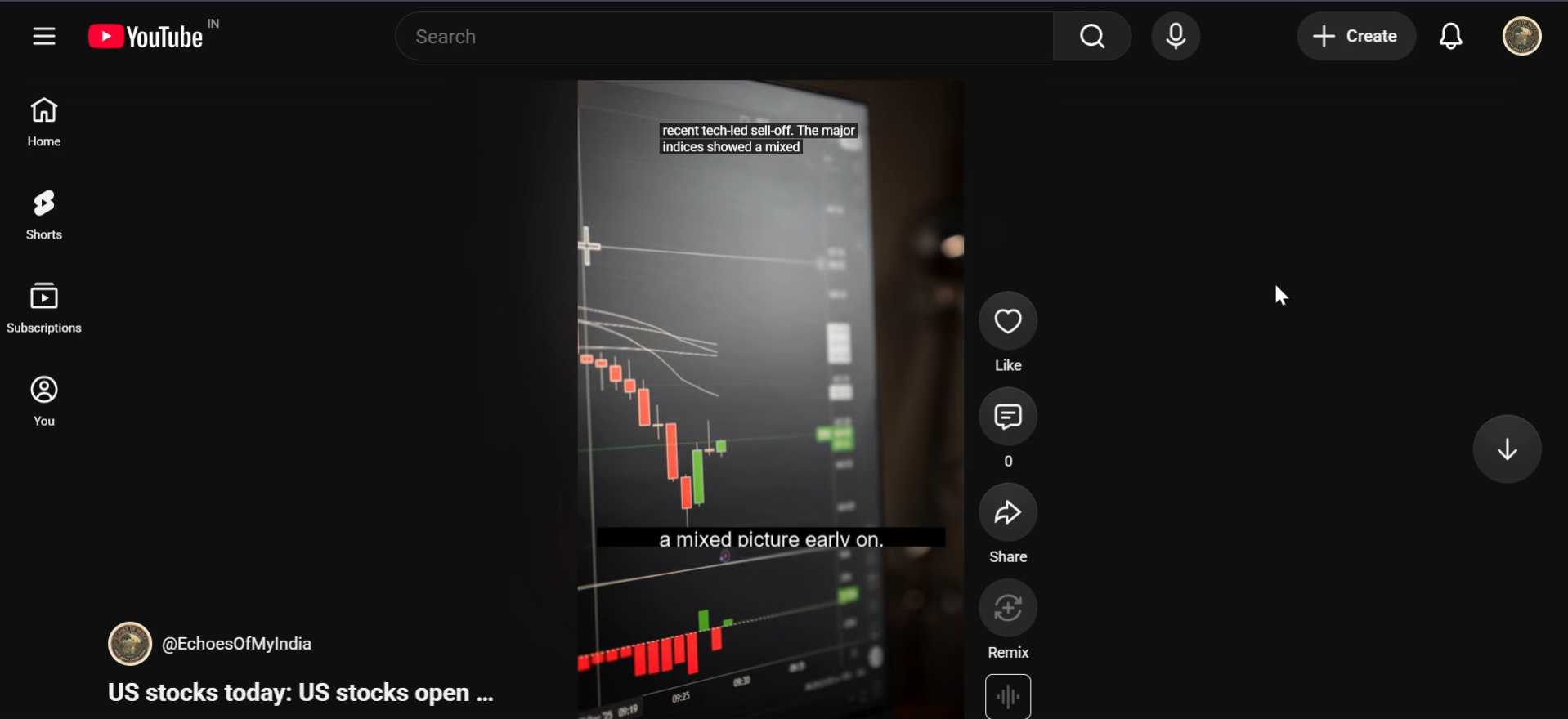
Short uploaded on YouTube
-
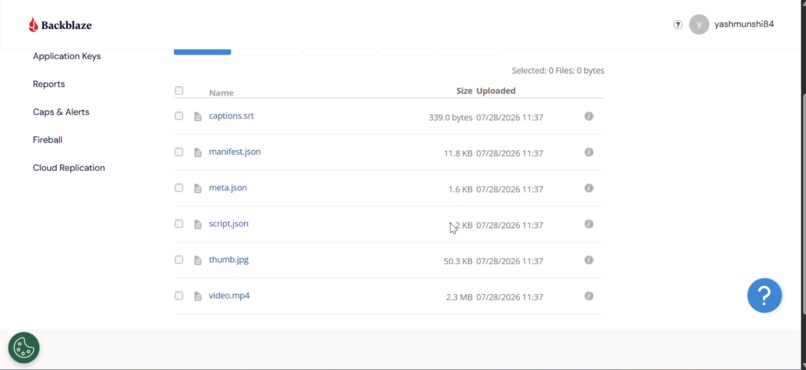
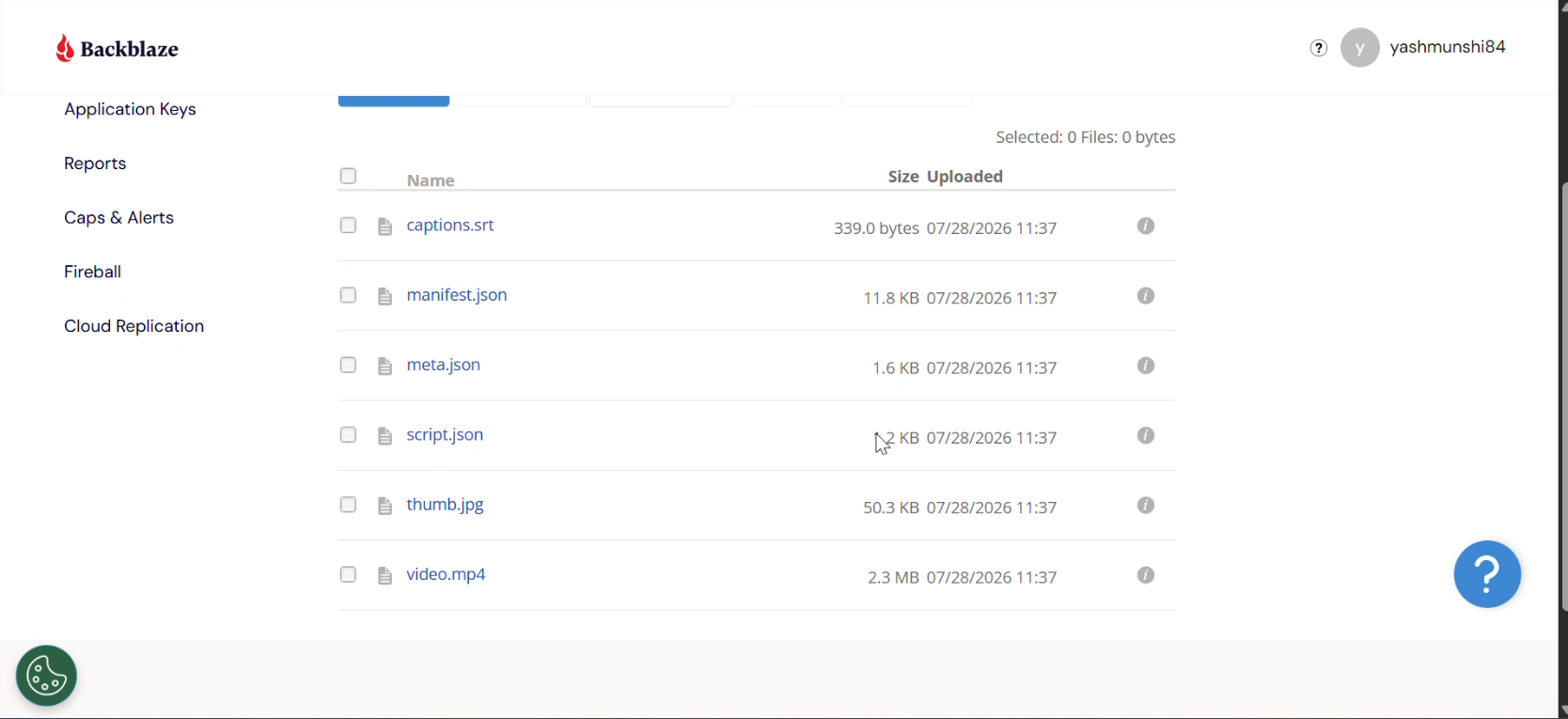
BackBlaze B2 Bucket
-
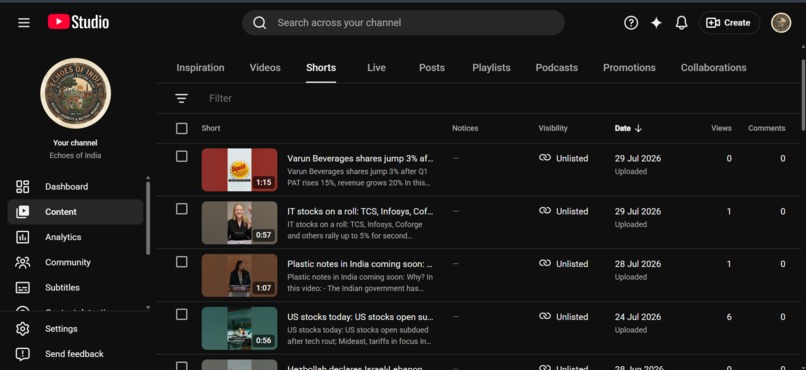
YouTube Library (Auto-publish)
-

Studio (Light mode)
-

Landing (Light mode)






Flux AI : Provenance-Aware News-to-Video Automation
Inspiration
Every day, thousands of AI-generated news videos are uploaded across social media, but very few provide any evidence of how they were created. As AI-generated media becomes increasingly common, distinguishing authentic content from manipulated or hallucinated content becomes difficult.
I wanted to build a system that not only automates content creation but also makes every generated video transparent and verifiable. That idea led to Flux AI-an autonomous pipeline that converts trending news into publish-ready short videos while attaching cryptographic provenance to every generated asset.
What it does
Flux AI continuously monitors Economic Times RSS feeds, identifies trending stories using a deterministic ranking algorithm, and automatically generates vertical short-form videos.
For every selected article, the platform:
- Fetches and ranks trending news
- Generates an AI-written script
- Retrieves or generates visuals
- Produces AI narration
- Creates synchronized subtitles
- Assembles a complete vertical video
- Generates thumbnails
- Stores every artifact securely
- Embeds a cryptographically verifiable provenance manifest into the final MP4
- Optionally publishes directly to YouTube
Unlike conventional AI video generators, every output includes complete generation metadata, including:
- AI providers used
- Models used at every stage
- SHA-256 hashes of generated assets
- Verification status
- Generation pipeline history
This makes every video independently auditable.
How I built it
The backend was built using FastAPI, with APScheduler automating scheduled news collection and rendering workflows. Trending stories are selected using a lightweight heuristic combining recency and cross-feed popularity rather than expensive LLM ranking.
The content generation pipeline uses:
- Google Gemini for script generation
- Pexels as the primary visual source with AI image generation fallback
- Edge TTS and cloud TTS providers for narration
- MoviePy and FFmpeg for video assembly
- Automatic subtitle generation
- Backblaze B2 for durable cloud storage
For provenance, every generated artifact is processed through Genblaze, which creates a canonical manifest containing hashes, providers, models, and generation metadata. The manifest is stored alongside the assets and embedded directly inside the MP4 so verification remains possible even after the file is shared.
The frontend was built using React, Vite, and Tailwind CSS, providing live pipeline status, video previews, provenance inspection, and verification badges.
Challenges I ran into
Building a fully autonomous media pipeline introduced several engineering challenges.
Synchronizing multiple AI services while maintaining consistent render times required robust orchestration and graceful fallback mechanisms.
Keeping memory usage low enough for inexpensive cloud deployments meant redesigning the narration pipeline and optimizing media generation.
Embedding provenance directly inside MP4 files while preserving video integrity required implementing a complete verification workflow.
I also designed the pipeline so that every stage can recover independently if an external AI provider becomes unavailable.
Accomplishments that I am proud of
- Built an end-to-end autonomous AI news pipeline
- Embedded verifiable provenance directly into generated videos
- Achieved fully automated news-to-video generation in approximately two minutes
- Implemented cloud-native storage with secure presigned playback
- Created a production-ready system deployable from a single Docker image
- Designed resilient fallback mechanisms across every generation stage
What I learned
Throughout this project I gained hands-on experience with:
- AI workflow orchestration
- Provenance-aware AI systems
- Cloud object storage
- Media processing pipelines
- Video generation at scale
- Backend optimization for production deployment
- Building reliable AI automation with graceful degradation
Most importantly, I learned that trustworthy AI is not just about generating content—it is about making every generated result explainable, reproducible, and verifiable.
What's next for Flux AI
I plan to expand Flux AI with:
- Multi-source news aggregation
- Multilingual video generation
- Fact-checking and citation verification
- Support for additional social media platforms
- Team collaboration features
- Analytics and performance dashboards
- Custom AI agents for enterprise news automation

Log in or sign up for Devpost to join the conversation.