Inspiration
In today's information-rich world, we constantly discover valuable content—articles, images, videos, and insights—scattered across countless browser tabs and applications. We were inspired by the frustration of losing track of these valuable pieces of information and the inefficiency of traditional bookmarking systems. Our team envisioned a seamless way to capture, organize, and transform scattered information into actionable knowledge. Drawing inspiration from Apple's liquid glass design philosophy announced in June 2025, we set out to create an intuitive knowledge management system that feels as natural as thinking itself.
What it does
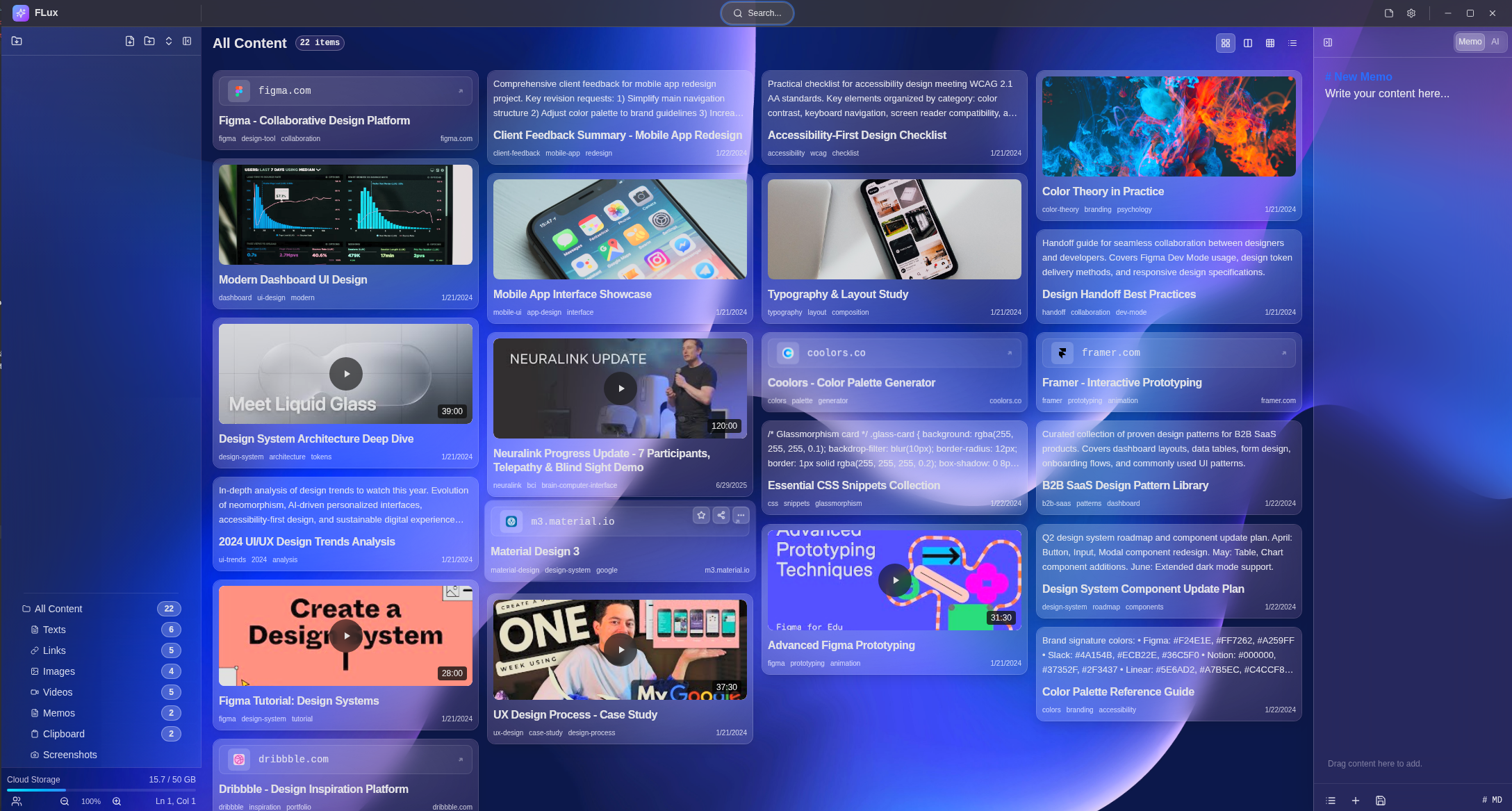
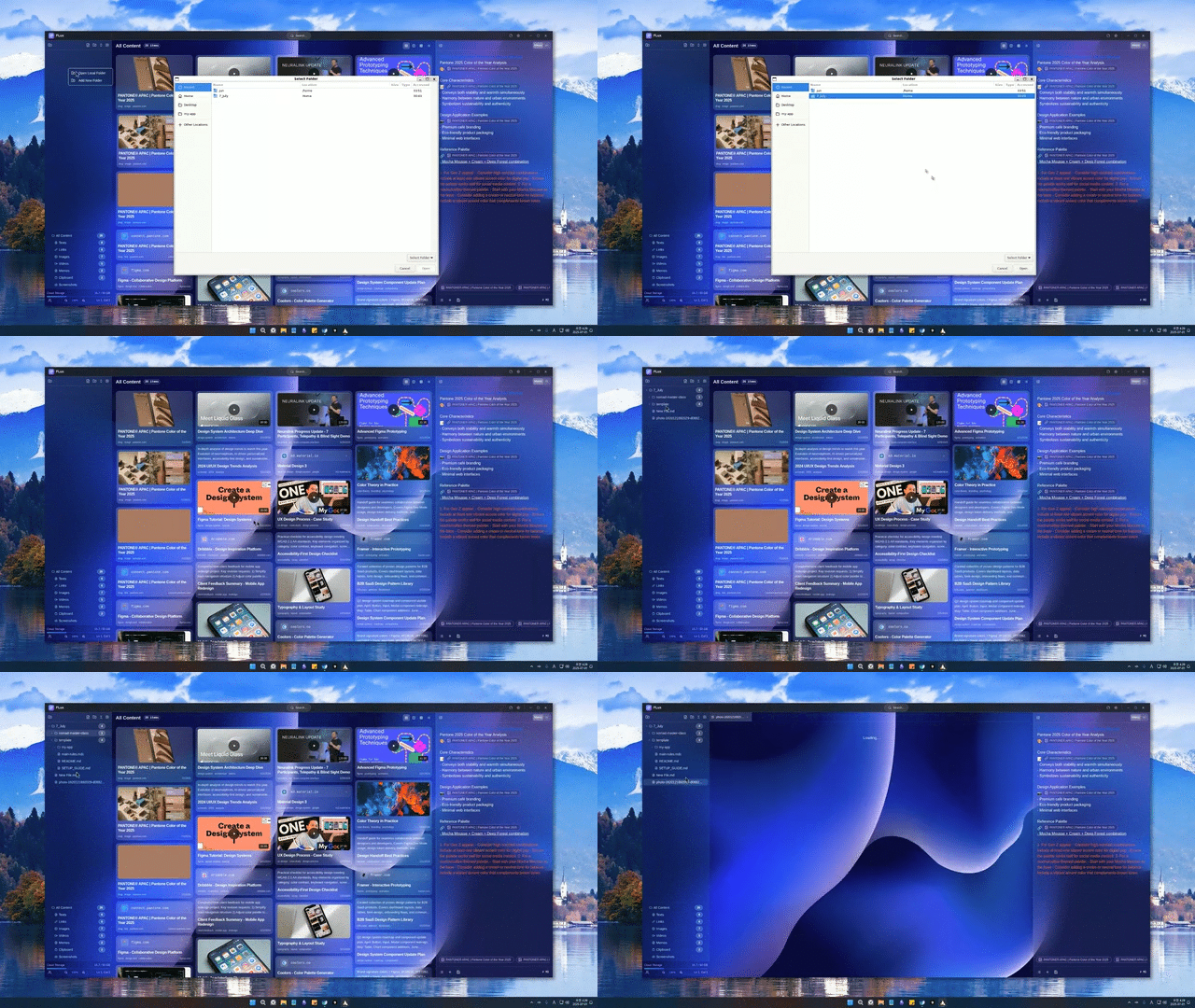
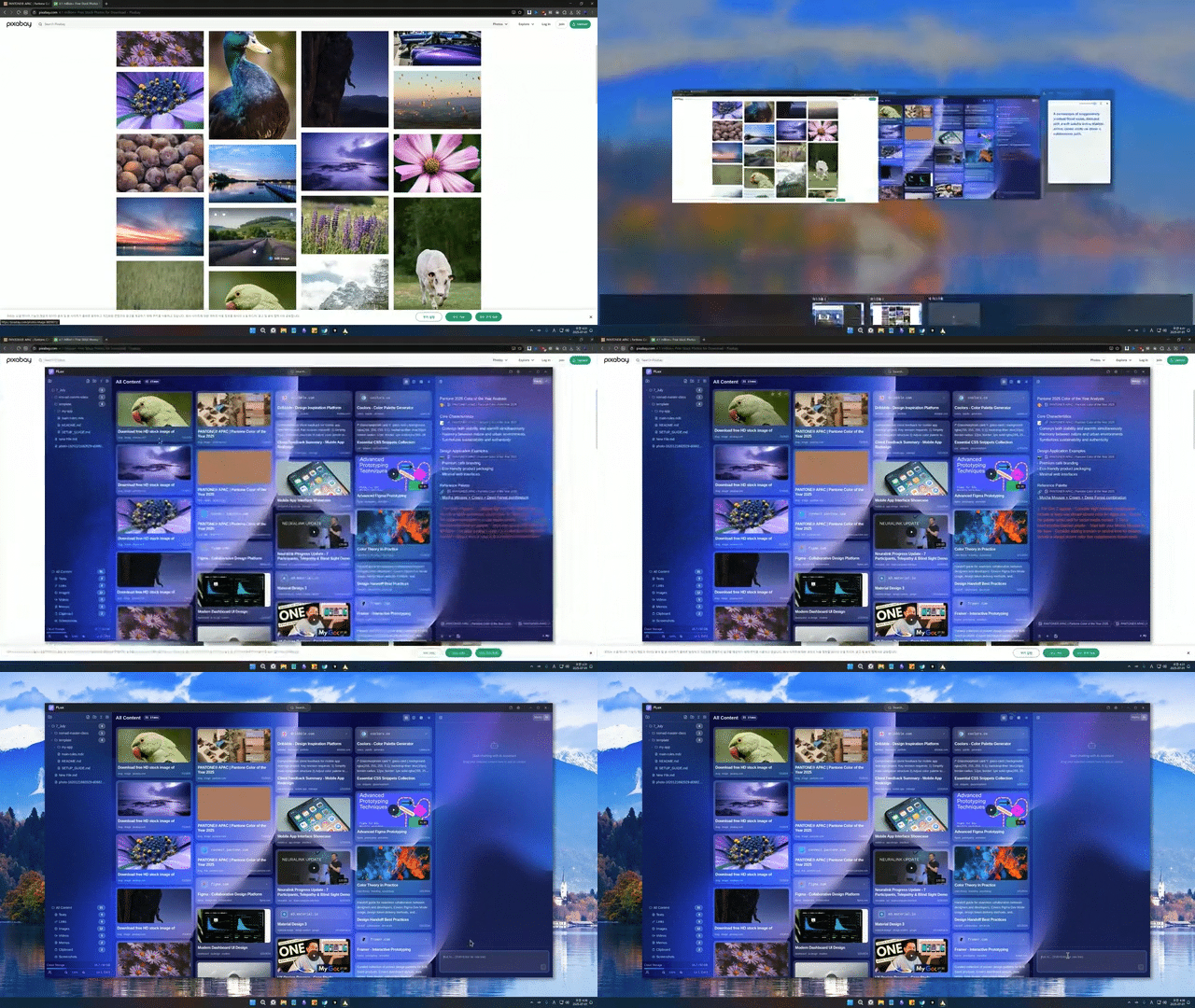
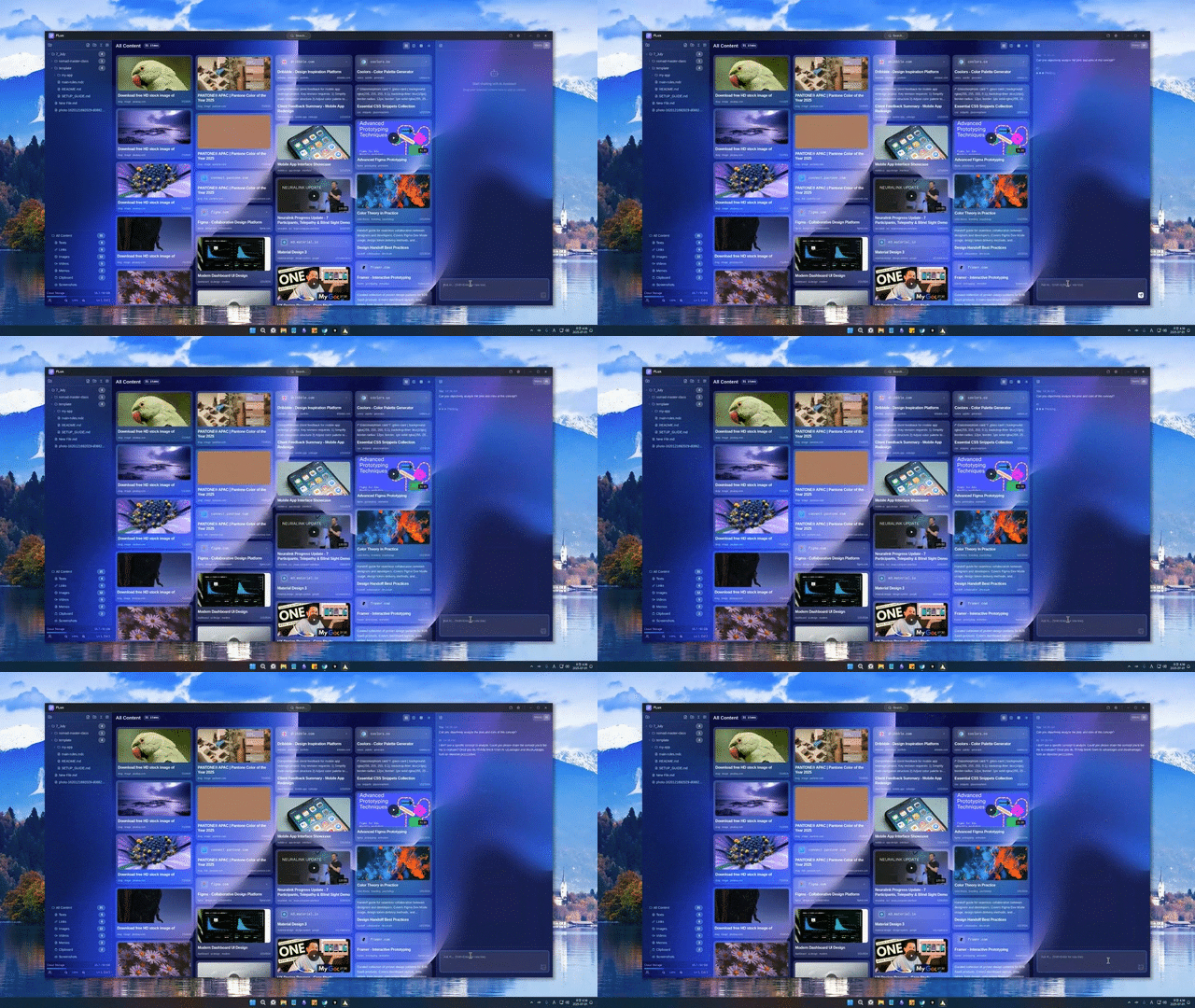
Flux is an AI-powered knowledge hub that revolutionizes how people collect, organize, and interact with information. Through a Chrome extension and drag-and-drop functionality, users can instantly capture any content—highlighted text, images, links, or videos—with a simple Alt+right-click or drag gesture.
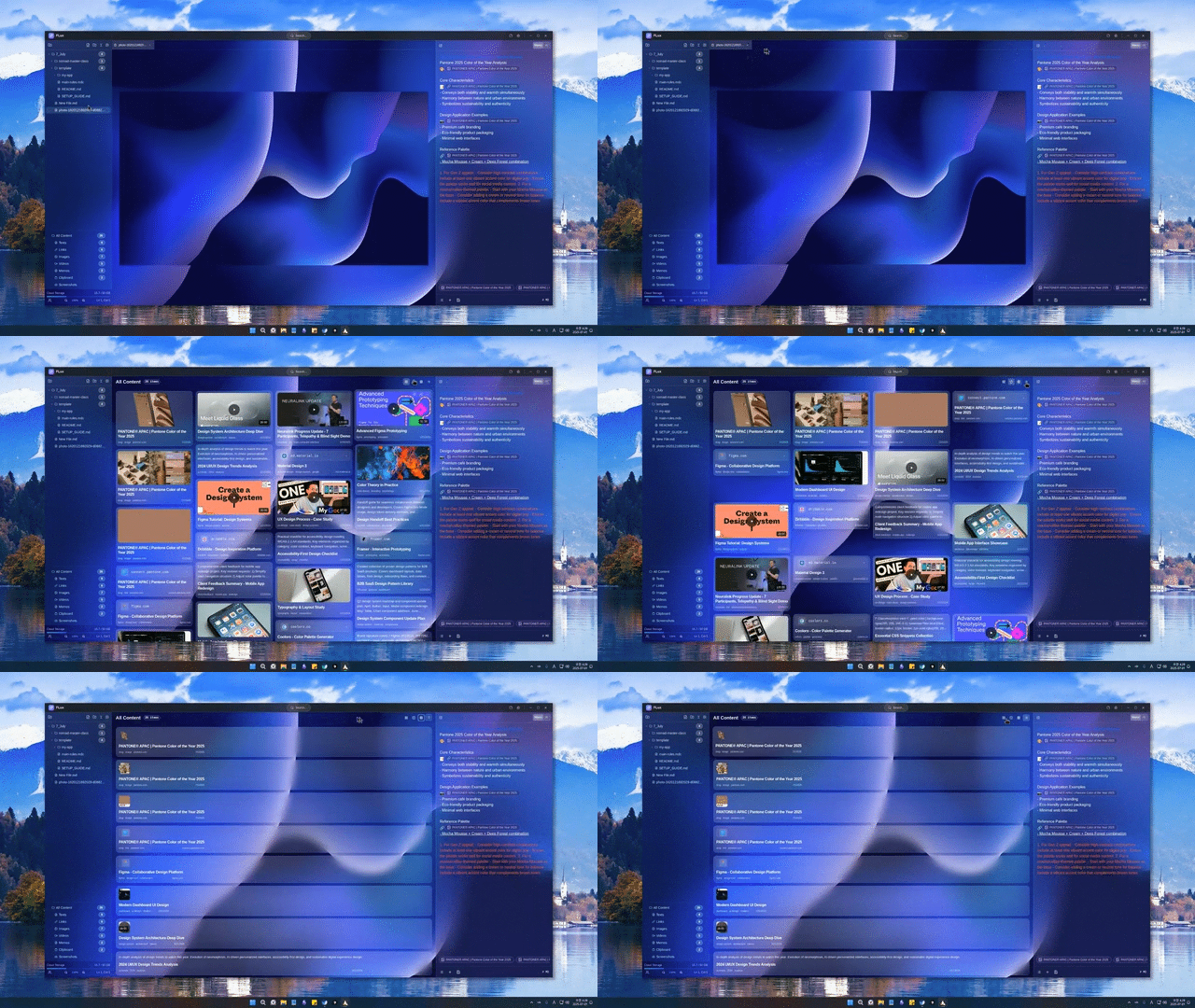
The magic happens through AI-powered processing: each piece of content is automatically summarized (1-3 lines) and tagged with up to 3 keywords, making everything instantly searchable. Users can organize content in a flexible folder structure, view it in multiple layouts (grid, masonry, list), and even collaborate in real-time like Figma. The integrated AI assistant can engage in conversations about your collected knowledge, helping generate new insights and content.
How we built it
We built Flux using a modern, robust tech stack:
- Frontend: Electron for desktop capabilities, React with Remix (React Router v7) for seamless navigation, and Tailwind CSS for styling
- UI Components: Shadcn/UI for consistent, accessible components with the liquid glass aesthetic
- Backend: Supabase for real-time data synchronization and authentication
- Search: Elasticsearch for lightning-fast semantic search across all content
- Database: PostgreSQL with Drizzle ORM for type-safe database operations
- AI Integration: OpenRouter for multi-model AI capabilities and Elevenlabs for voice interaction
The architecture prioritizes user experience with parallel processing for AI summaries to prevent UI lag, and a modular feature-based structure that allows rapid iteration.
Challenges we ran into
Building a truly seamless knowledge capture system presented several technical hurdles:
- Cross-platform Integration: Creating a Chrome extension that communicates smoothly with the Electron desktop app required careful handling of security contexts and data synchronization
- AI Processing at Scale: Implementing parallel AI processing for summaries and keywords without impacting user experience demanded sophisticated queue management
- Real-time Collaboration: Building Figma-like collaborative features with cursor tracking and live editing required optimizing WebSocket connections and conflict resolution
- Search Accuracy: Developing fuzzy search that could handle typos (like searching "그브" for "그레이브즈") while maintaining speed was technically demanding
Accomplishments that we're proud of
- Created a truly frictionless capture experience that takes less than a second from selection to storage
- Implemented AI-powered organization that actually understands context, not just keywords
- Achieved sub-100ms search response times even with semantic search across thousands of items
- Developed a unique "memo filtering" system that helps users refine and connect ideas before committing them to their knowledge base
- Built seamless data synchronization between Chrome extension and desktop app
What we learned
This project taught us that the best productivity tools disappear into the user's workflow. We learned the importance of:
- Minimizing cognitive load through intelligent automation
- Building for the "moment of capture" when inspiration strikes
- Balancing powerful features with intuitive design
- The value of AI not as a replacement for thinking, but as an amplifier of human creativity
We also discovered that modern web technologies (Electron, React, Supabase) have matured to the point where desktop applications can be as fluid and responsive as native apps.
What's next for Flux
Our roadmap includes:
- Mobile companion apps to capture ideas on the go
- Advanced AI agents that can perform complex research tasks across your knowledge base
- Plugin ecosystem allowing developers to extend Flux with custom capture methods and AI models
- Team workspaces for organizations to build shared knowledge repositories
- Offline-first architecture ensuring your knowledge is always accessible
- Integration with popular tools like Notion, Obsidian, and Google Workspace
We envision Flux becoming the cognitive layer between humans and information—a tool that doesn't just store knowledge, but helps it grow and evolve.
Built With
- chrome-extension-api
- drizzle-orm
- drizzle-orm-search:-elasticsearch-ai/ml:-openrouter-api
- elasticsearch
- electron
- elevenlabs-voice-sdk
- elevenlabs-voice-sdk-tools:-monaco-editor
- lucide-icons
- monaco-editor
- netlify
- openrouter-api
- postgresql
- react
- remix
- remix-(react-router-v7)
- shadcn/ui
- shadcn/ui-backend:-supabase
- supabase
- tailwind-css
- typescript
- websocket


Log in or sign up for Devpost to join the conversation.