

Inspiration
Resource may be scarce but they are less scarce now than ever before. However, the pathology of limited good continues to trigger chronic failure of imagination in responding to pandemic around the globe. Peter Singer argues that, "If it is within our power to prevent something bad from happening, without sacrificing anything nearly as important, it is wrong not to do so." and he models the act of doing good based on the concept of effective altruism to maximise the good each of us can do.
Health technology continues to help reduce the inertia behind the movement of effective altruism and open up boundless possibilities to improve healthcare access. Most often than not, in healthcare, necessary knowledge is not translated into a simple, usable and systematic form. Medicine, as a result, becomes complex and complicated. While deep learning/ machine-learning algorithms may not be ready to overcome the complexity in medicine, they are most certainly useful and effective in making medical delivery simpler yet not simplistic.
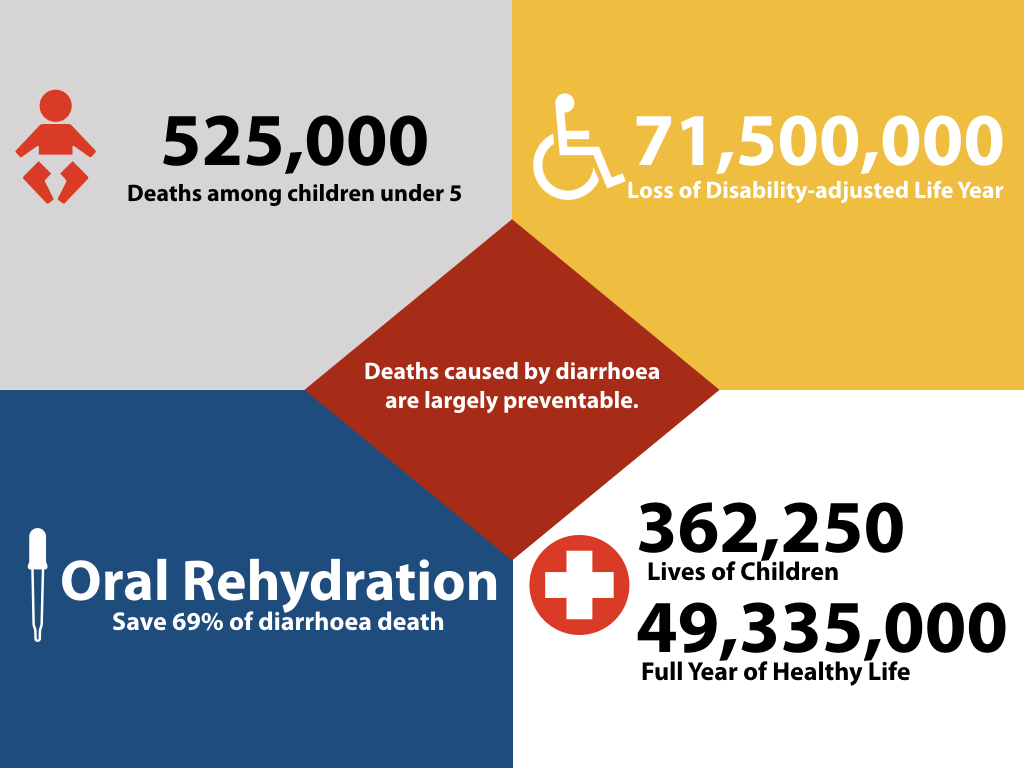
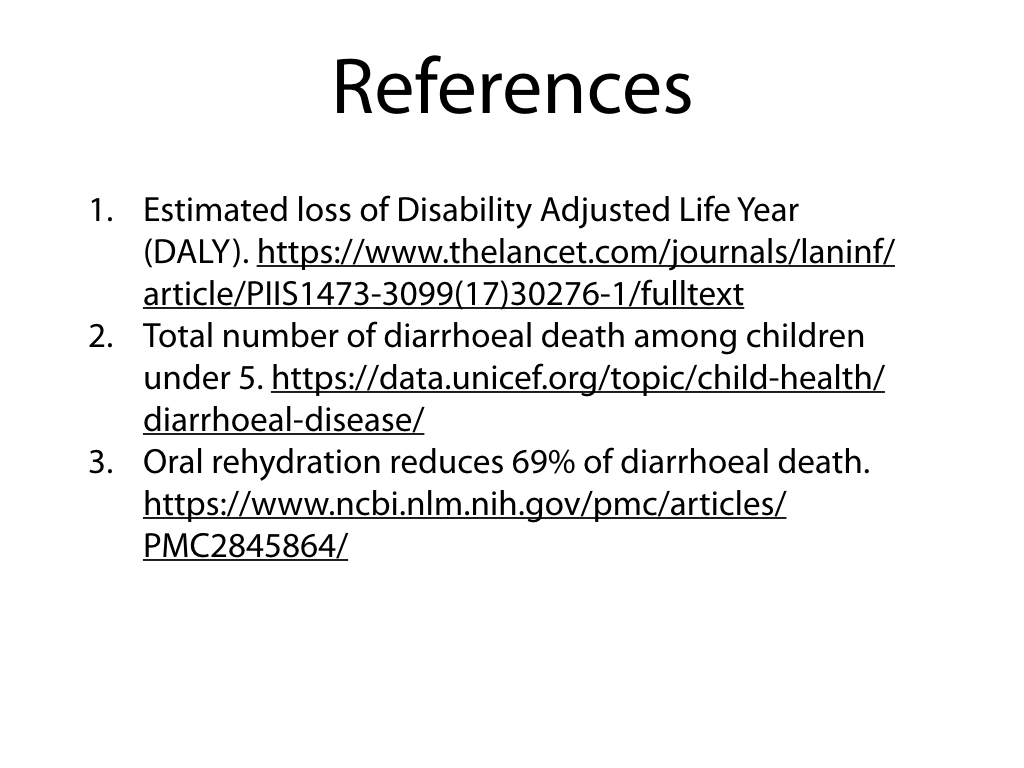
We have identified Diarrhoeal Death as our main problem in this project because diarrhoeal death remains as the second leading cause of death among children in low-income countries (525,000 every year) and, despite its reduction through multi-pronged approaches by world-leading partners, it carries on to cause deaths and disabilities. We worked on a mobile app which aims to aid outreach/ community nurses in deprived areas to screen for acute gastroenteritis, the main cause of diarrhoeal death, and feedback personalised management plans using decision tree algorithms.
What it does
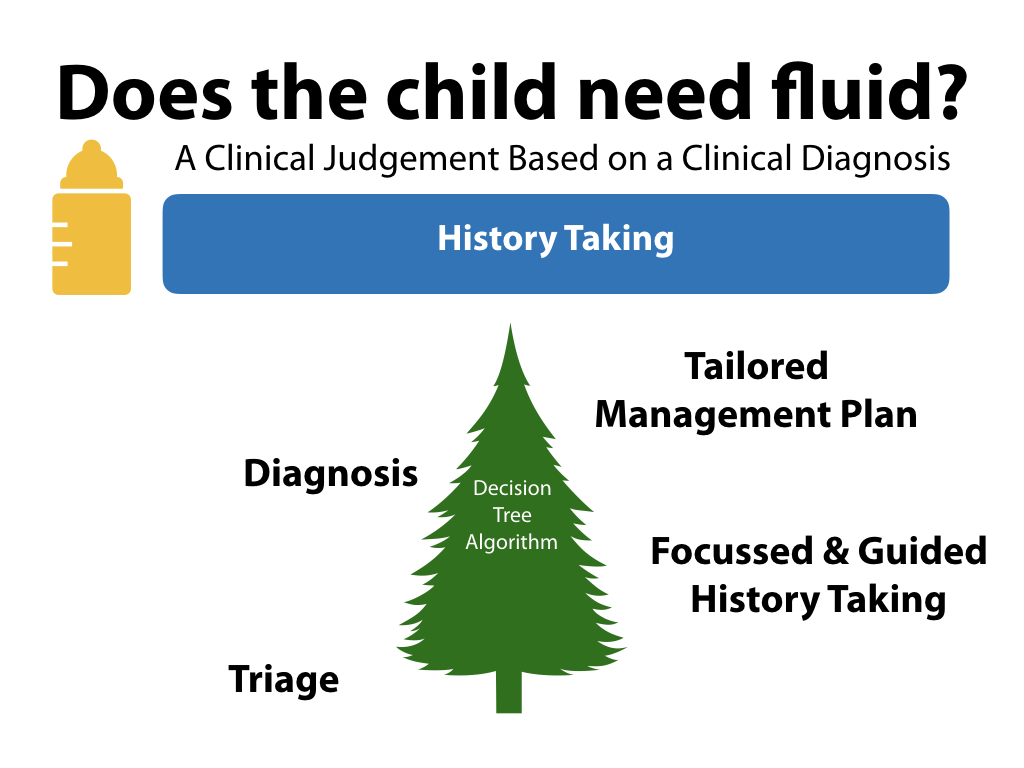
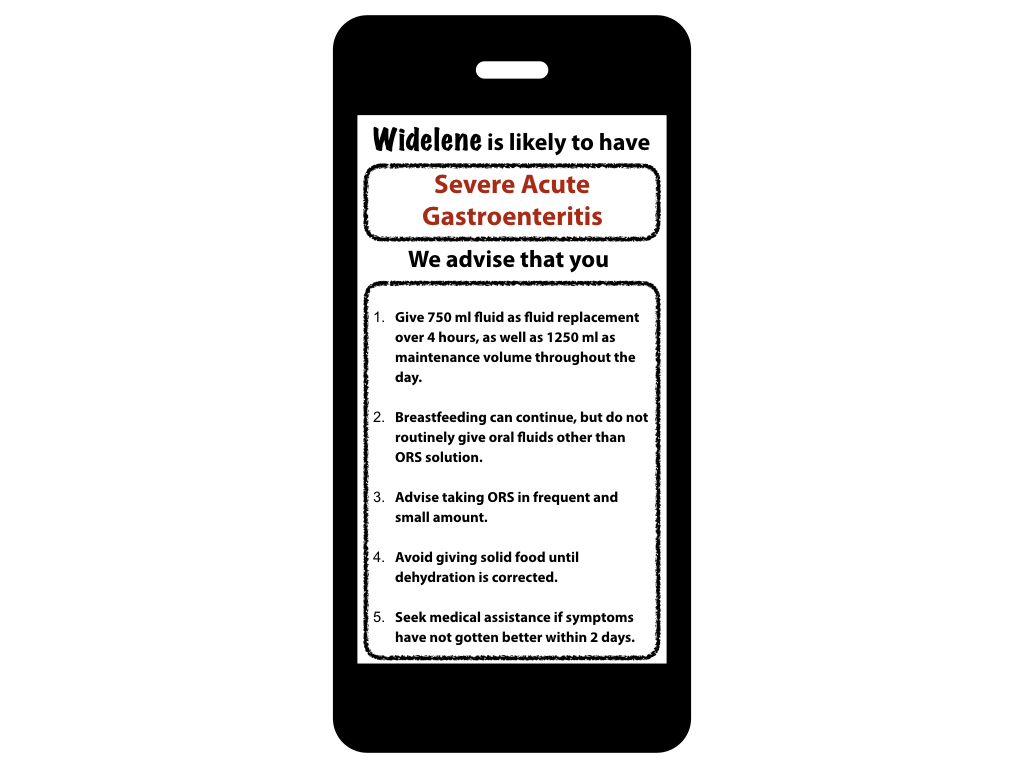
Our mobile app aims to screen for acute gastroenteritis as well as other severe non-gastroenteritic conditions and feedbacks on the most suitable management plans using decision tree algorithms.
How we built it
Decision tree algorithm is demonstrated through Java using mainly 'if' statements to take into considerations all the patient attributes to aid diagnostic feedback coupled with personalised management plan.
Challenges we ran into
We faced challenges mainly from the medical and technical point of view. The concept of screening and its success are largely determined by availability, affordability. accessibility, acceptability as well as accuracy in predicting the condition. As such, we took into consideration how the decision tree algorithm would work to fulfill all the factors above to help maximise positive predictive rate of diarrhoeal caused by gastroenteritis and other severe conditions without compromising much of the sensitivity of the algorithm.
We have also fallen short in incorporating the decision tree into a working demo mobile app due to lack of experience in front-end software app coding. However, we have optimised the algorithm to compensate that shortcoming and coded it in formats high translatable to future app scripts.
Accomplishments that we're proud of
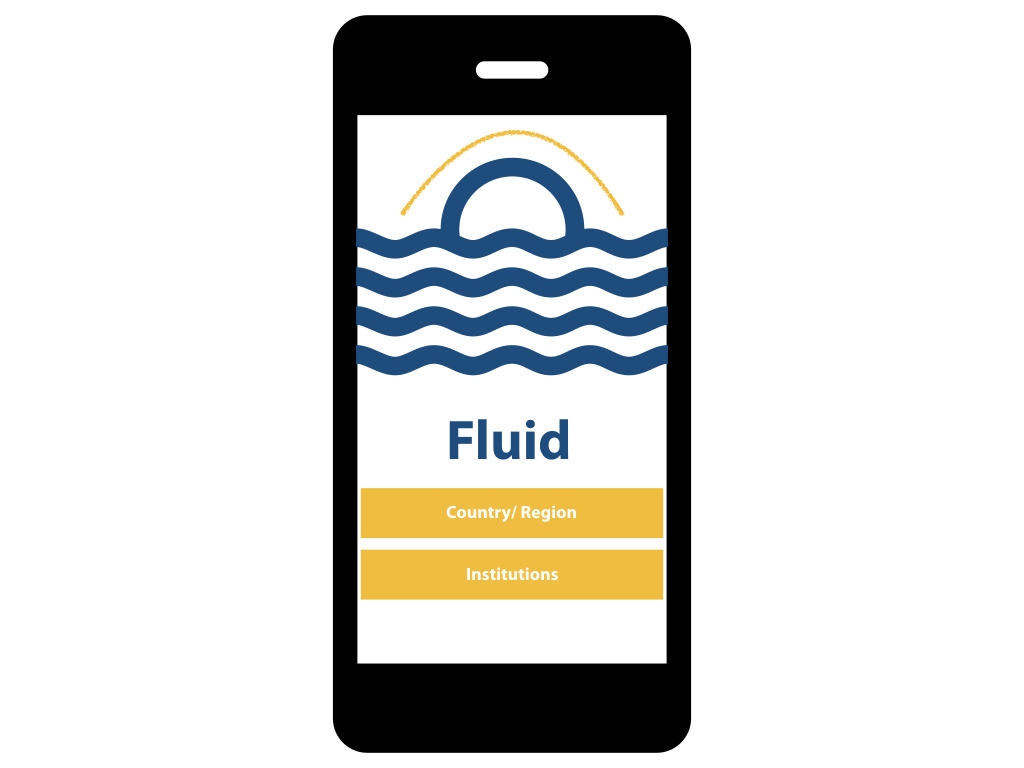
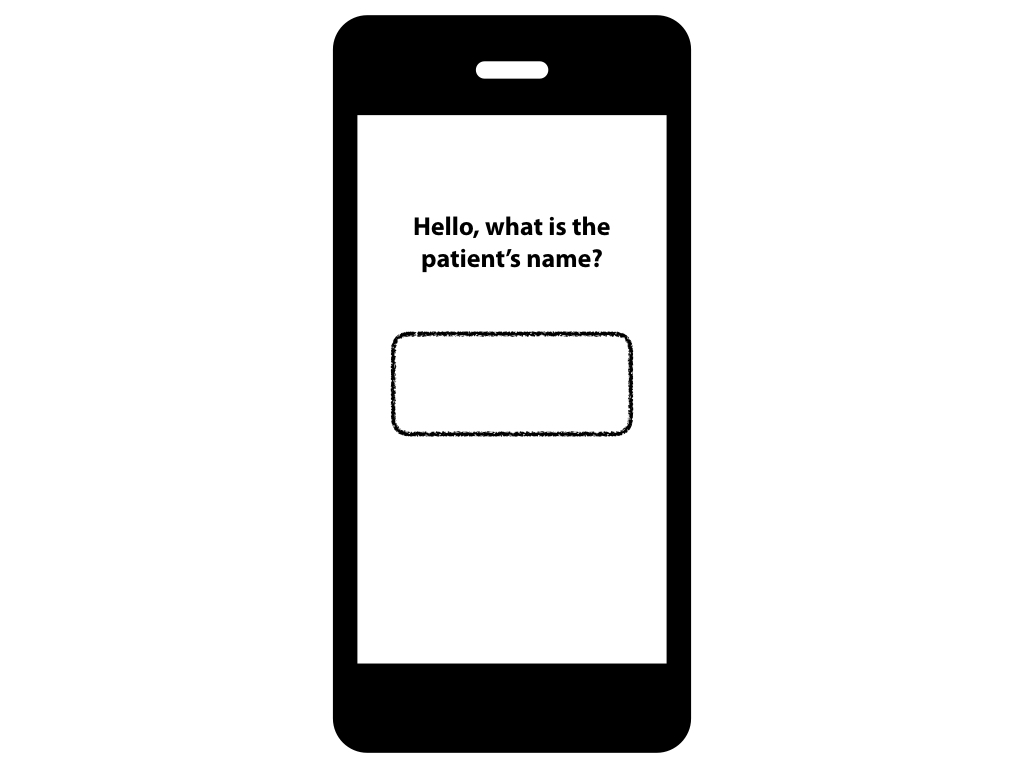
As a team, we have managed to execute our project and coded a working decision tree algorithm which enables the live feedback of diagnosis and personalised management plans. We have also overcome our technical shortcoming by devising a dummy simulating app to showcase the user experience of our mobile app.
What we learned
It is an essential skill to be able to translate codes into extractable and readable format for multiple coders to work together.
We have also learnt to adapt to unforeseen circumstances by improvising our coding style to expand the functionality of our app.
What's next for Fluid
To develop a minimal viable product (MVP) of Fluid App for it to run real life in clinical settings under the supervision of clinicians. Collect all data and compare them statistically with the data from current practice to assess the outcome of our screening.
Log in or sign up for Devpost to join the conversation.