-
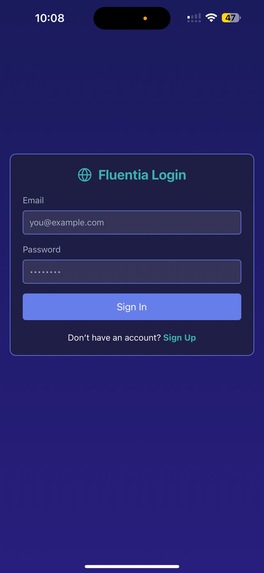
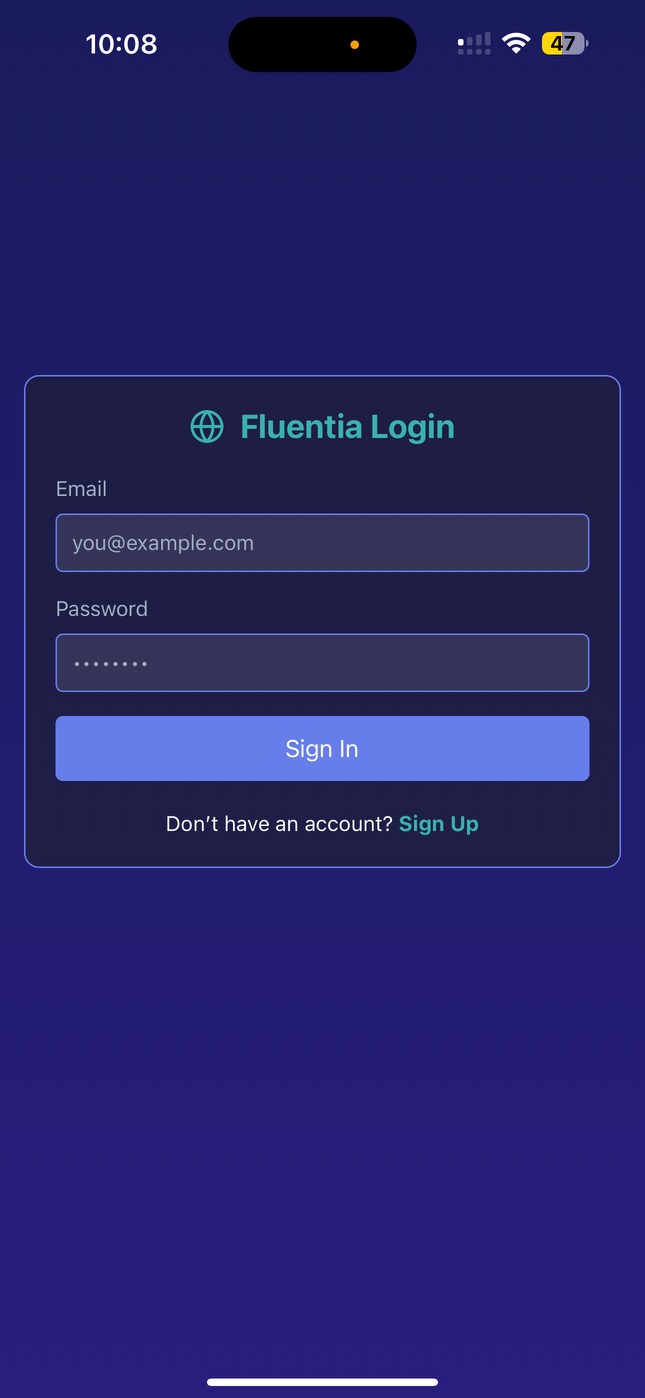
Login Page
-
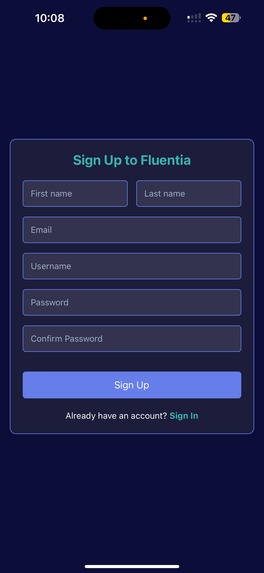
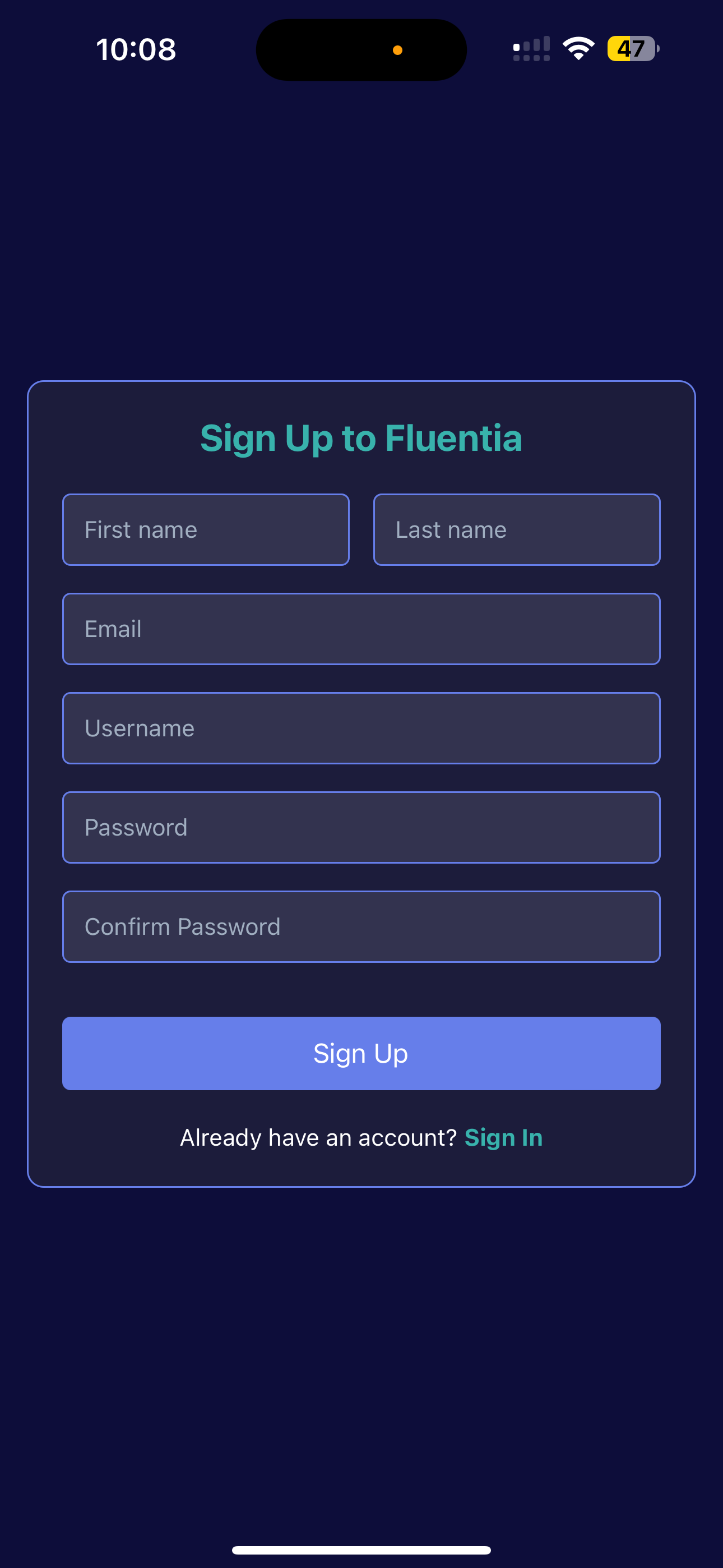
Signup Page
-
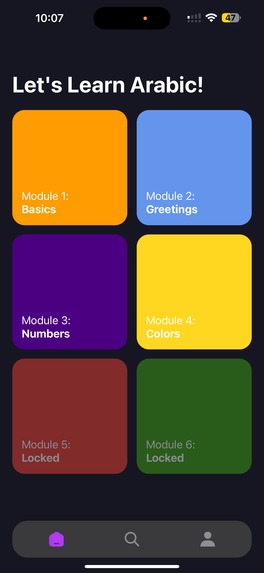
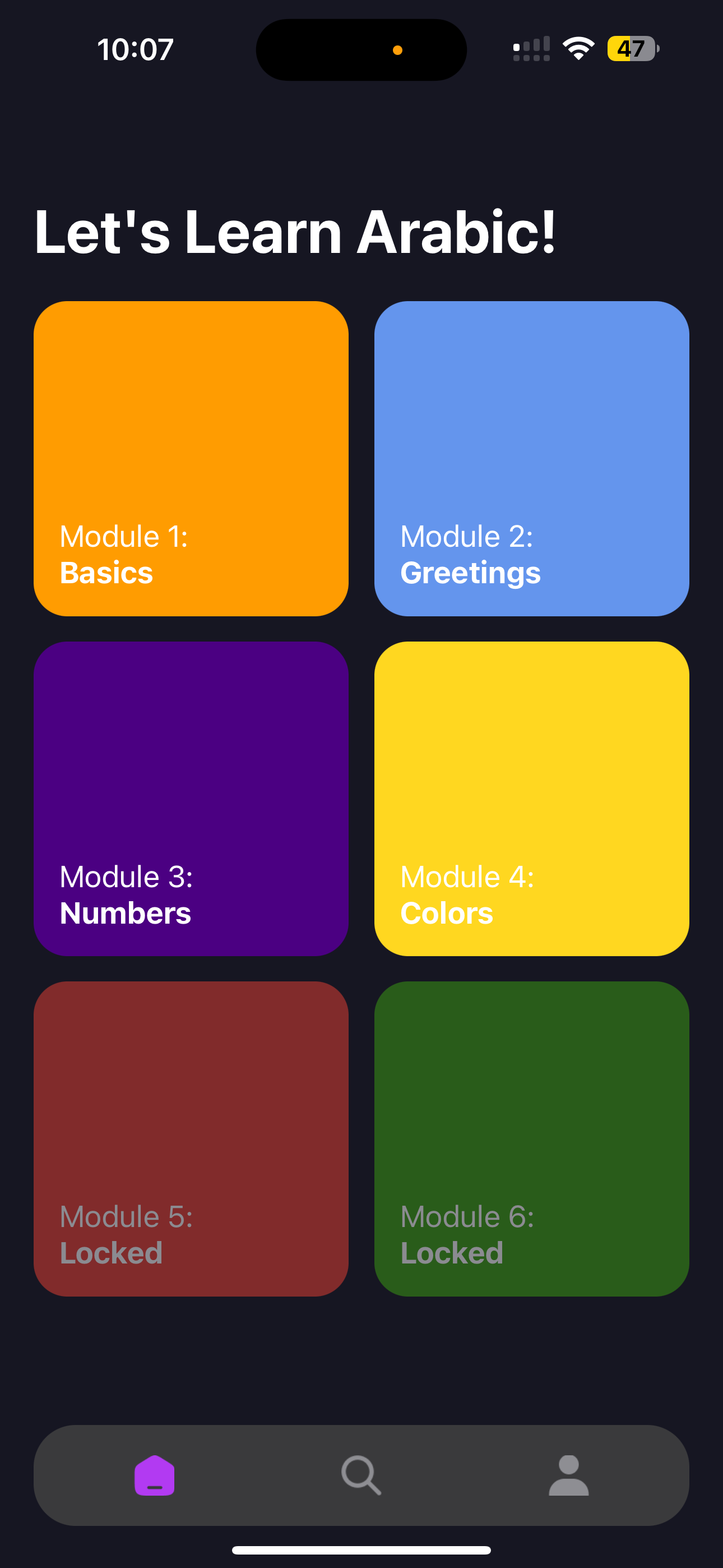
Module Page
-
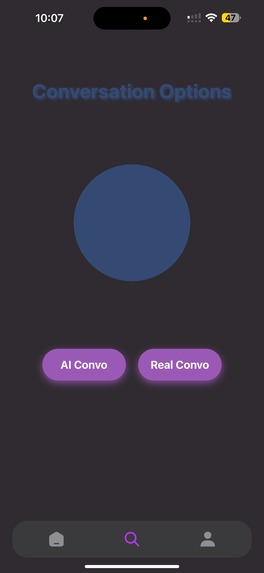
Conversation Page
-
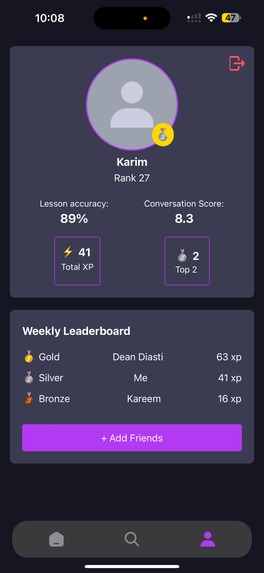
Profile Page
Inspiration
One of our team members comes from an Arabic-speaking family but struggled with mastering the language growing up. They noticed a gap in how current language-learning platforms approached Arabic and wanted to create something more comfortable, engaging, and effective. Fluentia was born from this personal experience, blending the best aspects of existing language tools—like gamification and conversational practice—while addressing common shortcomings, such as lack of immersion and the pressure of face-to-face interactions.
What it does
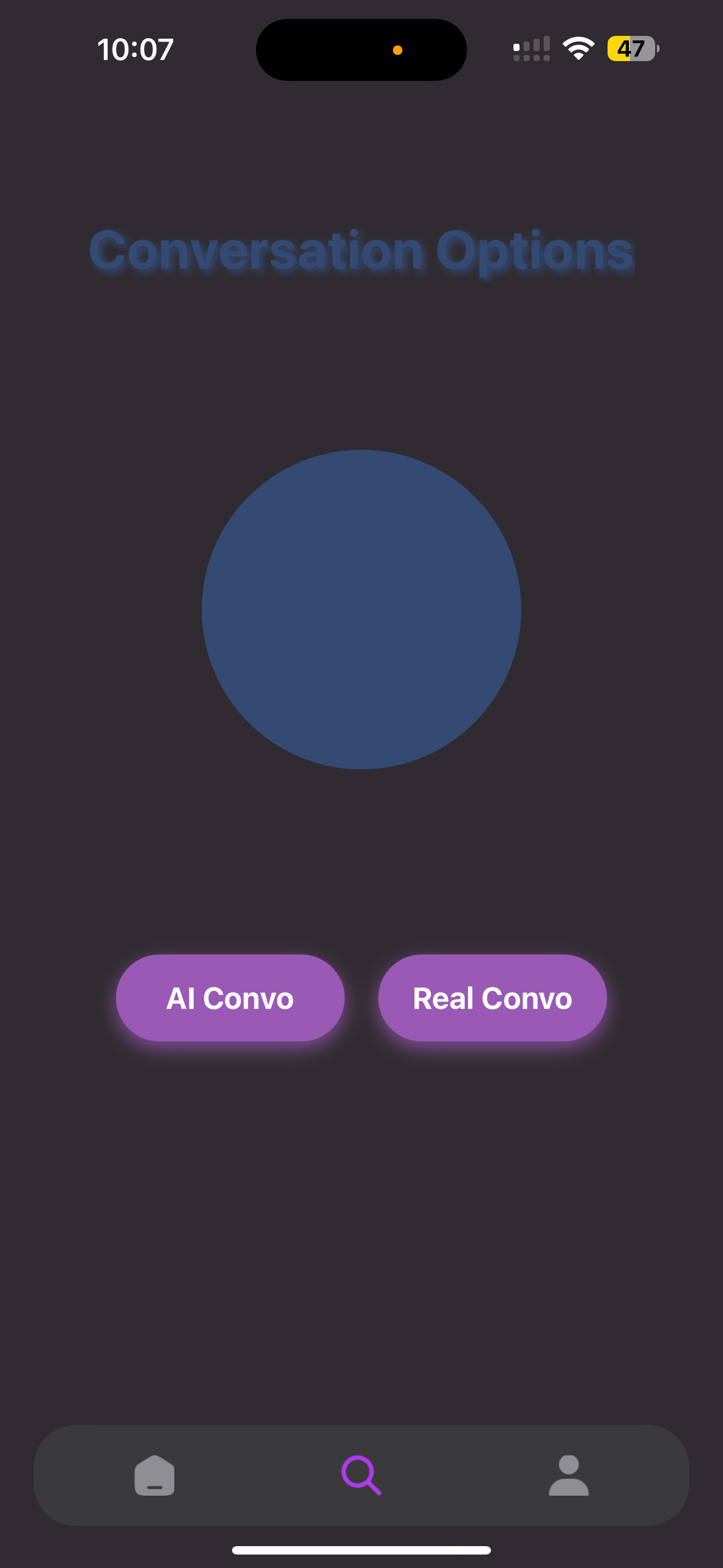
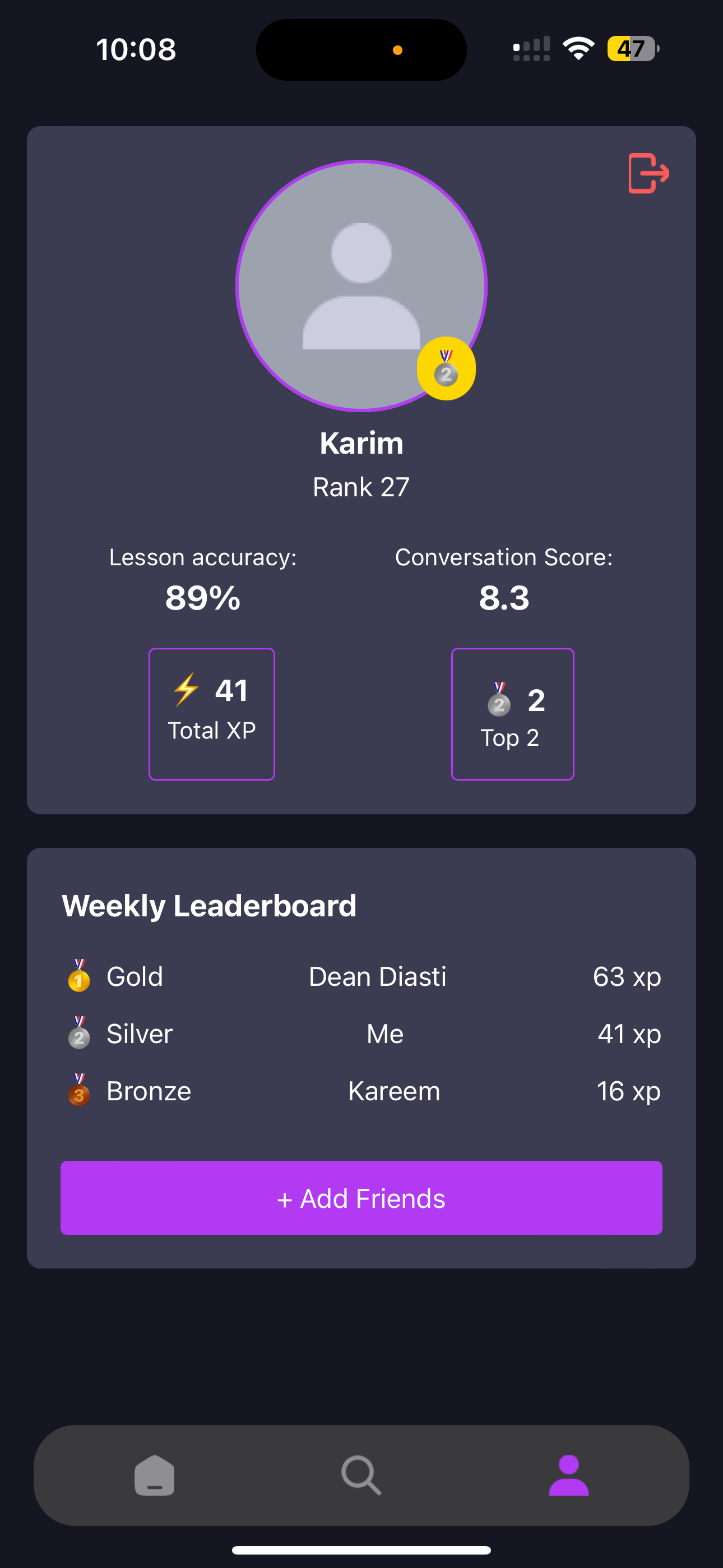
Fluentia is an Arabic language learning app designed to make mastering the language accessible and fun. It gamifies the learning process with interactive lessons, challenges, and rewards. The app’s standout feature is its AI-powered conversational practice, allowing users to build confidence by engaging in realistic, pressure-free conversations. Additionally, users can participate in live conversations to apply their newly acquired skills and improve their fluency.
How we built it
We divided our team into two primary groups: frontend and backend. The frontend team focused on the user interface, ensuring it was sleek, intuitive, and visually engaging. Meanwhile, the backend team worked on developing the AI and handling the infrastructure for smooth and responsive user interactions. Together, both teams collaborated on designing the lesson modules and creating an adaptive learning experience that grows with the user’s proficiency.
Challenges we ran into
One of the biggest hurdles we faced was with our infrastructure setup. We initially opted to host our application through AWS and other cloud service providers (CSPs), but it led to significant delays. Time was wasted on setting up the architecture and troubleshooting issues that we didn’t anticipate. However, these challenges helped refine our approach and forced us to rethink our deployment strategy.
Accomplishments that we're proud of
We’re particularly proud of several key achievements:
- AI latency optimization – We reduced the response time of our conversational AI system by 80%, providing users with fast, seamless conversation experiences.
- Aesthetic and design – The visual appeal and intuitive design of the app have been widely praised, making it both functional and enjoyable to use.
- User-to-user matching algorithm – We developed an advanced algorithm that matches users for conversational practice based on their constantly evolving skill level, ensuring more effective learning interactions.
What we learned
Through this journey, we learned the importance of balancing innovation with simplicity. While it’s tempting to dive deep into the complexities of new technologies, sometimes focusing on user experience and core functionalities can make the biggest impact. We also gained valuable insights into optimizing cloud infrastructure and the nuances of working with conversational AI.
What's next for Fluentia
Our future vision for Fluentia is to expand beyond Arabic and support additional languages. We also plan to introduce regional dialects for languages like Arabic, allowing users to master specific accents and dialectical variations. This will create a more personalized learning experience for users interested in diverse linguistic nuances.
Built With
- amazon-web-services
- aws-rds
- elastic-beanstalk
- fastapi
- groq
- openai
- postgresql
- python
- react-native


Log in or sign up for Devpost to join the conversation.