Inspiration
The primary inspiration for Fluendo came from a personal desire to improve my English proficiency. I wanted to move beyond traditional learning methods and find a more engaging, fun, and practical way to learn and use new English words in various scenarios. The idea was to create a tool that makes learning feel less like a chore and more like an interactive experience.
What it does
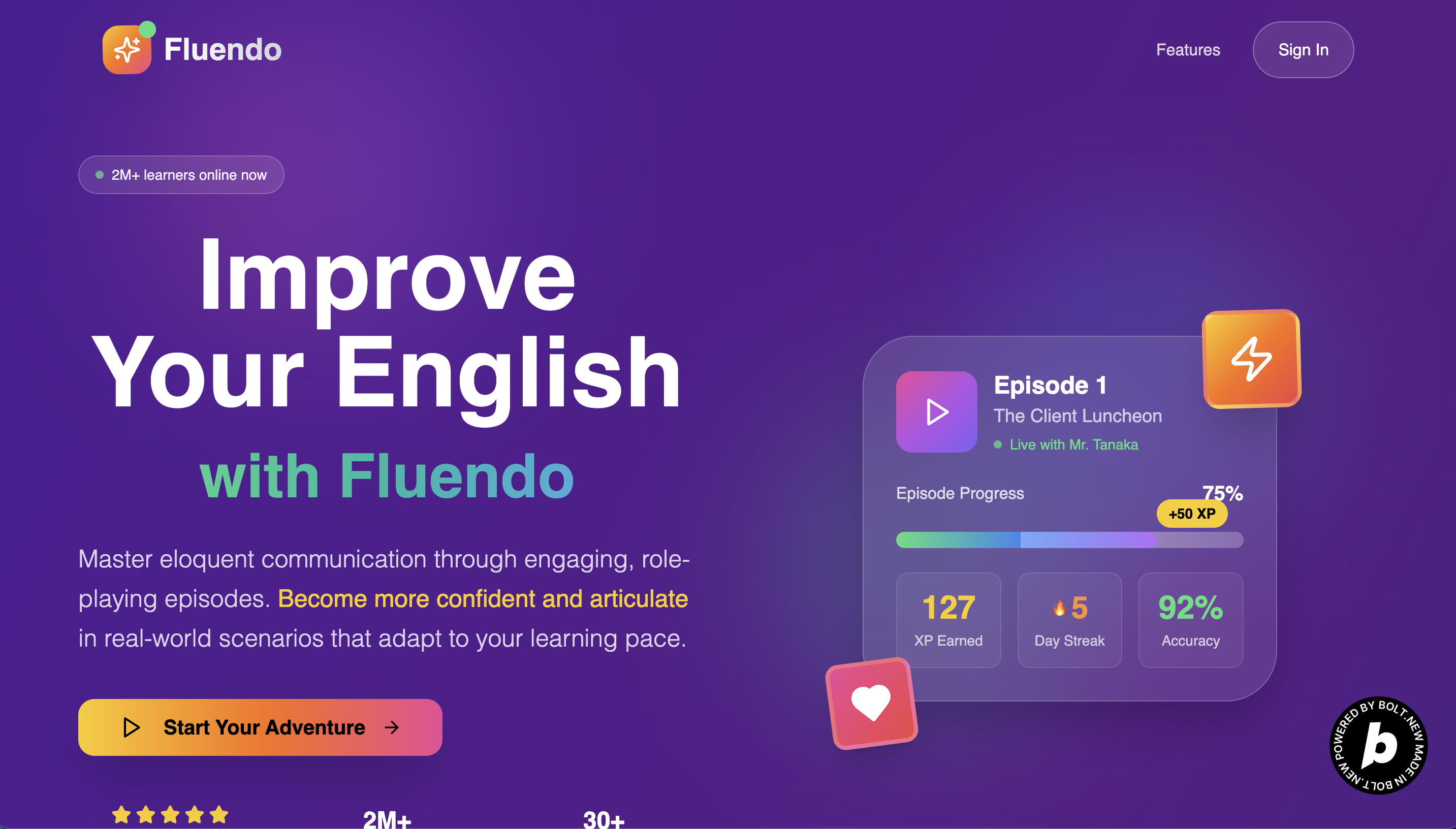
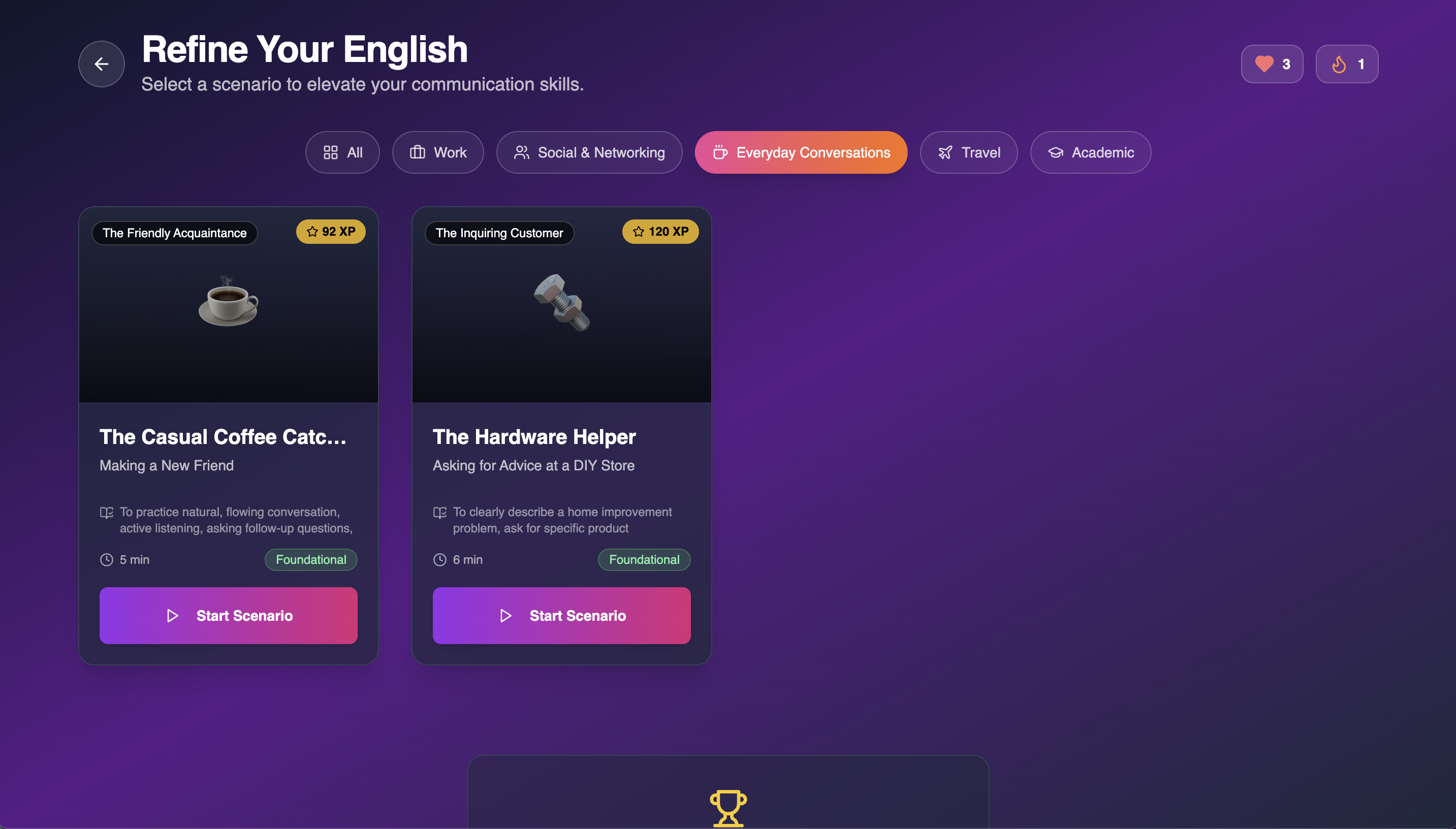
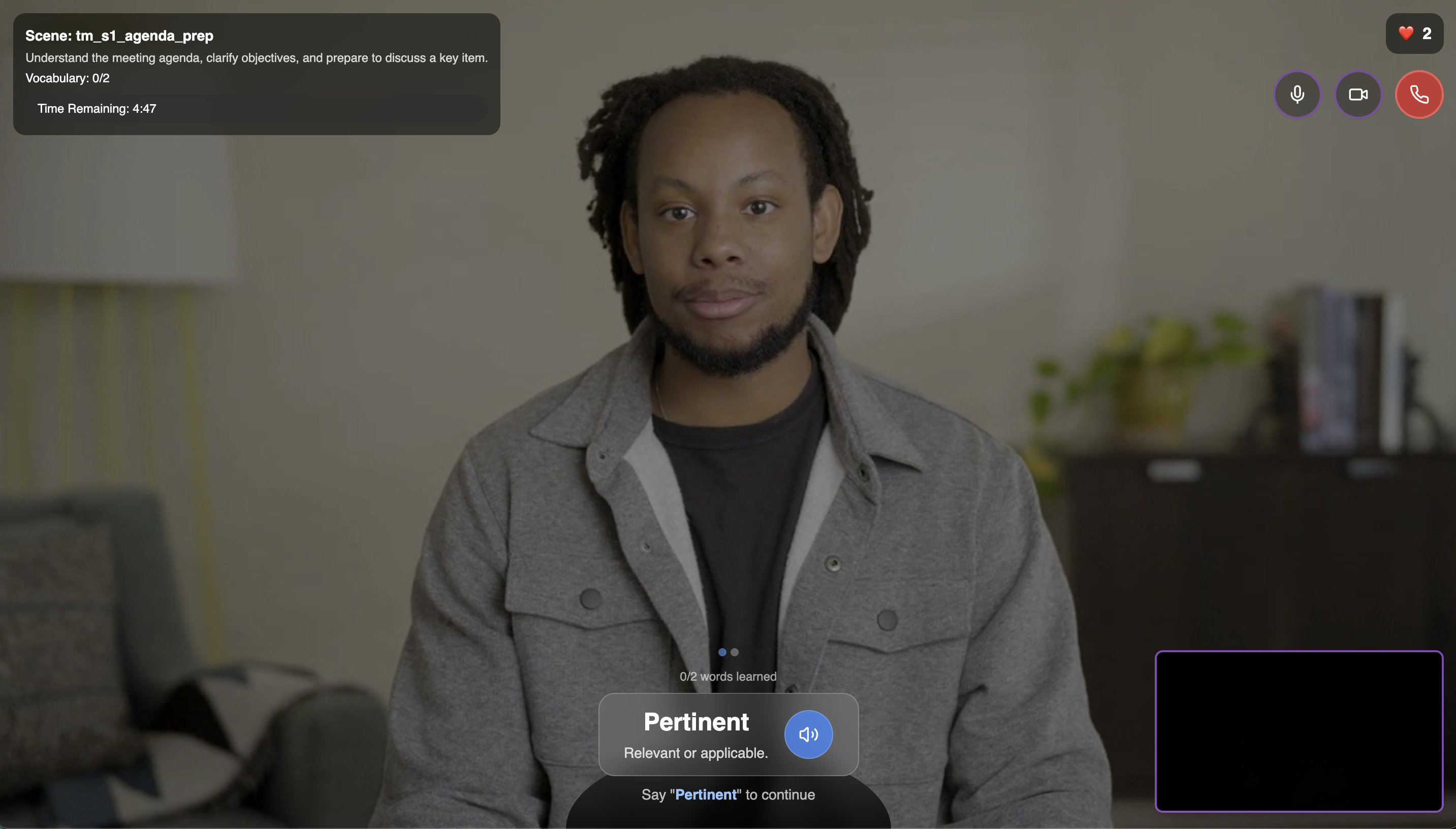
Fluendo is an interactive language-learning platform designed to help users learn English vocabulary and conversation skills in a gamified environment.
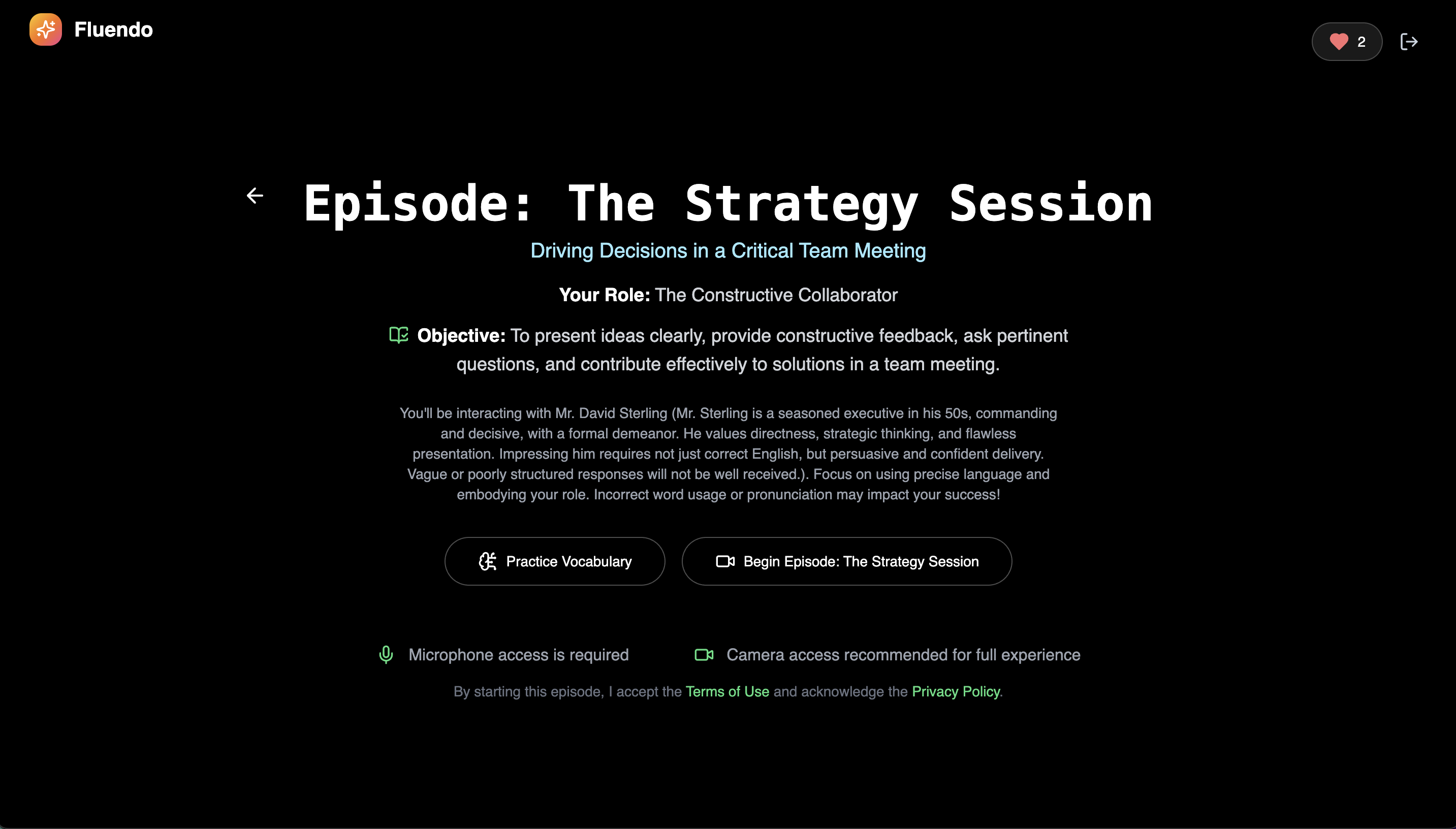
- Interactive Conversations: Users can engage in conversations, with Tavus platform's replicas, to practice their English in realistic real-time scenarios.
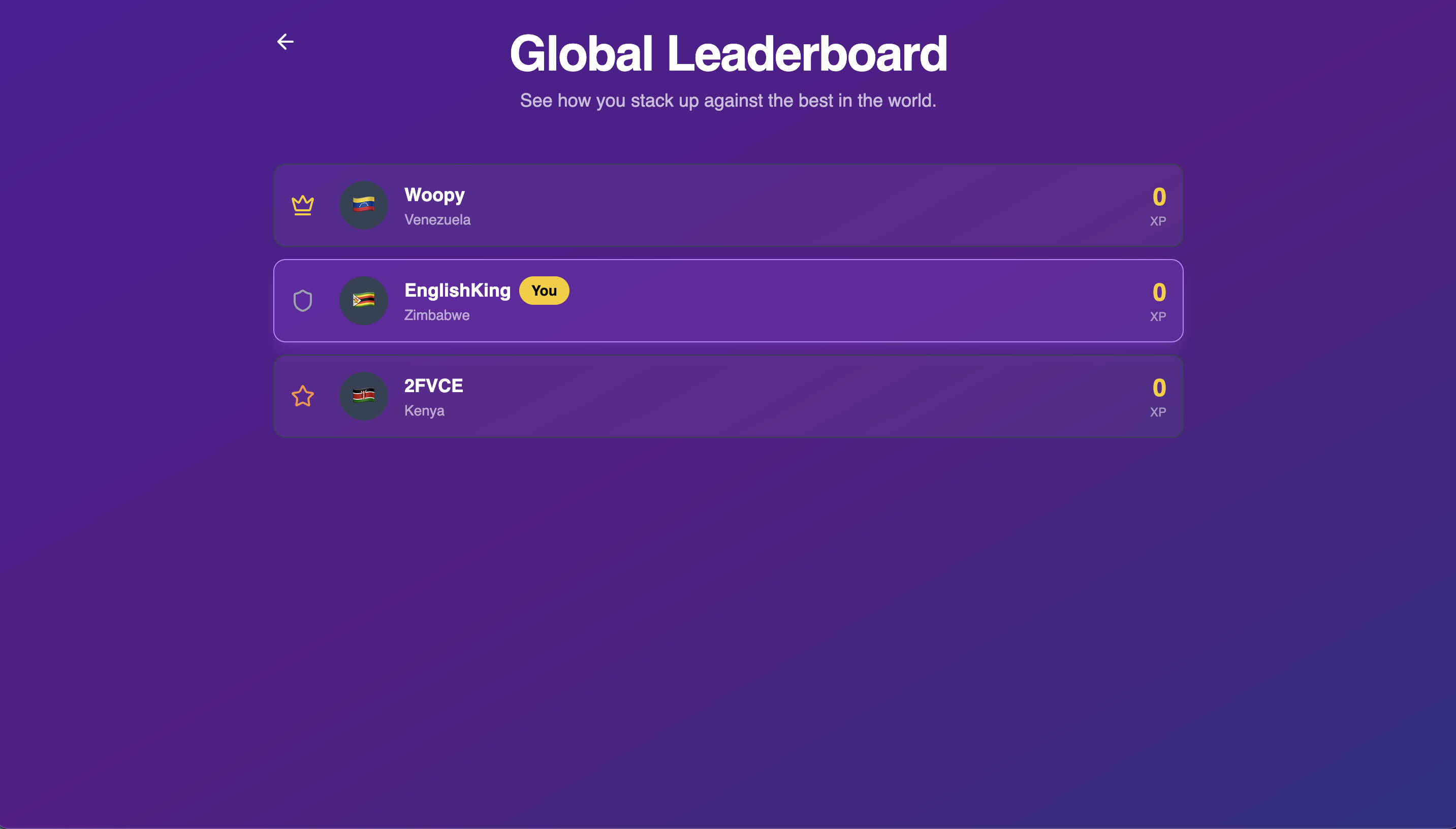
- Gamified Learning: The app includes features like hearts (lives), streaks for daily practice, leaderboards, and achievements to keep users motivated.
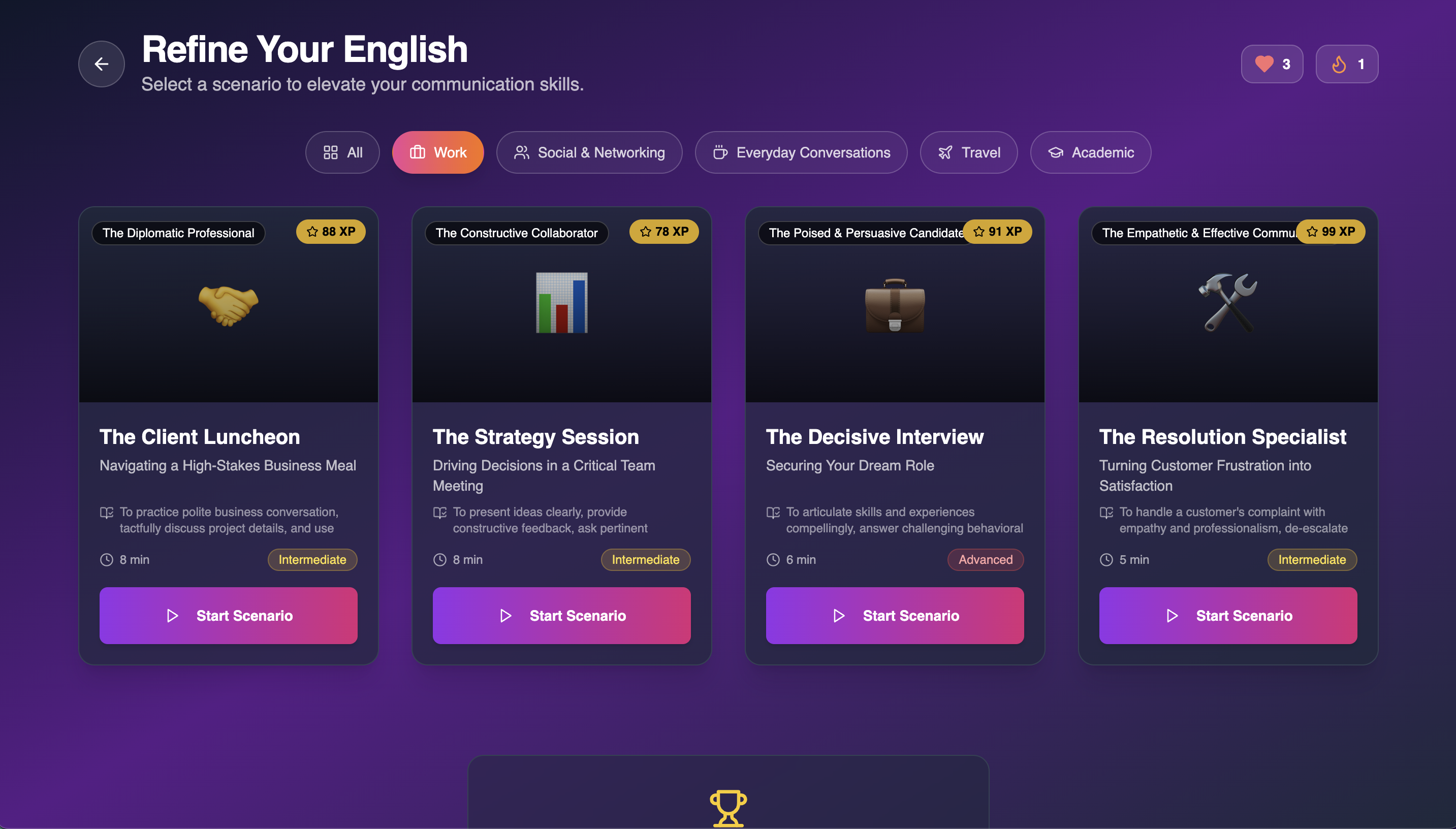
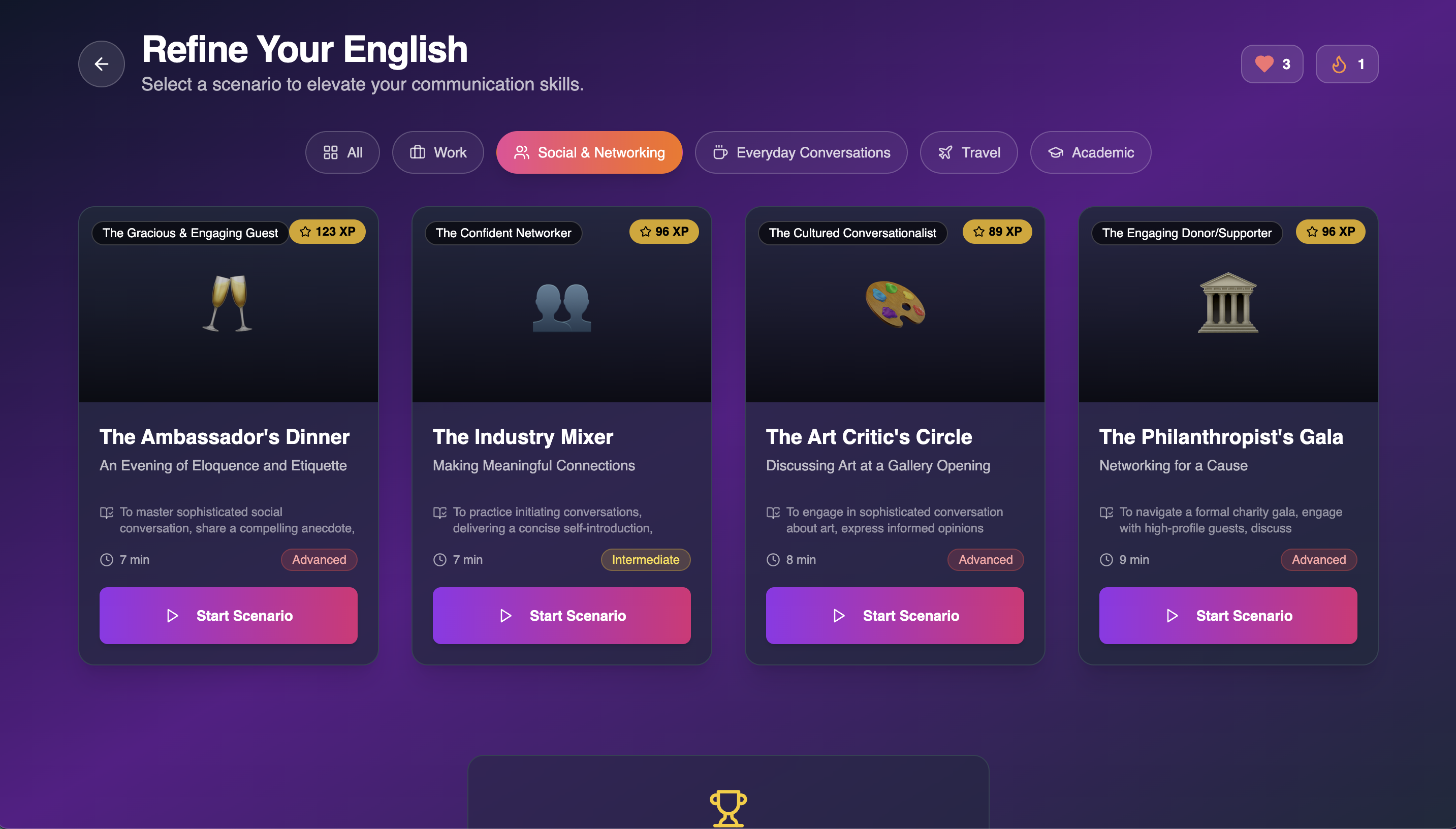
- Structured Lessons: Learning is organized into episodes and daily word challenges, providing a clear path for progression.
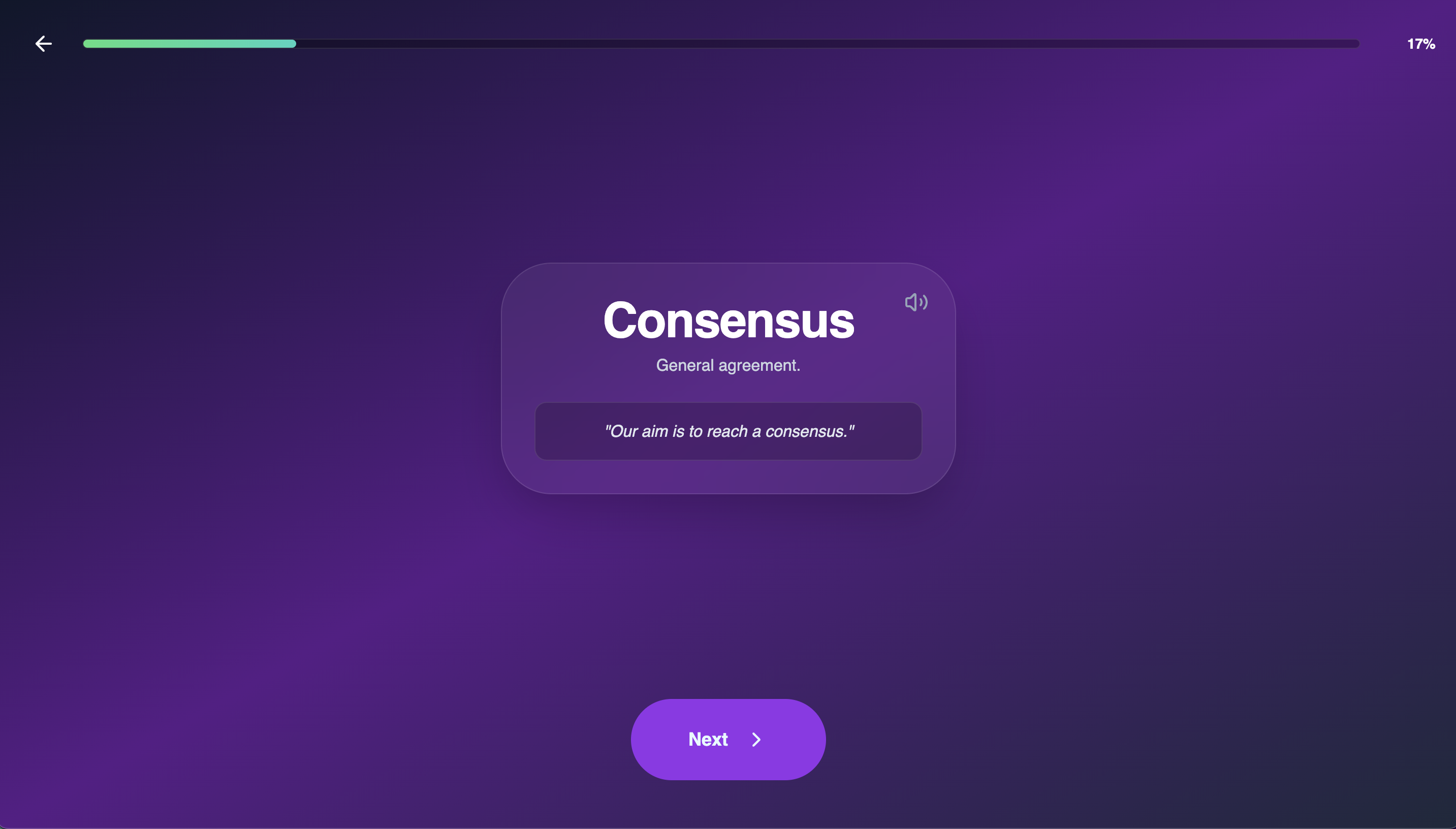
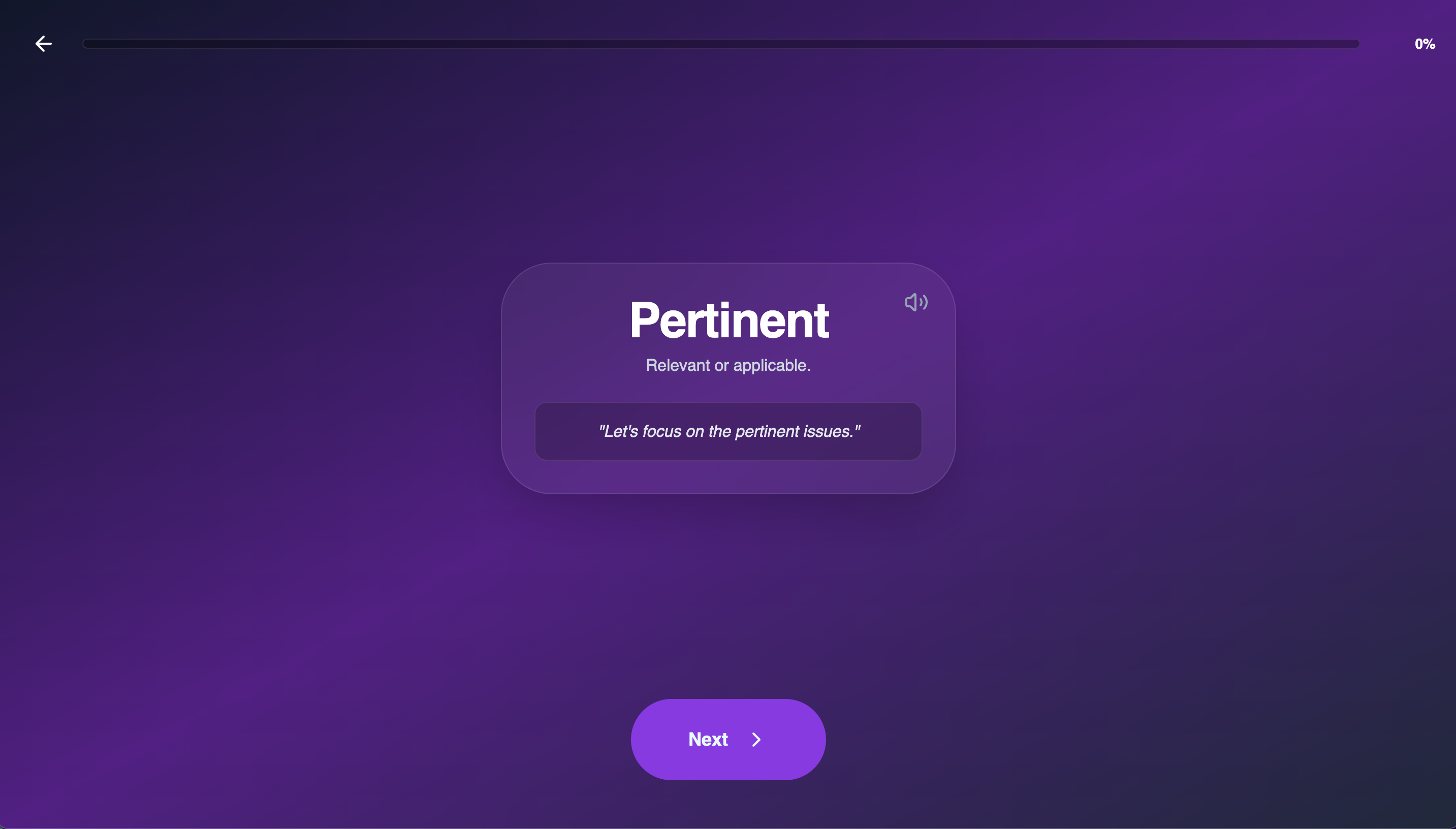
- Vocabulary Practice: Dedicated sections for vocabulary review and practice to reinforce learning.
- User Profiles: Users have profiles to track their progress, streaks, and achievements.
How we built it
The project was bootstrapped using bolt.new with the Tavus bolt template. Fluendo is a modern full-stack application built with the following technologies:
- Frontend: Built with React and Vite, using TypeScript for type safety.
- Styling: Tailwind CSS was used for a utility-first styling approach, allowing for rapid UI development.
- State Management: Zustand was chosen for its simplicity and powerful state management capabilities in a React environment.
- Backend & Database: Supabase serves as the backend, providing database storage, user authentication, and serverless functions. The database schema is managed through SQL migrations.
- Routing & Navigation: A custom routing solution manages screen transitions, including protected routes for authenticated users.
Challenges we ran into
- Engaging User Experience: Creating a smooth, interactive, and visually appealing user experience with animations (
SceneTransition.tsx,SnowAnimation.tsx) and overlays (VocabularyOverlay.tsx) while ensuring performance required thinking outside of the box prompts and also coding. - Real-time Conversation Flow: Implementing the logic for real-time conversations, including handling user input, API calls to a conversation service (
createConversation.ts), and managing the conversation state, required strategic prompting and coding.
Accomplishments that we're proud of
- Full-Stack Gamified App: Successfully building a feature-rich, full-stack application from prompts using bolt.new that combines language learning with engaging game mechanics.
- Robust Backend with Supabase: Creating a scalable and secure backend using Supabase integration on bolt.new, complete with user management, progress tracking, and achievements.
What we learned
- Gamification Design: Understood the principles of gamification and how to apply them to an educational context to increase user engagement and motivation.
- Project Prompting: Learned to break down a complex project into manageable prompts, from UI components to backend database schemas.
What's next for Fluendo
- Multi-Language Support: Expanding beyond English to include other languages.
- More Content: Adding a wider variety of episodes, scenarios, and vocabulary packs.
- Enhanced Social Features: Introducing features that allow users to compete with friends, share their progress, and practice together.
- Mobile App: Developing native mobile applications for iOS and Android to reach a broader audience.
Built With
- bolt.new

Log in or sign up for Devpost to join the conversation.