-
-
-
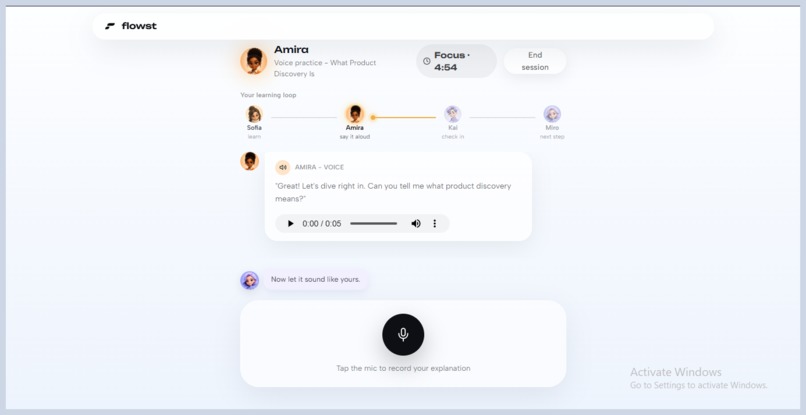
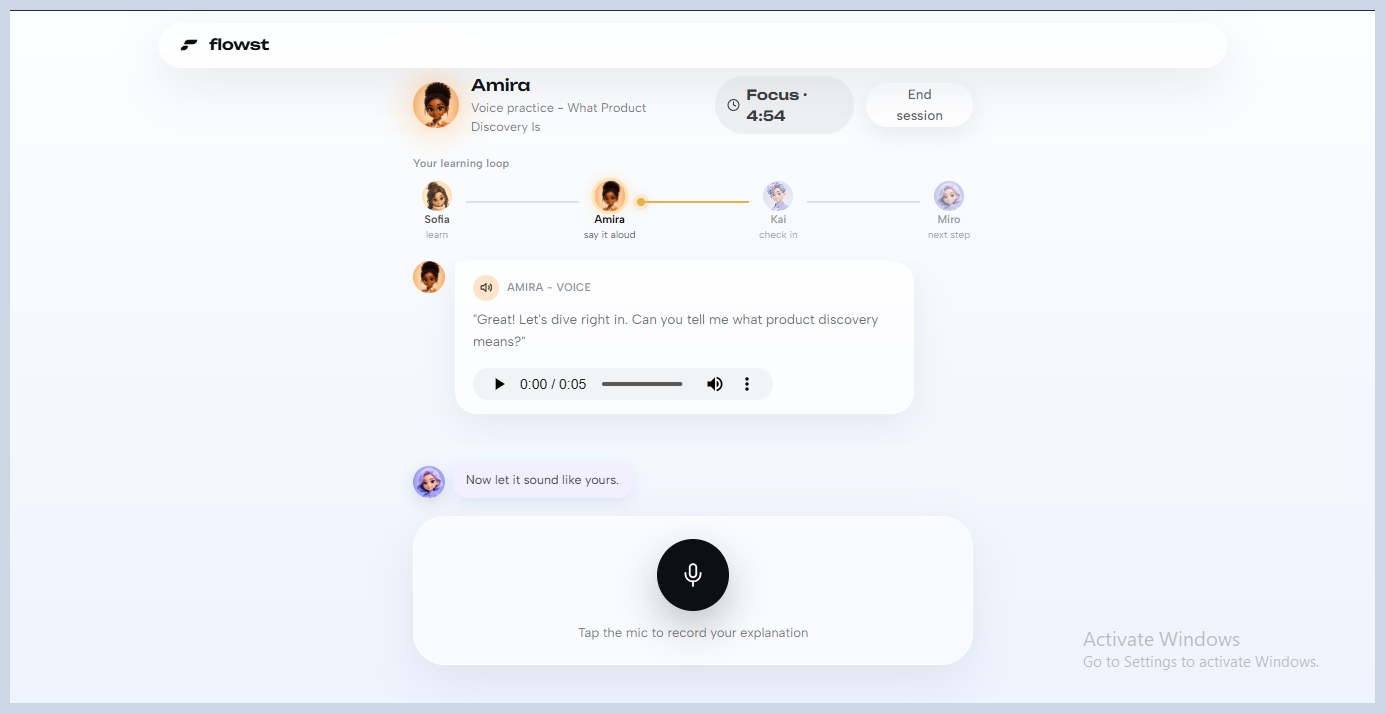
Amira's Session
-
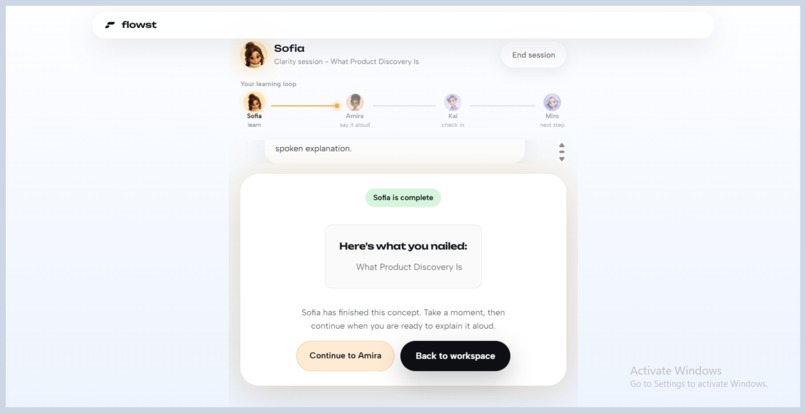
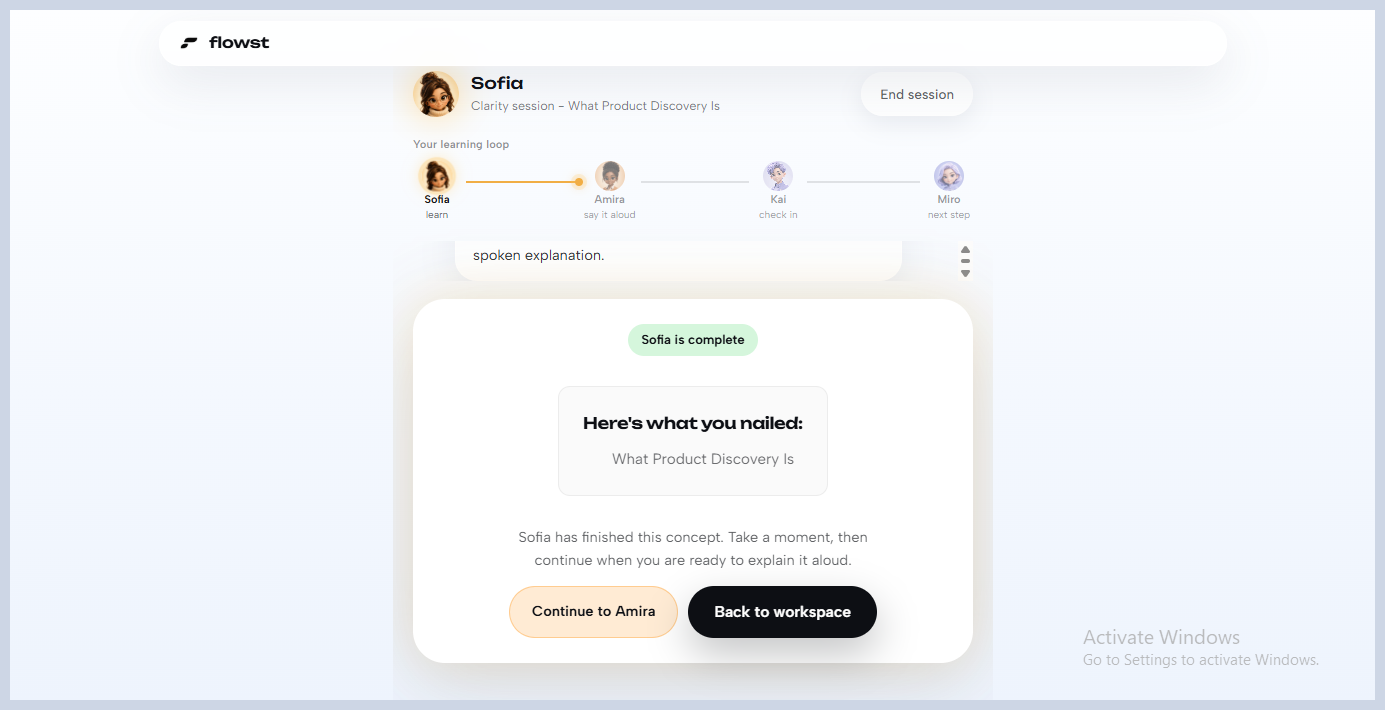
Sofia's Session
-
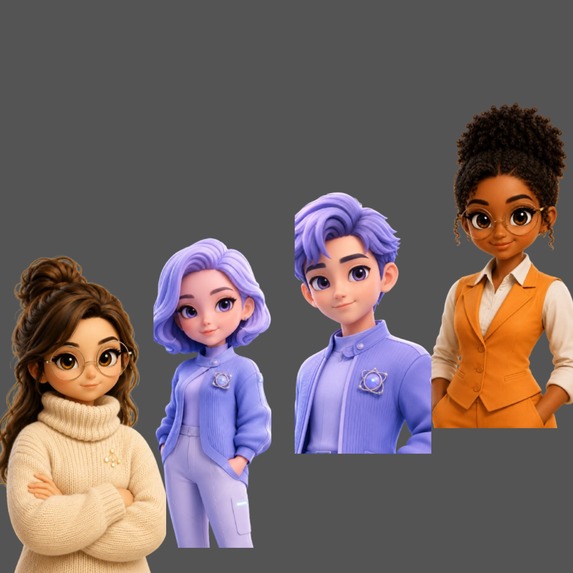
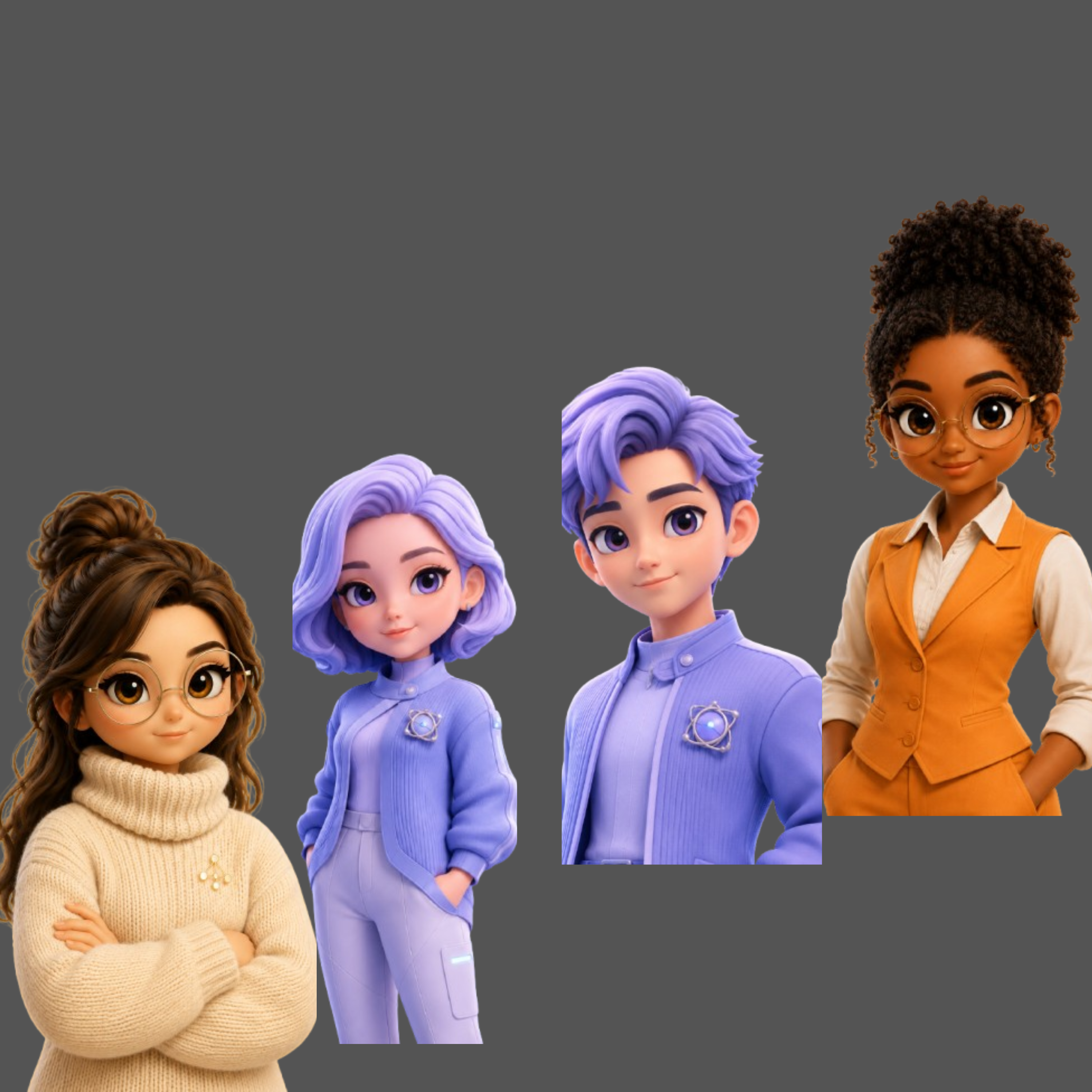
Flowst Agents
Problem Statement
We have more access to information than ever, but access to information does not necessarily create understanding.
Many learners can consume hours of courses, tutorials, videos, and documentation, and still struggle when asked to explain what they learned, connect ideas, or apply their knowledge under pressure. They may recognize the right answer without being able to confidently articulate why it is right. Flowst was created around this gap between knowing something and being able to use, explain, and demonstrate that knowledge.
This problem is especially important for learners who experience information differently, including visual and neurodivergent learners who may benefit from more interactive, structured, and lower-cognitive-load ways of learning.
Solution Overview
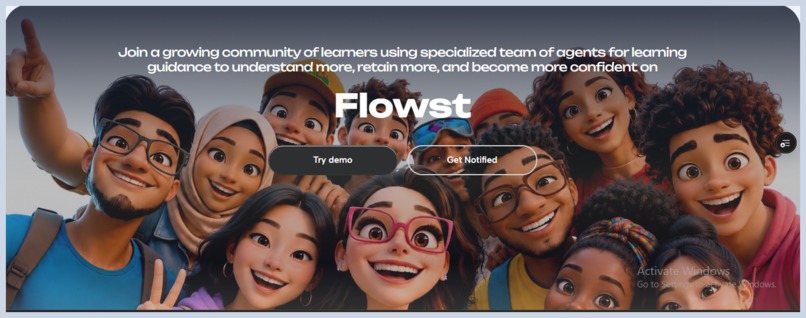
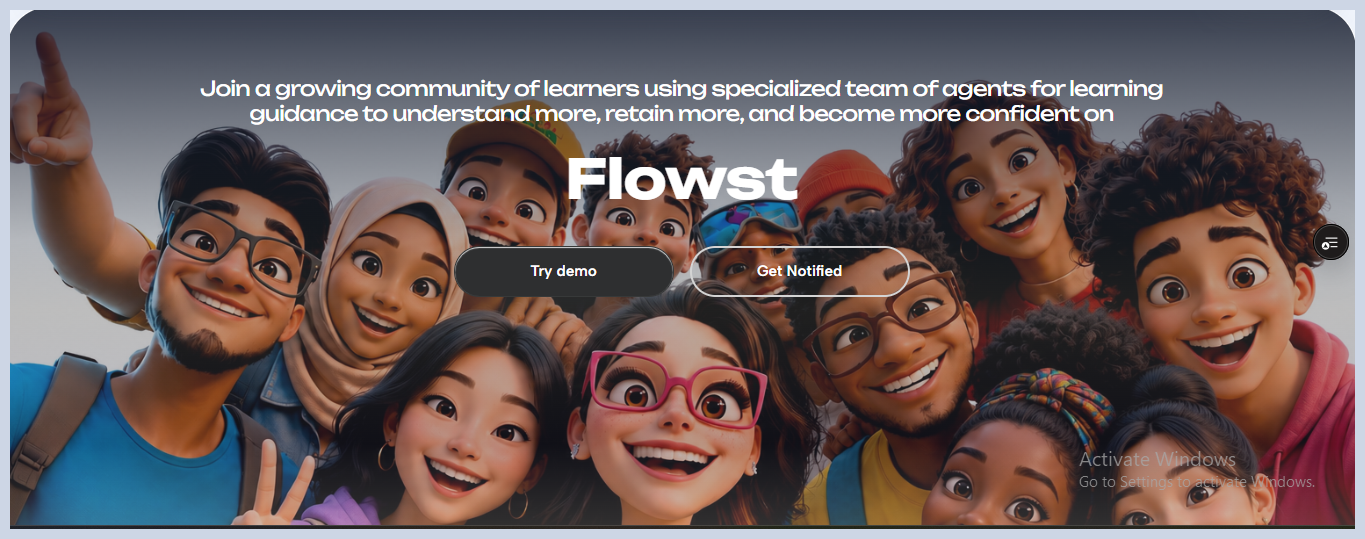
Flowst is an immersive, multi-agent AI learning experience that helps people move from consuming information to understanding, explaining, and applying what they know.
Instead of treating AI as a single chatbot that answers questions, Flowst uses specialized AI agents as different parts of the learning journey. A learner can move through a progression of:
Learn → Think → Speak → Become
The system can turn learning material into structured learning experiences, help learners connect concepts and reason through problems, provide opportunities to practise explaining their understanding, and reflect their progress back to them.
The underlying philosophy is simple:
Learn it. Say it. Prove it.
Flowst focuses on the moment when knowledge becomes explainable. The goal is not simply to help someone finish another course, but to help them become more capable because they learned it.
Key Features
Immersive AI Learning Journeys
Learners can work with material from sources such as YouTube videos, PDFs, websites, articles, and research papers. Flowst transforms that material into structured, interactive learning experiences rather than leaving the learner to passively consume content.
Specialized AI Agents
Flowst's architecture uses specialized agents for different parts of the learning process. Miro guides personalized learning journeys, Sofia focuses on clarity and understanding, and Amira supports voice-based practice when active. Kai Assesses interaction with both Sofia and Amira to identify gaps and suggests areas for improvement. Together, they create a coordinated learning experience rather than a single generic AI interaction.
Think and Reason
Flowst includes cognitive exercises designed to help learners strengthen reasoning, memory and recall, critical thinking, pattern recognition, and problem-solving—not simply memorize information.
Speak and Explain
Learners practise turning their understanding into their own words through AI-powered interview and communication practice, follow-up questioning, and personalized feedback. The experience is designed around the idea that being able to explain something is evidence that you understand it.
Progress and Proof
Flowst tracks learning progress and uses demonstrated understanding as the basis for recognition. Learners can earn badges for completed subtopics, while the planned final Clarity Review checks whether they can explain concepts, connect ideas, communicate clearly, and identify areas that still need work.
A Learning Community
Flowst is designed to eventually give learners a space to document their learning journey, share achievements, and grow alongside other people who are also building expertise. Its long-term vision is a professional learning network where people can grow from learners into experts with AI supporting them throughout that journey.
Technologies Used
Vue / Nuxt — web application interface and user experience Firebase / Firestore — data and application backend services Qwen Models — generative AI capabilities and agent interactions Docker — application containerization Alibaba Cloud ECS — cloud deployment and infrastructure
The architecture is designed around a multi-agent approach, allowing different AI capabilities to work together as specialized components of one learning experience.
Target Users
Flowst is designed for learners who want to go beyond consuming educational content and develop genuine understanding and expertise.
This includes:
Students and university learners Self-directed and lifelong learners People learning technical and professional skills Candidates preparing for technical or behavioural interviews Visual learners who benefit from interactive learning Neurodivergent learners who may benefit from alternative approaches to processing and reinforcing information Anyone who wants to build the confidence to explain and apply what they know
The long-term vision extends beyond individual learning. Flowst is being built toward a world where people can continuously develop expertise with specialized AI agents while authentically documenting their growth along the way.
In one sentence
Flowst is an immersive, multi-agent AI learning experience that turns information into understanding, understanding into confidence, and confidence into genuine expertise.
What's next for Flowst - Flowstate for Learning
My next milestone is a 30-day pilot with students and educators to test how Flowst can support learning both inside and outside the classroom.
For learners, I want to build a community where learning is something worth sharing. Students will be able to earn badges for meaningful milestones, document their learning journeys, showcase projects they've built with AI, and encourage one another as they grow. I want Flowst to become a place where curiosity is visible, progress is celebrated, and learning feels social rather than isolating.
As AI becomes part of everyday life, I also want Flowst to help the next generation develop AI literacy from an early age. Beyond using AI to get answers, learners will discover how to collaborate with AI to explore ideas, solve problems, create projects, and build with confidence. My goal is to help raise a generation that doesn't just consume AI, but knows how to think, create, and learn alongside it responsibly.
I'm equally excited about what Flowst can do for educators. In the classroom, teachers will be able to use Flowst as a visual learning assistant while gaining personalized insights into how each student learns. Instead of relying on one-size-fits-all instruction, they'll be able to identify where students are struggling, understand their learning patterns, and provide support that's tailored to each learner.
Long term, I see Flowst becoming more than a learning platform. I envision it as a home for the next generation of learners, a place where students, teachers, and AI learn alongside one another to create experiences that are more personalized, more inclusive, and that complement, rather than replace, traditional education.
Built With
- alibaba-cloud
- caddy
- chatgpt
- codex
- docker
- firebase
- firestore
- google-adk
- gpt-5.6
- node.js
- nuxt
- qwen
- typescript

Log in or sign up for Devpost to join the conversation.