Inspiration
Inspired by a lifelong love of nature and a desire to make botanical knowledge accessible to all, FlowerFindr aims to spark curiosity and appreciation for the often-overlooked beauty of flowers. On such a beautiful day for the hackathon, this felt fitting. We envision a world where everyone can easily identify and learn about the plants around them, fostering a deeper connection with nature and promoting environmental awareness.
What it does
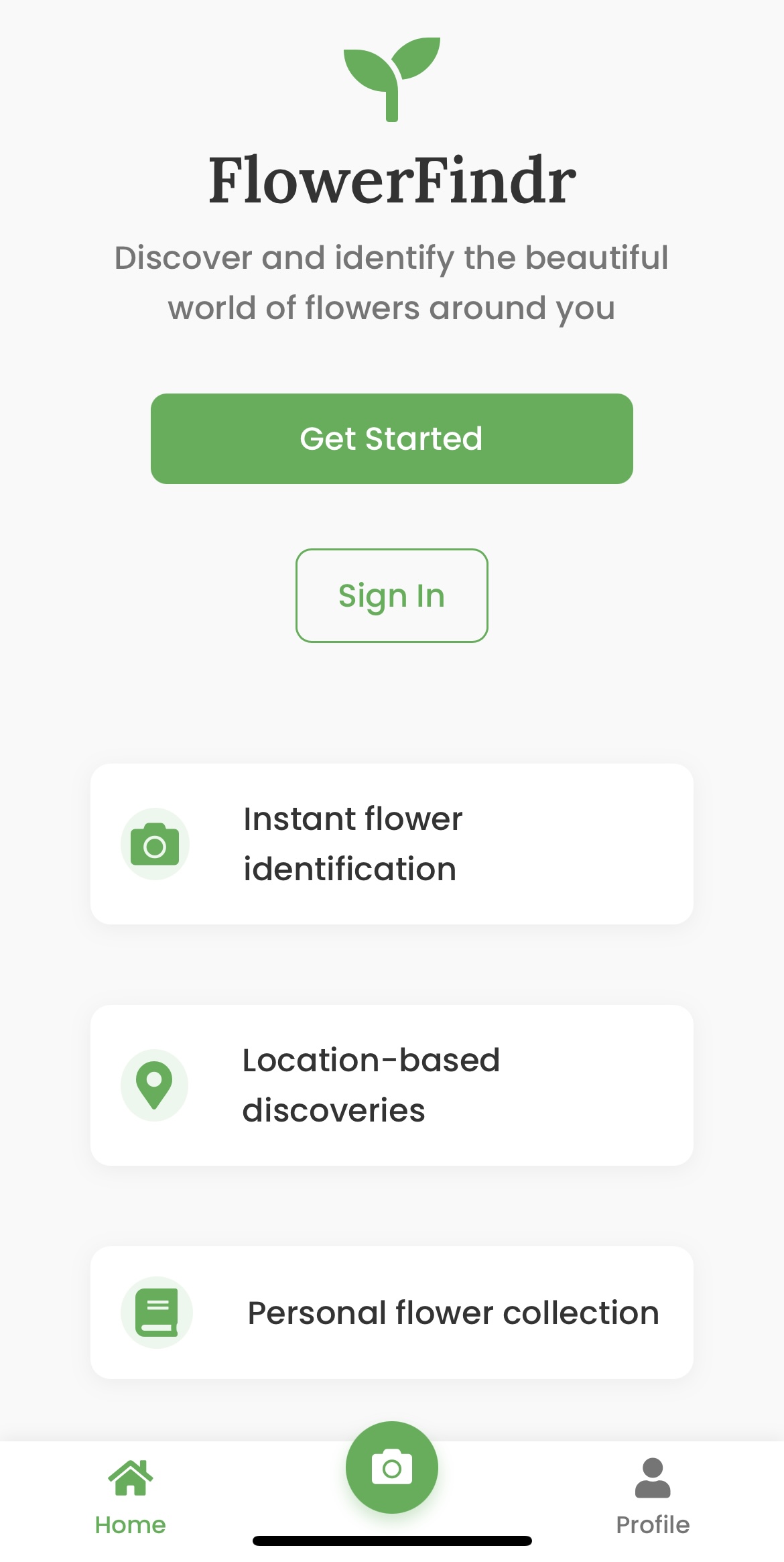
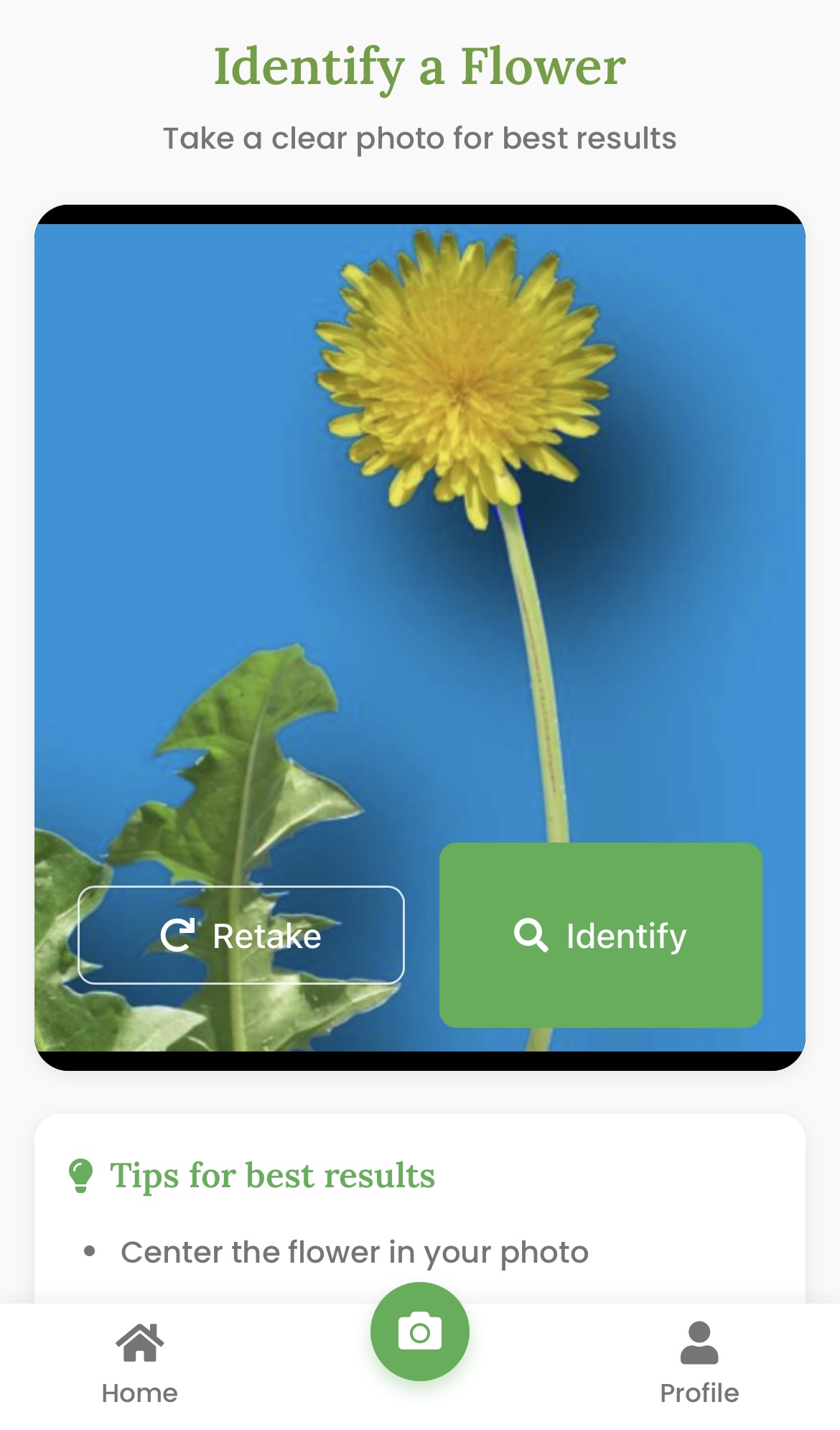
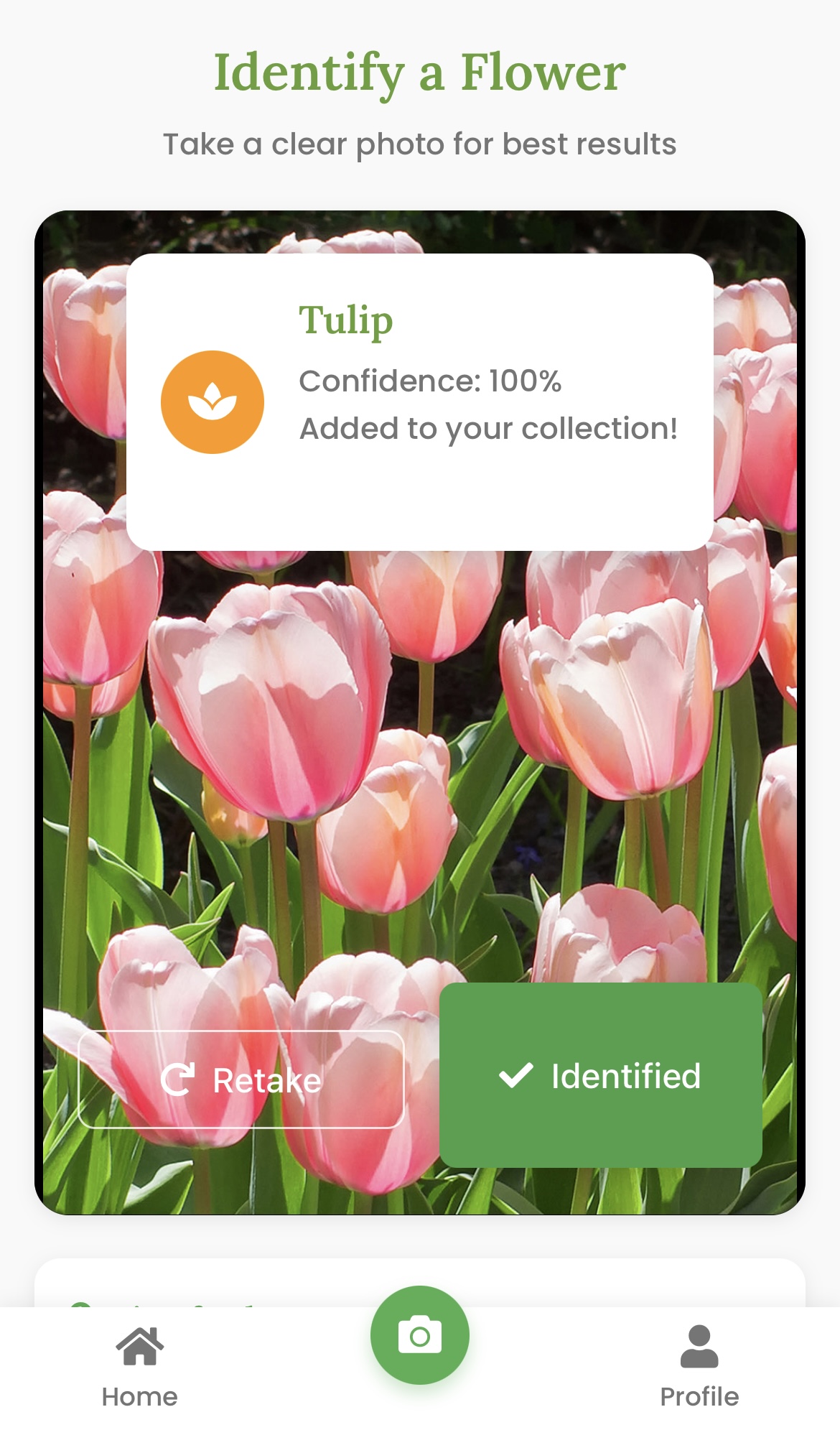
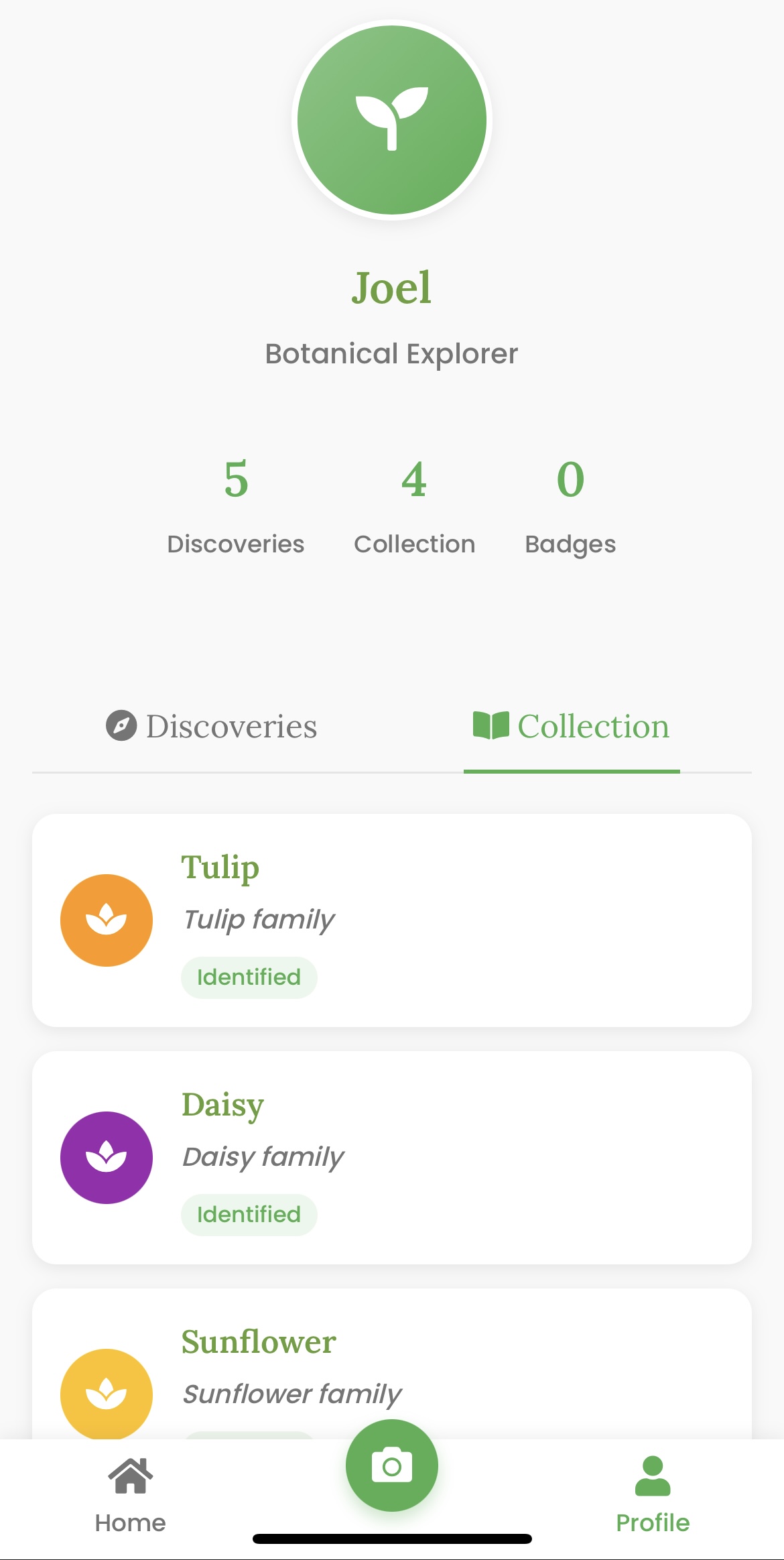
FlowerFindr makes flower identification accessible to everyone. Using image recognition technology, our app instantly identifies flowers from photos, recording their location and allowing users to build a personalized collection of their floral discoveries. We provide an engaging and educational experience, connecting users with the natural world in a fun and interactive way.
How we built it
It utilizes Docker to assemble various containers; we run pure node.js (no frameworks!), PostgresSQL, and Flask to make this all work.
We used PyTorch to train a Convolutional Neural Network that identifies flower types in images. The network uses two convolutional layers that extract features from the image. Then, additional layers analyze these features to decide which of the five flower types is shown. It was trained on about 5,000 normalized images over ten epochs using the Adam optimizer with a 0.001 learning rate. After training, the model was saved and is deployed via FastAPI to classify user-uploaded photos in real time.
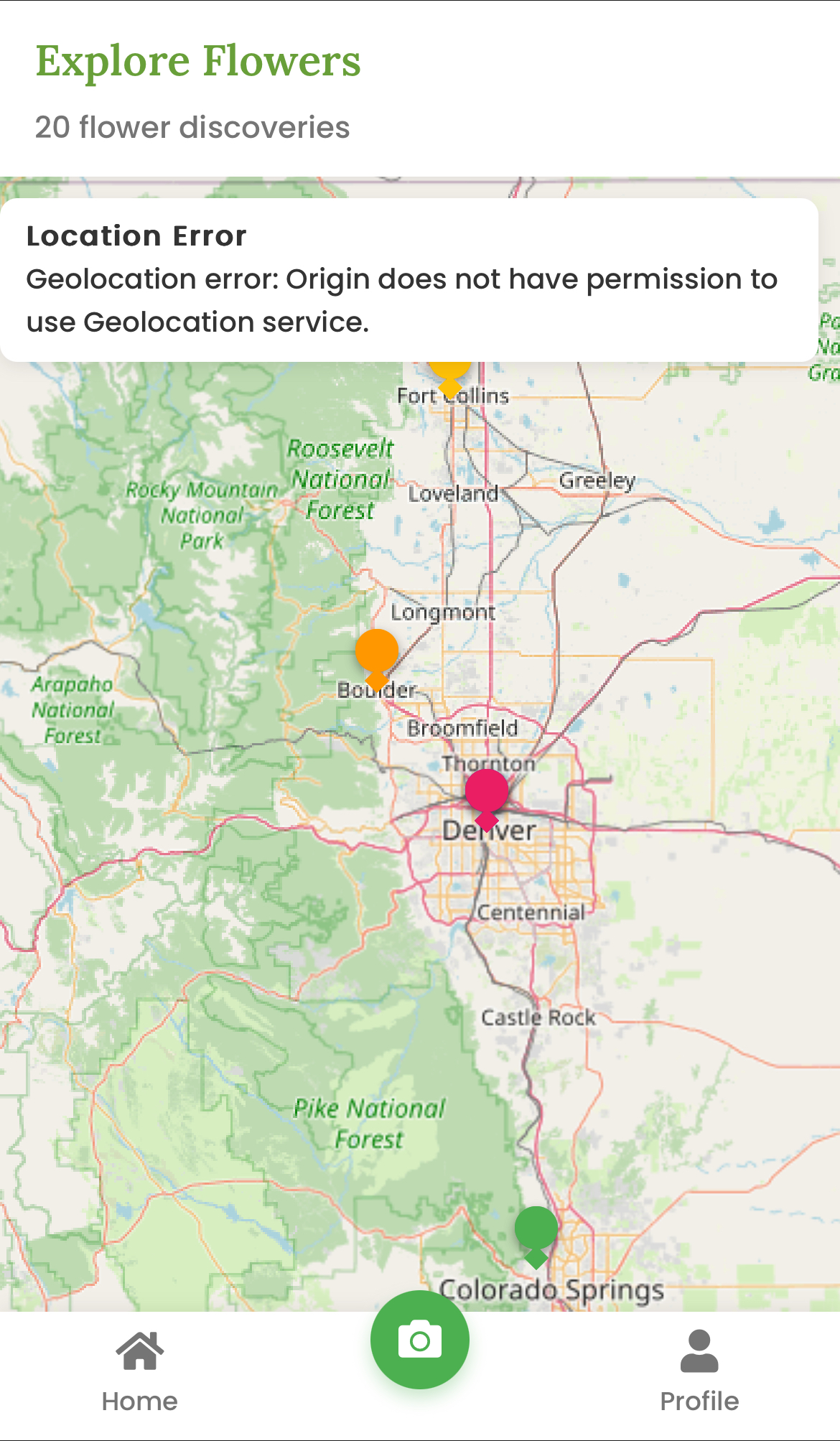
Our database, built with PostgreSQL, collects posts about new findings submitted by users. When a new post is uploaded, a corresponding pin is added to the map using the newly inserted data.
We used OpenStreetMap, an open source map application, to locate the user and add pins of flowers from our database.
Challenges we ran into
Definitely docker. We found out just how powerful it can be when it works right, but the setup for it is absolutely horrible, had to scrap everything a couple times. Working with Web Development wasn't simple. We had to change our methods in the beginning before we had a functioning front-end.
Additionally, when running on a public server we ran into issues with permissions regarding camera
Accomplishments that we're proud of
-Trained Our own AI module.
What's next for FlowerFindr
By becoming an ever-growing database of flower both in the wilderness and in urban areas, FlowerFindr can be applied for future research about flower population in specific areas and seasonal growth patterns. As the AI Module continues to learn and expand, it can also learn more attributes about flowers, such as health and sub-families.


Log in or sign up for Devpost to join the conversation.