-
-
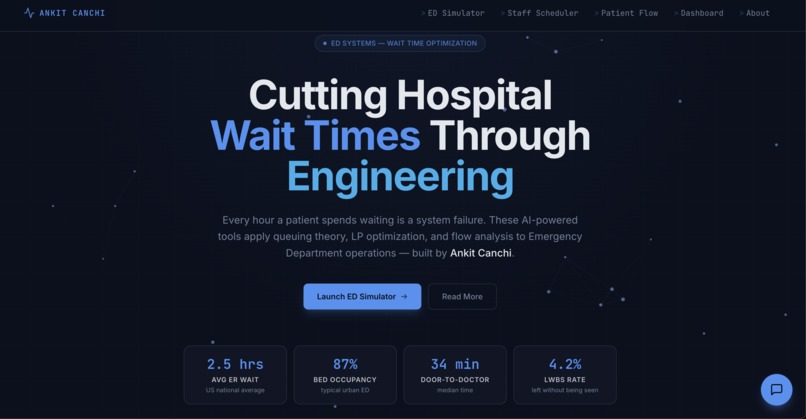
Title Page
-
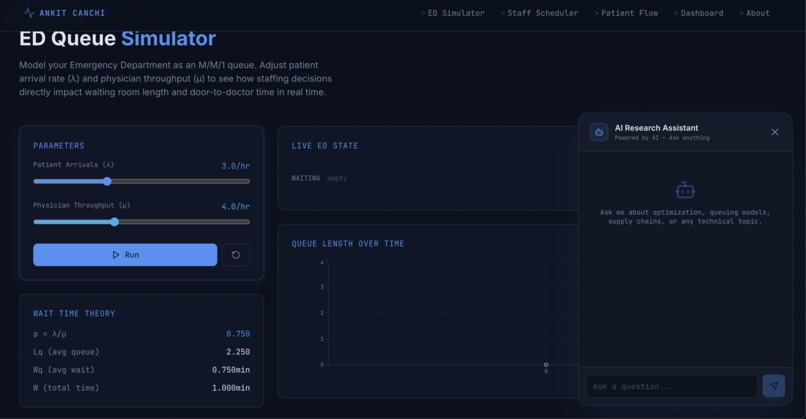
Simulation 1
-
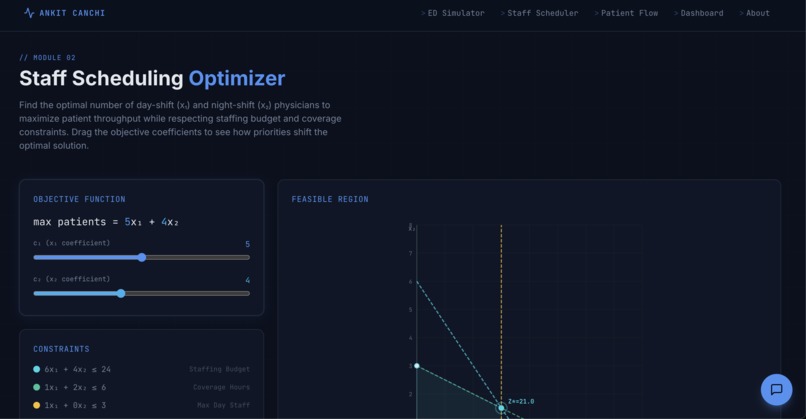
Simulation 2
-
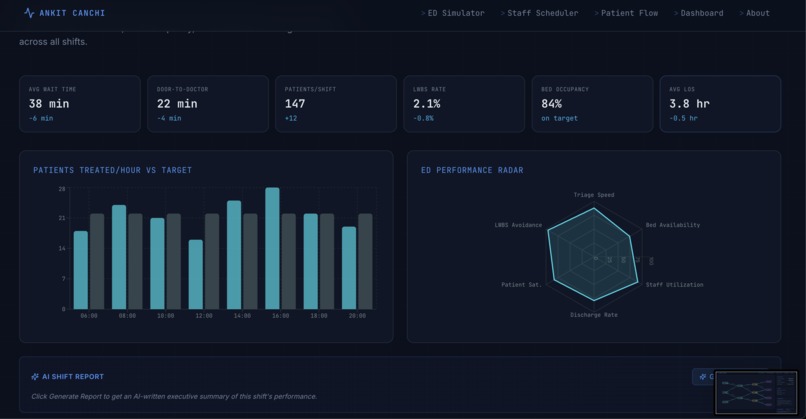
Simulation 4
-
Simulation 3
-
So What?
Inspiration
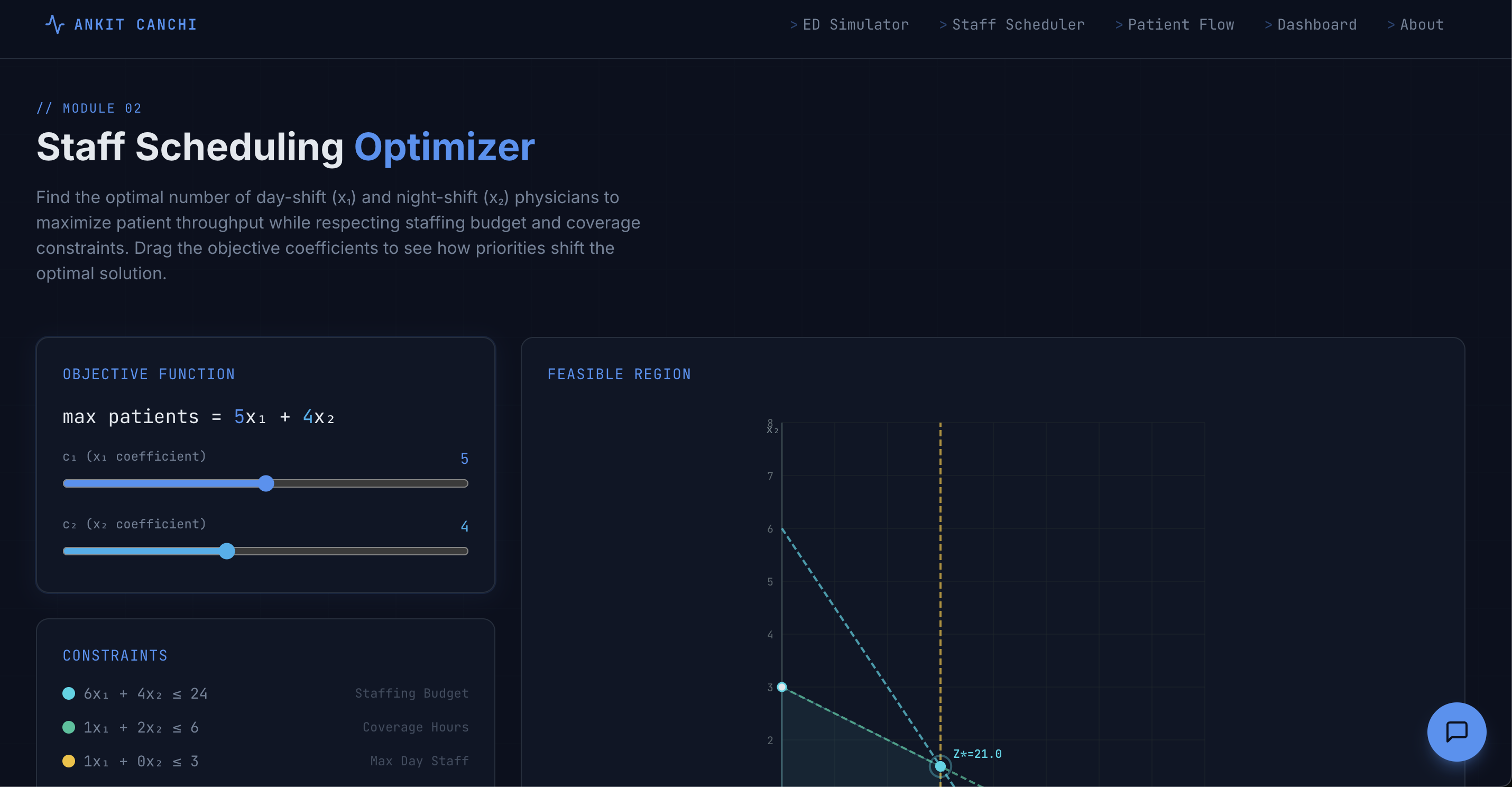
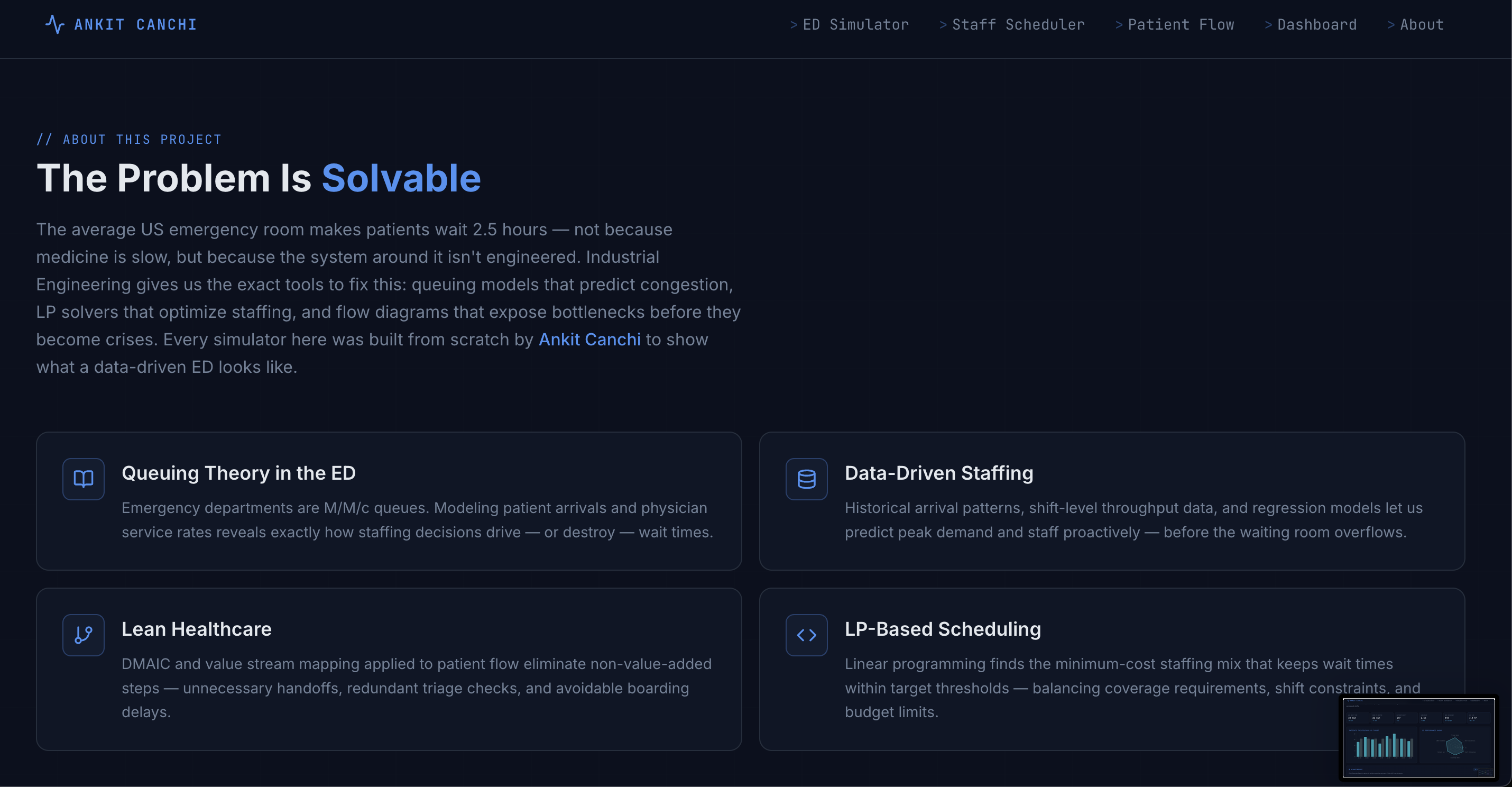
FlowOptix was inspired by my experience managing a demanding schedule with robotics, academics, and extracurriculars. I noticed that many everyday systems, especially school schedules and movement between classes, were inefficient. This led me to explore how industrial engineering could be used to improve real-world systems.
What it does
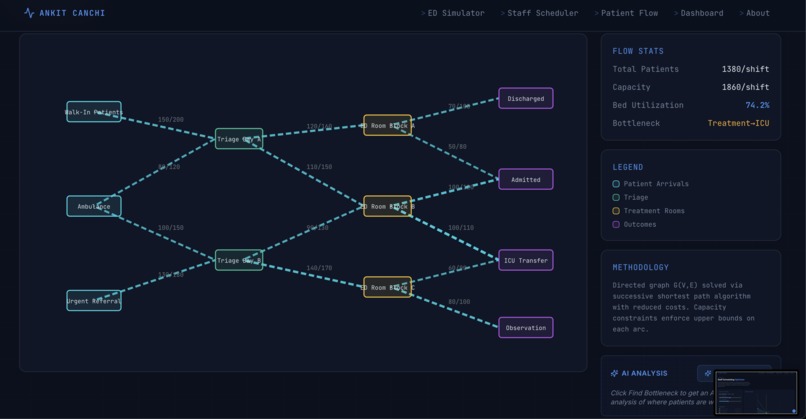
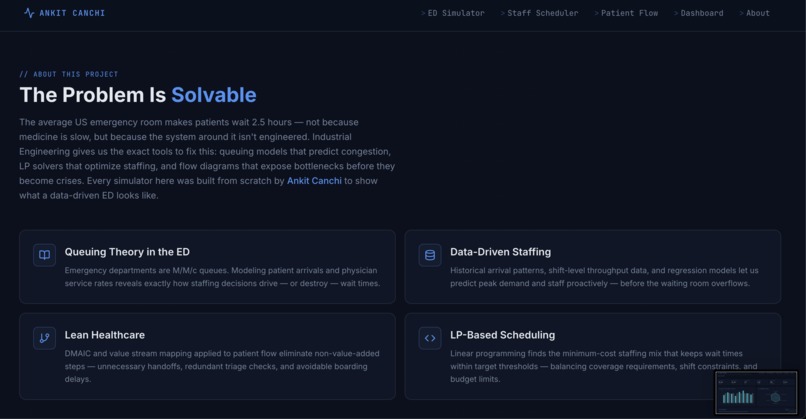
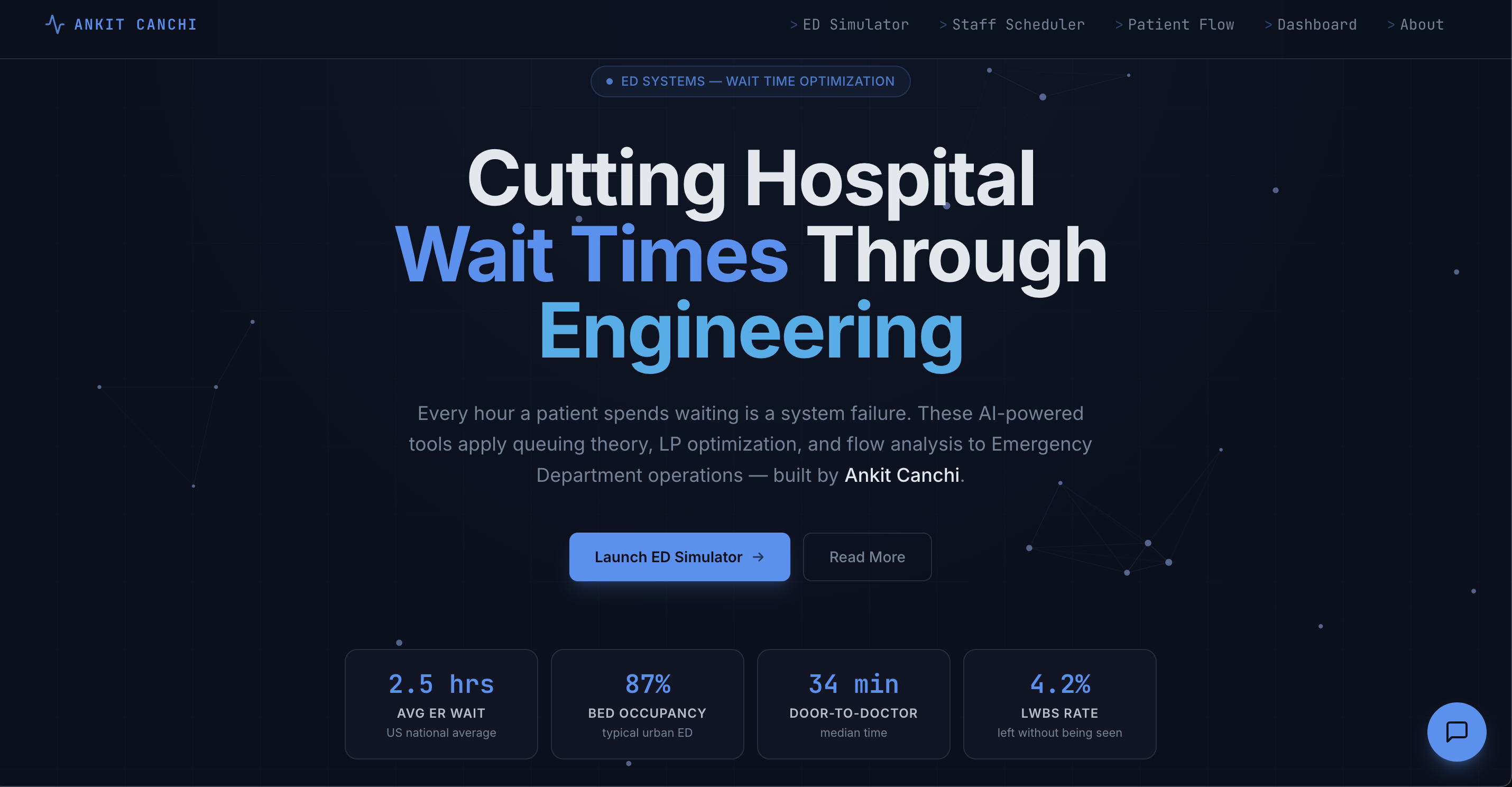
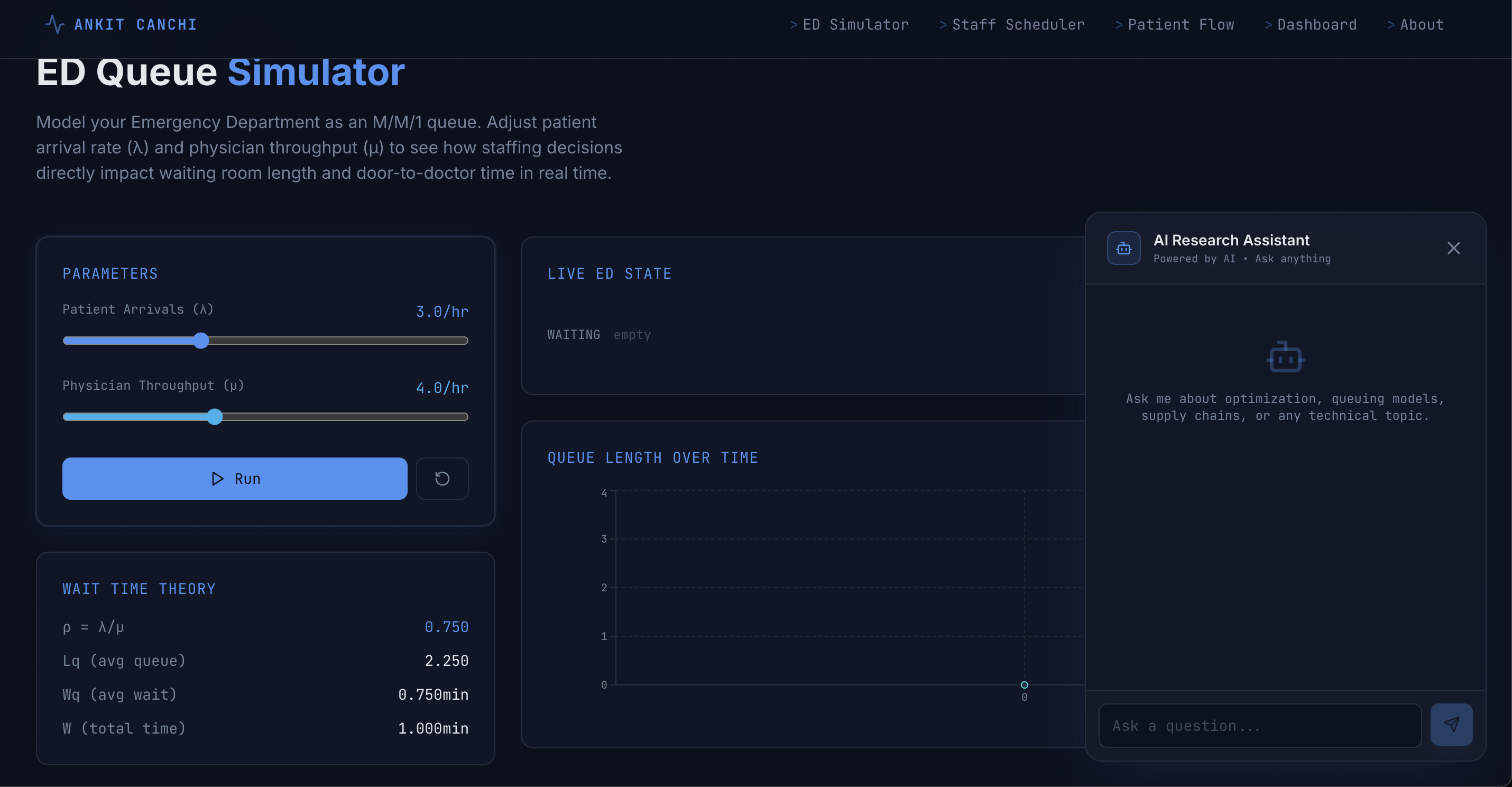
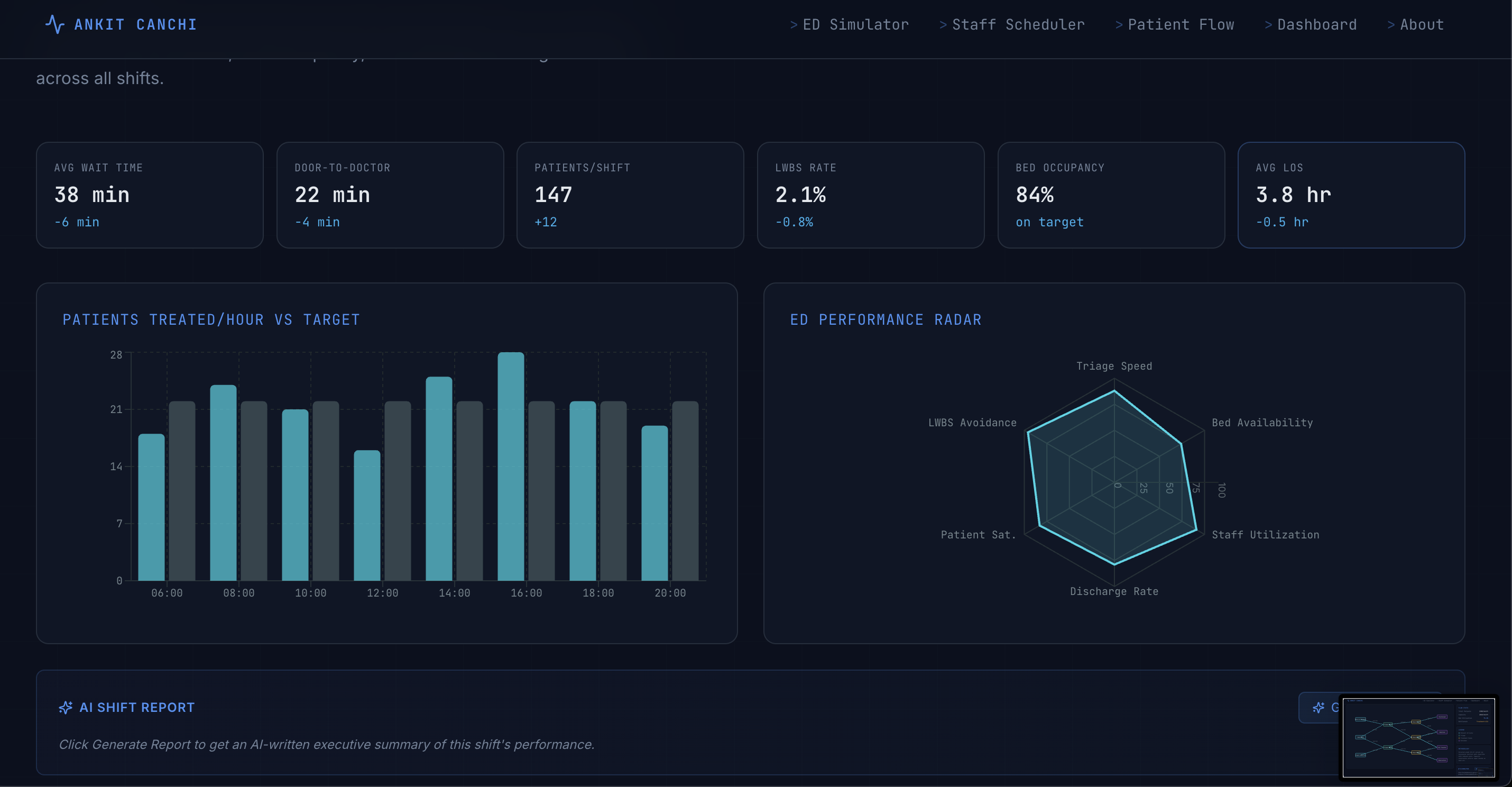
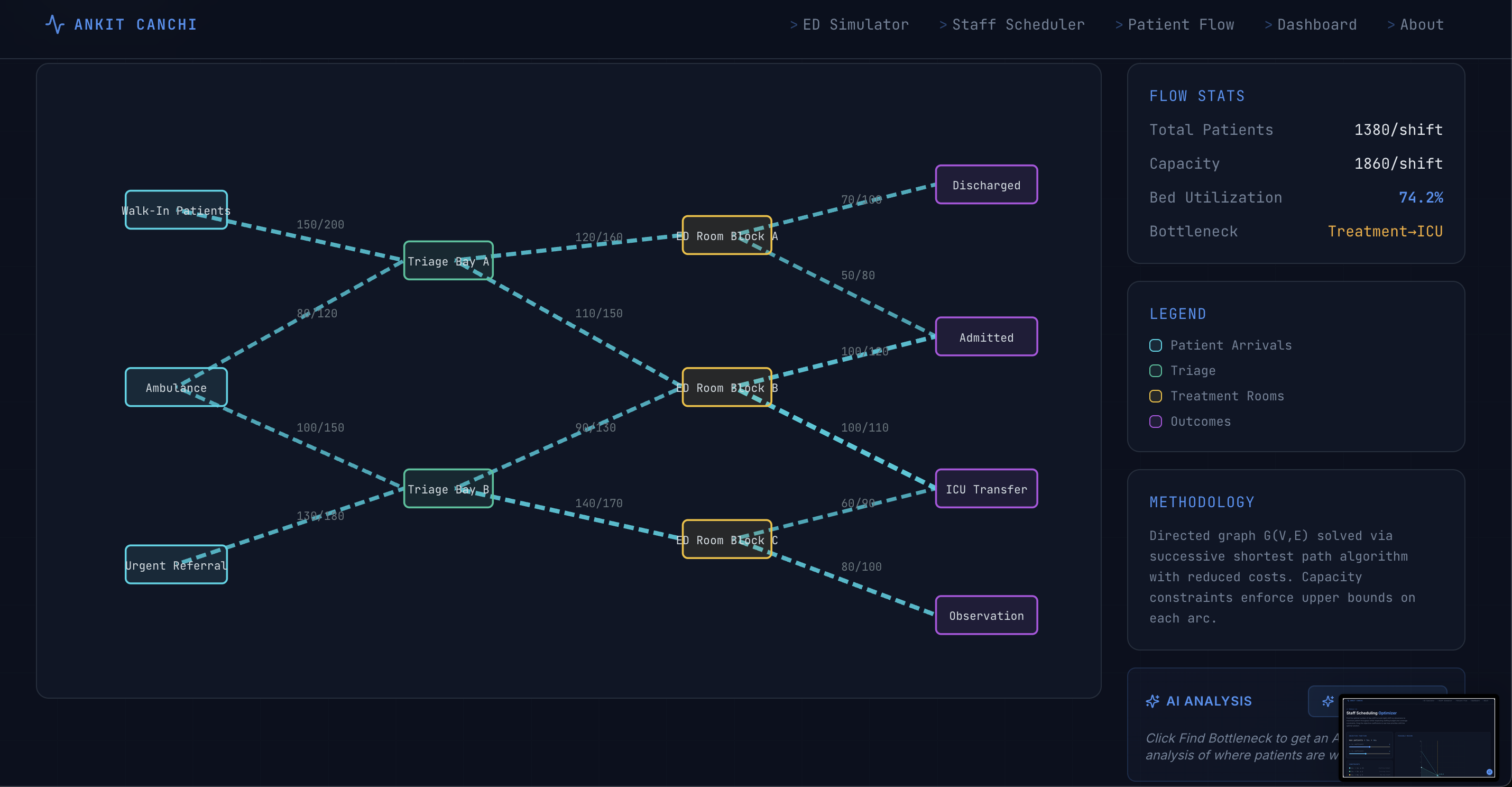
FlowOptix is a web-based platform that analyzes workflows, identifies inefficiencies, and generates optimized solutions. It models systems such as scheduling and resource allocation, helping users minimize time and improve overall efficiency.
How we built it
I built FlowOptix using HTML, CSS, and JavaScript to create an interactive interface. I implemented optimization logic using algorithmic approaches such as greedy methods and iterative improvements. Data visualization tools were added to clearly display performance metrics and results.
Challenges we ran into
One major challenge was translating complex optimization concepts into a simple and user-friendly interface. Another difficulty was handling real-world variability, since inputs are not always clean or predictable. Debugging algorithm behavior and ensuring accurate results also required multiple iterations.
Accomplishments that we're proud of
I successfully created a functional platform that applies engineering concepts to real-world problems. The project demonstrates both technical skills and the ability to design systems that are practical and scalable.
What we learned
I learned how to apply industrial engineering principles to real applications, as well as how to design and implement algorithms in a usable format. I also improved my problem-solving skills and gained experience in building full-stack style projects.
What's next for FlowOptix
Future plans include adding machine learning for predictive optimization, integrating real-time data, expanding use cases beyond school systems, and improving the interface for better user experience.


Log in or sign up for Devpost to join the conversation.