Inspiration
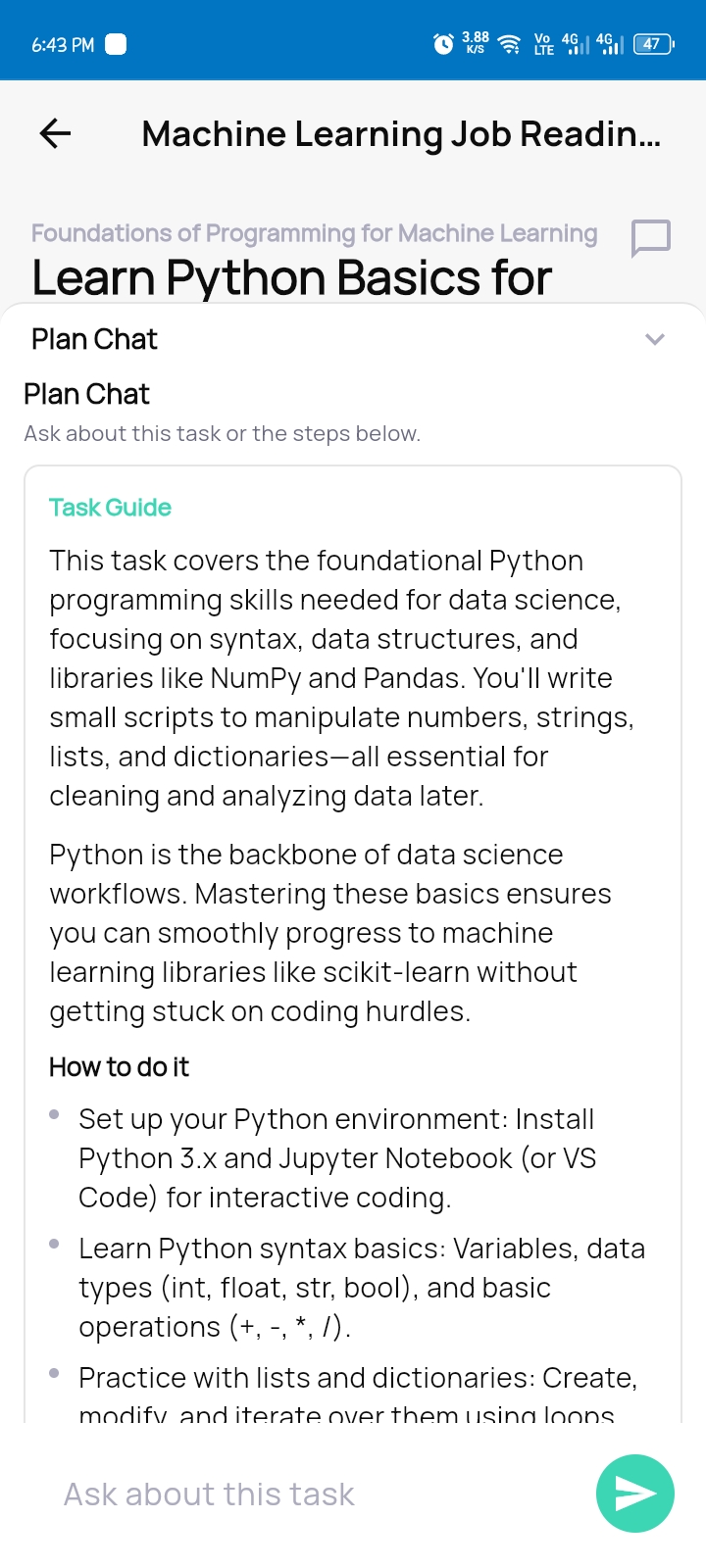
I’ve noticed that there are generally two types of people: those who know what their goals are, and those who don’t. But even among those who know what they want, most have no idea how to actually achieve it. I recognized this pattern in my own life. I knew exactly what I was supposed to do, but because I lacked guidance, I couldn't move forward. Every single day I would think, "I should do that," but I never knew where to begin or how to take the first step. As a result, nothing happened. I realized I needed something that would guide me to fulfill my goals—something that would create the plan, tell me every day what I needed to do, and show me exactly how far I was from the finish line. But I didn't want to stop there. For people who don't even know what their goals are yet, I wanted to build a platform where they could discover and set both short-term and long-term goals. And this isn't just for massive life ambitions. Maybe you just plan to read some books this weekend, but without a clear path, it falls through. Maybe you wake up today and decide you want to take a solo trip, but you have no idea how to make it happen. Flowo steps in and divides your vague desire into clear, actionable steps. It’s more than just a planner—there is a coach always right there with you. You can chat about every single step, and even ask the AI coach to break those steps down into micro-substeps. That's when the true idea for Flowo was born: an AI that doesn't just record what you want to do, but actually guides you, adapts when life gets messy, and pushes you forward.
What it does
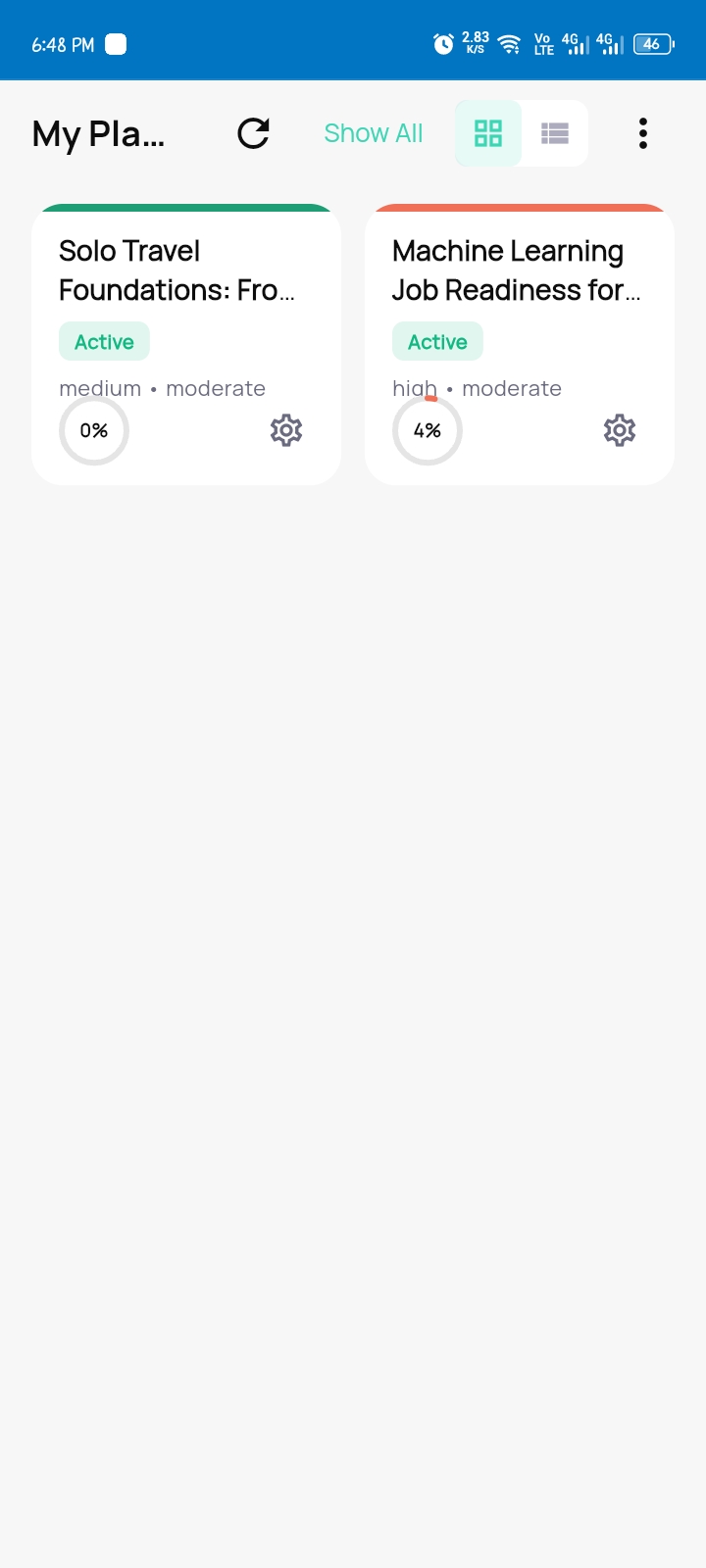
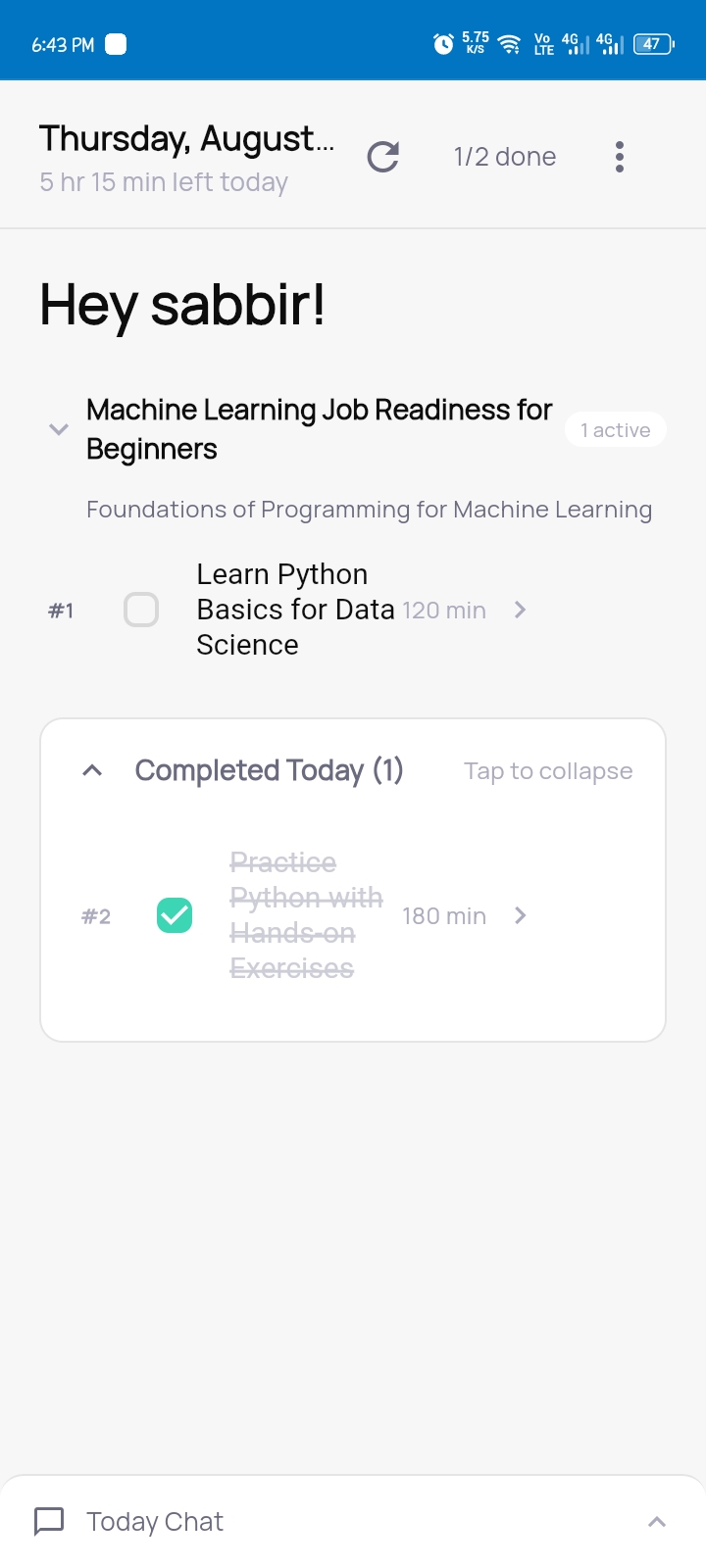
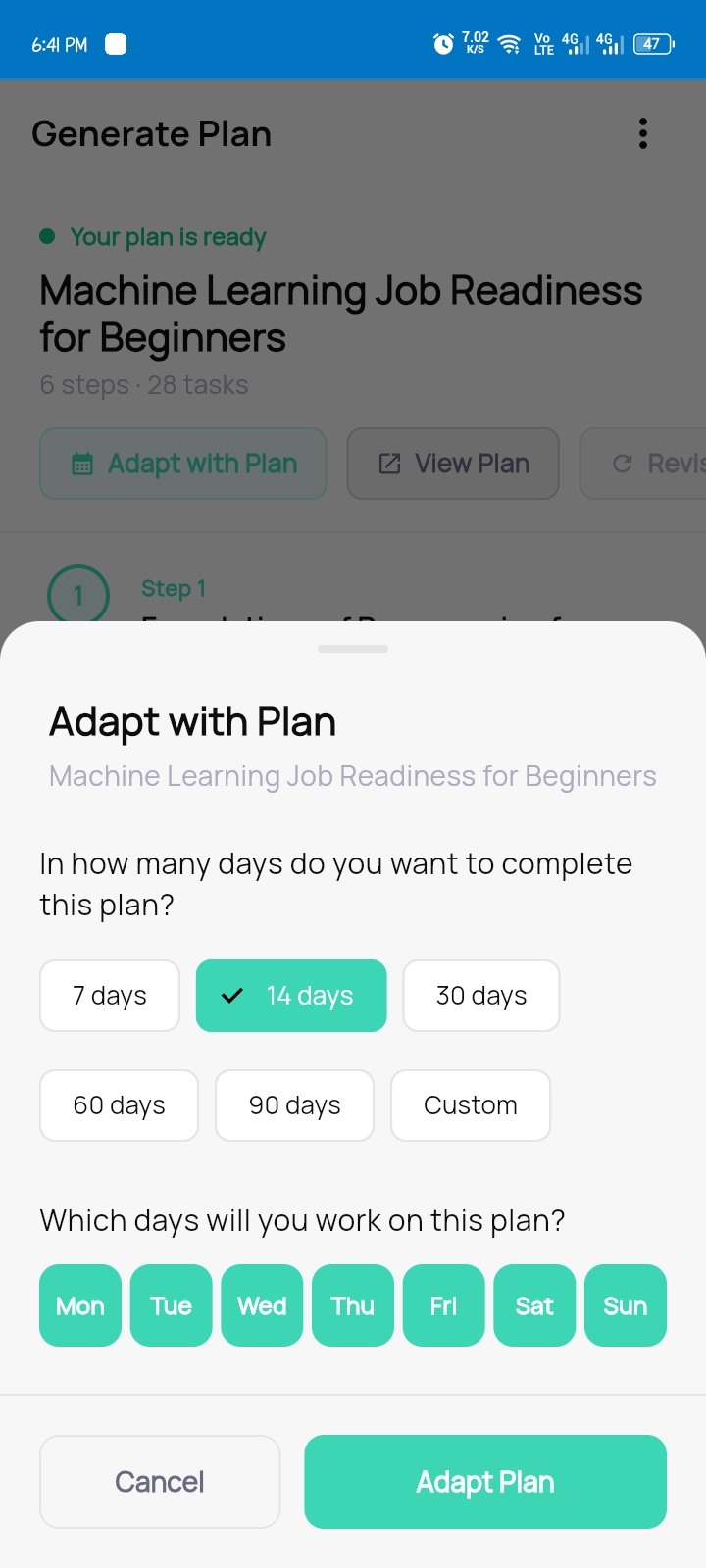
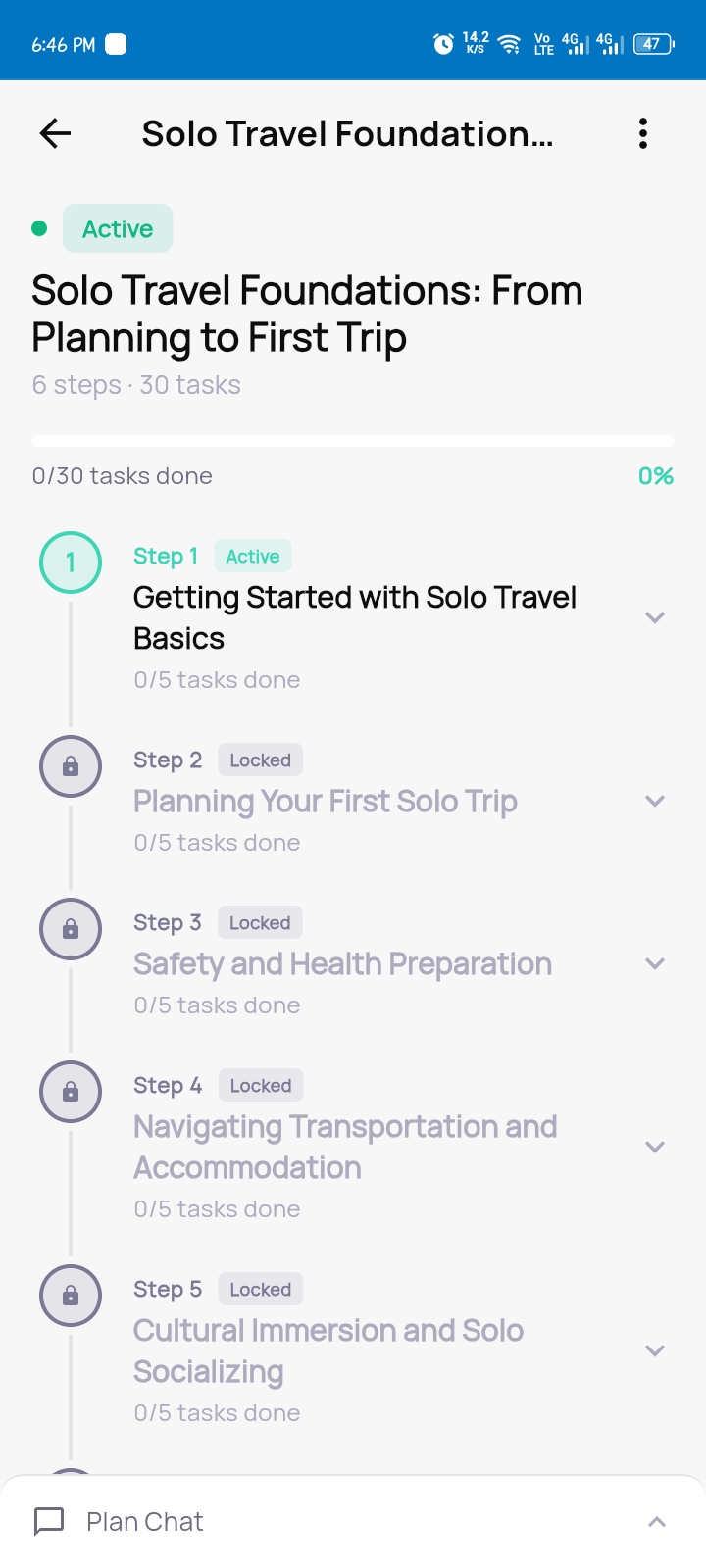
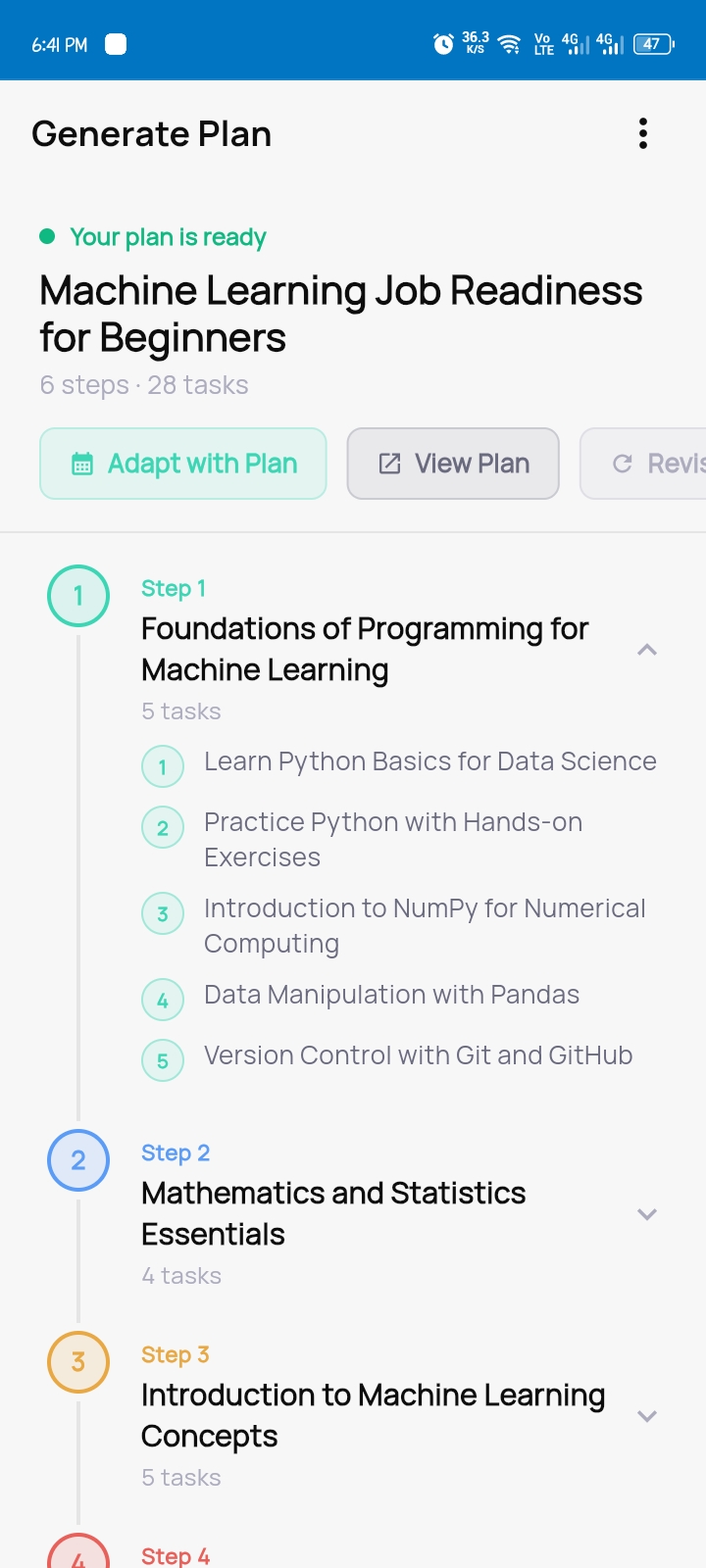
Flowo is an AI-powered adaptive life planning app that transforms vague goals into structured, milestone-based roadmaps — and then actively manages your journey toward completing them.
Here's the core flow:
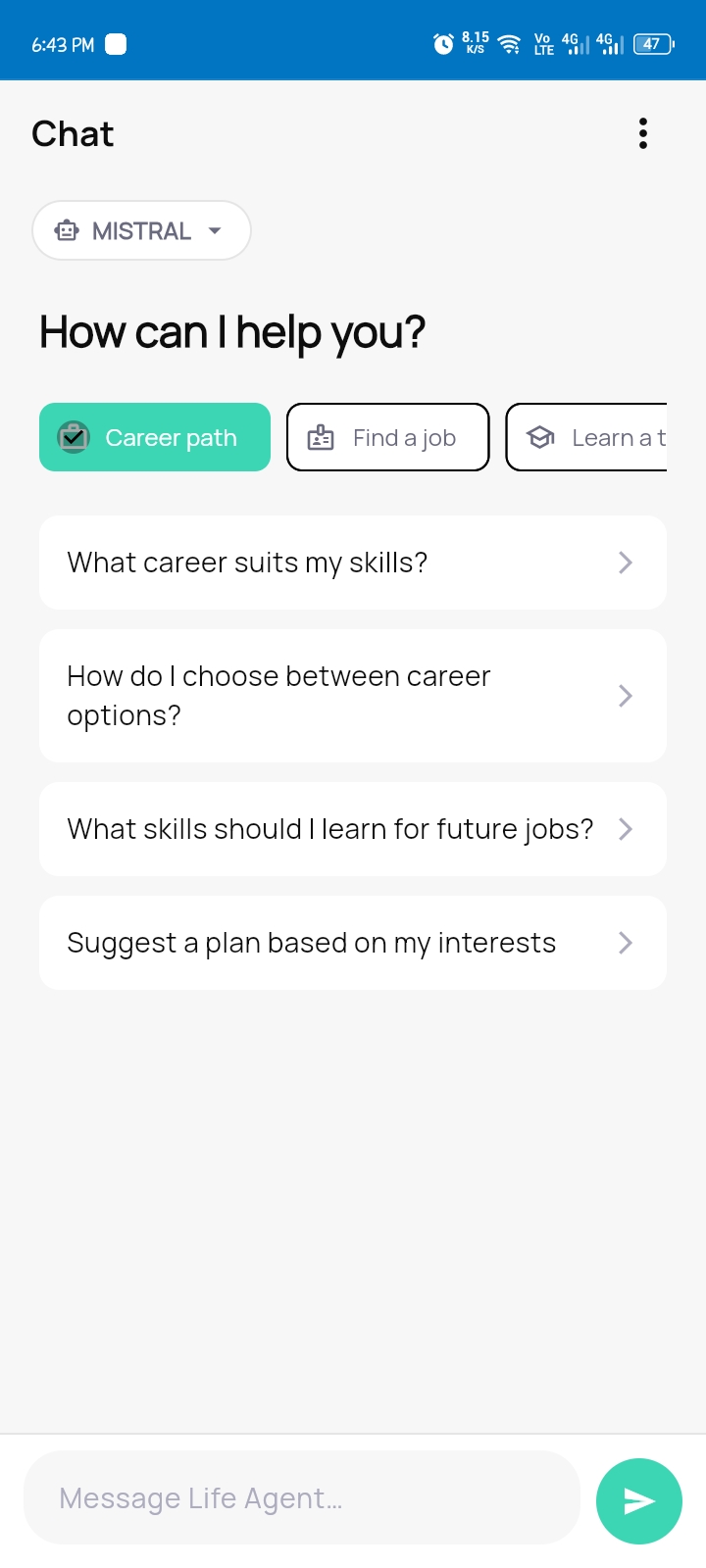
Tell the AI what you want
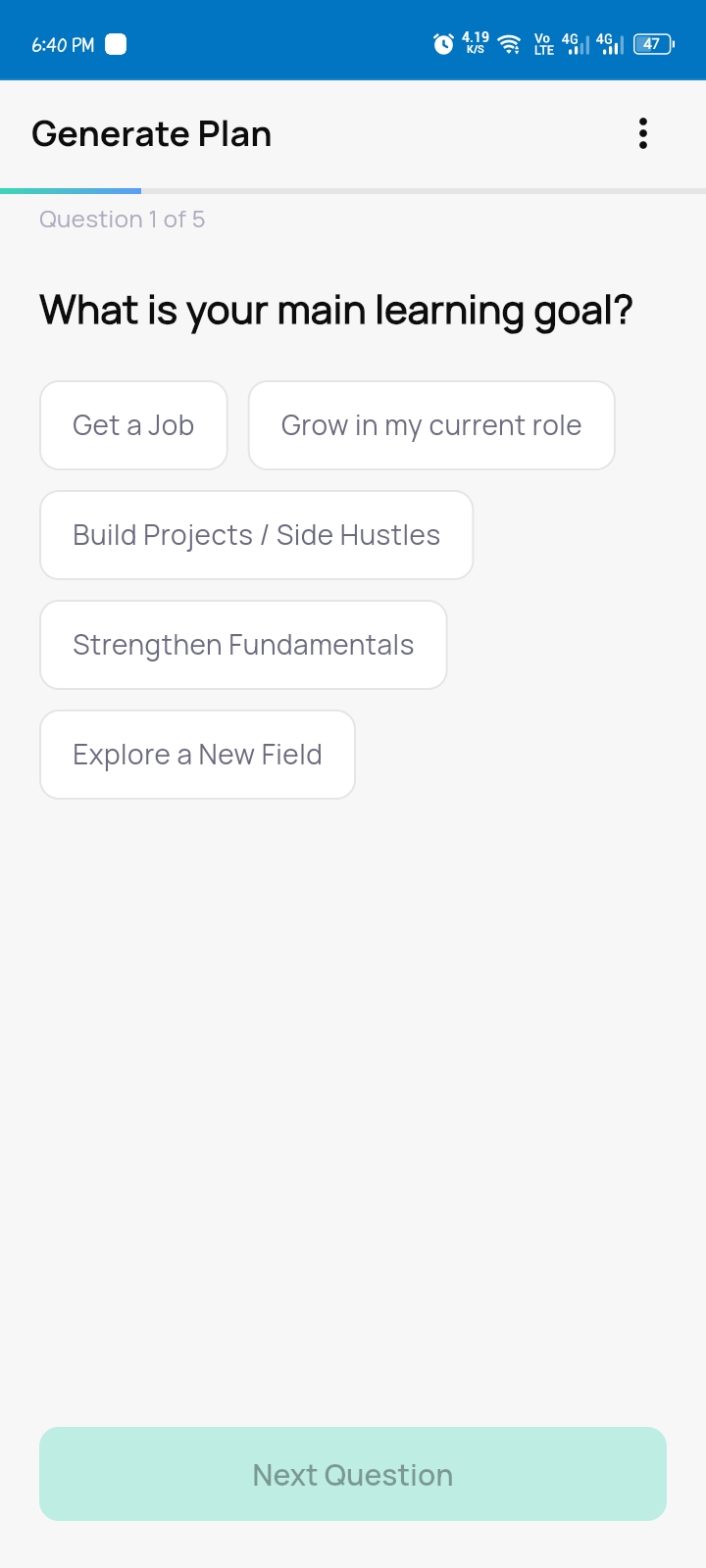
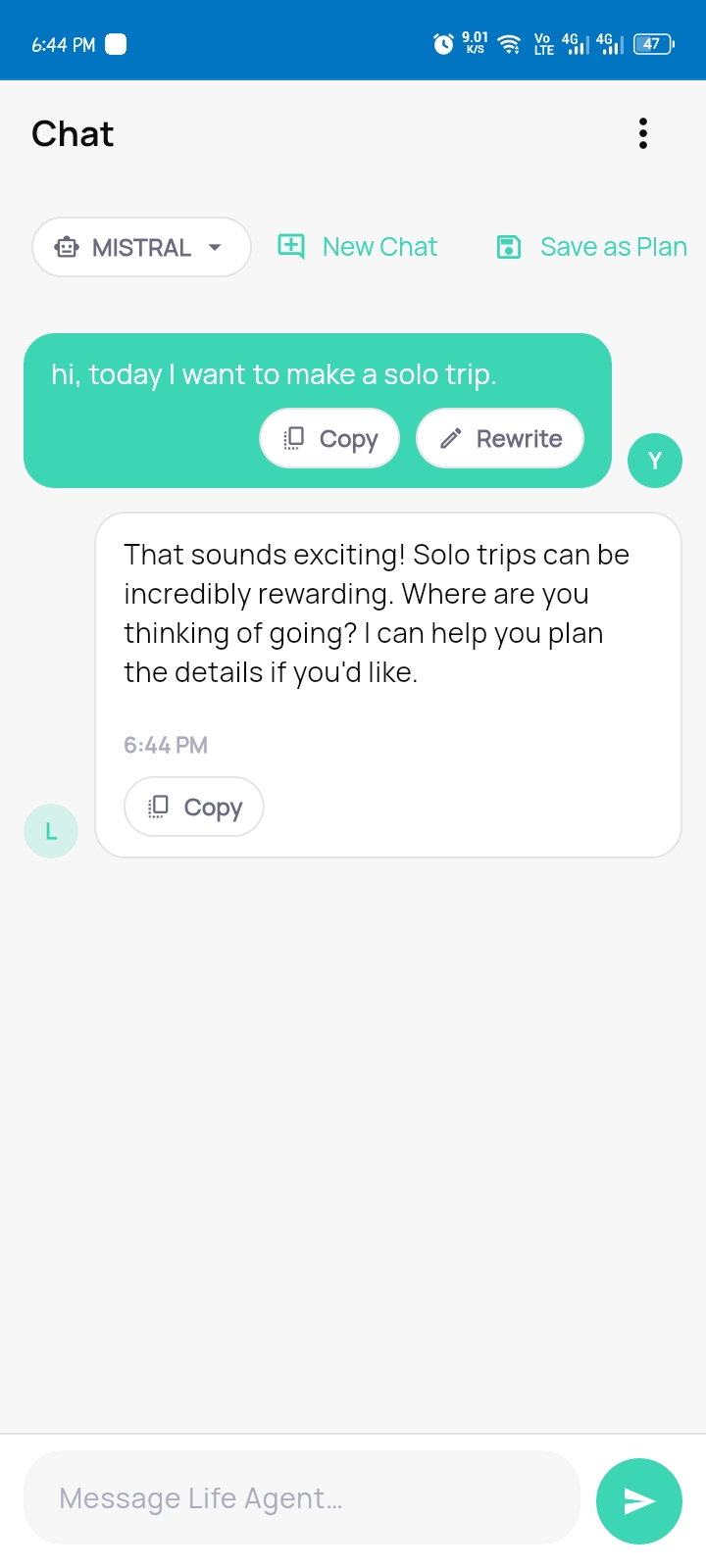
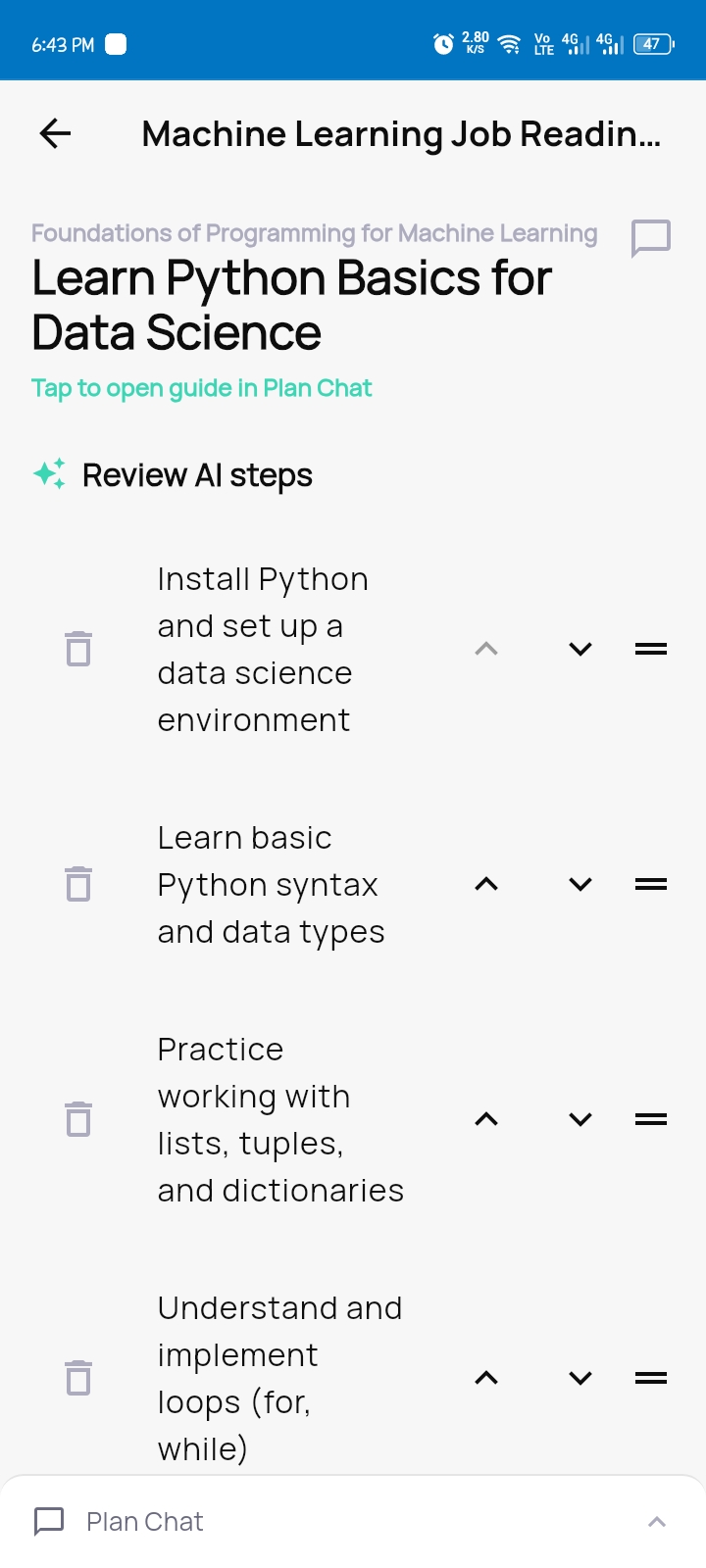
Instead of manually creating plans, you have a conversation. Tell Flowo "I want to take a solo trip this weekend" or "Help me figure out my career goals". The AI extracts your intent, preferences, and constraints from the conversation — then generates a complete milestone-structured plan with actionable tasks.
Adaptive daily scheduling
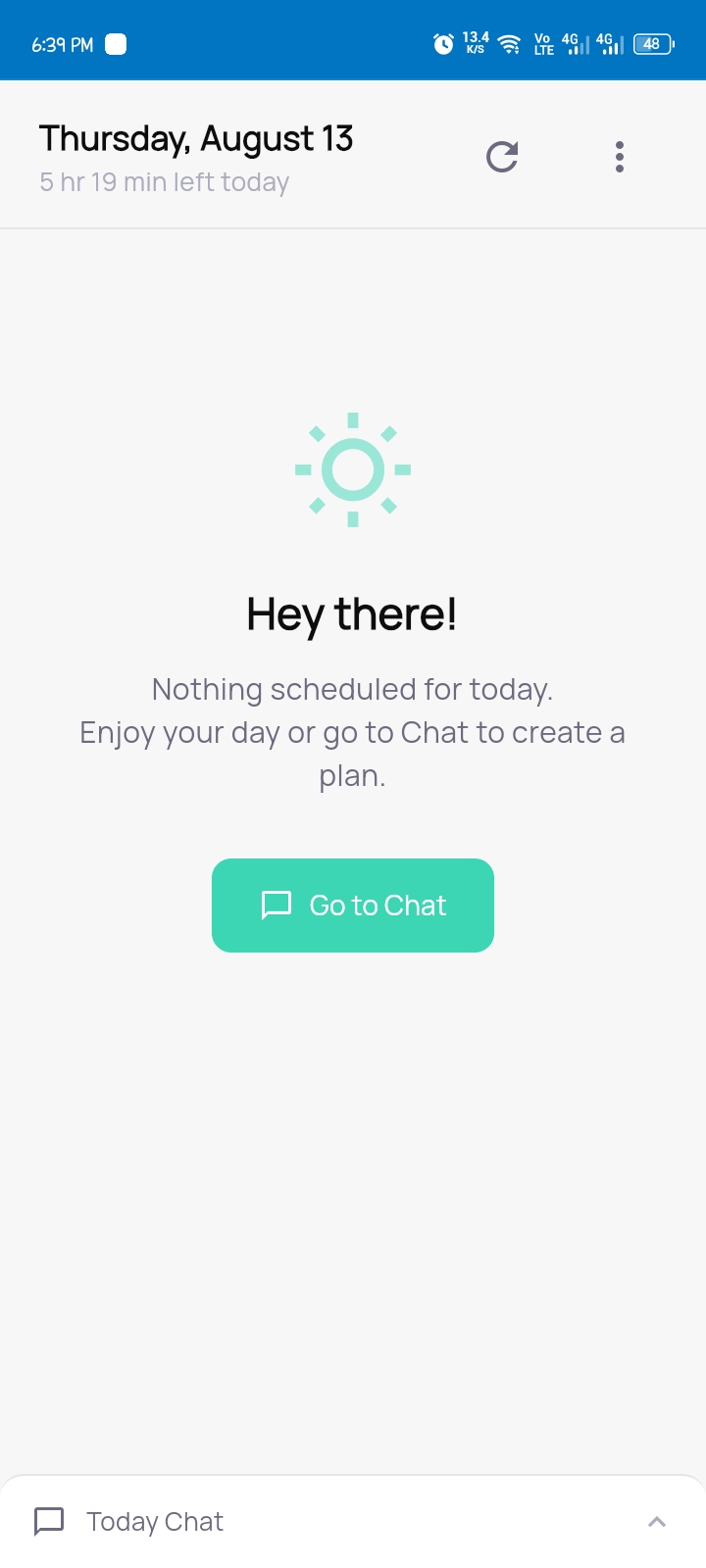
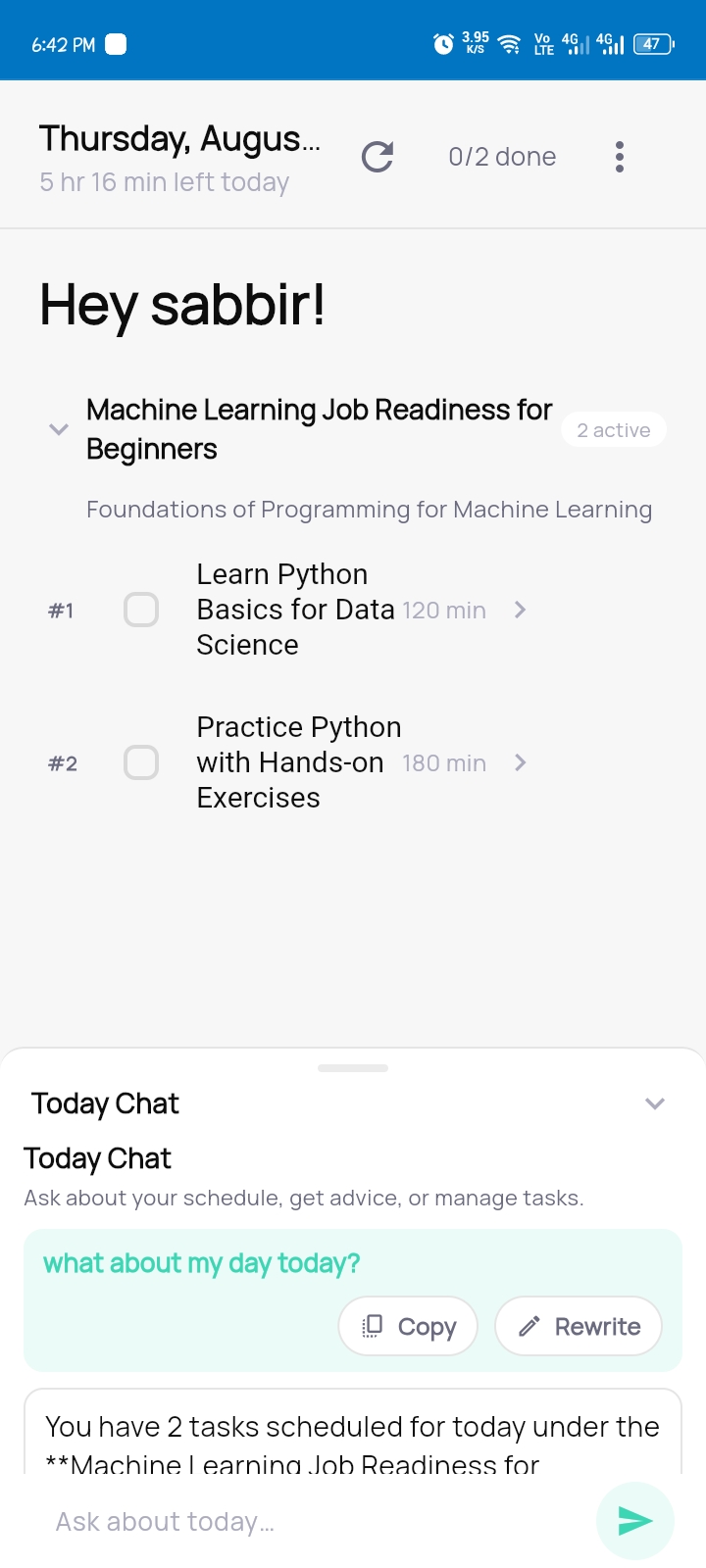
Every day, Flowo selects a personalized set of tasks for you. It uses a working-day-aware scheduler that:
Calculates your daily workload based on remaining tasks ÷ remaining working days Respects your configured working days (e.g., skip weekends) Automatically rolls over unfinished tasks without midnight database writes Caps rollover to prevent your Today screen from becoming overwhelming An AI coach that actually remembers Flowo extracts structured memory from your conversations. Every time the AI responds, it builds a context-rich prompt from your actual database state: your plans, progress percentages, struggling tasks, completion streaks, and upcoming schedule. It doesn't give generic advice — it references your tasks by name and acts as a true personal guide.
Real-time adaptation (not batch processing)
This is where Flowo fundamentally differs from traditional planners. Instead of running nightly batch jobs, the system adapts the moment things change:
Skip a task? → The adaptation engine immediately recalculates your workload and checks if overload spreading is needed Struggling with a task? → It gets flagged automatically, and the AI suggests breaking it down or adjusting difficulty Hit a failure threshold? → A deep review triggers automatically. The LLM analyzes your recent activity, adjusts plan intensity, modifies task difficulty, and reschedules upcoming work Proactive nudges Flowo doesn't wait for you to open the app. It detects patterns and generates nudges:
Completion streaks → Encouragement when you've crushed your daily goals Inactivity → Gentle reminder after days with zero completions Repeated skips → Suggests permanently skipping a task you've rescheduled multiple times Deadline risk → Urgency warning when your pace won't meet the plan deadline
How we built it
We designed Flowo to be an "agent-native" app from day one. This required a tech stack that could handle real-time reasoning and massive context.
Frontend (Flutter):
We built a beautifully fluid, cross-platform interface. We specifically designed a Conversational User Interface (CUI) that blends natural language chat with structured UI components (like task cards and milestone timelines) so it feels like a coaching app, not just a chat window.
Backend Reasoning Engine (FastAPI):
Instead of simple CRUD operations, our backend is an asynchronous reasoning engine. FastAPI allows us to quickly trigger LLM calls, background deep reviews, and recalculations without blocking the user interface. Data & Auth (Supabase): We used Supabase as our backbone, leveraging PostgreSQL for relational tracking (milestones, tasks, streaks) and pgvector for our semantic memory layer. AI Gateway & Memory (LiteLLM & Mem0): We integrated LiteLLM to efficiently route prompts and Mem0 to handle the cognitive overhead of saving, retrieving, and decaying long-term user memories.
Challenges we ran into
The "Batch Job" Trap: Most apps handle rollovers and schedule adjustments with midnight cron jobs. We realized that doesn't work for a true agent—if you skip a task at 2 PM, the app needs to react at 2 PM. Building a real-time adaptation engine that dynamically calculates workload on read without causing infinite database writes was incredibly difficult.
True Memory vs. Chat History: Traditional RAG just dumps a transcript into the prompt. We quickly learned that LLMs give terrible advice if they only see past chats. We had to build a system that translates the database state (streaks, fail rates, specific task names) into a context-rich prompt so the AI acts like a coach looking at your actual progress board.
Finding the Perfect Balance: If the AI schedules too much, you feel overwhelmed. If it schedules too little, you lose momentum. We spent days dialing in the math for the "working-day-aware scheduler" to ensure the app pushes you without burning you out. Accomplishments that we're proud of
Zero Midnight Rollovers: We completely eliminated the need for nightly batch processing. The Today screen calculates your current workload perfectly on the fly, dynamically rolling over tasks mathematically.
The Deep Review System: We successfully created an autonomous loop where hitting a failure threshold triggers an LLM to actively rewrite your future tasks. The app doesn't just tell you you're failing; it literally makes the plan easier so you can get back on track. Human-in-the-Loop UX: We built a system where the AI does the heavy lifting of generating and adjusting plans, but the user always has the final tap to confirm. It feels empowering, not restrictive.
What we learned
We learned a profound lesson about AI in consumer apps: True agent memory is about state, not just text. An LLM is only as smart as the database context you feed it. We also learned that people don't actually want an AI to do their work for them—they want an AI to provide the structure and guidance so they can focus entirely on execution and taking that first step.
What's next for Flowo: your guide
This is just the foundation. Moving forward, we are building:
AI Subtask Generation: Allowing users to tap a daunting task and have the coach instantly break it down into micro-steps right inside the task card. GraphRAG Integration: Moving beyond vector memory to map complex relationships (e.g., how skipping weekend reading correlates with stress). Calendar & Health API Sync: Giving Flowo the ability to see your real calendar and energy levels so it can automatically reduce your daily workload when you're overwhelmed.
Built With
- antigravity
- dart
- fastapi
- flutter
- llm
- mechinelearning
- mem0
- pgvector
- postgresql
- python
- render
- sqlite
- supabase
- vercel

Log in or sign up for Devpost to join the conversation.