🌿 Inspiration
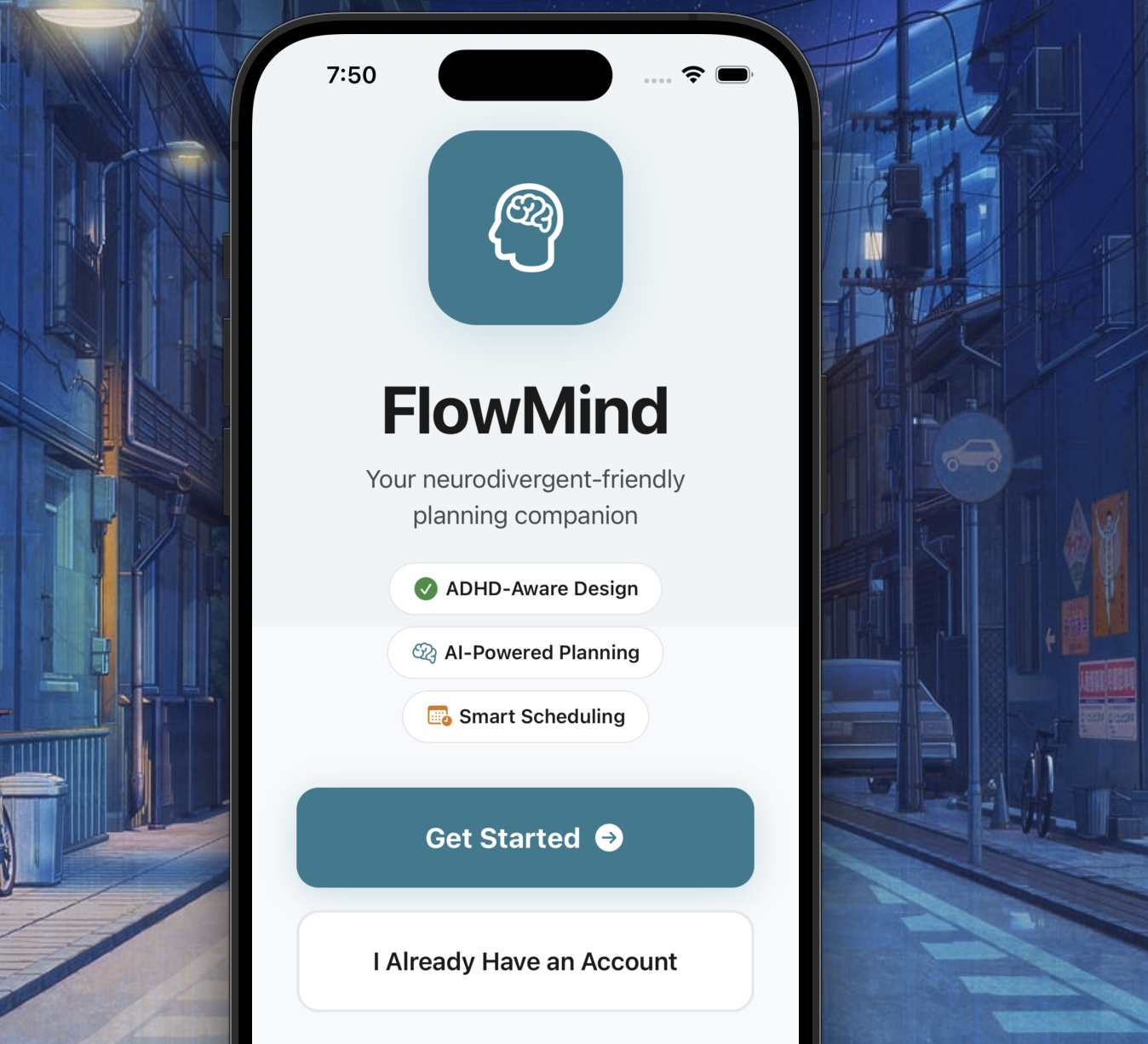
Mental health isn’t about doing more — it’s about doing what’s sustainable. Many neurodivergent individuals and people managing anxiety or burnout struggle with traditional productivity tools that pressure constant performance. We wanted to create FlowMind, a calm, AI-assisted companion that supports mental wellness through mindful structure, emotional awareness, and neuro-inclusive design. Our mission: to help users feel regulated, not rushed — and supported, not judged.
💫 What it does
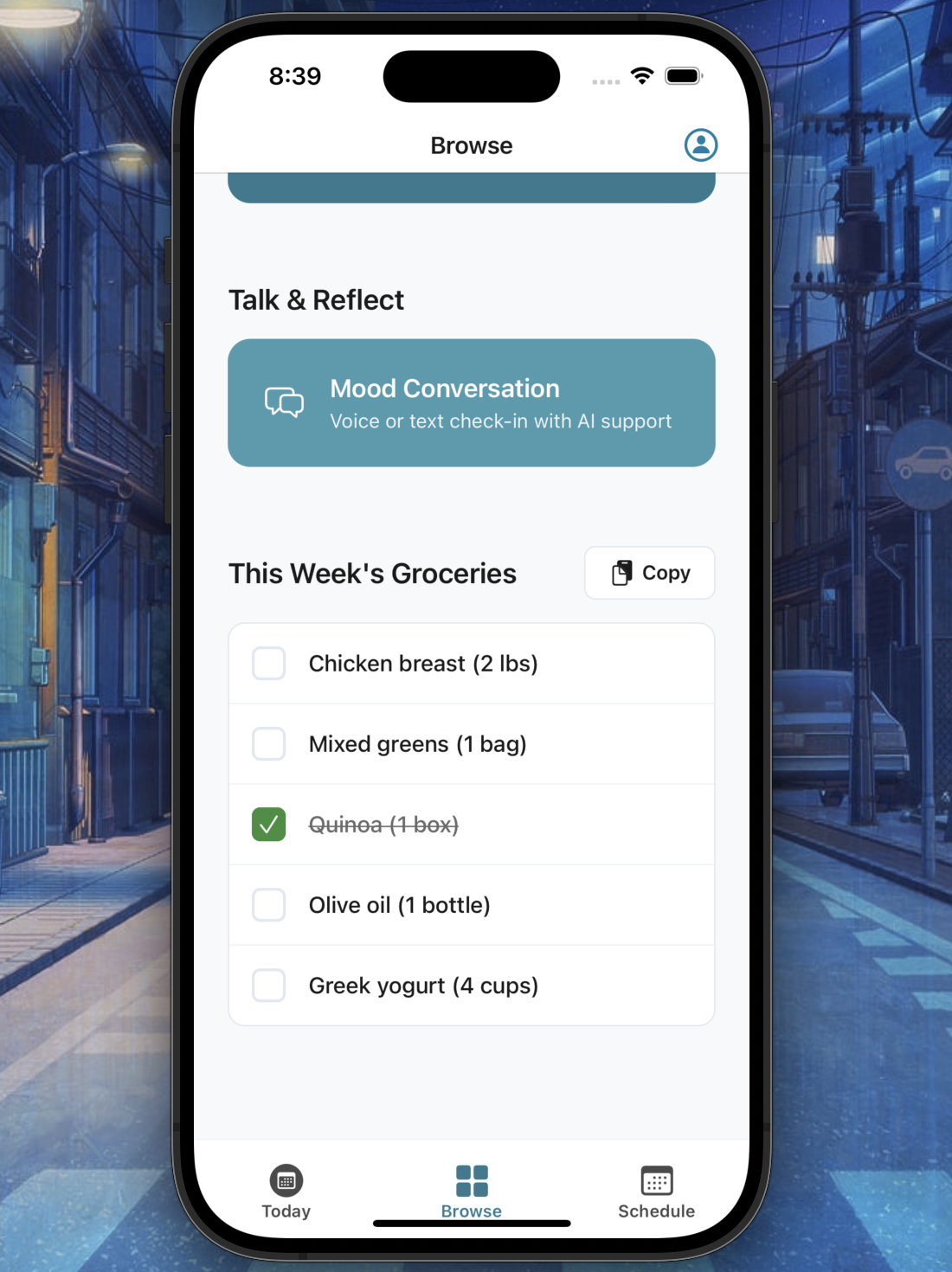
FlowMind is a neuro-friendly, mental-health-focused planning app that uses AI mood-aware scheduling to help users align their routines with emotional and cognitive energy levels. It creates compassionate structure through:
- 🕊️ Mood-Aware Scheduling: The AI agent detects energy and mood patterns to plan focus tasks, self-care, or rest windows at optimal times.
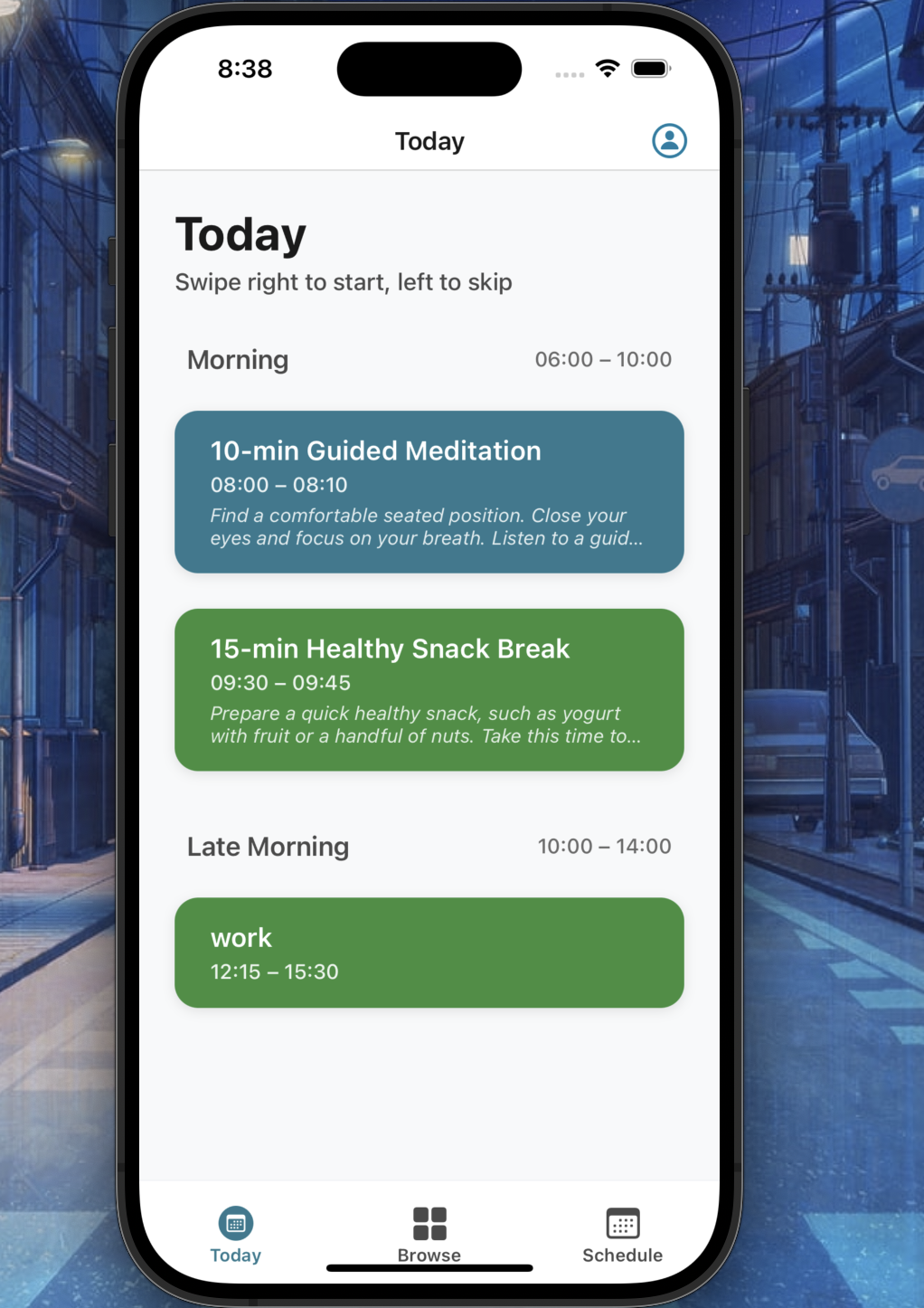
- 💬 Compassionate Nudges: 10-3-1 minute reminders (vibration or soft audio) that gently encourage rather than pressure.
- 🧩 Micro-Steps: Every task becomes 3–5 concrete, emotionally manageable actions.
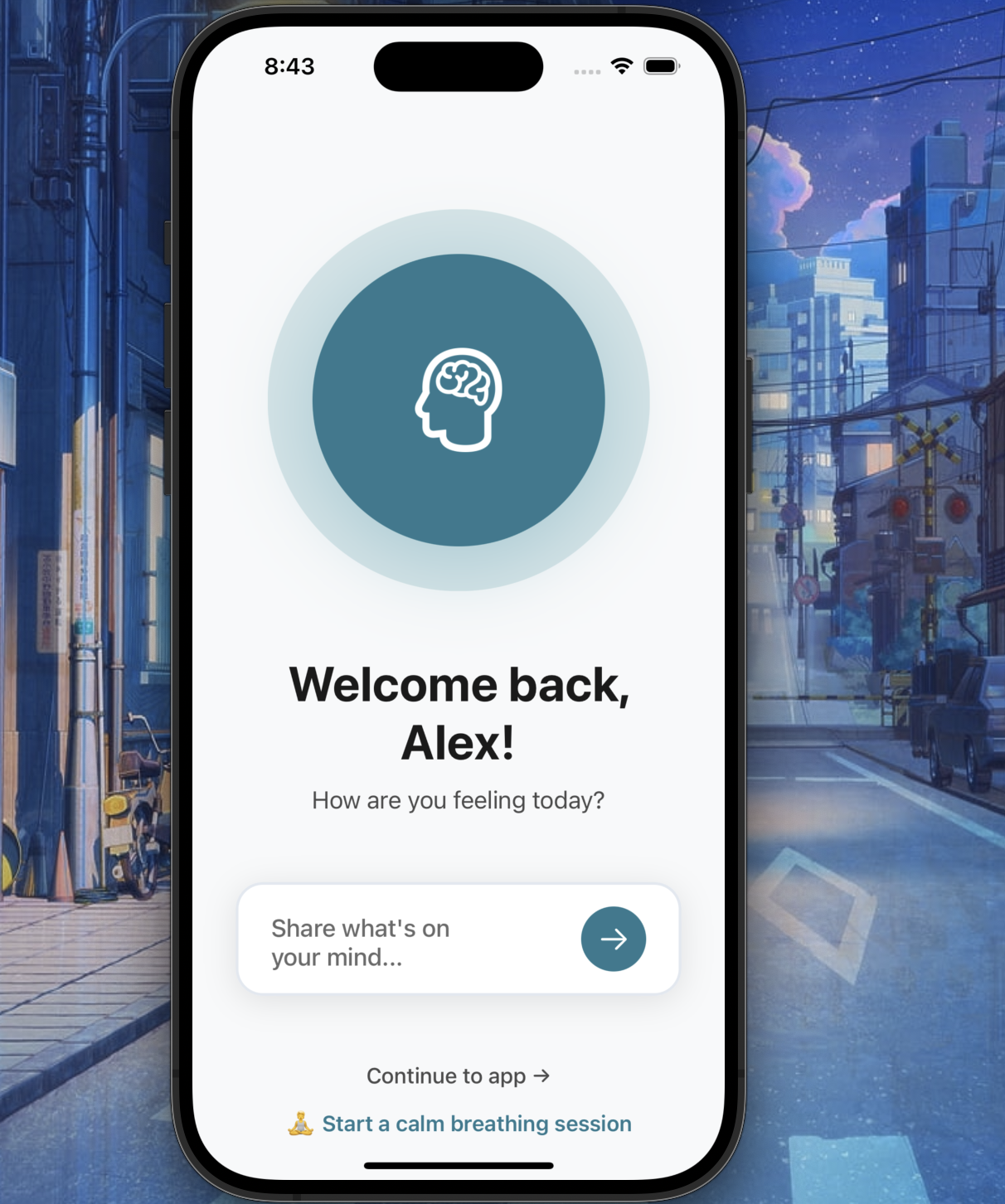
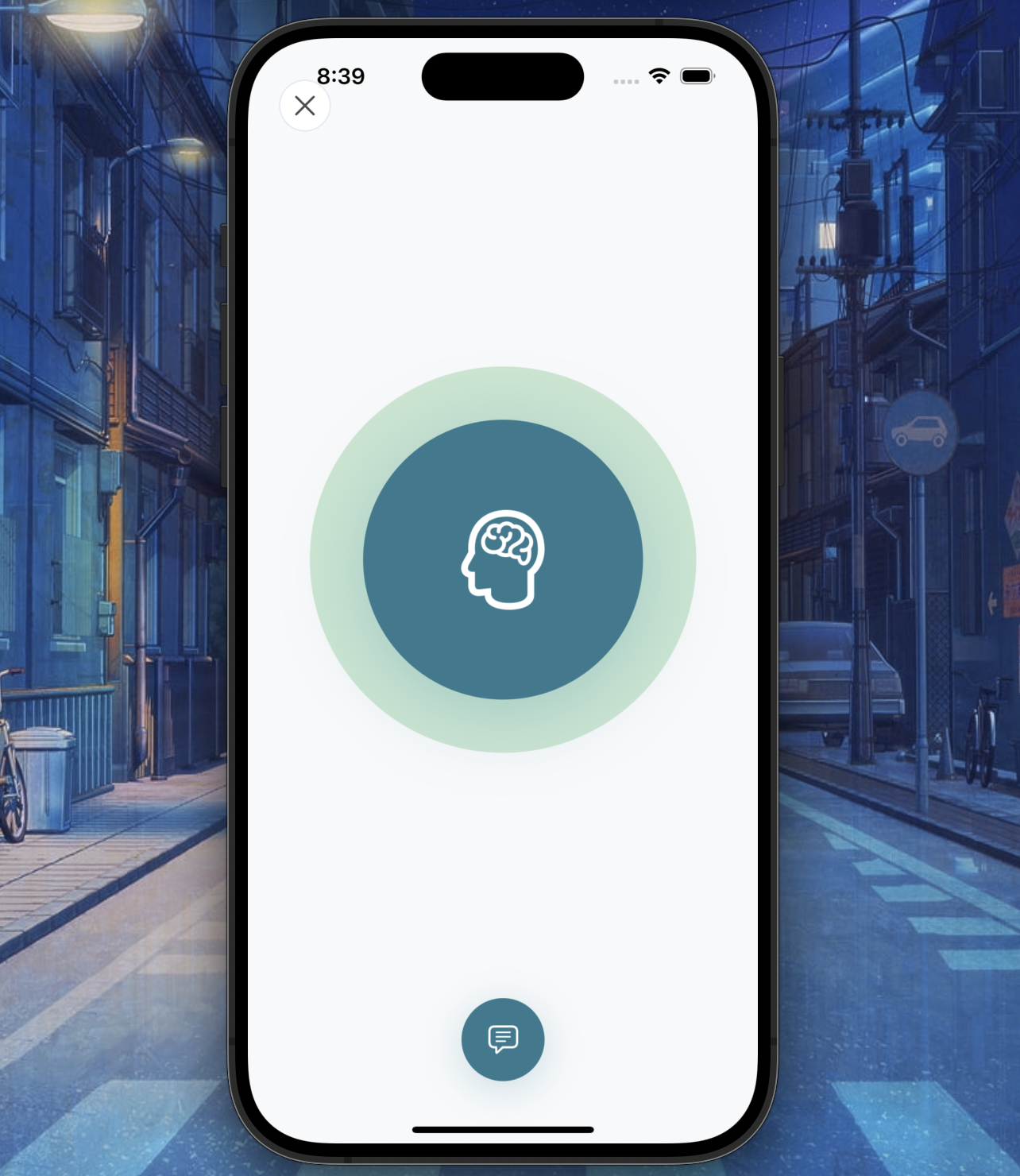
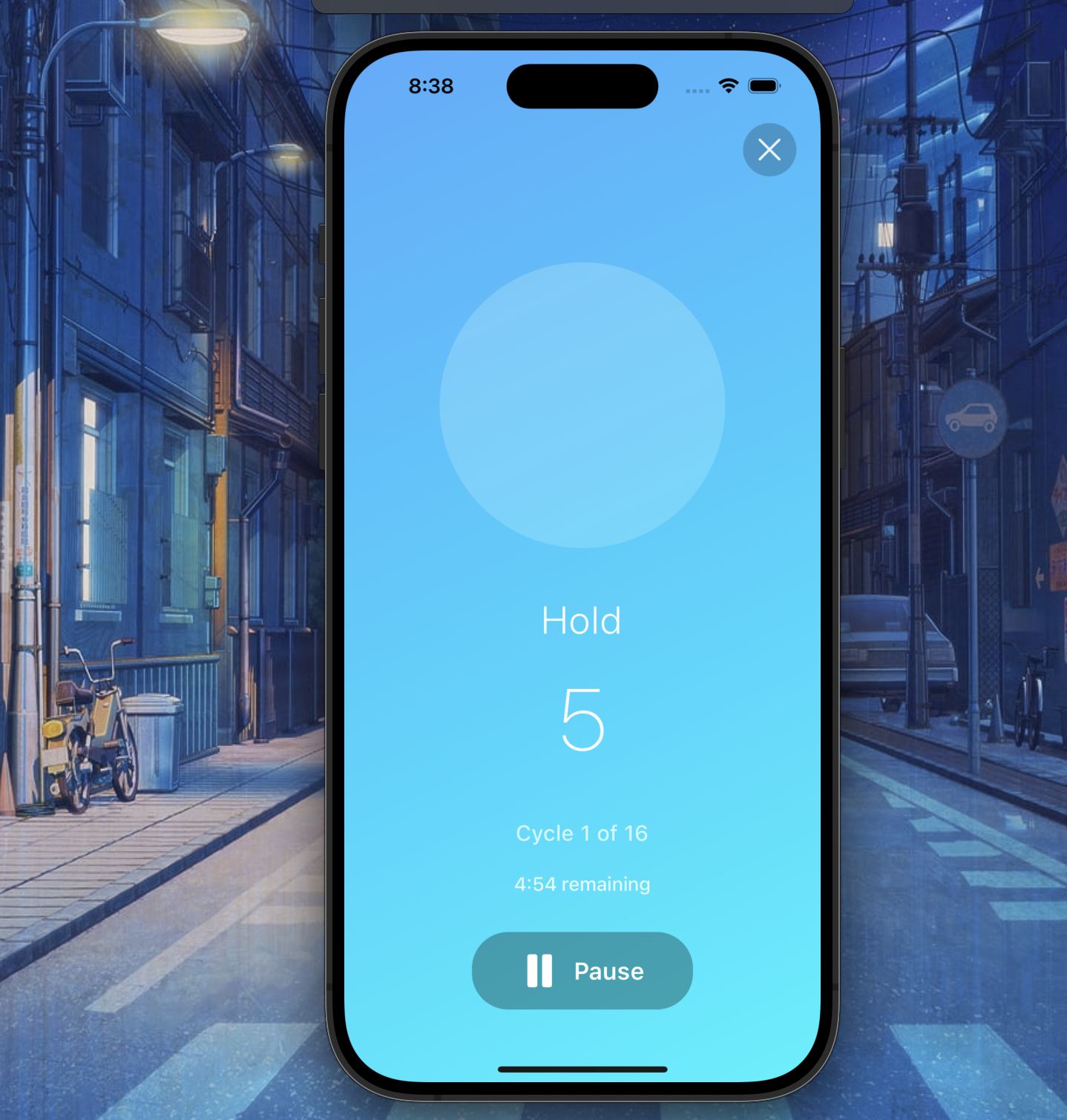
- 🎧 Calm UI Mode: Reduced motion, high contrast, voice-first interaction — lowering anxiety triggers.
- 🧠 Adaptive Energy Matching: The agent continually learns from skipped tasks and emotional feedback to adjust future routines.
FlowMind helps users feel emotionally seen by their planner — not measured by it.
🛠️ How we built it
- Frontend: Built with Expo React Native + TypeScript for iOS, applying accessibility and wellness design patterns.
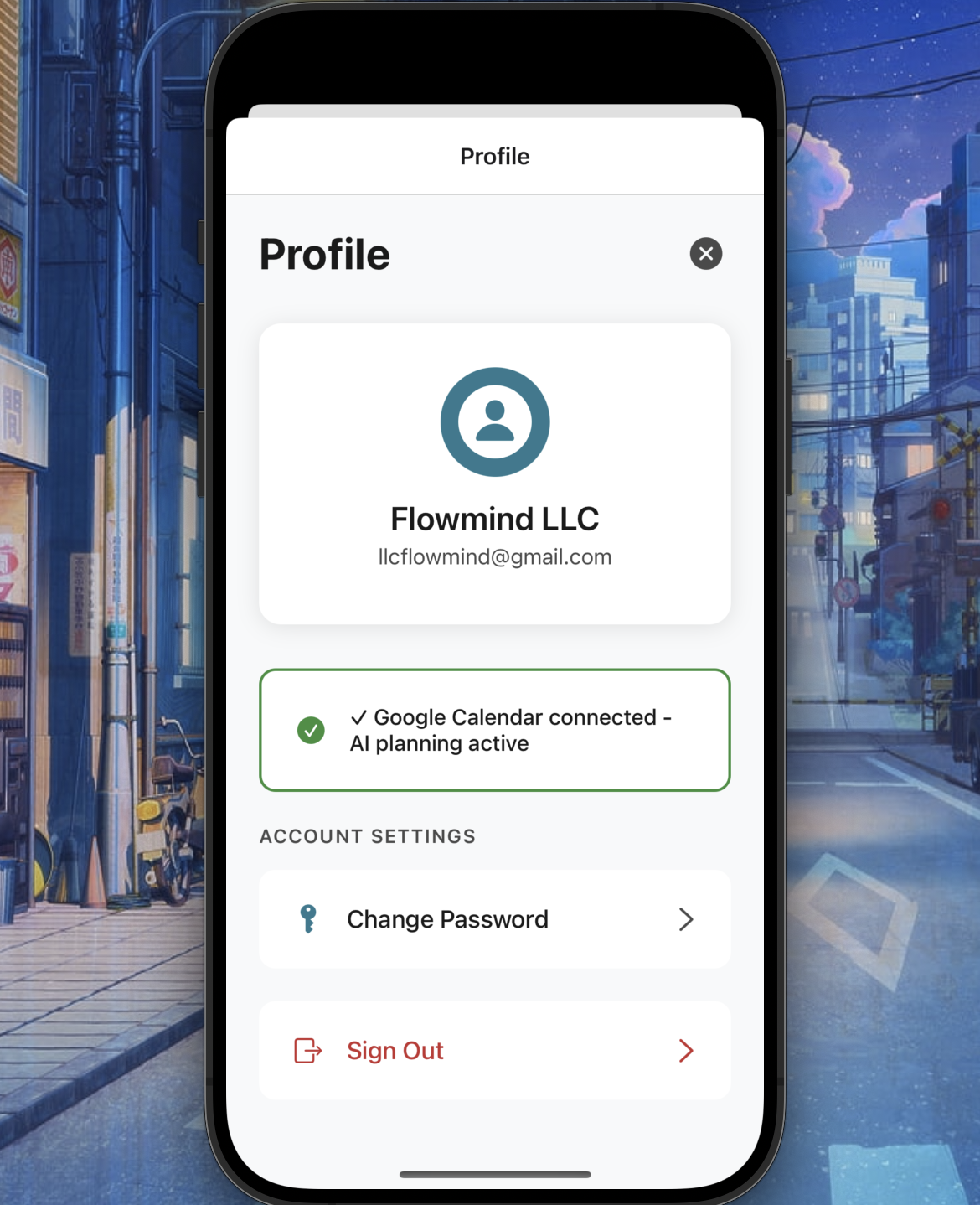
- Backend: Node.js + Express server orchestrating communication between Supabase, Google Calendar, and the NeuralSeek mAIstro agent.
Agentic Workflow (AI Layer):
- The NeuralSeek mAIstro agent receives a real-time snapshot of user energy, focus limits, mood input, and recent engagement history.
- It uses contextual reasoning to dynamically generate or modify weekly plans.
- If mood is low, the agent swaps demanding blocks for lighter “movement snacks,” journaling, or restorative tasks.
- As mood improves, the agent gradually reintroduces more cognitively demanding blocks.
Database: Supabase (PostgreSQL) stores anonymized profiles and weekly plans.
Local-First Privacy: Sensitive neuro-profiles remain in expo-secure-store, ensuring user control even offline.
💭 Challenges we ran into
- Mood Data Interpretation: Translating subjective mood scores into actionable scheduling decisions required fine-tuning the agent’s prompts and reward logic.
- Avoiding Over-Intervention: Ensuring the AI supported mental wellness without feeling intrusive or judgmental was a delicate balance.
- Cross-API Latency: Coordinating NeuralSeek responses with Supabase and Google Calendar while maintaining instant UI feedback tested our async pipeline design.
- User Trust: We built transparency into every recommendation so users could always see why FlowMind suggested a change.
🌈 Accomplishments that we're proud of
- Delivered fully functional mood-aware scheduling powered by NeuralSeek mAIstro’s adaptive reasoning.
- Designed a mental-health-first UX that neurodivergent testers described as “soothing, predictable, and empowering.”
- Created a local-first privacy model ensuring emotional and neuro-profile data stays safe.
- Achieved seamless multi-API integration within the hackathon timeframe — while preserving a calm, human-centered experience.
- Proved that AI can be empathetic when trained around emotional context, not productivity quotas.
🧘♀️ What we learned
- Emotional regulation and productivity are interlinked — tech must respect both.
- Agentic workflows can become digital companions when grounded in empathy and self-awareness.
- Minimalist, compassionate design creates a stronger sense of trust and emotional safety.
- AI’s role in wellness is to listen and adapt, not prescribe or evaluate.
🌻 What’s next for FlowMind
- Voice + Emotion Input: Expand mood tracking with natural-language voice reflection analyzed by Whisper + Gemini.
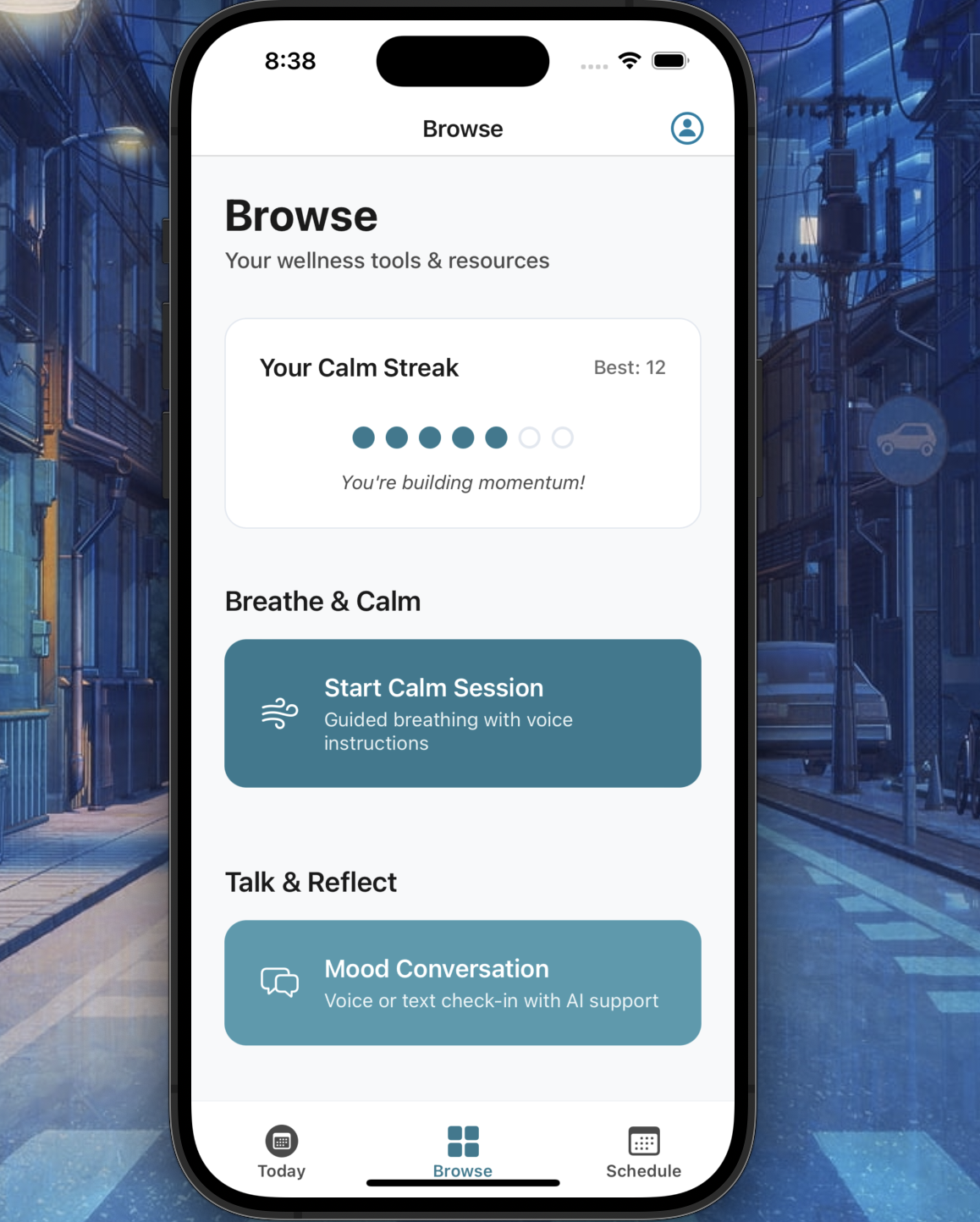
- Contextual Wellness Interventions: Suggest breathing exercises or grounding techniques during low-mood detections.
- Wearable Integration: Use passive biometrics (e.g., HRV, step count) to enrich mood-energy correlations.
- Community Reflection Mode: Anonymous group journaling or shared affirmations to promote connection.
- Clinical Collaboration: Partner with therapists and cognitive scientists to validate FlowMind as a digital wellness aid.
FlowMind represents a new category of AI-driven emotional wellness technology — one that treats mental health and productivity not as opposites, but as partners in living intentionally, compassionately, and in flow.
Built With
- auth0
- elevenlab
- expo.io
- neuralseek
- openai
- react-native
- supabase
- typescript

Log in or sign up for Devpost to join the conversation.