Project Story — FlowLink
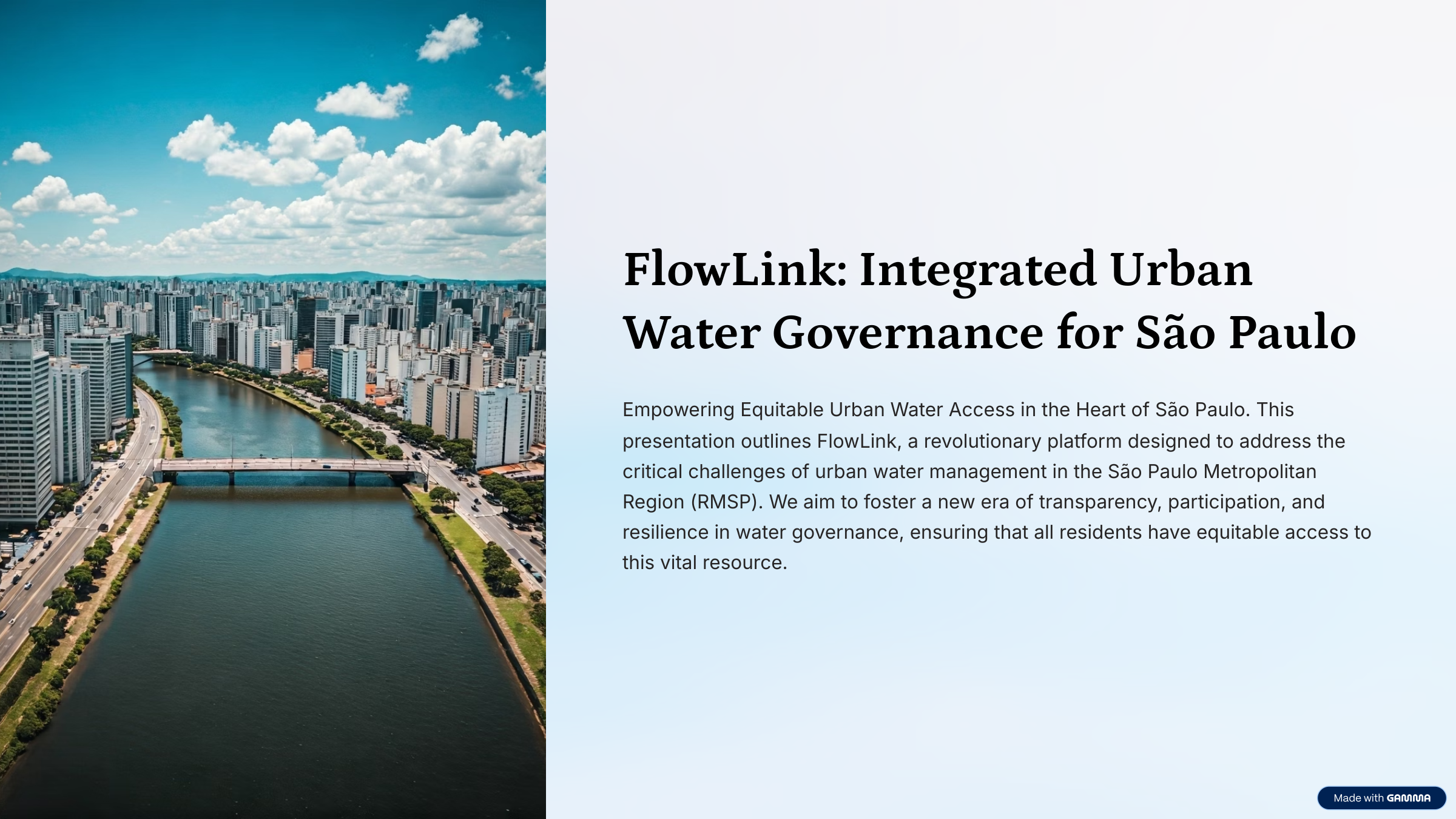
Empowering Equitable Urban Water Access in the Heart of São Paulo
1. The Ordinary World
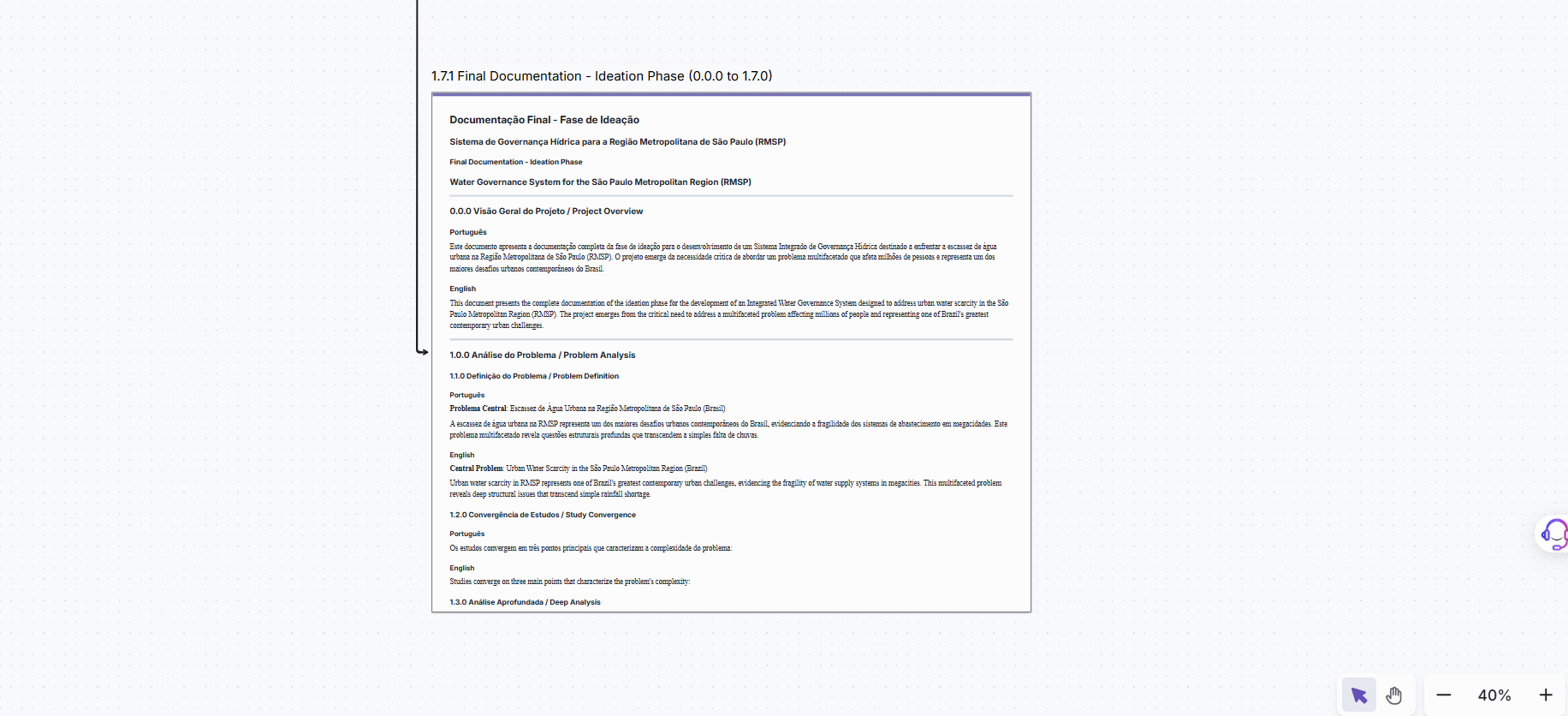
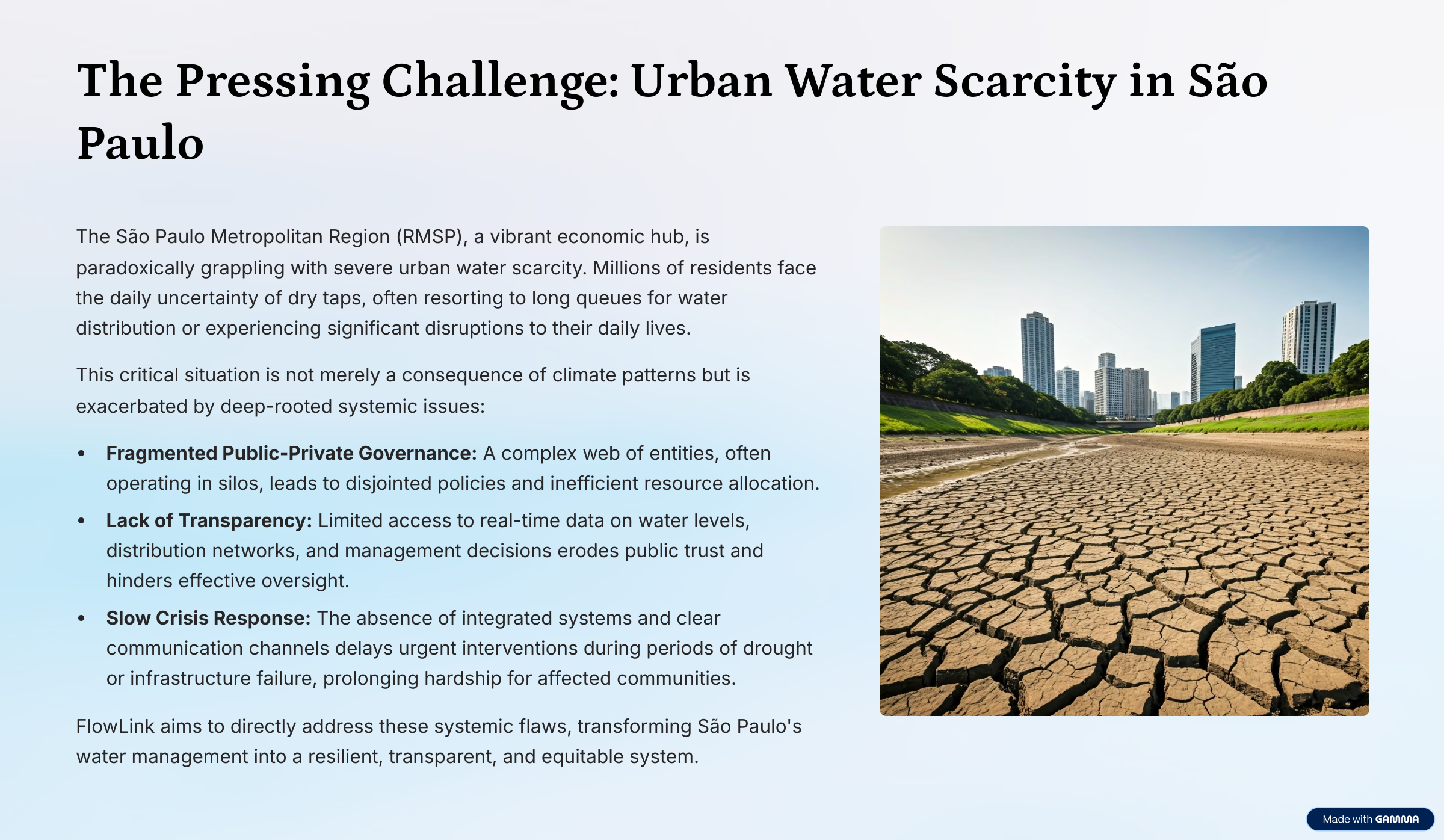
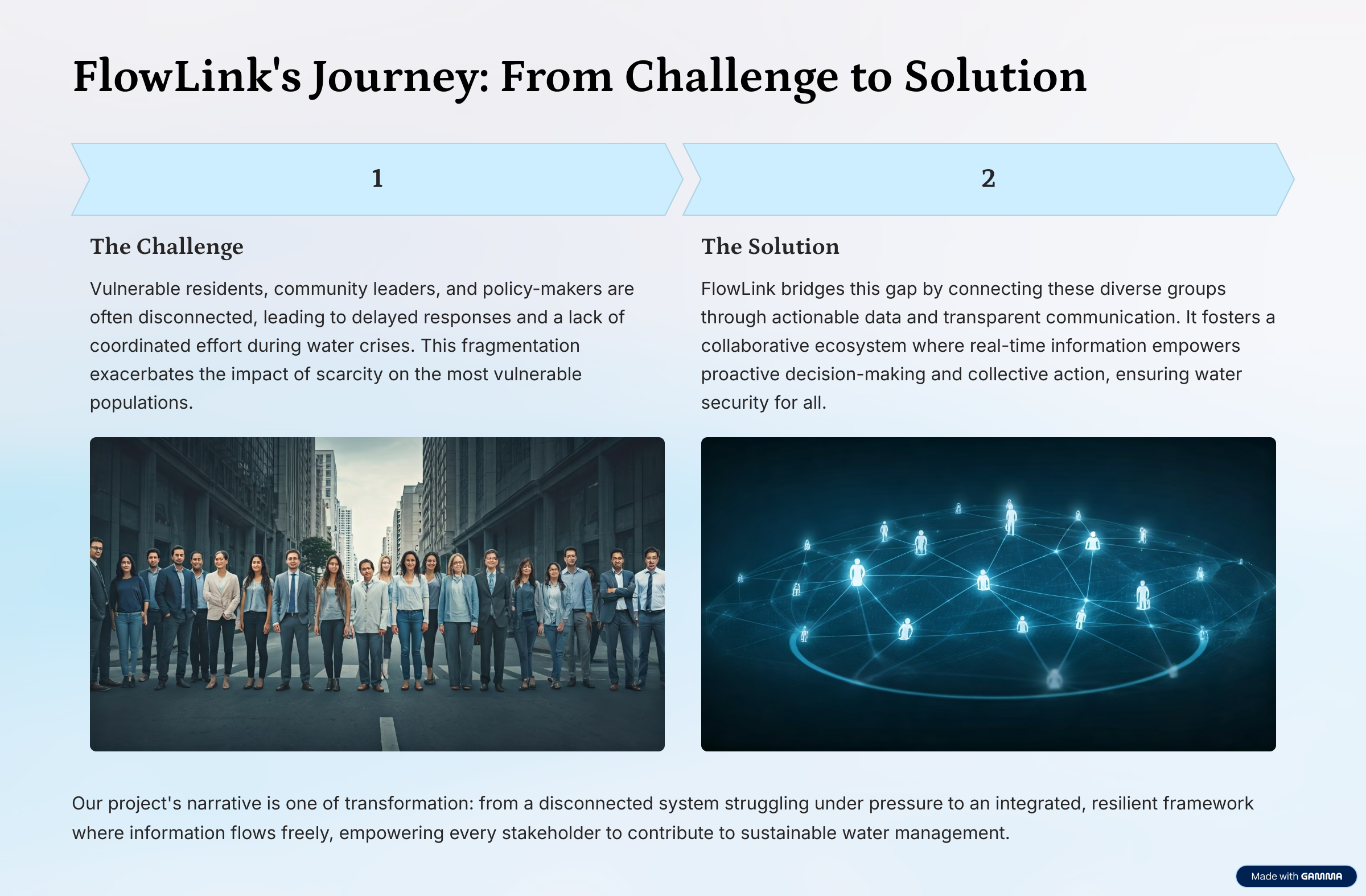
In the sprawling urban landscapes of São Paulo’s periphery, millions face the daily uncertainty of water—a resource as vital as it is fragile. For residents of Jardim Ângela, Capão Redondo, and Cidade Tiradentes, access to clean, reliable water is not promised. Years of fragmented governance, outdated infrastructure, and social inequality have made water scarcity a harsh reality.
2. The Call to Adventure
During the landmark 2013–2015 water crisis, communities bore the brunt of scarcity:
- Taps ran dry.
- Schools shut down.
- Families queued for water trucks.
This crisis exposed severe institutional fragmentation, highlighting the urgent need for a unifying, actionable solution.
3. Refusal of the Call
Initial systemic responses were slow, top-down, and failed to reach the most vulnerable. Community voices went unheard in a maze of bureaucratic silos. The repeated cycle of response-only policies left entire neighborhoods marginalized and under-served.
4. Meeting the Mentor
Leaders emerged from within:
- Local activists
- Community leaders
- Water-rights advocates
They rallied for transparency, real-time information, and the power to participate, seeking a new tool—one that could put control and knowledge back into the community’s hands.
5. Crossing the Threshold
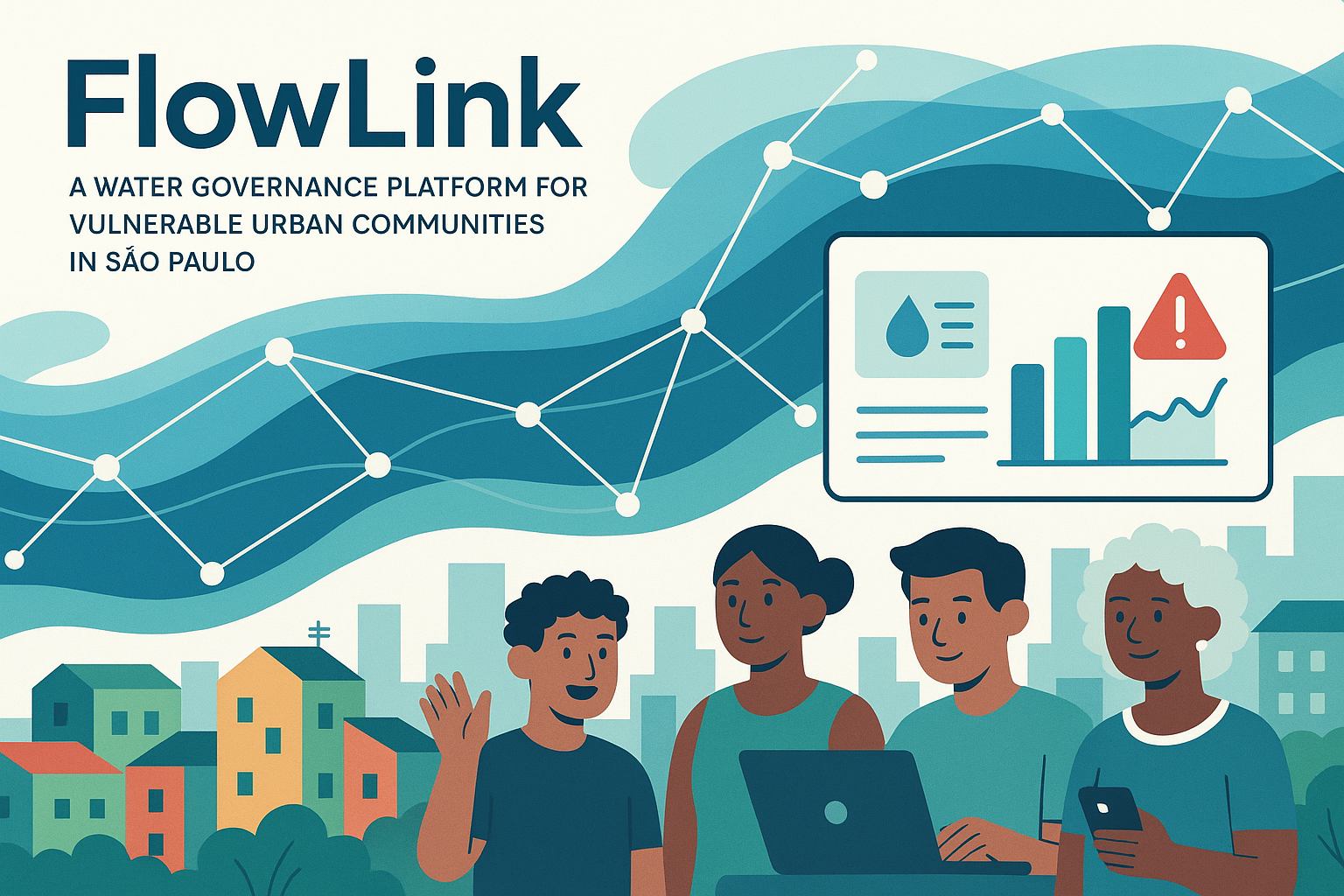
FlowLink was born.
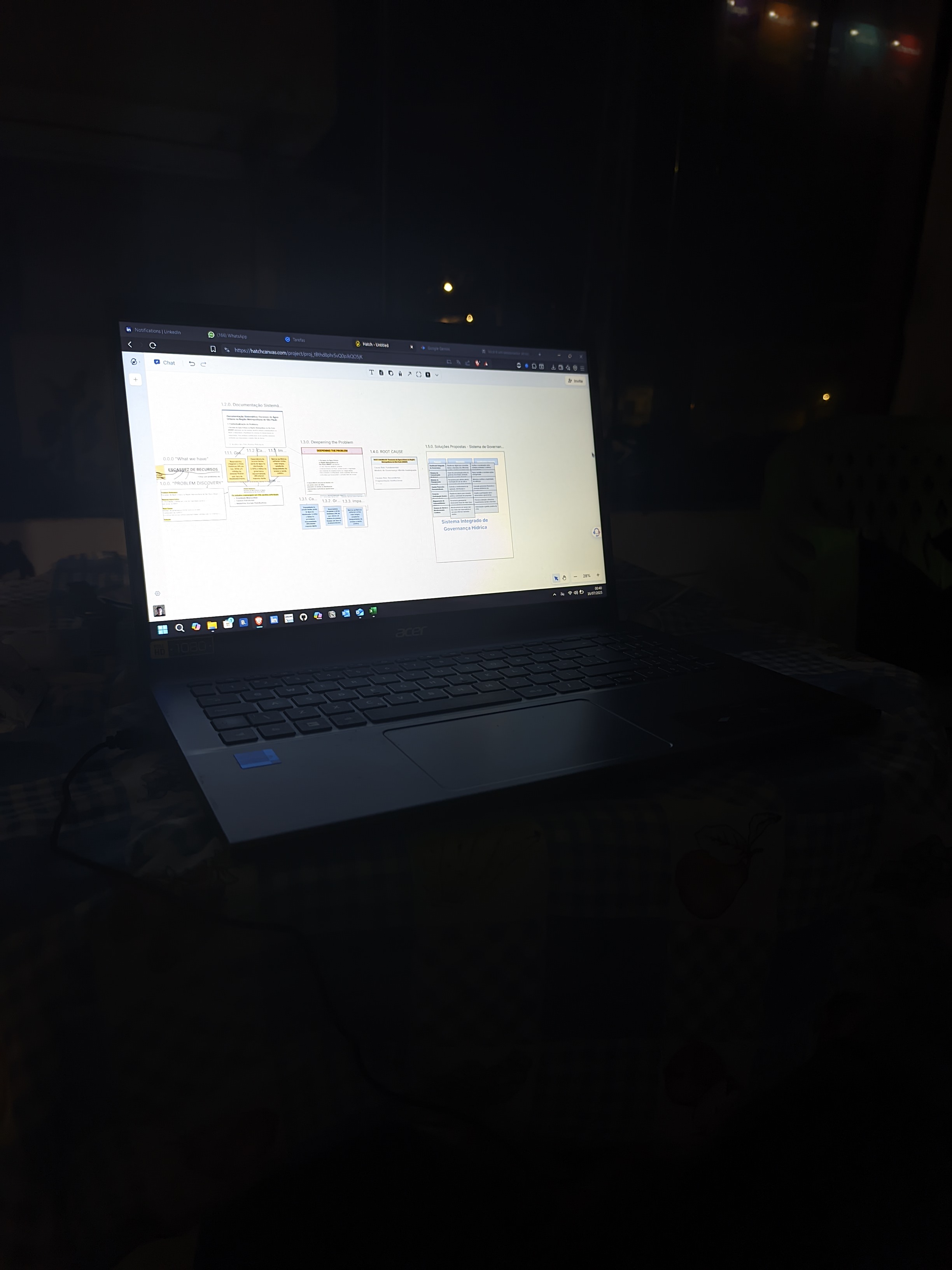
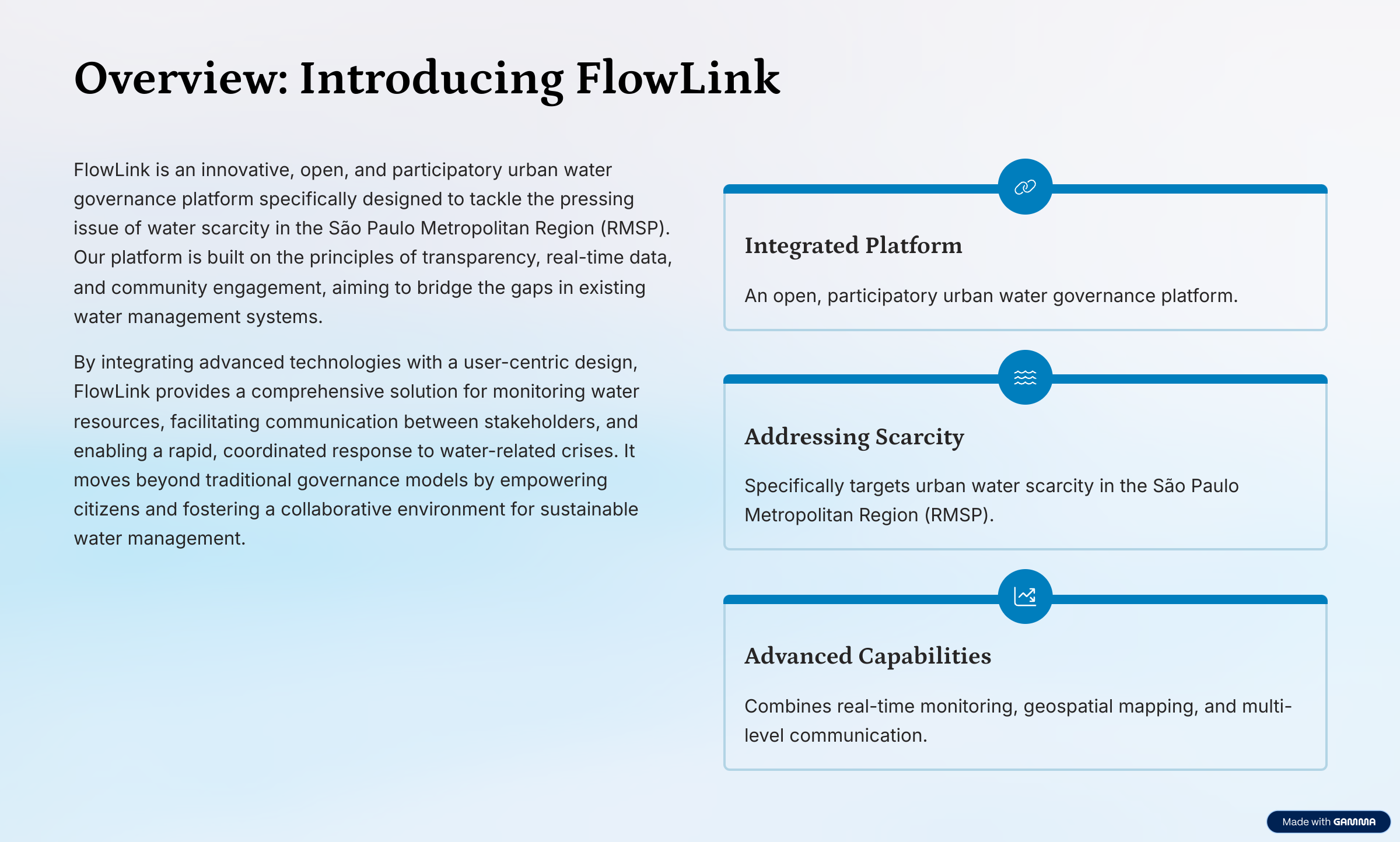
Leveraging real-time data, geospatial mapping, and multi-level communication, FlowLink reimagines water governance for vulnerable urban communities. Its guiding ethos:
Access to water is a right—to be safeguarded, shared, and managed collectively.
6. Tests, Allies, and Enemies
Challenges overcome:
- Integrating legacy data silos across institutions
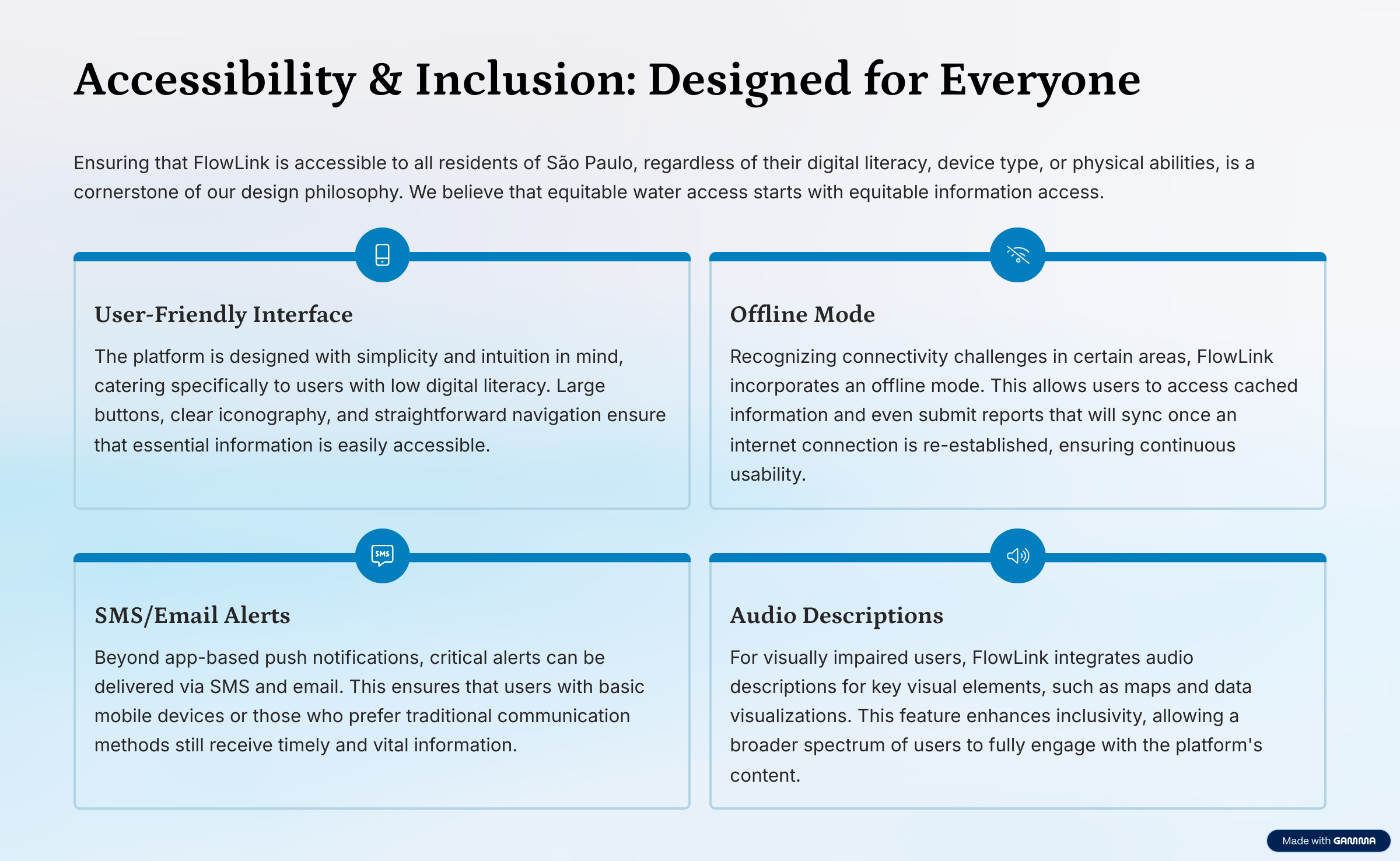
- Designing interfaces for low digital literacy
- Building trust where system failures once prevailed
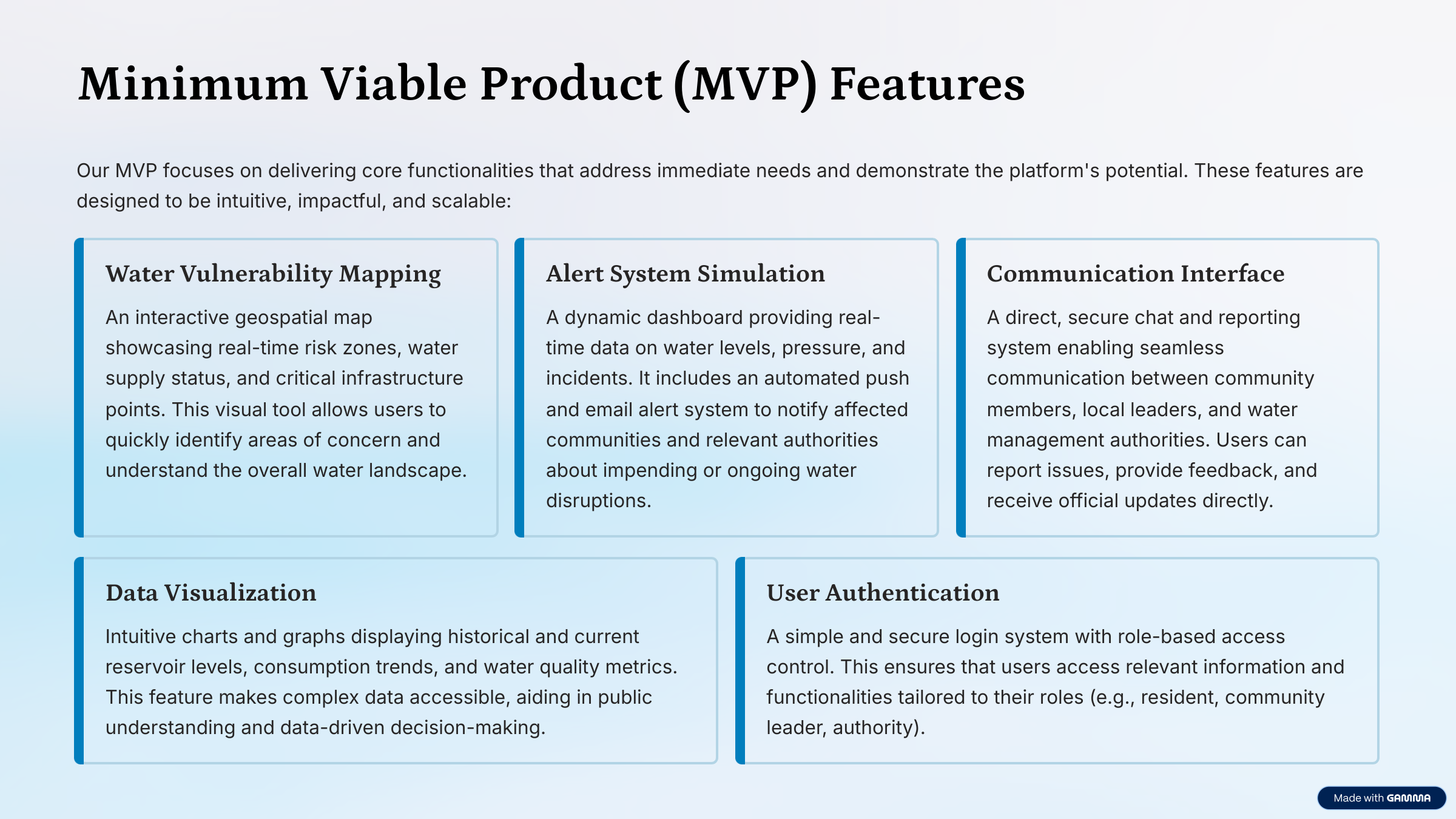
Key project features:
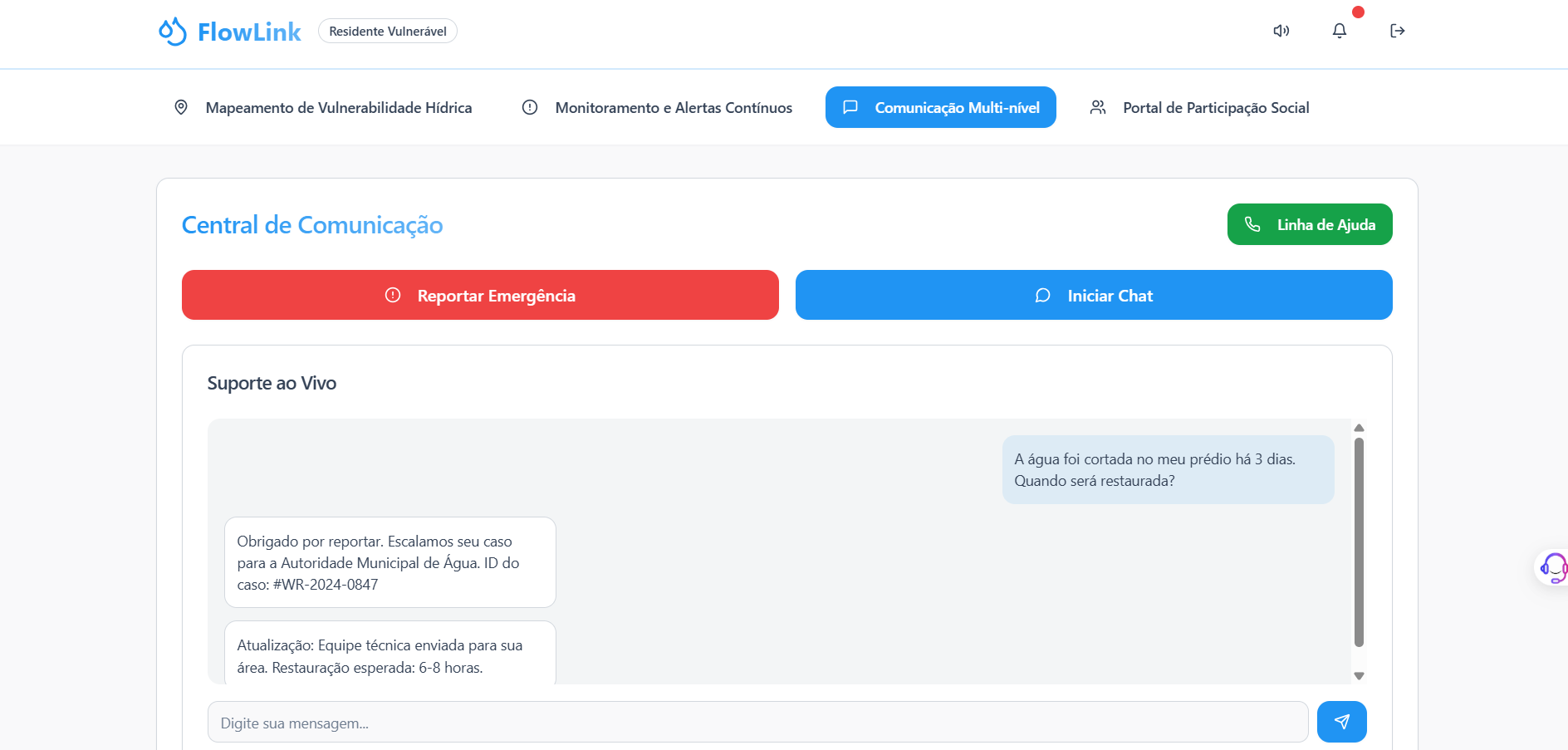
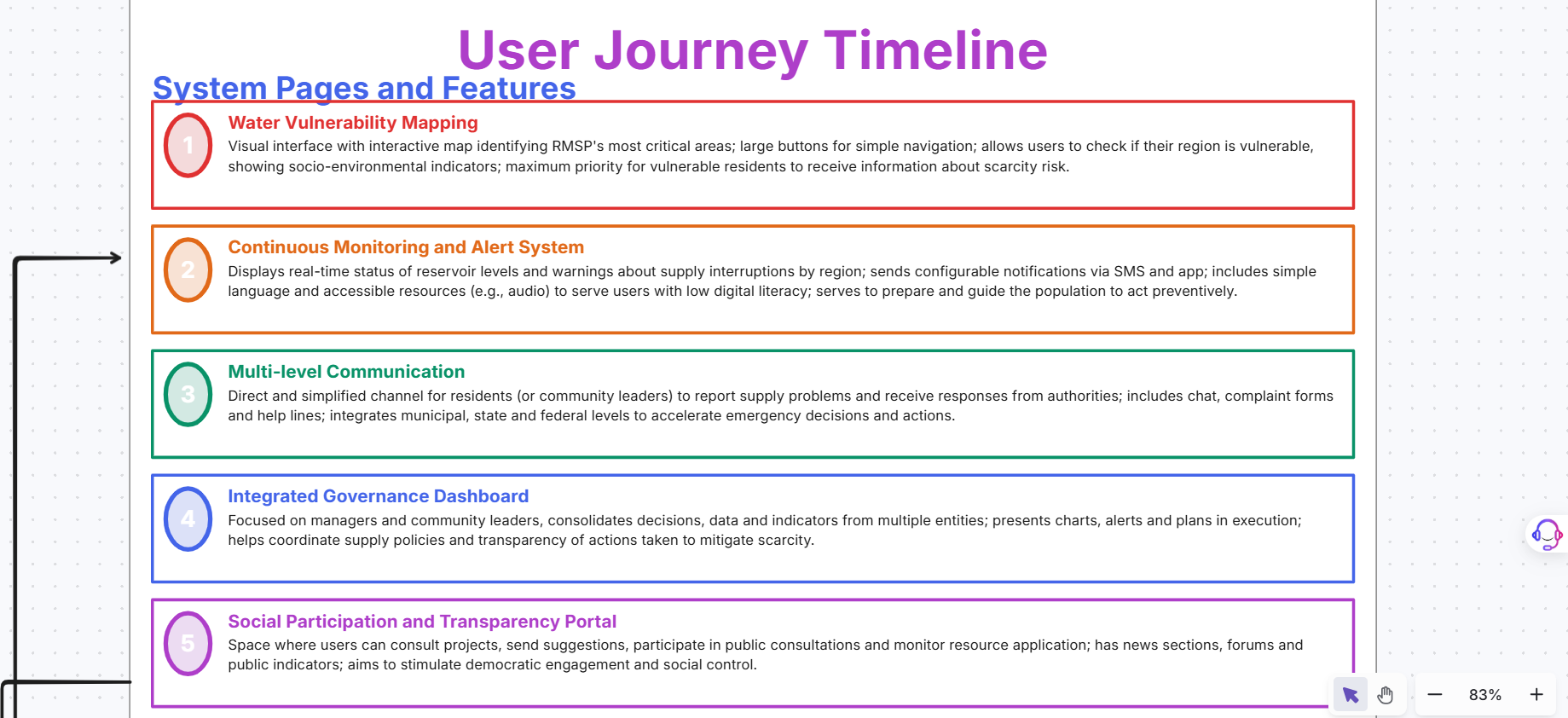
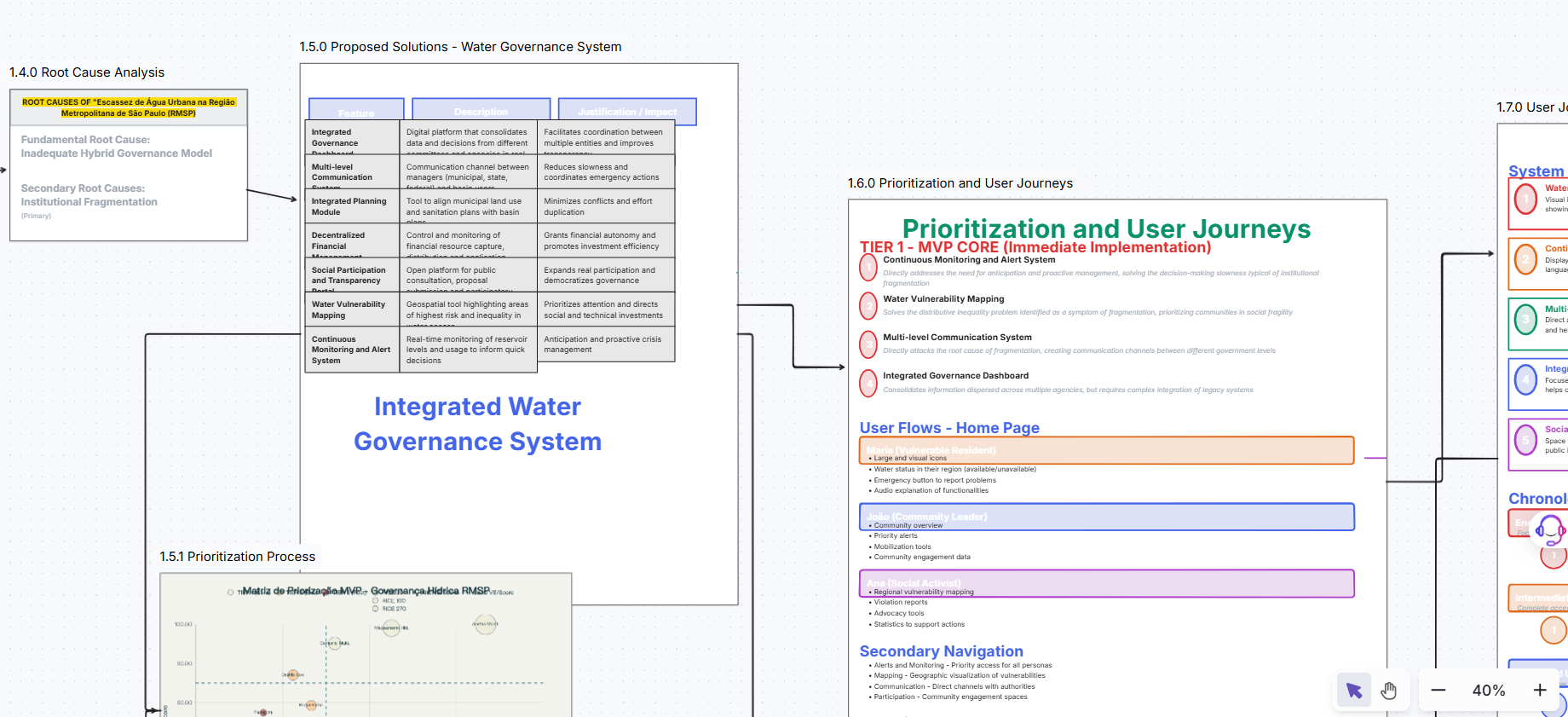
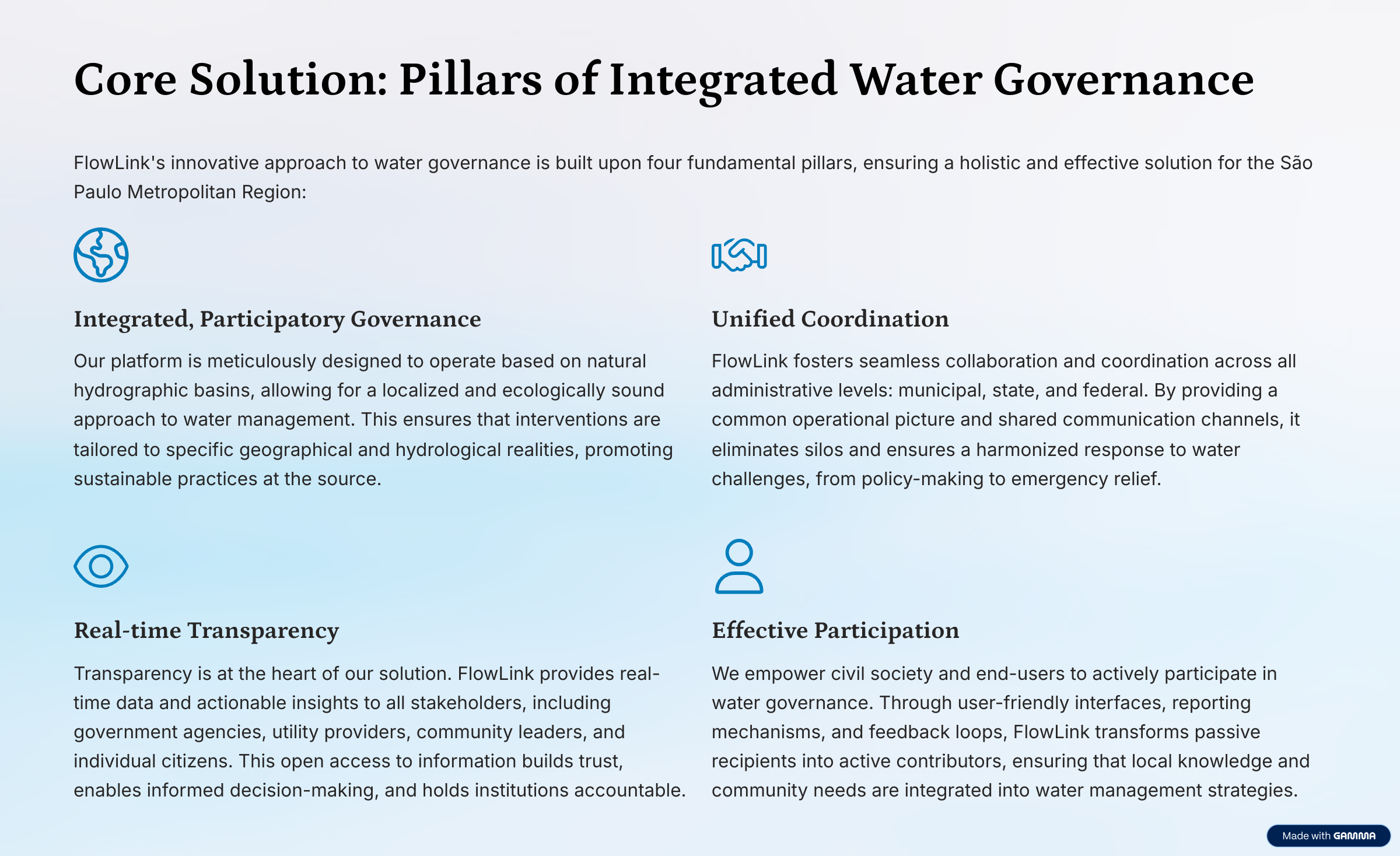
- Map Vulnerability: Instantly identify the hardest-hit zones
- Real-time Alerts: Notifies users of outages, rationing, or contamination
- Direct Communication: Citizens report issues and feedback, connecting directly with authorities
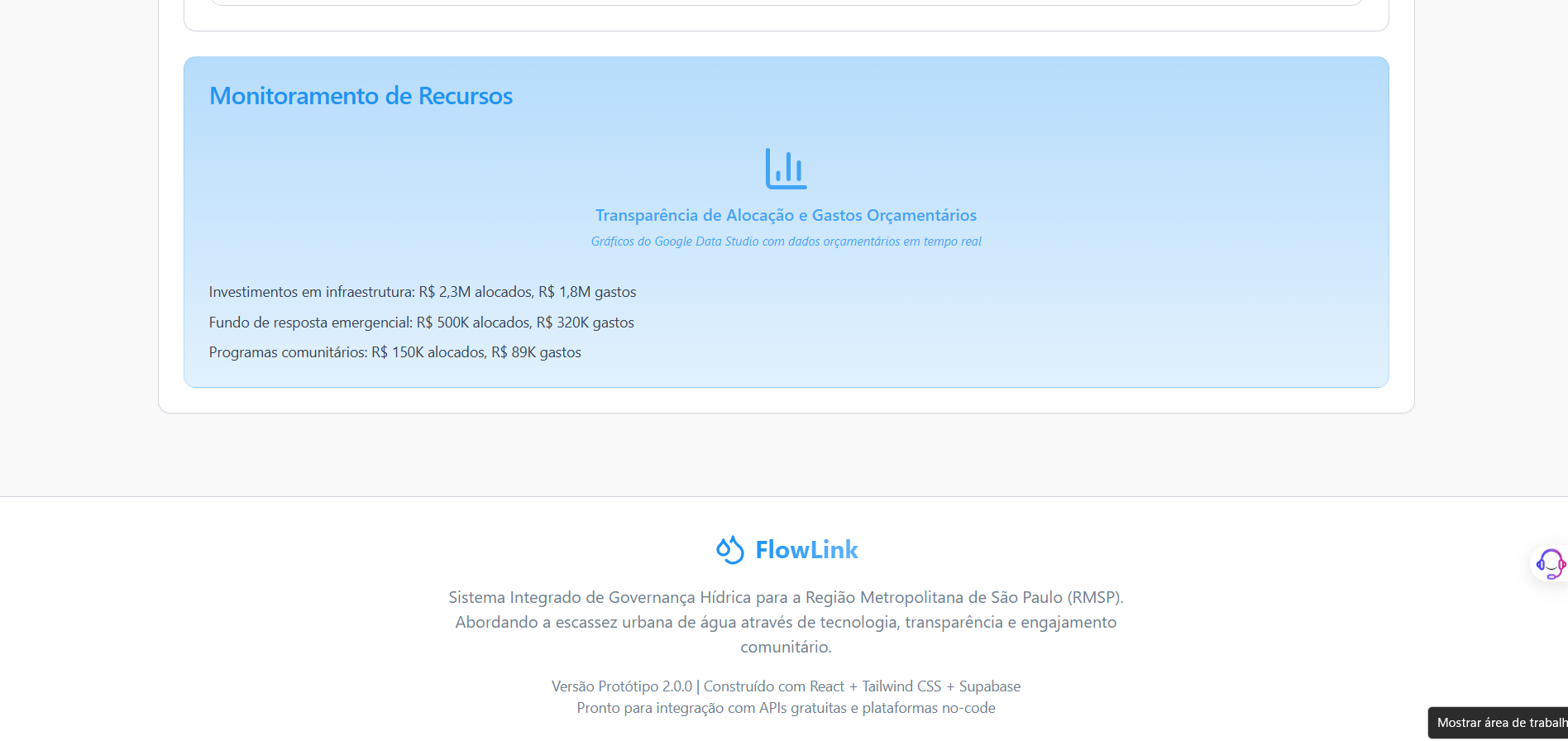
- Participatory Transparency: Communities join in decision-making and oversight
Allies included NGOs, technology partners, engaged public managers, and, critically, residents themselves, who became co-creators and guardians of the platform.
7. The Approach
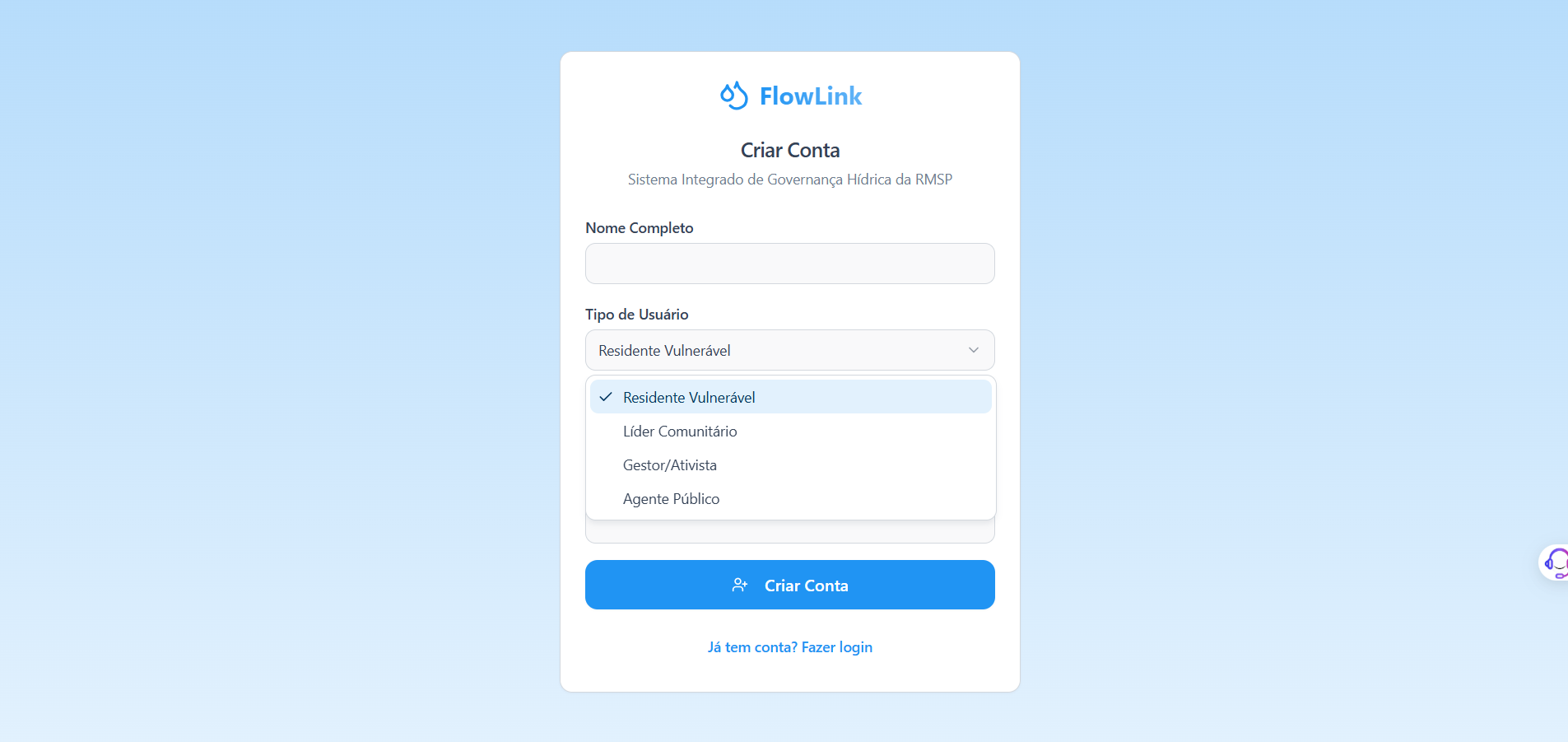
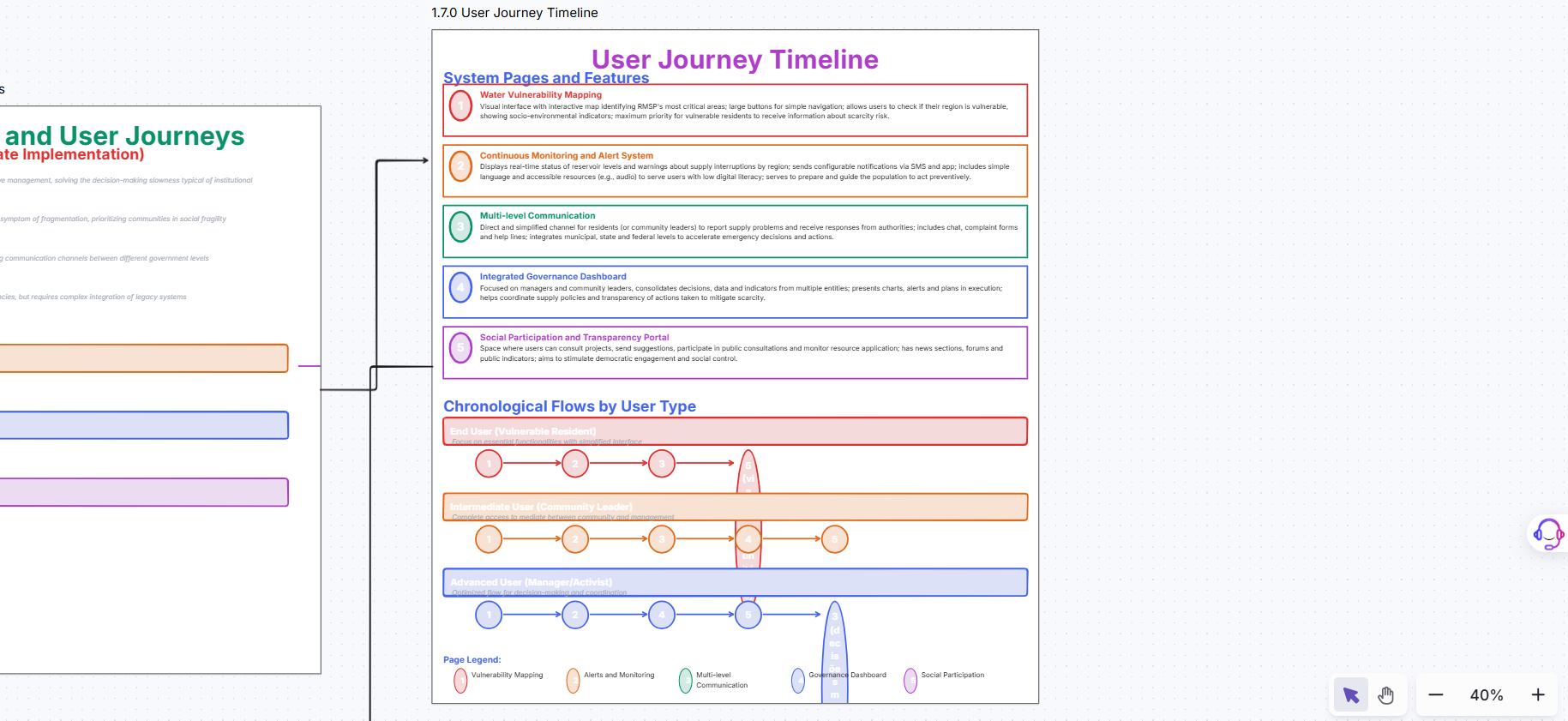
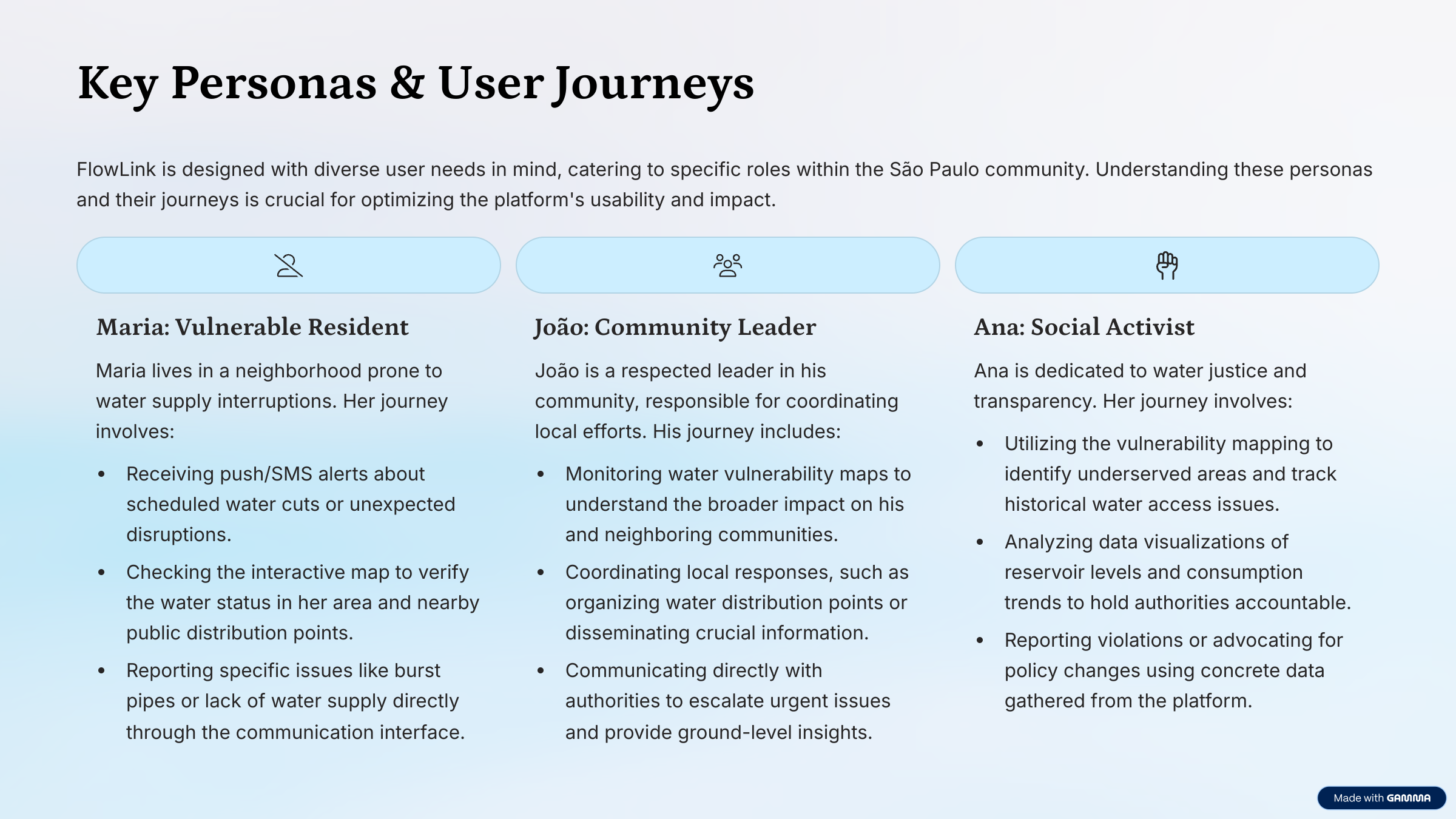
A minimum viable product (MVP) was iteratively co-designed with personas like:
- Maria, a mother needing immediate alerts for daily survival
- João, a local leader marshaling his community
- Ana, an activist mapping and advocating for water justice
Simplicity, accessibility, and immediacy shaped FlowLink’s journey.
Powerful backend analytics ensured policy-makers could react quickly and equitably.
8. The Ordeal
Implementation in the field confronted critical tests:
- Outdated pipes and erratic municipal protocols
- Geographic inequality
- Communication gaps
FlowLink’s adaptive design—offline notifications, SMS alerts, and visual mapping—allowed it to reach and empower the most disconnected users.
9. The Reward
Communities gained:
- Agency: Direct say in water management
- Transparency: Real-time knowledge, accountability, and oversight
- Connection: A unifying platform linking municipal, regional, and community efforts
Impact Metrics:
- Faster response to water outages
- Prioritized resource distribution in highest-need areas
- Exponential increase in community engagement and reporting
10. The Road Back
Inspired by FlowLink’s early impacts, neighboring cities and communities launched parallel initiatives. Public authorities adopted participatory practices, underpinned by FlowLink’s transparent, auditable data.
11. Resurrection: Transformation and Expansion
FlowLink evolved from a crisis tool to a living backbone for urban resilience:
- Offered in multiple languages
- Connected to public health and disaster response services
- Continually upgraded using community-driven feedback and data analytics
12. Return with the Elixir
São Paulo’s most vulnerable communities returned not just with water, but with a renewed sense of dignity and voice. FlowLink demonstrated that even the most fragmented systems can be rewired—
when technology, transparency, and collective action unite.
Built With
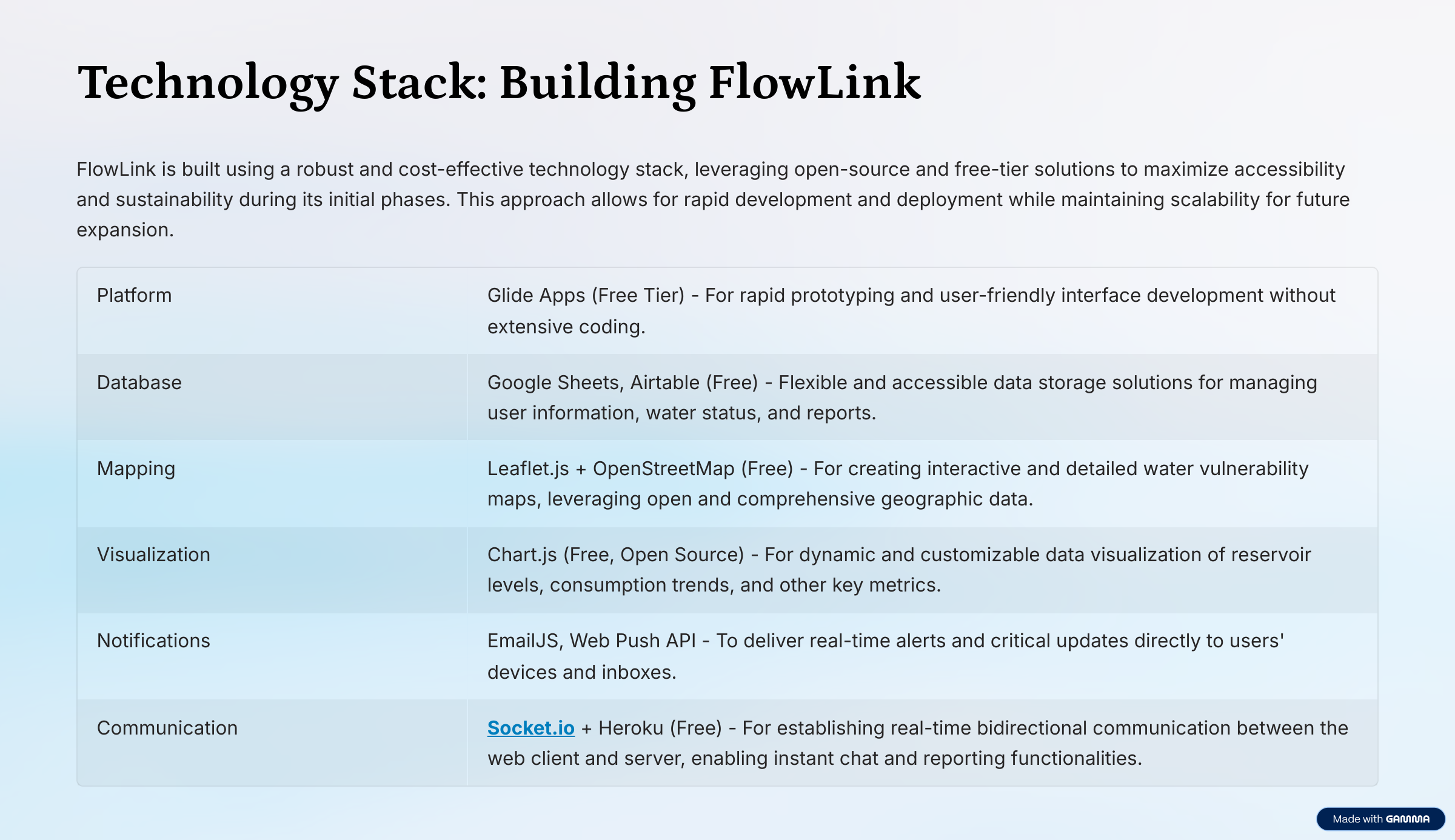
- agile-methodologies
- javascript
- lowcode
- nocode
- node.js
- product-management

Log in or sign up for Devpost to join the conversation.