-
-
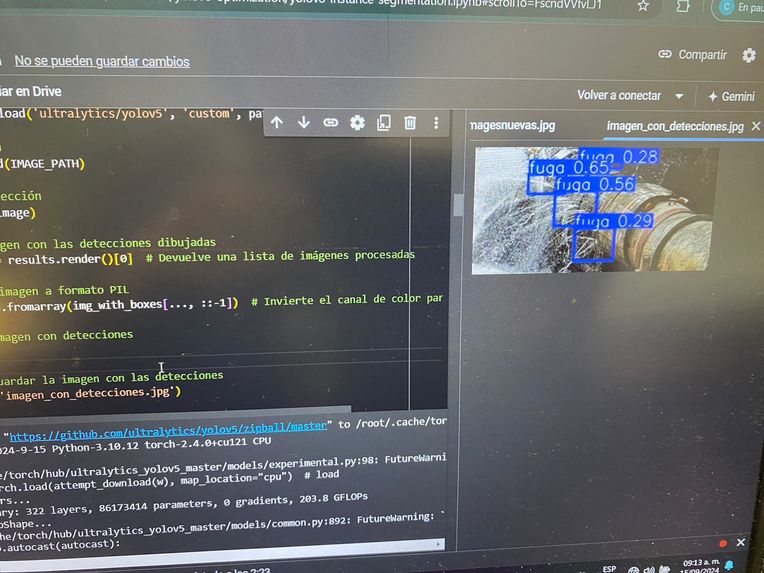
Prueba de nuestro modelo de AI
-
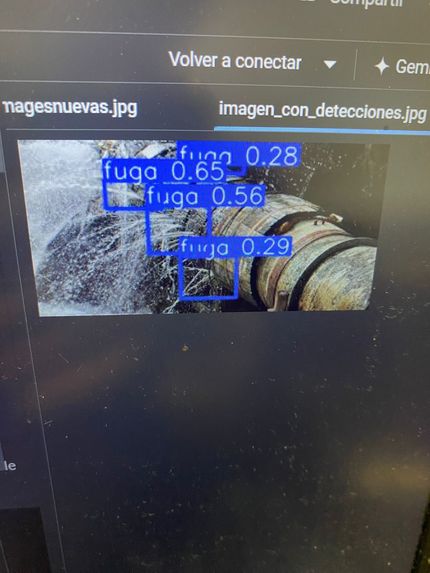
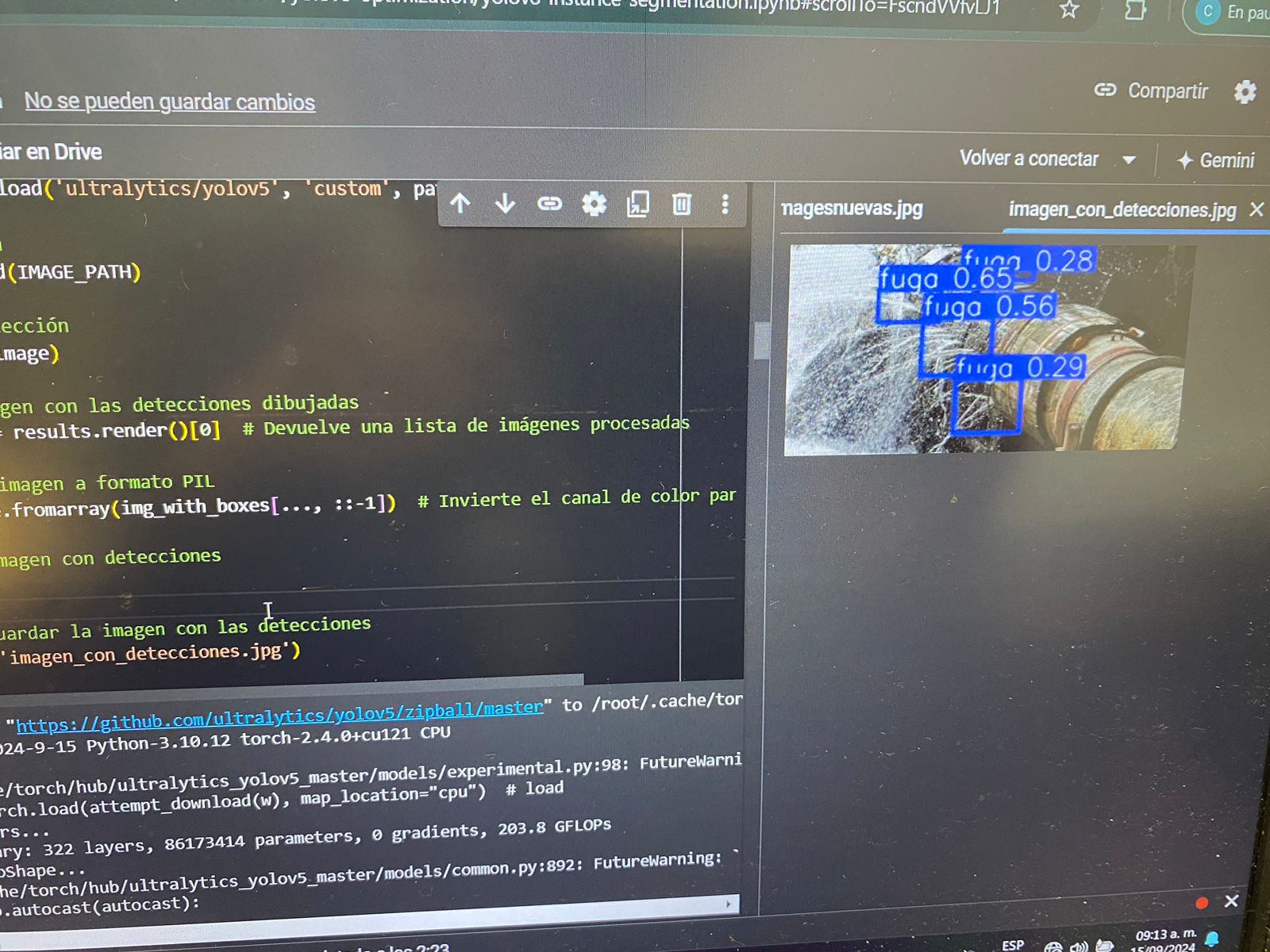
Resultados de nuestro modelo de AI
-
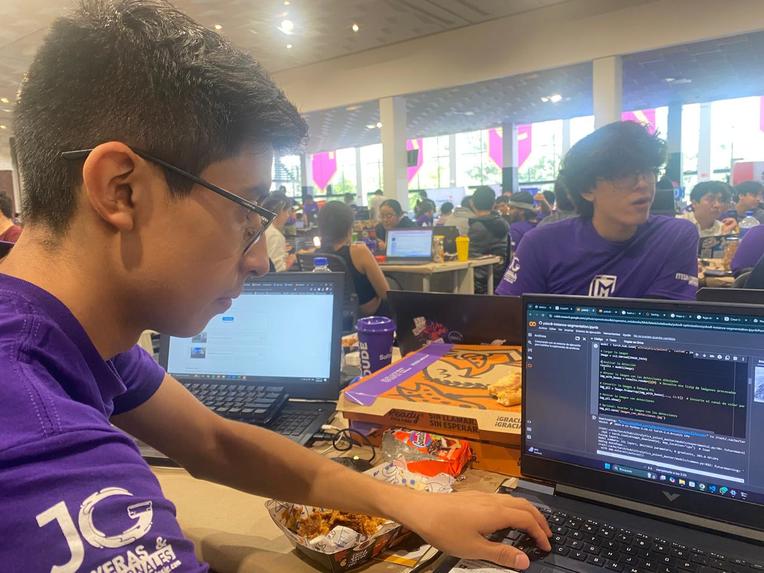
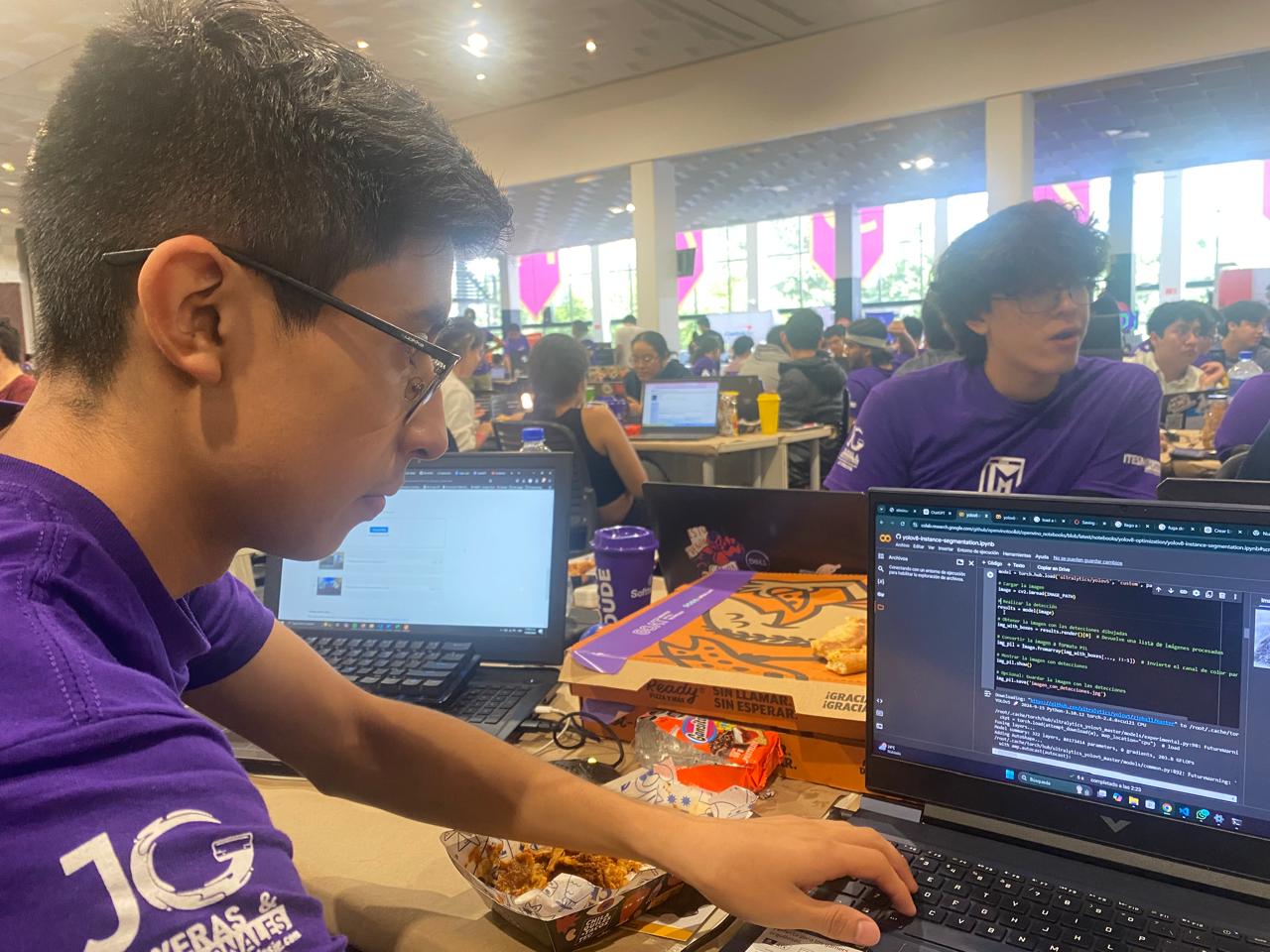
Trabajando en el modelo y conexiones

Project Story
About the Project
Our project was born out of the urgent need to address the water crisis in Monterrey, where key reservoirs like La Boca and Cerro Prieto are operating at only 5% of their capacity. With water being a scarce and precious resource, especially for industries and communities alike, we wanted to create a solution that could significantly reduce water waste caused by undetected leaks in distribution systems. Given that 40% of water is lost due to leaks, this issue presents a serious economic and environmental challenge.
Inspiration
We took inspiration from previous submissions that addressed similar water-related issues, but we wanted to create our own unique solution using cutting-edge technology. The ongoing water crisis in Monterrey served as a powerful motivator, especially when we realized how much water industrial operations consume. Companies like Coca-Cola and local breweries can extract up to 1,600 liters per second, putting even more pressure on already scarce resources. We saw this as a crucial opportunity to leverage computer vision to tackle the problem.
What It Does
Our solution utilizes computer vision through existing security cameras to detect potential water leaks in industrial pipelines. By analyzing real-time video streams, our system can alert the appropriate personnel as soon as a leak is detected, helping prevent water wastage.
How We Built It
We began by developing the frontend and connecting the app to a database, but the real turning point came when we decided to train our own AI model from scratch. Initially, we faced challenges integrating an existing model into our app, but after much trial and error, we realized that a custom-trained model would better suit our needs. This decision marked a crucial moment in our project development.
Challenges We Ran Into
We encountered numerous issues while trying to integrate a pre-trained model into our application, but then we made the decision to train our own model from scratch. Another challenge was the diverse skill sets of our team; one member felt more comfortable working in JavaScript while others preferred Python, so we had to combine both technologies to create our final project.
Accomplishments That We’re Proud Of
We successfully trained the AI model from scratch, it was a challenging accomplishment that made our leak detection system come to life. Additionally, we mixed both JavaScript and Python due to personal preferences from each team member.
What We Learned
We learned how crucial it is to stay adaptable when working on complex projects like this. Training an AI model from scratch taught us a great deal about data processing, optimization, and model evaluation. We also deepened our knowledge of OpenVINO and how it can optimize vision models for industrial applications. Most importantly, we learned the power of teamwork and how combining diverse skill sets can lead to innovative solutions.
What’s Next for Flowing Vision
Looking ahead, we plan to refine our model further and scale the project by incorporating more advanced algorithms for leak detection. We also aim to collaborate with industrial partners in Monterrey to deploy our solution in real-world settings, ultimately contributing to water conservation efforts at a large scale. Expanding the project to cover more types of leaks and improving our system’s response time are high on our priority list.

Log in or sign up for Devpost to join the conversation.