Inspiration
We wanted a way to capture ideas quickly and organize them without the clutter of traditional note apps. It felt like AI could make notes smarter, not just store them, so we decided to build a platform that helps us manage information more efficiently.
What it does
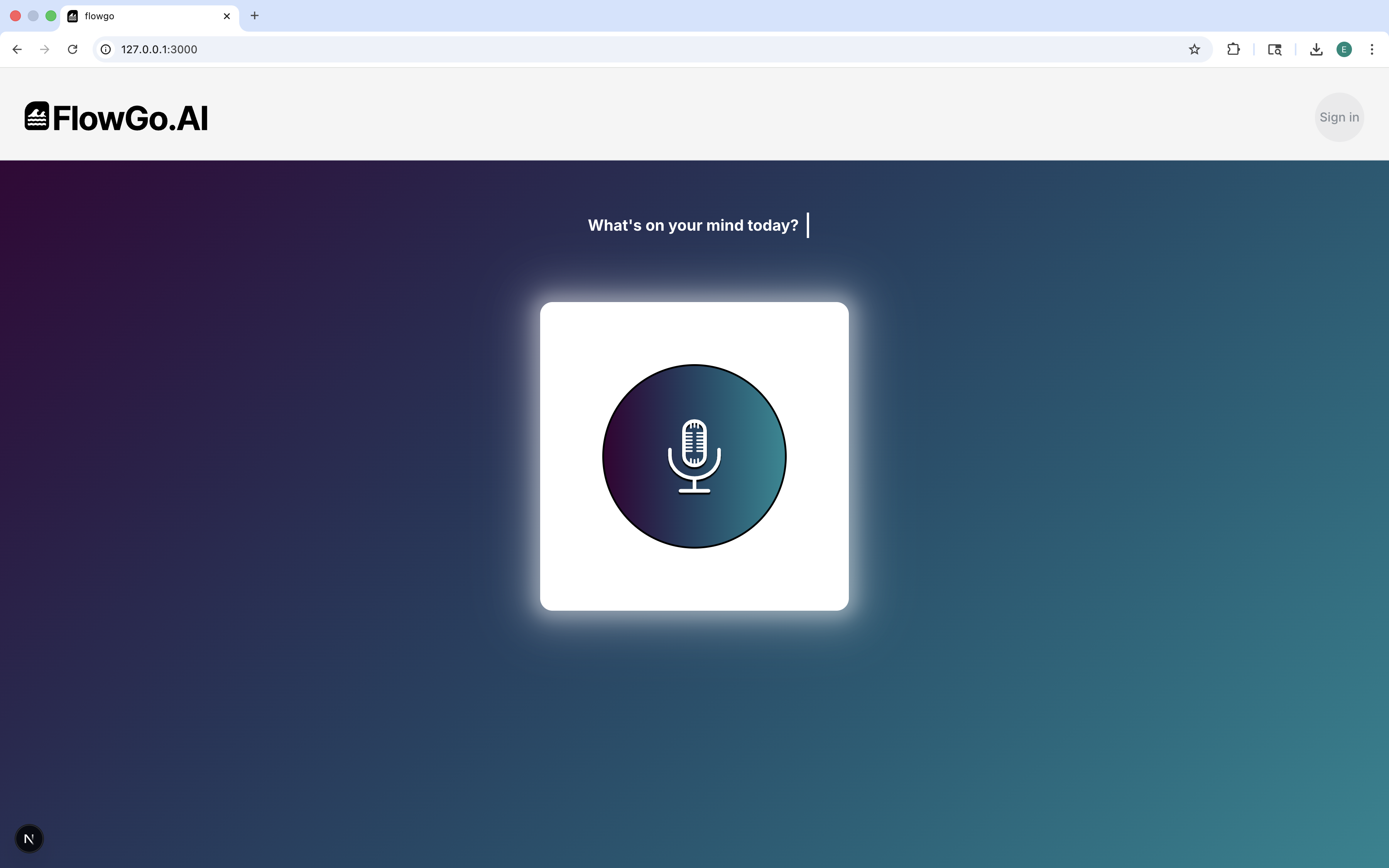
FlowGo AI lets you create, edit, and organize notes easily. Beyond basic note-taking, it’s designed to leverage AI for smarter insights, like finding what you need quickly, summarizing long notes, or tagging notes automatically. Essentially, it makes note-taking less work and more useful.
How we built it
The backend is powered by Django with REST APIs, handling users and notes securely. The frontend provides a clean, responsive interface, and all data is stored in a SQL database for easy querying and scalability. We also structured it so AI features could be added smoothly in the future.
Challenges we ran into
One challenge was keeping the backend and frontend in sync while adding new features. We also ran into Git merge conflicts and divergent branches, which slowed things down for a bit. Figuring out how to integrate AI features without overcomplicating the core app was tricky as well.
Accomplishments that we're proud of
To be honest, getting the API to work and connecting frontend to backend, it was our first time doing a full-stack application.
What we learned
We got a lot of hands-on experience with Django, REST APIs, and Git workflows, learning how to structure a project for scalability and future AI features. Dealing with merge conflicts and divergent branches also taught us real-world lessons in version control and teamwork.
What's next for FlowGo.AI
a lot, UI changes, backend changes, and much more.
Built With
- django
- figma
- next.js
- python
- typescript


Log in or sign up for Devpost to join the conversation.