-

FlowFuel!
-

Mugsssss!!! <3
-
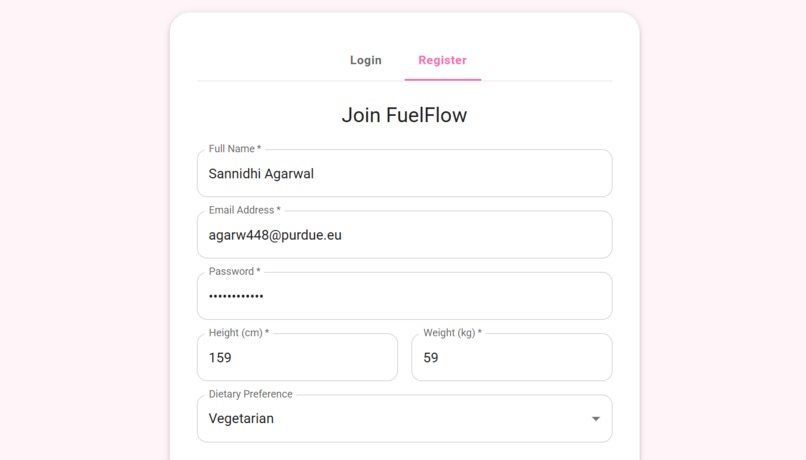
Login
-
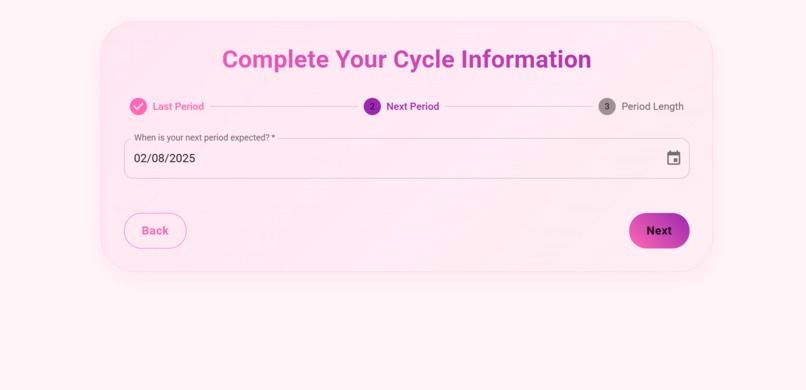
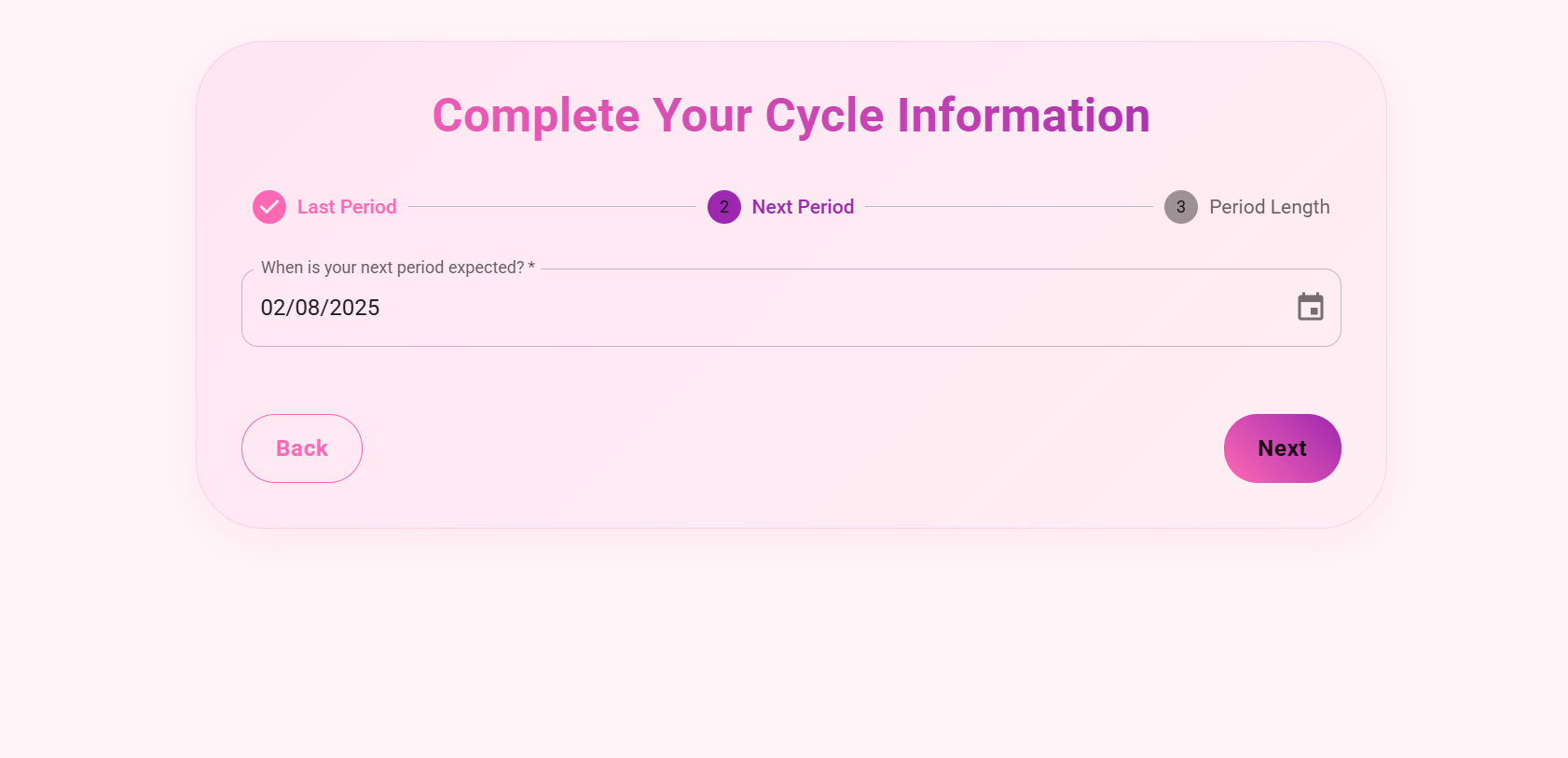
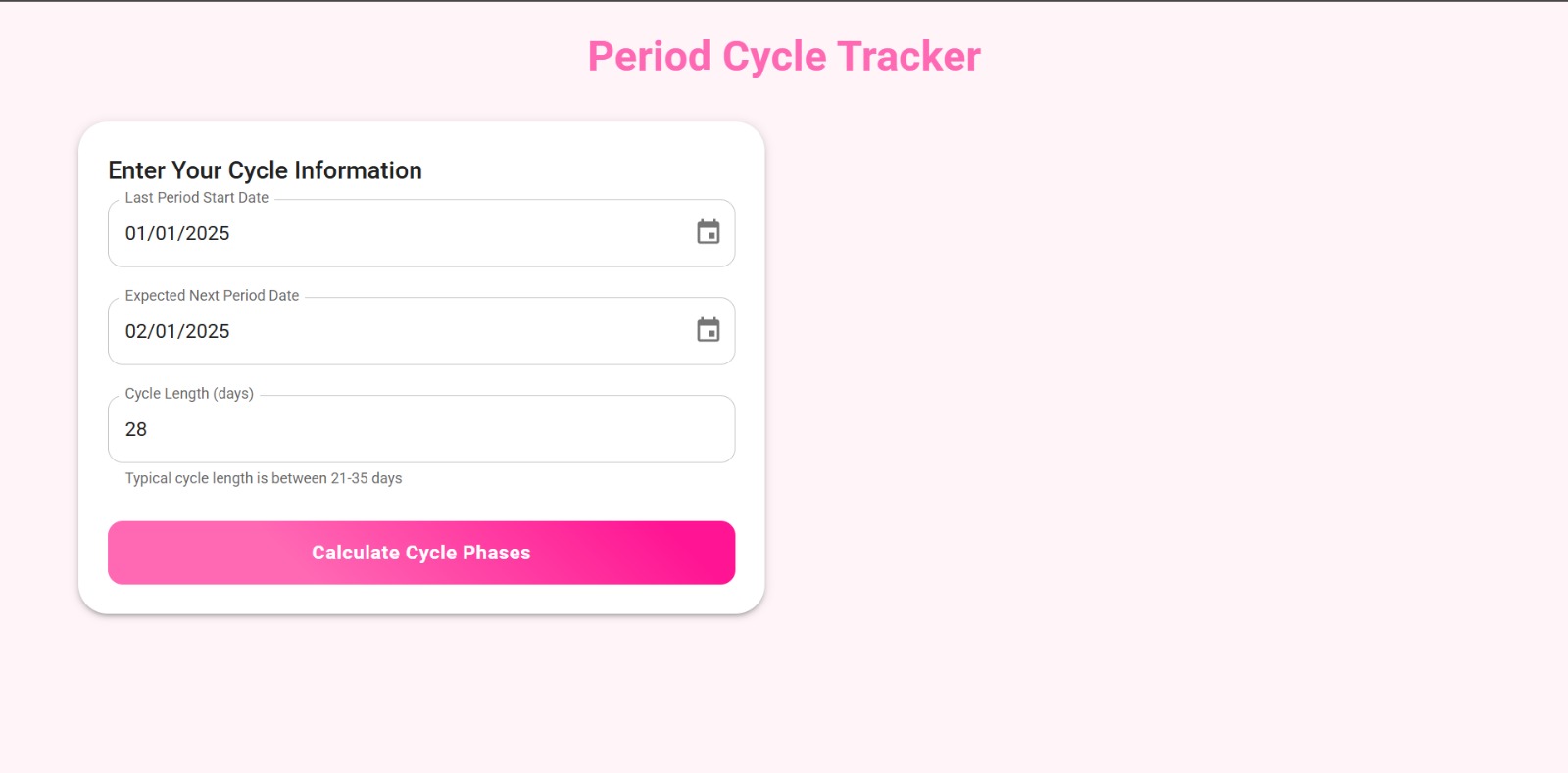
Enter Menstrual Information
-
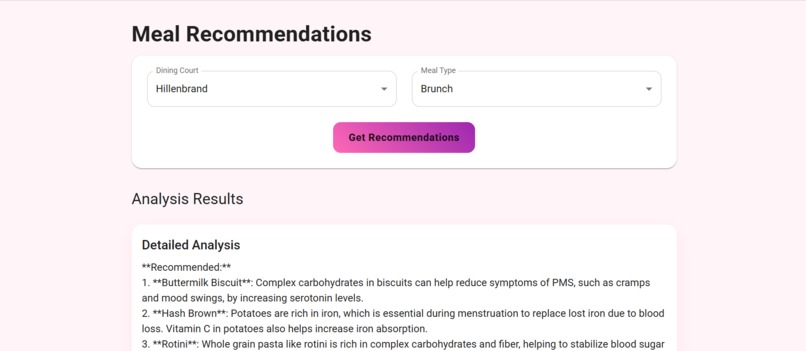
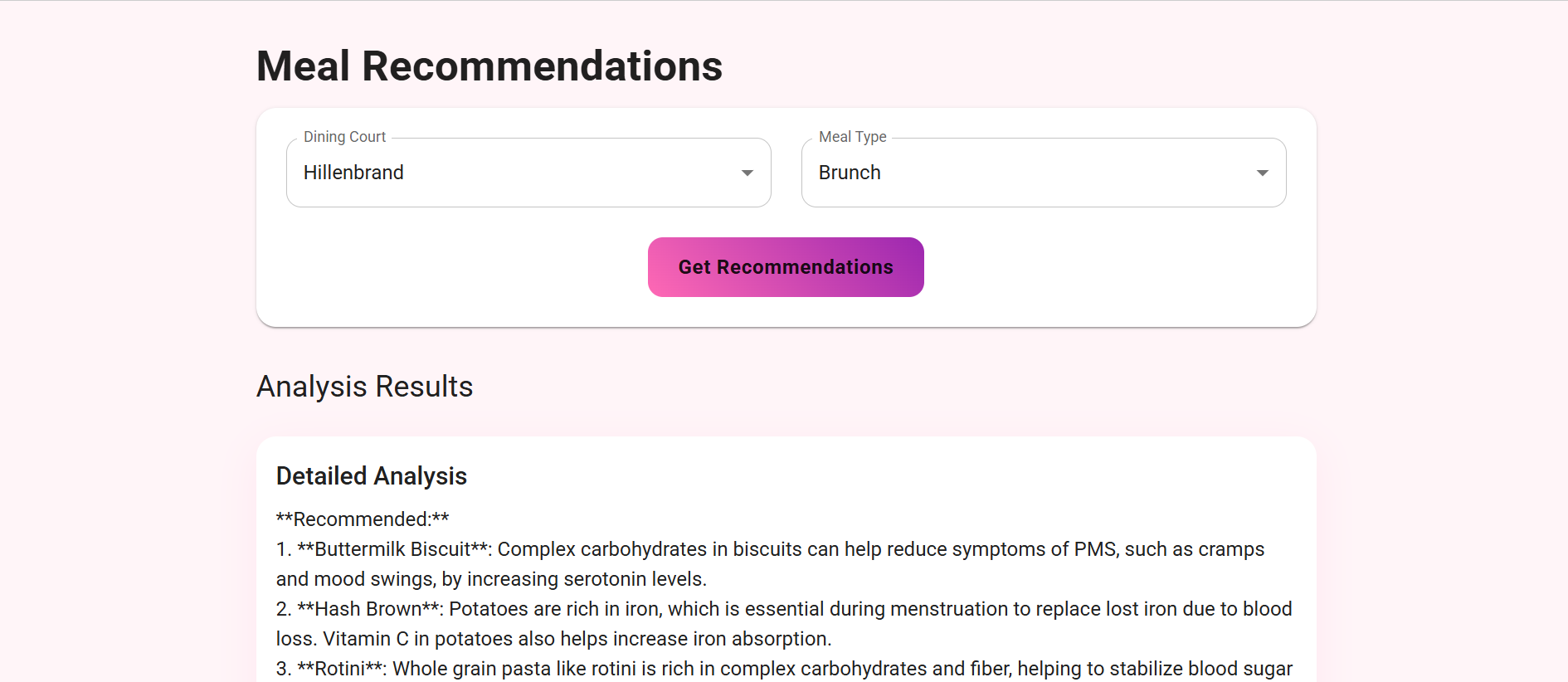
Hilly Brunch Recommendations
-
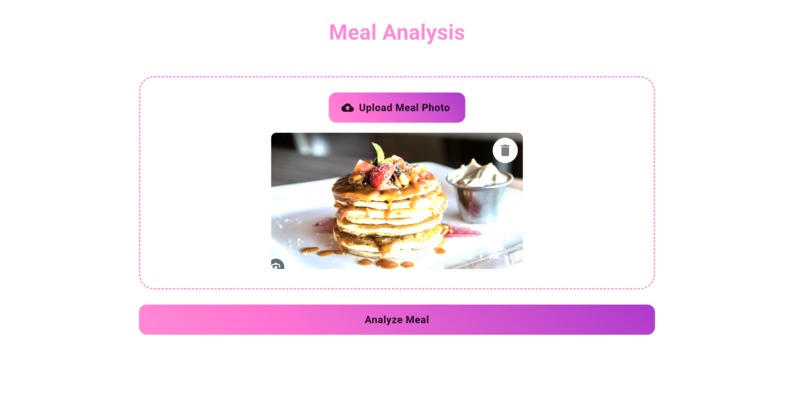
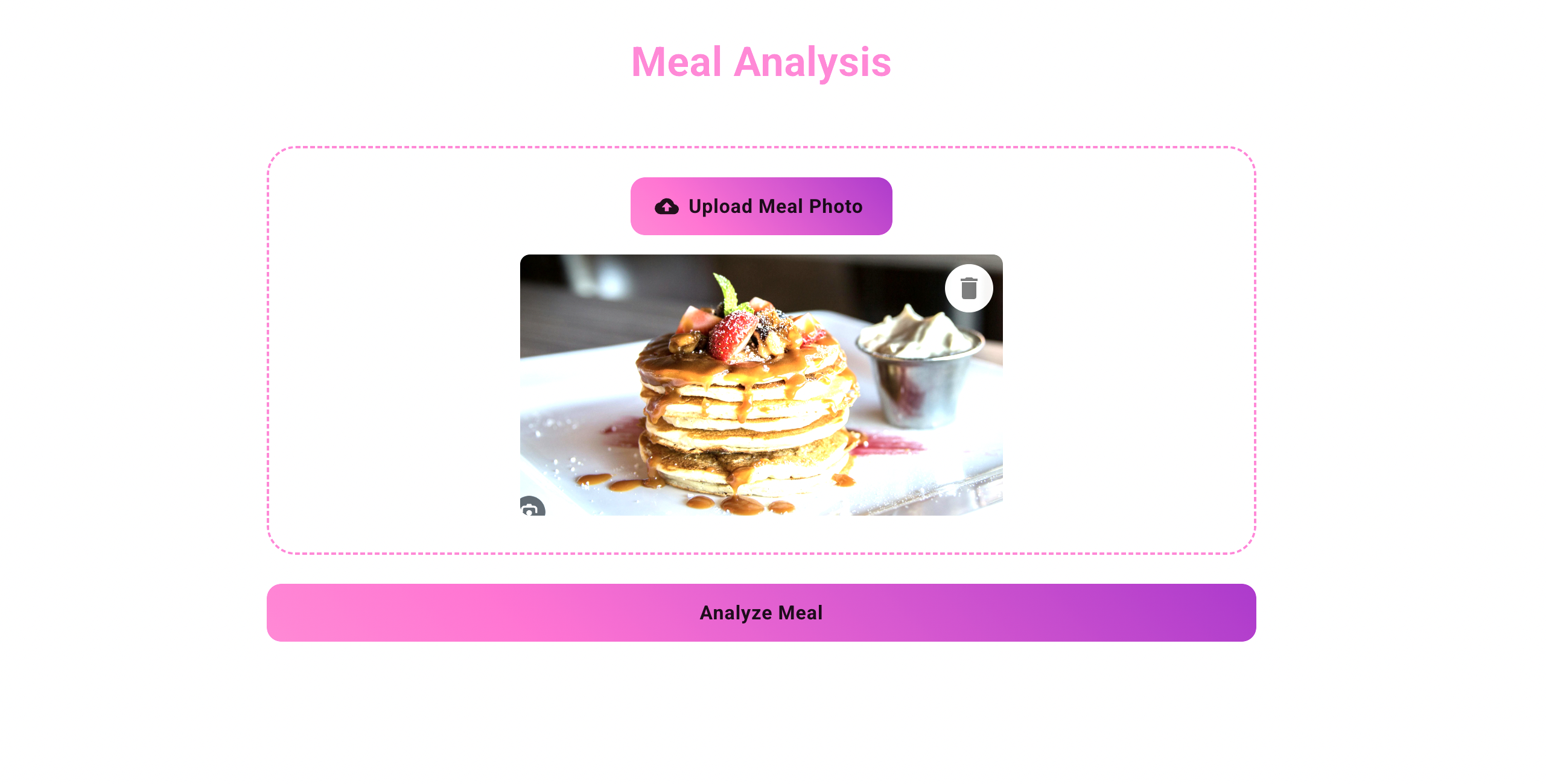
Photo Analysis
-
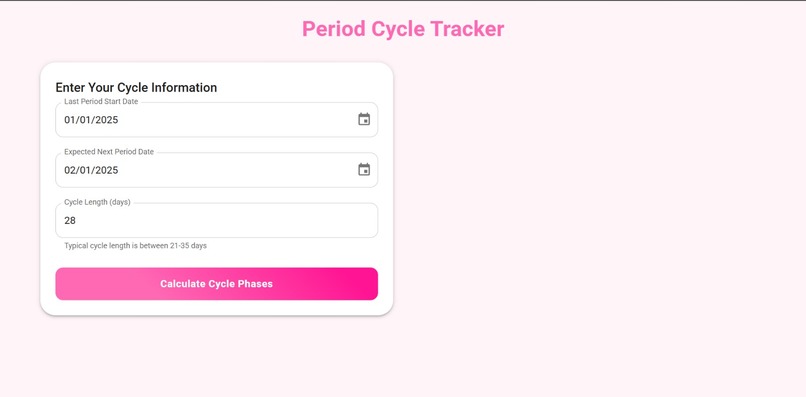
Period Cycle Tracker
-
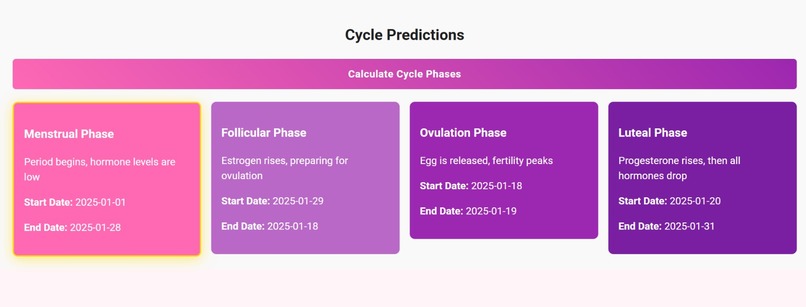
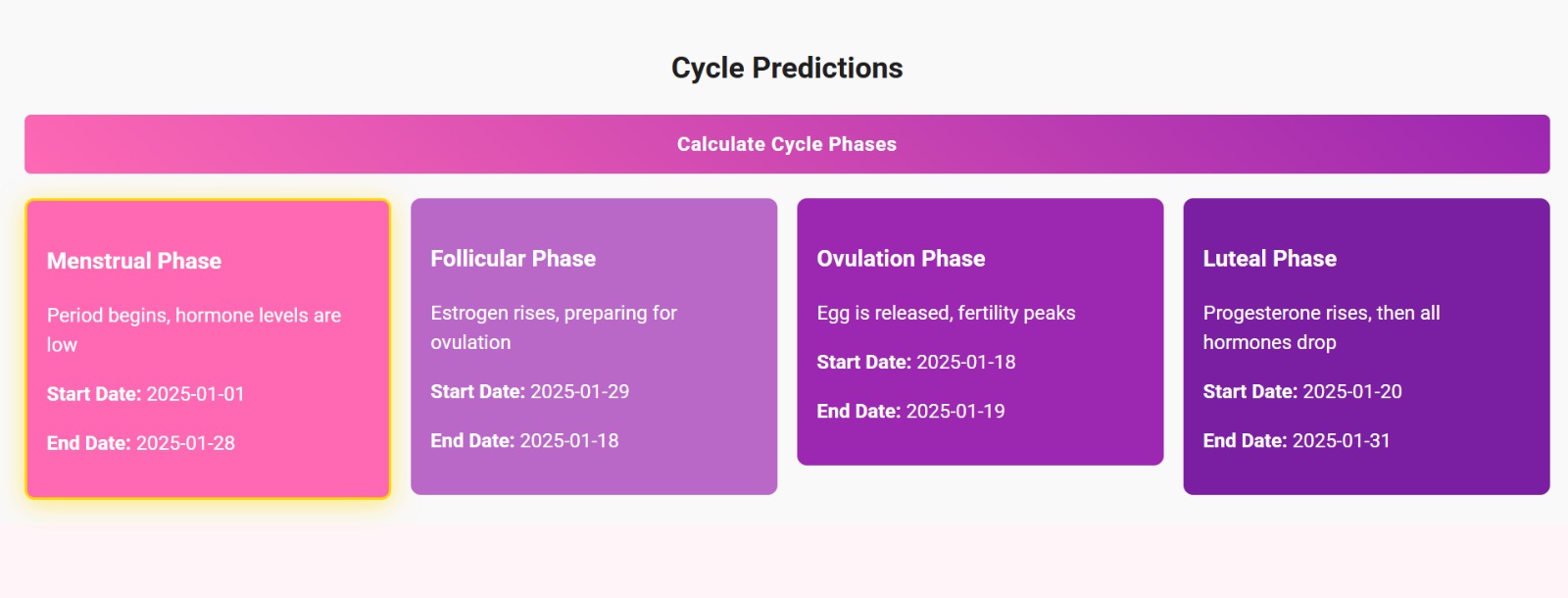
Cycle Tracker


Inspiration
The idea for FlowFuel was born from the understanding that women's nutritional and activity needs vary significantly across their menstrual cycles. Despite this, most resources and meal plans fail to consider these biological fluctuations, leaving many women without the tailored support they need. As a team, we wanted to create something we would love to use ourselves—an app that not only tracks the menstrual cycle but also provides actionable, personalized insights to improve well-being and nutrition. Additionally, we wanted to integrate Purdue’s dining court options into the app to make meal planning easy and accessible for students.
What it does
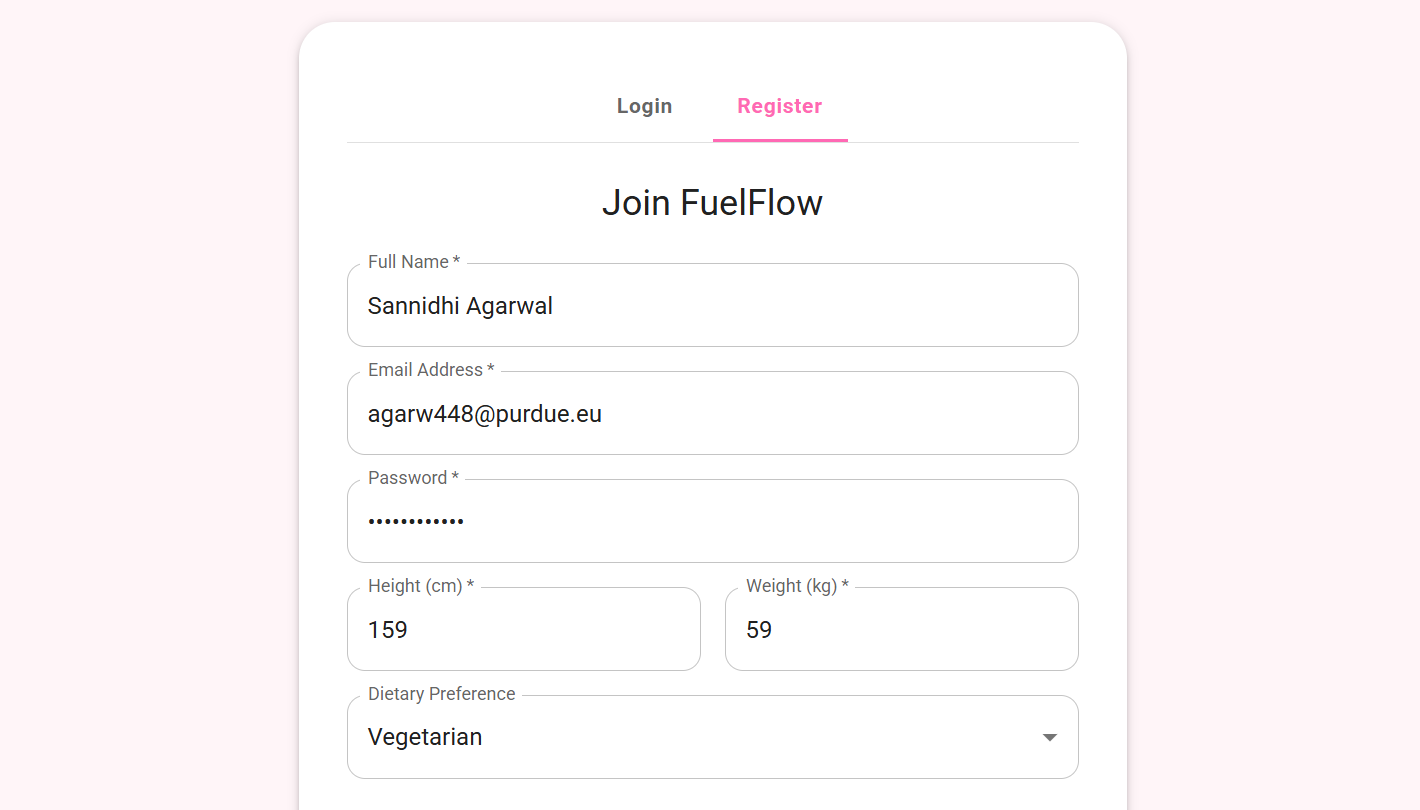
FlowFuel is a comprehensive period tracker and personalized nutrition guide. Users can enter their period start and end dates, cycle length, height, weight, activity levels, and dietary preferences such as vegan or vegetarian. The app connects to a period tracking API to identify the user’s current phase in their menstrual cycle and scrapes the Purdue dining court database to retrieve available meal options for the day. Based on the user's phase and dietary preferences, FlowFuel generates a personalized meal plan to meet their specific nutritional needs. Additionally, users can upload a picture of their meal to analyze its nutritional content in the context of their cycle phase.
How we built it
FlowFuel combines elegant design with powerful functionality. We created a visually appealing, feminine interface to make the user experience intuitive and engaging. The app integrates RapidAPI to track cycle phases and uses POST requests to retrieve real-time meal data from the Purdue dining court database. This information, along with user preferences, is sent to Groq AI, which generates personalized meal recommendations and analyzes meal nutrition. The frontend, built in React, ensures a responsive and dynamic web experience. Our backend, developed in Python with Flask, seamlessly processes user inputs, integrates APIs, and communicates with Groq AI.
Challenges we ran into
Our original idea was too extensive for the timeframe, so we had to scale it down to something more realistic and manageable. Finding a suitable period tracking API took some time, as many options were either not a good fit or too complex to implement.
Our biggest challenge by far was integrating all the components and connecting the backend with the frontend. Ensuring that the backend API endpoints were correct and that the data flowed properly between the API, the Groq AI, the scraper, and the frontend was a complex task. While each component works individually, we haven’t managed to integrate them perfectly yet.
Accomplishments that we're proud of
We're proud of having only two cups of coffee, managing to be up and working by 8 AM, and, of course, decorating some very pretty mugs (we attached a picture). On the technical side, we're thrilled that we were able to build a prototype in such a short time, especially considering our initial lack of experience with APIs and flask. Most importantly, we came together as a team and turned our vision into a reality.
What we learned
This project taught us a lot about collaborative problem-solving and rapid prototyping. We gained valuable experience in web scraping, API integration, and implementing machine learning models in a practical application. On a personal level, this experience deepened our understanding of the menstrual cycle's impact on nutrition and activity, reinforcing the importance of designing solutions that address real-world needs.
What's next for FlowFuel
Looking ahead, we’re excited to take FlowFuel to the next level by developing a full mobile app. Our goal is to allow users to track not only their latest period data but also their complete menstrual history, offering a more comprehensive view of their cycles over time. To further enhance accessibility, we plan to integrate text-to-speech functionality, ensuring that the app is usable for individuals with varying needs. We want to make sure that FlowFuel is inclusive. Additionally, we plan to expand the educational aspect of the app by providing more detailed information on the four menstrual phases. Each phase affects the body in unique ways, and we want to help users understand how to adapt their nutrition, exercise, and lifestyle to each stage.


Log in or sign up for Devpost to join the conversation.