-
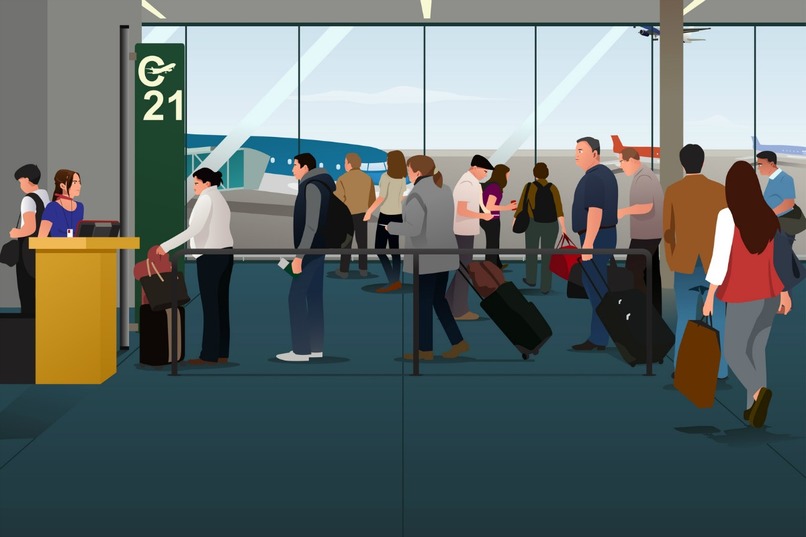
Passenger Flow
-
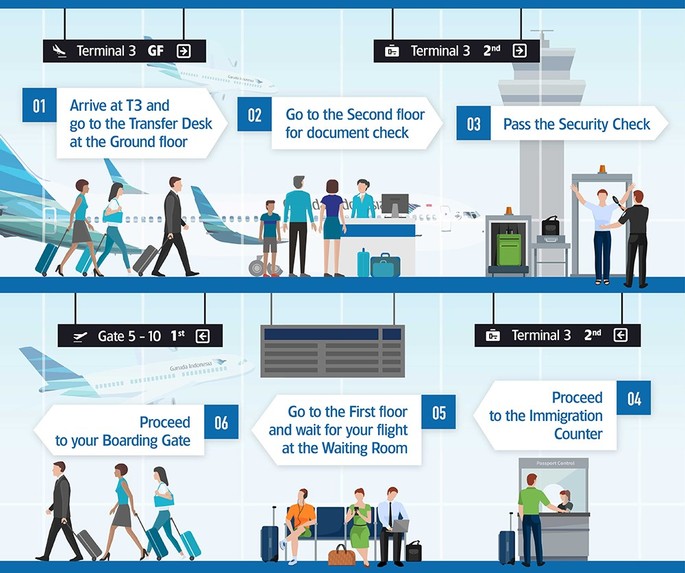
Smoothing passenger flow and the airport departure experience
-
During the journey at the airport and aircraft, passengers pass through multiple touchpoints
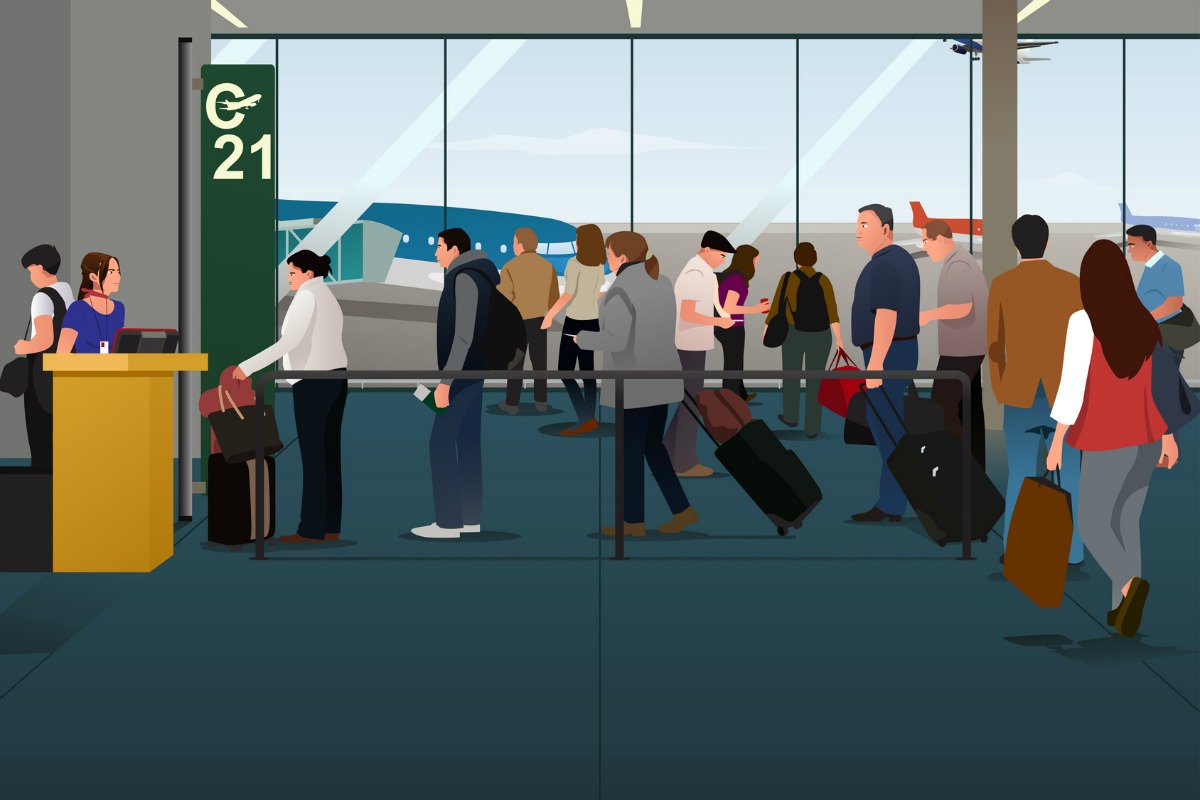
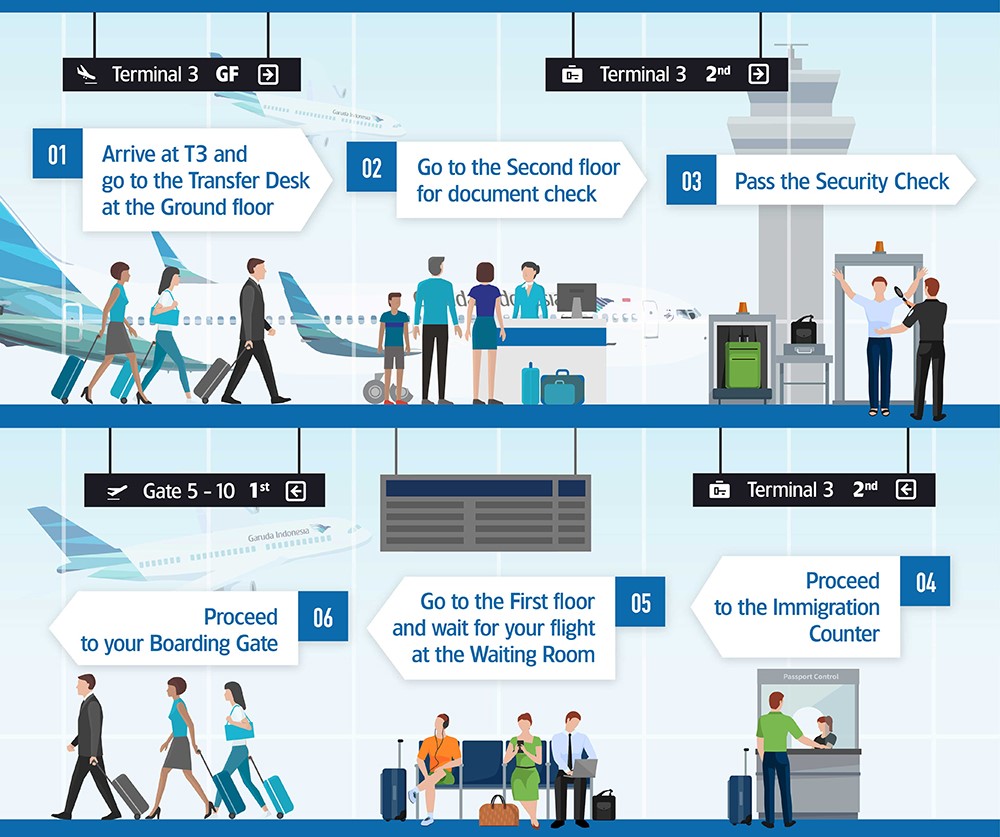
Passenger Flow – During the journey at the airport and aircraft, passengers pass through multiple touchpoints. For this challenge, we would like to see how participants can help improve and enhance the passenger journey across these touchpoints.
Smoothing passenger flow and the airport departure experience From the moment a passenger travels to the departure station, they face a series of small challenges that can be stressful.
Find a car park. Find a luggage trolley. Find the correct departure station. I am looking for the check-in counter. All the time they wonder if they will be able to get to the departure gate on time. Every step of this journey through the airport leaves a bad or downright disappointing impression on the traveler.
What is passenger flow management?
Flow management is more than just capturing data, although that's part of it. As people move through the airport, it combines Wi-Fi, Bluetooth, 3D sensors, boarding pass scanning, and other third-party data to build a real-time picture of how people are moving and staying. The real benefit is in analyzing that data, which, when intertwined with flight data, provides powerful insights – this includes the ability to identify bottlenecks, predict the impact of unexpected changes on flow, and recommend the best actions for smooth productivity.
Here are the most important processes measured by ASQ (the International Benchmarking Program for Airport Service Quality) and how flow management can make a difference:
1. Ground transportation and parking Before the traveler sets off from his home or hotel, can he predict how smooth the journey will be from his door to the departure gate? Not usually. But, with a comprehensive flow management system, they can. It can take into account traffic jams on roads to the airport, pick up delays in public transportation and connect to parking systems to let passengers know how many unoccupied spaces are left.
2. Trolley availability Luggage trolleys tend to be left in various places throughout the building, car parks, and surrounding areas. Not very useful during busy peak periods. By using asset flow management and BLE tags on each vehicle, airports can accurately determine where vehicles are located and how passengers use and dispose of them. Then, by combining wagon flow data with flight profile information, airports can predict the number of carriages needed to match both departing and arriving passengers.
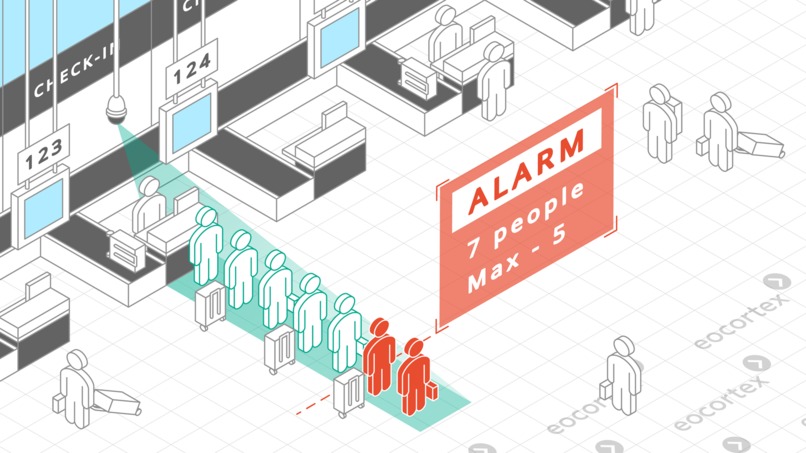
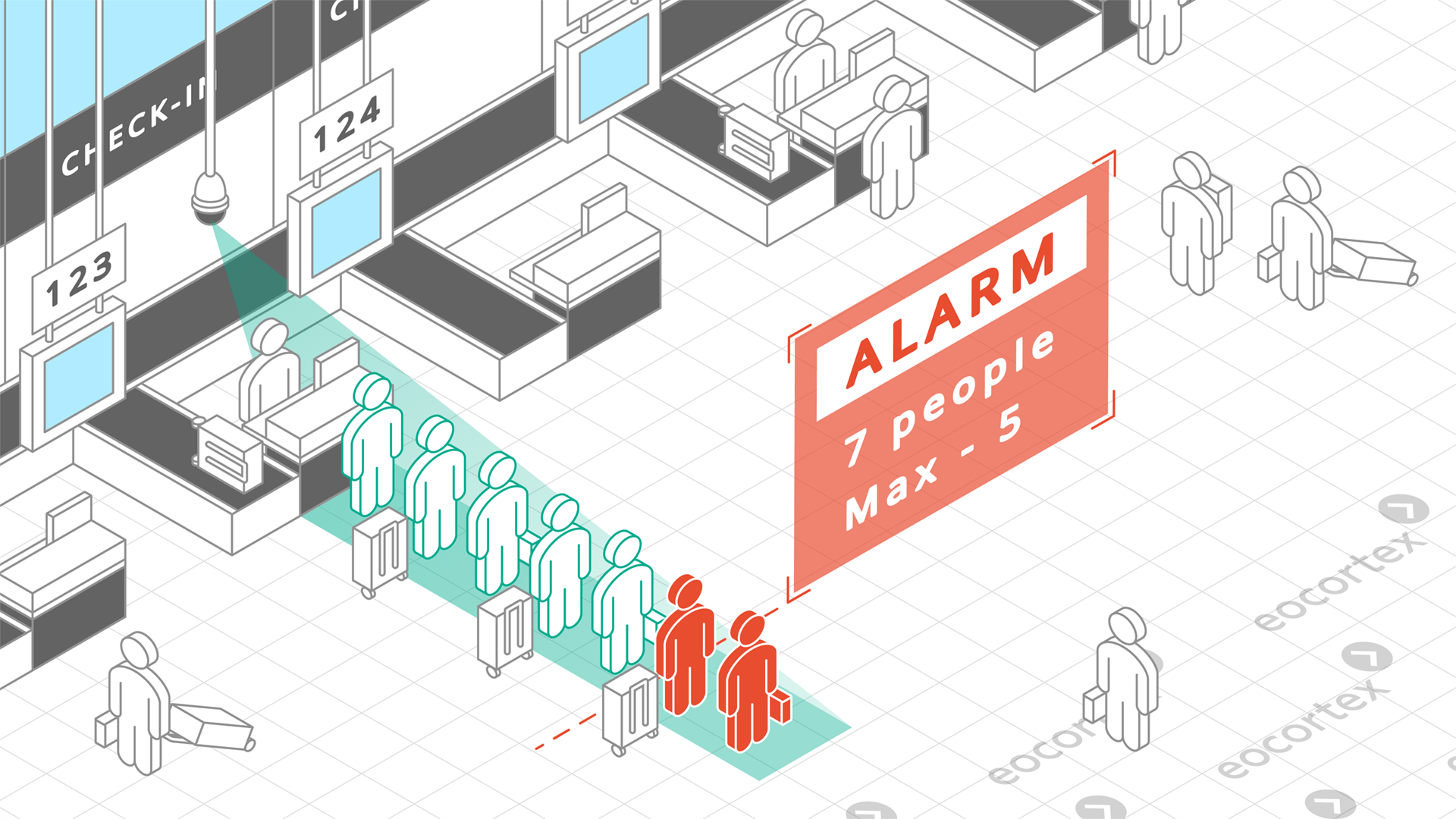
3. Check-in Airports that analyze queue formations and process check-in can deal with congestion and safety issues much faster than those that cannot. Fixed meter timeframes can cause significant capacity drops and cost the airport lost retail accommodation time.
4. Passport and Security While communicating waiting times is commonly used to manage expectations and reduce stress, airports that use historical data to predict supply profiles for capacity planning can improve productivity and reduce the time spent in queues. This more predictive approach to queue management also gives passengers the ability to better plan their trips.
5. Facilities and Comfort Only Just organization is what this department needs.
So, what's the solution?
The solution lies in an integrated system based on artificial intelligence and machine learning. This system uses the passenger ticket ID as a reference for all information and data for this passenger. Where the passenger can download an application on his mobile phone and follow his journey from the moment he buys the ticket until he gets off the plane door at the arrival airport. This application is connected with all airport systems and devices that operate on the Internet, to process passenger data, and solve congestion and the problem of first-time travel..etc.
Through a QR code located on the walls of the airport. The passenger who has a problem can scan this code and choose the type of problem, and the system will send through the ticket ID, cameras, and the passenger’s phone location a report to the airport administration about the location and problem of this passenger, and then the passengers who have a problem can be counted, the congestion crisis resolved and the operators sent through Existing sections to solve the passenger problem.
The passenger can control the time of his arrival at the airport and tell the system that he will be late or there will be a problem, and the system will set it up. The traveler can receive a notification on his travel application of the possible flight time/queue and the recommended arrival time at the airport.
The problem with the trolleys is that the passengers do not know their location or the time of severe crowding. With a system of cameras and sensors connected to the system and by combining vehicle flow data with passenger flight profile information, airports can predict the number of vehicles needed to match both departing and arriving passengers.
The check-in problem is solved by the system layering flight-based predictions with check-in preferences, real-time transportation data based on data, passenger numbers, and queues. The passenger who did not have a problem passes quickly, and the airport administration, through the report of the system, counts their number and quickly addresses their problems through the workers designated for this type of problem.
The passport and security part is the hardest and longest part of the journey. But through the previous stages, priority will be given to those who do not have problems, as you will get rid of the crowds and the majority of passengers will not have a problem. But nothing is without problems. If a problem is detected, the passenger will scan the code and choose the passport and security, and then a problem will be dealt with through the backup offices.
Facilities and Convenience Through analysis of passenger behavior through the daily system, it is easier to see where people are moving, what they use, and when they use it, allowing airports to shape short-term actions and long-term planning decisions. From flushing toilets to jamming gates, through code scanning and the use of passenger flow data associated with the system and application the information is displayed to direct customers to alternative facilities or keep them in concession areas for longer if facilities are at risk of overcrowding.
Finally, there is a list on the application on the passenger's phone with everything he does from the airport door to the plane door. The passenger checks the completed process and does not put anything on the unfinished. Here lies the idea of data processing and asking for monthly reports about the most vulnerable sections that have a lot of problems, so measures are taken and work is done to solve these problems. This system is the way to address the problem as it occurs. Also, all airport employees are evaluated and give their opinions about the system, whether it is comfortable or not. Did it help them solve problems faster?
Airports and travel problems are renewed every day, but the idea is that we address these problems as quickly as possible because every problem can cause a bigger problem or help create problems that did not exist in the first place.
Built With
- ai
- android-studio
- canva
- figma
- ios
- java
- javascript
- kotlin
- milo
- ml
- swift

Log in or sign up for Devpost to join the conversation.