-
-
Flow.AI
Inspiration
The frustration of juggling multiple voice assistants across different devices inspired us to create FlowAI. We wanted a solution that eliminates the need for different wake words and fragmented experiences, ensuring users have a seamless and personalized assistant everywhere they go.
What it does
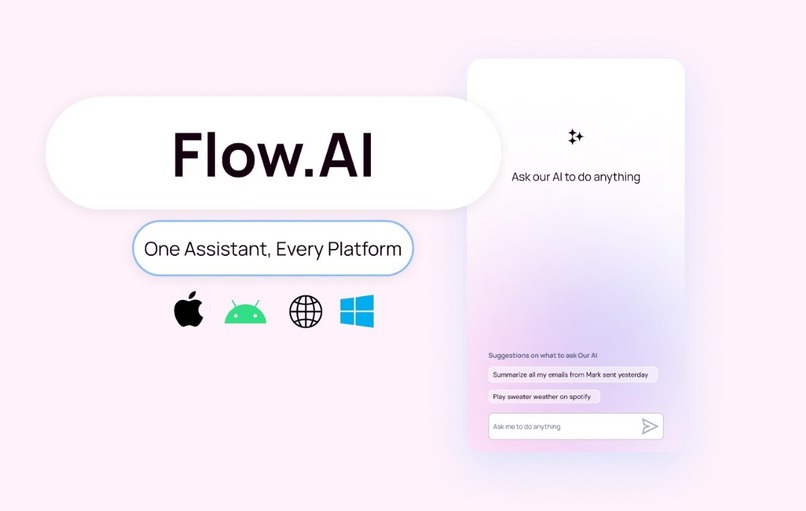
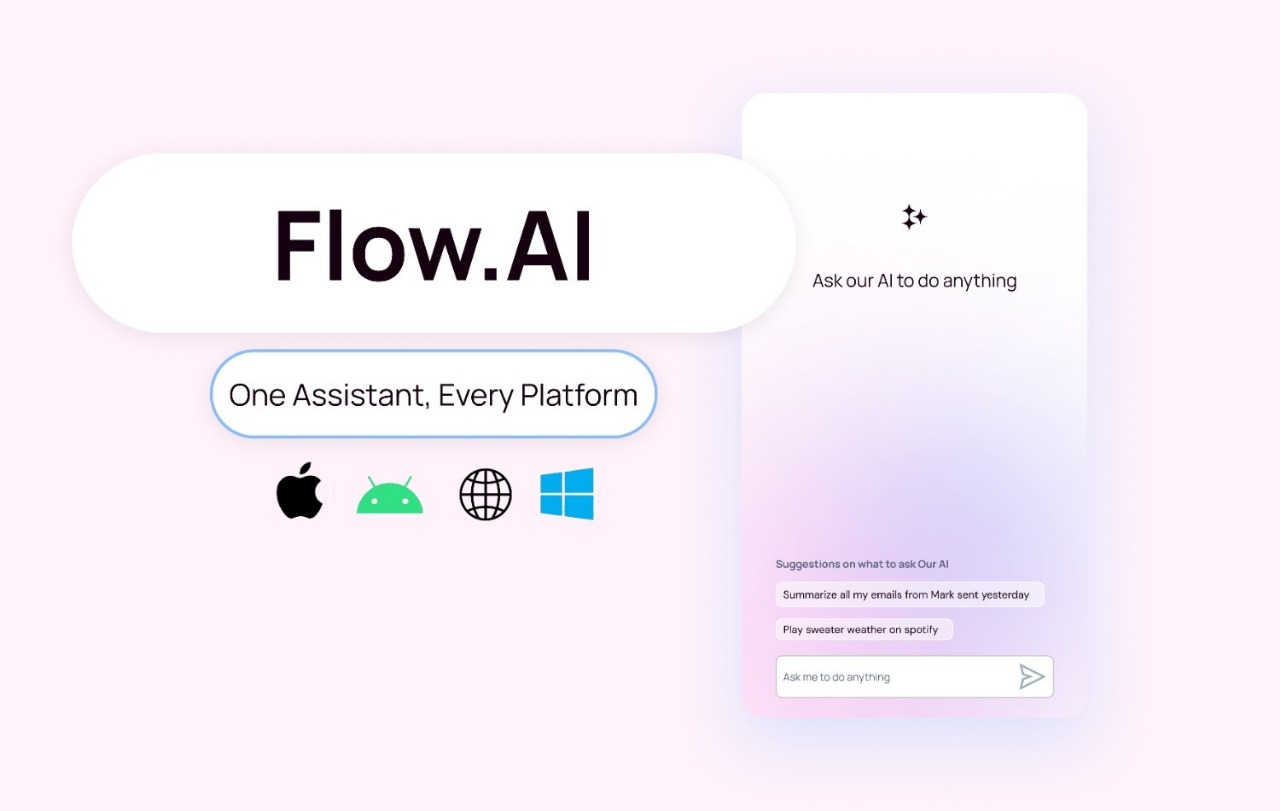
FlowAI is a unified conversational assistant that follows users across all their devices, including smartphones, laptops, smart speakers, and cars. It enables users to access and organize their notes, images, videos, emails, and more—providing a consistent, intelligent, and convenient experience.
How we built it
We leveraged AI-driven natural language processing, cloud synchronization, and cross-platform integration to ensure FlowAI works effortlessly across various devices. To simulate text-to-speech, we utilized Twilio's voice pack, enabling a more natural and dynamic conversational experience.
For the user interface, we developed a Flutter desktop application, as demonstrated in the video. This application interacts with a Flask backend, which functions as the server. The Flutter application sends user queries and additional prompts to the server, facilitating seamless communication between the front-end and back-end.
The server also integrates a multi-agentic workflow powered by LangGraph, allowing FlowAI to intelligently route tasks based on user input. This architecture enables the assistant to handle various tasks efficiently, ensuring an adaptive and responsive experience across different platforms.
Additionally, we implemented a Retrieval-Augmented Generation (RAG) system that periodically fetches emails, notes, images, and videos. The system processes this data by chunking, embedding, and storing it for efficient retrieval. This ensures that users can access their stored content seamlessly whenever needed, enhancing FlowAI’s ability to provide contextual and personalized responses.
Challenges we ran into
Building a truly unified assistant required overcoming compatibility issues across different ecosystems. Ensuring data security and seamless transitions between devices also posed significant technical challenges. Certain commands require SU permissions to run. This varies from platform to platform and we have to handle them.
Accomplishments that we're proud of
We successfully developed a system that eliminates the need for multiple assistants, allowing users to interact with one voice across all platforms. The integration of a multi modal RAG system is another major achievement.
What we learned
We gained valuable insights into cross-platform development, AI-driven voice processing, and the importance of creating a frictionless user experience. Additionally, we deepened our understanding of data privacy and security in an interconnected ecosystem.
What's next for Flow.Ai - One assistant for all platforms
This is a $3.2 billion USD market currently dominated by just 4-5 key players, whose services operate in isolation without integration. Over the next decade, this market is projected to expand to $55 billion USD. Our goal is to secure a share of this growth, with FlowAi seamlessly running across all your handheld devices and extending into your home, car, and workplace.


Log in or sign up for Devpost to join the conversation.